Tile shapes the visual language of an interior long before furniture, lighting, or decorative accents are introduced. Its scale, finish, texture, and tonal variation influence how spacious a room feels, how light moves across surfaces, and how architectural elements connect within a space. Yet despite its long-term impact on both aesthetics and functionality, tile selection is often based on small showroom swatches that reveal only a limited portion of the material’s true character.
What appears balanced under display lighting can shift dramatically once installed across an entire bathroom, kitchen, or open-concept living area. Variations in shade become more noticeable, grout spacing begins to affect visual rhythm, and certain finishes respond differently to moisture, wear, and natural light than initially expected. Full-size tile samples provide a more accurate understanding of these variables before installation begins, helping prevent costly renovation mistakes such as material replacement, layout revisions, or labor-intensive reinstallation.

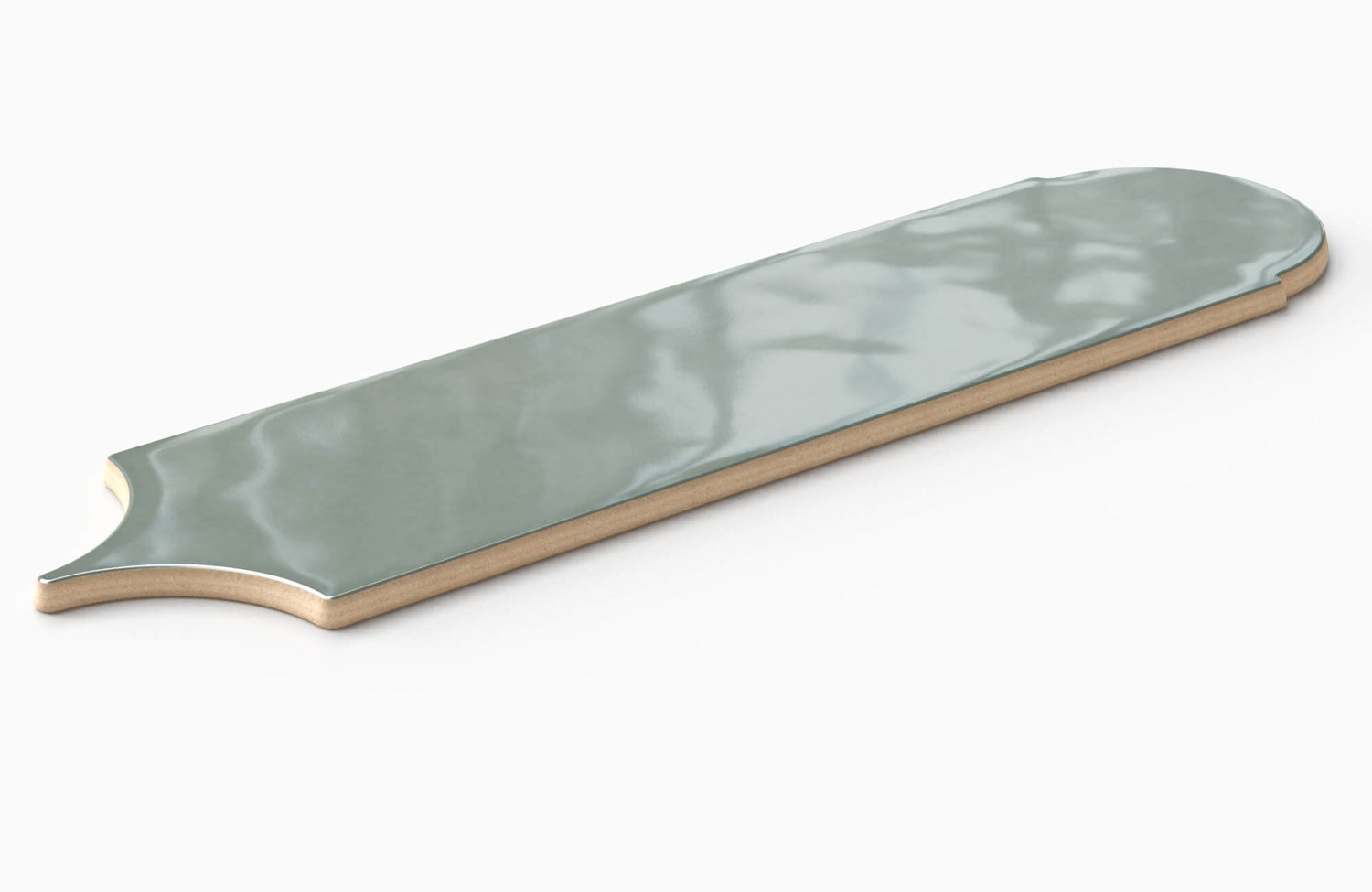
Full-size samples of Ellie 2.5x8 Matte Ceramic Tile in Smoke allow surface texture, edge softness, and tonal movement to be reviewed together before ordering, helping confirm whether its handmade look remains natural across a larger installation
Detecting Manufacturing and Batch Variations Before Ordering
Even within the same product line, tile can vary subtly from one production batch to another. Viewing a full-size sample offers a broader perspective on how those variations will appear once repeated across a large surface rather than isolated within a small showroom piece.
Full-Size Samples Reveal Shade Inconsistencies Across Tile Lots
Porcelain, ceramic, and natural stone tiles are often manufactured with intentional tonal variation to create depth and a more natural surface appearance. However, these tonal shifts can differ between dye lots, manufacturing batches, and production runs, particularly in marble look porcelain, terrazzo-inspired surfaces, and wood-look plank tiles. Small samples also rarely capture the full chromatic range present within a shipment, making it difficult to anticipate how the installed surface will actually appear across an entire room.
A full-size tile sample reveals veining movement, mineral speckling, printed pattern variation, and shade distribution with far greater accuracy. This broader visual context allows you to identify abrupt tonal inconsistencies before placing a large order. In expansive floor layouts or open-concept interiors, even minor variations can disrupt visual continuity once uninterrupted sightlines expose differences across adjoining surfaces.
Surface Detailing and Edge Finishes Become More Noticeable at Scale
The refinement of a tile installation often depends on details that are less noticeable during the initial selection process. Features such as rectified edges, beveled borders, embossed relief patterns, and surface glazing contribute significantly to the final architectural appearance, yet many of these characteristics become difficult to evaluate on miniature samples.
Viewing a full-size tile under realistic lighting conditions makes these details easier to assess within the context of the intended space. Edge precision, surface uniformity, and relief depth become especially important in contemporary interiors where narrow grout joints and seamless transitions require greater installation accuracy.
From a design perspective, these subtle surface characteristics influence whether an installation feels visually cohesive or fragmented once completed. However, a tile must perform reliably within the conditions of the space itself, regardless of its visual appeal.

Full-size samples of Makenna 6x6 Glossy Porcelain Tile in Forest help evaluate how its porcelain build, deep green tone, and reflective finish will withstand daily bathroom use before installation begins
Evaluating Tile Performance Within Functional Areas
A tile that appears visually appealing in a showroom may respond very differently once exposed to moisture, abrasion, and daily use. Full-size samples make it easier to evaluate how a material performs within the specific environment where it will ultimately be installed.
Testing Water Exposure Suitability for Bathrooms and Kitchens
Bathrooms, kitchens, laundry rooms, and entryways expose tile surfaces to constant humidity fluctuation, standing water, and routine cleaning products. While certain finishes may initially appear practical, their real-world performance can vary significantly depending on porosity, slip resistance, and surface texture.
Testing a full-size sample within the intended environment allows you to observe how the material responds to real wet-area conditions before installation. For example, our Makenna 6x6 Glossy Porcelain Tile in Forest Sample can be handled wet, wiped down, and viewed under bathroom or kitchen lighting to assess water spotting, soap residue visibility, surface glare, and ease of cleaning. These observations are especially useful when deciding whether a glossy porcelain tile is better suited for a backsplash, shower wall, vanity surround, or another area where water exposure is frequent.
In high-moisture interiors, these distinctions become increasingly important because slippery surfaces or water-sensitive materials can lead to both safety concerns and premature surface deterioration over time.
Assessing Scratch Visibility and Wear Resistance in Busy Spaces
Durability becomes equally important in spaces exposed to constant daily use, furniture movement, and surface abrasion. Entryways, kitchens, hallways, and mudrooms require surfaces capable of maintaining their appearance despite repeated use.
A full-size sample offers a more realistic way to evaluate how scratches, scuff marks, dust accumulation, and surface wear will appear once installed across a large area. Polished finishes and darker tile colors, for example, often reveal abrasions more aggressively under direct lighting, while textured or matte surfaces tend to conceal wear more effectively. These performance differences may appear subtle at first, yet they become far more noticeable once the material extends across expansive flooring surfaces.
As functional performance becomes clearer, another consideration begins to emerge: how tile dimensions influence the overall proportion and spatial balance of a room.

Seeing Brielle 8x8 Matte Porcelain Tile in Pirouette at full scale helps determine whether its repeated curved motif feels balanced throughout the room, especially where the pattern meets vanity edges, shower transitions, and doorway cuts
Preventing Improper Scale and Layout Proportions
Tile dimensions affect far more than aesthetics alone. The size, orientation, and layout composition of each piece influence spatial flow, grout visibility, and how balanced a room feels once installation is complete.
Oversized Tiles Can Visually Compress Smaller Rooms
Large format tile is frequently associated with modern interiors because it minimizes grout line interruption and creates a cleaner, more continuous surface appearance. However, oversized formats do not perform equally well in every environment, particularly in compact bathrooms, narrow corridors, or irregularly shaped rooms where excessive cutting becomes unavoidable.
Positioning a full-size tile sample directly within the space also provides a more accurate understanding of proportion than a small swatch ever could. Tools such as Edward Martin’s augmented reality (AR) visualization feature can further support this process by helping you preview how large format layouts interact with surrounding architectural elements before installation begins. Grout spacing, layout continuity, and surface scale become easier to evaluate in relation to the room’s dimensions, helping prevent layouts that may feel visually crowded or disproportionate once completed.
Full-Size Samples Help Anticipate Cut Placement and Edge Visibility
Few tile installations consist entirely of full pieces. Perimeter cuts, plumbing penetrations, doorway transitions, and cabinetry terminations all influence how cohesive the final layout appears after installation.
Using a full-size sample during planning allows you to visualize where cuts may occur and how directional veining or geometric motifs will align throughout the space. This becomes especially important with elongated plank tiles, rectified porcelain slabs, and marble look surfaces, where pattern continuity contributes heavily to realism. Careful visualization at this stage also helps reduce awkward edge placement, uneven transitions, and unnecessary material waste during construction.
As layout planning becomes more refined, the technical realities of installation itself begin to play a much larger role in determining the outcome.

Arranging Reagan 5x6 Matte Porcelain Hexagon Tiles in Gris on your floors helps turn an installation plan into a physical reference, making it easier to spot layout concerns before the tile reaches corners, edges, and transition points
Identifying Installation Challenges Before Construction Begins
Certain tile products require greater installation precision due to their dimensions, thickness variation, or surface characteristics. Reviewing full-size samples before construction begins allows contractors to identify technical complications early, reducing the likelihood of installation delays or corrective rework later in the project.
Uneven Texture and Tile Thickness Can Affect Installation Precision
Tile collections can vary in thickness tolerance, dimensional calibration, and surface flatness, particularly when decorative accents are combined with standard field tile. Even minor inconsistencies can complicate installation if they are not identified beforehand.
This becomes especially important with geometric tile formats, where angled edges, repeated shapes, and multi-directional layouts require greater installation precision to maintain consistent spacing and alignment across the surface. Examining full-size samples also helps installers determine whether additional substrate preparation, leveling compounds, or transition trims will be necessary to achieve a stable, flush surface. In installations with repeated geometric patterns, even slight dimensional inconsistencies can become more noticeable as the layout extends across larger areas.
Full-Size Samples Help Evaluate Lippage and Joint Alignment Risks
Lippage occurs when adjacent tiles sit at slightly different heights, creating uneven transitions that affect both appearance and functionality. Large format tile is particularly susceptible to this issue because substrate irregularities become more visible across wider surfaces.
Testing full-size samples beforehand allows installers to assess potential warpage, grout joint spacing, and edge alignment under realistic conditions. This process helps determine whether staggered layouts, minimal grout joints, or rectified porcelain installations may require specialized leveling systems or modified placement techniques. While these adjustments may seem minor during planning, they can significantly affect the overall refinement of the finished installation.
Beyond installation itself, long-term maintenance also plays an important role in determining whether a tile remains practical years after the renovation is complete.

Handling full-size samples of Celia 4.6x4.6 Glossy Porcelain Tile in Olive helps assess how its textured glossy surface will reflect light, reveal residue, and respond to everyday bathroom cleaning over time
Reducing Unexpected Maintenance and Long-Term Upkeep Costs
A tile surface may appear visually impressive at first glance, yet daily maintenance requirements often determine whether the material remains enjoyable to live with over time. Full-size samples provide a more realistic opportunity to evaluate how surfaces respond to cleaning routines, residue buildup, and long-term wear before installation begins.
Porous Surfaces May Require Additional Sealing and Care
Natural stone materials such as limestone, travertine, marble, and slate often require periodic sealing to protect against moisture penetration, staining, and chemical etching. Smaller samples may highlight general color and texture, but they rarely provide enough surface area to accurately assess maintenance behavior.
A full-size sample allows you to test how the material reacts to water, oils, soaps, and household cleaning products under realistic conditions. In spaces exposed to frequent moisture or cosmetic products, these reactions become increasingly important because porous surfaces may require more preservation than initially expected. Understanding these maintenance demands beforehand helps prevent dissatisfaction with materials that become difficult or expensive to maintain long-term.
Textured Finishes Can Trap Dirt and Increase Cleaning Effort
Textured tile surfaces are often selected for their tactile depth and enhanced slip resistance, particularly in rustic, industrial, and outdoor-inspired interiors. However, heavily textured finishes can also retain soap residue, dirt, and debris more easily than smoother surfaces.
Handling and cleaning a full-size sample offers a clearer understanding of how practical the surface will feel in everyday use. This becomes especially valuable in showers, mudrooms, backsplashes, and transitional outdoor areas where buildup occurs more frequently. While textured surfaces may create striking visual depth, their maintenance demands can become far more noticeable once installed across larger areas.
As maintenance expectations become clearer, full-size sampling also begins to influence another critical part of the renovation process: budget planning.

Viewing full-size samples of Jojo 2x6 Glossy Ceramic Tile in Aqua around recessed shower niches and vertical wall cuts helps estimate material waste more accurately, while laying out Leona 24x24 Checkerboard Matte Porcelain Tile in Calacatta and Amani Grey across the floor makes pattern alignment and quantity planning easier to visualize before installation begins
Improving Renovation Budget Accuracy
Renovation costs are influenced by far more than material pricing alone. Layout complexity, waste calculations, installation requirements, and project delays all contribute to the final budget, making realistic sample evaluation an important part of financial planning.
Full-Size Samples Help Estimate Material Waste More Effectively
Tile waste calculations depend heavily on room geometry, layout orientation, cut frequency, and pattern alignment. Small samples provide little insight into how much material may ultimately be lost during installation.
Working with full-size samples allows you to simulate layouts more accurately before finalizing quantities. Linear surfaces become especially important to evaluate at full scale, since stacked layout orientation, grout spacing, edge trimming, and alignment consistency can significantly influence material waste during installation. In larger applications, even slight quantity miscalculations can quickly affect ordering accuracy and the overall renovation budget.
Early Testing Reduces the Likelihood of Costly Reorders and Delays
Unexpected material dissatisfaction after delivery can disrupt an entire renovation schedule. If the tile fails to meet visual expectations or installation requirements once it arrives on-site, replacement orders often introduce additional freight charges, labor delays, and extended construction timelines.
Evaluating full-size samples beforehand greatly reduces this risk by confirming compatibility before bulk purchasing occurs. This proactive approach also keeps renovation schedules more predictable while minimizing avoidable costs associated with demolition, reordering, and material replacement.
While budgeting and planning remain essential, successful tile installation ultimately depends on how clearly expectations are communicated throughout the renovation process.

Seeing Ollie 3/4x3/4 Matte Porcelain Mosaic Penny Round Tile in White in its actual dimensions helps turn small installation preferences, from grout color to border placement, into clearer talking points between homeowners, designers, and installers
Supporting Better Communication With Contractors and Installers
Clear communication plays a critical role in achieving a successful tile installation. Full-size samples provide a shared visual reference that helps align expectations between homeowners, designers, contractors, and installers throughout every phase of the renovation.
Physical Samples Clarify Installation Expectations and Layout Intentions
Digital renderings and inspiration photos can communicate general design direction, yet they often leave room for interpretation once installation begins. A physical tile sample offers a far more precise reference for discussing grout spacing, layout orientation, transition detailing, and finishing preferences.
This becomes especially important with intricate mosaic surfaces, where grout spacing, sheet alignment, edge transitions, and layout consistency significantly influence the final appearance of the installation. Reviewing these elements collaboratively before construction begins helps eliminate uncertainty while improving installation precision and layout consistency. From an architectural standpoint, this level of clarity supports stronger surface cohesion across adjoining areas while minimizing avoidable revisions during execution.
Full-Size References Help Avoid Misinterpretation During Construction
Renovation projects involve constant coordination between material deliveries, subcontractors, installers, and evolving project timelines. Without a clear physical reference, even minor misunderstandings can affect the final appearance of the tiled surface.
Full-size samples serve as reliable on-site benchmarks throughout construction, helping installers maintain consistency in alignment, orientation, and grout application. These references improve quality control while reducing the likelihood of installation discrepancies that may otherwise require costly corrections later.
Making Smarter Tile Decisions Before Renovation Begins
Full-size tile samples provide a far more accurate understanding of how a material will look and perform once installed, helping you avoid costly renovation mistakes before construction begins. From revealing batch variation and surface texture to improving layout planning, installation precision, and long-term maintenance expectations, full-scale evaluation offers insight that smaller swatches often fail to capture. By testing tile within the actual environment, you can make more informed decisions that support visual cohesion, material durability, and a more efficient renovation process overall.
Edward Martin’s design services provide expert guidance in selecting tile materials, coordinating finishes, and planning layouts that complement both the architectural character and functional needs of your space. Through thoughtful material selection and full-scale visualization, each surface feels more cohesive, refined, and intentionally designed!