
)
)
)
)
)
)
)
)
Where To Place Sculptures In Your Home For The Best Visual Impact
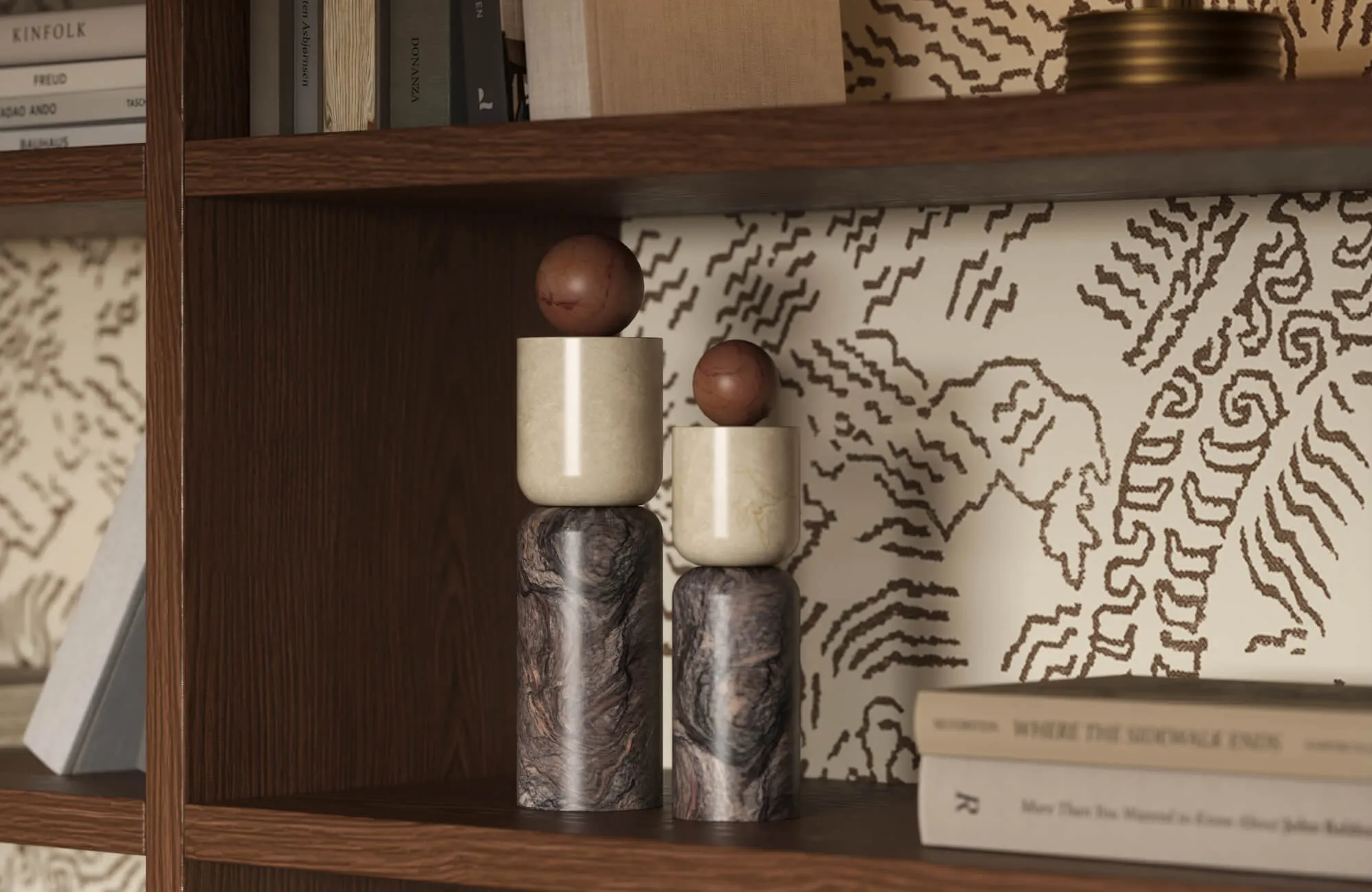
Where a sculpture is placed matters as much as the sculpture itself. The same object can feel like the most intentional decision in a room or disappear entirely depending on the height it sits at, the light falling on it, the space allowed around it, and how well its scale relates to everything nearby. Most placement mistakes are not about choosing the wrong piece but about putting the right one in a position that works against it. In this blog, we'll cover the principles behind effective sculpture placement and how to apply them across every room in the home, from entryways and living rooms to dining rooms and private spaces.
What Makes Sculpture Placement Work In A Room
Where a sculpture is placed determines how much of its quality actually reaches the person looking at it. The same object can feel commanding in one position and overlooked in another, and the difference almost always comes down to a small set of decisions about distance, height, light, and the space allowed around it.
How Viewing Distance Affects The Way A Sculpture Is Perceived
A sculpture needs enough distance between itself and the viewer for the full form to register as a complete object rather than a collection of surface details. Pieces with strong overall silhouettes, a clear, recognizable outline from across the room, reward placement in locations where they can be seen from a distance, such as across a living room or at the end of a hallway. Highly detailed sculptures with texture, carving, or fine surface work require closer viewing to be fully appreciated, which makes them better suited to surfaces like coffee tables, consoles, and nightstands, where a person naturally comes within arm's reach. Placing a detail-rich sculpture across a large room means most of its quality is lost at the distance from which it will most often be seen. Thinking about the primary viewing distance of a location before placing a sculpture there is one of the simplest ways to ensure the object is seen the way it was intended to be seen.
Why Eye Level Matters More For Some Sculptures Than Others
Eye-level placement is not a universal rule for sculpture, but it is the most relevant consideration for pieces that have a front, a face, or a directionality that is meant to engage the viewer directly. A sculptural bust, a figurative form, or any piece with a clear orientation benefits from being positioned so that its primary face meets the viewer at or near eye level, because looking down at it flattens the experience and removes the sense of presence the object is meant to carry.
Abstract sculptures with no clear orientation are less dependent on eye level and can be placed lower or higher without losing their impact, provided the surrounding space gives them enough room to read as intentional objects rather than incidental ones. Floor sculptures operate below eye level by definition and compensate through scale, commanding attention through their size and physical presence rather than through direct visual engagement at face height. The question to ask before finalizing any sculpture's height is whether the placement allows the object to be seen the way its form was designed to be experienced.
How Natural And Artificial Light Shape The Way A Sculpture Reads
Light is what gives a three-dimensional object its form in a room, and sculpture is more sensitive to light direction and quality than almost any other decorative object. A sculpture placed in front of a window becomes a silhouette for most of the day, which can be a powerful effect for pieces with a strong outline but obscures surface texture, color, and material detail entirely. Side lighting, whether from a nearby lamp, a directional ceiling fixture, or raking natural light from a window to one side, creates shadow and highlight across the surface of a sculptural form and makes the three-dimensionality of the piece visible in a way that flat frontal lighting does not.
Matte and textured sculptures respond to directional light differently from polished or reflective ones, with matte surfaces showing shadow and depth more dramatically and reflective surfaces distributing light across the room in ways that can either enrich or distract depending on the setting. Considering the light conditions of a location at different times of day, not just at the moment of placement, gives a more accurate picture of how the sculpture will look during the hours it is most often seen.
The Role Of Negative Space Around A Sculptural Object
Negative space is the empty area surrounding a sculpture, and it is what allows the object to be read as a distinct form rather than one element among many competing for attention on the same surface. A sculpture placed on a crowded shelf or surrounded by other objects of similar scale loses its presence because the eye has no clear reason to settle on it over anything else nearby. Clearing the area around a sculpture, even just a few inches on each side, immediately increases its visual weight and signals to anyone entering the room that the object is meant to be noticed. The amount of negative space a sculpture needs is roughly proportional to its complexity. A simple, clean abstract form can hold its own with less surrounding space than a highly detailed or visually busy piece that needs more breathing room to read clearly. Treating the empty space around a sculpture as an intentional part of the placement rather than unused surface is what separates a setting that feels curated from one that simply feels full.
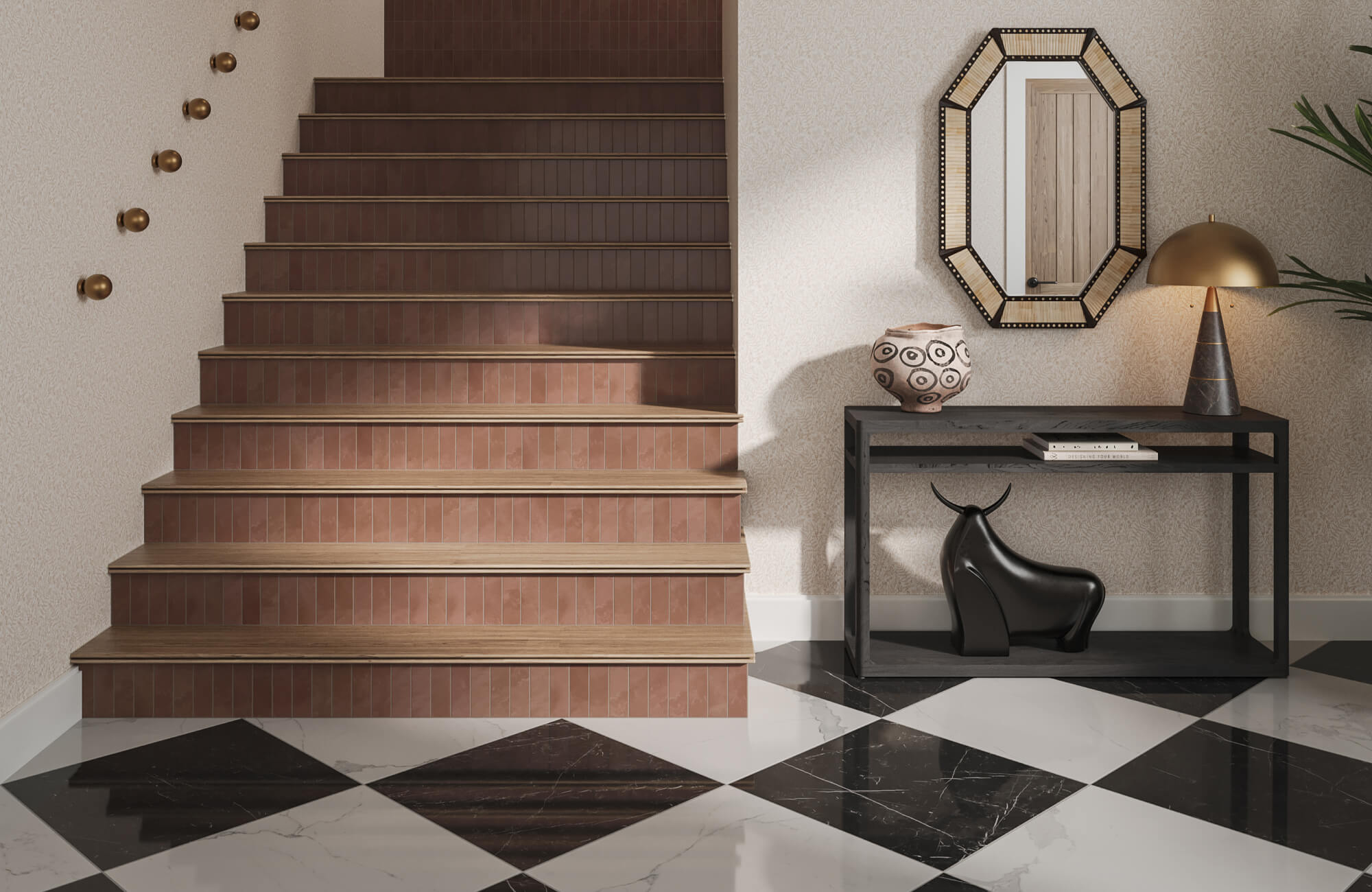
The dark cast aluminum bull positioned beneath the console in the entryway above is our Morton Bull, whose streamlined silhouette and patinated graphite finish read clearly against the open floor space around it without requiring any additional objects nearby to anchor its presence. The lost-wax casting process gives its surface a subtle texture that catches the directional light falling from the pendant above, creating enough variation across the form to hold the eye at close range. That combination of strong overall silhouette and surface detail is precisely what makes it work in a location where it will be seen both from a distance as someone enters the space and up close as they pass by.
When A Sculpture Should Stand Alone And When It Works In A Group
Some sculptures carry enough presence on their own that grouping them with other objects dilutes rather than supports their impact. A piece with strong scale, a commanding silhouette, or a material that draws significant attention works best when it is given the surface or the floor space entirely to itself. Grouping works better when the individual sculptures are smaller, quieter, or more similar in scale, where the collection as a whole creates a visual weight that no single piece could generate alone. The mistake most often made with grouped sculptures is treating the arrangement as a display of objects rather than a composition, which produces a result that looks collected in the sense of accumulated rather than collected in the sense of considered.
Placing Sculptures In Living Rooms And Main Gathering Spaces
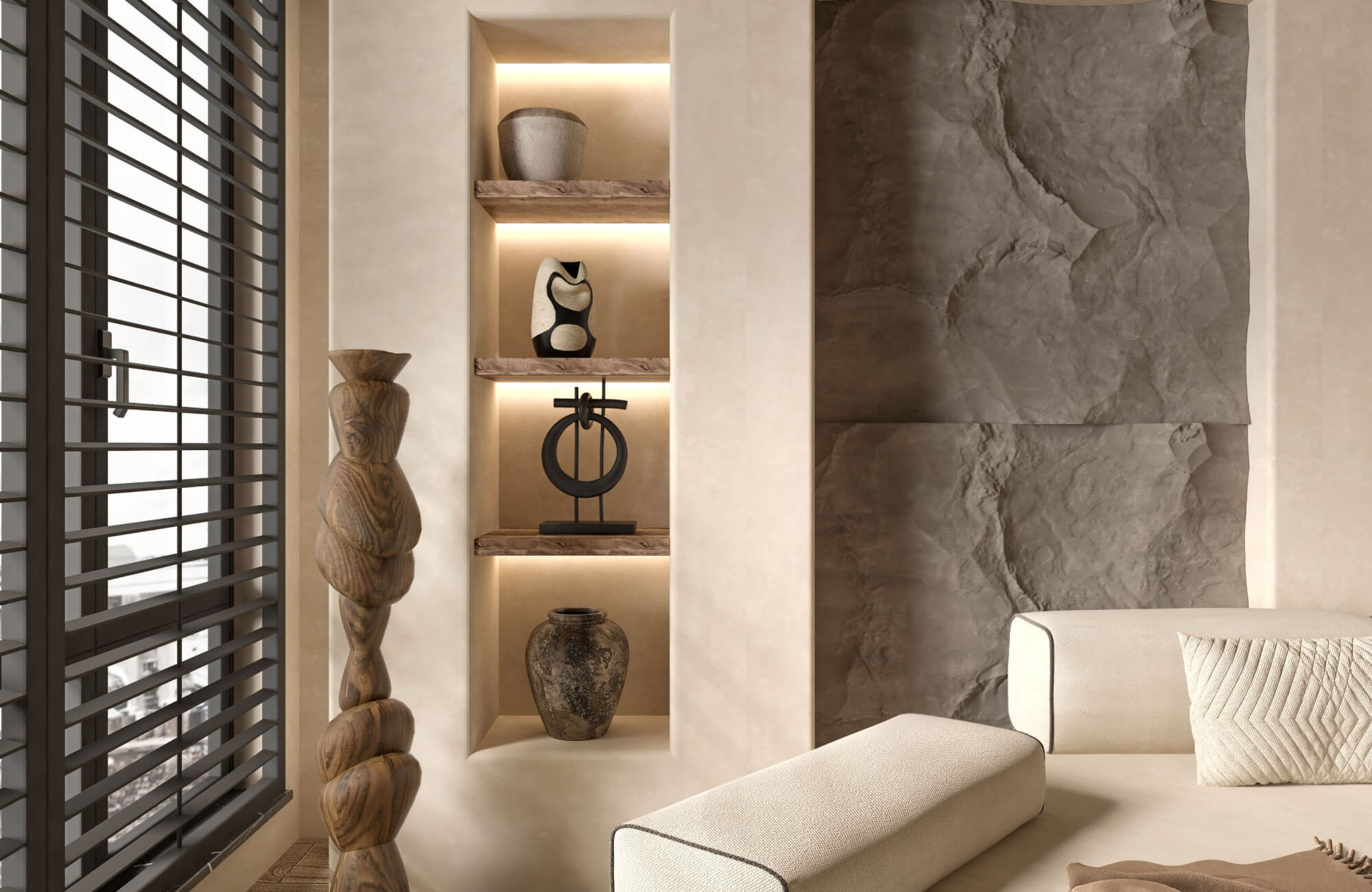
The living room is where sculpture tends to do its most visible work in a home. It is a space seen by more people, used for longer periods, and viewed from more angles than almost any other room, which means placement decisions here carry more weight and reward more deliberate thinking than they do elsewhere.
Using Sculptures On Coffee Tables And Consoles
A coffee table sculpture sits at one of the lowest and most intimate viewing heights in a room, which makes it well-suited to pieces that reward close attention rather than those that rely on scale or silhouette to make their presence felt. The object needs to be proportioned carefully relative to the table itself. A sculpture that is too small on a large coffee table reads as an afterthought, while one that occupies too much of the surface leaves no room for the table to function practically alongside its decorative role. Console tables behind sofas or against walls operate at a slightly higher height and a greater viewing distance, which suits pieces with a stronger overall form that can be appreciated from across the room.
On both surfaces, the sculpture benefits from being the most considered object present rather than one among several equally weighted items, which usually means pairing it with only one or two other objects and allowing enough open surface around it for the form to read clearly. A useful approach on a console is to vary the heights of objects in the grouping, placing the sculpture alongside something lower and something taller so the arrangement has a natural visual rhythm rather than sitting at a uniform level across the surface.
How A Large Floor Sculpture Anchors A Living Room
A floor sculpture operates differently from every other sculptural placement in a living room because it does not rely on a surface to define its position. It sits directly in the space and relates to the room's architecture and furniture at a scale that smaller objects cannot match. The most effective floor sculptures in a living room tend to be placed at the edges of the seating area rather than within it, positioned where they can be seen from the primary seating positions without interrupting circulation or competing with the furniture for the same visual territory.
A floor sculpture placed in a corner gains the benefit of two walls as a backdrop, which frames the object and prevents it from being absorbed into the broader room. In a room without strong architectural features, a well-chosen floor sculpture can serve as the visual anchor that gives the space a clear point of reference, functioning the way a fireplace or a significant piece of art might in a more architecturally defined room.
Placing Sculptures On Shelves And Built-Ins Without Crowding The Space
Shelves and built-ins present one of the more challenging contexts for sculpture because the temptation to fill every available space works directly against what makes a sculptural object compelling. A sculpture placed on a shelf needs enough empty space around it to read as an intentional focal point rather than one item in a row of equally weighted objects. The height of the shelf relative to eye level affects which types of sculptures work best in that position. Shelves at or just above eye level suit pieces that are meant to be looked at directly, while higher shelves call for sculptures with strong silhouettes that read well from below without requiring close inspection. Built-in shelving with multiple levels offers the opportunity to create a composition across the unit as a whole, distributing sculptures at different heights and pairing them with books, plants, or other objects of varying scale to produce an arrangement that feels considered across the entire surface rather than object by object.
Sculptures On Mantels And Fireplace Surrounds
A mantel is one of the most naturally suited locations for sculpture in a living room because it sits at roughly eye level, offers a defined surface with clear edges, and has the fireplace opening below it, providing a strong visual anchor that gives objects placed above it immediate context and weight. A single sculpture centered on a mantel makes a clear and confident statement, particularly in a room where the fireplace is the primary architectural feature and the mantel is wide enough to give the piece breathing room on both sides. Asymmetric arrangements, with a sculpture placed to one side of the mantel and balanced by a lower object on the other, can feel more relaxed and less formal than a centered placement while still maintaining a clear sense of composition.
The material of the sculpture tends to matter more on a mantel than in other locations because the proximity to heat, soot, and the visual weight of the fireplace surround means certain materials, such as stone, ceramic, cast metal, and wood, read more naturally in that context than delicate or highly reflective ones. A mantel sculpture also needs to hold its presence against the backdrop of the wall above it, which means scale and form need to be considered in relation to the full vertical expanse of the chimney breast rather than just the mantel shelf itself.
How Sculptures Work In Entryways And Transition Spaces
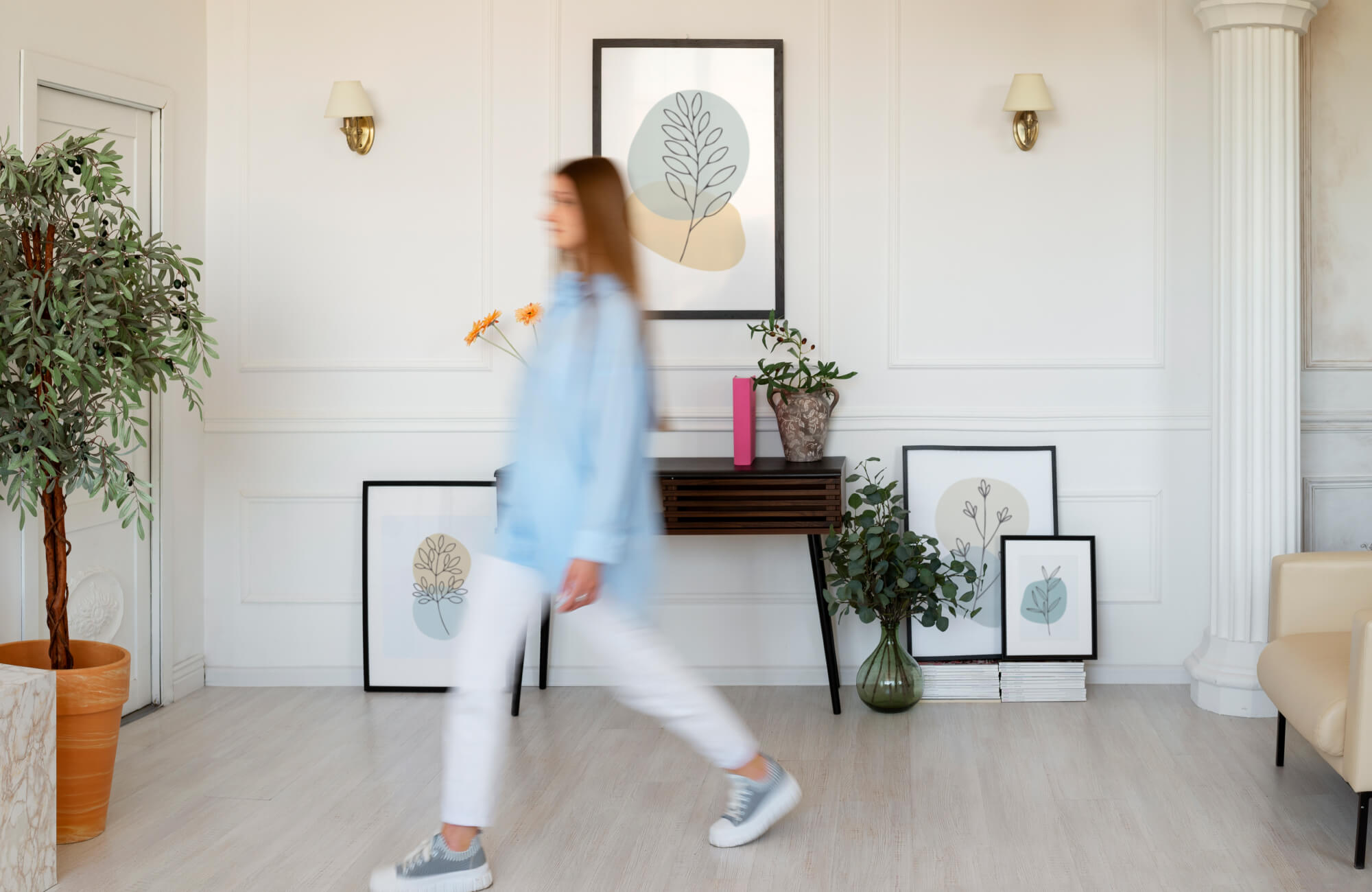
Entryways and hallways are among the most overlooked locations for sculpture in a home, yet they offer some of the most defined and controlled viewing conditions of any space. The brief, focused nature of how people move through these areas means a well-placed sculpture can leave a stronger impression than one placed in a room where attention is divided across furniture, conversation, and activity.
Why Entryways Are One Of The Strongest Locations For A Sculptural Moment
The entryway is the first interior space anyone encounters when entering a home, and a sculpture placed there sets an immediate tone before anything else in the house has been seen. Unlike a living room, where attention moves across multiple surfaces and objects, an entryway concentrates the visitor's focus naturally because there is less competing for it. The viewing experience is brief but direct, which suits sculptures with a strong, immediate presence, a clear silhouette, an interesting material, or a scale that commands attention without requiring time to appreciate. An entryway sculpture also functions as a signal about the rest of the home, communicating a design sensibility and level of intention that prepares the visitor for what follows. Few other placement decisions in a home offer the same combination of focused attention and first-impression impact that the entryway provides.
Choosing Scale For A Hallway Or Narrow Transition Space
Scale is the most critical decision when placing a sculpture in a hallway because the confined width of the space amplifies both the presence of the object and the consequences of getting the proportion wrong. A sculpture that is too large in a narrow hallway creates a sense of enclosure that makes the passage feel uncomfortable rather than considered, while one that is too small disappears against the length of the wall and reads as an oversight rather than an intention. The length of the hallway matters as much as its width. A long hallway can support a more substantial sculptural presence because there is enough distance for the piece to be seen properly before the viewer reaches it. In shorter or narrower transition spaces, a smaller sculpture with a strong material or surface quality, something that rewards the closer viewing distance the space naturally imposes, tends to work better than a piece that relies on scale for its impact.
How A Sculpture On An Entry Console Sets The Tone For The Rest Of The Home
An entry console is the most common surface for sculpture in an entryway, and the object placed on it carries more weight than its size alone might suggest. Because the console and its contents are seen at close range and at a natural standing eye level, the sculpture has an immediacy that pieces placed in larger rooms often lack. The choice of material, form, and scale on an entry console communicates something specific about the design language of the home before a single other room has been entered. A sculptural object in stone or cast metal reads differently from one in ceramic or glass, and that difference registers quickly in the few seconds someone spends in the entryway. Keeping the console arrangement focused, the sculpture as the primary object with only one or two supporting elements alongside it, ensures the piece makes its impression clearly rather than being diluted by a surface crowded with objects of equal visual weight.
Using Sculptures At The End Of A Hallway To Draw The Eye
A sculpture placed at the end of a hallway takes advantage of one of the most natural sightlines in a home. When someone stands at one end of a corridor, their eye moves automatically toward whatever is placed at the other end, which gives a sculpture in that position an audience and a viewing distance that most other locations in the home cannot replicate. The piece needs to be scaled to the width and height of the wall it sits against, large enough to hold its presence at the distance from which it will be seen, but not so large that it fills the entire visual field and removes the sense of proportion that makes the placement feel intentional.
A sculpture on a low console or pedestal at the end of a hallway works particularly well because the horizontal surface grounds the object and gives the viewer a clear compositional reference point rather than a piece floating in the middle of a wall. The end of a hallway is one of the few locations in a home where a sculpture is guaranteed a direct line of sight from every person who uses the space, which makes it worth treating as one of the most considered placements in the house.
Placing Sculptures In Dining Rooms And More Formal Spaces
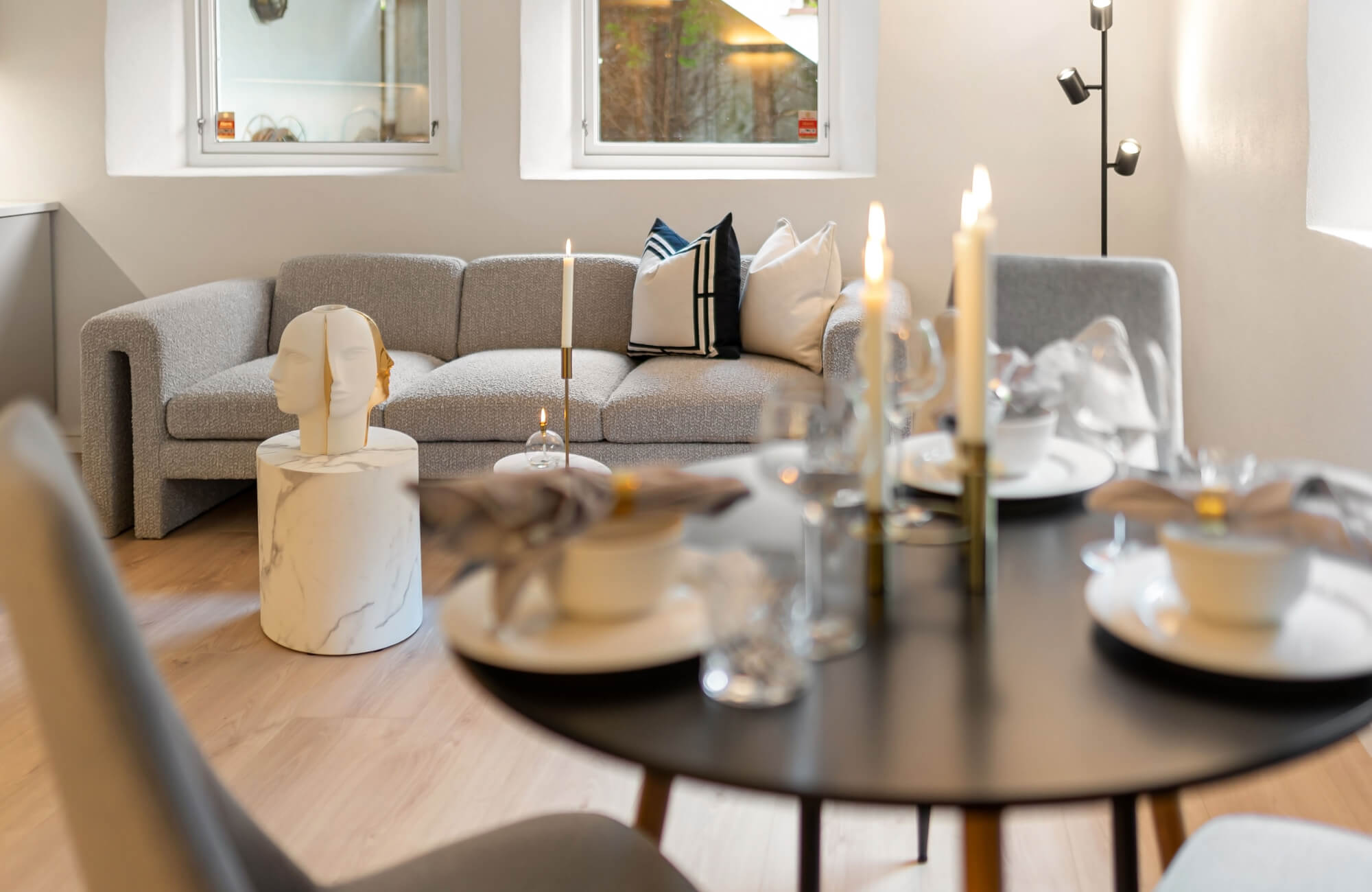
Dining rooms and formal spaces slow the experience of a room down in a way that most other spaces in a home do not. People sit in them for extended periods, often facing the same wall or surface for the duration of a meal, which means a sculpture placed well in a dining room has a sustained audience that rewards a more considered and deliberate choice than a piece placed in a space people move through quickly.
Why Dining Rooms Reward Bolder Sculptural Choices
The dining room is one of the few spaces in a home where a bolder or more unexpected sculptural choice consistently works in the piece's favor rather than against it. Because the room is used for specific occasions rather than all-day living, a sculpture with more visual presence, a larger scale, a more dramatic material, or a less conventional form has room to make an impression without becoming fatiguing over time. The seated viewing position also changes the relationship between the viewer and the object. A sculpture that might feel imposing when standing in a living room can feel appropriately commanding when seen from a seated position across a dining table, where the lower eye level gives the piece more height and presence than it would carry in a standing context. Dining rooms with high ceilings and generous wall surfaces reward sculptures that might feel too much in a more intimate or casual room, making the dining space one of the better locations in the home to place a piece that has been passed over elsewhere for being too bold.
Using A Sculpture As A Sideboard Or Buffet Centerpiece
A sideboard or buffet is one of the most naturally suited surfaces for sculpture in a dining room because it sits at a height that places the object in clear view from both the seated dining position and the standing position of someone entering or moving through the room. A sculpture used as the primary object on a sideboard benefits from being given most of the surface, flanked by only the most restrained supporting elements, a pair of candleholders, a single vessel, or nothing at all, so that the piece reads as the clear intention of the arrangement rather than one object among several. The length of a sideboard relative to the scale of the sculpture matters considerably.
A piece that is too small for a long sideboard surface will feel lost regardless of its quality, while one that is appropriately scaled to the width of the surface gives the entire piece of furniture a sense of purpose beyond storage. The wall above the sideboard also plays a role in how the sculpture reads. A sculpture placed against a plain wall has a cleaner backdrop than one placed beneath a large mirror or artwork, where the composition above and below the surface line competes for the same attention.
How Scale And Material Relate To The Formality Of The Space
Formal dining rooms have an inherent visual weight that comes from the scale of the furniture, the height of the ceilings, and the deliberate nature of how the space is arranged, and a sculpture placed within that environment needs to carry enough presence to hold its own against those existing elements. A small or delicate sculpture that might feel perfectly placed on a bedroom nightstand can read as inconsequential in a formal dining room where every other element is operating at a larger scale.
Material plays an equally significant role in how well a sculpture fits a formal setting. Stone, bronze, cast iron, and high-fired ceramic all carry a material weight and seriousness that tends to suit formal rooms, while lighter or more casual materials like resin, unglazed earthenware, or highly playful forms can feel tonally out of place against the more deliberate architecture of a formal dining environment. The pairing of scale and material is what determines whether a sculpture feels like it belongs in a formal room or was simply placed there without considering the context it was entering.
Bedrooms And Private Spaces As Settings For Sculpture
Sculpture in a bedroom operates under a different set of expectations than it does anywhere else in the home. There is no audience to impress and no first impression to establish. The pieces chosen for private spaces tend to be those that mean something to the person who lives with them daily, and placement decisions are guided more by how an object feels to be around than how it reads to someone entering the room for the first time.
How Sculpture In A Bedroom Differs From Sculpture In A Public Room
The primary difference between placing a sculpture in a bedroom and placing one in a living room or dining room is that the bedroom asks for a quieter kind of presence. A piece that commands attention from across a room, that stops conversation or draws every eye when someone enters, belongs in a social space where that quality is an asset. In a bedroom, that same quality can feel intrusive, introducing a visual energy that works against the sense of calm and rest the space is meant to provide. Bedroom sculptures tend to be smaller, more personal, and more connected to material or form in a way that rewards close, unhurried looking rather than immediate impact from a distance. The relationship between the person and the object is more sustained in a bedroom than anywhere else in the home, which means the choice of what to place there carries a different kind of weight than the choice of what to display in a public room.
Nightstand And Dresser Placement For Smaller Sculptural Objects
A nightstand is one of the most intimate surfaces in a home because it holds objects that are within reach and in view during the most private parts of the day. A small sculpture placed on a nightstand is seen at close range, in quiet light, and without the competition of other objects and surfaces that surround pieces placed in larger rooms. This makes the nightstand well suited to sculptures that reward close attention, pieces with interesting surface texture, subtle material variation, or a form that becomes more complex the longer it is looked at. The scale needs to be appropriate to the surface and to the other objects the nightstand holds. A sculpture that crowds a nightstand or makes it difficult to place a lamp, a glass of water, or a book alongside it stops functioning as a considered object and becomes a practical inconvenience instead.
Dresser placement follows similar principles but at a slightly larger scale, where the longer surface can support a piece with a little more presence while still keeping the bedroom's overall tone quiet and personal rather than decorative in a performed way.
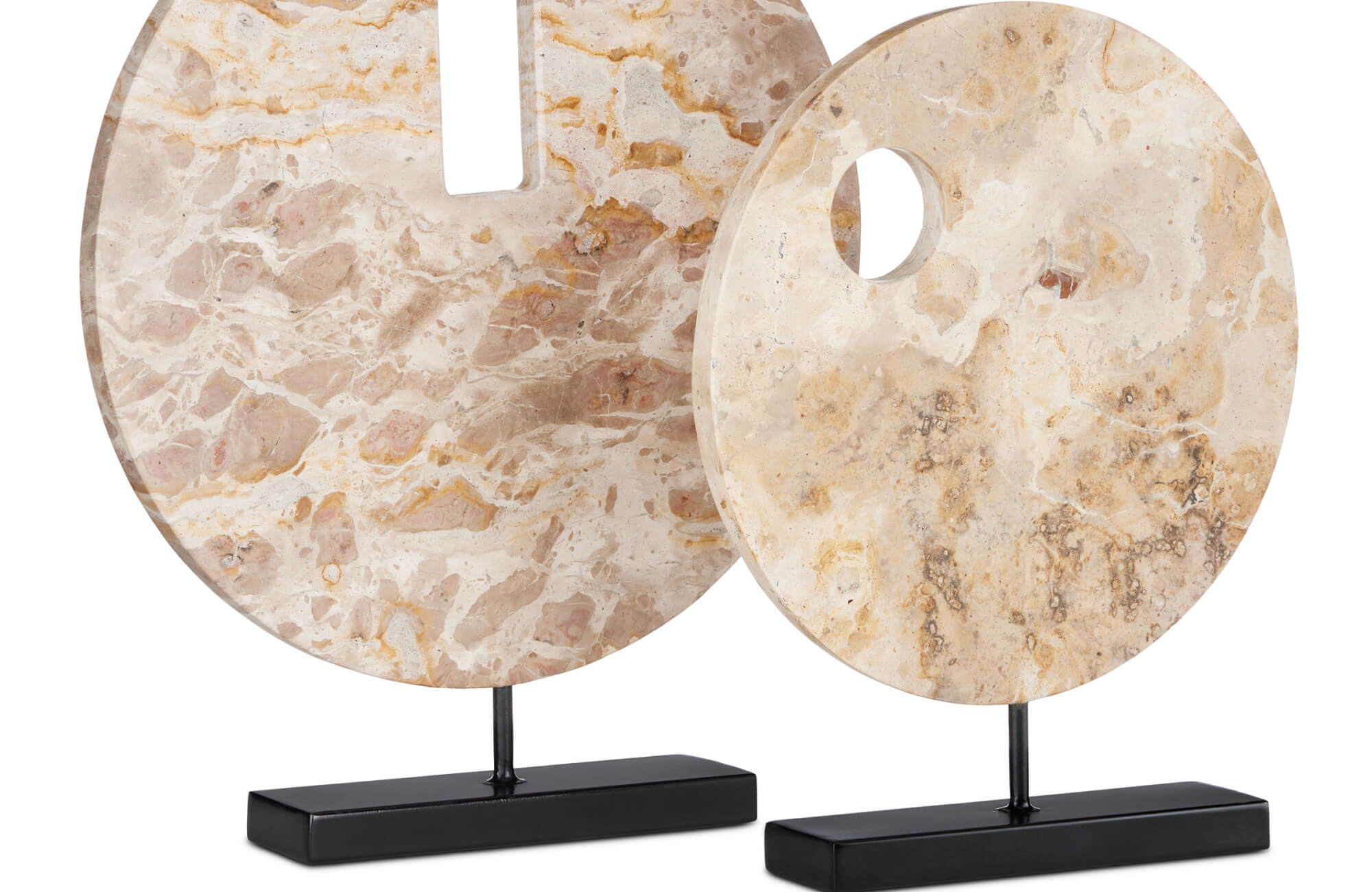
A sculpture placed on a nightstand or dresser earns its position by offering something that only reveals itself at close range. Our Ashwell Marble Sculpture, shown in both sizes above, is precisely that kind of object. Its circular marble disc, defined by a single linear cut, reads as a clean geometric form from across the room, but the richly pitted surface, with its mottled veining and fossilized-looking texture, becomes far more complex the closer it is seen. The minimal black iron base keeps the piece from spreading across the surface, which means it occupies a nightstand or dresser without crowding the objects around it while still carrying enough presence to feel like the most considered thing in the room.
Using A Floor Sculpture In A Bedroom Without Overwhelming The Space
A floor sculpture in a bedroom is a less common choice than a shelf or surface placement, but when it is scaled and positioned correctly, it can give a private space a quality of intention that smaller objects cannot achieve on their own. The key is selecting a piece whose scale is substantial enough to read as a floor sculpture rather than an object that simply ended up on the floor, while remaining modest enough that it does not dominate the room or introduce a visual weight that competes with the bed as the primary element in the space. Corners and alcoves are the most natural positions for a floor sculpture in a bedroom because they give the piece a contained setting that frames it without requiring the rest of the room to be rearranged around it.
A floor sculpture placed between a window and a wall, where it catches natural light from one side, tends to read more as a considered object than one placed in the center of a wall, where the backdrop is flat and undifferentiated. The bedroom floor sculpture works best when it feels like a private discovery rather than a statement, present enough to be noticed but quiet enough to belong to the room rather than compete with it.
Choosing Sculpture Placement With Confidence
Sculpture placement is rarely about finding the most obvious location in a room. It is about understanding how viewing distance, light, scale, and the space around an object all work together to determine whether a piece is genuinely experienced or simply present. The same sculpture can feel like a considered decision in one position and an afterthought in another, and the difference comes down to how well the placement accounts for the specific conditions of the room it is entering. Whether the piece is on a nightstand, at the end of a hallway, or anchoring a formal dining room, the decisions that make it work are consistent: enough space around it, the right light falling on it, and a scale that belongs to the surface and the room it occupies.
If you are comparing sculptural objects, décor pieces, or trying to determine how different selections might work within your existing spaces, our Personalized Design Consultation can help bring clarity to the process. Our team can offer tailored guidance based on your rooms, your existing palette and furnishings, and your broader design goals, helping you make placement decisions that feel as intentional as the objects themselves.
Follow us on Instagram
@EDWARD.MARTIN
)
)
)
)
)
)
)
)
)
)
)
)
)
)
)
)