
)
)
)
)
)
)
)
)
What To Put In A Decorative Bowl Besides Potpourri
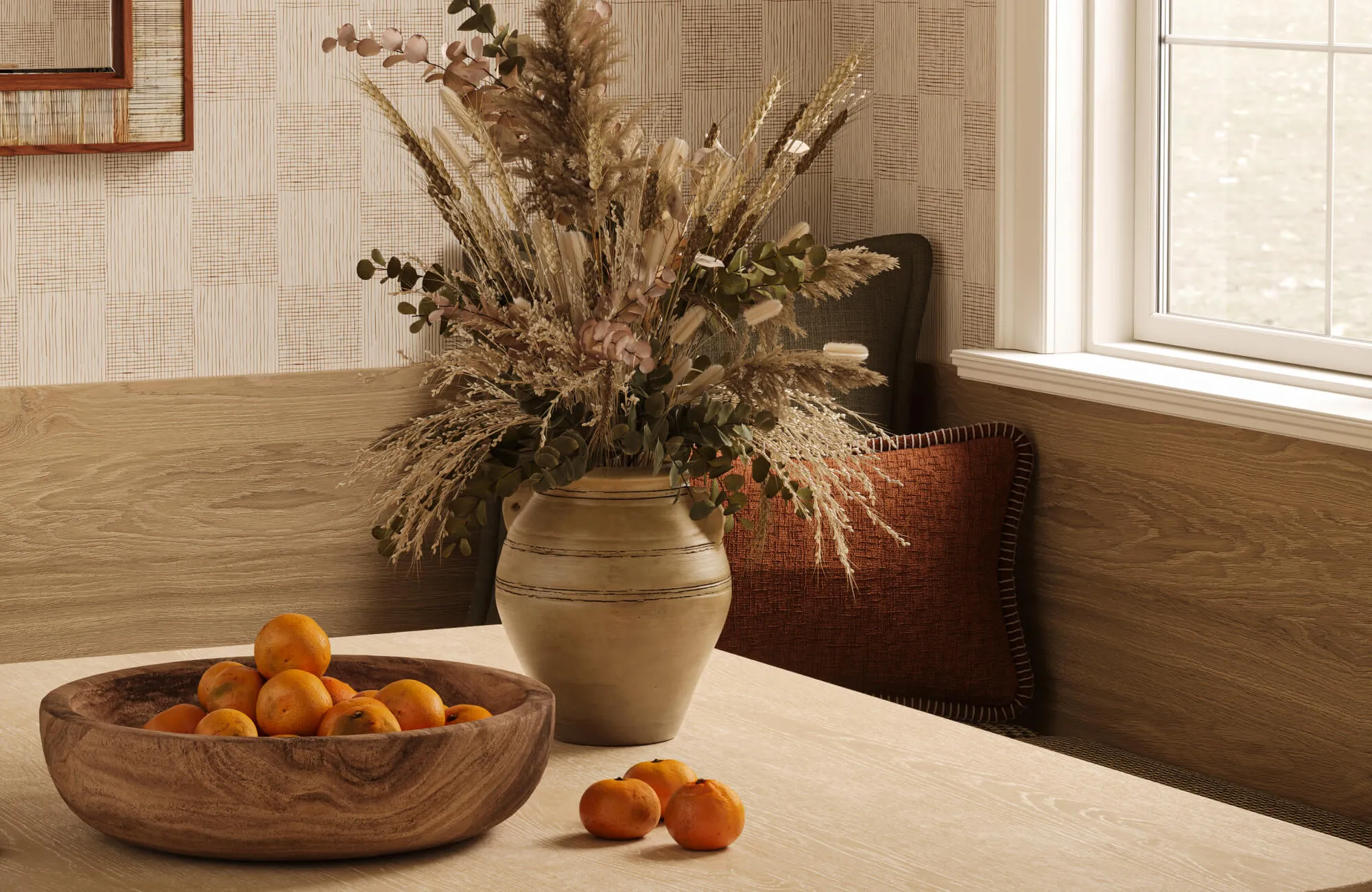
An empty decorative bowl can sometimes feel unfinished, but filling it with the wrong items can make a surface feel even more cluttered. While potpourri has long been the default choice, it is far from the only option, especially if you prefer decor that feels more thoughtful, current, and connected to the rest of your home. In this blog, we’ll explore what to put in a decorative bowl besides potpourri, from natural and design-forward fillers to practical styling ideas that complement the room around them.
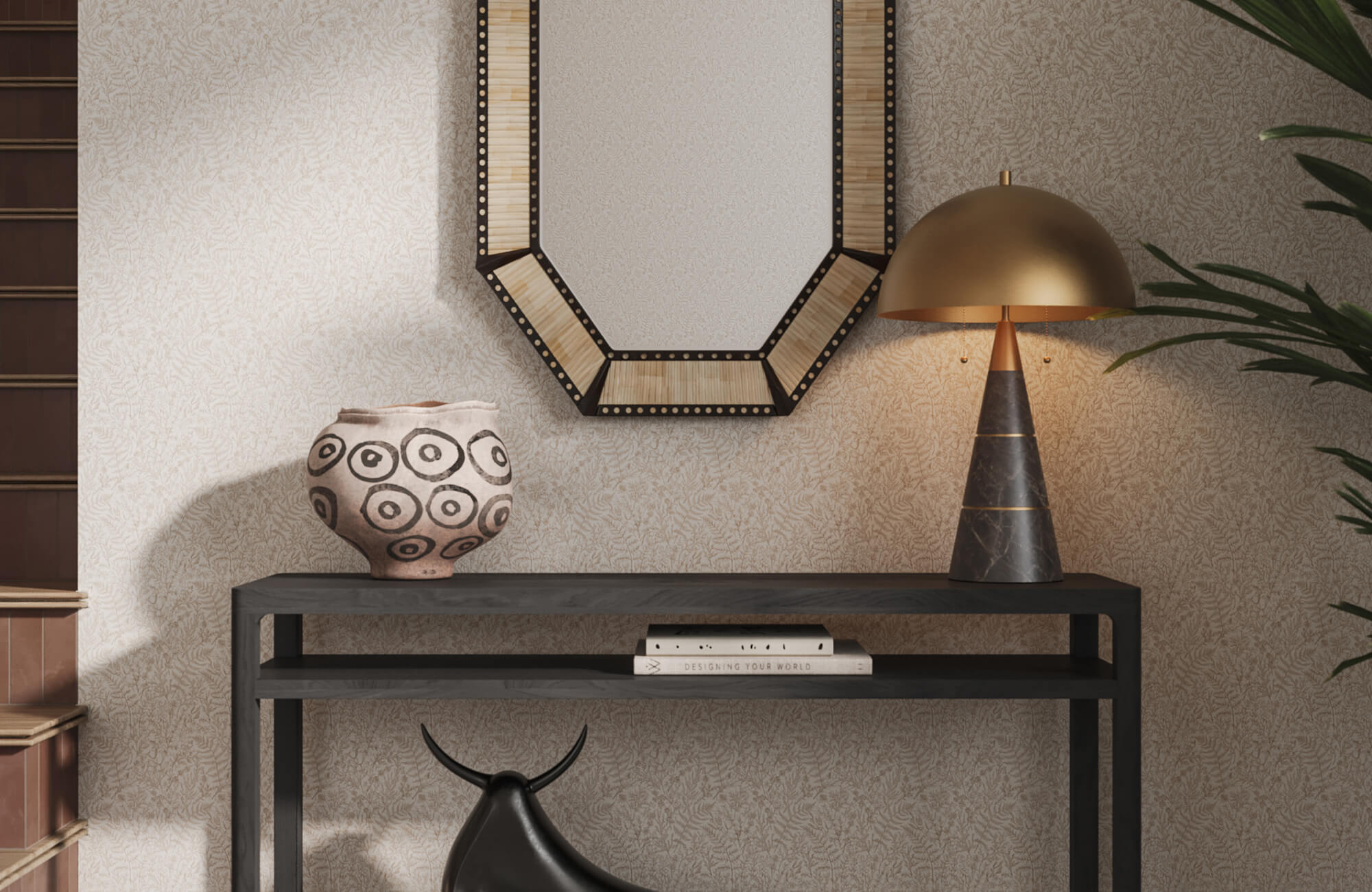
What The Decorative Bowl Needs To Do In The Room
Before deciding what belongs inside a decorative bowl, it helps to think about what role that bowl is actually playing in the room. A bowl styled for a coffee table centerpiece usually serves a very different purpose than one sitting by the front door or on a kitchen island, so the right filler starts with function just as much as appearance.
When The Bowl Is Meant To Be A Purely Decorative Focal Point
When the decorative bowl is there purely to make a visual statement, you have much more freedom to think in terms of texture, proportion, and mood rather than practicality. This is often the case with coffee tables, dining centerpieces, or console displays where the bowl is meant to contribute to the overall styling rather than hold anything you reach for daily. In these spaces, the filler should feel intentional enough to complement the room’s design direction instead of looking like an afterthought dropped in to fill empty space. A sculptural ceramic bowl in a modern living room, for example, calls for a very different styling approach than a woven bowl in a relaxed coastal setting. Once the bowl becomes part of the room’s visual composition, what goes inside should feel just as considered as the furniture and decor surrounding it.
When The Bowl Needs To Balance Style With Everyday Function
Some decorative bowls need to look polished while still earning their place in everyday life, which changes how you approach styling them. An entryway bowl might need to catch keys, a kitchen island bowl may end up holding grab-and-go essentials, and a bathroom vanity bowl could be better suited for smaller daily items that would otherwise create visual clutter. In these cases, the goal is not making the bowl look perfectly styled at all times, but making practical use feel naturally pulled together instead of messy. That usually means choosing fillers or contents that can handle movement and regular use without making the setup feel chaotic after a day or two. The most successful functional bowls tend to be the ones that feel effortlessly useful while still looking like they belong in the room.
Why Bowl Shape And Scale Change What Actually Works Inside
The bowl itself quietly sets more rules than people often realize, because shape, depth, and scale all influence what will actually look balanced inside it. A wide shallow bowl gives you room for fillers that spread visually and create a more open arrangement, while a deeper, narrower bowl naturally suits something with more height or concentrated volume. Scale matters just as much, since fillers that look beautifully proportioned in a large centerpiece bowl may feel awkwardly oversized in a smaller console accent. The surrounding furniture also plays a role, because a decorative bowl on a substantial dining table can visually handle much more than one sitting on a compact sideboard. Looking at the bowl in isolation often leads to styling choices that feel off, while considering its actual setting usually makes the right direction much clearer.
Sometimes the bowl itself provides enough visual interest that adding too much inside can actually work against it. As shown above, our Hawthorne Porcelain Bowl demonstrates this beautifully through its hand-shaped asymmetrical form and expressive circular brushwork, both of which naturally draw the eye without relying on elaborate fillers. Pieces like this often work best with only a few carefully chosen accents or even left largely unfilled, allowing the bowl’s scale, silhouette, and craftsmanship to remain part of the display rather than disappear beneath its contents.
Natural Fillers That Feel More Thoughtful Than Potpourri
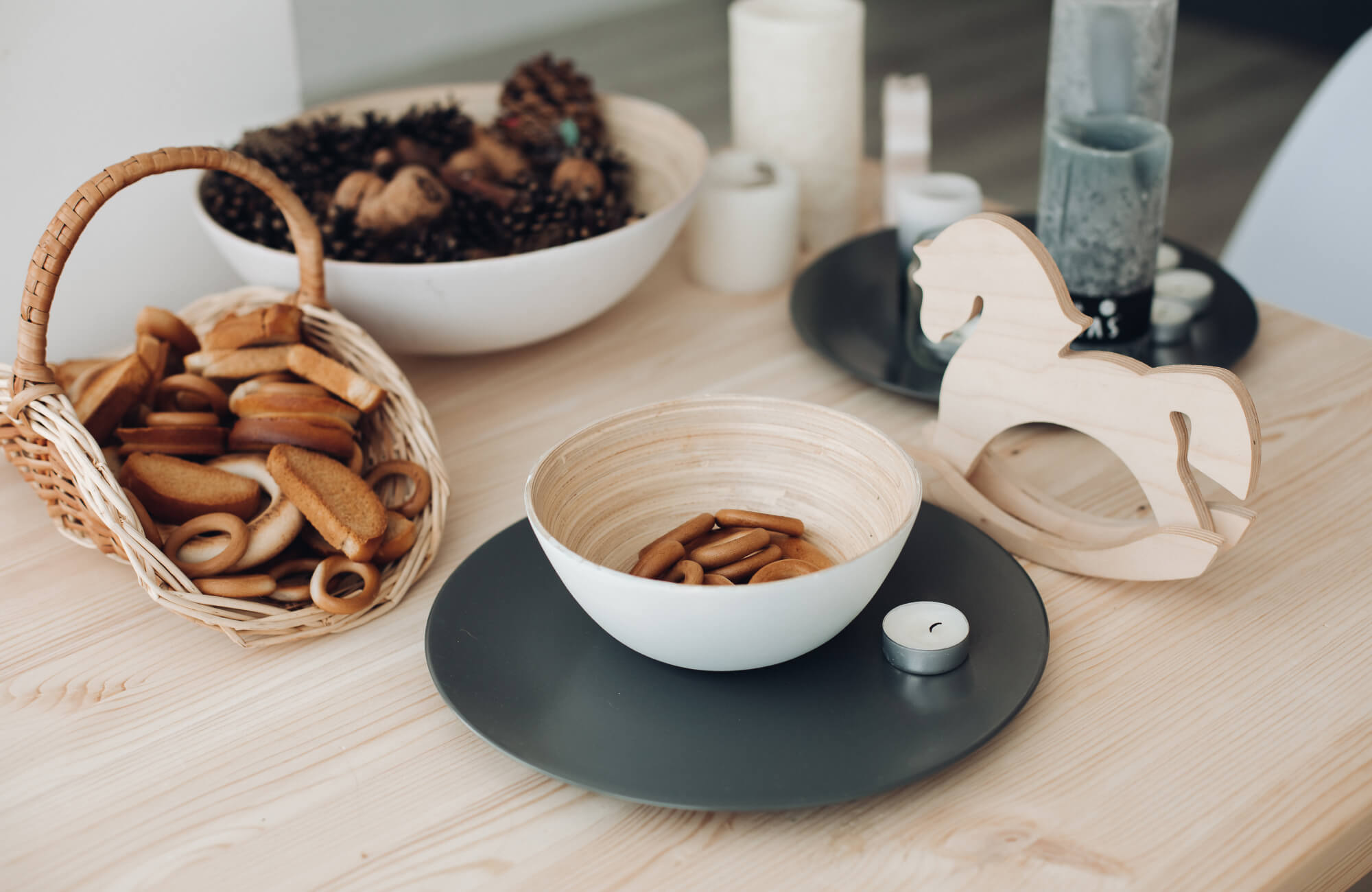
If you want your decorative bowl to feel layered and intentional without leaning on the usual potpourri route, natural fillers are often the easiest place to start. They bring texture, warmth, and a more timeless kind of visual interest that tends to age much better than overly themed or artificial-looking alternatives.
Dried Branches, Seed Pods, And Sculptural Botanicals
If your goal is something organic that still feels visually striking, dried botanicals can bring a lot more personality than standard floral fillers. Branches with interesting silhouettes, oversized seed pods, dried lotus heads, or sculptural stems naturally create movement and shape without feeling overly styled. These tend to work especially well if your space leans modern organic, rustic, or even slightly minimalist, where texture matters more than bright color. The key is choosing pieces with intentional form rather than fillers that simply feel brittle or random. If your decorative bowl already has a strong presence, even a smaller arrangement of well-chosen botanicals can be enough to make the entire setup feel complete.
Decorative Stones, Marble Fragments, And Mineral Accents
For something quieter but still elevated, stone-based fillers can create a grounded look that feels clean and timeless. River stones, polished pebbles, rough mineral pieces, or even marble fragments can add subtle texture without making the bowl feel visually busy. This kind of filler works especially well in interiors that already feature natural stone, neutral palettes, or materials like linen, wood, and ceramic, since the connection feels natural rather than forced. You also get a nice shift in visual weight depending on the stone you choose, where smoother polished finishes feel more refined while rougher mineral textures feel more organic. If you want the bowl to contribute texture without becoming the loudest thing in the room, this direction tends to work beautifully.
Moss, Preserved Greenery, And Other Softer Organic Layers
Sometimes what a decorative bowl needs is softness rather than structure, especially if the surrounding room already has sharper lines or harder materials. Preserved moss, dried greenery, or other softer organic fillers can help balance that by introducing texture that feels quieter and more relaxed. These options tend to work particularly well in bedrooms, calmer living spaces, or interiors that lean earthy and nature-inspired. The trick is keeping the arrangement intentional so it feels curated rather than like loosely placed craft-store filler. If your space already includes wood tones, woven textures, or stone finishes, softer greenery can help tie those elements together in a very natural way.
Wooden Beads, Driftwood, And Earthy Textural Fillers
Wood-based fillers are one of the easiest ways to bring warmth into a decorative bowl without making the arrangement feel too delicate or overly formal. Oversized wooden beads, weathered driftwood pieces, carved wood fragments, or other tactile natural elements can all create a grounded, approachable look that feels especially at home in coastal, Scandinavian, rustic, or modern organic interiors. Because wood naturally introduces warmth, these fillers often help soften rooms that otherwise feel a little too polished or cool. Scale matters here, since tiny filler pieces can quickly start looking cluttered instead of intentional. Larger, simpler shapes usually create a stronger result.
Pinecones, Dried Citrus, And Seasonal Natural Elements That Still Feel Sophisticated
Natural fillers do not have to feel static year-round, and some materials can shift with the seasons without making your decorative bowl look overly themed. Pinecones, dried citrus slices, walnut shells, artichoke forms, or similar organic elements can add texture and seasonal character while still feeling design-conscious if the palette stays restrained. This works especially well if you like refreshing your decor subtly instead of committing to full seasonal decorating. The difference usually comes down to editing, because a few thoughtfully chosen elements feel elevated, while overloading the bowl can quickly push things into holiday display territory. If you like decorating with seasonal shifts but prefer a quieter approach, this can be a smart middle ground.
Decorative Bowl Fillers That Feel More Curated And Design-Forward
If natural fillers feel a little too expected for your space, a more curated approach can give your decorative bowl a stronger personality and visual presence. This is where styling becomes less about softness or organic texture and more about shape, contrast, and choosing pieces that feel intentionally collected rather than casually placed.
Decorative Orbs That Add Shape Without Looking Dated
Decorative orbs can absolutely work in a bowl, but the difference between timeless and outdated usually comes down to material, scale, and restraint. Instead of the overly glossy filler-ball look many people associate with older decor trends, think larger carved wood spheres, matte stone-look finishes, woven textures, or cleaner ceramic forms that feel more architectural. These work especially well when your space already leans transitional, modern, or quietly elevated, where repetition and shape can create visual rhythm without overwhelming the room. Grouping a few well-scaled pieces usually feels much stronger than crowding the bowl with smaller repetitive objects. If you want something structured and easy to style, this is often one of the most reliable directions.
Ceramic, Glass, Or Resin Objects That Bring More Personality
A decorative bowl does not always need fillers in the traditional sense; sometimes, a few intentional objects create a much more refined result. Ceramic accents, hand-blown glass pieces, or sculptural resin forms can introduce personality while giving the arrangement more of a collected, editorial feel. This works particularly well in interiors where material contrast already plays a role, like pairing matte ceramics against a polished table or using translucent glass where natural light can interact with the display. The goal is choosing pieces that feel like part of the room’s design language rather than random decor additions that happen to fit inside a bowl. If your home leans more curated than casual, this approach often feels much more natural than softer filler-based styling.
Small Sculptural Decor Pieces That Work Surprisingly Well In Bowls
Some of the most interesting decorative bowl styling comes from treating the bowl almost like a display pedestal rather than a container that needs filling. Small abstract sculptures, knot objects, carved forms, or compact art-inspired accents can create much more visual impact than traditional fillers because they immediately feel deliberate. This tends to work especially well in cleaner interiors where even one strong object can carry enough visual interest without needing supporting clutter. Scale matters here because the sculpture should feel comfortably grounded inside the bowl rather than awkwardly oversized or too tiny to register. If you prefer styling that feels a little less expected, this is one of the easiest ways to make a decorative bowl feel more custom.
Mixed-Material Pairings That Add Better Visual Contrast
Sometimes what makes a decorative bowl arrangement feel elevated is not the individual object itself, but the contrast between materials. A smooth marble bowl paired with matte ceramic accents, a warm wood vessel holding glass forms, or a dark metal bowl styled with lighter sculptural objects can create much more depth than using one repeated finish throughout. That contrast helps the arrangement feel more layered and intentional instead of visually flat. If your room already mixes textures through furniture, lighting, or accessories, carrying that same idea into your decorative bowl can help everything feel more cohesive. This works especially well when you want the styling to feel polished without looking overly coordinated.
Fewer Statement Pieces Instead Of Overfilling The Bowl
Not every curated decorative bowl needs multiple fillers to feel complete, and in many modern interiors, fewer stronger pieces create a much better result. One or two well-chosen objects can often feel more sophisticated than a bowl packed edge to edge with smaller decorative items competing for attention. This approach works particularly well if the bowl itself already has sculptural character, since overfilling it can take away from the design instead of enhancing it. It also gives the arrangement more breathing room, which tends to make everything feel calmer and more intentional. If you are aiming for a cleaner, design-forward look, editing back is often what makes the styling actually work.
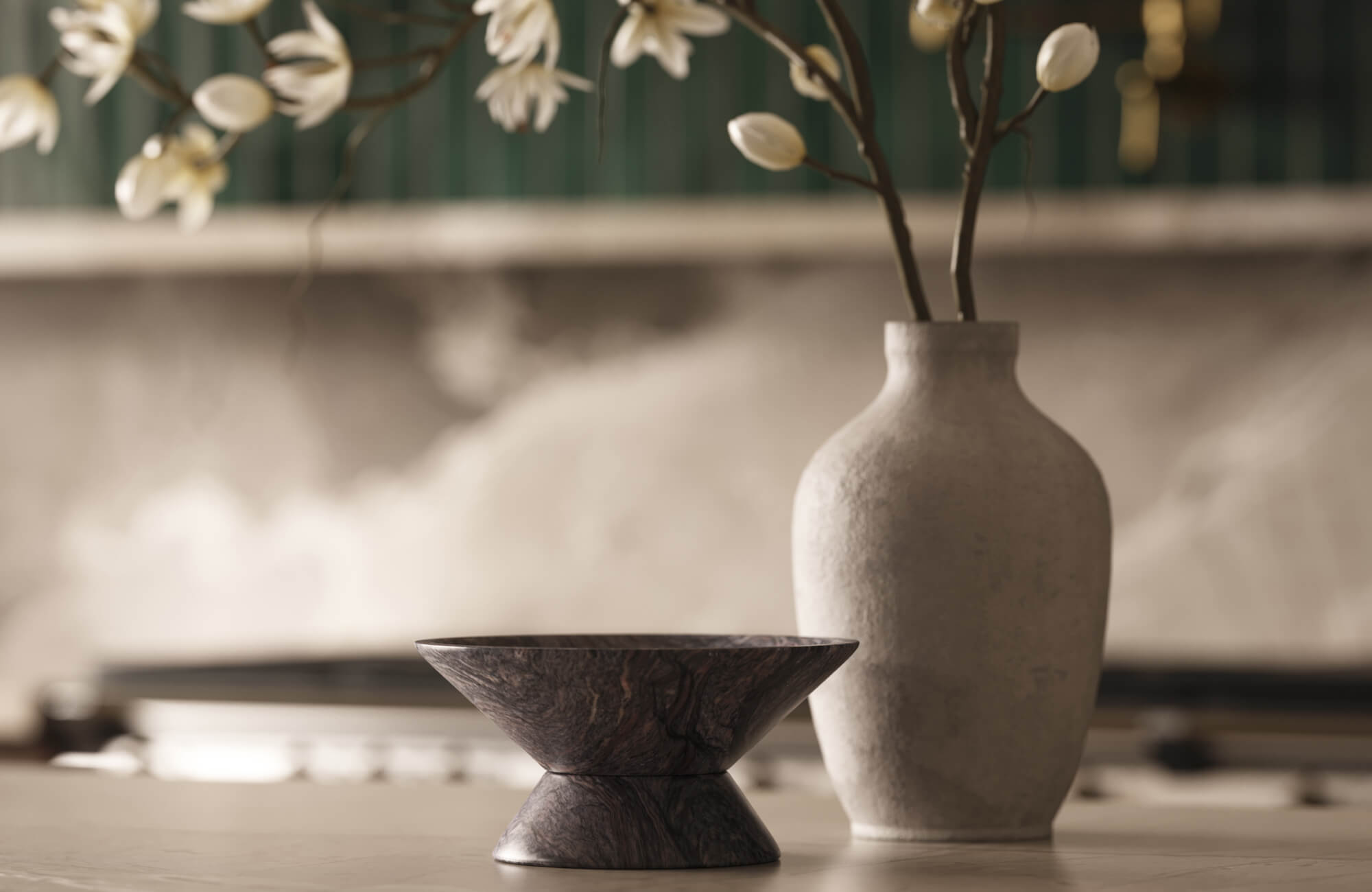
Some bowls naturally command enough attention that filling them to the brim can diminish what makes them interesting in the first place. As shown above, our Denwick Breccia Marble Small Bowl already introduces movement through its dramatic swirling veining and sculptural silhouette, making it well-suited to a more restrained styling approach. A single decorative object, a small grouping of collected pieces, or even leaving part of the bowl intentionally exposed, often feels more impactful than packing the entire surface with fillers. In spaces that lean design-forward, this kind of restraint allows the bowl itself to become part of the composition rather than simply acting as a container for what sits inside it.
Practical Decorative Bowl Ideas You’ll Actually Use
Not every decorative bowl needs to hold something purely for looks, especially if you prefer decor that actually earns its place in your home. If you know you are more likely to use the bowl than constantly restyle it, there are plenty of ways to make it feel practical without looking like accidental clutter.
Fruit Arrangements That Feel Styled Instead Of Random
Let’s be honest, a bowl of fruit can either look effortlessly put together or like you just emptied a grocery bag onto the counter. If you want yours to feel intentional, the trick is being a little selective instead of tossing in whatever happens to be ripe. A grouping of lemons, green apples, pears, or another more cohesive mix usually looks much cleaner than a chaotic blend of colors and shapes competing with each other. The bowl matters too, because the exact same fruit will feel completely different in a rustic wood bowl versus something sleek in ceramic or stone. If you want a practical filler that still contributes to the room visually, this is one of the easiest ones to get right.
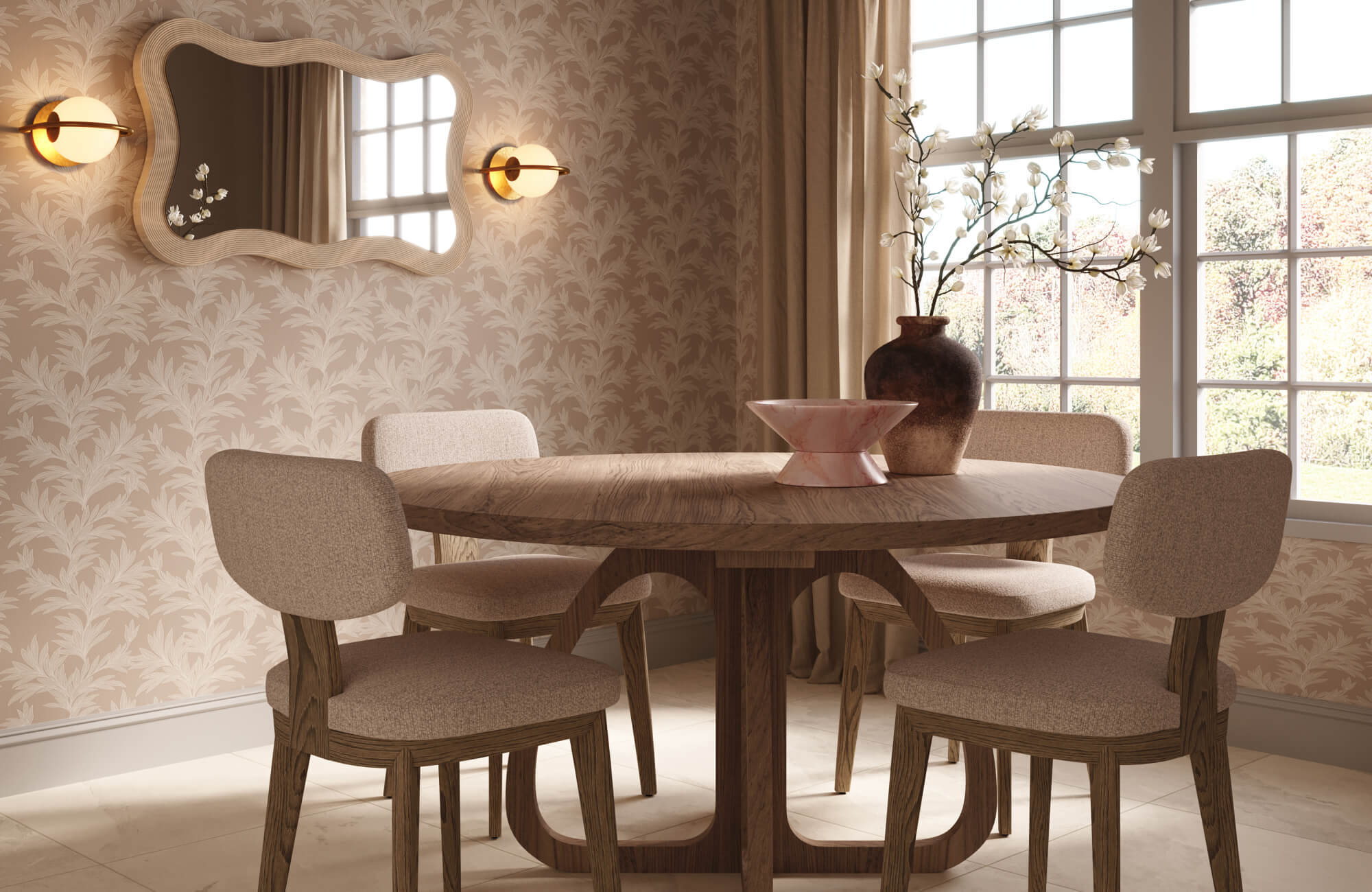
A fruit bowl often feels more inviting when it looks like a natural part of the table rather than something added as an afterthought. In the dining space above, our Denwick Rosa Marble Small Bowl already brings warmth through its rose, terracotta, and earthy veining, making it easy for a simple arrangement of citrus, pears, or apples to feel right at home. Its generous shallow basin helps keep everything visible and relaxed instead of stacked too high, which creates a more effortless, gathered look. Sometimes, a beautiful bowl and a thoughtfully chosen selection of fruit are all you need to make the entire surface feel more welcoming and complete.
Everyday Drop-Zone Essentials That Still Look Put Together
You probably already have a surface somewhere in your home where keys, sunglasses, loose change, or random pocket essentials somehow keep gathering anyway. Instead of fighting that habit, a decorative bowl can make that daily clutter feel much more intentional. The key is choosing a bowl that actually fits what you tend to drop there, because something too tiny becomes annoying fast, while something oversized can make a few items look strangely abandoned. Cleaner shapes usually work best here since they help everything feel contained rather than messy. If you like a home that feels lived in but still pulled together, this kind of practical styling just makes sense.
Wrapped Treats, Coffee Pods, Or Guest-Friendly Fillers For Shared Spaces
If you like making shared spaces feel a little more welcoming, this is one of those simple ideas that works surprisingly well. A decorative bowl filled with coffee pods near the machine, tea sachets in the breakfast area, or individually wrapped treats in a guest room can make the space feel thoughtfully prepared without much effort. What keeps this from looking messy is editing, because once the bowl starts overflowing, it stops feeling styled and starts looking like storage overflow. Matching the bowl to the room helps, too, so it feels like part of the decor instead of a random container doing a temporary job. Small details like this can make everyday spaces feel noticeably more inviting.
Bathroom Vanity Bowl Ideas That Feel Useful Without Looking Messy
If your bathroom counter tends to collect all the little things you reach for daily, a decorative bowl can help bring some order without making the vanity feel staged or fussy. Wrapped soaps, cotton rounds, bath salts, or neatly contained essentials tend to look much better when they have a defined place instead of being scattered around the sink. You do want to be practical about the material here, since bathrooms deal with humidity, moisture, and product residue, which makes ceramic, glass, or stone much easier to live with. Size matters too, especially if your vanity is compact, because an oversized bowl can take over the whole surface. Done well, it feels less like visible storage and more like a thoughtful finishing detail you will actually use.
Seasonal Decorative Bowl Styling That Actually Feels Sophisticated
If you like refreshing your home throughout the year, a decorative bowl is one of the easiest places to make subtle seasonal changes without reworking the entire room. The trick is shifting texture, color, and mood in a way that feels intentional, so the styling reflects the season without sliding into overly themed decor that feels out of place the moment the calendar changes.
Fresh Spring Decorative Bowl Ideas That Feel Light And Airy
Spring is usually the easiest season to style because the shift naturally leans lighter, softer, and a little fresher without needing obvious seasonal cues. If your space feels heavy after cooler months, this is a good time to bring in fillers with softer tones, lighter textures, or a bit of natural movement that helps the room feel refreshed. Think less “spring decor aisle” and more subtle changes that echo what is happening outside, whether through gentler greenery, pale natural textures, or cleaner organic shapes. Decorative bowls in spring usually look best when they feel edited rather than overfilled, since too much can quickly take away that airy effect. If your goal is to make the room feel lighter without making it feel themed, restraint usually works in your favor.
Summer Styling With Coastal, Citrus, And Relaxed Natural Elements
Summer styling tends to feel best when it looks easy rather than overly curated, which makes decorative bowls a great place to introduce a more relaxed seasonal shift. Citrus can work beautifully here, but so can softer coastal textures, bleached wood tones, shells used sparingly, or natural fillers that feel sun-washed instead of obviously beach-themed. If your home already leans warm, organic, or coastal, even a subtle seasonal adjustment can make the whole room feel more in sync without requiring much effort. The key is avoiding fillers that feel too literal, since a bowl overloaded with themed pieces can quickly start looking more souvenir shop than sophisticated home styling. A looser, lighter touch almost always feels more convincing.
Fall Decorative Bowl Fillers That Go Beyond Mini Pumpkins
Fall decorating is where decorative bowls often get trapped in predictable styling, but you have far more options than defaulting straight to miniature pumpkins. If you still want warmth and seasonal texture, richer wood tones, dried botanicals, walnut shells, darker natural elements, or softly muted organic fillers can create that same autumn shift in a much more elevated way. This is a season where texture really does a lot of the work, especially if the rest of your home already includes layered textiles, warmer finishes, or deeper accent tones. Decorative bowls tend to feel strongest here when they reflect the mood of the season instead of relying on obvious symbols. If you want your fall styling to feel grown-up rather than overly expected, this is where a little editing makes all the difference.
Winter Bowl Styling That Feels Warm Without Looking Overdecorated
Winter is usually less about adding more and more seasonal decor and more about making your space feel warmer, softer, and a little more layered. Decorative bowls can support that beautifully through deeper textures, richer neutrals, darker wood tones, or fillers that add visual warmth without immediately reading as holiday decor. Pinecones, muted natural elements, or more sculptural winter-friendly textures can absolutely work, but the goal is keeping the arrangement feeling timeless enough that it still looks right beyond one specific celebration. If you already have candles, layered textiles, or moodier lighting in the room, your decorative bowl does not need to compete with all of that. Sometimes a quieter winter arrangement feels far more sophisticated than something trying too hard to announce the season.
Decorative Bowl Styling Mistakes That Make The Whole Display Feel Off
Sometimes the reason a decorative bowl arrangement feels awkward has less to do with what you chose and more with how everything is working together visually. A few small styling missteps can make even beautiful bowls and well-chosen fillers feel off, which is why a little editing often makes a bigger difference than adding more.
Choosing Fillers That Are Too Small To Hold Visual Presence
A common mistake is choosing fillers that technically fit the bowl but visually disappear the moment you step back. Tiny decorative pieces in a large bowl often create a scattered, underwhelming look instead of the intentional arrangement you were aiming for. The bowl and its contents should feel like they belong to the same visual conversation, which usually means the filler needs enough presence to hold its own. This becomes even more noticeable in larger rooms or on substantial surfaces where small fillers can look almost accidental. If the arrangement feels like something is missing, scale is often the first thing worth reconsidering.
Overstuffing The Bowl Until It Stops Looking Intentional
It is easy to assume a decorative bowl should feel full to look finished, but overfilling is usually where the styling starts losing its sense of intention. Once fillers are piled too high or spilling outward awkwardly, the arrangement often shifts from curated to cluttered without much warning. Giving the contents some breathing room helps individual shapes, textures, and materials actually register instead of blending into visual noise. This is especially true with bowls that already have a strong shape or texture of their own, since overloading them can completely bury what made them appealing in the first place. If you find yourself adding “just one more thing,” that is usually the moment to step back.
Ignoring The Material Relationship Between The Bowl And Its Fillers
Even when the individual pieces look beautiful on their own, the overall arrangement can still feel disconnected if the materials are fighting each other. A sleek marble bowl paired with something overly rustic, or a soft woven vessel filled with pieces that feel too cold and industrial, can create tension that reads less intentional and more mismatched. Contrast can absolutely work, but it needs to feel deliberate rather than accidental. Looking at the surrounding room helps here too, since the bowl should feel connected to the larger design language rather than acting like an unrelated styling experiment. When something feels subtly off but hard to explain, a material mismatch is often the culprit.
Forgetting To Style Around The Bowl, Not Just Inside It
A decorative bowl rarely exists in complete isolation, which is why styling only the inside while ignoring everything around it can make the setup feel incomplete. Even a beautifully arranged bowl can look awkward if it is sitting next to objects that clash in scale, color, or visual weight. On a coffee table, for example, the bowl may need to visually relate to books, candles, or nearby decor instead of feeling like a disconnected centerpiece. The goal is not creating a perfectly matched display, but making sure the bowl feels like part of the room rather than an object that was dropped in afterward. Sometimes the issue is not the filler at all, but the context around it.
Matching Everything A Little Too Perfectly
Trying too hard to make every element coordinate can sometimes make a decorative bowl arrangement feel flat rather than polished. When the bowl, fillers, and surrounding decor all share the exact same finish, tone, or texture, the setup can start looking overly staged instead of naturally layered. A little variation usually creates a much stronger result because it gives the eye something to move through rather than presenting one repeated visual note. That does not mean forcing contrast for the sake of it, but allowing some material or tonal difference often makes the styling feel more believable. If your arrangement looks technically “correct” but still lacks personality, it may be because everything is matching a little too obediently.
The Small Styling Detail That Can Change An Entire Surface
Decorative bowls work best when they feel connected to both the room and the way you actually live, which is why there is rarely a single “right” filler for every space. Whether you gravitate toward natural textures, sculptural objects, practical everyday items, or seasonal accents, the strongest arrangements usually come from choosing pieces that complement the bowl itself while supporting the overall character of the room. A thoughtful decorative bowl does more than fill empty surface space; it helps reinforce the mood, texture, and visual rhythm of the surrounding decor.
If you are unsure how a decorative bowl, tabletop accessories, or other styling elements fit into your broader design vision, Edward Martin’s Personalized Design Consultation can help bring everything together. Working with a cohesive plan often makes it easier to decide which materials, finishes, and decorative accents belong in the space and which ones do not. Even small details can have a noticeable impact when they are chosen with the room as a whole in mind, helping your home feel more intentional, balanced, and thoughtfully curated.
Follow us on Instagram
@EDWARD.MARTIN
)
)
)
)
)
)
)
)
)
)
)
)
)
)
)
)