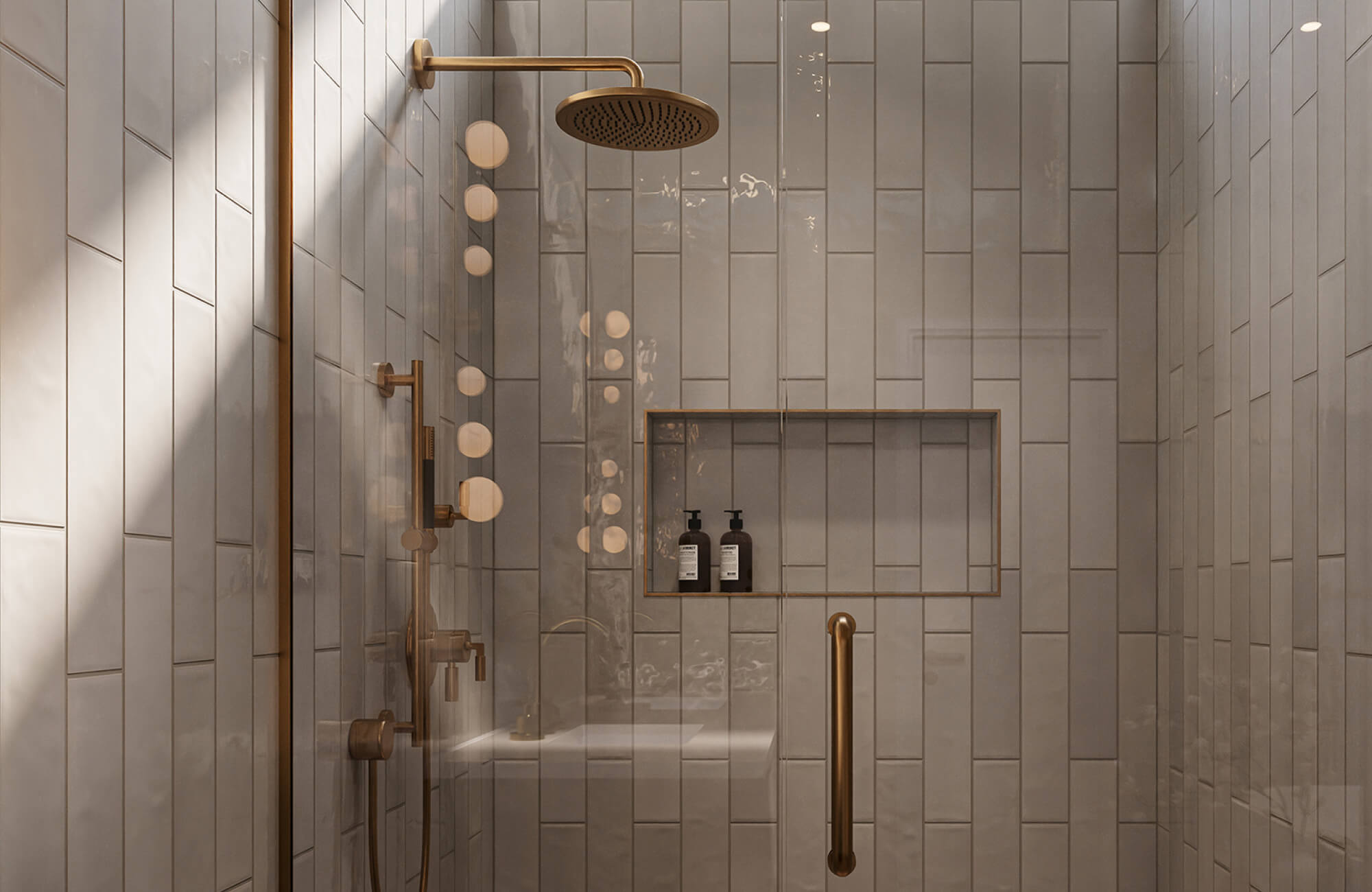
In a well-curated kitchen, the wall tiles do more than shield surfaces—they shape the atmosphere with texture, tone, and architectural presence. When thoughtfully selected, they transform ordinary walls into expressive backdrops that echo craftsmanship and intention. Each tile material brings distinct technical strengths, aesthetic qualities, and long-term performance advantages, creating opportunities for tailored design solutions. By understanding how these materials respond to moisture, heat, and daily use, you can select surfaces that balance beauty with resilience. This graceful interplay between function and artistry makes choosing the best kitchen wall tile an essential step in defining a cohesive and enduring interior.

Ceramic Tile
Ceramic tile offers a balanced blend of durability, visual adaptability, and affordability, making it an approachable yet dependable option for kitchen walls. Its engineered glaze systems enhance its ability to perform reliably in moisture-prone environments while supporting a wide range of styles.
Glazed Surface Durability and Moisture Resistance
Glazed ceramic tile forms a smooth, impermeable barrier that prevents moisture, oils, and cooking residue from penetrating the surface. Its glossy coating preserves color vibrancy and shields the tile from discoloration or mild chemical exposure. This protection also keeps the finish clear and refined, even in high-use cooking zones. Cleaning remains simple because residue remains on the surface instead of soaking into the tile body. By following the manufacturer’s cleaning guidelines and regular upkeep, the backsplash maintains a hygienic and polished appearance. These combined features make glazed ceramic an enduring solution for moisture-heavy kitchen areas.
Design Versatility and Surface Customization
Ceramic tile supports an extensive range of glazes, textures, and decorative effects, enabling elevated creativity across all kitchen styles. Through advanced digital printing replicates stone veining and artisan finishes with impressive accuracy, offering high-end aesthetics at approachable prices. This versatility also allows designers to align tiles seamlessly with cabinet finishes, countertops, and hardware. A wide selection of shapes and formats, from elongated subways to sculpted 3D surfaces, enhances both rhythm and spatial composition. These options encourage expressive layouts without complicating installation. As a result, ceramic tile blends design freedom with reliable performance.
Subway Tile and Timeless Backsplash Layouts
Ceramic subway tile remains a beloved choice not only for its classic geometry but also for its exceptional ease of cleaning, which is particularly valuable in busy cooking environments. The smooth glazed finish resists grease adhesion, allowing splatters and residue to wipe away quickly with minimal effort. Because the layout often uses uniform grout lines, maintenance becomes more predictable, and grout-friendly sealants help prevent staining over time.
The linear arrangement also limits dust-catching crevices, making routine upkeep simpler and more efficient. Whether installed in a traditional offset pattern or a modern vertical stack, its clean lines reinforce both visual order and hygienic practicality. These combined qualities make subway tile one of the most low-maintenance and reliable ceramic backsplash options available.
To illustrate how refined and functional subway tile can be, Edward Martin’s Jaden 2.5x16 Glossy Ceramic Tile in Dove, as displayed in the photo above, offers a sophisticated take on this classic format. Its soft light-gray tone and handcrafted variation bring gentle movement to the backsplash, while the glossy finish keeps cleaning quick and effortless. The elongated 2.5x16 profile also enhances the rhythm of horizontal layouts, providing a polished, design-forward surface that balances artisanal character with everyday durability.

Porcelain Tile
Porcelain tile provides exceptional durability and moisture resistance through its dense, low-absorption body, making it ideal for demanding kitchen environments. Its refined composition supports structural stability while enhancing sleek, sophisticated design aesthetics.
Material Density, Structural Strength, and Performance Stability
Porcelain undergoes high-temperature firing that compresses its clay body into a tightly bonded, durable structure. This density helps resist scratches, impact, and surface wear from daily kitchen activities. Its minimal water absorption protects surrounding grout and reduces the risk of moisture-related degradation. The tile also remains dimensionally stable, supporting clean alignment and long-term installation integrity. Because of this structural consistency, porcelain excels in both residential and commercial kitchens. Altogether, these qualities establish porcelain as a high-performance material built for longevity.
Reflecting these performance advantages, Edward Martin’s Juliet 2.5x10 Matte Porcelain Tile in Pearl demonstrates how dense, low-absorption porcelain can deliver both durability and refined design. As shown in the photo above, its silky matte finish offers a soft, contemporary look while maintaining excellent resistance to wear, making it ideal for high-use kitchen walls. The compact 2.5x10 format also provides structural precision during installation, ensuring tight, stable lines that highlight the material’s superior engineering.
Large Format Porcelain Panels
Large format porcelain panels generate sweeping visual continuity with far fewer grout lines, resulting in a streamlined, architectural aesthetic. Their expansive surface area elevates the kitchen with cleaner lines and reduced visual clutter. Digital glazing techniques also replicate marble, travertine, or industrial textures with remarkable realism. Moreover, maintenance becomes easier because fewer joints require cleaning or sealing over time. Their lightweight yet durable nature supports secure installation on vertical surfaces. Combined, these features position large-format porcelain as a modern, elegant, and practical wall solution.
Color-Body Porcelain and Enhanced Backsplash Longevity
Color-body porcelain offers long-term cleaning advantages due to its dense, low-porosity structure, which prevents oils and cooking residue from sinking into the surface. Because the color runs throughout the tile, small nicks from scrubbing or abrasive pads remain far less noticeable, preserving a clean, uniform appearance. Its resistance to moisture absorption also reduces the likelihood of mildew forming along grout joints, limiting deep-cleaning requirements.
The smooth surface responds well to regular wiping with standard kitchen cleaners, eliminating the need for frequent heavy-duty treatments. Over time, this durable composition maintains a fresh, polished look even in high-use cooking zones. Together, these attributes make color-body porcelain an ideal choice for homeowners seeking a backsplash with both long-lasting beauty and minimal maintenance demands.
To further support confident design decisions, Edward Martin’s Augmented Reality (AR) Tool allows homeowners and designers to visualize porcelain tiles directly within their own kitchens. This immersive planning experience ensures the selected porcelain tile not only performs with long-term durability but also aligns perfectly with the room’s architecture and aesthetic vision.

Glass Tile
Glass tile introduces luminosity and dimensional clarity that invigorate modern kitchens, especially those benefiting from enhanced visual openness. Its natural reflectivity and smooth, non-porous finish support both hygiene and contemporary aesthetics.
Optical Depth, Light Reflection, and Visual Expansion
Glass tile refracts and reflects light to create a luminous, layered appearance that subtly shifts throughout the day. Its translucent body enhances depth, giving backsplashes a radiant, almost weightless character. These qualities also help smaller kitchens feel more open by distributing light across surrounding surfaces. Because glass resists fading, its brilliance remains intact even under consistent sunlight. The reflective nature of the material complements stainless steel fixtures and polished countertop surfaces. Together, these elements position glass tile as a visually expansive, modern design feature.
Hygienic, Non-Porous Performance and Easy Cleaning Benefits
Glass tile’s non-absorbent composition prevents oils, splatter, and moisture from penetrating the surface, creating a naturally hygienic backdrop for cooking. This impermeability discourages bacterial growth and supports quick, low-effort cleaning. Even strong or acidic cleaners do not dull its clarity, preserving long-term brilliance. The material also requires no sealing, which simplifies ongoing maintenance. Its resistance to staining ensures a consistently polished look over time. These factors make glass tile particularly appealing for homeowners who value sanitation and contemporary style.

Natural Stone Tile
Natural stone enriches kitchen walls with geological detail, tactile depth, and timeless appeal, offering an aesthetic that feels curated and architecturally significant. Its organic variations elevate interiors with authenticity and material character.
Unique Veining, Mineral Variation, and Organic Visual Movement
Natural stone showcases veining, shifts in tone, and mineral markings formed over centuries, lending each tile a one-of-a-kind identity. As light moves across the surface, the stone reveals subtle highlights and shadows that contribute to rich visual movement. This dimensionality enhances both modern and classic kitchens by introducing depth and grounded elegance. Stone’s tactile qualities also complement warm woods, metal finishes, and stone countertops alike. Each tile functions as a small piece of geological artistry, creating a distinctive, upscale aesthetic. For homeowners seeking luxury and authenticity, natural stone delivers an unparalleled backdrop.
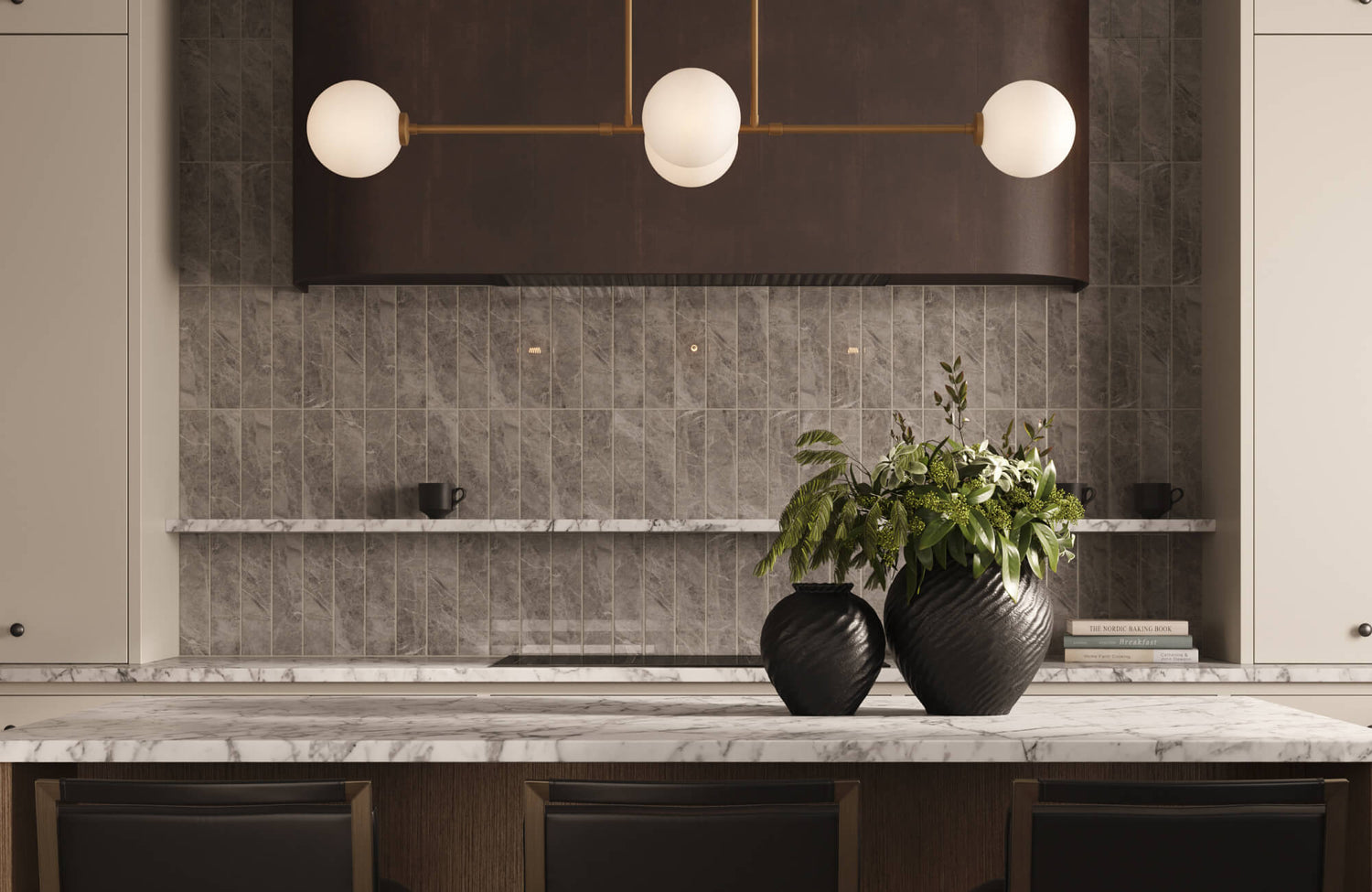
For those who desire this organic visual movement with the added benefits of porcelain, Edward Martin’s Aniston 3x12 Polished Porcelain Tile in Calacatta Quarzite, as featured in the photo above, offers a refined marble look alternative. Its intricate veining and polished surface replicate the depth and fluidity of natural Calacatta stone while delivering enhanced durability, color consistency, and low maintenance. The elongated 3x12 format also amplifies the graceful linear veining, creating a sophisticated, luminous backdrop that captures the elegance of stone without the upkeep.
Sealing Requirements, Maintenance Considerations, and Long-Term Integrity
Stone’s porous nature makes sealing essential to safeguard it from staining, etching, and moisture infiltration. Once sealed, the surface gains durability and preserves its natural coloration. Routine cleaning with pH-neutral products also supports the stone’s longevity and aesthetic clarity. In addition, proper maintenance allows the stone to age gracefully, developing deeper richness rather than deterioration. With consistent care and by following the manufacturer’s care guidelines, the material retains its structural strength and elegance over the years. These considerations make stone an excellent choice for kitchens where luxury materials are valued and maintained.

Specialty and Advanced Surface Tiles for Innovative Kitchen Wall Design
Specialty materials such as metal, cement, and sintered stone introduce striking visual identities and advanced functional capabilities. These surfaces support bold, contemporary designs while meeting the technical demands of modern kitchens.
Metal Tile
Metal tiles crafted from stainless steel, aluminum, or copper provide excellent heat resilience, making them suitable for installation near stoves and high-temperature zones. Their reflective finish amplifies the presence of modern appliances, supporting a sleek industrial aesthetic. Protective coatings also help minimize oxidation and keep the surface consistent over time. Despite their slim profile, metal tiles maintain structural stability and resist warping. Their clean lines integrate effortlessly with minimalist cabinetry and smooth countertop materials. These characteristics make metal tile a standout element in modern, industrial-inspired kitchens.
Encaustic Cement Tile
Encaustic cement tiles feature pigment-layered designs that create bold, expressive patterns capable of transforming the kitchen into a curated art space. Their handcrafted nature introduces warmth and individuality not found in manufactured alternatives. The matte finish also offers a tactile contrast that enriches both rustic and contemporary interiors. While the material is porous, sealing preserves its color clarity and protects it from stains. With proper upkeep, you can ensure its long-lasting vibrancy and surface integrity. These qualities make encaustic cement ideal for homeowners seeking a visually commanding, design-centric backsplash.
Sintered Stone and Engineered Slab Panels
Sintered stone is created through intense heat and pressure, producing a highly stable surface that rivals natural materials in endurance. For instance, large-format slabs reduce grout lines, allowing for smooth, uninterrupted expanses across kitchen walls. Digital surface technology also recreates marble, basalt, and polished concrete with remarkable depth and realism. The material is resistant to UV exposure, stains, and harsh chemicals, ensuring exceptional long-term performance. In addition, precision engineering enables secure, warp-free vertical installation. Together, these attributes establish sintered stone as a premier option for luxury kitchen wall surfaces.
Timeless Surfaces that Elevate Kitchen Design
Choosing the right kitchen wall tile begins with understanding how each material contributes to both aesthetics and long-term performance. Ceramic offers dependable versatility, porcelain adds lasting structural strength, and glass introduces clarity and visual expansion. On the other hand, natural stone enriches the space with organic luxury, while specialty materials open the door to bolder, more personalized designs. Together, these options allow you to curate kitchen walls that feel intentional, enduring, and beautifully aligned with daily living. With thoughtful selection, tile becomes more than a surface—it becomes an essential part of the kitchen’s identity.
For hands-on evaluation, Edward Martin’s 4x4 tile samples offer an accurate look at color, texture, and finish before committing to a full installation. These manageable sample pieces allow homeowners and designers to compare materials within their actual lighting conditions, ensuring every selection feels cohesive and intentional!