
)
)
)
)
)
)
)
)
What Is The Best Rug Material For Allergy Sufferers?
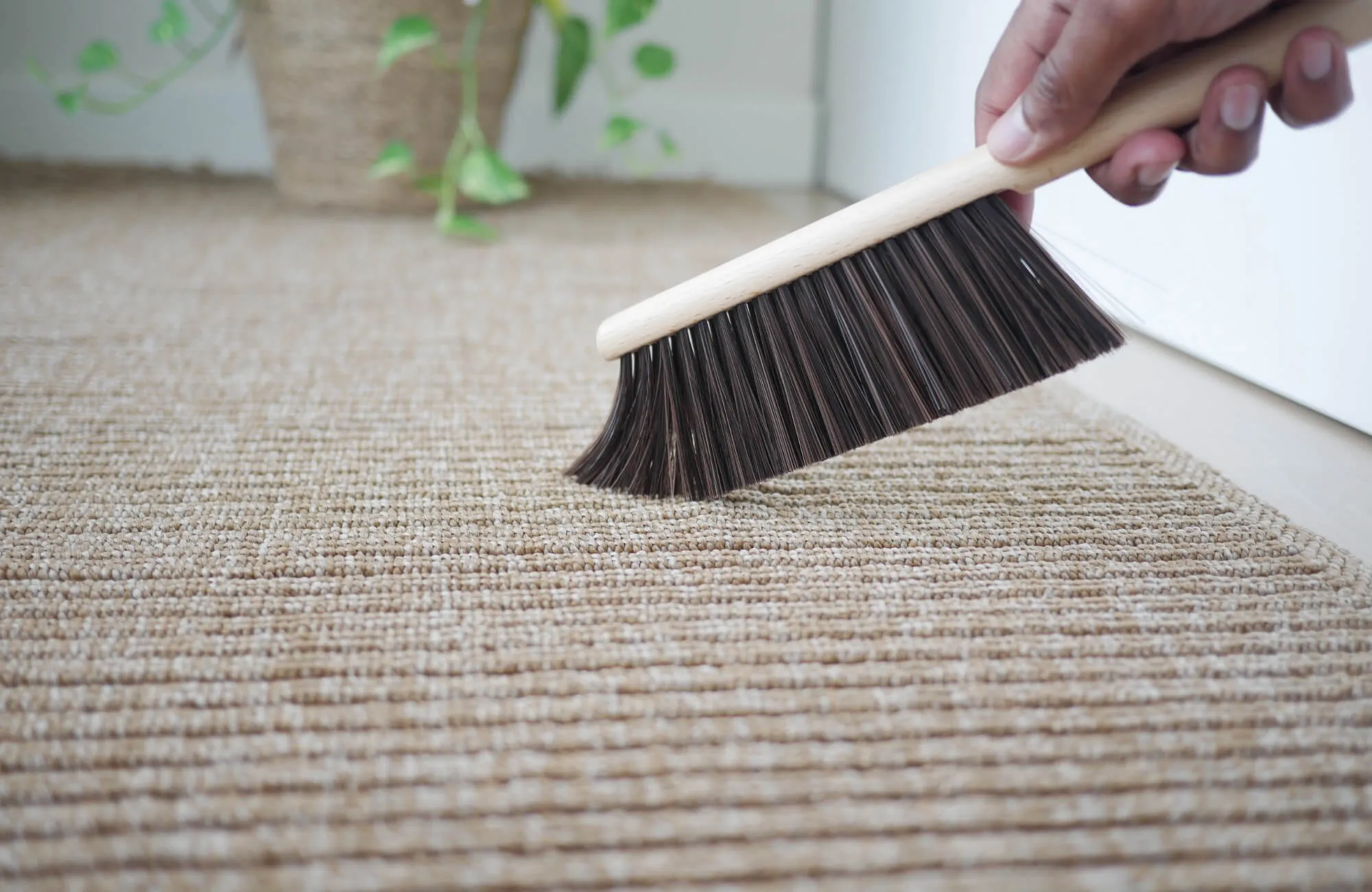
Home should feel like a refuge, especially for those who struggle with allergies. Yet rugs, an essential design element that softens a room and ties décor together, can become a hidden trigger when fibers, construction, or finishes trap dust, dander, and moisture. Choosing the right rug isn’t only a design decision; for many families, it becomes a matter of daily comfort and long-term health.
Understanding how materials behave, how they interact with air quality, and how construction influences allergen buildup empowers homeowners to create interiors that feel cleaner, fresher, and easier to maintain. With thoughtful selection, a rug can enhance a space without contributing to respiratory irritation, making it possible to enjoy warmth underfoot and visual texture while still supporting a healthy home environment.
Why Natural Wool Is The Surprise Champion For Allergies
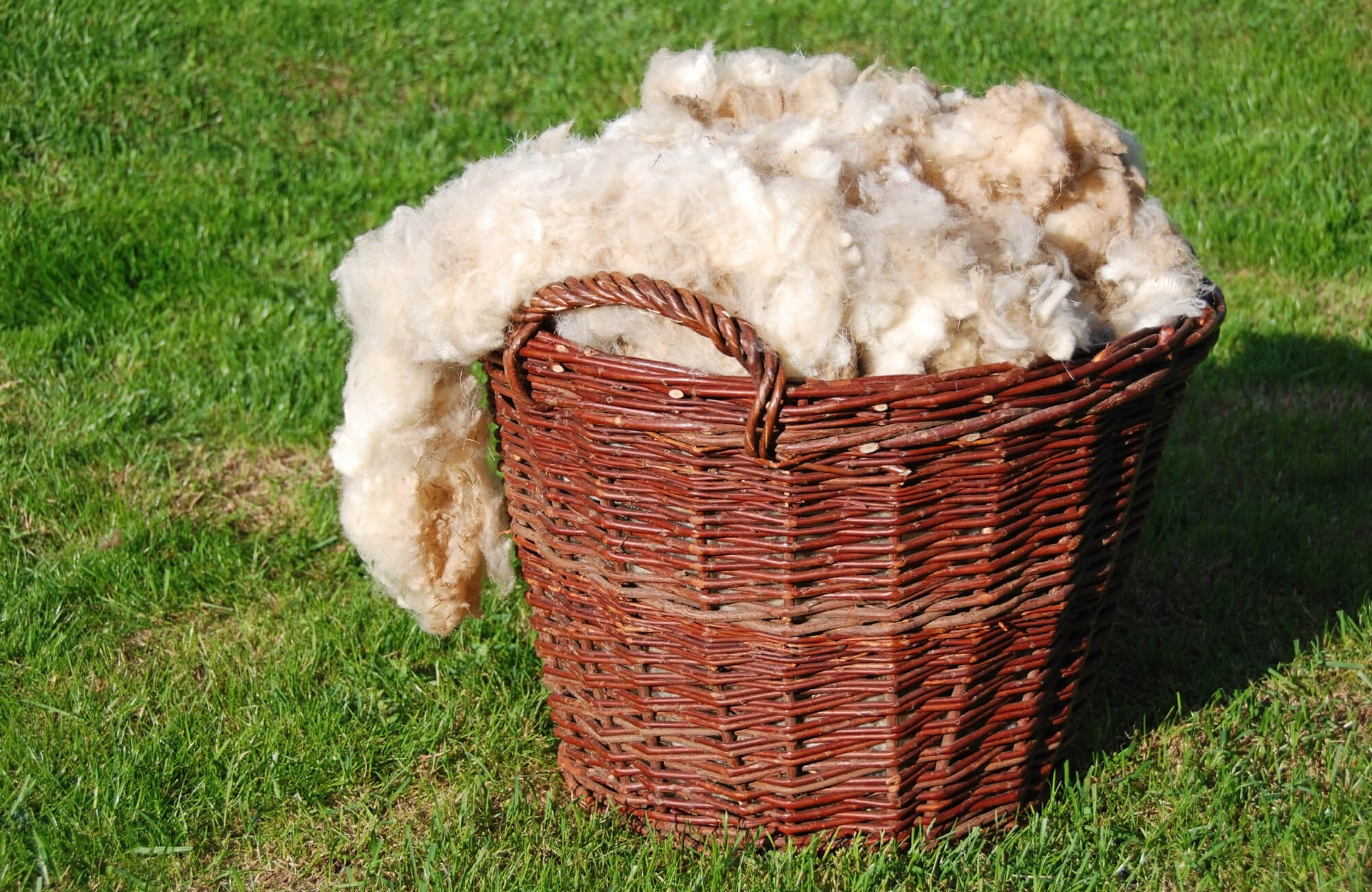
As you begin evaluating which rug materials truly support cleaner indoor air, wool stands out as an unexpected yet highly effective option. Its natural structure offers built-in advantages for allergy management that many homeowners overlook. Understanding why wool performs so well sets the stage for comparing it to other materials.
The Air Filtering Properties Of Wool Fibers
Many homeowners assume that wool, being a natural material, must harbor allergens more than synthetics. Surprisingly, the opposite is often true. Wool fibers have a uniquely crimped and structured surface that allows them to capture airborne particles such as dust and pollen, holding them in place rather than letting them recirculate. This doesn’t mean wool traps allergens permanently; rather, it temporarily keeps them from becoming airborne again, making regular vacuuming far more effective. This air-filtering behavior helps stabilize indoor air quality in rooms where vents or foot fall usually stir up irritants. Wool’s ability to manage humidity also matters because allergens thrive in unstable environments. By absorbing and releasing moisture without feeling damp, wool helps maintain a consistent atmosphere where airborne particles do not cling as easily to surfaces.
Lanolin And The Resistance To Mold And Bacteria
Wool contains a naturally occurring wax called lanolin, which has antimicrobial and water-repellent qualities that contribute to its allergen-resistant nature. Lanolin acts as a shield, preventing moisture from penetrating deeply into the fibers. When moisture stays on the surface rather than being absorbed, mold and bacteria have difficulty establishing themselves, even in rooms such as bedrooms or living areas where humidity fluctuates throughout the year. For allergy sufferers, reducing microbial growth is critical, because mold spores and bacterial byproducts are among the most common respiratory irritants found in household textiles. Wool’s structure also makes it inhospitable to dust mites, which require damp environments to thrive. By offering both breathability and resistance to biological growth, wool quietly supports a healthier living space without the need for chemical treatments.
Distinguishing Between High And Low Quality Wool
Not all wool performs the same way, and quality determines just how hypoallergenic it will be over time. High-quality wool, typically sourced from well-managed flocks and processed with minimal harsh chemicals, retains more of its natural lanolin and fiber integrity. These fibers are longer, more resilient, and shed far less than inexpensive wool alternatives. Low-quality wool tends to have shorter fibers that break more easily, leading to shedding that increases airborne particles and may aggravate allergies rather than soothe them. Additionally, some budget wool rugs are blended with synthetic fillers or processed with heavy finishes that off-gas, interrupting the fiber’s natural ability to manage humidity and resist microbes. When choosing wool for allergy relief, it becomes essential to look for rugs that clearly state fiber purity, responsible sourcing, and minimal chemical treatment. A well-crafted wool rug will not only last much longer but will also maintain its allergy-friendly qualities throughout its lifetime.
The Benefits Of Synthetic Fibers For Easy Sanitation
After exploring the naturally protective qualities of wool, it’s helpful to consider materials that excel in a different way, through effortless cleaning and moisture resistance. Synthetic fibers offer practical benefits that support day-to-day allergen control. Their durability and sanitation-friendly properties create a strong alternative for busy households.
Why Polypropylene Repels Moisture And Mildew
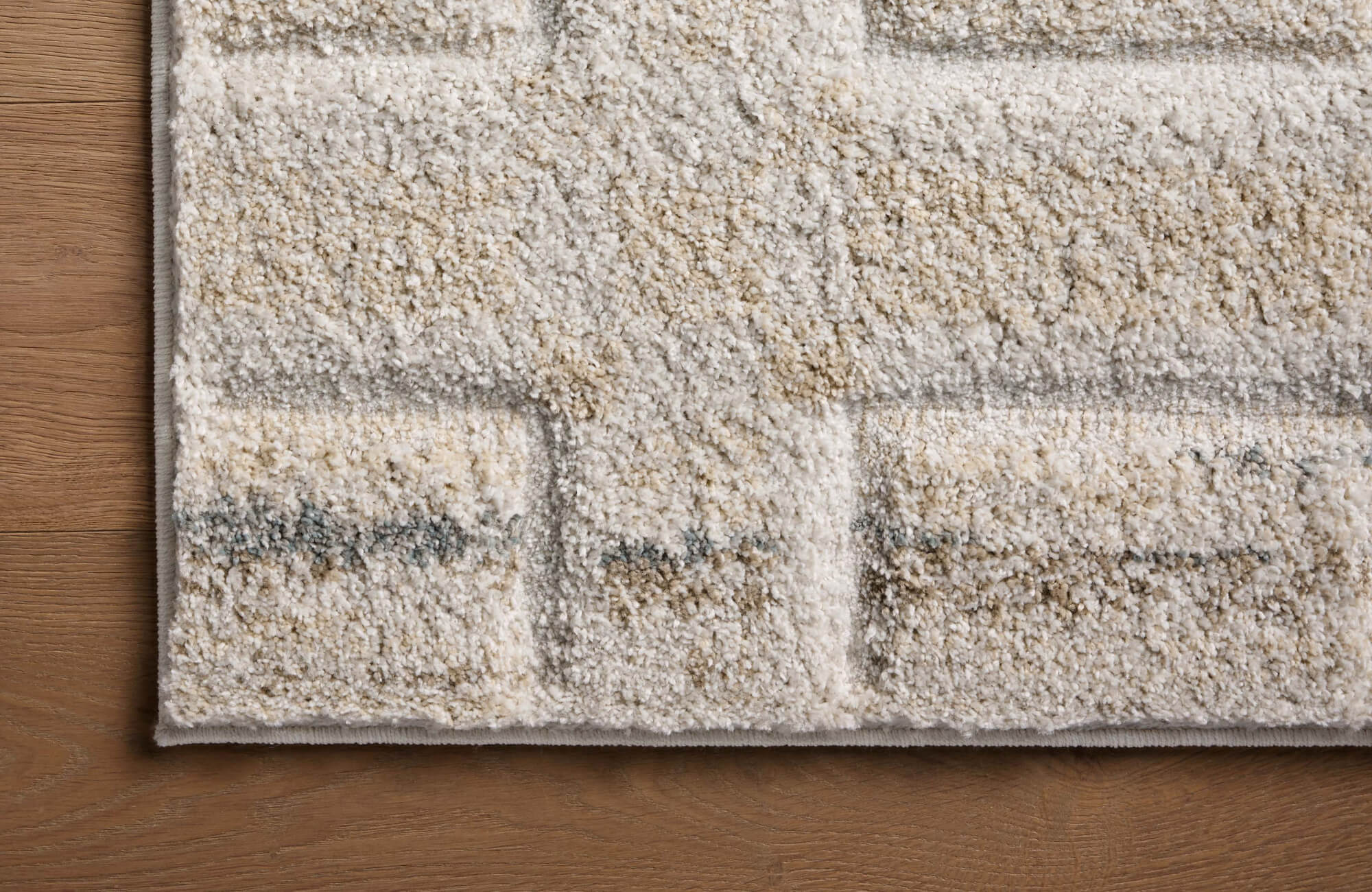
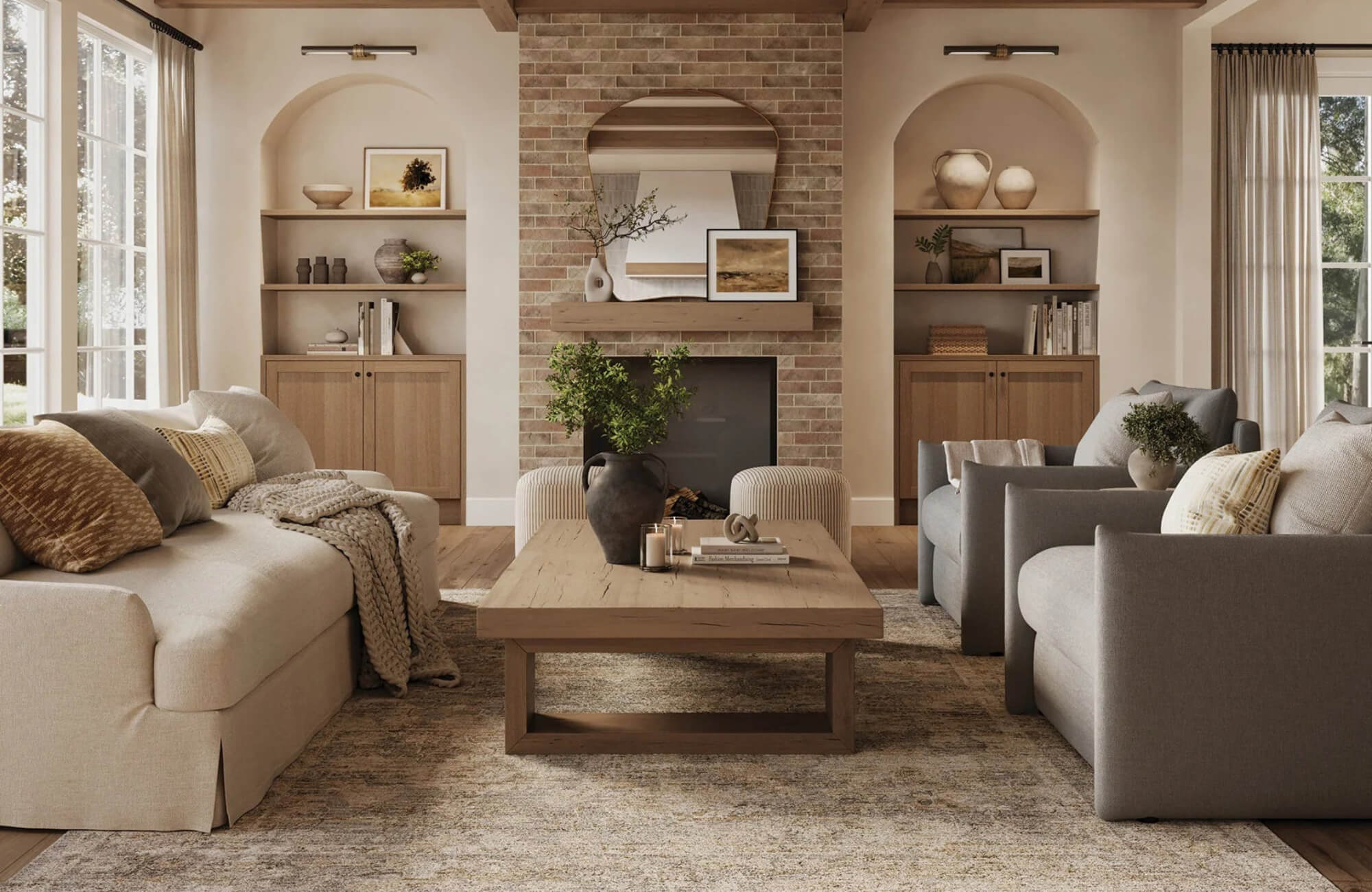
Synthetic fibers often appeal to allergy sufferers because they are inherently resistant to moisture absorption. Polypropylene, in particular, is valued for its hydrophobic nature, the fibers simply do not hold water. This quality becomes even more apparent when looking at Edward Martin’s Broderick Rug in Oat / Iron in the image above, where the dense, structured pile illustrates how spills remain on the surface instead of sinking in. This is especially useful for preventing mildew and mold, two irritants that can quickly worsen respiratory symptoms.
When a fiber repels water at the structural level, spills sit where they can be easily blotted and cleaned instead of seeping into the backing. This moisture resistance offers reassurance in homes with pets, young children, or high-activity living spaces, and polypropylene’s ability to stay dry translates into faster cleaning cycles and fewer lingering odors, reinforcing a more sanitary environment that reduces allergen buildup.
The Ability To Wet Clean And Sanitize
One of the primary advantages of synthetic rugs is the freedom to wet clean them without risking damage. Because fibers such as polyester and polypropylene do not absorb water, they withstand deep-cleaning methods far better than natural fibers. For households managing allergies, the ability to sanitize a rug thoroughly can make a significant difference in air quality. Wet cleaning removes not only surface-level dirt but also microscopic irritants that settle deep within the pile. This makes synthetics especially appealing for busy areas, playrooms, or entryways where allergens accumulate more quickly. When a rug can be cleaned without delicate handling, homeowners gain the confidence to maintain it frequently, reinforcing a healthier, more controlled indoor environment year-round.
Low VOC Options In The Synthetic Market
Concerns about off-gassing often cause homeowners to hesitate when considering synthetic materials. However, the synthetic rug market has evolved significantly, offering low VOC alternatives designed for more sensitive households. Rugs certified for reduced chemical emissions help limit the presence of irritants such as formaldehyde and volatile compounds that can impact indoor air quality. These certifications indicate that the rug has been produced with controlled processes and tested to ensure it does not release harmful fumes over time. Selecting low VOC synthetics creates a balance between durability, easy sanitation, and cleaner indoor air. For many families, these improved materials offer a practical and budget-friendly solution without compromising health or comfort.
How Rug Construction And Pile Height Impact Allergens
Material alone doesn’t determine how a rug behaves in an allergy-sensitive home, and that becomes especially clear once you compare synthetics and wool. The next factor, construction, directly affects how easily allergens can settle or be removed. Looking at pile height and weave style helps refine your selection even further.
The Danger Of High Pile And Shag Rugs
Construction matters just as much as material when it comes to allergen control. High pile and shag rugs, despite their luxurious feel, tend to be the least friendly to allergy sufferers. Their long fibers create deep pockets where dust, dander, and pollen settle and accumulate. These rugs are notoriously difficult to vacuum thoroughly, with particles often clinging to the lower layers where they remain undisturbed but still capable of affecting air quality. Because the fibers move with every step, allergens continually rise into the air each time the rug is disturbed. Even frequent cleaning may not fully remove trapped irritants, making high pile rugs a challenging choice in homes focused on respiratory comfort. While visually appealing, their maintenance demands make them impractical for anyone who needs a consistently low-allergen environment.
Why Flatweave Is The Hypoallergenic Gold Standard
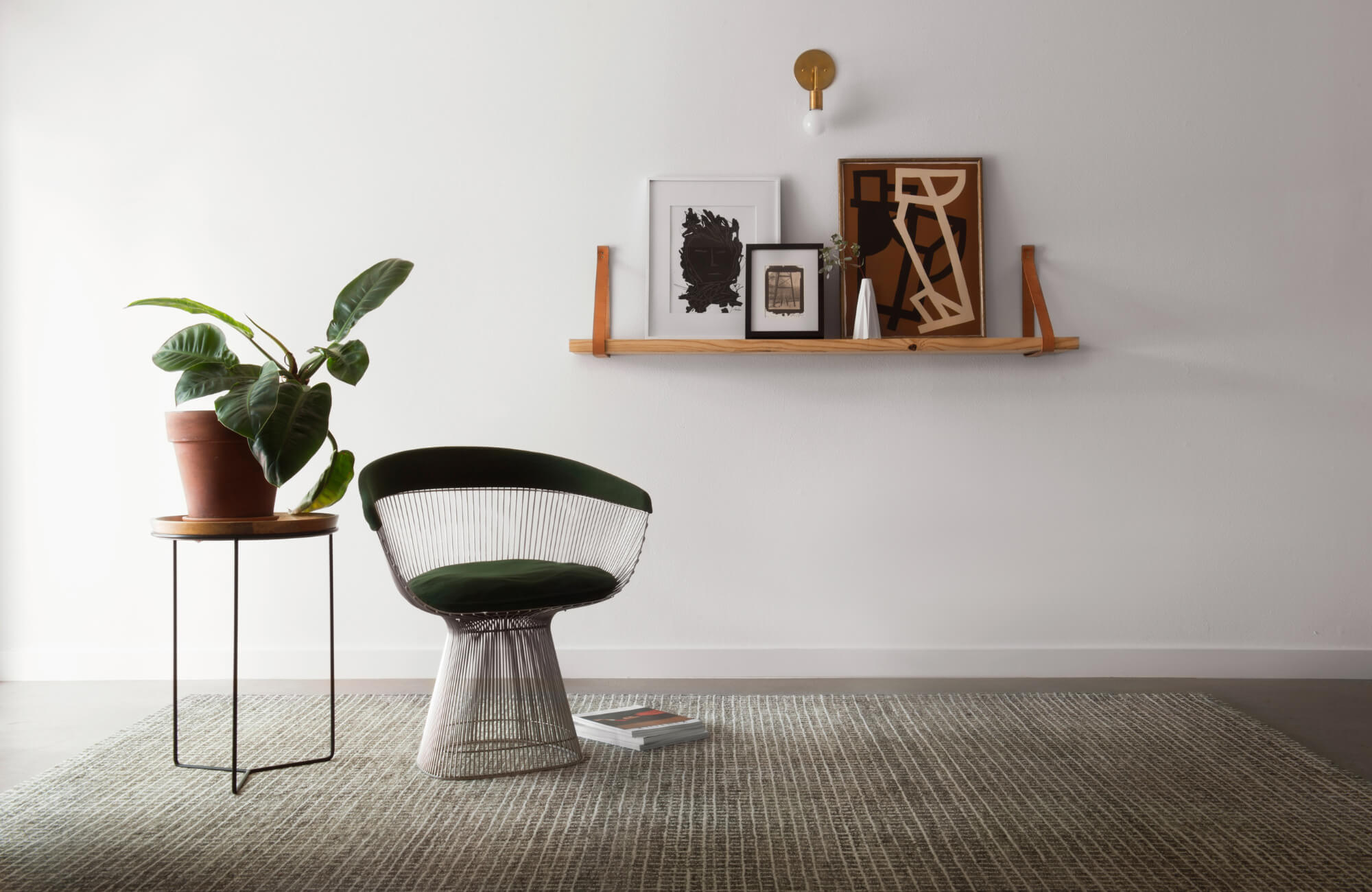
Flatweave rugs, by contrast, offer one of the cleanest options for maintaining healthy indoor air. Their tight, low-profile construction provides almost no space for allergens to settle, allowing each vacuuming session to remove debris efficiently. That simplicity is reflected in Edward Martin’s Haverford Rug in Platinum / Bronze, shown in the image above, where the crisp flatweave structure prevents dust from burrowing deep into the fibers. This makes flatweaves particularly attractive for individuals sensitive to dust mites or pollen, as the fibers do not trap these irritants the way deeper piles do. Flatweave rugs also dry quickly after spot cleaning, reducing the risk of moisture retention. Many homeowners appreciate their versatility, lightweight feel, and modern appearance, but their health benefits are equally significant. In spaces where airflow and cleanliness are priorities, flatweaves contribute to a fresher, more breathable atmosphere.
The Benefits Of Low Pile Cut Versus Loop
When deeper texture is desired, low pile rugs serve as an effective compromise. They offer softness underfoot without the allergen-trapping depth of shag or plush constructions. Cut pile options tend to perform better for allergy sufferers than loop pile, primarily because loops can catch and hold debris more easily. Loop rugs may also snag, creating frayed fibers that release more particulate matter over time. Low cut pile rugs, on the other hand, allow vacuums to reach the base of the fibers more effectively, removing debris before it settles into the backing. This balance of comfort, cleanliness, and design flexibility makes low pile cut rugs a practical choice for households prioritizing both aesthetics and air quality.
Natural Plant Fibers And What To Avoid
Once you understand how construction influences cleanliness, it becomes easier to evaluate plant-based options often chosen for their texture and sustainability. These materials offer unique advantages but also present challenges that allergy sufferers should consider carefully. Recognizing which plant fibers support a healthier environment, and which do not, helps round out a fully informed choice.
The Hard Surface Benefit Of Sisal And Seagrass
Plant-based rugs have gained popularity for their natural textures and sustainable qualities. Sisal and seagrass in particular offer benefits for allergy management because their tightly woven, hard-surface fibers do not trap particles easily. This structure makes them easier to vacuum thoroughly, reducing the presence of allergens commonly embedded in softer rugs. Seagrass is especially valued for its nonporous nature, which prevents moisture absorption and limits the growth of mildew.
Sisal, while slightly more absorbent, still resists dust accumulation far better than high pile materials. These rugs work well in living rooms, hallways, and dining areas where durability and allergen management must coexist with natural style, and when homeowners need help choosing the right option, Edward Martin’s design consultation service provides personalized guidance that aligns materials with project goals. For additional support, from product questions to selecting the best tile, rug, or furniture combinations, customers can also contact Edward Martin to ensure every decision feels informed and confident.
The Problem With Jute And Shedding
Jute, though visually warm and popular in coastal and bohemian design styles, presents challenges for allergy sufferers. Its fibers shed more than sisal or seagrass, releasing fine particles that contribute to airborne dust. Because jute fiber is softer and more delicate, it breaks down more easily during routine foot fall or cleaning. Jute also absorbs moisture readily, creating an environment that may support mold or mildew growth in humid climates or poorly ventilated rooms. While jute rugs add organic beauty to interiors, they demand careful consideration for households that must minimize irritants in the air.
Importance Of The Backing Material
Backing is an often-overlooked element that directly influences allergen performance. Certain backings, particularly those made of latex or adhesive-heavy constructions, may off-gas or deteriorate over time, contributing to particulate release. Natural fibers like sisal or wool paired with synthetic backings can also trap moisture between the rug and the floor, fostering conditions favorable to mold growth.
Subtleties in backing can even be noticed in Edward Martin’s Sweeney Rug in Graphite, seen in the image above, where the supportive foundation helps maintain airflow beneath the rug. Opting for a breathable backing, whether natural or low-VOC synthetic, reduces the likelihood of hidden allergen accumulation. Homeowners should also ensure rugs are lifted periodically to clean underneath, as dust and debris can settle where airflow is limited. The right backing enhances performance, prolongs the rug’s lifespan, and ensures it supports a healthier indoor environment rather than contributing to unseen problems.
Designing A Breathable Sanctuary
Creating a home that supports allergy relief begins with understanding how materials, construction, and maintenance come together to influence indoor air quality. Wool offers natural antimicrobial protection and effective air-filtering capabilities, making it an unexpectedly strong choice for those sensitive to allergens. Low VOC synthetics provide durability and easy sanitation, giving households practical tools to control cleanliness.
Construction matters deeply, with flatweave and low pile designs offering the best defense against trapped irritants. Even natural plant fibers can support a healthier home when selected with attention to shedding, moisture resistance, and proper backing. Ultimately, choosing the right rug becomes part of a broader approach to designing a breathable sanctuary, one where aesthetics and wellness coexist seamlessly. With informed choices, homeowners can enjoy the comfort and beauty of thoughtfully selected rugs while cultivating a space that promotes clarity, calm, and everyday well-being.
Follow us on Instagram
@EDWARD.MARTIN
)
)
)
)
)
)
)
)
)
)
)
)
)
)
)
)