Outdoor flooring faces a wide range of conditions throughout the year, from steady sun and heat to heavy rain, frost, and shifting temperatures. These changes gradually affect how materials look, feel, and hold up over time, which is why thoughtful maintenance matters. In this guide, we’ll walk through how climate impacts outdoor floors, the best routine to follow each season, and the materials and finishes that offer the most reliable year-round performance.

How Climate and Seasons Affect Outdoor Flooring
Outdoor floors face constant change throughout the year, from intense sun and heavy rain to freezing temperatures and sudden shifts in moisture. These conditions gradually influence how well different materials hold up over time. Below, we’ll look at how climate and seasonal weather shape the way outdoor flooring ages, moves, and responds to everyday stress.
How Sun, Heat, and UV Exposure Affect Outdoor Floors
Sunlight changes outdoor floors slowly but consistently because UV rays break down pigments and surface coatings over time. You might notice fading in areas that get full sun all day, while shaded spots hold their color longer, creating a natural contrast. Heat adds another layer to this, too, since some materials expand slightly, leading to small gaps or gentle warping. For instance, wood and composite boards tend to react more noticeably during hotter months. Being aware of how sun and heat interact helps you spot what’s normal aging versus early signs of stress.
Moisture, Rain, and Freeze–Thaw Cycles
Moisture works its way into tiny pores and joints, and once it settles there, it starts influencing how stable the floor feels through the seasons. In colder regions, that trapped water freezes, expands, and then contracts again, which is why cracks or shifting often show up after winter. Rainy or humid climates bring their own issues as well, especially when damp areas take longer to dry. For example, surfaces under trees or near walls may see mildew sooner because airflow is limited. Understanding how moisture behaves helps you anticipate changes instead of getting surprised by them.
Wind, Debris, and Everyday Outdoor Wear
Wind constantly moves small particles like dirt, sand, and leaves across outdoor floors, and these create subtle wear over time. Even if the scratches or dull spots look minor at first, they build up, especially in areas that catch a lot of debris. Stronger gusts can shift heavier items, too, which might chip edges or disrupt grout lines. You’ll see this more clearly in open spaces or homes surrounded by trees, for instance, when branches or grit scatter after a windy day. Paying attention to how debris travels around your space gives you a better sense of the daily wear your flooring experiences.
Matching Your Maintenance Mindset to Your Climate
Every climate brings a different set of expectations, too, because what works in a hot, dry area won’t always translate to a tropical or snowy environment. Homes in warmer climates may deal more with sun fading, while rainy regions often see moss or shifting soil. Cold climates introduce seasonal movement as well, especially when snow and frost return year after year. For example, someone living in a coastal area might check for salt buildup more often than someone in a desert region. When you understand how your local weather behaves, it becomes much easier to build a maintenance routine that actually fits your space.

Setting Up a Seasonal Maintenance Routine
Outdoor floors go through a lot as the seasons change, so having a routine in place makes a big difference in how well they hold up. A few thoughtful checks each season can stop minor cracks, stains, or shifts from becoming more serious later on.
Spring Checks for Cracks, Stains, and Shifting
Spring is the ideal time to see how your flooring handled the colder months, especially because freeze–thaw cycles and moisture often reveal themselves once temperatures warm up. You might spot small cracks, stains, or loose areas that weren’t visible during winter. Surfaces can shift slightly, too, especially if the ground expands and contracts repeatedly. For instance, paver joints may look uneven or feel slightly raised compared to before. Catching these early signs helps you plan simple repairs before summer heat makes them harder to manage.
Summer Care in Hot, Dry, or Humid Conditions
Summer brings more sunlight and higher temperatures, so it’s important to watch for fading, dryness, or areas that feel warmer underfoot. Dry climates may lead to dust buildup, while humid regions often create more moisture settling in shaded corners. These conditions can cause minor expansion or soft discoloration, too, especially in surfaces that sit in full sun. For example, outdoor floors near pools or gardens may see more wear because of constant water exposure and human activity. Keeping an eye on how your flooring reacts to the heat helps prevent small issues from becoming bigger by season’s end.
Fall Prep Before Rain, Frost, and Leaves Arrive
Fall is all about getting ahead of heavier moisture and colder nights, which means checking that your drainage paths are clear and your surfaces are free from lingering debris. Leaves, dirt, and organic matter build up quickly, and once they get wet, they can stain or trap moisture. You might notice certain areas collecting more debris than others, too, especially near trees or corners where the wind blows everything. For instance, shaded areas may stay damp longer, making them more vulnerable to mildew as temperatures drop. Preparing early helps your flooring head into winter in better shape.
Winter Strategies for Snow, Ice, and Thawing
Winter brings colder temperatures, snow, and ice, all of which affect how stable and safe outdoor floors feel through the season. Surfaces may become slippery or develop small cracks because water freezes and expands inside pores. You might also see uneven areas during mid-winter thaws, especially when snow melts quickly and refreezes overnight. Homes in heavy-snow regions face this more often, for example, when meltwater settles along the edges of walkways. Paying attention to these shifts helps you manage winter wear before it turns into long-term damage.

Best Outdoor Flooring Material for Your Space
Every outdoor flooring material has its own way of handling sun, rain, and shifting temperatures, which is why choosing the right one depends so much on your climate. Some surfaces stay stable through heat waves, while others perform better in damp or cooler environments. Here, we’ll break down how each material behaves so you can pick one that matches both your style and long-term needs.
Natural Stone
Natural stone brings a timeless look to outdoor spaces because its patterns and textures blend easily with most landscapes. It handles heat well and often stays cool underfoot, which is great in warmer climates. Stone also adds a sense of permanence, too, making patios and pathways look grounded and refined. However, it can be more porous depending on the type, which means water absorption and staining are more likely in damp or freeze–thaw regions. This vulnerability to moisture is its main limitation compared to more weather-stable options.
Porcelain Tile
Porcelain is one of the most reliable choices for outdoor use because it resists water absorption, fading, and long-term surface wear. It performs well in both hot and cold climates, too, since its low porosity helps prevent cracking or shifting during seasonal temperature changes. Many outdoor porcelain options also feature textured surfaces for better grip in wet areas. Its consistent durability means it holds up beautifully with minimal effort across all seasons. Because of this stability and easy care, porcelain stands out as the most dependable material for year-round outdoor flooring.
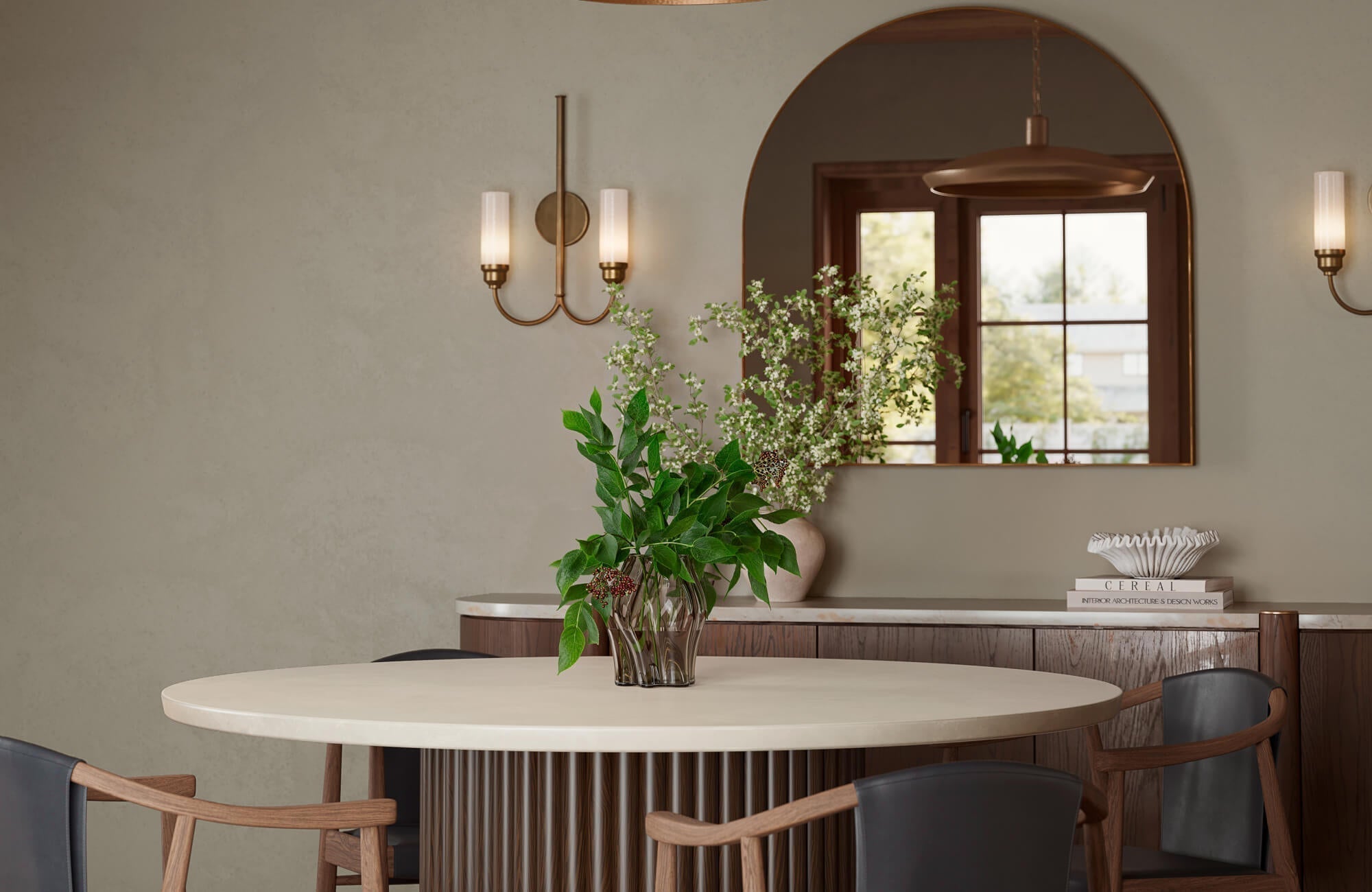
A great example of this reliability is our Carter 24x48 Grip Porcelain 2cm Paver Tile in Stone, as seen above, which captures the layered look of quartzite in a durable, slip-resistant surface. Its warm gray tones and directional grains bring a natural, grounded feel to outdoor spaces while offering dependable traction in both wet and dry conditions. This blend of style and performance makes it an ideal choice for patios, pathways, and high-use areas that need year-round stability.
Concrete and Pavers
Concrete and pavers offer versatile design possibilities, letting you shape outdoor spaces with patterns, borders, and modular layouts. They’re easy to repair as well, since individual pavers can be replaced if one cracks or shifts. This flexibility makes them a practical fit for many climates and home styles. However, concrete and pavers can be prone to movement during freeze–thaw cycles, especially if the ground wasn’t leveled or compacted properly. This tendency to shift over time is the main drawback homeowners should keep in mind.
Brick and Clay
Brick brings a warm, familiar character to outdoor spaces, and its textured surface works well in areas that need extra grip. It ages nicely, too, especially in homes where a traditional or rustic style fits the overall design. Brick pathways often feel more natural as they weather, giving them charm across seasons. The limitation comes from how much brick absorbs moisture, which can lead to surface wear or frost-related damage in colder regions. Because of this, brick flooring requires more seasonal monitoring compared to materials that resist water more effectively.
Wood and Composite Decking
Wood and composite decking create a warm, inviting feel outdoors, making them great for lounge areas, terraces, and family spaces. Wood offers a natural look, while composite provides similar visuals with less ongoing care. Both materials can handle a range of climates, too, especially when installed in areas with good ventilation. Their main drawback is how they react to sun and moisture over time; wood can fade or warp, while composite may show color changes in high-heat or humid regions. These gradual shifts mean decking typically requires more attention than harder, weather-resistant surfaces.

Cleaning and Care Techniques That Protect Your Floors
Outdoor floors face daily exposure to dirt, moisture, and weather changes, so thoughtful cleaning habits help protect them from long-term wear. Choosing techniques that work safely across multiple materials ensures you keep the surface clean without causing damage. Below, we’ll explore the most reliable ways to maintain your flooring as the seasons shift.
When Gentle Cleaning Is Better Than Pressure Washing
Pressure washing looks convenient, but it can be too strong for many outdoor materials because the force of the water may loosen joints, strip color, or roughen the surface. Gentle rinsing often works just as well, especially when the goal is to remove dust, loose dirt, or light buildup. It’s usually better to start with the least aggressive method first, too, since most weekly or monthly cleaning doesn’t require high pressure at all. For example, porcelain and sealed surfaces often clean up quickly with a simple hose rinse. Choosing the softer approach helps preserve your flooring’s long-term appearance and stability.
Everyday Sweeping and Rinsing Habits That Prevent Build-Up
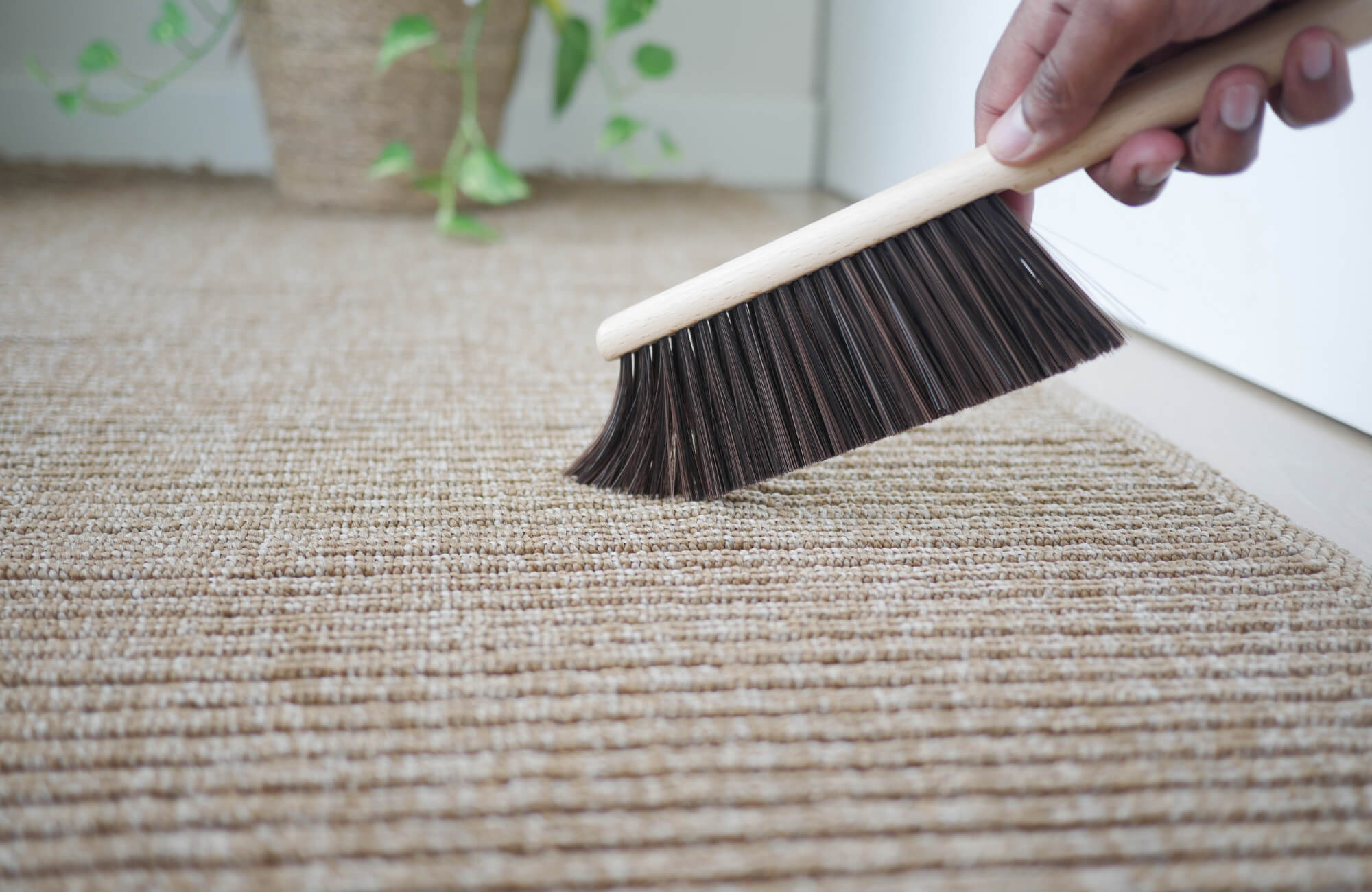
Simple habits like sweeping and rinsing do more for outdoor floors than people realize because they prevent grit and organic matter from settling into small gaps. Regular sweeping keeps dirt from scratching the surface or accumulating in corners, especially in areas with wind, trees, or nearby landscaping. A quick rinse adds another layer of protection, too, helping wash away dust before it sticks. For instance, pathways near gardens often collect soil that’s easy to remove when addressed early. Keeping up with these light routines makes your deeper seasonal cleaning much easier.
Spot-Treating Stains, Mildew, and Organic Debris
Spot-treating trouble areas helps prevent minor stains from becoming long-term discoloration. Mildew, algae, and leaf marks tend to develop in shaded or damp spots, especially after rain, so catching them early keeps the surface looking cleaner. It’s helpful to treat stains as soon as you see them, too, because fresh marks lift more easily than those that have settled for weeks. For example, removing leaf stains right after fall prevents the dark outlines that appear when organic matter breaks down. A quick spot clean now saves a lot of scrubbing later.
Safe Cleaning Products for Different Outdoor Surfaces
Choosing the right cleaning product is just as important as the method because harsh chemicals can strip color, weaken coatings, or leave behind residue. Mild, pH-balanced cleaners are often the safest option, especially when you’re caring for a mix of materials. It’s always good to test a small area first, too, since different floors react differently to certain solutions. For example, stone may require gentler formulas, while porcelain usually tolerates a wider range of cleaners. Using products designed for outdoor use helps protect your flooring’s finish while keeping the surface fresh and clean.

Best Flooring Finishes for All-Weather Protection
A good finish is one of the easiest ways to help outdoor floors stand up to changing weather, from hot summers to rainy or icy seasons. The right sealer can boost water resistance, protect color, and improve safety without altering the look too much. Below, we’ll explore the finishes that give your flooring the most reliable all-weather protection.
Penetrating Sealers for Stone, Concrete, and Pavers
Penetrating sealers soak into the surface instead of sitting on top, which helps protect against moisture without changing the natural look of the material. They’re especially useful in climates with rain or freeze–thaw cycles because they reduce water absorption that leads to cracking or shifting. These sealers also work well for people who prefer a more natural finish rather than a glossy or coated appearance. For instance, patios and walkways often benefit from this subtle protection since it strengthens the surface from within. By improving water resistance without altering the texture, penetrating sealers offer reliable, low-maintenance protection across the seasons.
Film-Forming Sealers and Coatings for High-Exposure Areas
Film-forming sealers create a protective layer on top of the flooring, giving surfaces added defense against moisture, stains, and abrasive wear. They’re helpful in high-exposure zones because the coating provides a barrier that holds up well under heavy use and harsh weather. These sealers can add a slight sheen, too, which some homeowners prefer for a more finished look. For example, outdoor kitchens or dining areas often use film-forming coatings since spills and stains are more common there. This type of finish works best when you want both added durability and a cleaner, more polished appearance.
Textured and Grip Finishes for Wet or Poolside Zones
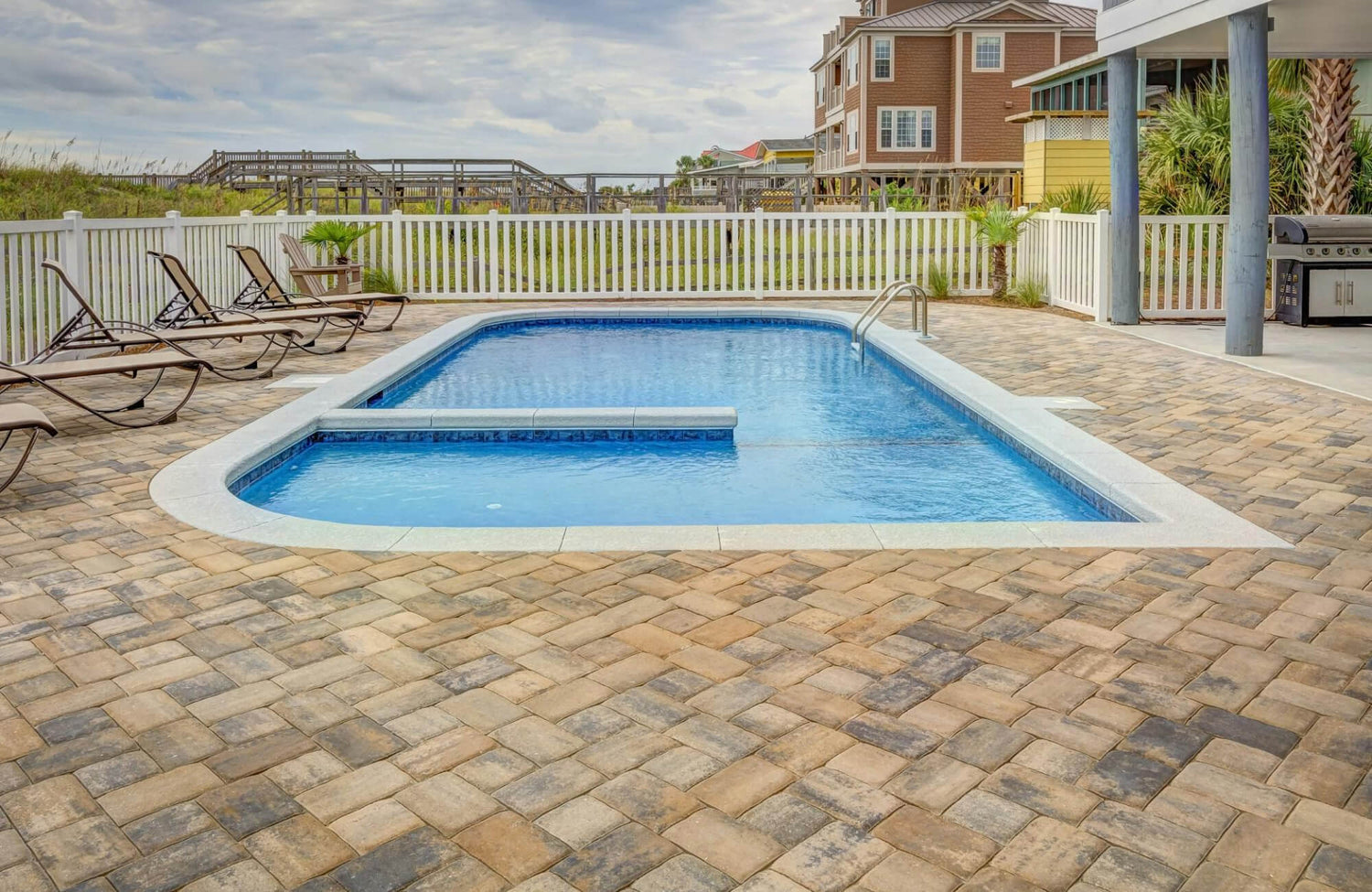
Textured and grip finishes help improve slip resistance, which is especially useful in areas that stay damp or sit near pools. These finishes give the surface more traction without compromising the overall design, making outdoor spaces safer in wet conditions. They work well in humid climates, too, because floors in shaded or moisture-heavy spots often need more grip. For instance, pool decks or outdoor showers benefit from this added safety layer year-round. Choosing a texture that balances comfort and traction helps create a space that feels stable without feeling overly rough underfoot.
A great example of this type of finish is our Bowden 24x24 Grip Porcelain 2cm Paver Tile in Oat, as seen above, which brings the fine-grained character of Dolomite stone into a durable, slip-resistant surface. Its warm beige tones and subtle geological variation create a grounded, natural look while offering dependable traction in wet or humid areas.
UV-Stable and Color-Deepening Finishes for Sun-Exposed Spaces
UV-stable finishes protect outdoor floors from fading and discoloration caused by constant sunlight. They slow down the effects of sun exposure, helping surfaces hold their color longer throughout hot or bright seasons. Some finishes also deepen or enrich the existing color, too, making the flooring look more vibrant without overwhelming the natural design. For example, patios facing south or west often benefit from these finishes because they receive stronger sun for extended periods. Choosing UV-stable protection maintains both the look and longevity of your floors in sunny environments.

Knowing When to Repair, Resurface, or Replace
Even the strongest outdoor floors show wear over time, but knowing which changes are normal and which ones need attention can save you a lot of trouble later on. Some issues call for a quick repair, while others suggest resurfacing or even replacement might be the smarter choice. Here, we’ll walk through the signs that help you make that decision with confidence.
Early Warning Signs You Shouldn’t Ignore
Small cracks, uneven spots, or areas that feel loose underfoot often show up before major structural issues, so noticing them early makes a big difference. These changes usually happen gradually because weather, moisture, and natural settling all play a role. You might see slight discoloration, shifting joints, or new gaps after a heavy season of rain or freezing temperatures. For example, pavers or concrete pads that suddenly dip or tilt often signal movement beneath the surface. Paying attention to these early clues helps you address problems before they affect the overall stability of your outdoor space.
Cosmetic Fixes vs. Structural Issues
Cosmetic issues like light stains, minor fading, or surface-level scratches can often be handled with simple repairs, especially when the underlying material is still in good condition. Structural issues, on the other hand, show up when the floor starts shifting, cracking deeply, or separating in ways that affect how safe or level the surface feels. These problems usually relate to moisture, soil movement, or long-term weather exposure, too, which means they tend to worsen if ignored. For instance, a small crack in concrete may not seem urgent at first, but can deepen quickly during freeze–thaw cycles. Knowing the difference helps you choose whether a quick fix is enough or if a more involved solution is needed.
When Resurfacing Extends Life and When Replacement Makes More Sense
Resurfacing works well when the base structure is still solid because it refreshes the appearance and smooths out minor flaws without rebuilding the entire area. It’s a good option when the wear is mostly cosmetic or limited to the top layer. Replacement becomes the better choice, though, when the floor shows widespread cracking, major sinking, or moisture trapped beneath the surface. For example, outdoor floors with long-running cracks or large uneven sections usually benefit more from starting fresh. Understanding when resurfacing is enough versus when replacement is necessary helps ensure your investment lasts longer and performs better across seasons.
Keeping Your Outdoor Floors Strong Through Every Season
Outdoor flooring naturally changes as the seasons shift, and understanding how climate, materials, and maintenance habits work together helps you stay ahead of common issues. With the right care, even weather-worn surfaces can stay stable and attractive throughout the year. Choosing materials that match your climate and adopting simple seasonal routines also make a noticeable difference in long-term durability. By staying proactive with inspections, cleaning, and finish protection, you keep your space safer and more enjoyable in every season.
If you're planning an upgrade or want flooring that performs beautifully year-round, our design team can guide you toward options that match your style and regional weather needs. A personalized consultation helps you explore materials, layouts, and finishes that elevate your outdoor space while staying practical for your climate. Schedule a design consultation and start building an outdoor area that feels intentional, durable, and uniquely yours.