
)
)
)
)
)
)
)
)
Is Moroccan Tile Good For The Kitchen?
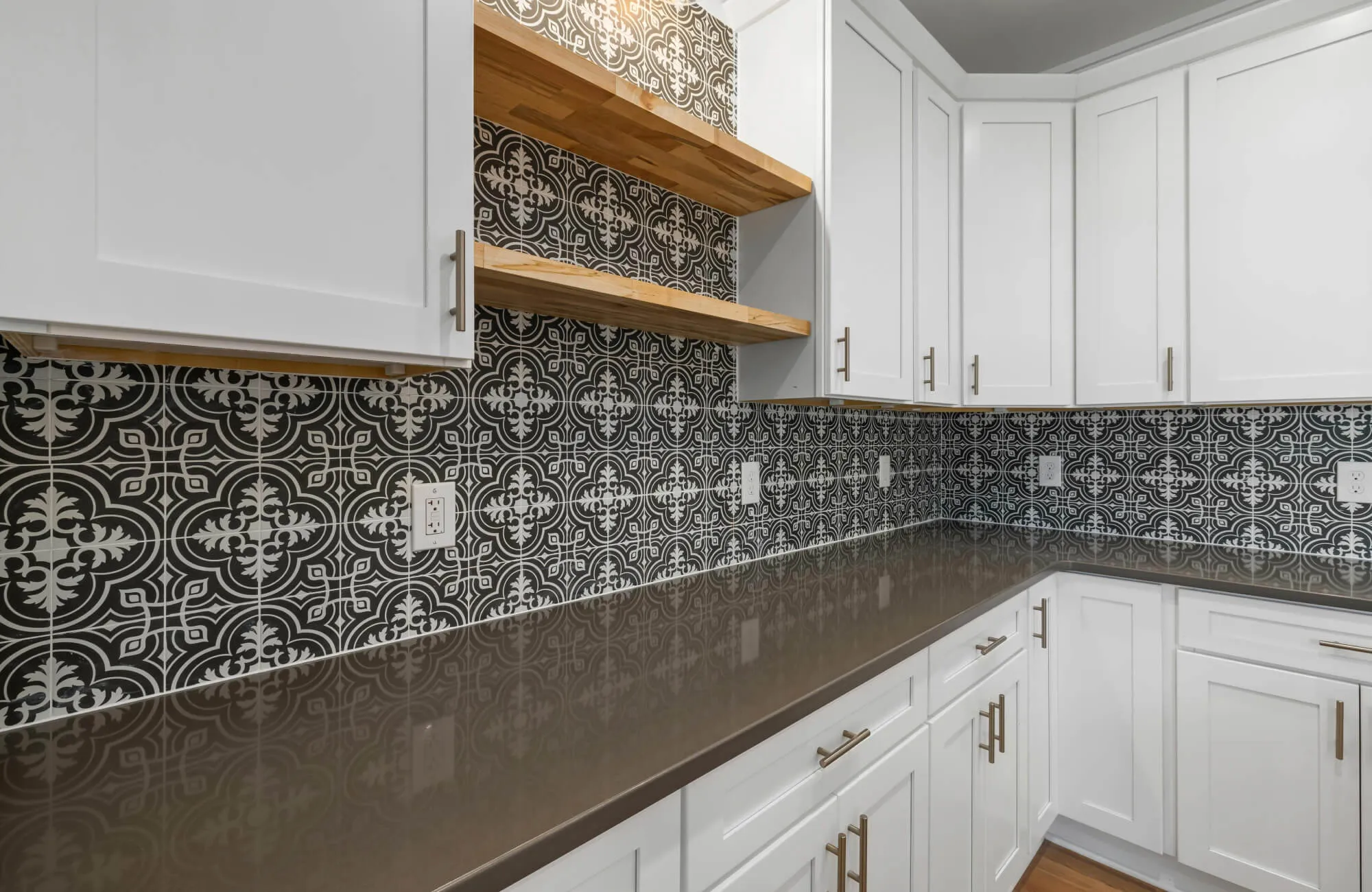
Moroccan tile has become a popular choice for homeowners seeking a kitchen that feels expressive and culturally rooted. Its long tradition of detailed craftsmanship and pattern-rich surfaces brings a distinct sense of artistry to modern interiors. As you consider whether it suits your own kitchen, it's equally important to understand how it performs in daily use, the design possibilities it offers, and how its handmade qualities influence installation and long-term care. In this article, we’ll walk through its strengths, important considerations, and how zellige-look alternatives compare, helping you confidently determine whether Moroccan tile is the right fit for the kitchen you want to create.
Design Character of Moroccan Tile in Kitchens
Moroccan tile introduces a distinct visual energy that can transform the character of a kitchen. Its patterns, colors, and finishes guide how you approach the layout and how various materials work together. When you understand these design elements, you can determine how prominently the tile should feature in your overall plan and how it can best support the atmosphere you want to create.
Pattern Influence
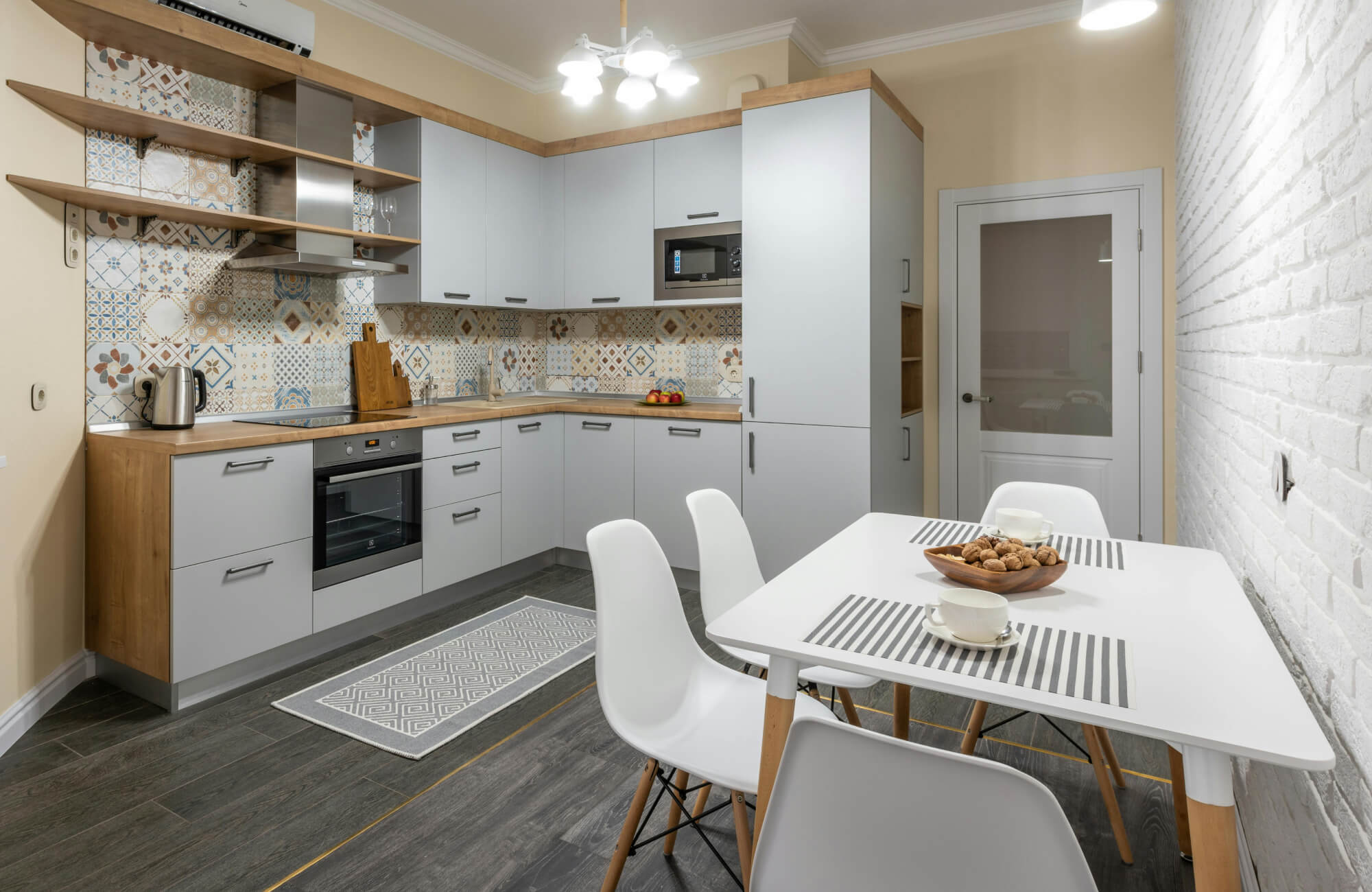
When you look at Moroccan patterns, particularly geometric and traditional zellige motifs, you can see how they introduce movement across a surface. These repeating shapes guide the eye toward key areas of the kitchen, creating a clear visual rhythm. If you want a more subdued backdrop, pairing a bold pattern with understated cabinetry allows the tile to stand out without overwhelming the space. This approach maintains the pattern’s depth while preserving a balanced, cohesive atmosphere.
Color Interaction
Moroccan tile often incorporates saturated tones that shift subtly depending on the lighting and surrounding finishes. Cooler light tends to highlight blues and greens, while warmer light brings out deeper reds and ambers. When placed next to countertops or cabinetry, these colors can either ground the overall palette or introduce a striking contrast. This dynamic makes it easier to shape a kitchen that aligns with your preferred style, whether you lean toward rustic comfort or a cleaner, modern look. By noting how the tile responds to your lighting, you can choose combinations that feel cohesive and inviting.
Texture and Finish
Moroccan tile comes in a range of textures, and each one influences how the surface behaves once installed. Glazed finishes reflect light, which can brighten a kitchen and add a refined touch to areas like sinks or ranges. Unglazed tiles create a more understated look with natural variation, making them well-suited for spaces where you want a handcrafted feel without added shine. By understanding how different textures shape the room’s atmosphere, you can place them intentionally rather than relying on appearance alone.
Design Placement Ideas
Because Moroccan tile naturally draws the eye, its placement becomes an important part of your overall design strategy. Many people use it in areas that easily become focal points, such as behind the stove or across the main backsplash. If you prefer a more understated look, placing the tile in smaller areas, such as shelving back panels or narrow accent bands, adds visual interest without overwhelming the room. With mindful placement, the tile enhances the kitchen while supporting, rather than competing with, the surrounding design elements.
Durability and Performance in Kitchens
Moroccan tile performs differently from porcelain and other manufactured materials, and its handmade nature shapes how it functions in a kitchen setting. These qualities add character but also affect where the tile is most suitable. By understanding its strengths and limitations, you can place it thoughtfully and ensure it supports your kitchen use effectively.
Heat and Splash Resistance
Glazed Moroccan tile performs well near cooking surfaces because its finish protects the clay body from heat, steam, and splashes. As a result, it becomes a dependable option for areas where moisture is frequent. Unglazed tiles can also be used in these zones, but they typically require additional sealing because they don’t have a built-in protective layer.
For those who want the look of zellige tile with added heat-resistant durability, a piece like our Natasha 2x6 Matte Porcelain Tile in Denim offers a practical alternative. With the right preparation, both glazed and unglazed finishes can perform well, and the best choice ultimately depends on the protection the space requires.
Surface Strength
Moroccan tile made from traditional clay is durable, but not as dense as porcelain, which means it can chip if subjected to a strong impact. On walls, this is seldom an issue, but in areas like countertops or spots prone to impact, thicker or reinforced formats offer better reliability. By selecting the appropriate tile type for each location, you can support both its durability and long-term appearance.
Porosity Behavior
Unglazed Moroccan tile absorbs more moisture and oils than many manufactured materials, which means spills left too long in a cooking environment can lead to staining. Sealing helps minimize this risk, although prompt clean-up remains important for preserving the surface. Glazed tiles provide added protection because their coating acts as a barrier, making them easier to maintain during everyday use.
Suitability for Different Use Zones
Given its performance characteristics, Moroccan tile is most effective on vertical surfaces or in spots with minimal impact. Backsplashes are especially suitable because spills can be cleaned quickly, and the tile remains safely out of reach of heavier contact. In areas that experience more frequent use, choosing denser or less absorbent materials may offer better long-term reliability.
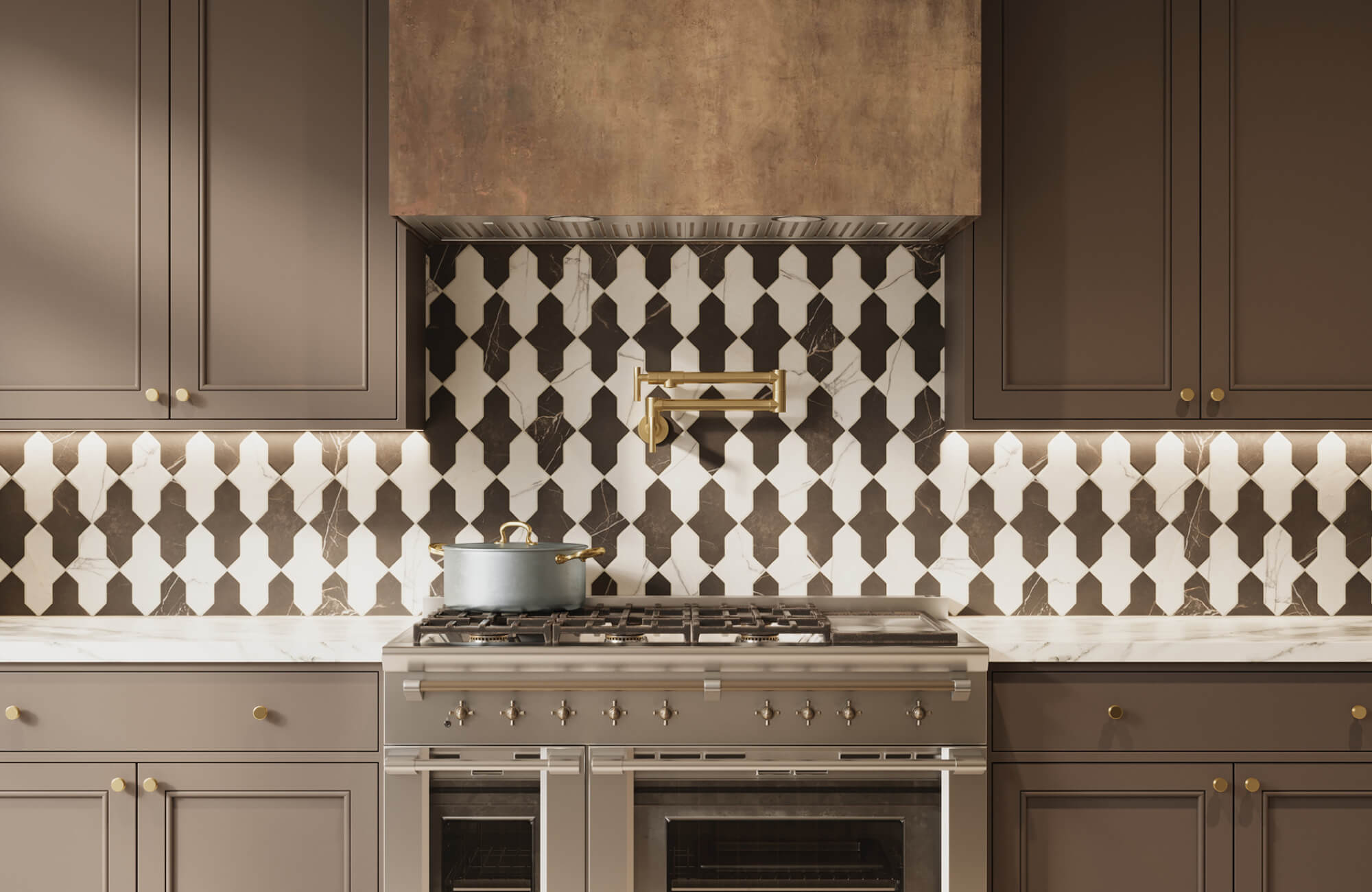
Moroccan-inspired porcelain tiles are a strong alternative in these areas, as they offer the look with added durability and reduced maintenance needs. In the photo displayed above, you can see how a piece like Edward Martin’s Aslan 2x8 Porcelain Tile Shield Checkerboard in Calacatta and Imperial delivers a similar visual impact while offering enhanced resilience for busy kitchen environments. By placing each material where it performs best, you also help your kitchen remain both practical and visually striking.
Maintenance and Long-Term Care
Moroccan tile can perform beautifully for many years when you understand how to care for it. Its handmade qualities call for mindful cleaning, appropriate sealing, and consistent upkeep to preserve its character. Once you establish a routine that suits your kitchen, the tile maintains its vibrancy and continues to showcase its craftsmanship. For best results, follow the care recommendations provided by the tile and grout manufacturers, as their guidance helps ensure the materials are maintained properly.
Cleaning Practices
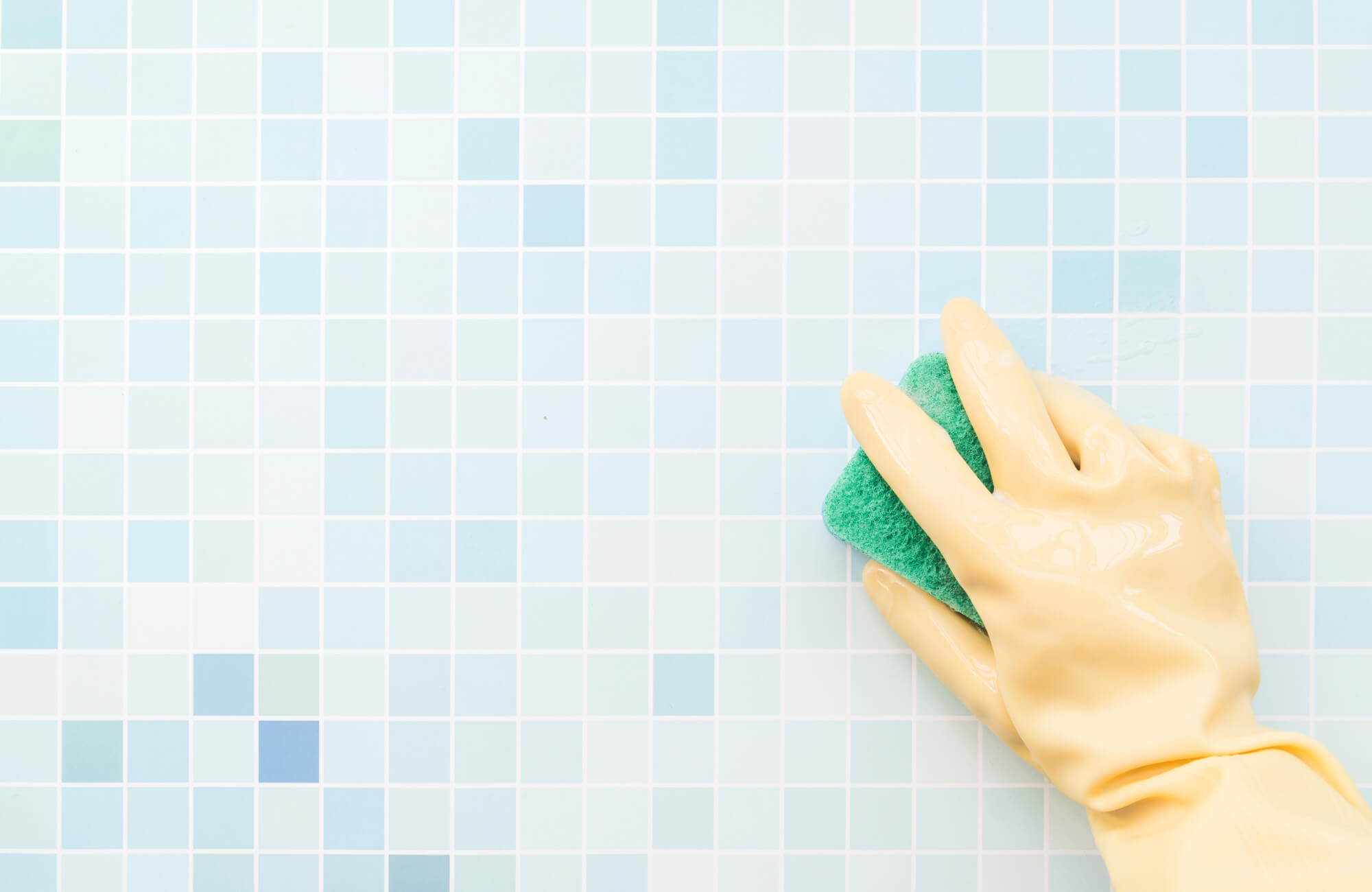
Cleaning Moroccan tile starts with selecting the proper products. A pH-neutral cleaner helps maintain the glaze and prevents the wear that harsher chemicals can cause. Soft-bristle brushes lift residue without scratching the surface, making routine care gentle and effective. It is best to avoid acidic solutions, as they can dull the finish or leave marks. With a straightforward cleaning routine, the tile stays fresh and retains its protective surface.
Sealing Needs
Unglazed Moroccan tile typically needs sealing because it naturally absorbs liquids. Applying a penetrating sealant helps reduce staining and keeps the surface easier to maintain. Over time, you can often tell when resealing is necessary if water no longer beads on the tile. While glazed tiles require less frequent sealing, the grout may still need periodic attention to prevent discoloration and maintain a uniform installation.
For a similar look with far less upkeep, Moroccan-inspired porcelain tiles are a practical option, as they do not require sealing and offer built-in resistance to moisture and stains. A piece such as our Brielle 8x8 Matte Porcelain Tile in Florian demonstrates how you can capture the charm of Moroccan design while benefiting from a more maintenance-friendly material.
Grout Upkeep
Grout plays an equally important role in preserving the overall appearance of a Moroccan tile installation. Selecting a stain-resistant or epoxy grout can help minimize discoloration in kitchens where cooking residue builds up. Light-colored grout may need more frequent attention, but steady cleaning also helps preserve its brightness. When you care for the grout as consistently as the tile, the entire installation retains a cohesive and well-finished appearance.
Repair Considerations
If a tile cracks or chips, replacing it can be more challenging than with uniform manufactured options. Moroccan tile batches often vary in tone and texture, so finding a precise match takes some planning. Keeping a few extra pieces from your original order makes it easier to swap out damaged tiles without creating visible inconsistencies. This preparation helps maintain the design and avoids unnecessary delays in your kitchen.
Installation Considerations
Installing Moroccan tile takes more precision than many standardized materials because each piece varies slightly. These differences add to its character but also make preparation and technique especially important. With careful installation, the tile rests evenly and showcases the handmade qualities that make it distinctive. For best results, it’s wise to consult a professional installer who is experienced with handcrafted materials.
Surface Preparation
A flat and stable surface is essential when installing Moroccan tile. Any irregularities beneath the tile can lead to uneven lines or visible gaps once the installation is complete. When you begin with a properly prepared substrate, you can create a level foundation that supports consistent spacing and a clean, well-finished layout. Careful preparation also helps the tile bond securely, which contributes to the installation’s long-term durability.
Setting Materials
Clay-based tiles work best with adhesives formulated for surfaces that absorb moisture more readily. Selecting the right mortar helps the tile bond securely to the substrate and supports a dependable installation. Many installers choose to back-butter each tile to ensure full contact and avoid hollow spots behind the surface. This added step enhances the installation’s stability and supports long-term performance.
Spacing and Layout Alignment
Because Moroccan tiles can vary slightly in shape and edge thickness, installers often adjust spacing as they work. This flexibility helps create even lines and a cohesive appearance, even when the tiles themselves are not perfectly uniform. Although these adjustments take additional time, they ensure the finished installation looks balanced and intentionally crafted.
Professional vs DIY Feasibility
While some people enjoy taking on tile projects themselves, Moroccan tile often requires the precision and experience of a professional. The natural variation in each piece makes alignment more involved, and achieving a smooth, even surface can be challenging without the right skills. Professionals know how to manage these irregularities and prevent issues such as lippage or misalignment. Their expertise results in a more refined and reliable installation.
Cost and Quality Considerations
Moroccan tile places a strong emphasis on craftsmanship, and this directly influences its pricing, availability, and overall quality. Understanding these factors helps you set realistic expectations and select options that align with your renovation goals. Whether you choose traditional handmade pieces or more uniform machine-made versions, each option comes with its own strengths and considerations.
Handmade vs Machine-Made Options
Handmade Moroccan tile features subtle variations and depth that many homeowners find appealing. Since each piece is formed individually, it often comes at a higher cost and may require more time to install. Machine-made options, in contrast, offer consistent sizing and finish, which typically makes them more affordable and quicker to place.
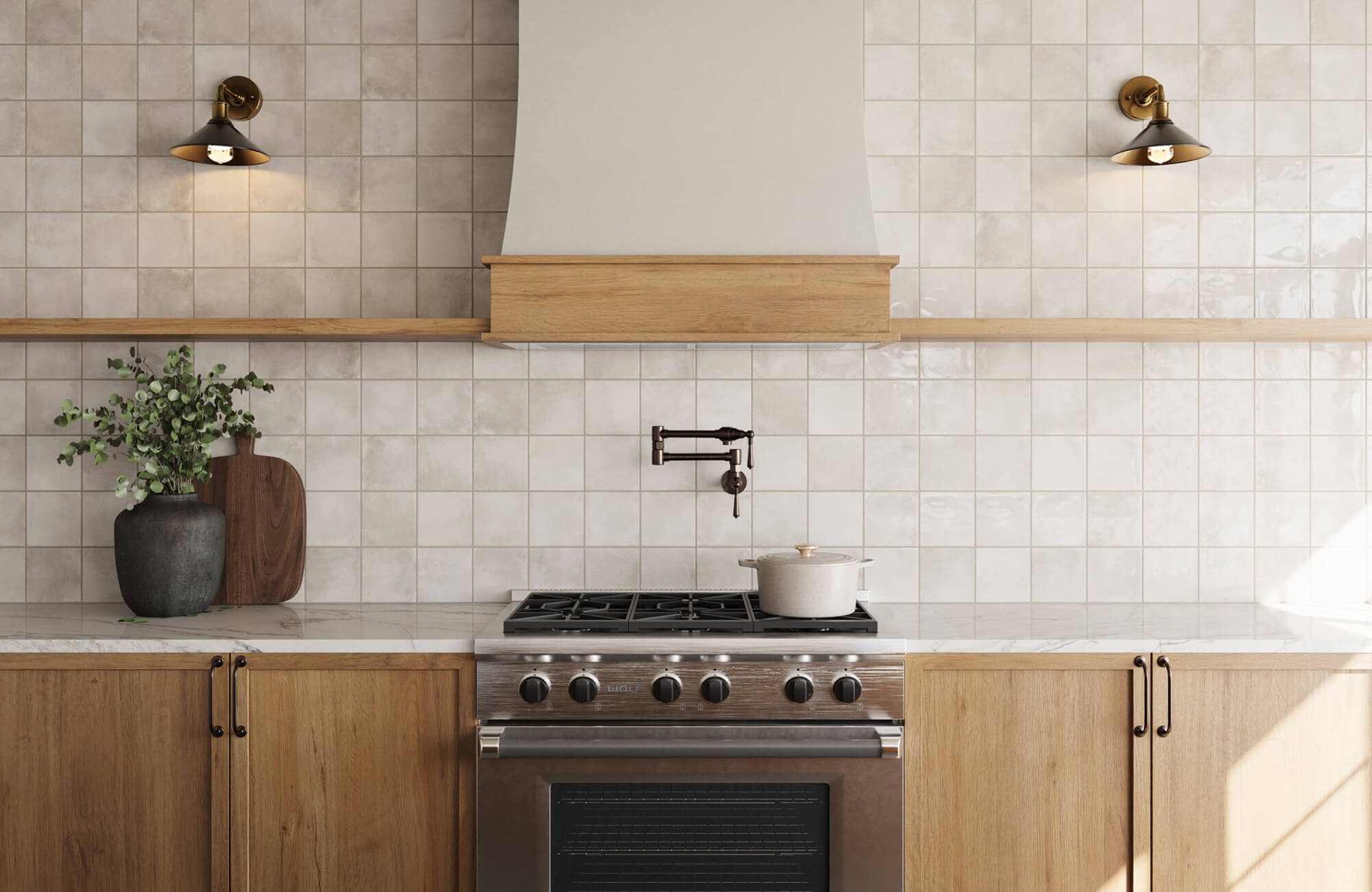
In the photo displayed above, Edward Martin’s Lilah 6x6 Glossy Ceramic Tile in Mist, a zellige-inspired piece, illustrates how you can achieve that handcrafted look at a more accessible price point of $7.78 per square foot. It’s durable and easy to clean, and delivers the visual character people love while offering a more predictable and cost-effective alternative. Ultimately, the right choice depends on whether you value the uniqueness of true handcrafted tiles or prefer the practicality and consistent quality of machine-made options.
Import Considerations
Imported Moroccan tile often arrives in batches that can vary slightly in tone or finish. Because longer lead times are common, it’s wise to order early and confirm quantities before installation begins. It is also helpful to plan for possible shipping delays when organizing your renovation timeline. Keeping these factors in mind supports a smoother and more predictable project.
Budget Allocation
If you appreciate Moroccan tile but want to stay mindful of costs, using it selectively can be an effective solution. Feature walls, stove surrounds, and decorative niches require fewer tiles yet still create a strong visual statement. This approach allows you to enjoy the tile’s craftsmanship and character while keeping your budget manageable.
Quality Checks Before Purchase
Before purchasing Moroccan tile, it helps to review several pieces from the same batch. Pay attention to variations in glaze application, differences in thickness, and any irregular edges. These traits reflect the tile’s handmade character, but you still want a level of consistency that suits your installation. Taking time to examine the tiles in advance allows you to select batches that match your expectations and support a cohesive finished look.
Functional and Decorative Flexibility
Moroccan tile offers benefits aside from visual appeal. When used thoughtfully, it can further define key areas, enhance lighting, and add structure to your kitchen’s layout. Its versatility also allows it to complement a wide range of design styles, from traditional settings to more contemporary spaces.
Creating Visual Zones
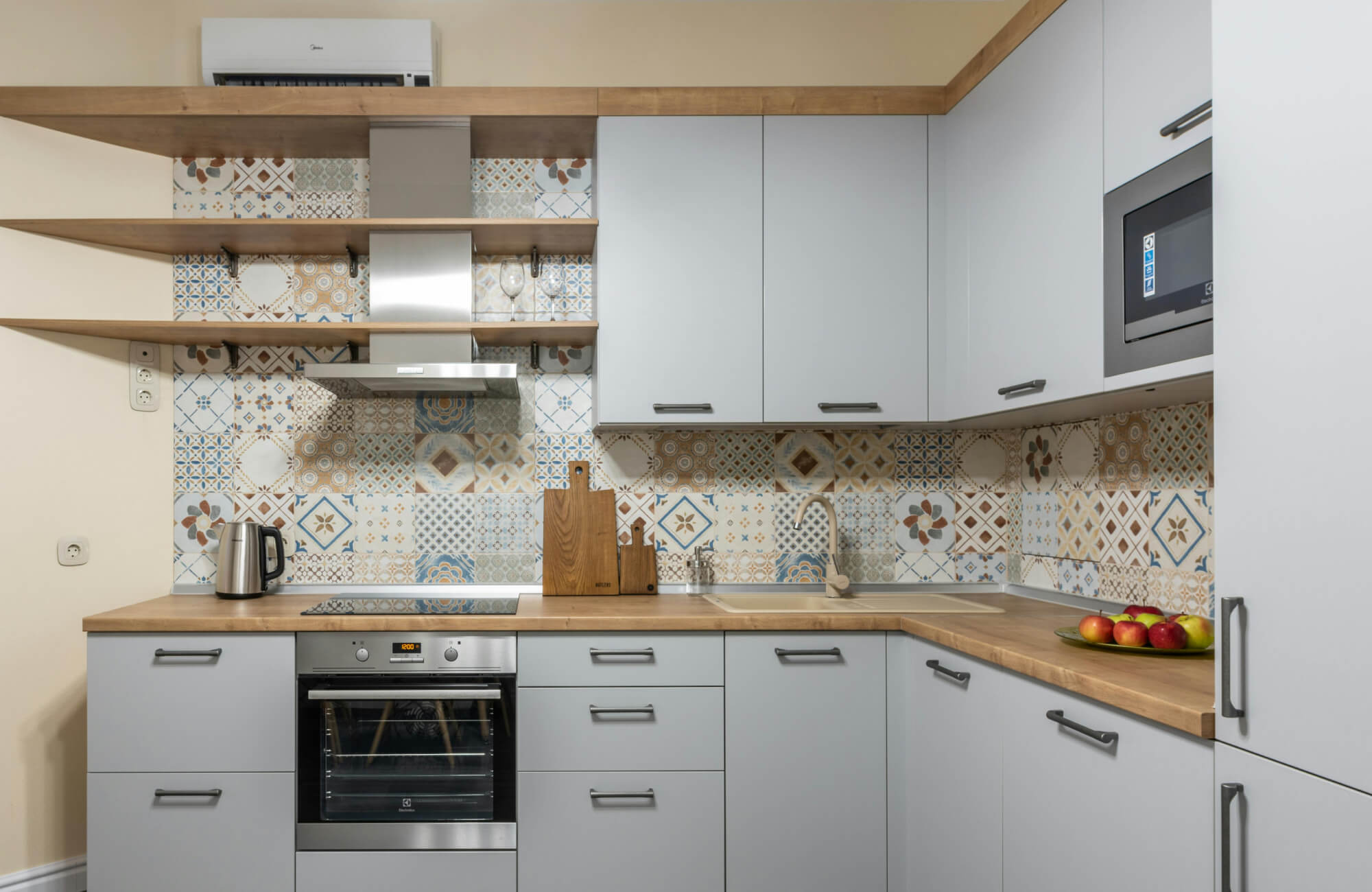
Patterns can effectively define different areas within a kitchen, especially in open layouts where visual separation is useful. Moroccan tile works well as a backdrop for cooking zones, dining nooks, or shelving displays, giving each area a clear identity. This approach helps organize the space without relying on physical dividers. It also allows you to highlight specific features or activities within the kitchen more intentionally.
Light Enhancement
Glossy zellige tiles reflect both natural and artificial light, which makes them particularly helpful in smaller or dimly lit kitchens. Their irregular surfaces catch and scatter light, adding brightness and creating a greater sense of openness. For those who appreciate the look of zellige tile but want added durability, a piece like Edward Martin’s Natasha 2x6 Glossy Porcelain Tile in Bone is a strong option for the kitchen. Its reflective finish enhances light even further, helping the space feel livelier and more inviting.
Small-Space Solutions
In compact kitchens, Moroccan tile can help create a sense of depth by directing attention toward vertical surfaces. Taller backsplashes or accent walls naturally draw the eye upward, expanding the perception of space. Patterns also add visual interest without requiring additional square footage, making them an effective tool for enhancing smaller layouts. This approach allows you to introduce character without sacrificing functionality.
Integrating with Other Materials
Moroccan tile pairs well with a range of materials, including wood, concrete, metal, and quartz. These combinations allow you to introduce contrast while still maintaining a cohesive look. When you repeat a material or color elsewhere in the kitchen, the tile becomes part of a unified and intentional design. This flexibility makes it easy to use the tile in both understated and more expressive design styles.
Making the Right Choice for Your Kitchen
Moroccan tile is a good choice for the kitchen, especially on backsplashes, accent walls, and other vertical surfaces where its patterns and craftsmanship can stand out without being exposed to heavy impact. These areas are ideal because traditional Moroccan tile can be more prone to chipping or cracking if struck directly, so placing it where contact is minimal helps preserve its beauty over time. In the right locations, it adds warmth, color, and cultural depth while still performing well in everyday cooking environments.
For those who prefer the same visual appeal with added resilience, Moroccan-inspired porcelain tile offers a practical alternative. It provides stronger resistance to stains, heat, and impact, making it a good choice for kitchens that benefit from a lower-maintenance surface. If you would like help selecting the right tile for your space, to contact us for personalized guidance. You can also explore our AR tool to preview how different Moroccan and Moroccan-inspired designs will look in your kitchen before making a final decision.
Follow us on Instagram
@EDWARD.MARTIN
)
)
)
)
)
)
)
)
)
)
)
)
)
)
)
)