Creating a comfortable and well-balanced dining space starts with choosing the right dining chair materials. The material you pick influences everything from the feel of each meal to how your dining room looks and performs over time. In this guide, we’ll walk through the key factors to consider so you can choose dining chairs that feel good to sit in, work well with your existing setup, and support the way you live every day.

How Materials Affect Comfort and Style
The material of a dining chair plays a major role in how comfortable your seating feels and how cohesive your dining area looks. It influences how supportive the chair will be, how it responds to daily use, and the kind of atmosphere it creates in the room.
Comfort and Support
Comfort starts with how a material reacts to your body and distributes weight during meals or long conversations. Some materials feel naturally supportive, while others adjust more gradually as you settle in. The surface texture, structure, and flexibility all contribute to how relaxed you feel when sitting down. Chairs that balance firmness and give tend to feel more comfortable over time. This blend of structure and softness helps shape the experience of your dining space.
Durability Over Time
Durability depends on how well a material resists wear, movement, and everyday use. A chair that stays stable and reliable through frequent meals gives your dining room a sense of consistency. Materials that age gracefully or handle regular cleaning without fading tend to last longer. Over time, durability influences how well your chairs keep their shape and strength. It also affects whether your dining setup still feels fresh and dependable years from now.
How Materials Shape the Room’s Mood
The feel of a dining room is heavily influenced by the textures and surfaces you introduce. Some materials create a warmer, more welcoming environment, while others make the space feel clean, open, or refined. The look and feel of a chair’s surface can shift the room toward cozy, modern, sleek, or relaxed, depending on your choices. Even subtle differences affect how the space comes together visually. In many homes, the material becomes a quiet but strong part of the room’s character.
What Material Says About Your Style
Your choice of material naturally reflects your taste and the type of dining experience you want to create. Some materials read more relaxed and casual, while others communicate a polished or contemporary feel. The look you gravitate toward often says a lot about how you like the room to feel when guests gather or when you sit down for everyday meals. This makes material a subtle but meaningful part of your personal style.
Our Colin Dining Chair in Cream above is a great example of how material choices communicate style with intention. Its soft interior paired with a darker, leather-like outer frame creates a refined contrast that feels both modern and inviting. The mix of textures and tones shows how materials can elevate a dining space while still reflecting your personal taste.

Popular Materials to Choose From
Popular dining chair materials each bring their own feel, comfort level, and personality to a room. Here we’ll give you a quick, clear look at the most familiar options so you can understand what they generally offer before deciding what fits your home best.
Wood
Wood is often chosen for its warmth and the natural character it brings into a dining space. It feels familiar, steady, and grounded, making the room feel more inviting. Many people like how wooden surfaces develop personality over time, adding subtle charm as they age. Its presence can help anchor a dining area with a sense of everyday comfort. Even in modern homes, wood still plays well with a wide range of styles and moods.
Upholstered
Upholstered chairs offer softness and a cozy feel that can make longer meals or conversations more comfortable. They naturally add warmth and texture, which helps a dining room feel more lived-in and relaxed. Depending on the fabric, they can look casual, refined, or somewhere in between. Many people choose upholstery when they want a chair that feels more comfortable from the moment they sit down. It brings a layer of comfort that instantly shifts the tone of the space.
Metal
Metal chairs create a clean, crisp look that works well in modern or minimalist homes. They bring structure and a sense of stability to the dining area without feeling heavy. Because of their smooth surfaces and simple profiles, they tend to make a room feel more open. They can also blend nicely with warmer elements in the space, helping create a balanced look. Many people appreciate the straightforward, unfussy feel that metal offers.
Plastic or Polypropylene
Plastic and polypropylene chairs are lightweight, easy to move, and simple to maintain. They work especially well in busy homes where convenience matters. Their smooth surfaces make everyday cleaning feel less like a chore. They’re also an easy way to add color or a bit of playfulness to the room without overwhelming the design. Because they feel light both physically and visually, they help smaller spaces feel more open.
Rattan or Woven Seats
Rattan and woven seats bring an airy, relaxed vibe that softens the look of a dining area. They add texture that feels natural and calming without being too bold. Many people like how woven materials make the space feel more open and laid-back. They work especially well if you want a room that feels comfortable but still thoughtfully styled. Their organic feel blends well with a wide range of home settings.
Mixed Materials
Mixed materials combine two or more elements to create a balanced, visually interesting chair. This can help pull together different tones or textures already present in your dining room. Many people choose mixed materials when they want something flexible that doesn’t lean too strongly in one direction. It’s a simple way to achieve harmony between modern features and warmer, natural accents. This type of chair often feels intentional without being overly styled.
Our Foster Dining Chair in Onyx Leather above is a great example of how mixed materials can create a refined, balanced look. Its solid oak frame paired with imported Italian leather gives the chair both warmth and sophistication, blending natural texture with a sleek, timeless finish. The gentle curves and wishbone-inspired silhouette show how contrasting materials can come together to elevate a space without feeling overly styled.

Maintenance Considerations by Material
The amount of care a dining chair needs can influence how well it fits your lifestyle, especially if your home is busy or you prefer simpler routines. Some materials are naturally easier to maintain, while others require a bit more attention to look their best over time.
Easy-Care Materials
Some materials are designed to handle daily use with very little effort, which makes them popular in homes that value convenience. They usually respond well to quick cleaning and don’t show signs of wear as easily. These options help you keep your dining area looking fresh without adding extra steps to your routine. They’re great if you prefer a low-maintenance setup that still feels put-together. Choosing something easy to care for often brings peace of mind during both busy weeks and casual gatherings.
Materials That Need More Upkeep
Other materials require more consistent care to stay in good condition, especially if they’re prone to marks or surface changes. These options can look beautiful but may need gentler cleaning or extra attention to maintain their appearance. They work best for people who don’t mind spending a little more time on upkeep. When cared for properly, they tend to reward you with long-lasting beauty. Just be sure the level of maintenance feels manageable for your lifestyle.
Cleaning Habits to Think About
Your everyday routine plays a big role in determining which materials will be easiest to live with. If you typically wipe down surfaces quickly after meals, almost any material can fit your home comfortably. But if your cleaning schedule is more relaxed, choosing something that tolerates occasional spills or dust may be better. Think about how often you realistically clean and what type of upkeep feels natural for you. Matching your habits to the material makes dining care feel effortless.

How to Match Dining Chairs to Your Dining Table
Pairing your dining chairs with the right table comes down to balancing materials, shapes, and colors in a way that feels natural. The goal is to create a setup where both pieces complement each other instead of competing for attention.
Pairing Wood With Different Table Types
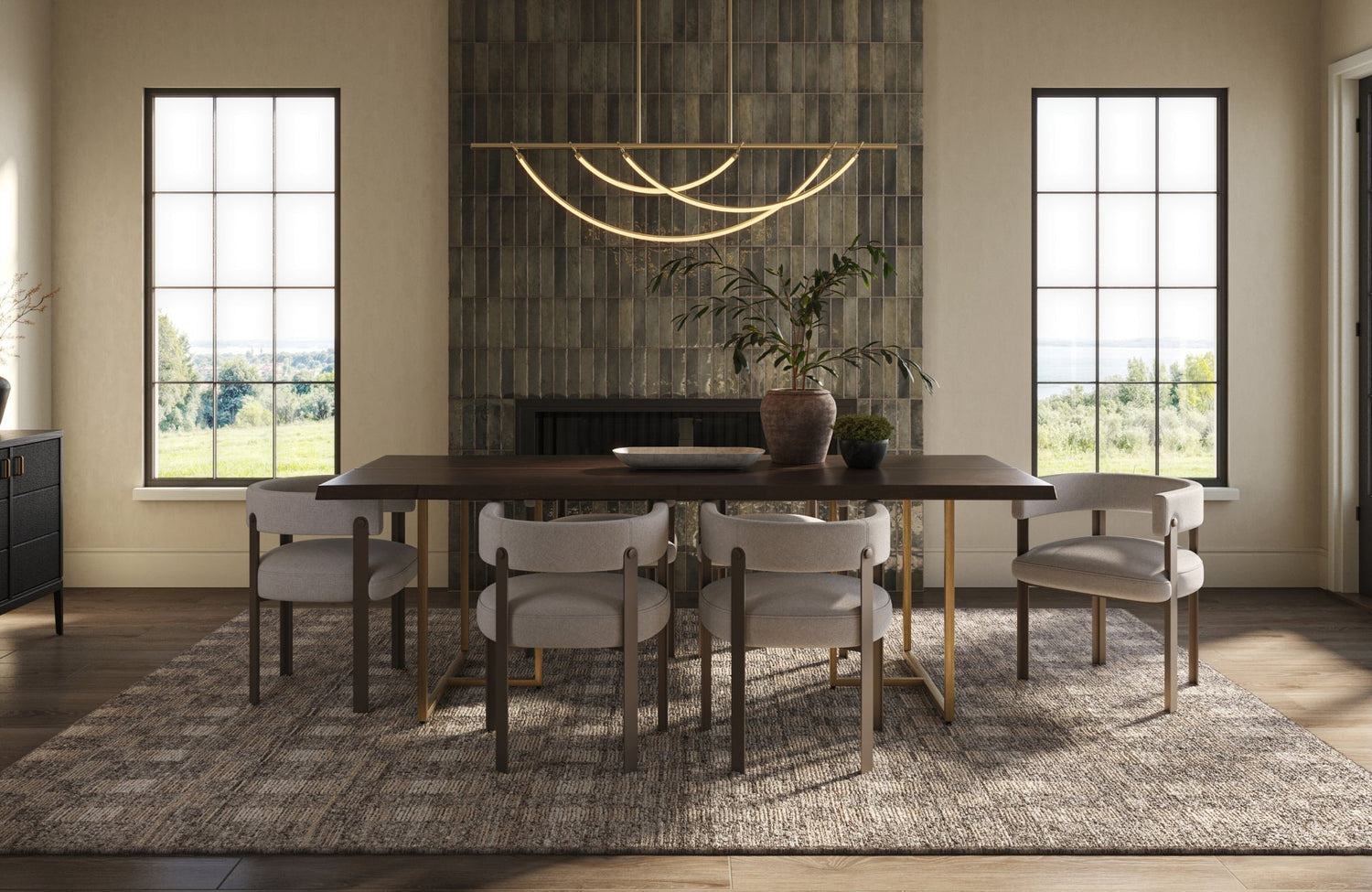
Wood chairs work well with a variety of tables because they bring warmth and grounding to the room. When paired with a wood table, choosing tones that either match or intentionally contrast creates a more curated look. With stone or glass tables, wood chairs add softness that helps balance the cool, sleek surfaces. They also work well with metal tables, offering a mix of textures that feels both modern and inviting. No matter the combination, wood tends to make the dining space feel more centered and comfortable.
When Upholstery Works Best
Upholstered chairs create a comfortable, welcoming look that pairs nicely with tables that have cleaner or more structured lines. They help soften a modern table or bring warmth to a sleek surface like glass or stone. With wood tables, the padded texture creates depth and contrast that feels thoughtful rather than busy. Upholstery can also tie the room together when you choose fabrics that echo nearby colors or décor. Overall, these chairs shine when you want a dining space that feels relaxed but still refined.
Metal Chairs With Warm or Modern Tables
Metal chairs bring a clean, crisp presence that complements modern or industrial-inspired tables. They work well with glass surfaces, matching the streamlined feel without overwhelming the space. When paired with wood tables, they balance warmth with a more structured edge, creating a blend that feels grounded and current. Metal also sits comfortably beside stone or concrete-style tables, maintaining a cohesive modern look. This pairing often creates a space that feels simple, uncluttered, and quietly stylish.
Using Mixed Materials for Balance
Mixed-material chairs make it easier to bridge different tones or textures in a dining room. They can help unify a space when the table and surrounding décor don’t share the same style. A chair that combines soft and structured elements can connect modern and natural pieces in a subtle way. This flexibility keeps the room from feeling too uniform or too eclectic. It’s an easy approach when you want harmony without committing to one specific look.
Matching Colors and Finishes
Choosing the right colors and finishes helps your table and chairs feel like they belong together. Subtle repetition, such as echoing a color from the table legs or the room’s décor, can pull everything into a cohesive whole. Neutral tones keep things calm, while deeper or darker shades add a touch of visual weight. Even slight variations in finish can create a layered, intentional look. When the colors complement each other, the entire dining setup feels more polished and connected.

Arm Chairs vs Armless Chairs
The structure of a dining chair affects how comfortable your seating feels and how easily people can move around the table. Both armchairs and armless chairs have their strengths, and choosing between them depends on your room size, table shape, and how you use the space.
Why Choose Arm Chairs
Armchairs offer a more relaxed and supportive feel, especially during long meals or casual gatherings. The added support around the shoulders and arms helps create a sense of comfort that many people appreciate. They work well when you want your dining area to feel welcoming and slightly more refined. Armchairs also help anchor the ends of a table, giving the setup more presence. They’re a great choice when you want comfort to be the main priority.
When Armless Chairs Make More Sense
Armless chairs, such as our Clark Outdoor Dining Chairs in Louis Cream, Set of 2 above, shine in smaller spaces or in rooms where movement around the table is frequent. Without the added width of arms, they feel visually lighter and make it easier for people to slide in and out. They’re practical when the dining area is close to walkways or shared with other parts of the home. Armless chairs can also help create a cleaner, more open look around the table. They’re a simple solution when space and flexibility matter most.
How Chair Shape Affects Room Flow
The shape of a chair influences how easily people can move through the dining area and how open the room feels. Chairs with wide frames or defined arms create a more grounded presence, which can be great in larger rooms. In tighter layouts, a slimmer profile helps keep pathways clear and comfortable. The overall silhouette also affects how balanced the table arrangement appears. When the shapes work well together, the space feels more intentional and easy to use.
Choosing Based on Table Size and Layout
Your table’s size and shape play a major role in deciding whether arm or armless chairs fit better. Larger or rectangular tables can handle armchairs at the ends or even along the sides without feeling cramped. Smaller round or square tables often benefit from armless chairs to maintain breathing room. It’s helpful to think about how many seats you want and how often the table is fully occupied. Matching the chair structure to the table layout ensures comfort and practicality stay consistent.
Bringing Your Dining Space Together
Choosing the right dining chair material comes down to the feeling you want your dining area to create and how well your seating fits your daily routines. Each material brings its own level of comfort, character, and visual personality, helping shape the overall atmosphere of your home. When you consider upkeep, room flow, and how your chairs relate to your dining table, the decision becomes much clearer. With the right balance, your dining space can feel welcoming, practical, and genuinely reflective of your style.
If you’re unsure which direction to take or want a more tailored approach, a professional design consultation can help you narrow down the best options for your space. Our team can look at your layout, your lifestyle needs, and your preferred aesthetic to recommend pieces that feel both practical and beautifully coordinated. With expert support, creating a dining setup you’ll love long-term becomes a much smoother and more enjoyable experience.