Selecting the right stool height is essential to achieving both comfort and visual harmony in your kitchen or dining area. At 28 inches, a counter stool sits right between standard counter and bar height, often prompting questions about proper fit, posture, and balance within the space. This article explores what a 28-inch stool really means in terms of comfort, practicality, and design balance. From understanding standard measurements to exploring real-world layouts, you’ll also learn how to determine whether this height is too tall or the perfect match for your counter.

Understanding Stool and Counter Height Standards
Before deciding whether a 28-inch stool is the right choice, it’s important to understand the standard measurements for counters and stools. Knowing these dimensions helps you see where a 28-inch stool fits within typical seating ranges and how that height influences both comfort and functionality.
Counter vs Bar vs Table Height
When comparing stool heights, even a few inches can have a noticeable impact on comfort and functionality. Standard dining tables typically range from 28 to 30 inches in height and are best paired with chairs that sit around 18 inches tall. Countertops are taller, measuring between 34 and 36 inches, and pair comfortably with stools around 24 to 26 inches high. Bar counters, typically ranging from 40 to 42 inches in height, pair best with stools that stand between 28 and 30 inches.
A 28-inch stool falls right at the crossover between counter and bar height. It may feel a little tall for a standard 36-inch counter, but it fits perfectly with raised islands or bar ledges. Recognizing this distinction helps you create seating that feels both comfortable and visually balanced.
Seat-to-Counter Clearance
For optimal comfort, maintain a gap of about 9 to 13 inches between the stool seat and the underside of the counter. This clearance gives your legs enough room to move naturally without feeling cramped or stretched. For instance, a 36-inch counter pairs best with a 24–26-inch stool, while a 40-inch counter works well with stools around 28–30 inches high.
The difference may seem minor, but those few inches can greatly affect how relaxed and balanced you feel while sitting. Taking precise measurements before purchasing ensures your setup feels both comfortable and visually well-proportioned.
Measuring Your Space Accurately
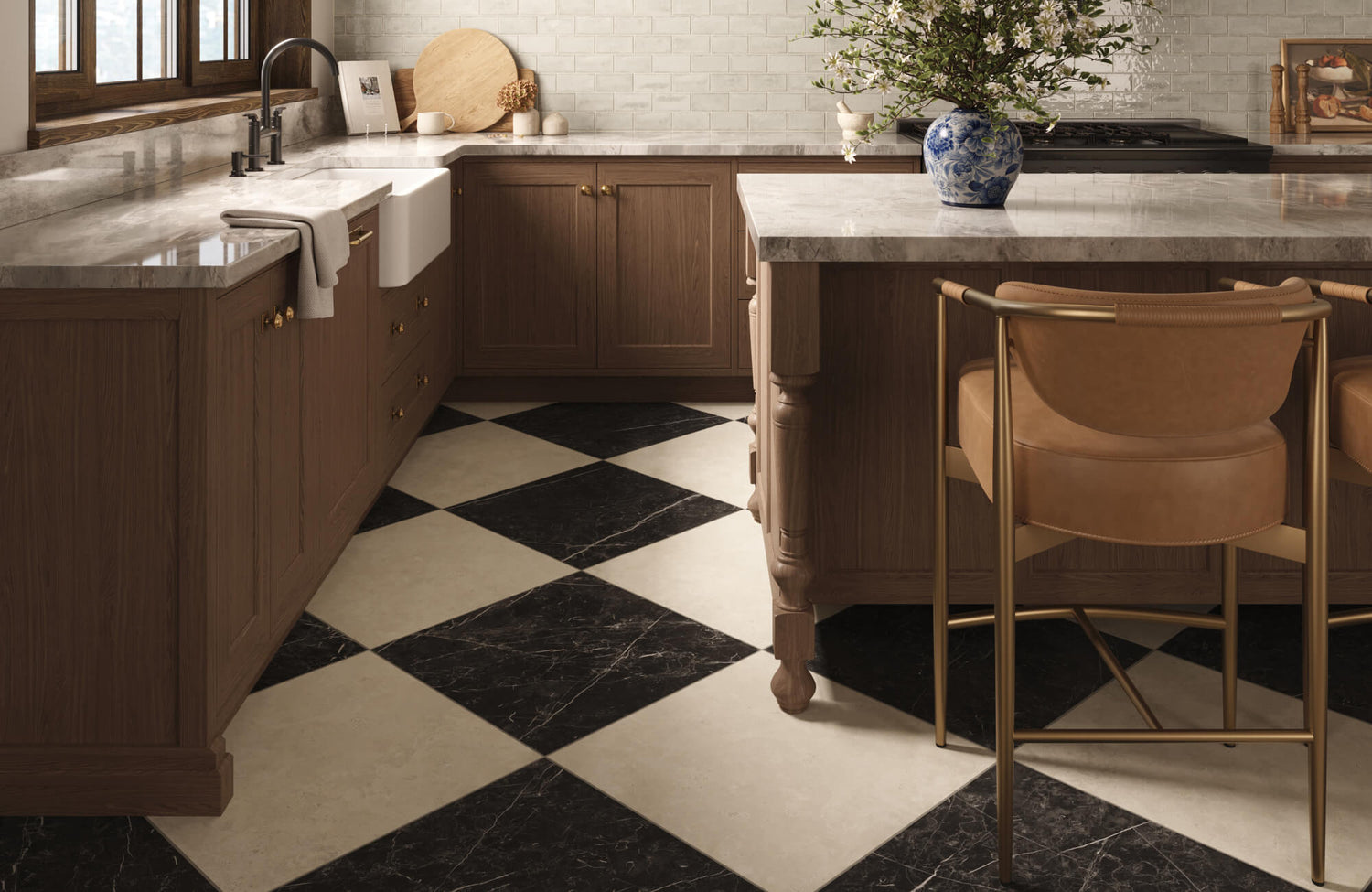
When measuring your counter, start from the floor to the underside rather than the top, especially if the countertop has a thick edge or apron. This small but important detail determines the legroom you’ll actually have once seated. If more than one person will be using the stools, consider everyone’s height; a 28-inch stool may feel just right for taller adults but a bit high for shorter users or children. A design like Edward Martin’s Bower Counter Stool in Brown, as shown in the photo above, provides a helpful visual reference for how a stool fits beneath the counter and highlights the importance of measuring accurately before buying a stool.
To get a better sense of comfort before purchasing, try a simple test at home. Sit on a chair and use firm cushions to raise your seat to about 28 inches. This quick trial helps you gauge whether that height feels comfortable and well-suited to your space.

Comfort and Ergonomics in Everyday Use
Stool height isn’t just about matching measurements; it also influences how comfortably you sit and move. The right height supports natural posture, promotes relaxation, and makes everyday dining or casual seating more enjoyable.
Posture and Leg Positioning
When a stool is too tall, your feet may dangle, placing pressure on your thighs and leading to discomfort over time. Ideally, your knees should sit just below your hips, forming a natural 90- to 100-degree angle that encourages good posture and even weight distribution.
If you’re leaning forward or crossing your legs for balance, your stool is most likely too high for your counter. At 28 inches, this can occur when sitting at a standard 36-inch counter. However, when paired with a 40-inch bar, the same stool height supports a relaxed, well-aligned seating position.
Footrests and Support Features
A properly positioned footrest can significantly enhance both comfort and support while you’re seated. Many stools come with built-in bars, but if yours doesn’t, installing a foot rail beneath the counter can provide the same benefit. Having a place to rest your feet promotes better circulation and reduces strain on your lower back, particularly when sitting for longer periods.
In many kitchens, a design like Edward Martin’s Joel Counter Stool in Black, as shown in the photo above, illustrates how integrated footrests can elevate the seating experience, offering both stability and ease. If your stool is on the taller side, placing a solid footrest roughly halfway between the floor and the seat helps maintain balance and comfort. This simple adjustment can also make a 28-inch stool feel more stable and ergonomically supportive.
Duration of Sitting
Not every seating situation calls for the same level of comfort. If your stools are mainly used for quick meals or casual conversations, a slightly taller height is usually not an issue. However, for longer dinners or gatherings, that extra height can start to feel less forgiving.
Cushioned or contoured seats help relieve pressure and keep you comfortable during longer periods of sitting. If your 28-inch stool feels a bit tall but fits the look of your space, adding a soft, breathable seat pad can also improve comfort without noticeably altering the height.

Design Proportion and Visual Balance
While comfort matters most, the visual relationship between your stools and counter also affects how balanced your space feels. The aim is to create a cohesive flow where the counter, bar stools, and surrounding furnishings complement one another seamlessly.
Visual Lines and Counter Edges
The eye naturally follows the horizontal lines in a kitchen, from the countertop edges to the tops of the stools. A 28-inch stool beside a 36-inch counter can appear slightly too tall, making the counter look shorter than it is. In contrast, when paired with a 40–42-inch surface, it aligns gracefully, creating a balanced and cohesive visual flow.
A setup like Edward Martin’s Shaffer Counter Stool in Charcoal Black Leather, as displayed in the photo above, illustrates how well-proportioned seating supports these visual lines, allowing the counter and stools to feel connected rather than competing for attention. To check this balance in your own space, take a step back and observe how the stool relates to the edge of the counter. If the seat seems unusually close to the underside, the stool is likely too high. When the spacing looks even and effortless, it typically feels right when you sit as well.
Matching with Counter Overhang and Legroom
Most counter overhangs measure about 10 to 12 inches deep, providing enough space for your legs to rest comfortably. If the overhang is shallower, a taller stool, such as one at 28 inches, can restrict knee space and make seating feel cramped, particularly in smaller kitchens.
Deeper overhangs, on the other hand, can easily accommodate higher stools without affecting comfort or proportion. Taking a few quick measurements beforehand helps ensure that your setup feels balanced, functional, and visually cohesive.
Style and Aesthetic Cohesion
Most counter overhangs measure around 10 to 12 inches deep, providing ample space for your legs to rest comfortably. When the overhang is shallower, a taller stool, such as one at 28 inches, can limit knee space and make seating feel tight, especially in smaller kitchens.
In contrast, deeper overhangs can easily accommodate taller stools without compromising comfort or visual balance. Taking a few quick measurements before choosing your seating helps ensure a setup that feels both practical and well-proportioned.

Real-World Scenarios and Home Layouts
Even with precise measurements, the ideal stool height ultimately depends on how and where it’s used. The right choice varies depending on your layout, lifestyle, and the way you interact with your kitchen or dining space each day.
Standard Countertops and Kitchen Islands
Most kitchen counters stand around 36 inches high, which can make a 28-inch stool feel slightly too tall for comfortable seating. At this height, you may sit too close to the surface, leaving less space for your legs. However, some custom kitchen islands are built a bit taller, around 38 inches, where a 28-inch stool can feel more natural and balanced.
If your island has a thick countertop or apron, keep in mind that even a small difference in measurement can affect comfort. Taking the time to confirm your exact counter height before choosing stools ensures a better fit and a more enjoyable seating experience.
Raised Bars and Two-Tier Counters
Many modern kitchens feature two-tier counters—a standard-height work surface combined with a raised ledge for casual dining or entertaining. These elevated sections typically stand about 40 to 42 inches tall, making 28-inch stools an excellent fit.
This layout provides a comfortable distinction between cooking and social areas, allowing guests to sit and converse while keeping meal prep separate. In open-plan homes, it also creates a natural visual transition between the kitchen and living spaces, helping the room feel organized and balanced.
Multi-Purpose and Adjustable Solutions
In homes where the kitchen and dining areas share the same space, versatility is essential. Adjustable-height stools are especially useful in these layouts, allowing you to transition smoothly between counter and bar heights as needed.
These designs are both practical and family-friendly. Children can lower the seat for better posture, while adults can raise it for bar-height comfort. In smaller homes or apartments, this flexibility also helps maximize space, often removing the need for multiple types of seating altogether.

Alternatives and Adjustments When 28 Inches Feels Too High
Sometimes a stool that looks perfect might not feel quite right for your space. The good news is there are simple, practical ways to adjust your setup and achieve the right balance without sacrificing comfort or style.
Lowering the Counter or Adding a Bar Extension
If you’re planning a renovation, consider adjusting your counter height or adding a raised bar section. A split-level design allows you to incorporate both counter and bar seating, making 28-inch stools work beautifully in part of the space. This approach not only accommodates taller stools but also adds flexibility—creating one area for casual dining and another for meal preparation or serving. It’s a simple design upgrade that enhances both practicality and visual balance.
Cushion and Seat Modifications
Even small adjustments can noticeably improve comfort. Swapping thick cushions for thinner ones or vice versa can subtly adjust your seating height. If a stool feels slightly too tall, removing some padding can create a more comfortable amount of clearance.
It’s best to test these changes first to make sure you maintain both comfort and visual balance. This simple adjustment is also a cost-effective way to fine-tune your setup without the need to buy new stools.
Choosing the Right Replacement Height
If adjustments don’t solve the issue, it may be time to choose stools that better match your counter height. For standard 36-inch counters, 24–26-inch stools offer the best fit, while 40–42-inch bars pair well with stools between 28 and 30 inches high. A setup featuring a design like Edward Martin’s Genevieve Counter Stool in Light Oak, as displayed in the photo above, offers a helpful example of how the right height creates a comfortable and visually balanced arrangement. The key is maintaining roughly a 10-inch gap between the seat and the counter surface. Once you achieve that balance, both comfort and proportion naturally fall into place.

Buying and Styling Tips for the Right Stool Height
After determining the right height, it’s time to consider materials, spacing, and overall layout. Getting these details right ensures your seating feels thoughtfully designed, comfortable, and built to last.
Measuring Before Buying
Begin by measuring the counter height from the floor to the underside, then subtract 10 to 12 inches to determine the ideal stool height. Whenever possible, test stools in person or use adjustable models at home to compare how each height feels in practice. Testing helps you understand how a stool truly interacts with your counter, not just in appearance, but also in comfort and ease of use. A stool might look perfectly proportioned, yet still feel too high when you sit, which is why firsthand experience is always the best guide.
Material and Design Considerations
When selecting materials, prioritize both durability and visual harmony. Wood adds warmth and character, while metal or molded seats create a sleek, contemporary look. A design like Edward Martin’s Shaw Counter Stool in Bergen Olive, as shown in the photo above, demonstrates how thoughtful material choices can enhance both style and practicality, especially when you want seating that feels cohesive with the rest of the space.
At taller heights, such as 28 inches, stability is key; choose stools with a wide base or sturdy crossbars to prevent wobbling and maintain lasting comfort. For shared seating areas, aim to keep about 24 to 30 inches of space between each stool. This spacing also helps everyone sit comfortably without feeling crowded and keeps the arrangement visually balanced. It also contributes to a more open, well-organized kitchen layout.
Finding the Right Fit for Your Space
A 28-inch counter stool isn’t necessarily too high; it depends on your counter height, layout, and how you plan to use the space. Generally, 28-inch stools work best with 40–42-inch counters or raised bar areas, while 24–26-inch options suit standard 36-inch counters. The key is maintaining a comfortable 9–13-inch gap between the seat and counter, supported by good footrests and sturdy materials. By measuring carefully, testing options, and considering daily use, you can create a setup that feels balanced, comfortable, and naturally suited to your home.
If you’re unsure which height or style fits best, contact us for personalized guidance or explore our design service for expert assistance in creating a cohesive, well-proportioned space.