Mosaic tiles have long been a go-to choice for kitchens, but limiting them to just the backsplash means missing out on their true creative potential. Today’s homeowners are embracing mosaics as a powerful design tool, one that blends craftsmanship, durability, and artistry in ways few materials can match. Whether you lean toward understated luxury or bold statement-making style, mosaic tiles can elevate nearly every corner of your home.
And as homes shift toward personalized, intentional living, mosaics offer the perfect medium to express both function and flair. Below, we explore the many rooms and applications where mosaic tiles shine, plus the essential design rules to follow so your project looks polished and timeless.

Elevate Your Bathroom from Functional to Spa-Like
Mosaic tile truly shines in the bathroom, where its texture, scale, and versatility can turn everyday routines into spa-like moments. From full feature walls to subtle accents, this is one of the best spaces to experiment with pattern and personality.
The Full Shower Wall or Statement Waterfall Stripe
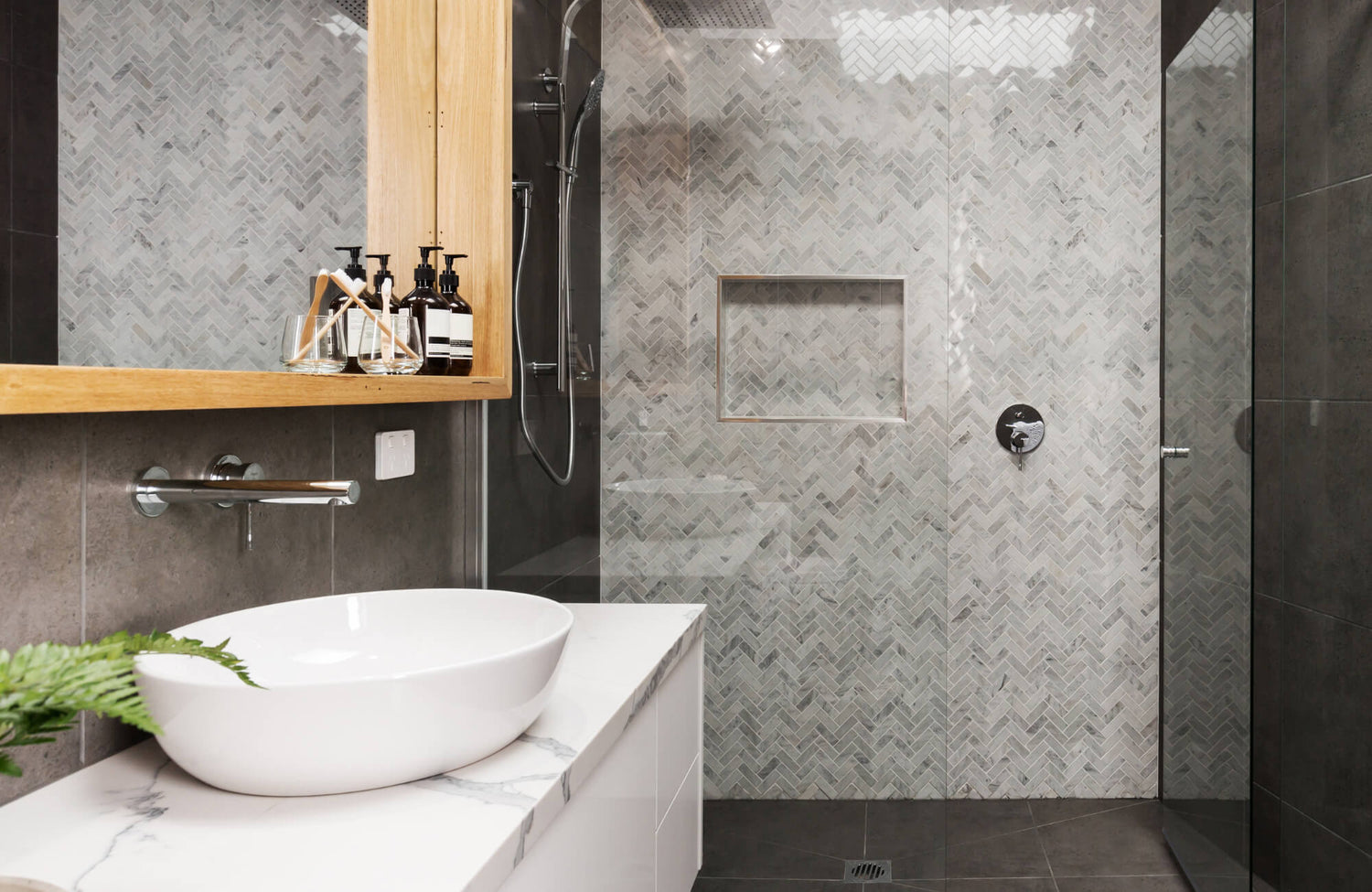
A full mosaic-tiled shower wall instantly transforms an everyday bathroom into a spa-like retreat. The repetition of small tiles creates a smooth, continuous visual flow that feels both serene and sculptural. This works beautifully with calming palettes like soft grays, creamy whites, coastal blues, or muted earth tones, tones that mimic natural stone and evoke the feeling of a boutique hotel spa. In the image above, Edward Martin’s Adeline 1x3 Matte Porcelain Mosaic Tile in Taupe helps achieve that soothing, cohesive look.
If you prefer a more subtle touch, consider a waterfall mosaic stripe. This narrow vertical or horizontal band becomes a piece of built-in art that breaks up large-format tiles with texture, shimmer, or bold color. Glass mosaics bring a luminous, water-like quality, while matte porcelain mosaics create a gentler, organic rhythm.
Shower niches are another smart spot. Lining the niche with a contrasting mosaic doubles as a functional upgrade and a sophisticated design detail.
A Dramatic Backsplash Behind the Vanity
A mosaic tile backsplash behind the vanity lends instant depth and dimension, especially in smaller powder rooms where every detail matters. This is the perfect place to play with bold pattern or metallic accents, think marble hexagons, iridescent glass, herringbone mosaics, or elongated ovals.
Because vanity walls sit at eye level, mosaics turn into a statement artwork that amplifies lighting fixtures, mirrors, and hardware. Choose a grout tone that emphasizes the pattern if you want a graphic look, or match the grout closely for a refined, seamless effect.
Creating a “Tile Rug” or a Non-Slip Shower Floor
Thanks to their many grout joints, mosaic tiles naturally create traction, making them ideal for shower floors. Penny rounds, hexagons, and small square mosaics are popular choices because they contour beautifully to slopes required for proper drainage while minimizing slipperiness.
In larger bathrooms, mosaic tiles can double as a “tile rug” inset into the main flooring. This creates the visual interest of a decorative floor mat without the maintenance of fabric, and it’s a clever way to define a freestanding tub zone, vanity area, or dressing nook. A symmetrical mosaic pattern surrounded by larger tiles creates a bespoke, custom-designed feel.

Add Architectural Interest to Living Spaces and Entryways
Once you’ve seen how transformative mosaics can be in a bathroom, it’s natural to bring that same design energy into more public areas of the home. Living rooms, foyers, and built-ins offer beautiful opportunities to introduce texture, durability, and architectural character.
As a Modern and Durable Fireplace Surround
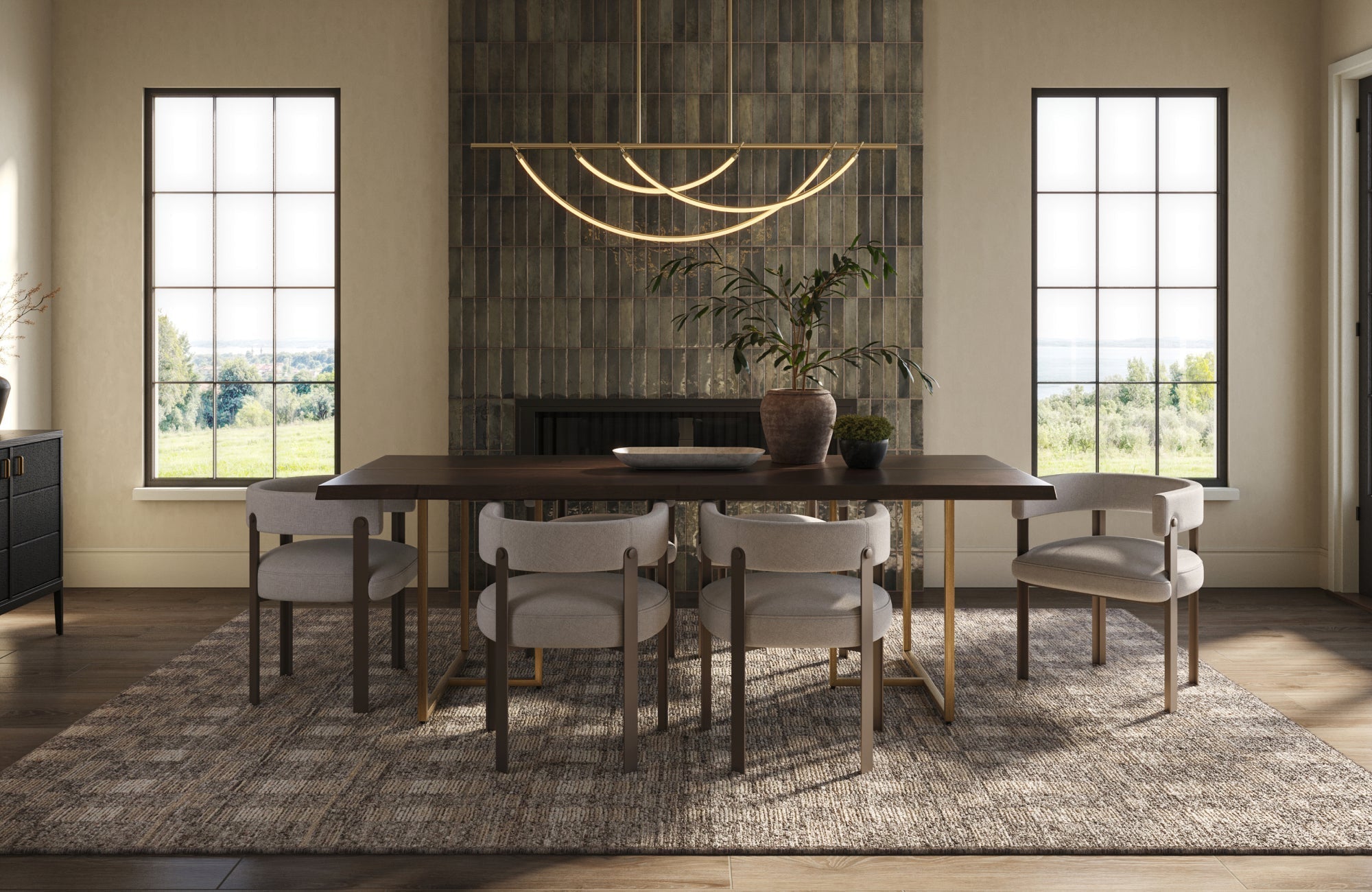
A fireplace naturally draws the eye, making it an ideal canvas for mosaic tile. Whether you’re updating an outdated surround or designing a modern focal point, mosaics give you incredible creative flexibility. As shown in the image above, Edward Martin’s Brody 2x2 Matte Porcelain Mosaic Tile in Smoke brings a refined yet understated presence that suits both classic and contemporary interiors.
Marble mosaics deliver timeless elegance and pair beautifully with traditional millwork, bringing a refined, classic touch to the space. For a more contemporary direction, matte porcelain mosaics offer a sleek, understated edge while standing up exceptionally well to heat.
Textured or mixed-finish mosaics introduce subtle dimension and movement, allowing even a minimalist fireplace to feel layered and visually engaging. And because mosaics wrap easily around tight corners, they help achieve the crisp, clean lines that are essential in today’s modern interiors, ensuring the fireplace becomes a polished architectural highlight rather than just a functional feature.
To Define an Entryway or Mudroom Floor
Entryways set the tone for the rest of the home, and mosaic tiles can anchor this area with both functionality and style. Porcelain mosaics are particularly well-suited for mudrooms because they’re resilient, moisture-resistant, and easy to maintain, even with heavy foot flow, kids, and pets.
A mosaic floor in the entryway can help define the space in an open-concept layout, creating a subtle “welcome mat” effect that feels intentional and integrated. It also offers an opportunity to introduce color or geometric interest without overwhelming the room, striking the perfect balance between practicality and design.
When paired with simple walls and streamlined storage, mosaic flooring transforms the entry into a polished, purposeful transition zone that feels cohesive, inviting, and tailored to everyday living.
As a “Jewel Box” Accent in a Bar Niche or Bookshelf
Small architectural insets, such as bar niches, recessed shelving, or built-in bookcases, become glamorous focal points when lined with mosaic tile. The small appraised area means you can select materials with higher visual impact or cost, such as marble basketweave, iridescent glass mosaics, or bold geometric patterns.
This “jewel box” effect works because the scattered reflections and intricate details draw the eye without dominating the room. It’s a clever way to introduce artistry and texture, especially in spaces that lean toward neutral furniture and minimalist décor.

Get Creative with Smaller-Scale DIY Projects
After exploring larger applications, mosaics also invite you to get hands-on with smaller creative projects throughout the home. These DIY-friendly ideas let you personalize everyday pieces and add artistic details without committing to a full renovation.
Tiling Stair Risers for a Pop of Pattern
Stair risers are one of the most overlooked surfaces in the home, but also one of the most impactful. Adding mosaic tile to the risers injects personality and charm, whether you gravitate toward coastal blues, encaustic-look patterns, geometric motifs, or subtle stone textures.
Mosaic stair risers work particularly well in entryway staircases, where they create an immediate visual moment; in basement stairwells that benefit from added brightness and interest; and in smaller homes where every vertical surface contributes to the overall design.
Because this application uses only a small amount of tile, it’s a perfect place to experiment with something bold or artistic, allowing you to introduce pattern and character without committing to a large-scale installation.
Creating a Custom Frame for a Plain Mirror
A plain builder-grade mirror can be instantly upgraded by adding a mosaic tile border around its edges. This project requires minimal tile but delivers maximum effect, transforming a basic mirror into a boutique-style design feature. In the photo above, you’ll see how Edward Martin’s Astrid 3x6 Polished Porcelain Mosaic Tile in Alabaster can help achieve a clean, luminous frame that complements a modern bathroom.
Glass and natural stone mosaics both work beautifully, depending on the surrounding bathroom or hallway aesthetic. Installing the frame directly onto the wall surrounding the mirror allows you to create the exact width and style you envision.
Upcycling Furniture with a Tiled Surface
Mosaics offer a durable, artistic way to refresh a wide range of furniture, from console tables and coffee tables to nightstands, outdoor side tables, and even garden benches. A mosaic-tiled tabletop is heat resistant, easy to clean, and visually striking, making it both a functional upgrade and a design statement.
Porcelain mosaics are especially well-suited for outdoor pieces because they handle the elements with ease, while marble, glass, or mixed-material mosaics bring texture and elegance to indoor furniture. This approach is also an excellent way to repurpose leftover mosaic sheets from a larger remodel, turning scraps into something beautiful, useful, and completely custom.

Essential Design Rules for Using Mosaics
As you begin incorporating mosaics in various rooms and projects, a few key design principles can help ensure everything looks cohesive and polished. Understanding scale, grout, and material selection will make every mosaic installation feel intentional and beautifully executed.
The Critical Role of Grout in Your Final Design
Grout can make or break a mosaic installation because it influences both the appearance and the long-term performance of the surface. Color plays a major role: a contrasting grout will highlight the pattern and shape of each tile, while a matching grout creates a softer, more seamless look.
Function is just as important, especially in wet areas, where a high-quality, water-resistant grout is essential; epoxy options offer exceptional durability, while cementitious grout with a penetrating sealer works well for most homes. Texture also matters, sanded grout is ideal for wider joints and textured tiles, whereas unsanded grout is better suited for smooth or delicate materials like glass.
With mosaics containing so many joints, grout becomes a significant part of the overall visual composition, making thoughtful selection key to achieving a polished final design.
Balancing Scale in Your Room
Small tiles can either harmonize with or compete against the surrounding elements, making scale an essential consideration in any mosaic design.
Pairing mosaic walls with larger-format floor tiles helps prevent the space from feeling visually overwhelming, while using mosaics strategically, such as on a single feature wall or in a defined accent zone, creates a clear focal point without introducing clutter. In the image above, Edward Martin’s Chantel 12x11 Polished Porcelain Hexagon Mosaic Tile in Imperial illustrates how a thoughtfully scaled mosaic can complement the surrounding surfaces.
Keeping patterns cohesive throughout the room also ensures a balanced, intentional look. In bathrooms or entryways with limited square footage, mosaics can actually make the space feel more curated and high-end when paired with simpler, cleaner surfaces that offer contrast and breathing room.
Choosing the Right Material for the Right Job
Not all mosaics perform equally in every space, so it’s important to consider both aesthetics and durability when making your selection. Porcelain mosaics are ideal for floors, busy areas, and wet environments because they’re incredibly resilient and low maintenance.
Glass mosaics excel on walls, accents, and backsplashes, offering brilliant shine and rich color that instantly elevates a space. Marble mosaics bring a sense of luxury to vanities, fireplaces, and decorative insets, though they do require sealing and a bit more care to maintain their beauty.
Mixed-media mosaics add artistic flair and texture, making them great for decorative accents, but they’re not always suited for wet or high-impact applications. Choosing the right material for each specific use ensures your project not only looks stunning but also stands the test of time.
Think of Mosaic Tile as Your Design Signature
Mosaic tiles offer far more than a traditional kitchen backsplash. They are a versatile, expressive, and highly durable design medium that empowers homeowners to create spaces full of character and intention.
To make the selection process even easier, Edward Martin’s AR Visualization Tool allows you to preview your favorite mosaic styles directly in your space. Once you’ve found a look that feels right, you can seamlessly order tile samples to experience the texture, finish, and quality firsthand. Together, the AR Visualization Tool and sample ordering create a smooth, intuitive journey from inspiration to installation, ensuring your design feels personal, intentional, and unmistakably yours.