
)
)
)
)
)
)
)
)
What Is The Most Common Mistake When Choosing A Rug Size?
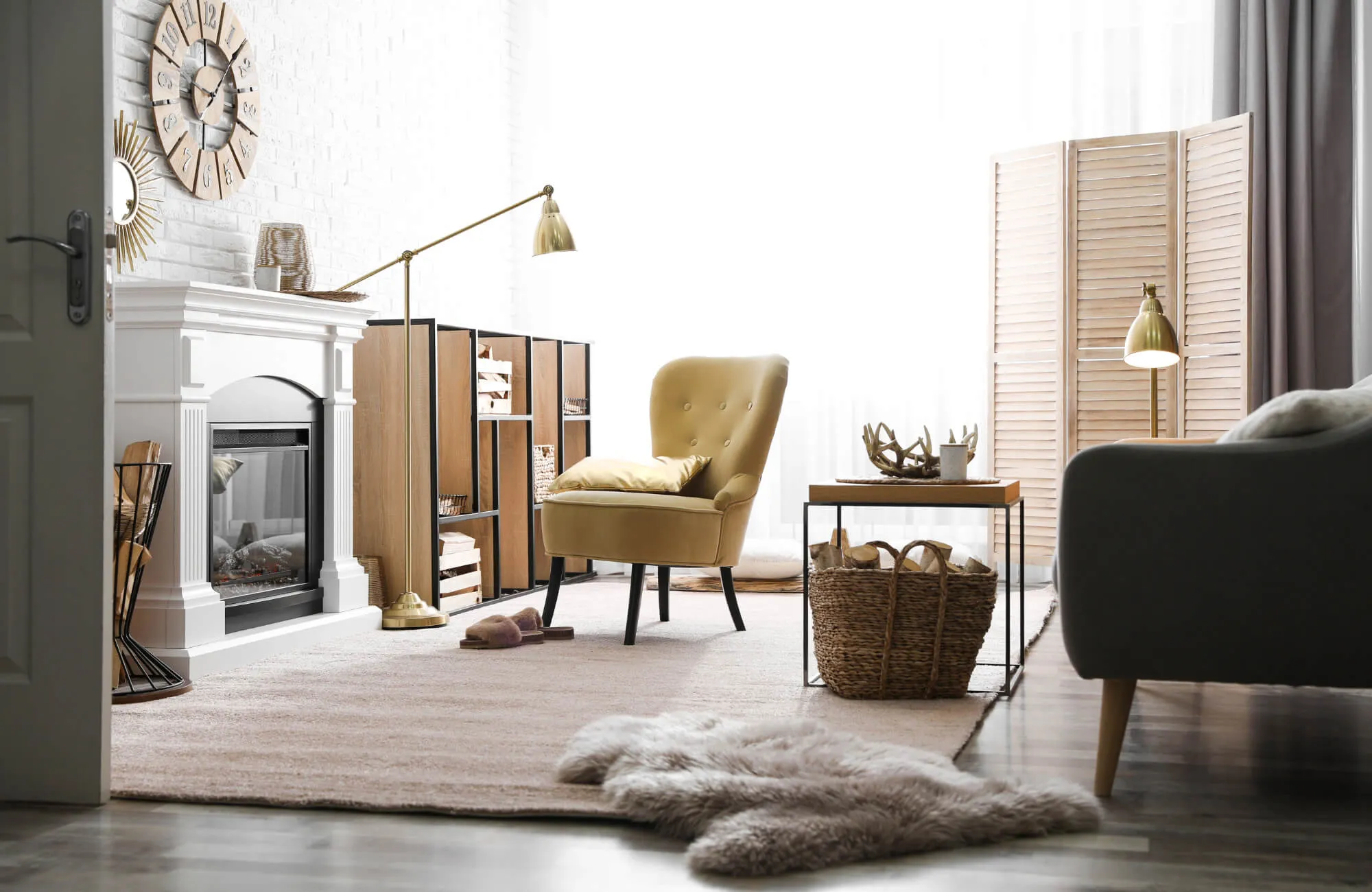
Choosing the right rug size can transform a space instantly, but choosing the wrong one can make even a beautifully furnished room feel disjointed, cramped, or strangely proportioned. Among homeowners and design-savvy decorators, one mistake consistently tops the list: selecting a rug that’s too small.
A rug is not just a decorative accent; it’s a visual anchor that grounds your furniture and defines a room’s layout. When its scale is off, the entire space loses balance. This guide breaks down the biggest sizing pitfalls in the living room, dining room, and bedroom, and gives you clear, dependable rules to get it right every time.
The Living Room
When rug sizing goes wrong, the living room is usually where it shows first. This space sets the tone for the rest of the home, which is why understanding how a rug anchors your seating arrangement is essential. Getting this room right creates a foundation for better choices elsewhere.
The Mistake Explained
The classic error is choosing a rug size that fits only under the coffee table, leaving all seating around it touching bare floor. You’ve likely seen it: the rug floats alone in the center like an island, with sofas and chairs orbiting it but never connecting.
This layout creates a subtle but significant lack of cohesion, making the seating arrangement look unanchored, as if the furniture was placed separately rather than intentionally grouped. It also produces a shrinking effect, pulling the eye inward and making the entire room feel smaller than it actually is.
Even in compact living rooms, undersized rugs work against the goal of creating a warm, inviting, unified space.
The “Good” Solution
If your room size or budget prevents you from upgrading to a very large rug, the “front legs on” method offers a reliable middle-ground solution. This approach simply means placing the rug so that the front legs of your sofas and chairs rest on it, while the back legs remain on the flooring.
By doing this, the seating visually connects to the rug, creating a more unified and intentional arrangement. It’s especially effective with medium-size rugs, typically 6×9 or 8×10, and works well in smaller living rooms where a larger rug might feel impractical.
While it���s not the perfect solution, it is significantly better than using a rug that sits only under the coffee table.
The “Best” Solution
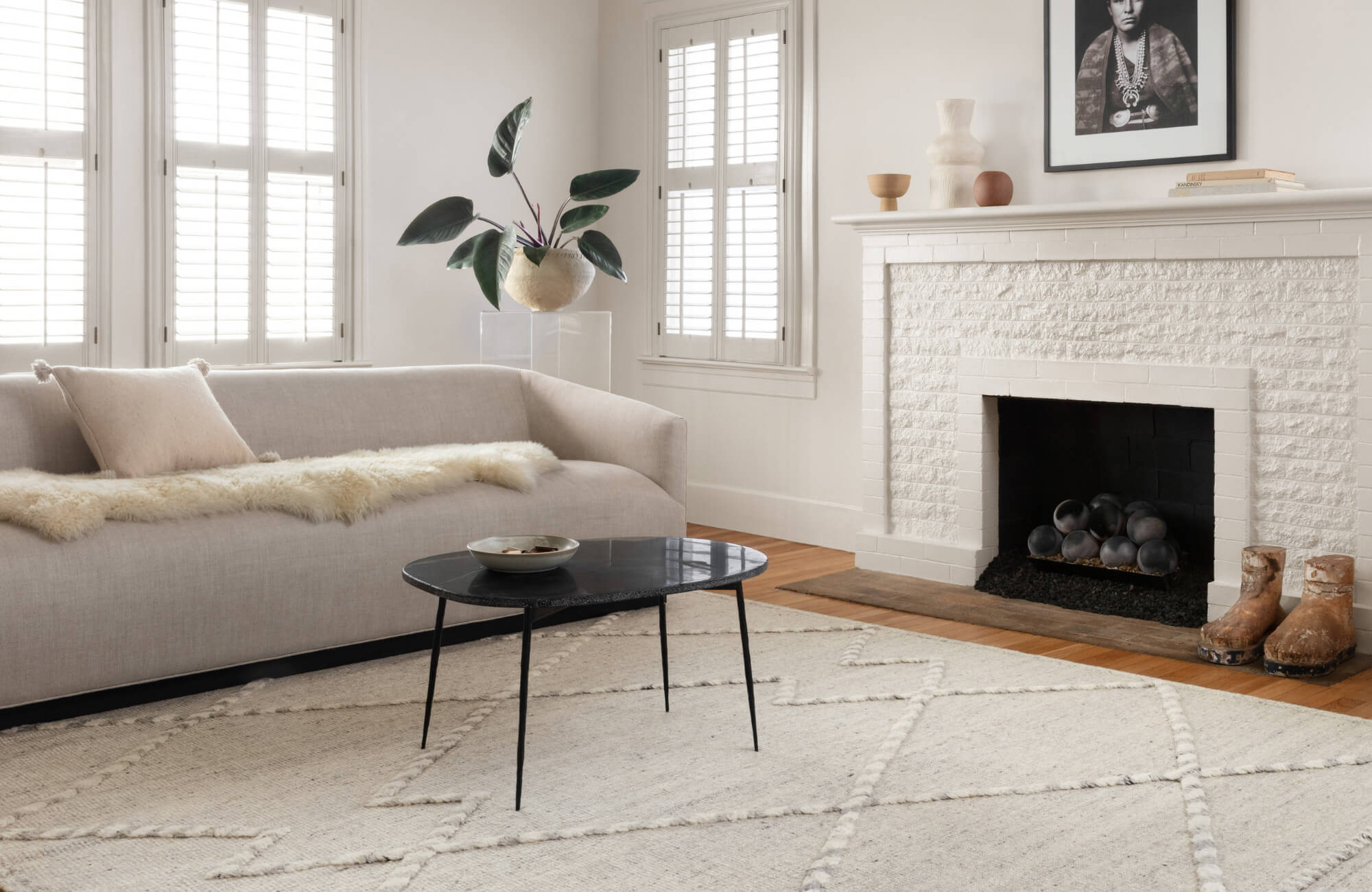
For an elevated, designer-level result, choose a rug large enough that all furniture legs, sofas, sectionals, accent chairs, and side tables, sit fully on its surface. This layout creates the strongest sense of cohesion and luxury, allowing the entire seating arrangement to feel intentionally grounded.
In the image above, Edward Martin’s Micah Wool Blend Rug in Cream / Dove illustrates how beautifully a contemporary rug can anchor an airy living room. Contemporary rugs, in particular, benefit from this approach because their bold patterns and clean lines look most striking when given enough space to breathe.
Large-size rugs, such as 8×10, 9×12, or 10×14, help unify the room, expand the visual footprint, and establish balanced proportions that instantly elevate the space. The effect is polished and high-end, the kind of look homeowners often admire in beautifully staged interiors.
Most living rooms achieve their best aesthetic with a 9×12 rug, even if it initially seems oversized. In nearly every case, opting for a larger rug enhances the room rather than overwhelming it.
The Dining Room
Once you’ve seen how dramatically a rug can shape a living room, it’s easy to spot similar issues in the dining area. Here, the most common mistake isn’t visual, it’s functional, and it becomes obvious the moment a chair bumps awkwardly against the rug’s edge. Addressing this room builds on the same principles of scale and usability.
The Mistake Explained
Many homeowners look at the dining table and choose a rug that fits just beneath it, completely forgetting about the chairs.
When a rug barely spans the table’s outline, diners end up dragging chair legs across the rug’s edge every time they sit down or stand up. This creates uneven chair movement, increases wear along the rug border, and introduces a constant friction that’s both annoying and damaging.
Visually, it also makes the dining area feel cramped and underscaled. The real issue isn’t the table itself, it’s the lack of proper clearance for the chairs.
The Iron-Clad Rule
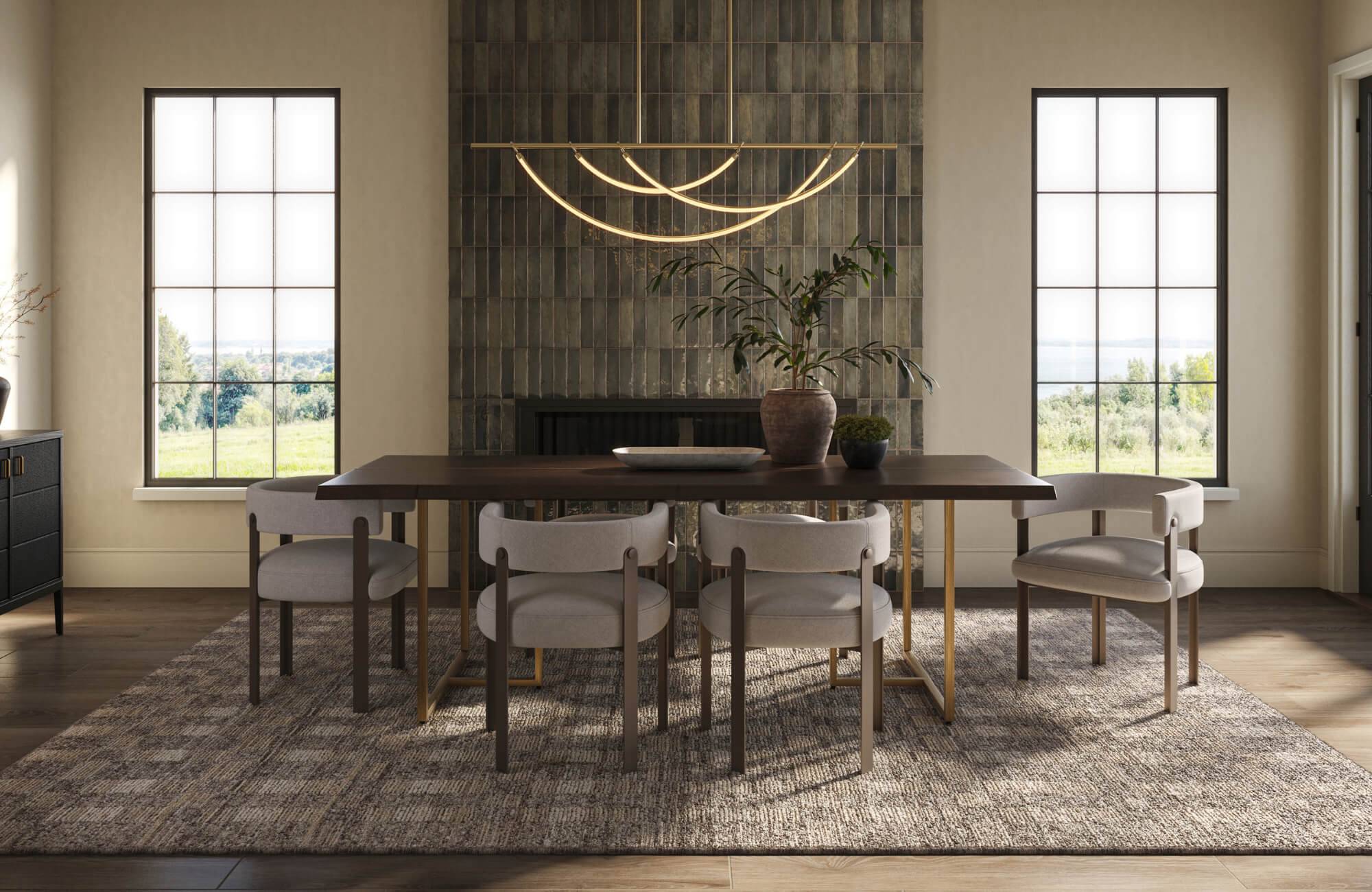
To avoid these problems, designers rely on one simple rule: every dining chair should sit fully on the rug, even when pulled out. Achieving this requires adding at least 24 inches, and ideally 30 inches, of extra rug space on all sides of the table. In the dining space shown above, Edward Martin’s Davies Wool & Nylon Rug in Ash / Sand demonstrates how proper coverage keeps chairs stable and movement smooth.
With the right clearance, chairs glide effortlessly, dining becomes more comfortable, and the entire space feels more balanced and generously scaled. The added buffer also protects both the rug and the floor underneath, making the setup more functional and longer-lasting.
How to Measure and Choose the Right Size
To get the sizing right, start by measuring the length and width of your dining table, then add 24 to 30 inches to each side to account for chair movement.
Once you have those dimensions, select the nearest standard rug size, with 8×10 and 9×12 options fitting most dining rooms. A six-person rectangular table typically pairs well with an 8×10 rug, while an eight-person or extension table usually benefits from a 9×12.
For round tables, simply add the same 24 to 30 inches to the diameter and choose a round or square rug that matches. If you’ve ever been frustrated by a dining rug that felt too small or impractical, this straightforward measurement method will resolve the issue immediately.
The Bedroom
After tackling living and dining spaces, the bedroom often reveals an entirely different kind of rug misstep. Instead of awkward proportions or snagging chairs, the problem here is rugs that underperform, tiny mats that fail to ground the bed or add comfort. Understanding this room’s unique needs completes the full picture of proper rug sizing.
The Mistake Explained
Two tiny mats flanking a bed, or a narrow rug placed only at the foot, create a series of visual and functional problems. The bed ends up feeling disconnected from the rug, almost as if it’s floating separately from the rest of the room.
This fragmentation makes the entire space look chopped into pieces, and the small rugs fail to provide any real grounding for the bed. The proportions feel off, too, because these undersized mats don’t match the scale of a substantial furniture piece like a queen or king bed.
While bedside runners can serve a purpose in certain layouts, they rarely deliver the cohesive, designer-level look most homeowners want.
The Correct Way to Ground Your Bed
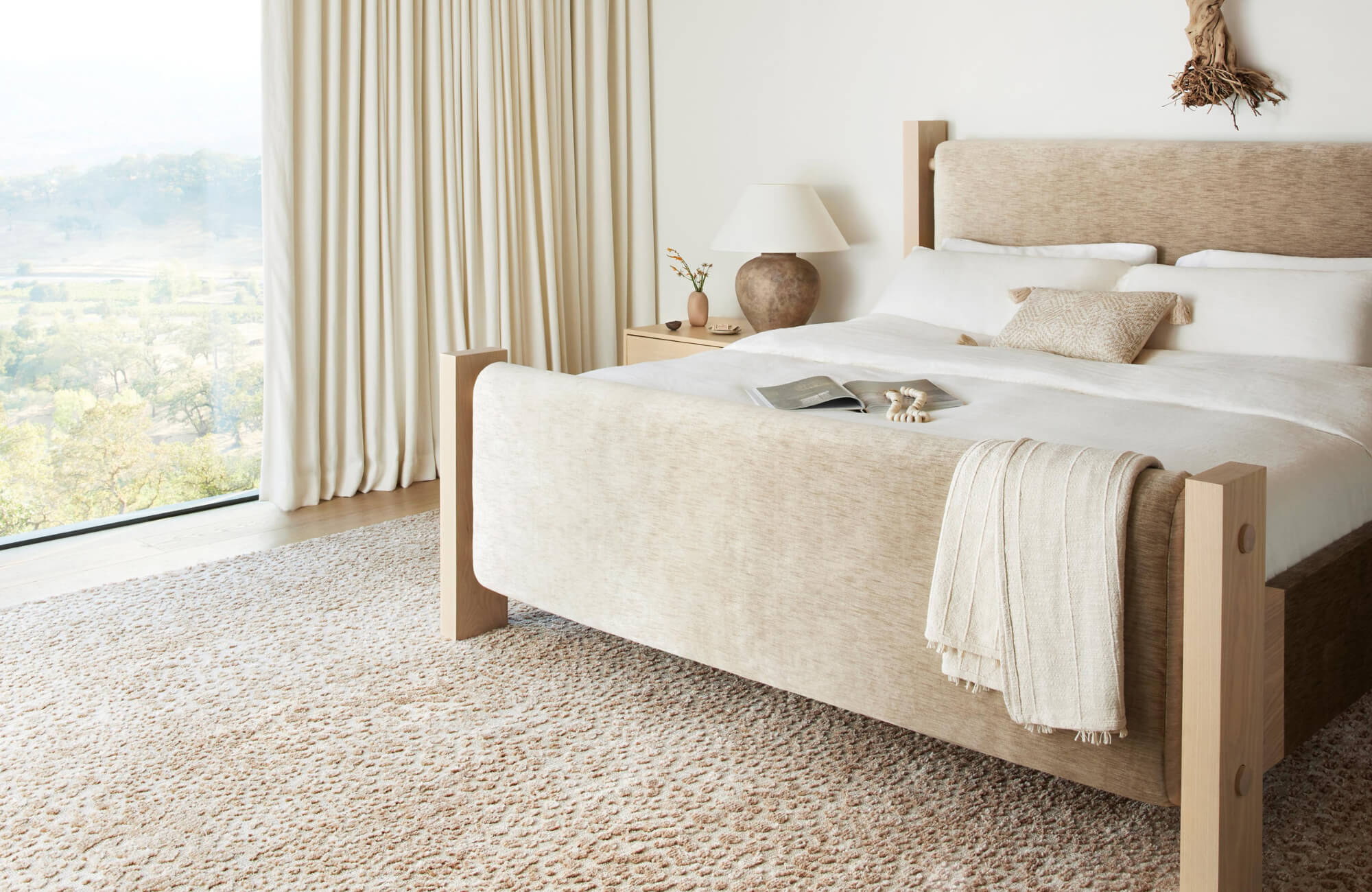
A single large rug should anchor the bed and extend far enough to offer a soft landing as soon as your feet hit the floor each morning. The most balanced placement involves positioning roughly two-thirds of the bed on the rug, allowing it to frame the sleeping area without overwhelming it.
As seen in the bedroom pictured above, Edward Martin’s Rollins Polyester Pile Rug in Cream / Rust perfectly grounds the bed while adding warmth and texture.
Nightstands can sit either fully on or just off the rug, both approaches work as long as you choose one and stay consistent. This setup creates a grounded, connected appearance that makes the bed feel centered and intentional within the room.
Specific Size Rules for Queen and King Beds
To eliminate the guesswork, certain rug sizes consistently work best with standard bed dimensions. For a queen bed, an 8×10 rug is ideal, while a 9×12 offers an even more luxurious look and better coverage, far preferable to a too-small 6×9 or any size below it.
For a king bed, a 9×12 provides proper balance, although a 10×14 works beautifully in larger rooms. An 8×10 simply doesn’t offer enough exposure on either side, leaving the rug feeling cramped and underscaled.
These guidelines ensure that the rug extends a comfortable 20 to 30 inches beyond the bed on both sides, creating the right blend of aesthetics, comfort, and proportion.
The “Why” Behind the Mistake and How to Avoid It
Looking across all three rooms, a clear pattern emerges: most rug mistakes stem from the same misconceptions about size, scale, and visual weight. This final section explains the reasoning behind these choices, and how to break those habits so you can confidently choose the right rug every time.
The “Saving Money” False Economy
Smaller rugs may cost less upfront, but they often end up being a poor investment when they don’t fit the space, make otherwise beautiful furniture look awkward, or need replacing soon after.
What seems like a budget-friendly choice frequently leads to higher costs down the road because an undersized rug rarely delivers the comfort or visual harmony a room needs. A properly sized rug supports the entire layout, elevates the look of your furnishings, and enhances how the room functions, ultimately making it a far smarter long-term investment.
Fear of Overwhelming the Room
Many homeowners hesitate to buy a large rug because they assume it will dominate the room, but the reality is quite the opposite.
A generously sized rug makes a space feel larger, expands the visual footprint, and pulls the furniture together in a way that feels purposeful and polished. Designers understand that scale is one of the most powerful tools in creating impact, and rugs offer one of the easiest, most effective ways to achieve that sense of cohesion and sophistication.
The Ultimate, No-Fail Solution
Before committing to any rug, the simplest way to test its scale is to map it out using painter’s tape.
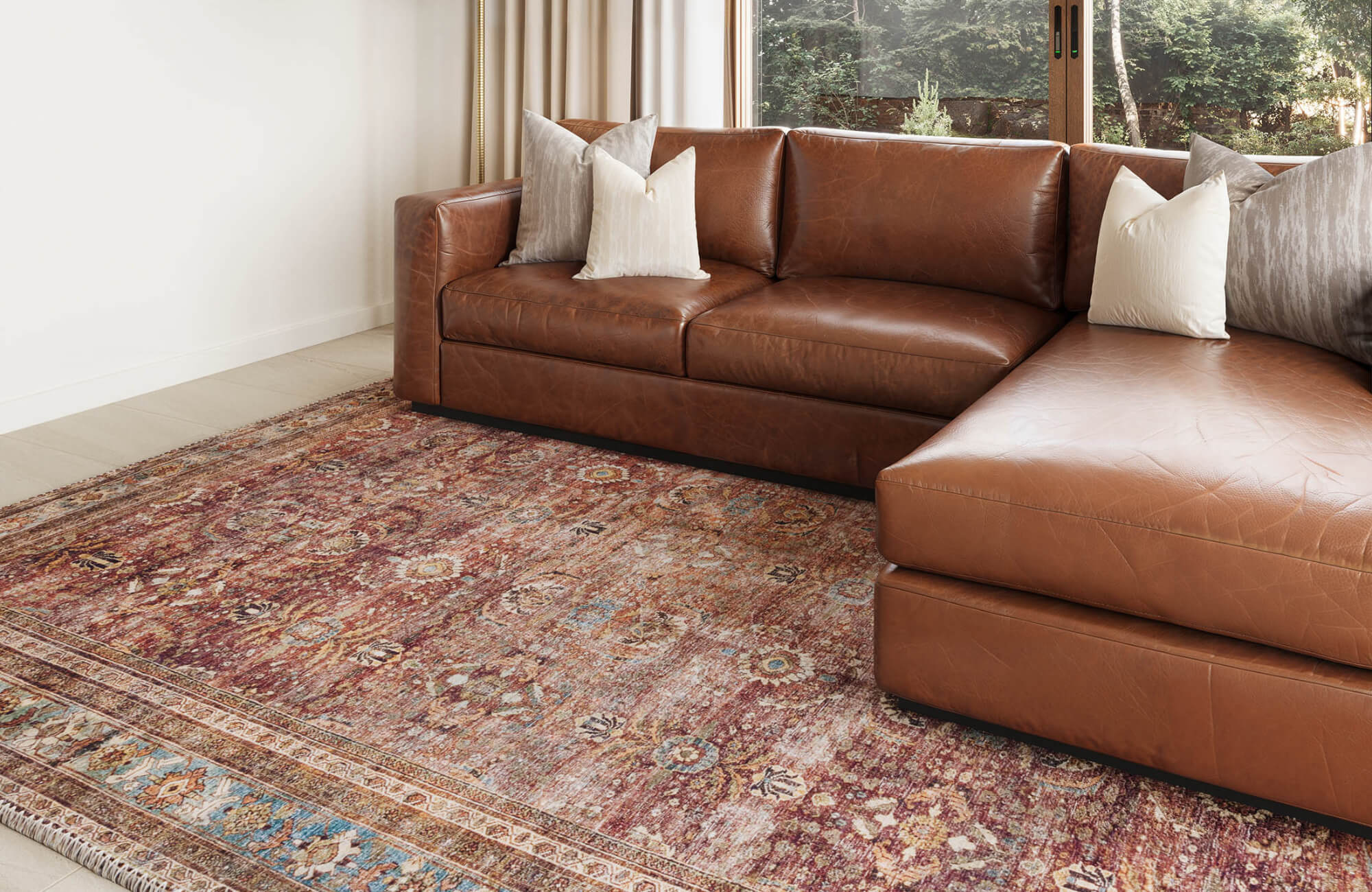
Mark the exact dimensions of an 8×10, 9×12, or any size you’re considering, and you’ll immediately see how the furniture interacts with that footprint, how the proportions feel within the room, and what areas will remain covered or exposed. The living area shown above features Edward Martin’s Hutchinson Polyester Face Rug in Burgundy / Denim, a great example of how a generously sized rug can dramatically elevate a seating arrangement.
This quick visual test reveals the true scale of a rug far better than guessing or relying on measurements alone. Almost every time, homeowners discover that the larger option not only fits better but dramatically improves the entire room.
When in Doubt, Always Go Bigger
If you remember only one rule from this guide, make it this: It’s almost impossible to choose a rug that’s too big, but extremely easy to choose one that’s too small.
And if you’re still unsure which size or style works best, Edward Martin’s design consultation service can offer personalized recommendations tailored to your project needs, whether you’re selecting tile, rugs, or furniture. You can also contact Edward Martin anytime for help with product questions or design guidance.
So take the time to measure, map out the space, and choose a rug that truly complements your home. The right size doesn’t just complete the room, it elevates it.
Follow us on Instagram
@EDWARD.MARTIN
)
)
)
)
)
)
)
)
)
)
)
)
)
)
)
)