Modern kitchens have evolved into multifunctional environments where cooking, dining, working, and entertaining seamlessly merge, making counter stools an essential design element rather than an afterthought. As open-concept floor plans and oversized kitchen islands continue to dominate contemporary layouts, homeowners are increasingly seeking counter stools that combine ergonomic comfort, durable construction, and elevated aesthetics. Today’s market features a diverse range of silhouettes, materials, and upholstery options that align with trending interior styles, from refined minimalism to organic modernism.
By understanding the key distinctions between today’s leading stool formats, you can confidently choose seating that enhances both the visual character and everyday performance of your kitchen.

Streamlined Minimalist Counter Stools
Minimalist counter stools continue to define contemporary kitchens because their pared-back silhouettes naturally protect visual clarity and maintain architectural focus. As these forms recede quietly into the space, they amplify the presence of countertops, cabinetry, and lighting without drawing attention to themselves.
Slim Metal Frames and Precision Engineering
Slim metal frames are made from powder-coated steel or anodized aluminum, designed to strike a balance between durability and an airy, unobtrusive presence, allowing the form to feel purposeful rather than heavy. As these metal members transition into clean, continuous welds, the absence of visible hardware strengthens the impression of seamless construction. That unbroken geometry also allows the eye to move effortlessly across the frame, reinforcing the stool’s refined simplicity.
In addition, foot bars placed with deliberate spacing connect the structural rhythm of the legs, creating an integrated support system rather than an added component. Because each engineering decision contributes to both performance and visual restraint, the stool maintains stability while remaining visually weightless. Together, these elements demonstrate how minimalist engineering can feel gentle and intentional while still delivering reliable everyday strength.
Low-Profile Silhouettes for Open Sightlines
Low-profile silhouettes maintain open sightlines by reducing vertical interruption, allowing the kitchen island to appear broader and more expansive. As shallow seat depths encourage natural posture without invading circulation space, they contribute to a sense of ease around busy zones. When these forms slide effortlessly beneath the countertop, they also help preserve an uninterrupted visual field that supports the modern preference for clean, horizontal movement.
Moreover, their compact shapes fit gracefully within open-concept layouts, allowing the kitchen to flow into adjacent living areas without abrupt transitions. Because the visual weight remains controlled, architectural surfaces such as stone veining or wood grain are free to take center stage. This cohesive dialogue between seating and structure ultimately reinforces an atmosphere of calm, spacious clarity.
Neutral Finishes for Versatile Styling
Neutral finishes like matte black, warm gray, and brushed nickel create an adaptable foundation that complements a wide range of contemporary materials. These finishes pick up subtle reflections from nearby stone or tile that add dimension without overpowering the palette. Their quiet presence also becomes especially valuable in kitchens that lean heavily on texture, allowing bolder surfaces such as fluted cabinetry or dramatic marble to maintain prominence.
The durability of powder-coated finishes reinforces this longevity, ensuring that the stool’s aesthetic integrity endures along with its function. Because these tones do not commit the design to a single trend, they allow the broader kitchen environment to evolve gracefully over time. This timeless adaptability is what makes minimalist stools consistently relevant in modern interiors.

Organic Modern Counter Stools
Organic modern stools bring tactile warmth and gentle curvature that soften the crisp lines found in contemporary kitchens. As these forms bridge natural materials with modern silhouettes, they create a sense of comfort grounded in craftsmanship and quiet elegance.
Solid Wood Construction With Expressive Grain Variation
Solid wood frames anchor organic modern stools with a warmth and authenticity that immediately enrich the kitchen’s palette, allowing each piece to express its own natural character. When the grain patterns shift subtly across the surface, they create a quiet visual rhythm that softens contemporary lines while highlighting the craftsmanship behind every joint and contour. This nuanced texture also becomes even more distinctive when paired with light upholstery, inviting a balance between tactile comfort and the grounded presence of natural wood.
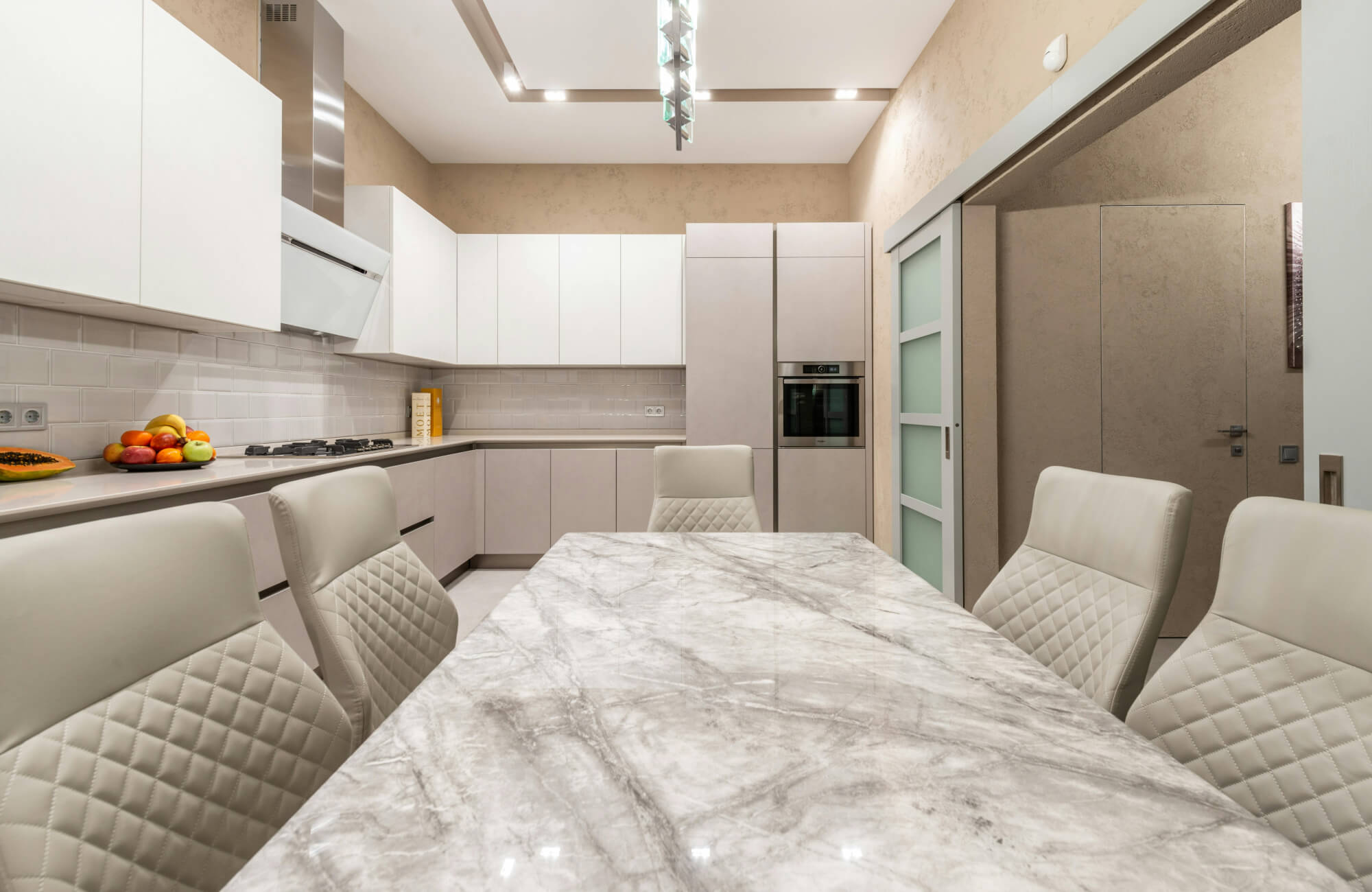
Edward Martin’s Joel Counter Stool in Dove Cream, as displayed in the photo above, exemplifies this harmony through its sculpted solid-wood frame, where each grain variation enhances the gentle curvature of the arms and legs. Its off-white seat adds a layer of refined calm, creating a beautifully weighted contrast that feels both modern and organically rooted. Together, these elements show how expressive wood construction, especially in designs like this Joel stool, can elevate the kitchen with subtle depth and timeless material richness.
Ergonomic Curvature for Enhanced Comfort
Ergonomic curvature begins with sculpted seats and softly rounded backrests that cradle the body, creating comfort that feels integrated rather than applied. As these curves blend smoothly into the leg structure, the stool takes on a unified sculptural quality that enhances both aesthetics and usability. The gentle transitions also help distribute weight evenly, reducing pressure points and allowing the seat to remain comfortable during extended conversations or casual dining.
Because these forms echo the natural contours of the body, the experience feels intuitive and effortless. As the curvature mirrors other rounded elements in the kitchen, such as bullnose stone edges or arched architectural details, it strengthens the room’s visual harmony. This thoughtful blend of ergonomics and artistry reinforces the organic modern style as both functional and beautifully expressive.
Warm Neutrals for Harmonious Interior Palettes
Warm neutrals such as light brown, golden yellow, and beige serve as soft bridges between the wood structure and the kitchen’s surrounding finishes. These hues absorb and reflect ambient light and create a luminous calm that grounds the overall palette. Their gentle tonal shifts also help unify elements like plaster hood surrounds, natural stone floors, and creamy cabinetry into a coherent visual story. Moreover, the lack of harsh contrast found in cooler palettes allows warm neutrals to encourage a sense of settled elegance rather than visual tension. As they blend seamlessly with both muted and richly toned surfaces, they offer remarkable flexibility for long-term styling. This natural harmony allows organic modern stools to feel rooted, timeless, and deeply connected to the space around them.

Industrial-Inspired Counter Stools
Industrial-inspired stools remain popular in busy kitchens because their craftsmanship centers on durability and purposeful strength. As their bold lines meet rugged materials, they form a visual language that feels grounded, dependable, and architecturally expressive.
Metal Alloy Frames With Reinforced Structural Supports
Metal alloy frames constructed from steel, iron, or aluminum establish the industrial stool’s unmistakable durability, offering a foundation capable of supporting constant use. These metals transition into cross-braced legs, and their structural rigidity becomes even more pronounced, helping the stool feel anchored and immovable. Riveted hardware also reinforces the joints with a raw, utilitarian appeal that celebrates the integrity of the material rather than disguising it.
Moreover, their powder-coated finishes protect the frame from moisture and wear, extending longevity without diminishing its tactile authenticity. Because every component contributes to a unified structural strategy, the stool behaves as reliably as it looks. This synergy of engineering and expression captures the essence of industrial design—honest, resilient, and visually compelling.
Commercial-Grade Finishes for Longevity
Commercial-grade finishes begin with powder coatings that cure into a hard, protective shell, ensuring the surface resists scratches, scuffs, and everyday abrasion. As the coating bonds seamlessly to the metal, it forms a barrier that withstands humidity, cleaning agents, and repeated use without fading. This durability also proves especially important in kitchens where heavy cookware, busy family routines, and frequent gatherings place continual stress on surfaces. Their finish remains stable even under frequent contact, and the stool retains its crisp, architectural edges over time. In addition, their consistent appearance reinforces the industrial aesthetic, where longevity is as essential as style. Together, these coatings help industrial stools endure both visually and functionally in dynamic kitchen environments.
Bold Architectural Lines for Urban-Inspired Interiors
Bold architectural lines define industrial stools through angular silhouettes that immediately add dimensional character to the kitchen. These lines intersect with exposed hardware, creating visual depth that celebrates the raw honesty of the design. The geometric structure also stands in striking contrast to the smoothness of stone countertops or minimalist cabinetry, offering a welcome layer of texture. This interplay heightens the spatial experience by guiding the eye along purposeful contours rather than soft shapes. Because the lines echo the industrial spirit of lofts and urban conversions, they bring a sense of metropolitan sophistication to the home. In doing so, industrial stools become sculptural statements that enrich the kitchen’s architectural personality.

Upholstered Luxury Counter Stools
Upholstered counter stools bring softness and refinement to the kitchen, transforming everyday seating into a comfortable and elevated experience. As plush fabrics meet tailored forms, they introduce a layer of luxury that feels both inviting and thoughtfully curated.
Performance Fabrics for Stain Resistance and Durability
Performance fabrics rely on solution-dyed fibers that embed pigment throughout each strand, ensuring the color remains vibrant even under frequent use. These fibers interact with stain-resistant coatings, and the fabric gains additional protection that helps prevent liquids from penetrating the weave. This resistance also allows spills to bead on the surface, making cleanup quick and stress-free in busy kitchen settings. UV stability ensures the fabric maintains clarity and depth even when exposed to bright, consistent sunlight. Moreover, the abrasion resistance built into the fiber structure makes the fabric retain its smooth texture over time. Together, these qualities make performance upholstery both beautiful and resilient, perfectly suited for luxury, lived-in spaces.
Advanced Cushioning and Support Systems
Advanced cushioning begins with high-density foam designed to maintain its shape while creating a seating experience that feels both supportive and inviting. This foam works in tandem with a reinforced internal structure, giving the stool a balanced resilience that minimizes pressure points and enhances comfort during extended use.
Upholstered designs like the Savannah Counter Stool in Cream, as shown in the picture above, demonstrate this harmony beautifully, combining a plush interior with a tailored silhouette that remains refined from every angle. Its gently padded backrest and contoured seat offer consistent support, allowing the body to settle in naturally without losing a sense of posture or stability. The stool’s sturdy wooden base further anchors the design, ensuring each component works cohesively to withstand daily wear while preserving visual elegance. Together, these elevated comfort systems show how thoughtful engineering transforms seating into a quietly luxurious element within modern kitchen environments.
Textural Contrast for Layered Kitchen Aesthetics
Upholstered stools introduce soft textures that contrast beautifully with the stone, metal, and wood surfaces commonly found in modern kitchens. As fabric absorbs sound and diffuses acoustics, the room takes on a more intimate and welcoming tone. This softness also enhances the overall composition by balancing the sleekness of hard materials rather than competing with them. In addition, textile textures layer effortlessly with patterned surfaces or natural grain, creating depth that feels cohesive and considered. Their presence further enriches the environment, encouraging warmth without sacrificing sophistication. Through this interplay of materials, upholstered stools help transform the kitchen into a layered, inviting, and emotionally engaging space.

Scandinavian-Inspired Counter Stools
Scandinavian stools remain beloved for their ability to combine clarity of form with practical comfort. As light materials and functional shapes come together, they create a kitchen environment that feels effortless, airy, and intuitively designed.
Lightwood Construction for Airy, Open Visuals
Lightwood frames bring an inherent sense of openness to Scandinavian-inspired seating, allowing each stool to feel visually weightless even in more compact kitchen environments. Their pale tones reflect natural light softly across the room, reinforcing a clean, uplifting atmosphere that aligns with Nordic design’s preference for clarity and brightness.
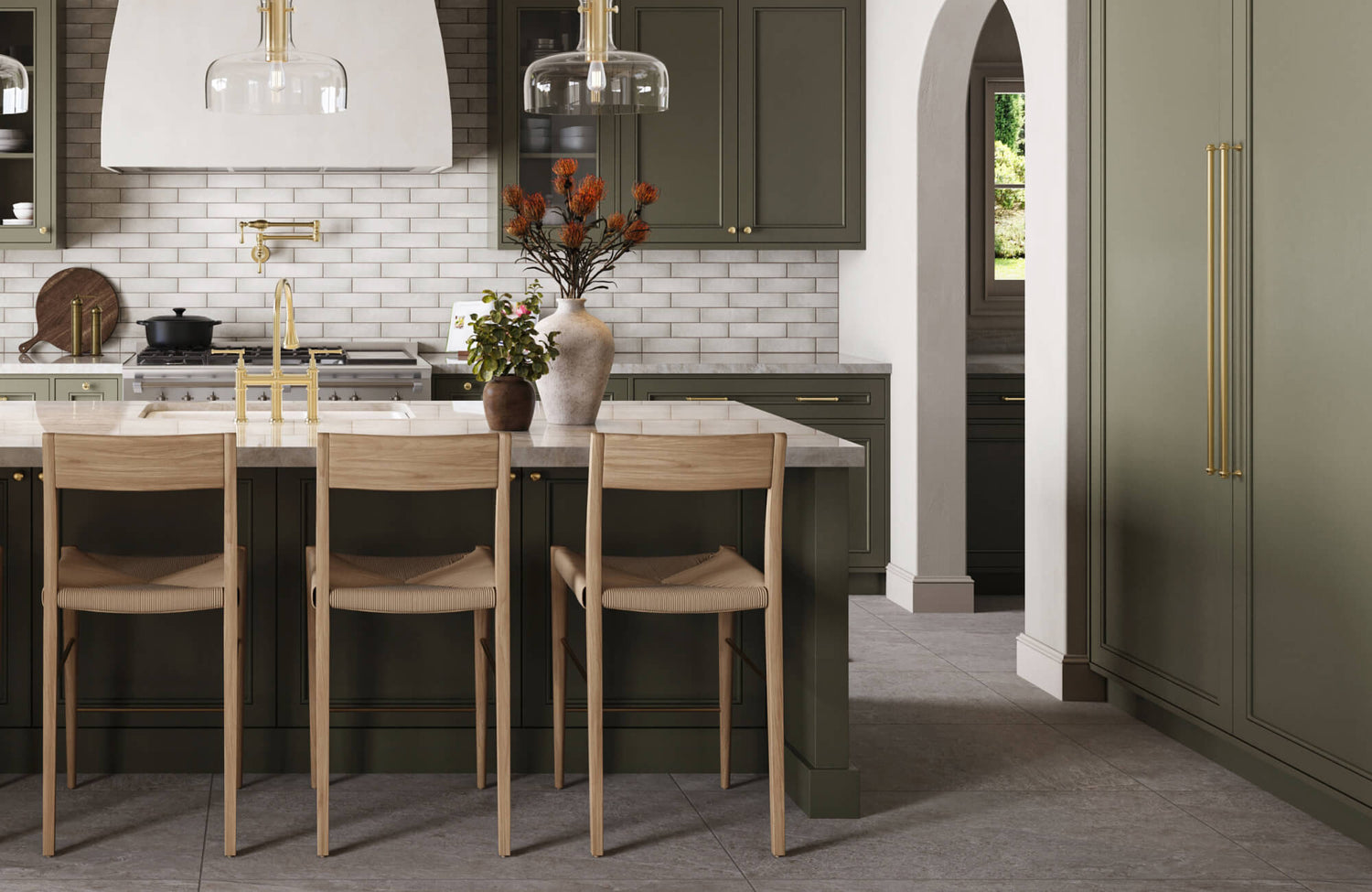
As featured in the photo above, our Genevieve Counter Stool in Light Oak captures this quality beautifully through its slender silhouette and gently tapered legs, offering a balance of structural simplicity and refined craftsmanship. Its woven-style seat adds a subtle layer of organic texture, enhancing the stool’s natural warmth without disrupting the overall minimalist profile. As the light brown grain moves fluidly across its surface, the stool also introduces a quiet sense of rhythm that complements soft-neutral palettes and warm, understated finishes. Together, these elements create an airy visual continuity that feels calm, cohesive, and distinctly Scandinavian in spirit.
Precision-Molded Seat Forms for Everyday Comfort
Precision-molded seat forms follow ergonomic curves that support the body naturally, offering comfort that feels woven into the design rather than added as an afterthought. These forms wrap subtly around the body, creating a sense of ease that encourages lingering at the island. Smooth edge transitions also soften the contact points, allowing the seat to feel welcoming during daily routines. Because the stools remain lightweight, they can be repositioned effortlessly without interrupting the flow of the space. Their contours harmonize with Scandinavian design principles, where clarity and comfort exist in equal measure. This refined relationship between form and function results in seating that feels intuitive and thoughtfully resolved.
Versatile Neutral Palettes for Seamless Integration
Neutral palettes such as beige wood, muted gray, and soft taupe offer a versatile backdrop that adapts easily to evolving kitchen trends. These tones blend gently with surrounding materials and help maintain visual calm without appearing washed out. Their subtlety also allows dramatic countertops or richly grained cabinetry to shine without competing for attention. Moreover, their colors hold steady through multiple design cycles and support long-term cohesion as the kitchen evolves. This adaptability makes Scandinavian stools especially valuable in transitional or minimalist interiors. With their gentle neutrality, they slip seamlessly into any modern kitchen landscape.
Crafting a Cohesive and Functional Kitchen Through Intentional Seating Design
Modern counter stools play an essential role in shaping a kitchen’s character, influencing both the way the space flows and the way it feels in daily use. When seating choices align thoughtfully with architectural elements and material selections, the room gains a level of cohesion that elevates the entire design. Quality construction and ergonomic detail also ensure that the stools remain comfortable and resilient as they support a variety of family routines and social gatherings. As finishes, textures, and silhouettes harmonize with surrounding surfaces, the kitchen becomes a more welcoming and visually balanced environment. By embracing counter stools as intentional design elements, you can transform your kitchens into spaces that feel unified, purposeful, and deeply attuned to modern living.
For guidance in selecting pieces that elevate your home with refined materials and thoughtful design, explore Edward Martin’s design services or contact us to begin creating a beautifully balanced space!