Designing a modern bathroom often involves a delicate balance of clean lines, streamlined fixtures, and materials that feel fresh and contemporary. Yet there is something undeniably captivating about bringing an antique mirror into this environment. The contrast between aged craftsmanship and modern simplicity creates a sense of depth that many purely modern spaces lack, enriching the room with character and personality.
When placed thoughtfully, an antique mirror can become the anchor of a bathroom’s entire aesthetic narrative. By examining frame selection, fixture coordination, material synchronization, and surface styling, you can create a bathroom that celebrates both past and present with equal sophistication. What follows is a guide to bringing this vision to life, one rooted in expert design strategies, an understanding of material interplay, and a deep appreciation for what an antique mirror can bring to a modern space.

Selecting the Right Antique Frame for Contrast
Choosing the right antique frame sets the foundation for bringing character into a modern bathroom. This is where the design story begins, because the frame’s finish, texture, and shape determine how the mirror will stand out against clean, contemporary surfaces.
Embracing Ornate Gold for a Minimalist Space
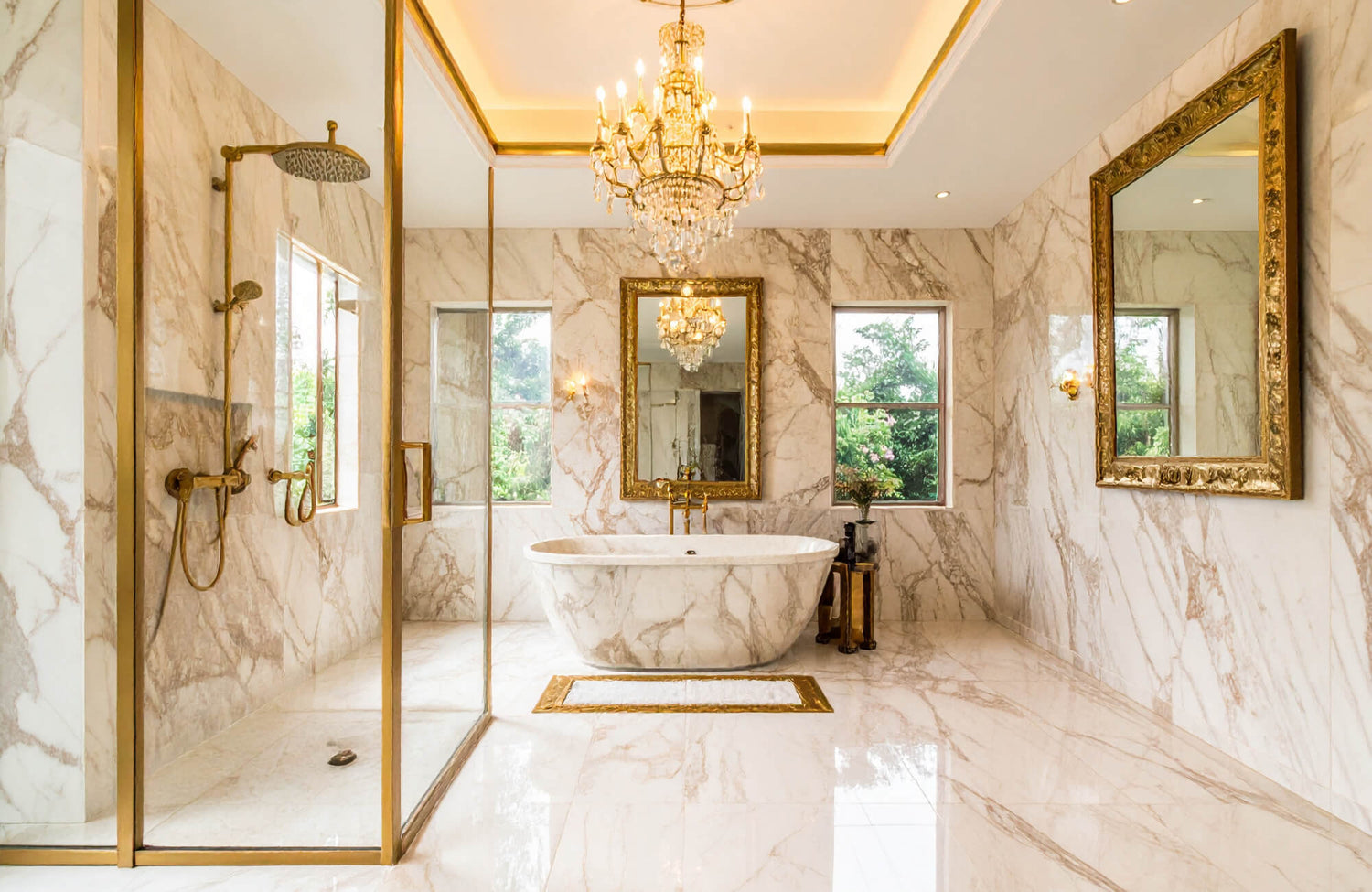
In a modern bathroom characterized by restraint, an ornate gold mirror introduces a sense of curated drama. The crisp backdrop of smooth tile, polished stone, and neutral palettes serves as the perfect contrast to intricate carving and gilded edges, much like how Edward Martin’s Rory Mirror in Antique Brass Iron, shown in the image above, brings depth and warmth into a pared-back space. Rather than overwhelming the room, the mirror becomes a sculptural focal point that breaks the predictability of minimalism, scattering warm reflections across an otherwise cool environment.
The key to integrating this kind of mirror is to allow the frame’s detailing to stand alone as the primary decorative feature. When surrounded by minimalist fixtures and uncluttered surfaces, the gold finish feels elegant and deliberate instead of old-fashioned. The juxtaposition emphasizes both styles, elevating the mirror’s craftsmanship while reinforcing the modern bathroom’s clean architectural lines. Over time, this dynamic contrast becomes one of the most memorable aspects of the room, proving that ornate elements have a place even in spaces defined by simplicity.
Using Dark Wood or Distressed Finishes for Warmth
A modern bathroom can sometimes lean too heavily toward sleek and polished surfaces, creating an environment that feels visually cold. A dark wood or distressed antique frame shifts that dynamic with a natural warmth that softens the overall design. Dark walnut tones, weathered oak textures, and subtly chipped finishes provide a tactile quality that counters the uniform smoothness of porcelain, quartz, and glass.
When using wood tones in a modern space, the goal is not to steer the room into rustic or farmhouse territory but to blend eras with a sense of intentional restraint. The wood does not need to match other materials in the room; in fact, the slight irregularities in tone and finish heighten the room’s sense of depth. The more aged the mirror appears, the more it complements the bathroom’s contemporary features by highlighting their precision. This interplay between old and new helps the room feel curated rather than strictly styled, allowing the antique element to bring history into a space that might otherwise feel too new.
Understanding the Appeal of Foxed or Aged Glass
Antique mirrors often feature naturally aged surfaces, from light foxing around the edges to clouded silver backing that softens reflections. Instead of being imperfections, these characteristics add atmosphere and intrigue to a modern bathroom. They subtly alter the way light bounces through the room, introducing dimension and depth that pristine glass cannot replicate. The aged glass tells a story, reminding the viewer that truly timeless pieces evolve over decades, not days.
The presence of foxing or patina also encourages a shift in perception: the bathroom becomes less of a sterile environment and more of a thoughtfully curated retreat. Modern finishes benefit from this kind of visual counterpoint because it prevents the space from feeling too rigid or uniform. By accepting the natural aging of the mirror, the design embraces authenticity. The result is a room where sophistication is matched with a sense of ease, proving that elegance does not always require perfection.

Balancing the Old Mirror with Modern Fixtures
Once the frame establishes that first layer of contrast, the next step is making sure the surrounding fixtures support it rather than compete with it. This balance between vintage charm and modern precision creates harmony and keeps the mirror feeling intentional within the space.
Framing the Mirror with Contemporary Sconces
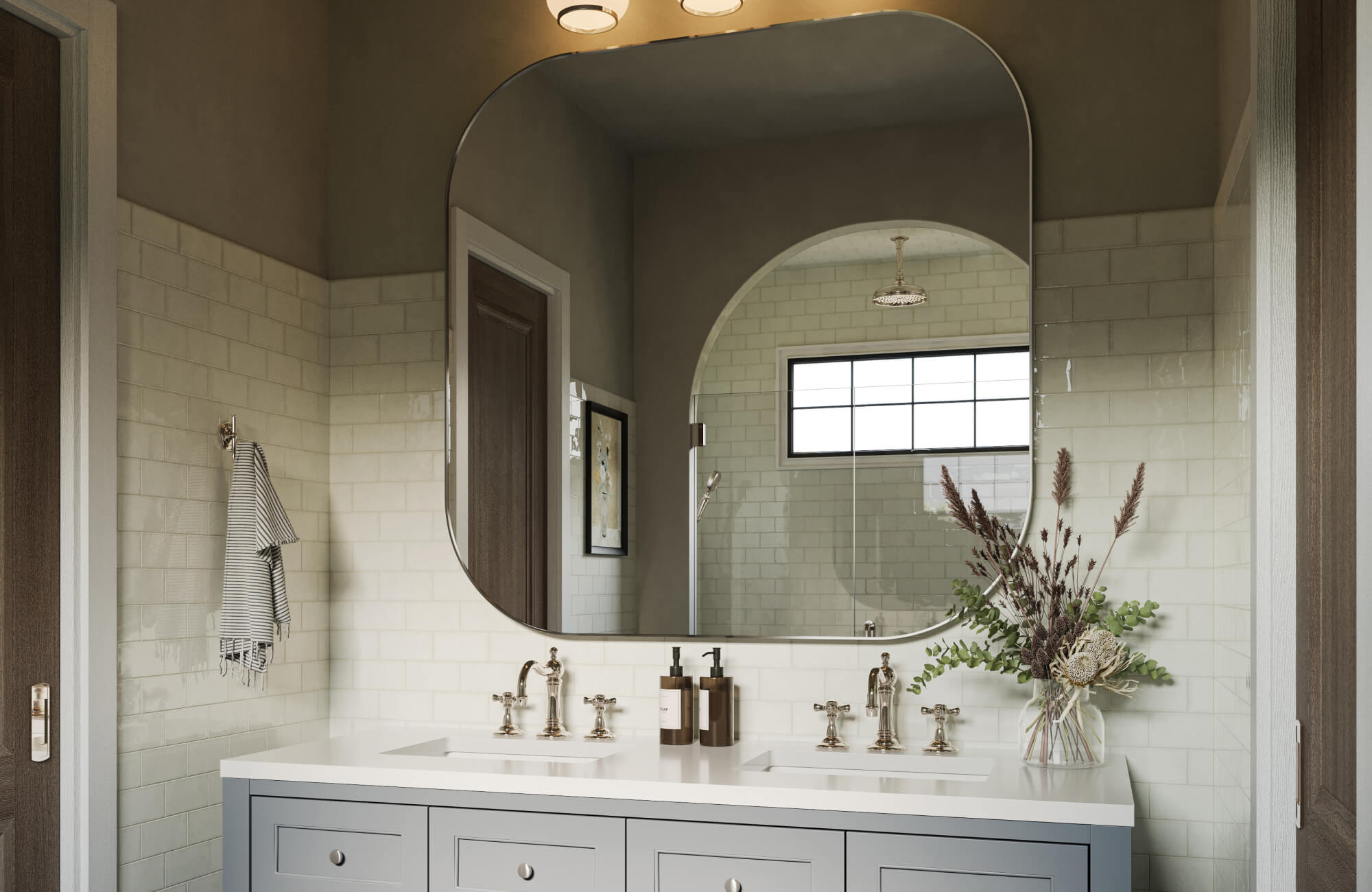
One of the most effective ways to unify a vintage mirror with a modern bathroom is through lighting. Contemporary sconces placed on either side of the mirror create a frame-within-a-frame effect that highlights the antique piece without overshadowing it, especially when paired with a design like Edward Martin’s Clancy Small Mirror in Antique Brass, seen in the image above, which offers a refined balance between tradition and modernity. The sharp silhouettes of modern lighting fixtures offer a crisp counterbalance to the softer contours or carved details of an older frame.
This interplay of styles becomes even more pronounced when the sconces feature sculptural shapes or subtle metallic finishes that contrast with the mirror’s patina. The lighting elevates the mirror visually while also improving everyday functionality by illuminating the face evenly. Together, the antique mirror and modern sconces form a visual partnership that enhances both elements without forcing them into the same stylistic lane.
When positioned correctly, the lighting also emphasizes the mirror’s texture, especially if the frame has ornate carvings or the glass has a naturally aged appearance. Shadows deepen, highlights glow, and the entire vignette becomes a central point of interest in the bathroom.
Pairing Rounded Mirrors with Rectangular Vanities
Shape compatibility has a significant influence on creating visual harmony. Antique mirrors often feature curved tops, oval outlines, or gently arched frames that feel distinctly different from the crisp rectangular vanities common in modern bathroom design. Instead of avoiding these contrasts, use them as a deliberate design strategy. The contrast between rounded lines and sharp edges introduces a fluidity that softens the room’s geometry.
Rounded antique mirrors add a sense of movement to the space, giving the vanity area a more inviting, less linear appearance. In turn, the straight-edged vanity grounds the composition, ensuring the curves don’t feel overly ornamental. This balance creates visual stability, allowing the antique mirror to shine without competing with the functional elements around it.
By pairing shapes thoughtfully, you allow the bathroom to express multiple design eras without fragmentation. The rounded antique mirror becomes a moment of elegance within the broader architectural framework of the modern vanity.
Keeping the Backdrop Clean and Uncluttered
An antique mirror works best when the backdrop behind it is clean and uninterrupted. Patterned walls, overly bold colors, or fussy textures can compete with the mirror’s inherent character. Modern bathrooms usually prioritize simplicity, which works to the designer’s advantage. A smooth expanse of tile, a soft white wall, or a neutral plaster finish creates an ideal canvas for showcasing the mirror.
This sense of restraint allows the antique piece to command attention while the surrounding surfaces quietly support it. The contrast feels intentional, reinforcing the idea that the mirror is a curated addition rather than an accidental mismatch. Maintaining an uncluttered backdrop also ensures that the room feels spacious and calm, even when a visually rich piece like an antique mirror is introduced.
As a result, the mirror becomes the defining feature of the bathroom without overwhelming the rest of the design. The simplicity of the backdrop and the depth of the antique piece form a partnership that enhances the clarity and elegance of the overall space.

Mastering the Art of Mixing Metals and Finishes
After aligning the mirror with your fixtures, the focus naturally shifts to how various finishes interact throughout the bathroom. Thoughtfully mixed metals help bridge the gap between old and new, reinforcing the mirror’s presence while adding depth to the overall design.
Why Your Mirror Should Not Match Your Faucet
Matching metals may seem like the safe choice in a modern bathroom, but when working with an antique mirror, perfect coordination can make the space feel flat. The goal is contrast, not uniformity. An aged brass or vintage bronze mirror frame should not be forced to match a polished chrome or brushed nickel faucet. Instead, each finish should be allowed to express its own character.
This mix of metals creates a layered aesthetic that feels both modern and lived-in. The antique finish brings a sense of history, while modern metals contribute to the bathroom’s functionality and crispness. Together, they mimic the feeling of a space that evolved over time, rather than one that was assembled all at once. This approach draws the eye across the room, encouraging appreciation of each individual element.
The result is a bathroom that feels dynamic and richly textured. The slight tension between finishes adds energy without sacrificing sophistication.
Bridging the Gap with Matte Black Hardware
If you’re working with a combination of antique metal tones and modern metallic finishes, matte black hardware can act as a visual bridge. Black has a grounding presence in design, functioning like a frame that organizes the various elements in a room. In a modern bathroom, matte black towel bars, cabinet pulls, and shower fixtures can reconcile the differences between warm, aged finishes and cooler, contemporary metals.
The neutrality of black prevents any single finish from dominating the space. Instead, it introduces a cohesive thread that ties multiple tones together. Black also complements antique frames particularly well by enhancing their depth and emphasizing their silhouette. Whether the antique mirror features gold, bronze, or silver tones, matte black provides balance through its simplicity and visual weight.
By using black as an intermediary finish, you ensure that the bathroom feels intentional and harmonious, even when combining stylistically diverse elements.
Repeating the Antique Tone in Small Accents
When an antique mirror is the focal point of a modern bathroom, repeating its tone in subtle accents helps integrate it seamlessly into the room. This does not mean creating a perfectly coordinated palette, but rather echoing the mirror’s presence through small, well-chosen elements, similar to how the warm brass finish of Edward Martin’s Shirley Small Mirror in Antique Brass Iron, shown in the image above, harmonizes with surrounding accessories. A single brass soap pump, a warm-toned vase, or a metal-edged tray can help reinforce the mirror’s patina without overwhelming the design.
These repeated tones create visual rhythm, making the antique feel like an essential part of the room rather than an isolated accessory. The accents should remain understated so the mirror remains the primary visual anchor. The subtle repetition strengthens the design’s cohesiveness and enhances the mirror’s impact, allowing history and modernity to coexist gracefully.

Styling the Vanity Surface to Complement the Mirror
With the major materials and finishes in sync, the final layer comes through the details on the vanity surface. These subtle elements complete the composition, ensuring the antique mirror doesn’t just fit in the room but truly elevates the entire modern setup.
Using Minimalist Accessories to Reduce Visual Clutter
The vanity surface is central to shaping how the antique mirror reads within the space. Too many objects can create visual noise, detracting from the mirror’s beauty. Minimalist accessories preserve clarity while enhancing the modern aesthetic. Simple soap dispensers, sleek canisters, and understated grooming essentials provide just enough structure without overpowering the mirror’s character.
A clean vanity surface emphasizes the carefully curated contrast between old and new. The restraint allows the mirror to command attention, while the accessories quietly support the room’s functionality. This balance makes the bathroom feel intentional, refined, and visually harmonious. When minimalism is used thoughtfully, it elevates the antique mirror rather than competing with it.
Incorporating Natural Elements for Organic Softness
Natural elements bring warmth and softness to a bathroom dominated by hard surfaces. A small potted plant, a sprig of greenery in a simple vase, or a stone accent can introduce organic textures that pair beautifully with the timeless quality of an antique mirror, especially when paired with Edward Martin’s Shirley Large Mirror in Antique Brass Iron, featured in the image above, whose warm finish enhances the earthy tones of natural décor. Nature has a way of bridging stylistic eras, creating a sense of calm that resonates across both historical and contemporary pieces.
These organic touches soften the line between the modern fixtures below and the antique element above. The greenery adds a sense of vitality, while natural materials such as marble or wood add depth and visual interest. The result is a vanity area that feels serene, balanced, and thoughtfully composed. These elements help the mirror feel at home in the space without diminishing its vintage charm.
Adding a Vintage Tray or Soap Dish
A vintage tray or soap dish can subtly reinforce the presence of the antique mirror by echoing its aged character. These pieces do not need to be ornate or overtly decorative; even a lightly patinated metal tray or a ceramic dish with a soft glaze can complement the mirror’s materiality. The key is subtlety, and when customers need help choosing accents that work seamlessly with their mirror, Edward Martin’s design consultation can offer personalized guidance that fits their project needs.
This addition creates a narrative continuity across the vanity surface. The tray anchors small items, keeping the area tidy while reinforcing the curated feel of the room. It adds depth to the styling without introducing clutter, maintaining the modern bathroom’s preference for simplicity. And for anyone unsure about coordinating finishes or selecting supporting pieces like tile, rugs, or furniture, they can simply contact Edward Martin for expert support that helps them make confident, well-informed choices.
A Reflection of Curated Design
Bringing an antique mirror into a modern bathroom is an opportunity to create a space that feels both timeless and contemporary. The mirror becomes more than a functional object; it becomes a design statement that enriches the room with history, craft, and character. By selecting the right frame, balancing it with modern fixtures, mixing metals with purpose, and styling the vanity with restraint, the bathroom transforms into a reflection of curated design.
This approach celebrates contrast as a form of beauty, proving that the most compelling interiors are the ones that blend eras with confidence and intention. The antique mirror acts as a reminder that design does not need to be confined to a single style or time period. Instead, it can draw from the past to elevate the present. In doing so, your bathroom becomes a space where modern living and classic artistry meet in perfect harmony, a place where every reflection tells a richer story.