A bathroom mirror serves more than a reflective purpose; it shapes how space is perceived, enhances the flow of light, and helps create a balanced, cohesive interior. When designing or remodeling a bathroom, one of the most common yet nuanced decisions involves choosing between a single large wall mirror or two smaller ones. This choice influences not only aesthetics but also functionality, symmetry, and even the perceived size of the space.
In this article, we’ll explore how mirror size and configuration affect design cohesion, spatial dynamics, lighting performance, and daily usability. We’ll also consider technical specifications such as mirror placement height, frame thickness, and proportional alignment with the vanity. By the end, you’ll have a comprehensive understanding of which setup best aligns with your bathroom’s architecture, lighting plan, and design goals.

Spatial Perception and Visual Balance
The relationship between mirror placement and surrounding architecture determines how spacious or confined a bathroom feels. Each configuration manipulates depth, proportion, and symmetry to shape how the eye moves through the room.
Creating Depth with a Single Large Wall Mirror
A single large wall mirror visually opens a space by reflecting both width and height in one continuous plane, creating the illusion of depth that extends beyond the wall. Its unbroken expanse connects horizontal surfaces, reducing visual segmentation and allowing the eye to travel smoothly across the room. This uninterrupted reflection also enhances light diffusion, giving compact bathrooms a brighter, more airy feel. By aligning with the vanity’s width and wall edges, the mirror grounds the design in proportion while maintaining a sleek continuity. The result is a fluid sense of openness where the boundaries between reflection and architecture dissolve naturally. This cohesive balance makes large mirrors ideal for smaller layouts that benefit from spatial expansion without added visual weight.
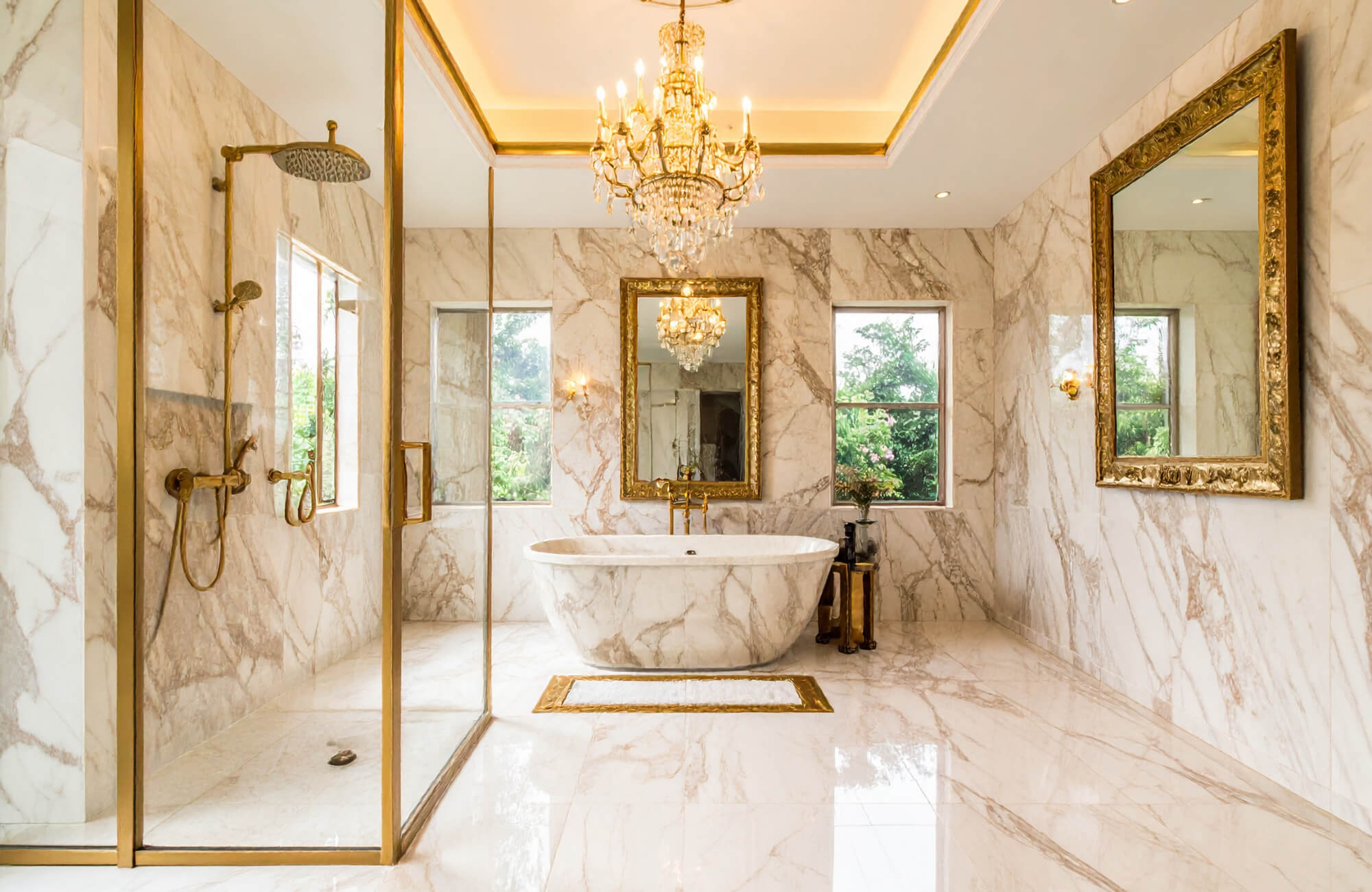
As displayed in the picture above, a mirror such as Edward Martin’s Esmeralda Round Mirror in Polished Brass further amplifies this depth. Its generous circular form captures more of the surrounding tilework, natural light, and architectural details, making the room feel larger and more open. The warm brass finish also introduces a subtle glow that complements fixtures and elevates the overall visual harmony. This combination of scale, reflection, and material creates a fluid sense of openness where the boundaries between reflection and architecture dissolve naturally, making large mirrors ideal for bathrooms that benefit from spatial expansion without added visual weight.
Establishing Symmetry with Two Smaller Mirrors
Two smaller mirrors bring order and structure, establishing a natural rhythm that aligns with dual vanities or wider countertops. Their placement divides the wall plane into balanced sections, allowing each sink to anchor its own reflective area. The separation also creates an intentional pause between mirrors, a space that welcomes sconces or accent tiles, enhancing both symmetry and texture. This thoughtful spacing introduces architectural rhythm, turning functional surfaces into compositional elements. When positioned evenly, the mirrors create a sense of equilibrium that feels deliberate rather than decorative. The eye perceives not fragmentation, but harmony—a design precision that brings both elegance and spatial logic to larger bathroom layouts.
Aligning Mirror Size with Vanity Scale
Achieving balance begins with a proper proportion between the mirror and the vanity. When a mirror spans roughly 70–80% of the vanity’s width, it feels integrated yet visually contained, maintaining natural symmetry across the composition. Dual mirrors should also align precisely with each sink’s midpoint, ensuring each reflective zone feels centered and personal. This proportional discipline prevents mirrors from overpowering or underemphasizing the vanity surface. Moreover, alignment preserves lighting symmetry, allowing sconces or pendants to frame each reflection evenly. Such precise coordination strengthens visual coherence while enhancing task efficiency. The harmony between scale, placement, and light creates a composition that feels both architecturally intentional and functionally seamless.

Functional Performance and User Ergonomics
Mirror selection influences not only aesthetics but also how comfortably and efficiently a bathroom operates. Ergonomic placement, weight distribution, and adaptability ensure that reflections enhance usability as much as design.
Adaptive Use in Shared Bathrooms
In shared spaces, two smaller wall mirrors provide personalized functionality without compromising visual flow. Each user gains a dedicated reflective zone, eliminating overlap and improving convenience during simultaneous use. Adjustable positioning also allows mirrors to suit varying heights, making them inclusive for all family members. In addition, the divided layout optimizes lighting control, preventing one user’s illumination from spilling unevenly onto another’s side. This functional independence fosters comfort and efficiency, particularly in dual-sink vanities.
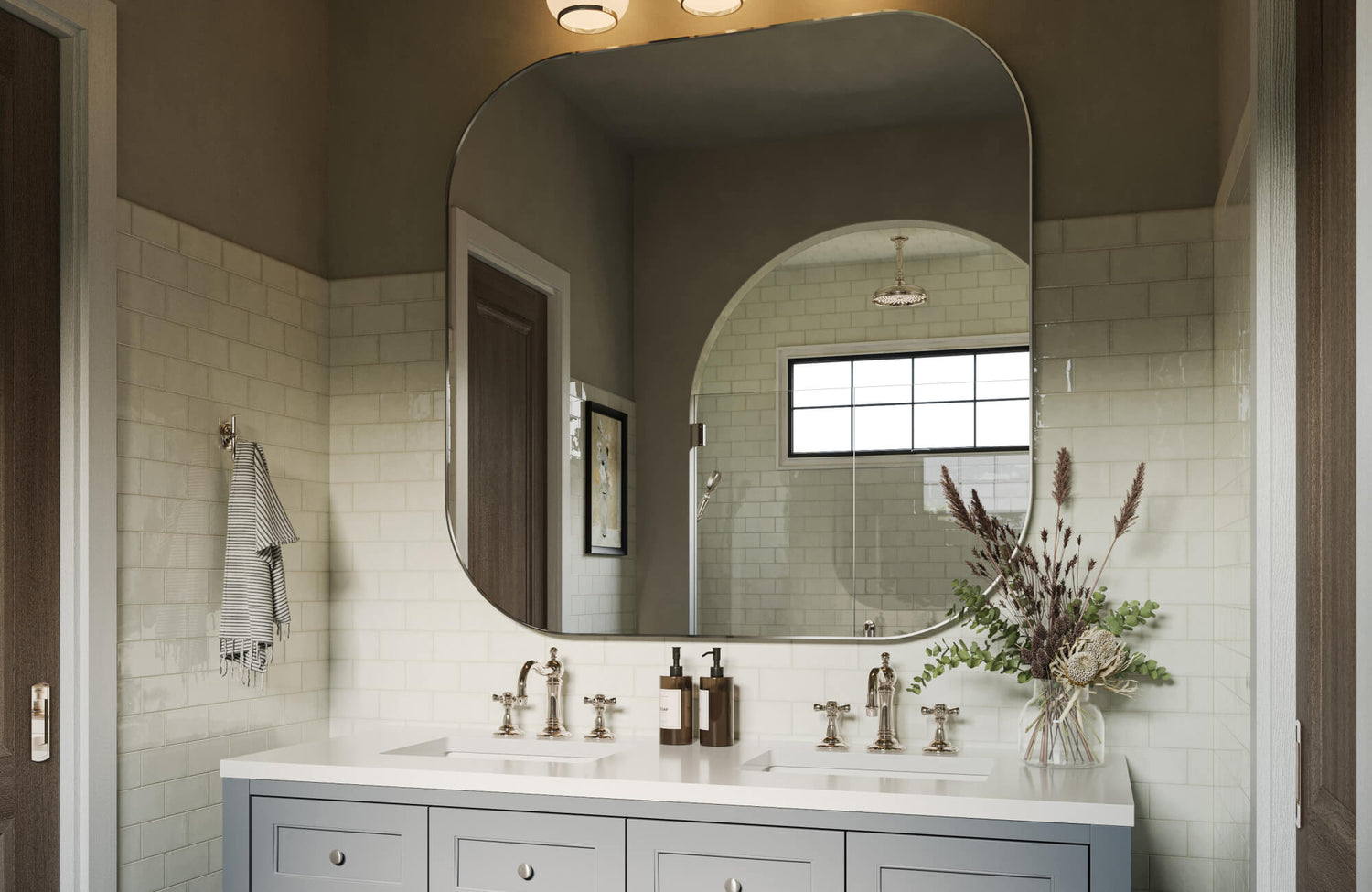
As shown in the photo above, a mirror such as the Clancy Small Arch Mirror in Antique Brass fits seamlessly into this approach, with its refined arch shape creating a soft visual anchor for each sink. Its antique brass finish also complements rich tile hues and brass hardware, reinforcing the balanced symmetry and personalized usability that shared bathrooms demand. This thoughtful pairing ensures each user enjoys both functional clarity and a beautifully tailored visual experience.
Weight, Mounting, and Structural Integrity
Behind every well-mounted mirror lies precise structural planning. For instance, large wall mirrors carry higher glass density, often exceeding 25–30 kg depending on thickness, demanding reinforced studs and secure anchoring hardware. Smaller wall mirrors, by contrast, distribute load more evenly, reducing stress on drywall and minimizing installation risk. By using moisture-resistant backings and sealed edges, they can be protected against delamination and corrosion in humid environments. When balanced correctly, the mounting system maintains long-term tension equilibrium, ensuring the mirror remains flush and stable. The result is not only safety and durability but also a refined alignment that contributes to the bathroom’s architectural integrity.
Integration with Vanity Fixtures
How a mirror interacts with lighting and plumbing fixtures defines both visual rhythm and user comfort. A single large wall mirror, for example, allows faucets, sconces, and wall-mounted accessories to integrate seamlessly without interrupting reflection. Dual mirrors, however, introduce greater flexibility in fixture spacing, a design advantage for achieving balanced vertical illuminance across each sink. This separation also prevents glare and allows each user to enjoy evenly distributed light. When planned cohesively, mirror edges align perfectly with light beams, producing a soft, flattering glow rather than harsh directional contrast. The outcome is a vanity zone that functions with precision and radiates aesthetic harmony.

Lighting Dynamics and Reflective Efficiency
Lighting and reflection exist in constant dialogue—one defines how the other performs. Mirror configuration affects how light diffuses across surfaces, shaping the mood, accuracy, and overall visual comfort of the bathroom.
Light Reflection and Distribution
A large wall mirror acts as a secondary light source, redistributing up to 85% of visible light throughout the space. This expansive reflection amplifies both natural daylight and artificial illumination, reducing reliance on overhead fixtures. The effect is a softer, more evenly lit environment that minimizes harsh shadows and glare. By capturing multiple light angles, it also enhances luminous efficacy while maintaining consistent brightness across the vanity. Moreover, the continuity of a single reflective surface prevents visual interruptions, allowing light to “flow” freely along the wall.
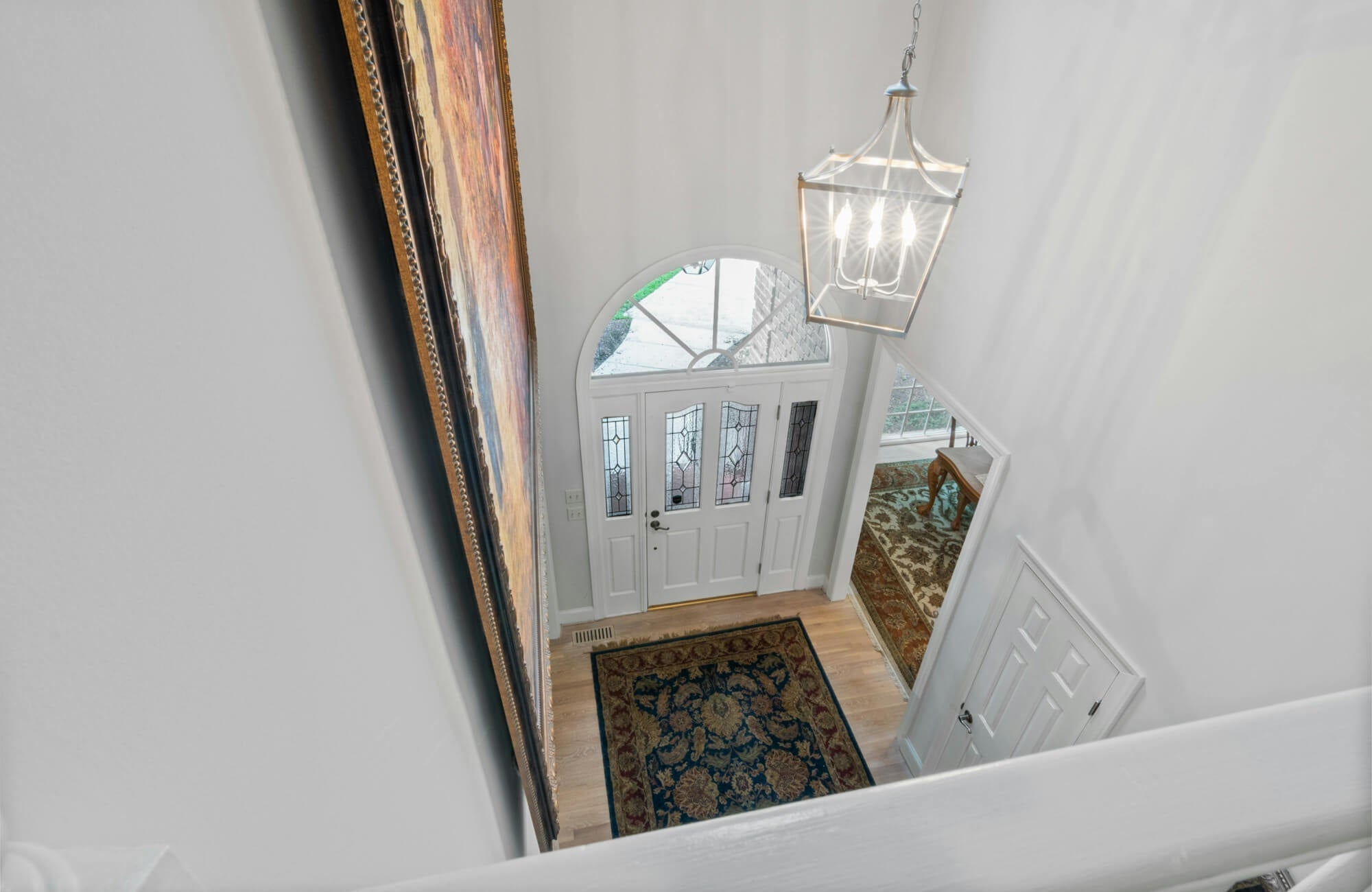
A mirror like the Raelynn Mantel Mirror in Polished Brass, as featured in the picture above, achieves this same effect, with its wide, gently curved silhouette and polished finish helping bounce light deeper into the space. Its reflective reach and warm metallic tones elevate both illumination and visual cohesion, making it an ideal choice for bathrooms seeking enhanced brightness and a refined focal point.
Shadow Management and Accent Illumination
Dual mirrors can create light gaps between reflective surfaces, but when paired with properly positioned sconces, they deliver exceptional contrast and definition. Adding wall-mounted lighting between or beside mirrors produces balanced vertical illumination that flatters facial features and reduces shadows. This arrangement also creates a layered lighting effect, adding both visual warmth and dimension. Moreover, the interplay between mirror edges and light beams introduces architectural rhythm, emphasizing material textures and wall finishes. When fixtures are aligned precisely, brightness transitions remain smooth and natural. The result is a lighting environment that feels intentional, inviting, and technically refined.
Light Temperature and CRI Considerations
For mirrors to reflect true-to-life tones, light sources must maintain a Color Rendering Index (CRI) above 90 and a color temperature between 2700K and 3500K. These specifications ensure accurate skin tone rendering while preserving a natural atmosphere. For instance, large wall mirrors diffuse warm light more effectively, bathing the room in an even, flattering glow. Dual mirrors, on the other hand, excel when precision lighting is required, such as for grooming or makeup application. Consistency in light color across both sides also prevents visual imbalance and maintains harmony. Together, balanced lighting and well-placed mirrors produce a bathroom environment that feels cohesive, comfortable, and optically accurate.

Aesthetic Composition and Design Integration
A mirror’s configuration defines the bathroom’s visual rhythm, whether sleek and minimal or structured and detailed. Its form, framing, and scale determine how materials, fixtures, and lighting interact in the overall design.
Minimalist Continuity with One Large Wall Mirror
A frameless large wall mirror embodies simplicity and continuity, allowing surfaces and textures to remain uninterrupted. Its seamless reflection merges tile patterns, stone veining, and color palettes into one harmonious composition. By eliminating framing lines, the mirror also enhances visual serenity, a hallmark of modern and Scandinavian design. When paired with integrated LED backlighting, it creates a soft, floating effect that enhances depth without adding ornamentation. This approach transforms the wall into a unified reflective canvas, balancing minimalism with sophistication. The result is a bathroom that feels expansive, tranquil, and architecturally cohesive.
Layered Detailing with Two Mirrors
Dual mirrors invite material layering and textural contrast, allowing for decorative creativity within structured symmetry. For example, framed designs in brushed brass, matte black, or aged bronze add tactile richness while defining the vanity’s geometry. The space between mirrors also becomes a focal opportunity for vertical sconces or mosaic inlays, enhancing depth and rhythm. This segmentation breaks visual monotony, creating deliberate balance between repetition and variation. When coordinated with lighting and wall finishes, the design achieves aesthetic layering that feels both dynamic and tailored. Such thoughtful detailing transforms functionality into a statement of craftsmanship and proportion.
Proportional Harmony with Fixtures
Balanced design emerges when mirrors align proportionally with surrounding elements. To achieve this, the vertical height should typically end 6–8 inches above the faucet, ensuring ergonomic comfort and visual unity. Horizontal spacing also allows fixtures to maintain equal distance from mirror edges, establishing equilibrium across the wall plane. This proportional discipline ensures every component, from sconces to faucets, appears integrated rather than isolated. As light reflects evenly across the setup, the design achieves a rhythmic consistency. Ultimately, this calibrated harmony defines a bathroom where proportion and precision coexist beautifully.

Installation, Maintenance, and Cost Efficiency
Behind the visual elegance of mirrors lies a foundation of technical execution, long-term care, and financial planning. These practical considerations determine how well the design endures over time.
Installation Complexity and Labor Requirements
Large wall mirrors require precision handling due to their size, weight, and fragility. Because of this, professional installation is needed to ensure accurate leveling, safe anchoring, and reduced risk of edge stress fractures. The process also often involves adhesive bonding combined with bracket support to stabilize the glass surface. Dual mirrors, however, are lighter and easier to install, often needing minimal reinforcement. Their modular design simplifies replacement or repositioning, making them ideal for remodels or DIY-friendly updates. When executed with care, both configurations yield lasting stability and refined alignment.
Cleaning and Longevity
Maintenance efficiency differs subtly between configurations. For instance, a single mirror’s seamless surface minimizes joints where dust and condensation accumulate, simplifying cleaning routines. Dual mirrors, on the other hand, allow targeted maintenance: if one is damaged, it can be replaced independently. Applying anti-fog coatings and edge sealants also extends reflective clarity in humid conditions. In addition, regular cleaning with non-abrasive solutions preserves the optical sheen without damaging finishes. Following the manufacturer’s cleaning guidelines further enhances the longevity of the mirrors. Over time, proper upkeep sustains both aesthetic brilliance and structural integrity.
Cost and Value Optimization
Cost considerations depend on mirror size, framing, and installation labor. While a large custom mirror entails higher fabrication and delivery costs, it maximizes perceived space and adds long-term design value. Dual mirrors, conversely, offer cost flexibility, as standard sizes and lighter materials reduce expense without sacrificing style. Factoring in lighting integration, mounting hardware, and frame finishes also ensures accurate budgeting. This balance of quality, scale, and investment reflects not just visual preference but strategic value. Ultimately, choosing the right configuration aligns practicality with enduring aesthetic return.

Choosing the Ideal Mirror Configuration
The best mirror setup aligns with the bathroom’s proportions, lighting strategy, and user needs. When balance and purpose drive design, both large and dual mirrors can achieve spatial elegance and functionality.
Evaluating Space, Lighting, and Layout
In smaller bathrooms, a single expansive mirror amplifies space and light, visually extending every surface it reflects. In contrast, dual mirrors organize wider vanities into harmonious sections, blending utility with balance. Evaluating the interplay of wall width, ceiling height, and fixture placement also ensures proportional consistency. Lighting remains the unifying factor: it should interact naturally with the chosen configuration, eliminating harsh contrast or shadow. When scale, symmetry, and illumination converge, the mirror enhances not only the bathroom’s visual appeal but also its experiential comfort. This synthesis of design logic and technical precision defines a truly cohesive reflective environment.
Considering Material, Frame, and Finish Coordination
Beyond size and placement, the material and finish of a mirror determine how it integrates with the bathroom’s architectural language. A frameless mirror with polished edges, for example, reinforces a minimalist or spa-inspired aesthetic, whereas framed designs introduce warmth, texture, and stylistic identity. Finishes such as brushed nickel, matte black, or aged brass should also complement existing fixtures to maintain visual continuity across metal accents. For coastal or organic interiors, natural wood or rattan frames add softness and depth, balancing hard tile surfaces. The reflective coating’s quality, typically silver-backed for premium clarity, further ensures durability and accurate color rendering over time. Coordinating frame material and finish unite the mirror with the broader design narrative, transforming it from a functional feature into a cohesive visual statement.
Final Thoughts on Choosing a Mirror
Ultimately, the choice between one large wall mirror and two smaller ones comes down to proportion, purpose, and atmosphere. A single expansive mirror excels at opening compact bathrooms, amplifying light, and achieving a streamlined modern aesthetic. Dual mirrors, on the other hand, celebrate symmetry, personalization, and architectural rhythm in wider layouts. With thoughtful planning and technical precision, mirrors become more than accessories—they become integral design instruments that elevate both functionality and beauty.
To make the design process easier, Edward Martin’s design services can guide you in selecting the ideal mirror configuration, finishes, and bathroom materials that align with your vision. If you're ready to begin your project or need expert recommendations, feel free to reach out through our Contact Us page for personalized assistance!