
)
)
)
)
)
)
)
)
Is A Marble Dining Table A Good Idea?
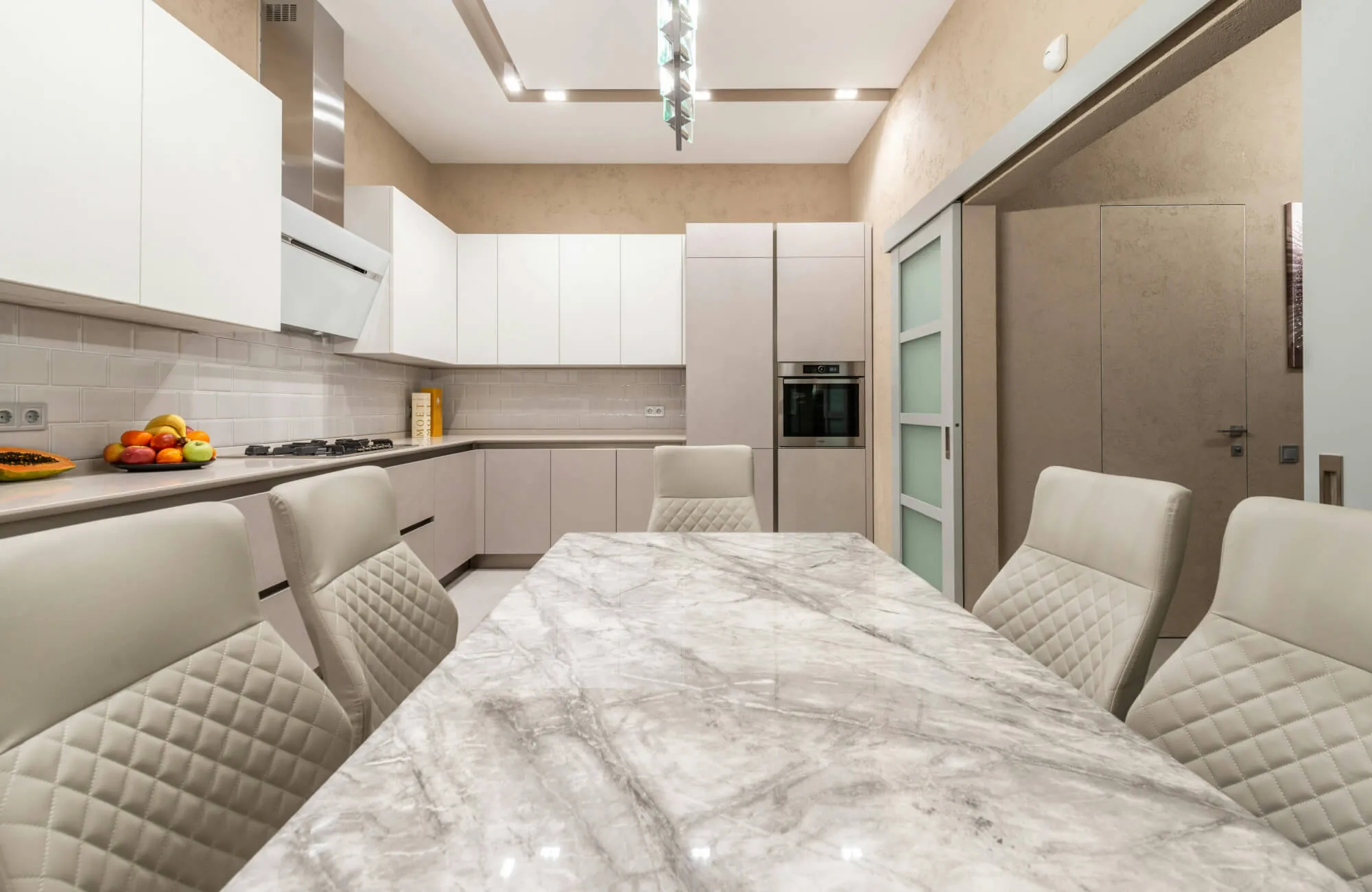
A marble dining table immediately becomes a focal point, offering a sense of permanence and artistry that elevates the entire room. Its natural veining and weight give it a presence few materials can replicate, which is why many people consider it when looking for something both functional and visually striking. At the same time, living with marble means understanding how it responds to daily use, from shared meals to casual gatherings. By exploring each aspect, this article helps you make an informed decision whether marble truly aligns with your lifestyle, expectations, and long-term vision for your home.
The Appeal and Limitations of Marble as a Material
Marble has captivated homeowners for centuries with its natural beauty, yet its organic qualities mean it behaves differently from manufactured surfaces. Understanding what sets marble apart helps you decide whether you prefer a table that feels expressive and ever-changing or one that offers a more consistent, predictable experience.
Natural Variation
When you look at a marble slab, you’re seeing more than a solid surface. Its veining, mineral deposits, and tonal shifts create patterns formed over millions of years, giving each piece its own identity. This natural individuality means your table will never look exactly like another. If you prefer a bold statement, pronounced veining and strong contrasts introduce dynamic movement.
For a softer look, gentle veining and uniform tones blend more quietly into the room. It's helpful to consider the level of visual presence you want the table to have, as the degree of variation determines whether it becomes the centerpiece or a more subtle complement to your space.
Surface Sensitivity
Marble responds to everyday substances in ways that differ from engineered materials. When acidic liquids come into contact with the surface, they can leave faint, dull spots known as etches. Sharp objects can also mark the finish. These reactions stem from marble’s natural composition, but simple habits help keep them to a minimum.
Using coasters, placing items on mats, and cleaning spills as they happen can also go a long way in preserving its appearance. As these habits become part of your routine, the table feels less delicate and more like a surface that gradually develops a gentle, meaningful patina.
Finish Differences
A polished finish offers a reflective sheen that highlights the marble’s depth and elegance, though it tends to reveal etches more easily. A honed finish, on the other hand, softens the light and creates a smooth matte surface. Some tables also feature specialty finishes that fall between the two, such as the leather-like surface of the Anastasia 59" Dining Table in Taupe, a Red Marble design that introduces subtle texture while reducing visible fingerprints and minor marks. While honed and textured finishes can disguise everyday wear, they often require more frequent sealing than polished marble.
Choosing the right finish ultimately comes down to the atmosphere you want to create. If a bright, refined look appeals to you, polished may be the better fit. If you prefer something more relaxed and understated, a honed or textured surface can offer a calm, forgiving appearance.
Evaluating Daily Practicality and Lifestyle Fit
How you use your dining table is just as important as its material. Marble complements some daily habits with ease while making others more demanding. By considering your household’s routine and how the table will function daily, you can determine whether marble supports your lifestyle or adds responsibilities you may not want.
Family Use
Families with young children often deal with spills, splashes, and the occasional bump, which can lead to quicker etching or staining on marble. Still, some households appreciate how these signs of use give the table personality as it ages. Simple habits, like using place settings, keeping a cloth nearby, and being aware of where drinks and snacks are set down, can also help the surface stay in good shape without making everyday meals feel overly controlled.
Entertaining Patterns
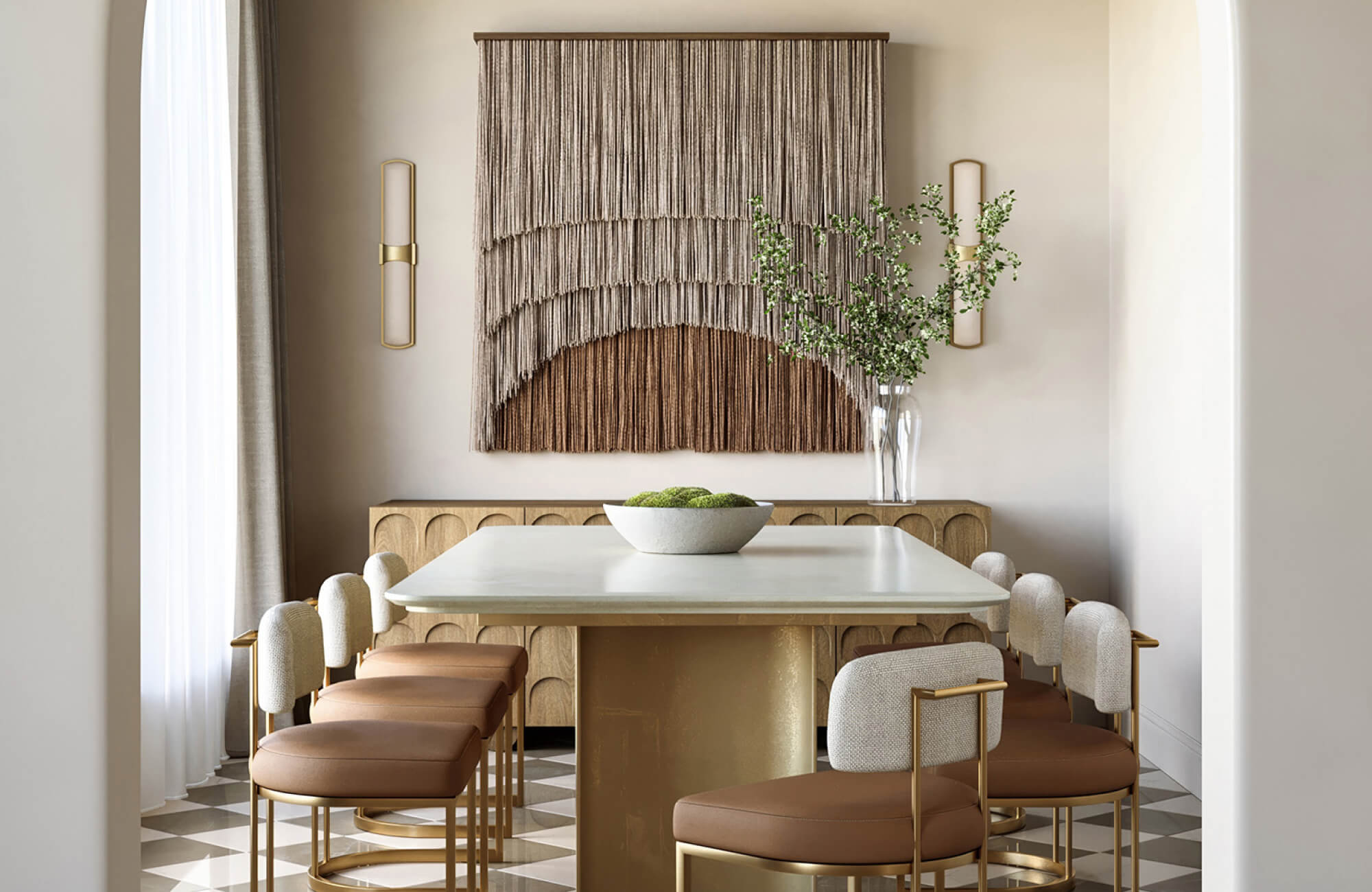
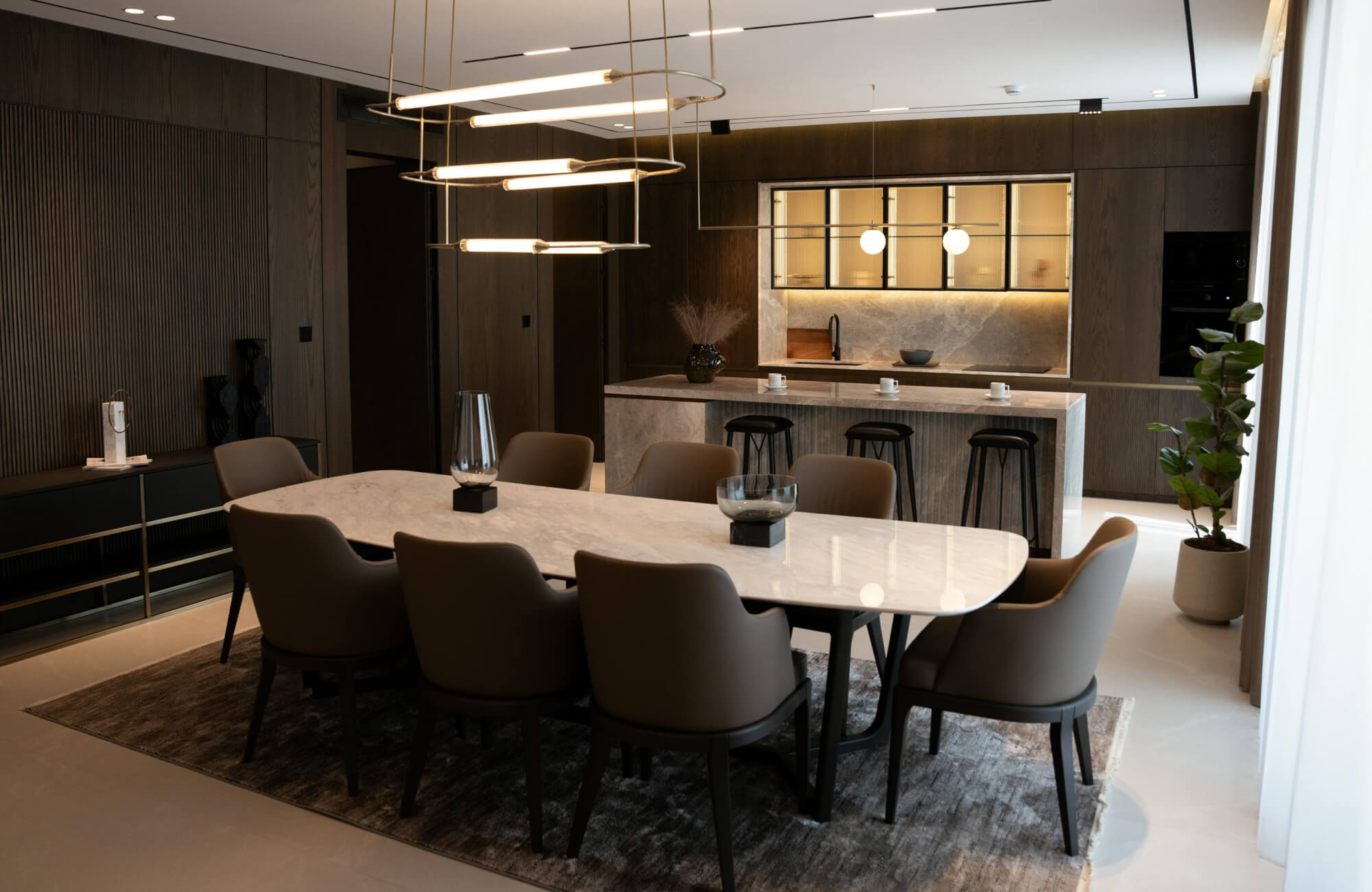
If you enjoy hosting, marble can react differently depending on what you serve and how the table is used throughout the evening. Wine, citrus-based foods, and hot dishes may affect the finish if they remain on the surface for long hours. The photo displayed above, featuring Edward Martin’s Kyla 94.5" Dining Table, illustrates how a well-designed stone surface can anchor a welcoming gathering space. With that in mind, using trivets for warm cookware and placing serving boards under shared dishes also helps protect the tabletop during events. With a few thoughtful adjustments, you can host comfortably while keeping the stone in good condition.
Meal Prep Behaviors
Some households naturally use the dining table as an extra prep surface. If that sounds familiar, marble may require more care around knives, cutting boards, and very hot pans. The stone can scratch or etch when treated like a countertop. If you want a table that handles direct prep without much thought, marble may not be the best match. However, if you prefer keeping food preparation separate from the dining area, marble works beautifully as a dedicated dining surface.
Longevity, Maintenance, and Aftercare Requirements
Marble has the potential to last for decades, but its longevity depends on steady and attentive care. Understanding what maintenance involves helps you set clear expectations before bringing a marble table into your home. It’s always best to follow the manufacturer’s recommendations, as specific care guidelines can vary depending on the type of marble and finish.
Sealing Cycles
Sealing creates a protective barrier that reduces penetration and helps the table resist everyday marks. Depending on the finish, resealing may be needed once or twice a year. You’ll know it is time when the water stops beading on the surface. This quick check helps you stay proactive and preserve the marble’s overall condition.
Cleaning Methods
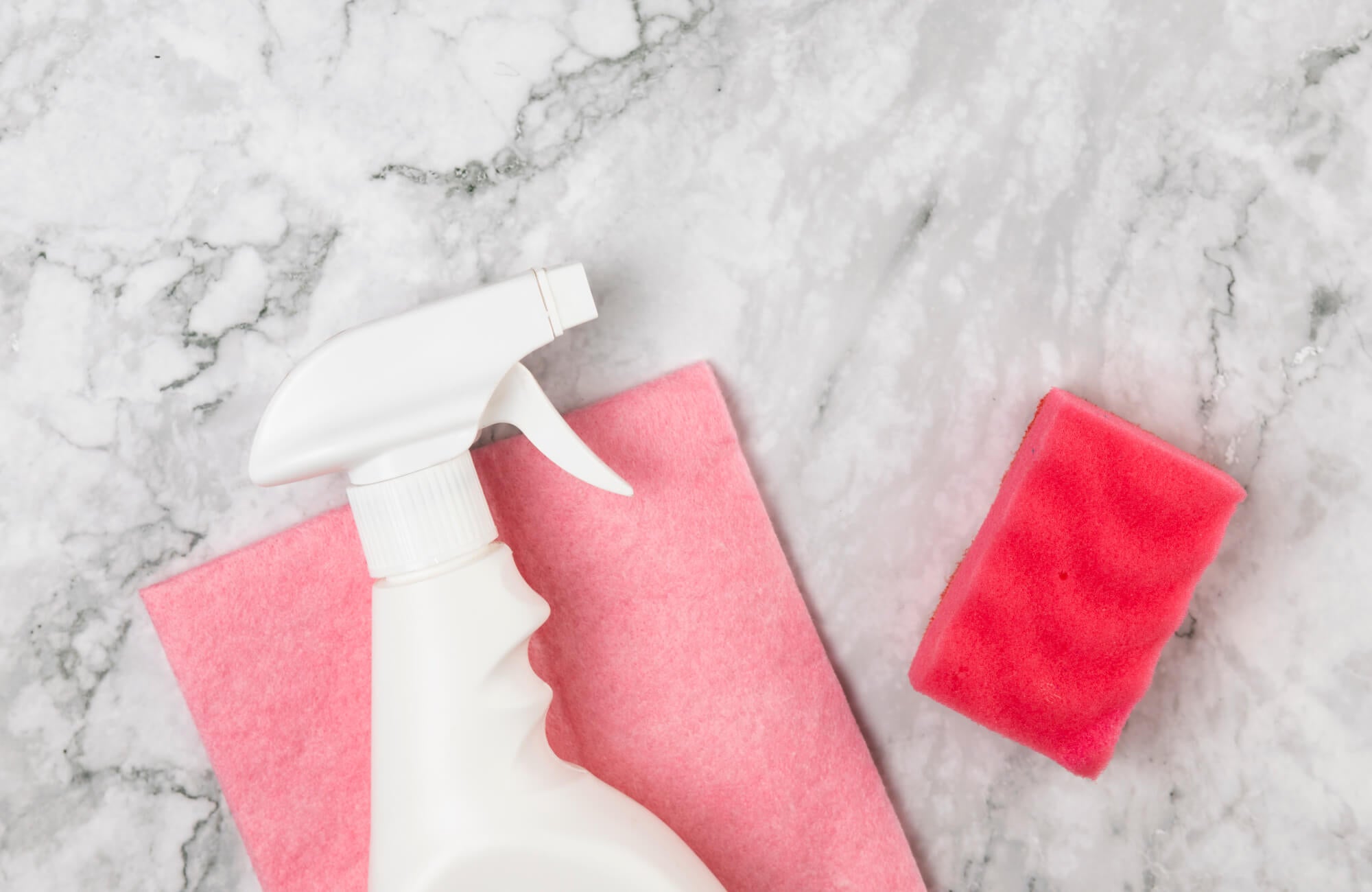
Marble responds well to gentle, consistent cleaning. A pH-neutral stone cleaner helps prevent unwanted reactions, and soft cloths reduce the risk of micro-scratches. Light daily wipe-downs keep the surface looking fresh, while a more thorough weekly clean helps maintain its clarity. It’s best to avoid harsh products, as they can degrade the sealer and cause the table to lose its finish more quickly.
Repair and Restoration
One advantage of marble is that many imperfections can be addressed. Professional stone specialists can polish out etches, buff minor scratches, and fill small chips to restore a smooth surface. Restoration is also useful when the table shows widespread wear or when you want to refresh its finish after years of use. With periodic care, marble can regain much of its original beauty rather than looking worn.
Design Impact and Stylistic Compatibility in Your Home
Marble does more than serve as a dining surface. It influences the room’s overall mood and guides many of the design choices around it. Focusing on its visual qualities helps you understand how marble shapes your space and complements your style.
Balancing Visual Weight
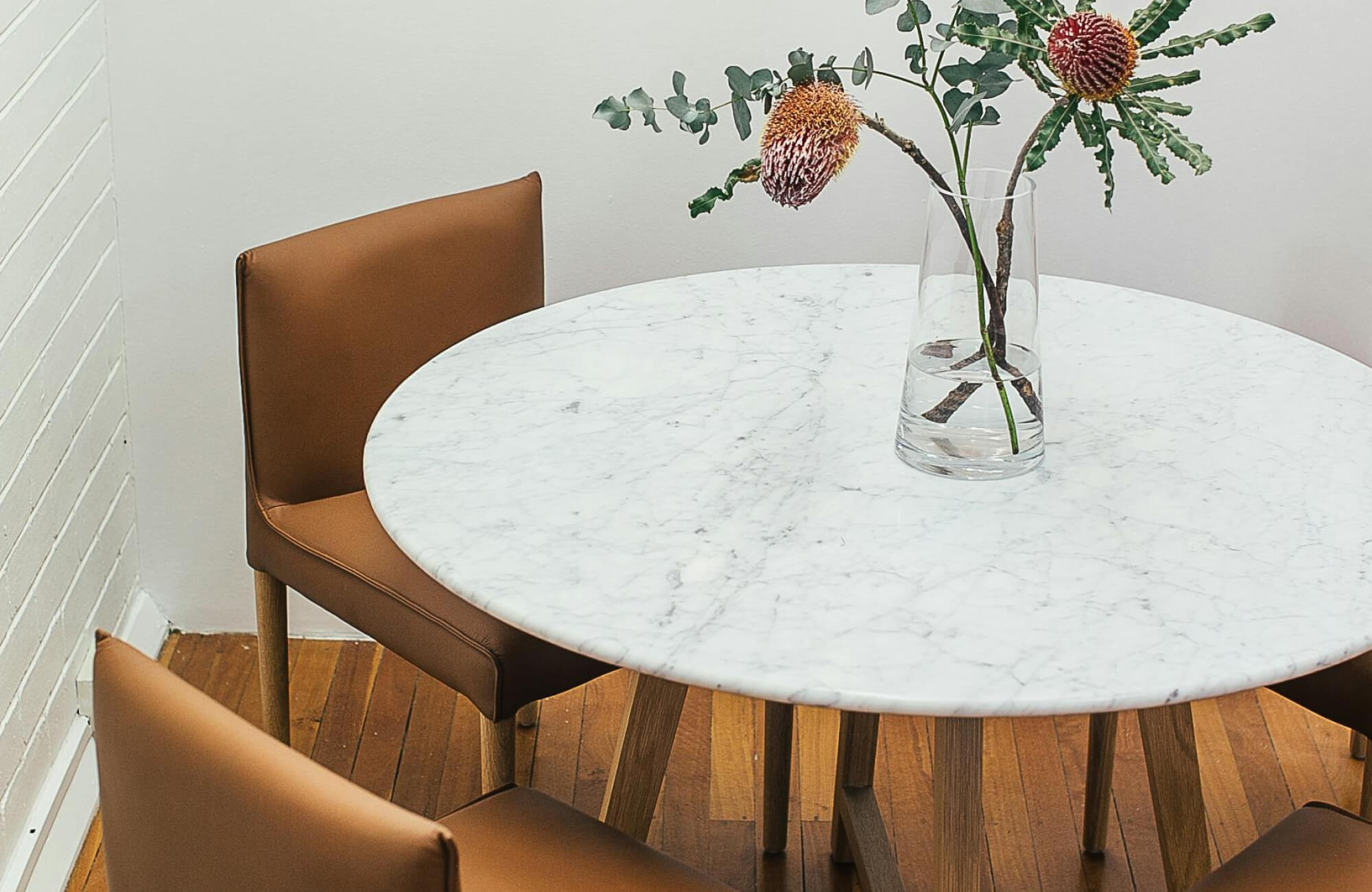
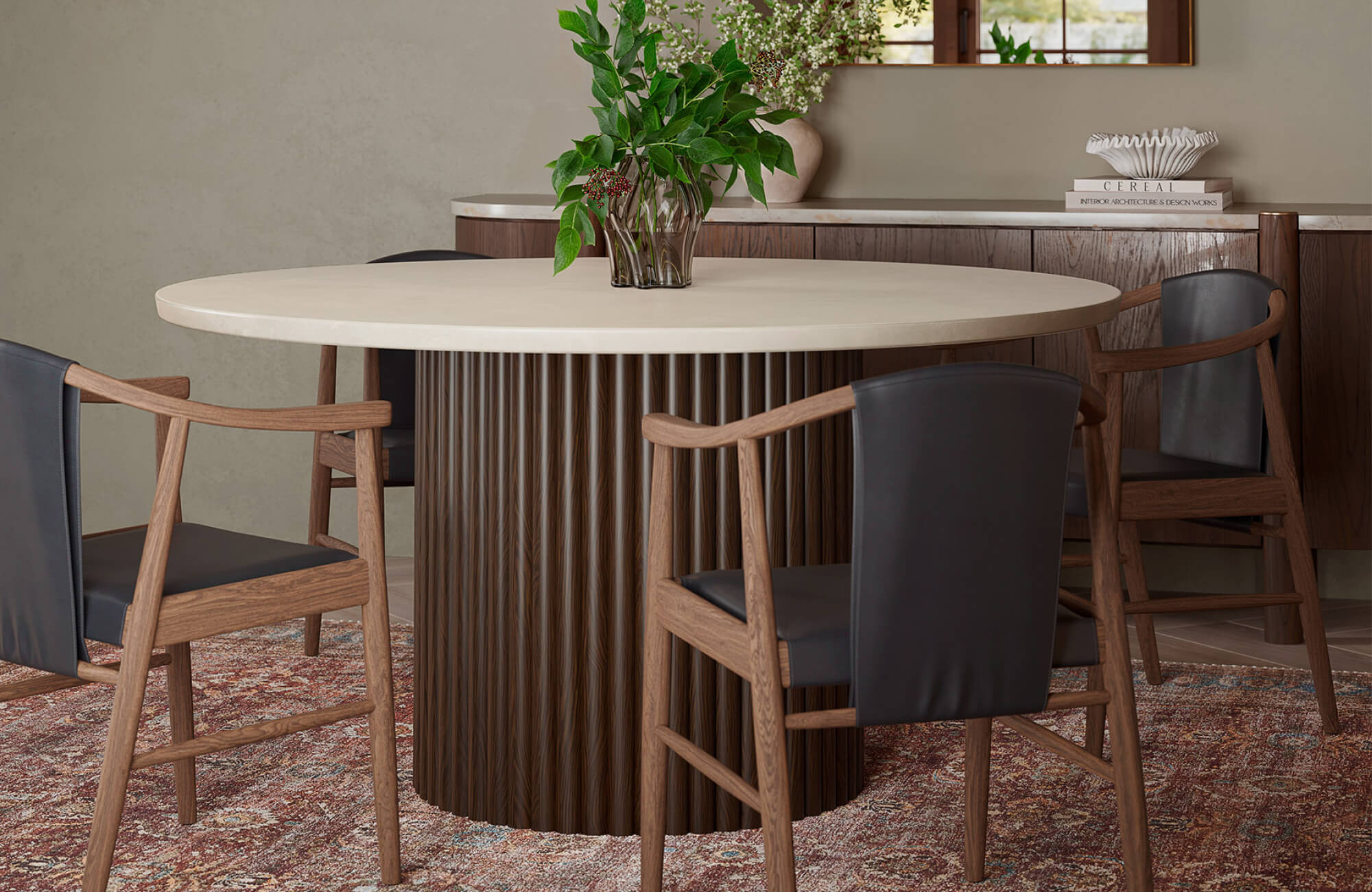
Marble has a substantial presence because of its density and solid form. When incorporating it into a room, it’s helpful to consider how the table affects flow and spacing. A design like Edward Martin’s Leonardo 59" Dining Table in Brown, as pictured above, illustrates how a rounded marble top paired with a sculptural base can anchor a space while still feeling harmonious when surrounded by lighter dining chairs and open architecture. Using streamlined seating, airy fixtures, or slender silhouettes around the table helps balance its visual weight. When the surrounding pieces feel light and spacious, the table stands out as a grounded centerpiece without overwhelming the room.
Color and Veining Coordination
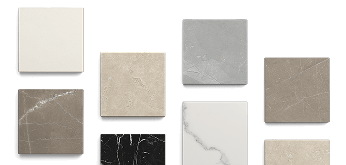
Marble comes in a wide range of tones, each influencing the room’s atmosphere in its own way. White marble brings a crisp, bright look, while cream or beige offers a warmer, softer feel. Gray and black, on the other hand, can create a striking, dramatic presence, while green adds depth and character. As you explore different tones, consider your flooring, wall colors, and surrounding textures. Coordinated pairings can help the table feel naturally integrated rather than competing for attention.
Style Adaptability
Marble adapts well to a variety of décor styles. In modern rooms, for example, it provides a clean, streamlined base for minimalist furniture. In transitional spaces, meanwhile, it adds refinement without overpowering the design. In traditional homes, its natural veining pairs beautifully with classic architectural details. Because it shifts in character depending on its surroundings, marble remains versatile even as your style evolves.
Cost Considerations and Long-Term Value
Choosing marble involves financial decisions that extend beyond the initial purchase. Considering cost from different angles helps you evaluate the investment realistically and understand what long-term ownership entails.
Upfront Investment
Marble pricing can vary significantly based on the rarity of the stone, its thickness, and the level of craftsmanship involved. Slabs with pronounced veining or uncommon origins typically fall at the higher end of the range. Details such as edge profiles and the materials used for the base also influence the final cost. Understanding these elements helps you see where the investment goes and decide whether you prefer a statement piece or a more streamlined, simple design.
Maintenance Costs
Maintaining marble in good condition sometimes involves investing in resealing, professional polishing, or minor repairs. These services help the table maintain its appearance and function over time. Understanding how often this upkeep is needed gives you a clearer sense of what long-term ownership will involve. It can also help you plan, especially if you want the table to look refreshed for specific occasions or seasonal updates.
Resale and Perceived Value
Marble is often associated with timeless appeal, making it desirable for future buyers. If you anticipate selling the table later or moving to a new home, high-quality marble tends to retain interest more effectively than many other materials. Its staying power comes from its natural beauty and the sense of permanence it brings to a space. Because of this, a well-maintained marble table can remain attractive even as design trends shift.
Alternatives to Marble and When They May Be Better
If marble’s characteristics do not align with your lifestyle, there are several strong alternatives worth considering. Considering how other materials perform and what they offer helps you choose a dining table that fits your needs without repeating the same maintenance concerns.
Engineered Stone Options
Quartz, sintered stone, and porcelain slabs offer a marble-like appearance with more consistent performance. These materials resist staining and etching more effectively, making them appealing for households that prefer a low-maintenance, predictable surface. If you want the look of marble without the responsibilities that come with natural stone, engineered options may be the better fit. They also come in a wide range of patterns, giving you flexibility if you have a specific style or color tone in mind.
Other Natural Stones
Granite, quartzite, and travertine each offer distinct qualities while still providing an authentic natural-stone feel. Granite is known for its durability, while quartzite offers a strong surface with more delicate veining. Travertine, by contrast, creates a softer, more organic look. These materials allow you to remain within the natural-stone family while accommodating different expectations. They are also worth exploring if you want a surface that feels substantial but responds differently to everyday use than marble.
Non-Stone Choices
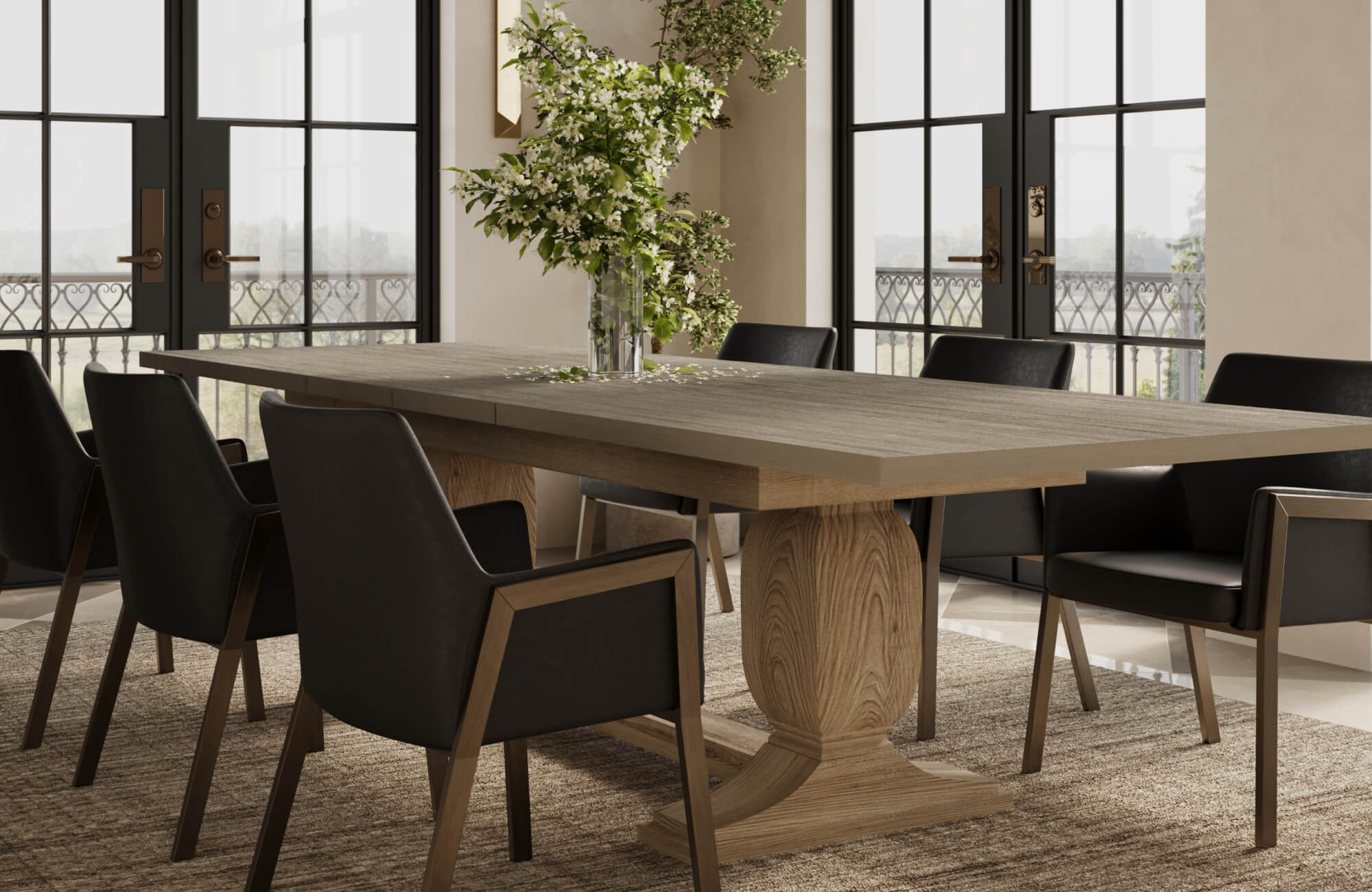
Wood, ceramic, and glass dining tables appeal to those who want a warmer, lighter, or lower-maintenance option. Wood tables offer a warmer, more inviting alternative to marble, especially for households that prefer surfaces that are easier to maintain and less prone to etching. A piece like Edward Martin’s Rebecca 86" to 120" Dining Table in Greige—crafted from a thoughtful blend of solid oak and oak veneer—shows how wood can balance durability with a naturally soft, welcoming appearance. Solid oak provides strength, while high-quality veneer helps prevent warping, makes the table more resistant to moisture fluctuations, and keeps the surface more stable over time. Wood is often the better choice for families who want a forgiving tabletop that hides everyday marks more easily and doesn’t require the same level of ongoing sealing or careful handling that marble demands.
Ceramic and glass tables, meanwhile, meet different needs for those seeking low-maintenance practicality or a lighter visual footprint. Ceramic tops resist heat, stains, and scratches far more effectively than marble, making them ideal for busy kitchens or homes where meals and projects share the same surface. Glass tables, on the other hand, brighten a room and create an open, airy feel, although they do show fingerprints more readily and require frequent wiping to stay clear. Both materials provide strong alternatives when you want durability or visual lightness without committing to the maintenance routine that marble typically requires.
Making an Informed Decision About Marble Dining Tables
A marble dining table can be an excellent choice if you appreciate natural beauty and enjoy a surface that develops character over time. It often suits households that are comfortable with consistent care and open to the subtle changes that occur as the stone ages. If you prefer a material that remains uniform and requires very little upkeep, another option may be a better match. By weighing your lifestyle, expectations, and long-term goals, you can determine whether marble will enrich your home in a meaningful and lasting way. If you need guidance selecting the right table for your space, you can contact us anytime or explore our design service for personalized support.
Follow us on Instagram
@EDWARD.MARTIN
)
)
)
)
)
)
)
)
)
)
)
)
)
)
)
)