Vanity lighting has a bigger impact on daily comfort than most people realize. It shapes how clearly you see yourself, how easy routines feel, and how balanced the bathroom looks overall. Finishes and bulb types quietly influence reflection quality, light softness, and even how long you can comfortably use the mirror. In this blog, we’ll explore how finishes and bulb types shape everyday vanity lighting, and by the end, you’ll have a clearer sense of what works best for real daily use.

Why Vanity Lighting Choices Matter More Than You Think
Vanity lighting plays a bigger role in daily comfort than most people expect, largely because it lets you see yourself more clearly during everyday routines. From grooming to skincare, the right lighting supports accuracy and ease, while poor lighting can quietly add frustration.
How Vanity Lighting Impacts Everyday Tasks and Comfort
Vanity lighting has a direct effect on how comfortable and reliable everyday tasks feel in front of the mirror. When lighting is balanced, it makes fine details easier to see, which matters during routines like shaving, skincare, or makeup application. Poor lighting, on the other hand, often forces you to lean closer or shift your position just to get a clear view. Over time, that extra effort can make the vanity feel tiring instead of supportive. Lighting that feels natural also helps reduce eye strain, especially during longer routines. Since these tasks are part of daily life, comfort-focused lighting can noticeably improve how the space feels overall.
Why Lighting Quality Matters More Than “Brightness”
Brightness alone doesn’t guarantee effective vanity lighting and can sometimes work against comfort. Light quality plays a bigger role in how evenly illumination falls across your face and how natural your reflection appears. Excessively bright light can wash out details, while uneven lighting may exaggerate shadows in unflattering ways. What tends to matter more is how controlled and consistent the light feels during use. Softer, well-distributed lighting often feels easier on the eyes while still offering clarity. Prioritizing quality over raw brightness leads to a setup that feels more dependable day to day.
A good example of why lighting quality matters more than raw brightness is our Madison 12" Socket Wall/Vanity Light in Brushed Gold and Glossy Ribbed Opal Glass, shown above. Its ribbed opal shade softens and diffuses light, helping create even illumination instead of sharp glare. Rather than flooding the mirror with intense light, it delivers a controlled glow that keeps reflections clear and comfortable. This kind of thoughtful lighting shows how quality illumination supports daily routines without overwhelming the space.
How Shadow and Glare Can Throw Off the Whole Setup
Shadows and glare are two of the most common reasons vanity lighting feels uncomfortable or unreliable. Shadows often show up when light comes from a single direction, leaving dark areas that can distort your reflection. Glare tends to happen when light bounces too sharply off mirrors or glossy surfaces, which can feel distracting or irritating over time. Together, these issues make it harder to trust what you’re seeing in the mirror. As routines repeat day after day, that lack of clarity can quietly affect confidence. Balanced lighting helps smooth out these extremes by keeping illumination even and reflections easier to read.
The Connection Between Lighting, Mirror Clarity, and Mood
Vanity lighting affects more than visibility; it also shapes how the space feels emotionally. Clear, balanced light allows mirrors to reflect more accurately, which can make daily routines feel calmer and more controlled. When lighting feels harsh or uneven, the mirror can seem unflattering, subtly shifting your mood without being obvious about it. Softer, more natural-looking light tends to create a relaxed atmosphere that supports a gentler start or end to the day. For instance, lighting that feels calm rather than intense often encourages a slower, more mindful routine. Since mirrors are such a focal point, the way lighting interacts with them plays a big role in both clarity and overall comfort.

Popular Finish Options for Vanity Lighting
The finish of your vanity lighting plays a key role in how the bathroom feels visually, especially because it sits so close to mirrors and surrounding hardware. Finishes influence reflection, contrast, and how light visually reads across surfaces, which can subtly shift the tone of the entire space.
Chrome and Polished Finishes for a Clean, Bright Look
Chrome and polished finishes are often chosen for their crisp, reflective appearance, which can make a bathroom feel lighter and more open. Because these finishes bounce light easily, they tend to pair well with mirrors and glossy surfaces, creating a clean and cohesive look. They also work especially well in bathrooms with cooler palettes or modern styling, where a bright, streamlined feel is the goal. However, their reflective nature means they can stand out quickly if the surrounding finishes feel mismatched. When used intentionally, polished finishes help reinforce clarity and visual sharpness around the vanity. This makes them a popular choice for spaces aiming for a fresh, updated appearance.
Brushed Nickel and Satin Finishes for Soft Balance
Brushed nickel and satin finishes offer a softer alternative to high-shine metals, making them easier to blend into a variety of bathroom styles. Their muted surface reduces harsh reflections, which helps create a calmer and more balanced visual experience. Because these finishes sit comfortably between warm and cool tones, they pair well with mixed materials like stone, wood, or matte hardware. They also feel less visually demanding, which works well in bathrooms designed for everyday comfort. For instance, brushed finishes often complement mirrors without overpowering them. This subtlety makes them a reliable choice when cohesion is the main goal.
Matte Black and Dark Finishes for Contrast and Definition
Matte black and darker finishes add contrast to vanity lighting, helping define the mirror area with a bit more clarity. Rather than reflecting light, these finishes visually absorb it, which can ground the space and add depth. They tend to work especially well in lighter bathrooms, where contrast helps break up softer tones. Since darker finishes carry more visual weight, surrounding elements need to feel coordinated rather than random. For instance, pairing dark lighting with matching hardware helps maintain balance. When used thoughtfully, darker finishes bring structure and a confident sense of design to the vanity area.
A strong example of how dark finishes can add definition without overpowering the space is our Hailey 20" 2 Lights Wall / Vanity Light in Matte Black / Opal Matte Glass, shown above. Its slender black frame creates clear contrast against lighter walls and mirrors, helping the vanity area feel more structured and intentional. The frosted globes soften the light, so the finish adds depth without introducing harshness or glare. This balance shows how matte black lighting can anchor the mirror visually while still supporting everyday comfort.
Warm Metallics Like Brass and Bronze
Warm metallic finishes such as brass and bronze introduce warmth and character into the bathroom. Visually, they soften the space and create a more layered, inviting feel. Their warmer reflection helps balance cooler surfaces like white tile or stone without feeling overpowering. Over time, these finishes often develop a subtle, lived-in quality that adds personality. For example, brass pairs naturally with organic textures and natural materials. When used with intention, warm metallics can add depth while still keeping the overall design comfortable and cohesive.
Choosing a Finish That Works With Mirrors and Hardware
Choosing the right finish often comes down to how well it works alongside mirrors and existing hardware. Finishes that match too closely can feel flat, while too much contrast may feel disjointed. The goal is visual harmony, where each element supports the others without competing for attention. For example, pairing a softer lighting finish with a more defined mirror frame can create balance instead of repetition. It also helps to look at how finishes repeat throughout the bathroom, since consistency ties the space together. When finishes are aligned intentionally, the vanity area feels complete and visually at ease.

Bulb Types for Bathroom Vanity Lighting
The type of bulb used in vanity lighting has a noticeable effect on how the space feels during everyday routines. Beyond brightness, bulb choice influences consistency, comfort, and how dependable the lighting feels from one use to the next. In this section, we’ll take a closer look at the most common bulb types and how they perform in real-world bathroom settings.
LED Bulbs for Efficiency and Consistent Light Output
LED bulbs have become a popular choice for vanity lighting thanks to their reliable performance and low upkeep. They provide steady, consistent light, which helps avoid flickering or uneven illumination during daily routines. Since LEDs last longer than most bulb types, they also reduce the need for frequent replacements, making them practical for bathrooms used every day. Many people appreciate how predictable LED lighting feels when checking details in the mirror. Over time, that consistency supports comfort and helps reduce visual fatigue. For everyday use, LEDs tend to feel dependable and easy to live with.
Incandescent and Halogen Bulbs: Warmth vs Practicality
Incandescent and halogen bulbs are often chosen for their softer, more familiar glow. That warmth can make the vanity area feel inviting and a bit gentler during daily routines. At the same time, these bulbs usually have a shorter lifespan, which means replacements are needed more often. As they age, light output can also become less consistent, sometimes dimming before they burn out. This creates a clear tradeoff between atmosphere and long-term convenience. For many people, choosing these bulbs comes down to whether warmth or practicality matters more in day-to-day use.
Integrated LED Fixtures vs Replaceable Bulbs
Integrated LED fixtures and replaceable bulbs each offer different advantages, depending on how the bathroom is used. Integrated lighting is designed as a single system, which often results in even, uniform light and a cleaner overall look. This can make performance feel more predictable from day to day. Replaceable bulbs, meanwhile, offer more flexibility, since they can be swapped out as needs or preferences change. For example, updating a bulb is usually much simpler than replacing an entire fixture. Both approaches can work well, with the choice often coming down to whether consistency or adaptability feels more important.
How Bulb Shape Affects Light Spread Around the Mirror
Bulb shape plays a quiet but meaningful role in how light spreads around the mirror. Some shapes distribute light more evenly across the face, helping reduce dark spots or uneven illumination. Others focus light in a specific direction, which can introduce contrast or shadows if the setup isn’t balanced. These differences become more noticeable during close-up tasks, where even light matters most. For instance, a bulb that spreads light broadly can make reflections feel clearer and more dependable. Keeping bulb shape in mind alongside comfort and usability helps support a more balanced lighting setup.

Light Color Temperature and How It Affects Your Reflection
Light color temperature plays a major role in how your reflection looks and how comfortable the bathroom feels during daily routines. It influences skin tone accuracy, mirror clarity, and whether the lighting feels soft or overwhelming.
Warm vs Neutral vs Cool Light in Bathroom Settings
Warm, neutral, and cool lighting each shape your reflection in noticeably different ways. Warm light tends to soften skin tones, which can feel more forgiving, though it may reduce clarity during detail-focused tasks. Neutral light usually strikes the best balance, sitting between warmth and coolness while keeping skin tones looking natural. Cool light appears crisp and bright, although it can feel harsh if used heavily in smaller or enclosed bathrooms. These differences become more noticeable during grooming or skincare routines where accuracy matters. Knowing how each light type behaves makes it easier to avoid lighting that feels uncomfortable over time.
Choosing the Right Kelvin Range for Everyday Use
Choosing the right Kelvin range helps vanity lighting feel comfortable and dependable throughout daily use. Lighting that leans too warm can make the space feel dim, while cooler ranges may exaggerate shadows or wash out skin tones. Many people gravitate toward balanced lighting that supports clarity without feeling sharp. This balance helps tasks like shaving or makeup application feel more accurate and less tiring. For example, lighting that resembles natural indoor light often feels easier on the eyes. A practical Kelvin range keeps the vanity functional without drawing attention away from the routine itself.

Vanity Lighting Alternatives That Work Just as Well
Traditional vanity lights are not the only way to achieve comfortable, functional lighting around the mirror. In many bathrooms, alternative lighting options can offer better balance, reduce shadows, or improve visual comfort depending on the layout. These alternatives also allow more flexibility, making it easier to tailor lighting to different spaces and design preferences.
Wall Sconces as a Balanced Alternative to Over-Mirror Lights
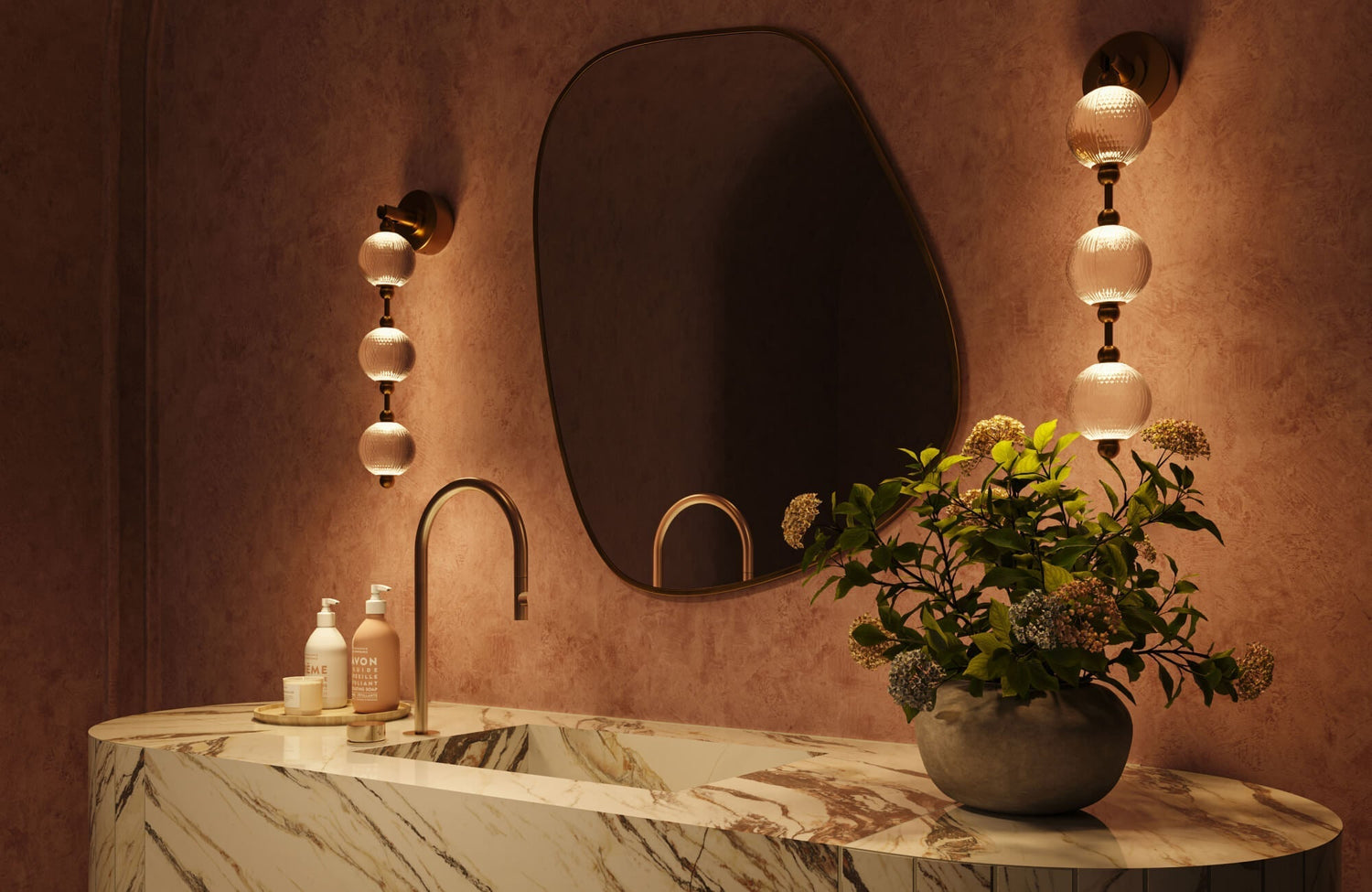
Wall sconces placed on either side of the mirror offer a more balanced approach to vanity lighting. With light coming from both directions, they help reduce uneven shadows that often appear with overhead fixtures alone. This creates a clearer and more reliable reflection during daily routines. Sconces also keep the mirror area feeling open, rather than visually heavy from above. For instance, side lighting tends to illuminate facial features more evenly. Overall, this setup often feels more comfortable and natural for everyday use.
A strong example of this approach is our Rycroft Wall Sconce in Polished Nickel, shown above. Placed on either side of the mirror, its twin cylindrical glass diffusers help deliver even, face-level illumination without relying on overhead lighting. The reflective nickel finish keeps the light feeling bright but controlled, avoiding harsh glare on the mirror surface. This setup shows how wall sconces can support clarity and comfort while keeping the vanity area visually balanced and uncluttered.
Pendant Lights Used Beside or Near the Vanity
Pendant lights can work well as an alternative when placed beside or near the vanity mirror. Rather than casting light straight down, they help distribute illumination closer to eye level, which improves visibility. This approach suits bathrooms with limited wall space or those aiming for a softer, more decorative look. Pendants can also help reduce harsh glare by offering a more controlled light source. Since they sit slightly away from the mirror, they add flexibility without crowding the space. When used thoughtfully, pendant lighting supports both visual comfort and balance.
Backlit Mirrors and Integrated Lighting Options
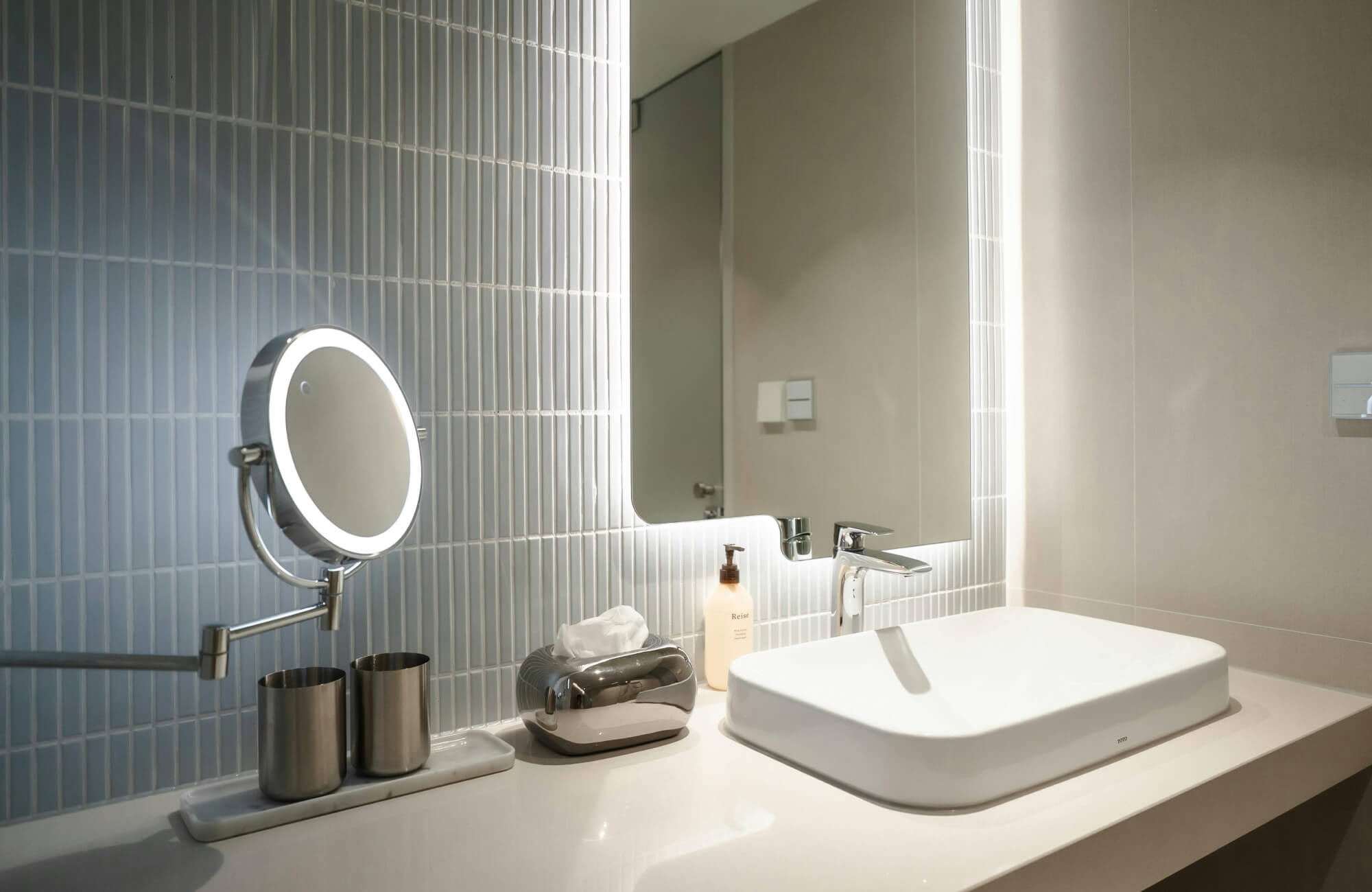
Backlit mirrors and integrated lighting offer a clean, low-profile approach to vanity lighting. By diffusing light from behind or within the mirror, they help soften shadows and reduce harsh glare. This creates a more even reflection that feels gentler on the eyes during close-up tasks. Keeping the lighting integrated also helps the vanity area feel visually calm, with fewer elements competing for attention. For example, evenly diffused light can make daily routines feel steadier and less rushed. These options tend to work best in bathrooms where simplicity and visual ease are priorities.
Creating A Vanity Lighting Setup That Works Day To Day
Choosing the best finishes and bulb types for vanity lighting ultimately comes down to how the space supports your daily routine. Small details like light quality, finish tone, and bulb behavior can quietly shape comfort, clarity, and how confident you feel in front of the mirror. When these elements work together, the vanity becomes easier to use and more visually balanced. Taking the time to make intentional lighting choices helps the bathroom feel supportive rather than frustrating.
If you’re unsure how to bring all of these elements together, a personalized approach can make the process feel much clearer. Our design consultation is designed to help you align lighting finishes, bulb types, and layout with how you actually use your space. By looking at the full picture, it becomes easier to avoid guesswork and build a vanity setup that feels comfortable long term. A thoughtful plan now can make everyday routines feel smoother and more enjoyable.