
)
)
)
)
)
)
)
)
Standard Pillowcase Size Mistakes That Affect Styling
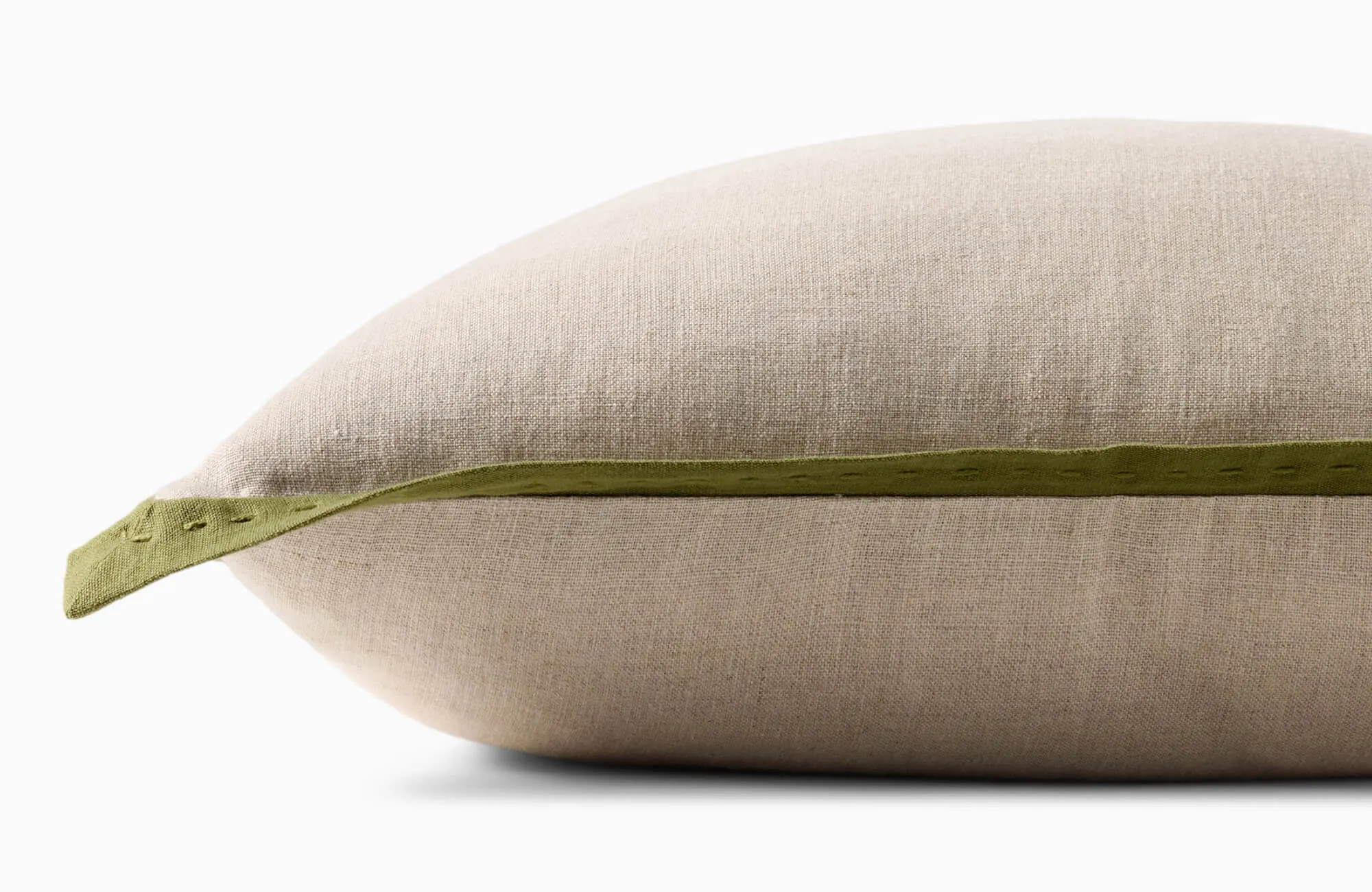
A standard pillowcase may seem like one of the simplest elements in a bedroom, yet it can noticeably influence how finished, balanced, and intentional a bed appears. When the size is wrong, or when the pillowcase does not suit the pillow, mattress, fabric, or surrounding decor, the entire bed can feel slightly unresolved. The issue is not always obvious at first glance. A pillow may be covered, the bedding may be clean, and the arrangement may be symmetrical, but the proportions can still feel flat, crowded, sparse, or visually uneven.
For readers searching for standard pillowcase size mistakes, the question is usually more specific than dimensions alone. They may want to know why a standard pillowcase looks too small on a queen bed, why the corners collapse, why the case feels too loose after washing, or whether pillow shams would create a more polished look. Standard pillowcases are commonly sized around 20 by 26 inches, but styling depends on more than that measurement. The better question is how that size behaves in real use, once fabric, pillow loft, bed width, layering, and room scale all come into play.

Preston 8 x 48 Matte Porcelain Tile in Poplar brings a soft, wood-look foundation to the bedroom, balancing the gray upholstered bed, warm bedding, and textured wall surfaces.
What Standard Pillowcase Size Really Means for Bed Styling
Before a styling mistake can be corrected, the reader needs a clear sense of what “standard” actually means. A standard pillowcase size is usually discussed as a measurement, but styling depends on how that measurement behaves once a pillow is inside it and placed on a bed. The same standard case can look balanced on a twin bed, modest on a full bed, and visually underscaled on a king bed. That makes standard sizing the starting point, not the whole answer.
Standard Pillowcase Dimensions and Common Variations
A standard pillowcase is commonly listed at approximately 20 by 26 inches. It is designed to fit a standard bed pillow, which is often used on twin, full, and sometimes queen beds. Queen pillowcases are typically longer, often around 20 by 30 inches, while king pillowcases are longer still, commonly around 20 by 36 inches. These dimensions provide a useful reference point, but they should not be treated as fixed across every brand or textile collection.
Small differences in seam allowance, closure design, fabric type, and manufacturing standards can change how a pillowcase feels and looks. A pillowcase labeled standard may have a slightly more generous cut, while another may fit more closely. Natural fibers can also shift subtly after laundering, especially if exposed to high heat. For that reason, sizing should be considered a guide rather than a guarantee. Always check the manufacturer’s dimensions and care recommendations before making a final purchase or judging fit after washing.
A common source of confusion is that the word “standard” can refer to both the pillow and the pillowcase. A standard pillow belongs inside a standard pillowcase, but some sheet sets may include standard pillowcases even when paired with full or queen bedding. That can create a functional fit, yet the bed may still look visually underdeveloped if the pillow arrangement does not match the mattress width.
The table below gives a practical styling comparison rather than a strict product specification.
Pillowcase Type Common Size Best Styling Use Possible Styling Issue Standard 20 x 26 in. Twin, full, guest beds, simple bedding May look small on larger beds Queen 20 x 30 in. Queen beds, longer pillows May look loose on standard pillows King 20 x 36 in. King beds, wide pillow layouts May overwhelm smaller beds
These measurements are helpful for orientation, but the finished look depends on how the case interacts with the pillow and the bed.
Why a Technically Correct Size Can Still Look Wrong
One of the most frequent pillowcase styling mistakes is assuming that a technically correct size will automatically look refined. A standard pillowcase may fully cover a standard pillow and still look limp, strained, or visually too small for the bed. This is where the difference between technical fit and visual fit becomes important.
Technical fit means the pillow fits inside the case. Visual fit considers whether the pillowcase looks proportionate, full, neat, and appropriate within the bed arrangement. A standard pillowcase on a low-loft pillow may produce empty corners and a flattened surface. The same case on a dense, overfilled pillow may pull tightly across the seams and distort the rectangular shape. Neither result necessarily means the pillowcase size is incorrect on paper, but both can affect styling.
Visual fit is also influenced by what surrounds the pillow. A bed with a tall upholstered headboard, substantial nightstands, layered rugs, and statement lighting may need a fuller pillow arrangement to feel balanced. A low-profile platform bed in a minimal room may look better with fewer pillows and standard cases. The pillowcase size has to be understood as part of a composition, not as an isolated measurement.
Standard Pillowcases Across Twin, Full, Queen, and King Beds
Standard pillowcases usually feel natural on twin beds because the pillow width and mattress width are proportionate. On a full bed, two standard pillows can often create a clean and balanced arrangement, especially when the bedding style is simple. The proportions become more complex on queen and king beds, where the mattress width creates more horizontal space.
On a queen bed, standard pillowcases can work well for sleeping pillows, but they may look modest if used as the primary visible layer. This is especially true when the bed has a substantial duvet, tall headboard, or large-scale decor nearby. Queen pillows or decorative shams can add enough length and structure to make the bed feel more complete without changing the comfort pillows a sleeper prefers.
On a king bed, standard pillowcases often need support from additional layers. Two standard pillows may leave the bed looking narrow across the top, while king pillows, king shams, Euro shams, or a layered arrangement can fill the width more convincingly. The guiding principle is simple: choose pillowcases that fit the pillow first, then evaluate whether the full pillow arrangement fits the bed.
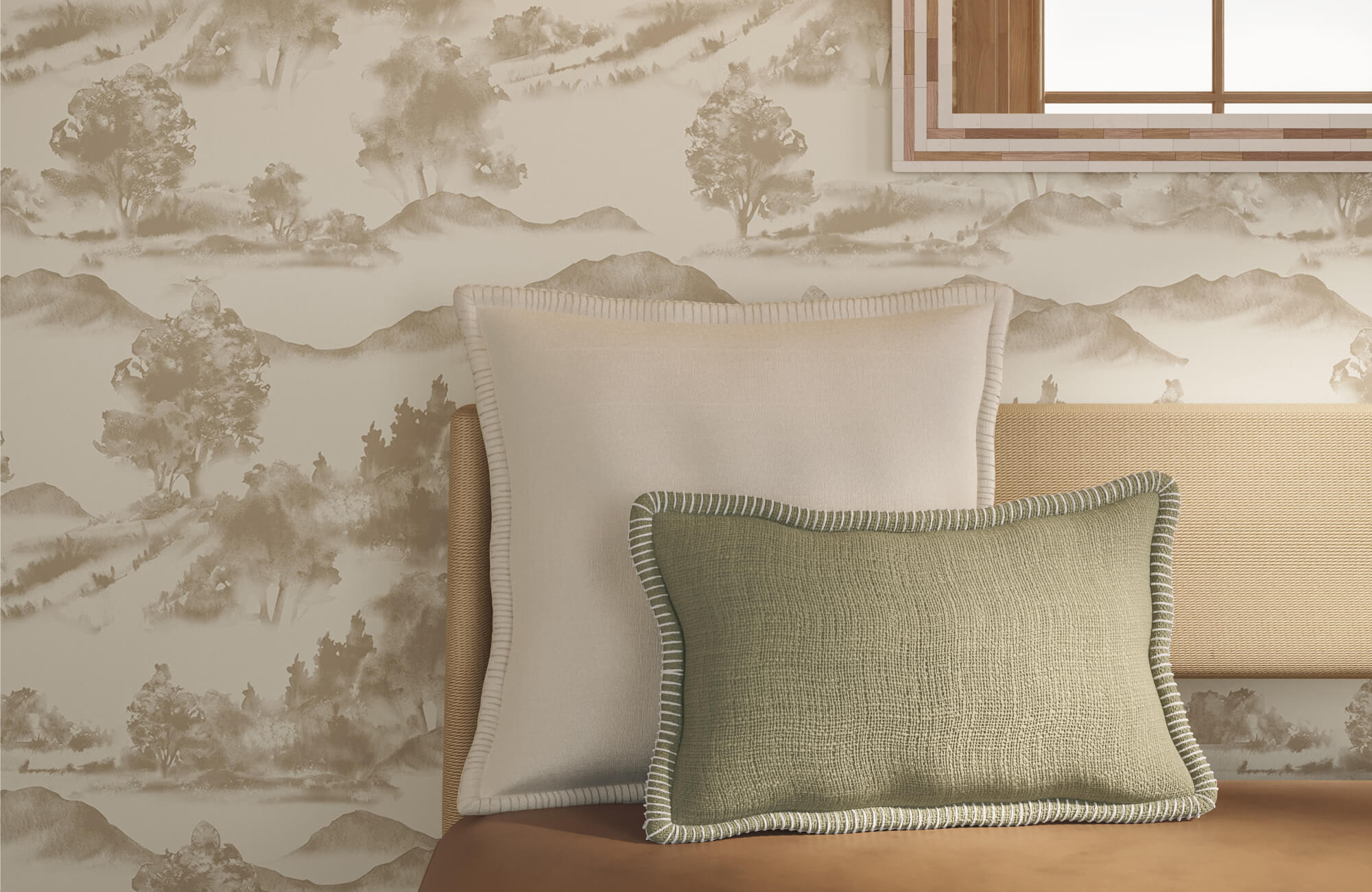
Merelle 13" x 21" Down Pillow in Olive adds a textured accent layer against the neutral pillow and Corvello Banquette in Brown, creating depth through soft fabric, muted color, and patterned wall detail.
Mistake 1: Choosing Pillowcases Without Considering Pillow Fit
Once the basic dimensions are clear, the next mistake is assuming the pillowcase alone determines the finished look. In reality, a pillowcase depends on the pillow inside it. A low-loft insert can make a standard pillowcase look loose and empty, while a dense or oversized pillow can make the same case look strained. Good styling starts with the fit between the pillow and the case before the pillow ever reaches the bed.
Ignoring Pillow Loft and Firmness
Pillow loft refers to the height or thickness of the pillow when it rests naturally. It is one of the most important factors in how a pillowcase looks, yet it is often overlooked because sizing conversations tend to focus on length and width. Two pillows can share the same standard dimensions and still behave very differently inside the same case if one is soft and low, while the other is firm and high.
A low-loft pillow may sink into a standard pillowcase, leaving loose fabric along the edges and corners. This can make the pillow look tired, even when it is clean and properly covered. Empty corners are especially noticeable in crisp fabrics because the case holds its shape while the pillow inside does not fully support it. The same principle applies to decorative pillow covers. Edward Martin's Merelle 22" x 22" Pillow Cover in Ivory, for example, relies on enough insert fullness to support its square face and softly raised edge; without that loft, the woven surface would lose the calm, structured presence that makes it useful as a backing layer.
A high-loft or firm pillow creates the opposite problem. It can push strongly against the seams, round out the corners, and make the pillowcase look tight. In some cases, the opening may gap or the pillow may appear compressed. Memory foam pillows, dense down alternative pillows, and firm fiberfill pillows can all create this effect if the case does not allow enough ease.
Comfort should remain part of the decision. A pillow chosen for neck support should not be replaced solely for appearance. Instead, the better approach is to match the pillowcase to the pillow’s real structure, not only its labeled size.
Using a Pillowcase That Is Too Large for the Insert
A slightly roomy pillowcase can look relaxed in the right setting, particularly with linen or softer cotton. Too much extra fabric, though, often reads as accidental rather than effortless. The most common signs are sagging ends, collapsed corners, visible wrinkling, and a pillow that shifts inside the case during use.
This mistake often happens when queen pillowcases are used on standard pillows or when a standard pillow has lost volume over time. The pillow may still be comfortable, but the case no longer has enough internal support to look clean. On a made bed, that lack of structure can interrupt the surface of the bedding and make the arrangement feel less composed.
The solution is not always to buy a smaller case. Sometimes the better correction is a fuller pillow insert or a pillow protector that adds subtle structure. If the pillow is old, flattened, or unevenly filled, a correctly sized pillowcase will not fully disguise the issue. Styling depends on the insert and the textile working together.
Styling Problem Likely Cause Better Solution Empty pillowcase corners Pillow is too flat or small Use a fuller insert or smaller case Bulging seams Pillow is too large or firm Size up or choose a more flexible case Pillow shifts inside case Case is too roomy Match pillow and case more closely Case opening gaps Pillow is too thick or closure is weak Consider envelope or zipper closure Bed looks flat Low-loft pillows Add fuller sleeping pillows or shams
This diagnostic approach helps identify whether the issue is size, pillow condition, closure style, or the broader bedding arrangement.
Using a Pillowcase That Is Too Small for the Pillow
A pillowcase that is too small can make a bed look just as unfinished as one that is too large. The case may pull tightly across the pillow, creating a rounded or bulging shape instead of a clean rectangle. Seams can appear strained, corners may look overfilled, and the pillow may push out through the open end.
This often happens when a queen pillow is placed in a standard pillowcase. Some standard pillowcases may accommodate queen pillows depending on the cut and the pillow’s loft, but the result is not always polished. A slim queen pillow may fit acceptably, while a fuller one may make the case look compressed.
A too-tight fit also changes the mood of the bed. Instead of appearing tailored, it may look forced. The difference is subtle but important. Tailored bedding has clean edges, controlled volume, and intentional alignment. Overstuffed bedding looks tense, as though the components are competing with each other.
If the goal is a polished arrangement, the pillowcase should allow the pillow to fill the case without distorting it. A small amount of ease helps preserve the pillow’s shape, supports comfort, and keeps the bed looking composed.
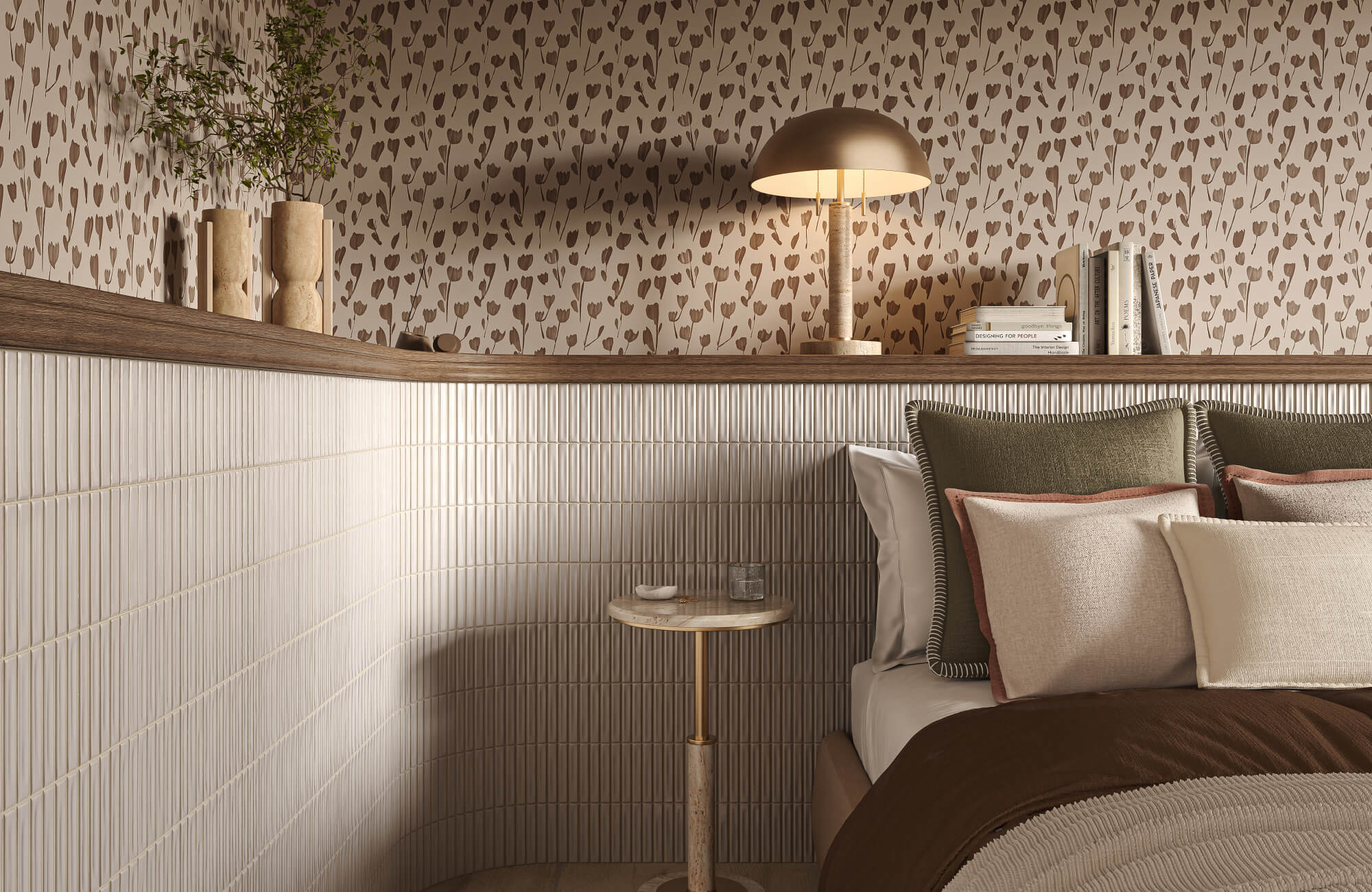
Celia 5 x 10 Glossy Ceramic Tile in Deep White and Petaline Wallpaper in Taupe I, 52" x 132" create a layered backdrop for the bed, while the textured pillows echo the room’s warm brown and neutral palette.
Mistake 2: Styling the Bed Without Accounting for Scale and Proportion
After the pillow and pillowcase fit each other, the next question is whether they fit the bed visually. Standard pillowcases can be completely appropriate on smaller beds but feel underpowered on larger mattresses. This is where styling becomes less about the label on the package and more about scale, repetition, and visual weight. A well-made bed should feel connected to the size of the mattress and the surrounding room.
Using Standard Pillowcases on Larger Beds Without Support Layers
Standard pillowcases are not inherently wrong for queen or king beds. The mistake is relying on them alone when the bed needs more width, height, or structure. Larger mattresses create more visual space at the head of the bed, and two standard pillows can sometimes leave that area looking sparse.
On a queen bed, standard pillows may serve well as sleeping pillows but may need shams or queen pillows behind them to create a fuller presentation. On a king bed, the difference is more pronounced. Two standard pillows rarely span the width with enough presence, especially if the headboard is tall or the bedding is layered.
Support layers solve this without compromising sleep comfort. Standard sleeping pillows can remain part of the arrangement, while king shams, Euro shams, or decorative pillows add scale. Edward Martin's Merelle 22" x 22" Pillow Cover in Olive illustrates how a square decorative layer can add structure and color in front of a larger pillow without making the bed feel crowded. Its textured surface and defined border create enough presence to help the arrangement feel complete, while the smaller foreground placement keeps the sleeping pillows functional. The goal is not to create an excessive pillow display. It is to make sure the bed’s top third feels proportionate to the mattress and the room.
Matching Pillowcase Size to Bed Width and Pillow Count
Pillow count influences proportion as much as pillowcase size. A single standard pillow suits a twin bed because the scale is aligned. Two standard pillows on a full bed often feel balanced, especially with a simple duvet or coverlet. On a queen bed, the same two pillows may look neat but slightly narrow. On a king bed, they can feel visually incomplete.
The best arrangement depends on both function and appearance. Some people prefer fewer pillows for daily ease. Others want a layered presentation that feels more architectural. A minimal bed can still look refined with standard pillowcases if the bedding is well scaled and the surrounding room is restrained. A more furnished bedroom may need additional visual weight at the bed.
Bed Size Common Styling Mistake Better Styling Approach Twin Too many large pillows Keep standard pillows simple and proportional Full Pillow arrangement looks unfinished Use two standard pillows or add one accent layer Queen Standard pillows look small Use queen pillows, shams, or fuller layering King Standard pillows lack width Use king pillows, Euro shams, or multiple layers
When assessing pillowcase styling, step back from the bed and view it from the doorway. That perspective often reveals whether the pillows feel proportionate or whether they disappear against the width of the mattress.
Confusing Sleeping Pillows With Decorative Styling Layers
Pillowcases and shams are often used interchangeably in casual conversation, but they serve different styling purposes. A pillowcase is primarily functional. It protects a sleeping pillow and provides a comfortable surface. A sham is more decorative, often designed to create a finished face on the bed.
This distinction matters because sleeping pillowcases alone may not deliver enough structure. Standard pillowcases tend to be softer and more practical in appearance, while shams often have flanges, closures, or decorative details that give the bed a more considered look. Treating pillowcases and shams as the same layer can leave the bed feeling unfinished, especially in more formal or design-forward bedrooms.
A successful arrangement often uses both. Sleeping pillows can sit behind or in front of shams depending on the preferred look. Euro shams can add height against a headboard, while standard or king shams can create a broader horizontal line. Pillowcases remain essential, but they do not need to carry the entire styling composition by themselves.
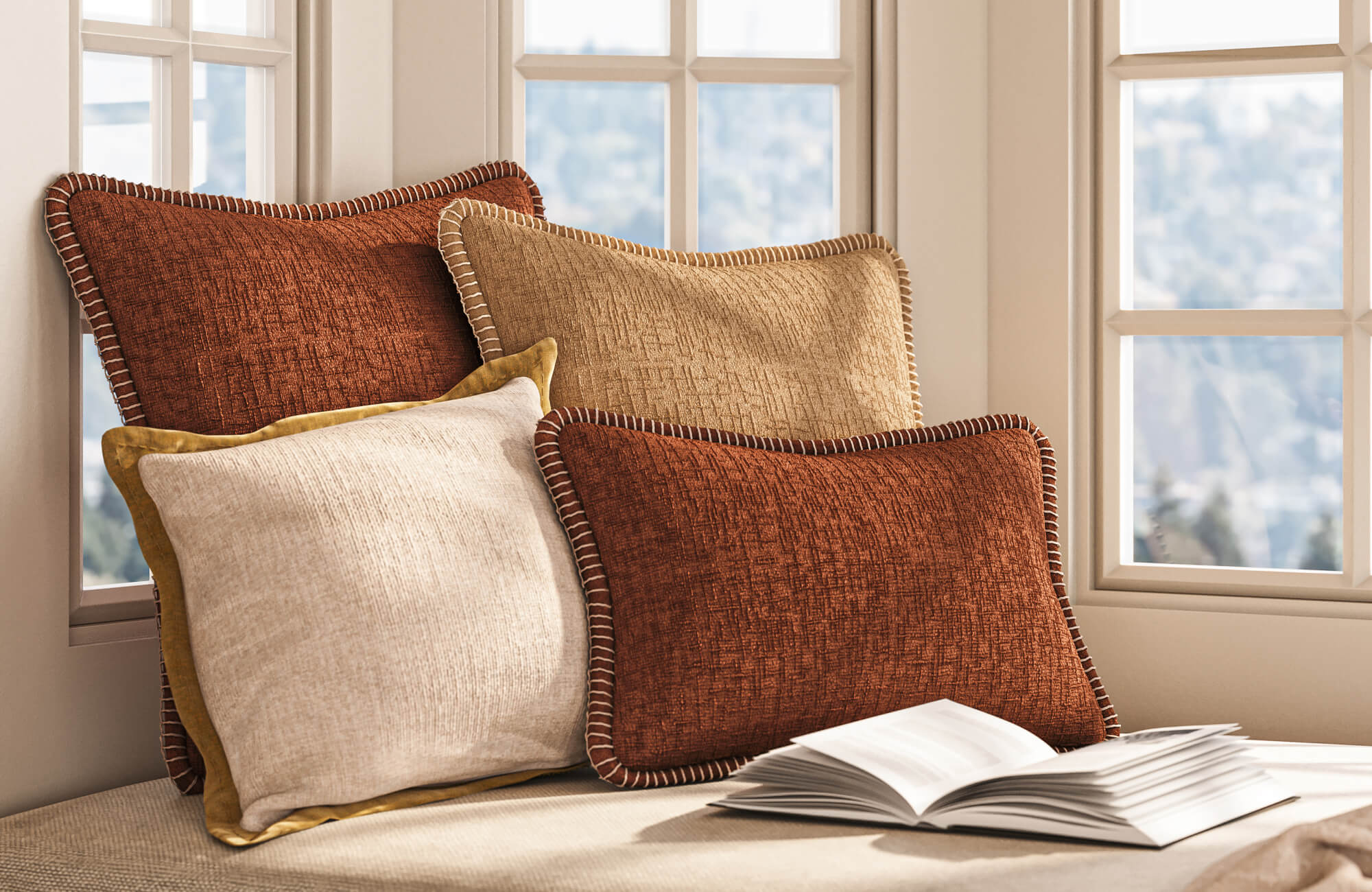
Brielle 18'' x 18'' Down Pillow in Natural / Mustard and Merelle 22" x 22" Down Pillow in Terracotta bring structure, color contrast, and woven texture to a relaxed window-side pillow arrangement.
Mistake 3: Overlooking Fabric, Closure, and Construction Details
Size may determine the starting fit, but fabric and construction determine how that fit appears day after day. A crisp cotton pillowcase, a relaxed linen pillowcase, and a smooth sateen pillowcase can all be the same size and still create very different styling outcomes. Closure style also matters because the end of the pillow is often where a neat bed begins to look messy. These details are easy to miss, but they can strongly influence whether standard pillowcases look intentional or improvised.
Choosing Fabric Without Considering Drape and Structure
Fabric changes the way a standard pillowcase holds its shape. Percale, often valued for its crisp hand, can create a clean and structured look. That same crispness may also make wrinkles more visible if the pillow is underfilled or the case is not smoothed after laundering. Sateen has a smoother, softer surface and can appear more fluid, which may suit a polished but less rigid bed.
Linen introduces a different visual language. Its relaxed texture and natural rumple can make a standard pillowcase feel casual, tactile, and layered. In a bedroom with organic materials, woven rugs, warm woods, or textured wall finishes, linen can look intentional rather than wrinkled. In a very formal setting, the same looseness may feel less precise. Edward Martin's Merelle 22" x 22" Pillow Cover in Tan offers a useful example of this balance: the woven face gives the pillow a tactile, softened quality, while the square silhouette and stitched edge keep it from reading as shapeless.
Silk and satin pillowcases tend to drape more fluidly and may shift more easily on the pillow. They can be beautiful and practical for certain preferences, but they may not create the most structured bed presentation. The desired effect should guide the fabric choice. A tailored bed benefits from cleaner edges and more body. A relaxed bed can accommodate softer movement.
Fabric Type Styling Effect Possible Fit Concern Percale Crisp and clean Wrinkles can appear sharper Sateen Smooth and polished May drape more softly Linen Relaxed and textured Can look rumpled or casual Silk/Satin Sleek and fluid May slip or lose structure
The right fabric is not only a matter of touch. It affects how the pillowcase reads from across the room.
Ignoring Pillowcase Closure Style
Closure style has a direct effect on pillowcase presentation. An open-end pillowcase is traditional and easy to use, but it can expose the pillow if the case is too short, the pillow is too full, or the opening faces outward. Even when the pillow is not visible, excess fabric at the end can create an uneven side profile.
Envelope closures help contain the pillow more discreetly. They can make the end of the pillow look cleaner, especially when the bed is viewed from the side. This is useful for standard pillowcases that sit in front of shams or decorative layers, where small details become more visible.
Zipper closures provide the most containment, though they can feel more contemporary and may not suit every bedding style. They are helpful when pillows tend to shift or when a cleaner edge is desired. The choice should consider both comfort and appearance. A closure that looks neat but feels intrusive during sleep may not be the best choice for a primary sleeping pillow.
Forgetting About Shrinkage, Laundering, and Long-Term Fit
Pillowcase fit can change over time. Natural fibers, especially cotton and linen, may shrink depending on weave, finish, water temperature, drying method, and care routine. A pillowcase that once had enough ease may feel tighter after repeated high-heat drying. Another may soften so much that it loses the structure that originally made it look crisp.
Care practices also affect surface appearance. Twisted seams, uneven hems, deep wrinkles, and misshapen corners can all make a standard pillowcase look poorly sized even when the dimensions are correct. Following manufacturer care guidelines is especially important for premium textiles, where fabric performance depends on proper laundering.
If pillowcases begin to look different after several washes, measure them again and compare them to the pillow. The problem may not be the original size choice, but a change in the textile. Adjusting the care method, replacing flattened pillows, or selecting a more suitable fabric can restore a cleaner presentation.

Zevara Square Dining Table in White Oak, 60" anchors the nook, while Essex Wallpaper in Terracotta II, 52" x 132" and the surrounding pillows add soft pattern, texture, and warmth to the compact space.
Mistake 4: Treating Pillowcase Styling as Separate From the Bedroom Design
Pillowcases sit on the bed, but they do not exist in isolation. Their scale and color interact with the headboard, wall treatment, rug, lighting, nightstands, mirrors, and nearby decor. A standard pillowcase that looks perfectly balanced in one room can seem too plain, too small, or too busy in another. Strong styling comes from seeing pillowcases as part of the larger bedroom composition rather than as a separate bedding decision.
Coordinating Pillowcase Scale With Headboards and Wall Features
A headboard changes how pillows are perceived. Against a low, simple headboard, standard pillows may feel quiet and proportionate. Against a tall upholstered headboard, paneled wall, wallpapered backdrop, or dramatic mirror arrangement, they may appear too small unless supported by additional layers.
Wall features also influence how much visual weight the bed needs. A room with patterned wallpaper, bold artwork, or architectural surfaces can make a sparse pillow arrangement feel underdeveloped. A calmer wall treatment may allow standard pillowcases to remain simple and understated. Neither approach is inherently better. The important point is that the pillow arrangement should respond to the vertical plane behind it.
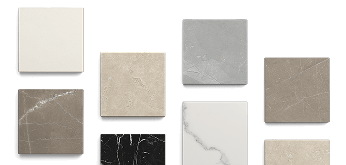
In rooms where tile appears near the bedroom, such as an ensuite transition, fireplace surround, feature wall, or adjacent dressing area, material undertones can influence bedding choices. Tile Samples can be useful for checking color temperature, texture, and finish against fabrics in the room’s actual light. This kind of comparison helps prevent small mismatches that become more noticeable once textiles, hard surfaces, and decor are viewed together.
Balancing Pillowcases With Rugs, Lighting, and Furniture
A bed is usually the visual anchor of the bedroom, but it shares that role with the rug, lighting, nightstands, mirrors, and furniture. If those elements are substantial, a thin pillow arrangement can feel out of scale. Large nightstands, a broad area rug, or statement pendant lighting may call for more structure at the head of the bed.
The reverse is also true. In a restrained room with slim furniture, soft lighting, and minimal decor, an elaborate pillow arrangement can feel excessive. Standard pillowcases may be exactly right if the design language is quiet and edited. Proportion is not about adding more. It is about aligning the weight of each element. Edward Martin's Merelle 13" x 21" Pillow Cover in Tan demonstrates that principle in a more compact format: its lumbar shape adds a horizontal layer of texture without competing with surrounding wood tones, patterned upholstery, wallpaper, and lighting. The smaller scale matters because it supports the composition rather than dominating it.
For larger bedroom plans, Edward Martin’s design services can help coordinate bedding decisions with rugs, lighting, mirrors, wallpaper, furniture, tile, and decor so the room feels resolved rather than assembled in separate choices. The value is especially clear when pillow styling is part of a broader renovation or furnishing plan, where scale and finish need to work across multiple categories.
Using Color, Pattern, and Texture to Correct Size Imbalance
Color and texture can change how pillowcase size is perceived. High-contrast pillowcases draw the eye and may make standard pillows feel more prominent. Tonal pillowcases blend into the bedding and can create a calmer, more seamless surface. Both choices can work, but they produce different visual effects.
Pattern can add presence without increasing pillow size. A patterned sham behind standard pillowcases can make the bed feel fuller while allowing the sleeping pillows to remain simple. Texture works similarly. A woven coverlet, velvet accent pillow, linen sham, or subtly patterned wallpaper can create depth that keeps standard pillowcases from looking too plain.
When standard pillows feel slightly small but still function well, color and texture may correct the imbalance more gracefully than changing every pillow size. The goal is to make the arrangement look intentional. A standard white pillowcase on a white sheet can disappear into the bed, while the same pillowcase paired with a textured sham or deeper accent color can feel carefully placed.
For full-room planning that includes surface finishes, larger furnishings, or decorative changes, an AR Visualization Tool can help preview how major design elements sit together before decisions are finalized. It is most useful for broader room context, not for pillowcase fit alone.
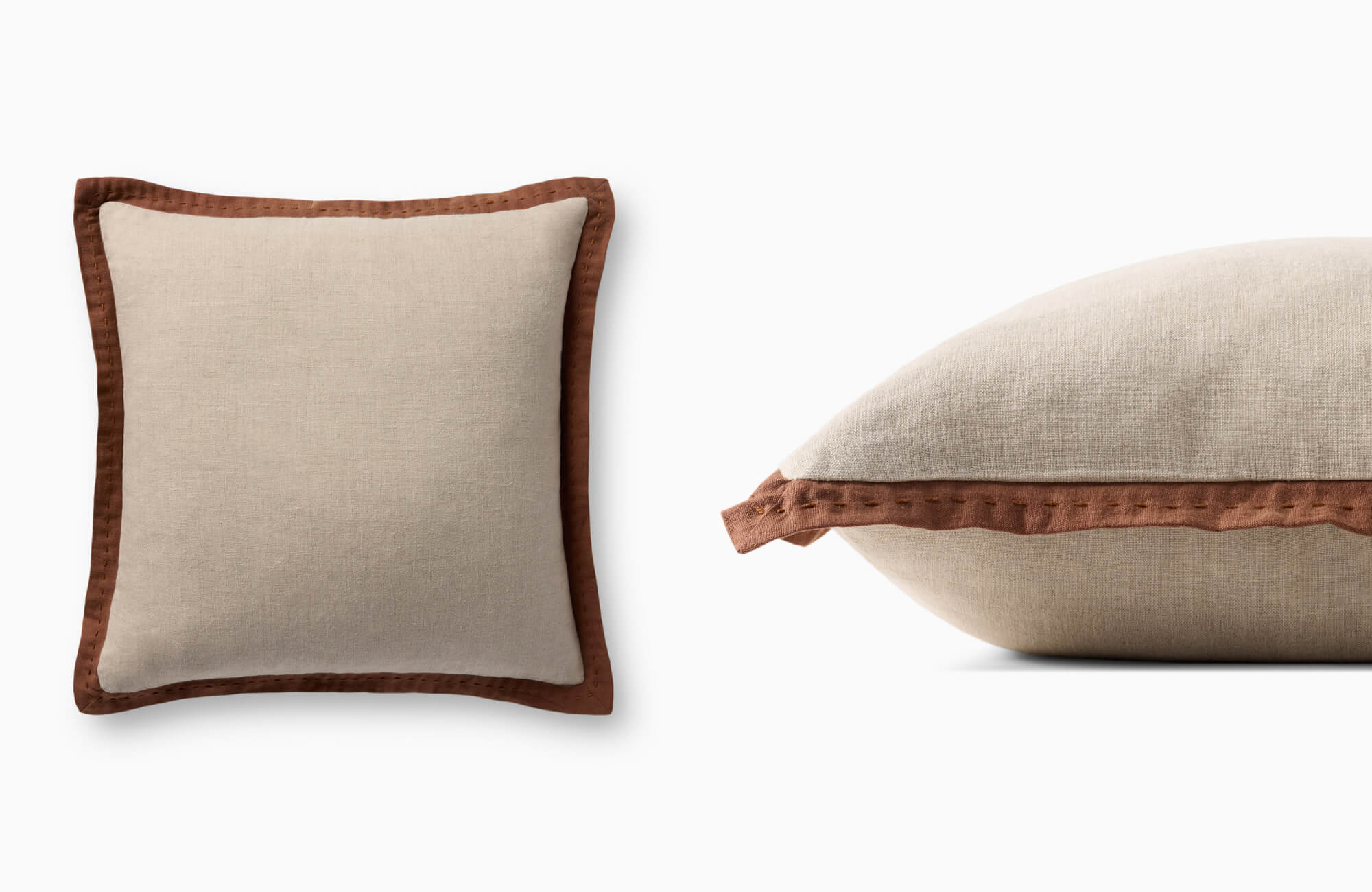
Brielle 18'' x 18'' Down Pillow in Natural / Brown and Brielle 18'' x 18'' Pillow Cover in Natural / Brown show how stitched edging, woven texture, and pillow fullness shape a clean decorative layer.
Mistake 5: Choosing Pillowcases Without a Styling Decision Framework
By this point, it becomes clear that pillowcase mistakes are rarely isolated. A reader may need to adjust size, fill, material, layering, or room context depending on what looks wrong. A simple decision framework helps turn those details into a practical process. Instead of guessing between standard, queen, and king pillowcases, readers can evaluate what they already own and make a more confident styling choice.
Step 1: Match the Pillowcase to the Pillow First
Start with the pillow itself. Measure from seam to seam, then compare those dimensions with the pillowcase. A standard pillowcase should give the pillow enough room to sit naturally without leaving excessive empty fabric. Length and width matter, but loft and firmness should be considered at the same time.
If the pillow looks flat inside the case, the insert may not have enough volume. If the case pulls tightly or the opening gaps, the pillow may be too large or too full. If the pillow shifts throughout the night, the case may be too roomy or the fabric may be too slippery for the insert. Edward Martin's Brielle 18'' x 18'' Pillow Cover in Natural / Brown makes this fit relationship easy to understand because its square outline, natural center panel, and brown stitched border clearly reveal whether the insert is supporting the corners and edges evenly.
This first step is practical because it separates pillow problems from bed styling problems. A pillow that does not fit its case properly will not look polished on any mattress size. Once the pillow and case work together, the broader arrangement can be judged more accurately.
Step 2: Evaluate the Pillow Arrangement Against the Bed
After confirming fit, look at the bed as a whole. The most useful viewpoint is often from the doorway, where the bed reads as part of the room rather than as a close-up detail. From that distance, it becomes easier to see whether the pillows fill enough width, provide enough height, or feel too crowded.
A queen bed with standard pillowcases may need shams or a second layer to feel complete. A king bed may need king pillows, Euro shams, or a more structured arrangement. A twin bed may need restraint, since oversized pillows can overwhelm the mattress.
The table below can help diagnose the most common visual issues.
If the Bed Looks... Check First Best Adjustment Flat Pillow loft Use fuller inserts or add shams Sparse Bed width Add larger pillows or more layers Messy Closure and fabric Choose envelope closure or crisper fabric Overstuffed Pillow size Size up or use lower-loft inserts Disconnected Room palette Coordinate color, texture, and surrounding decor
This process prevents overcorrecting. A bed that looks sparse may not need new standard pillowcases. It may need a different pillow layer. A bed that looks messy may not need a new size at all. It may need a cleaner closure or more structured fabric.
Step 3: Choose the Material and Layering Style for the Desired Look
The final decision is stylistic. A tailored bed benefits from crisp fabrics, controlled fullness, clean closures, and structured shams. A relaxed bed can use linen, softer edges, and looser layering. A minimal bed may rely on fewer pillows but requires precise sizing because every detail is more visible.
For a decorative or layered bed, standard pillowcases can function as part of a larger composition rather than the main visual feature. They might sit in front of shams, behind accent pillows, or beneath a coverlet fold. Their size matters, but their role matters just as much.
If the choice feels uncertain, ask what the bed should communicate. Calm and spare. Soft and collected. Crisp and hotel-inspired. Richly layered. Once the desired look is clear, pillowcase size becomes easier to resolve because it is serving a defined design intention.
Readers coordinating multiple elements, from bedding and rugs to lighting, mirrors, wallpaper, or furniture, may use the contact page when they need more directed support from Edward Martin. That touchpoint is most relevant when pillowcase styling is part of a wider bedroom update rather than a single bedding replacement.
A Better Styled Bed Starts With Better Pillowcase Decisions
The best pillowcase choice is not just the one that matches a size chart. It is the one that fits the pillow, supports the bed’s proportions, behaves well in the chosen fabric, and contributes to the overall feeling of the room. Standard pillowcases can look refined, relaxed, or underscaled depending on how they are used. When readers understand the difference between technical fit and visual fit, they can correct common styling mistakes without overcomplicating the bed.
Standard pillowcases remain a versatile foundation, especially for twin, full, guest, and simpler queen bed arrangements. Their limitations appear when they are expected to solve every styling need on their own. By pairing the right size with appropriate inserts, thoughtful layers, and room-aware proportions, a standard pillowcase can become part of a composed design rather than a minor bedding afterthought. The most successful choice is not merely correct by measurement. It is correct by fit, scale, material, and visual purpose.
Follow us on Instagram
@EDWARD.MARTIN
)
)
)
)
)
)
)
)
)
)
)
)
)
)
)
)