
)
)
)
)
)
)
)
)
Decorative Vase Styling Tips For Modern Interiors
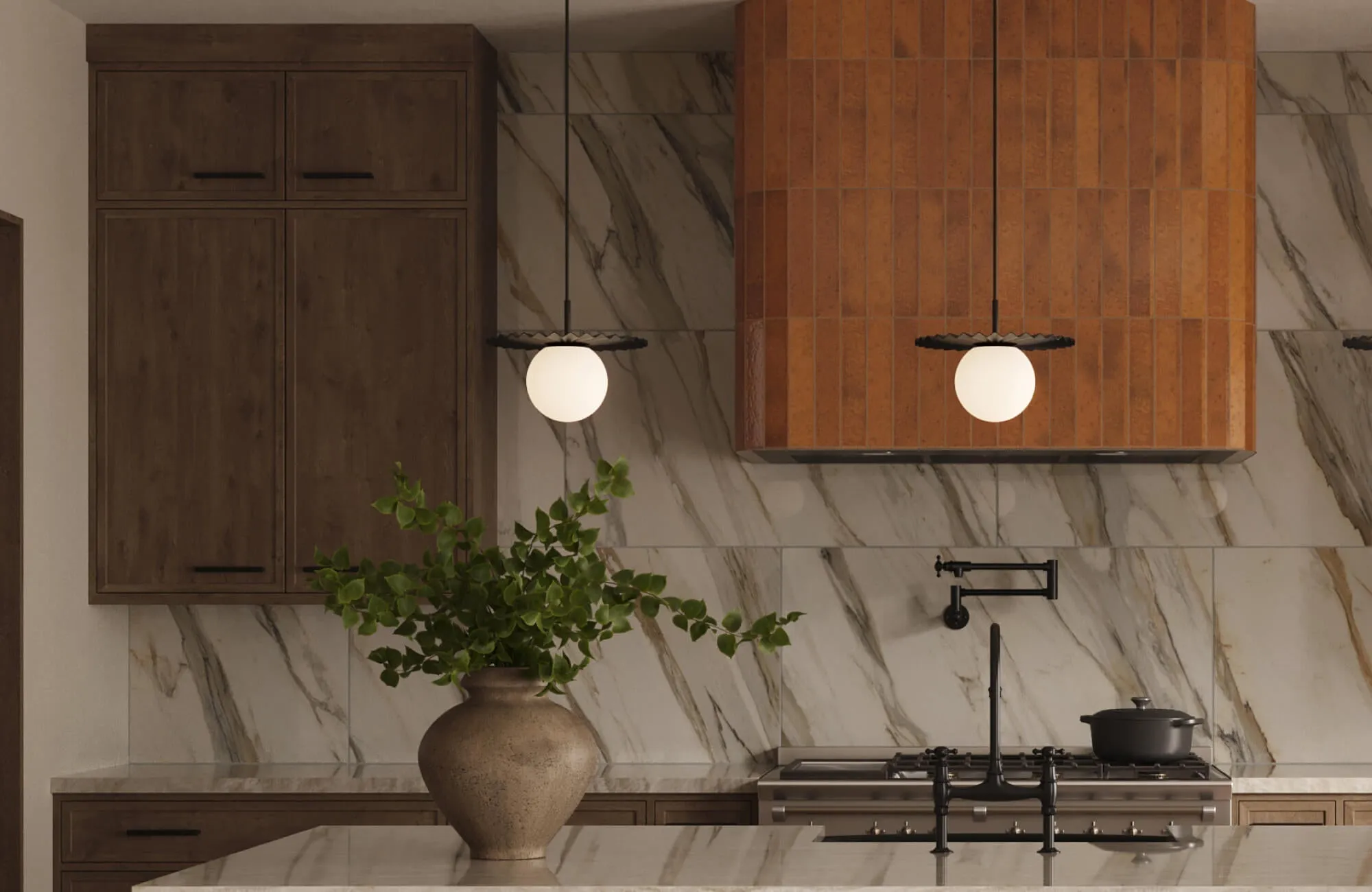
Decorative vases bring a quiet sense of artistry to modern interiors, turning everyday surfaces into refined design moments shaped by form, texture, and proportion. When placed on a coffee table, console, dining surface, or built-in shelf, each vessel introduces sculptural depth while strengthening the architectural character of the room. Rather than acting as simple accessories, vases also help create visual rhythm, soften clean lines, and connect surrounding materials into a more cohesive design story.
Textured ceramic, hand-blown glass, stone-inspired finishes, and sculptural silhouettes each offer a distinct way to layer color, scale, and organic movement. With thoughtful styling, decorative vases become timeless accents that elevate modern interior design with balance, sophistication, and intentional beauty.
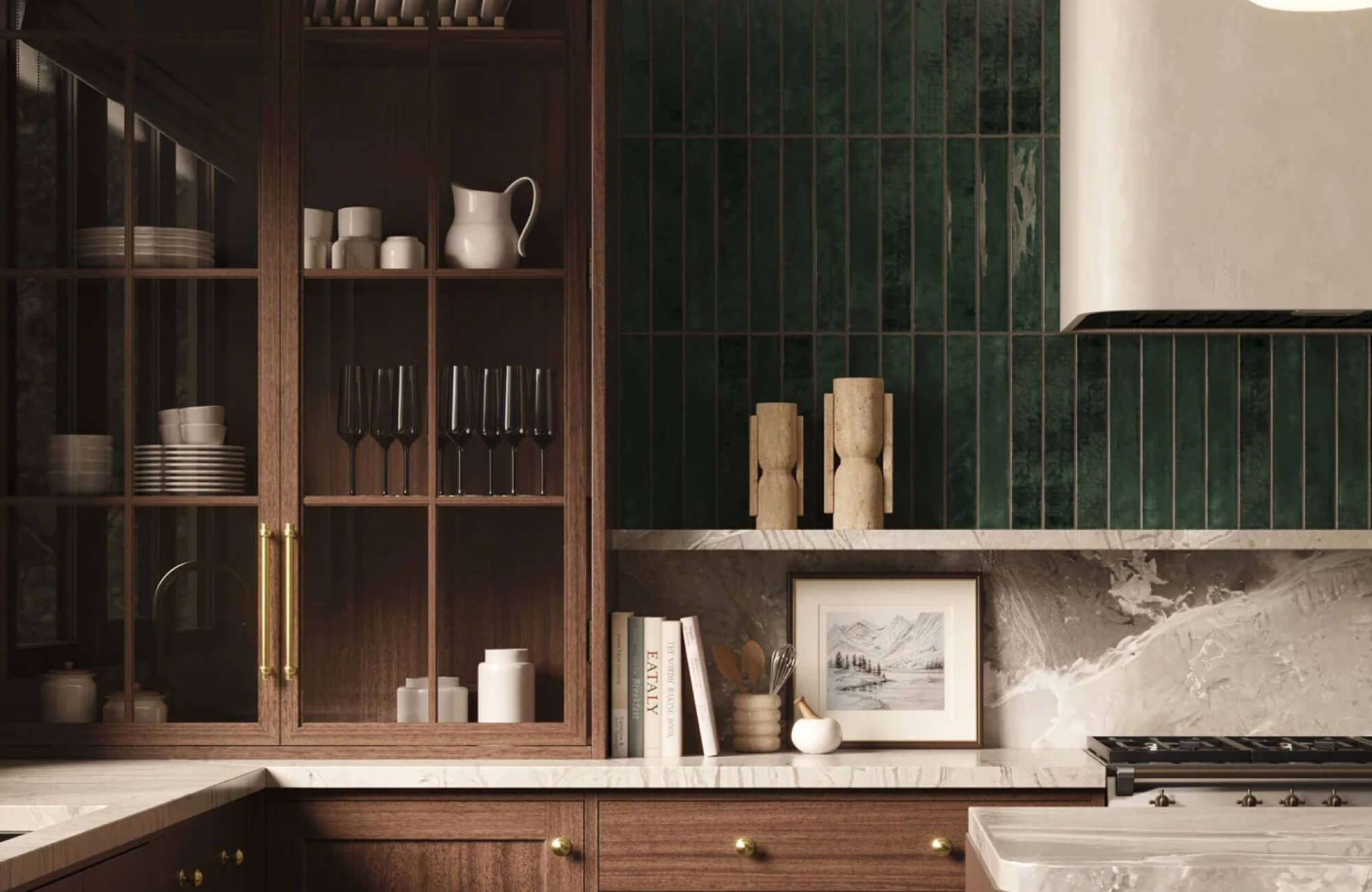
The Cavendry Travertine Vase Set shows how material, silhouette, and finish work together to complement surrounding architectural elements, its stone-inspired forms creating quiet contrast against deep green vertical tile and rich wood cabinetry
Choosing Decorative Vases That Complement Modern Interior Design
A decorative vase should feel connected to the room's architecture, furniture profile, and material palette rather than appearing as a separate addition. When its shape, finish, and color respond to the surrounding elements, the piece becomes part of a polished modern interior with a clear sense of purpose.
Understanding Vase Silhouettes And Their Visual Impact
The silhouette of a vase shapes how the eye moves through a room, so its form should be considered before color or finish. Tall cylindrical vases, in particular, create vertical emphasis, making them effective beside low-profile sofas, floating consoles, and streamlined cabinetry. Rounded vessels, by contrast, soften sharp millwork, linear shelving, and geometric tile patterns, giving the space a more relaxed visual rhythm.
Narrow-neck vases offer a restrained profile suited to minimalist arrangements, while wide-mouth vessels provide enough volume for fuller botanical displays. Because each silhouette affects visual balance differently, the strongest choice is one that responds to the furniture lines and proportions nearby. When the form feels connected to its surroundings, the vase becomes a natural extension of the interior rather than something placed within it.
Selecting Materials That Enhance Contemporary Spaces
Material choice influences the texture, reflectivity, and visual weight of a decorative vase, making it central to the mood of a contemporary room. Ceramic vases are especially versatile because matte, glazed, ribbed, and hand-textured finishes add depth while supporting a clean interior. Where a lighter effect is needed, glass vessels introduce transparency and light diffusion, helping compact spaces feel more open.
For interiors that need stronger grounding, stone, marble, and travertine pieces bring permanence and architectural weight. Metal vases in brushed brass, bronze, or matte black also add sharper contrast against wood, upholstery, and stone surfaces. Aligning the vase material with existing finishes gives the room cohesion without making the design feel overly coordinated.
Matching Vase Colors With The Room’s Design Palette
Color determines whether a decorative vase blends into the background or becomes a controlled point of contrast. Neutral tones such as ivory, taupe, charcoal, clay, and warm gray work well in minimalist interiors because they maintain a calm and sophisticated foundation. A black ceramic vase can ground a light console, while a white sculptural vessel brightens dark cabinetry or deep wall finishes.
Colored glass in amber, smoke, olive, or soft blue adds gentle chromatic interest without overpowering a contemporary palette. These colors should also relate to details already present in artwork, area rugs, cabinetry, or natural stone veining. This connection allows the vase to enrich the room's color story while keeping the overall styling refined and intentional.
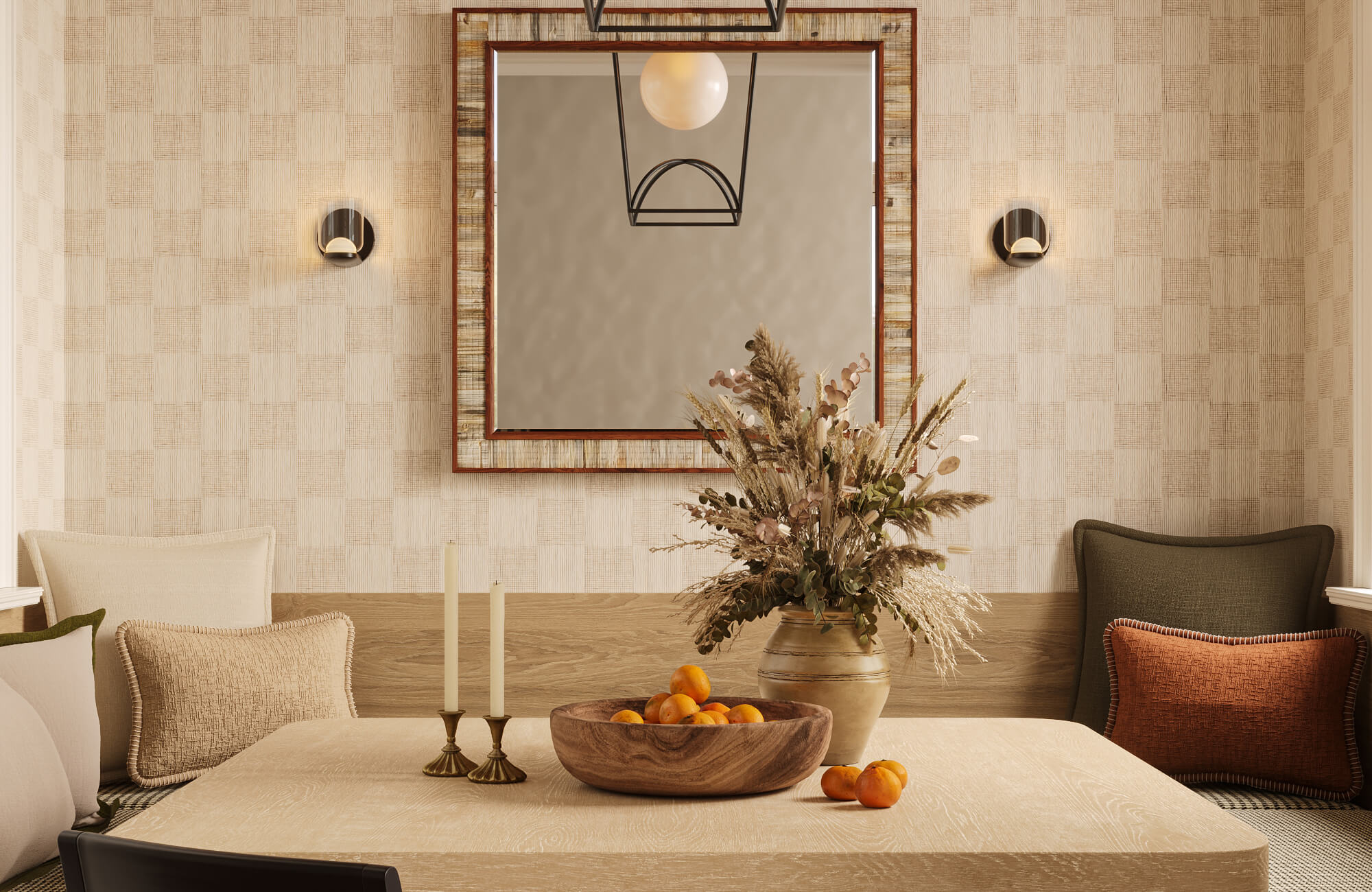
The Rafi Decorative Vase illustrates how a carefully scaled vessel can establish visual balance and proportion, its generous form and dried botanical arrangement anchoring the dining table beneath a framed mirror and layered lighting without overwhelming the surface
Using Scale And Proportion To Create Visual Harmony
Scale determines whether a vase feels balanced within the room or out of place within it. Proper proportion allows decorative accessories to relate naturally to surface size, furniture height, and architectural volume without competing with the elements around them.
Determining The Ideal Vase Size For Each Surface
The right vase size helps a styled surface feel complete while preserving its function. On a coffee table, a medium-height vessel creates a focal point without crowding books, trays, or everyday items. Meanwhile, console tables can carry taller vases more comfortably since their narrow profiles benefit from vertical structure and stronger visual presence.
Dining table arrangements should remain lower to preserve sightlines and support conversation across open-plan living and dining areas. Shelves also require a more measured approach, with smaller vessels that fit within each compartment without competing with books or decorative objects. When the vase scale responds to the surface it sits on, the display feels balanced, usable, and naturally composed.
Applying Proportional Design Principles To Vase Styling
Proportion connects a vase to the furniture and architectural features around it, giving the arrangement a sense of visual stability. A large sectional, oversized artwork, or long media console needs a vessel with enough mass to hold its place within the composition. Smaller accent tables, by comparison, call for lighter forms so the arrangement does not appear top-heavy.
To create balance, pairing a tall vase with lower horizontal elements allows vertical and horizontal lines to work together naturally. Botanical stems should also follow the same principle, extending high enough to create movement without making the vessel appear unstable. When these relationships are considered carefully, vase styling feels elegant, intentional, and proportionally resolved.
Creating Height Variation For A Layered Look
Height variation gives decorative vase arrangements movement and prevents them from appearing flat or static. A refined grouping might combine one tall vessel, one medium form, and one low sculptural piece to create a gradual visual progression across the surface. This approach works well on consoles, mantels, open shelving, and large coffee tables because it guides the eye naturally from one element to the next.
The tallest piece typically acts as the anchor, while smaller pieces add support without making the composition feel one-dimensional. Enough room between each element allows the arrangement to breathe, keeping it layered and curated rather than crowded. With controlled elevation changes and thoughtful spacing, the display gains depth without needing many accessories to achieve it.
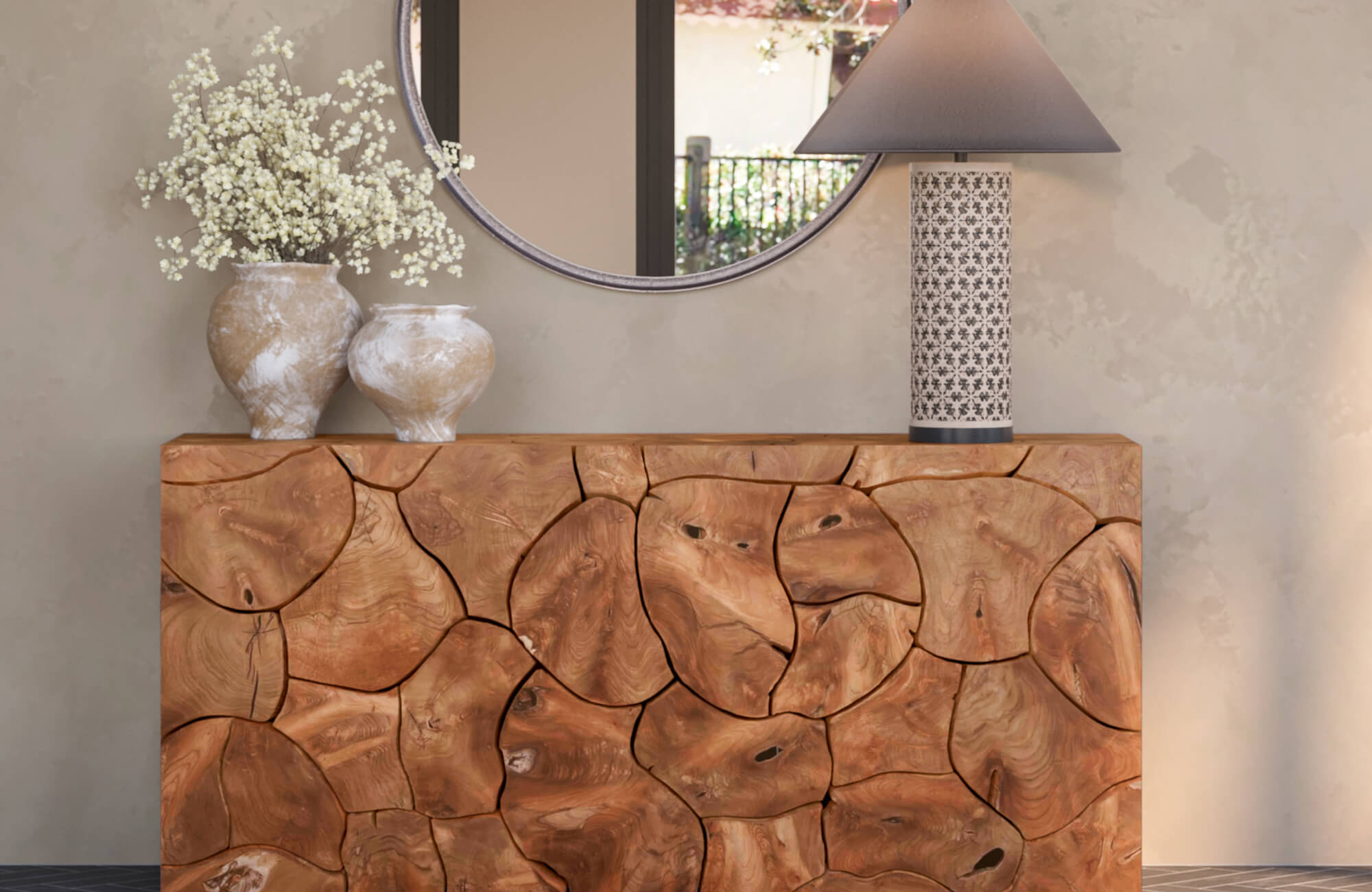
The Ingram Porcelain Vase Set shows how decorative vases enhance console styling by adding sculptural form and visual interest, as the weathered ceramic vessels and patterned table lamp create a balanced and inviting display on an architectural wood surface
Styling Decorative Vases On Tables, Shelves, And Architectural Features
Placement determines how a vase interacts with movement, function, and focal points within a room. When positioned thoughtfully, a vessel softens hard surfaces, guides the eye, and connects furniture arrangements with the architectural details nearby.
Designing Refined Coffee Table Vignettes
Coffee table vase styling should feel decorative while still supporting everyday living. A vase serves as the visual anchor, giving the arrangement structure before books, trays, or small sculptural objects are added around it. Low or medium-height vessels are most practical because they preserve openness across the seating area and keep the surface easy to use.
Material choice shapes the mood of the vignette as well. For instance, textured ceramic adds warmth to natural wood tables, while clear or smoked glass lightens heavier stone or dark-finished surfaces. Negative space is equally important because it keeps the table functional and prevents the arrangement from feeling crowded. When each object has a defined role, the vignette feels composed, elegant, and genuinely easy to live with.
Creating Balanced Console Table Arrangements
Console tables naturally support decorative vase displays because they often sit in entryways, hallways, and living rooms where first impressions matter. A tall vessel introduces vertical emphasis, especially when placed near a mirror, framed artwork, or wall sconce. From there, the arrangement can be symmetrical for a classic effect or asymmetrical for a more relaxed contemporary look.
Pairing the vase with a table lamp, catchall bowl, or stacked books also adds balance while giving the surface practical function. The vase should frame nearby elements rather than block artwork or architectural details. With thoughtful spacing, the console becomes a polished transition point within the modern home.
Styling Open Shelving With Decorative Vases
Open shelving benefits from decorative vases because their sculptural forms break up the visual density of books, frames, and storage pieces. Smaller ceramic or glass vessels add shape without overwhelming each shelf, and alternating vase heights across different levels creates rhythm and movement throughout the built-in. Material contrast refines the display further, such as pairing matte ceramics with wood shelving or glass vases with darker built-ins.
Open space around each piece allows the silhouette and finish to remain visible, which is especially important in modern interior styling where restraint carries much of the design work. With this edited approach, built-ins and floating shelves gain a curated, architectural quality that feels considered rather than filled.
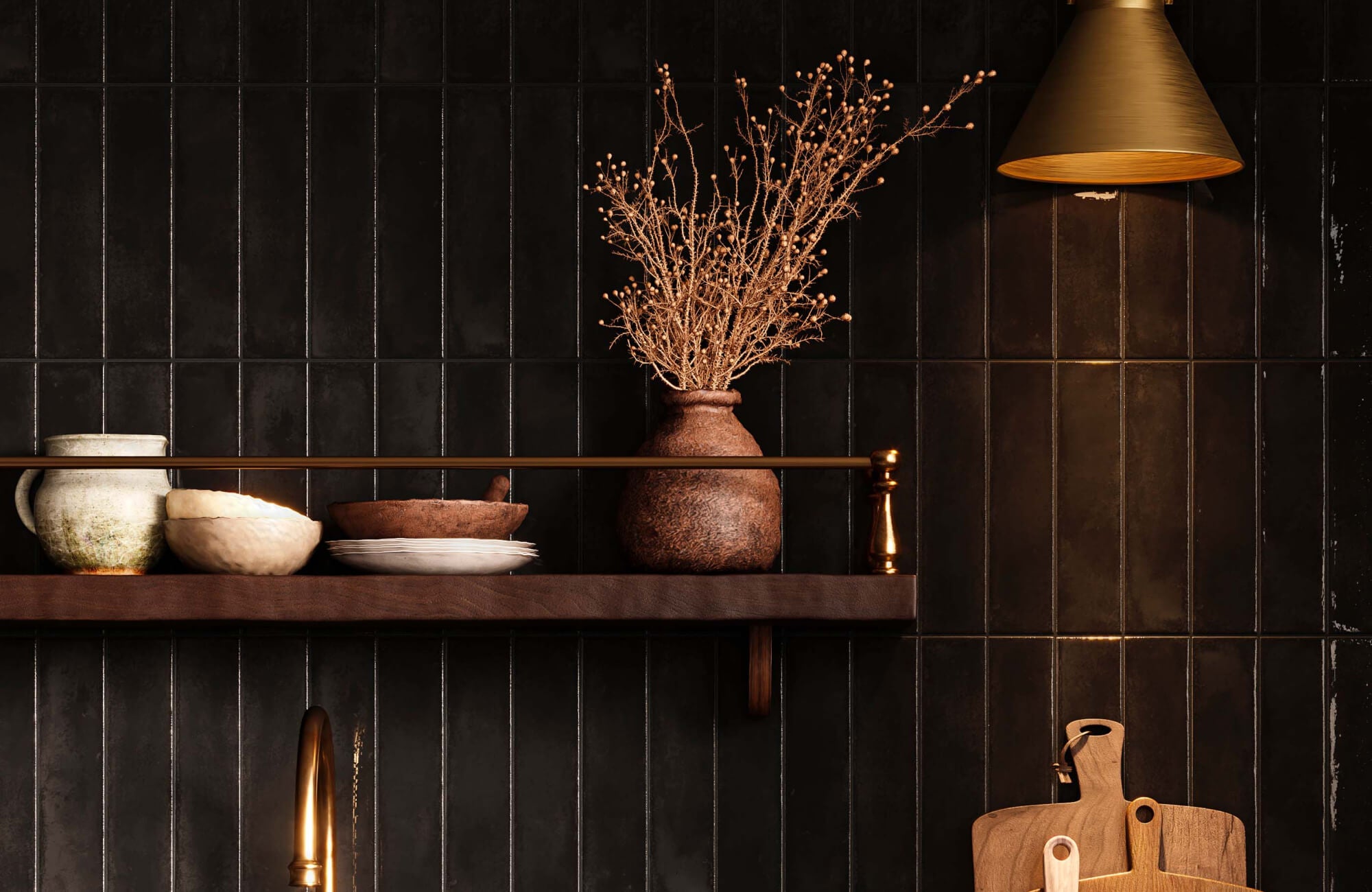
This layered composition highlights how decorative vases can introduce texture and material contrast to this richly layered kitchen setting, creating depth and dimension within modern interiors
Building Sophisticated Vase Compositions Through Layering And Texture
Layering gives modern interiors depth without relying on excessive ornamentation. Decorative vases make this possible by bringing shape, surface treatment, tactile contrast, and controlled spacing into one composition that feels refined rather than assembled.
Grouping Decorative Vases For Maximum Visual Impact
Grouped vases create a stronger focal point than a single vessel when the arrangement has a clear structure. Odd-numbered groupings, particularly sets of three, feel natural because they generate movement without becoming overly symmetrical. Within the grouping, each piece should vary in height, width, or silhouette so the display reads as dynamic rather than repetitive.
A shared color family, finish, or material then unifies the arrangement even when the forms differ. This technique works especially well on large consoles, dining sideboards, and open shelving, where a single small object might feel visually insufficient. When rhythm and restraint guide the grouping, the surface gains sophistication without visual clutter.
Mixing Textures To Add Depth In Neutral Interiors
Texture is especially valuable in minimalist and neutral modern interiors because it creates interest without depending on bold color. A ribbed ceramic vase, in particular, adds tactile definition beside smooth marble, lacquered wood, or glass surfaces. Meanwhile, matte finishes absorb light and create softness, while glazed finishes reflect it and introduce subtle brightness.
For a stronger contrast, rough stoneware paired with polished metal creates a layered effect that still feels controlled. These combinations are effective in organic modern, minimalist, and contemporary luxury interiors because they emphasize material quality over decoration. When surfaces are varied with intention, vase styling gains richness while preserving a clean design palette.
Using Negative Space For A More Refined Presentation
Negative space gives a decorative vase room to be seen and appreciated on its own terms. In modern interior design, open space functions as a compositional tool that strengthens shape, proportion, and visual clarity rather than simply leaving areas unfilled. A single sculptural vase placed with generous spacing around it carries more presence than the same piece surrounded by competing objects.
Crowding too many accessories together weakens the silhouette and reduces the impact of each piece individually. Open spacing also highlights craftsmanship, particularly on consoles, shelves, coffee tables, and built-in niches where the quality of the vessel deserves to be seen. When negative space is used with intention, the overall presentation feels calm, elevated, and considered.
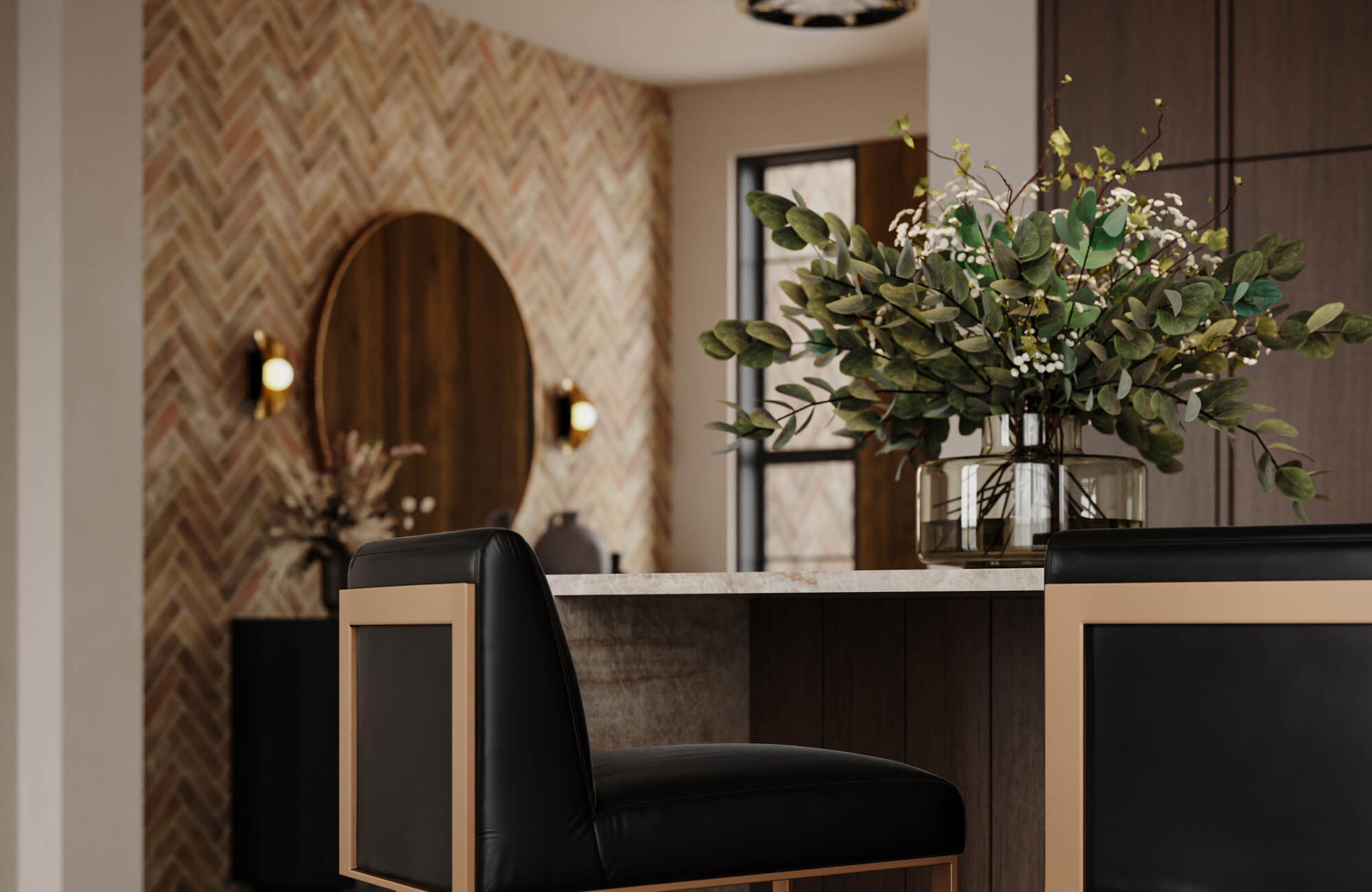
This botanical arrangement demonstrates how decorative vases can combine sculptural form and natural elements to create dynamic focal points within contemporary spaces
Elevating Decorative Vase Displays With Botanicals And Sculptural Styling
Botanicals bring movement, softness, and seasonal character to decorative vase displays, extending the vessel's visual role beyond its form alone. The strongest displays allow the vase and its arrangement to work together, creating a balanced relationship between sculptural structure and organic detail.
Choosing Greenery And Branches For Contemporary Arrangements
Modern floral styling often favors sculptural greenery and branches because they create movement without the density of traditional bouquets. Olive branches, eucalyptus, magnolia stems, and cherry blossoms provide clean lines that suit contemporary interiors naturally. Dried grasses add softness as well, though they work best when used sparingly so the display retains its lightness.
To maintain proportion, the arrangement height should relate to the vase, nearby furniture, and ceiling height rather than being determined by the botanicals alone. Sparse compositions often feel more modern because they highlight line, negative space, and the vessel's own form. When the botanical selection supports the shape of the vase rather than overwhelms it, the display feels architectural, refined, and quietly alive.
Styling Sculptural Vases As Standalone Design Features
A decorative vase does not need flowers to feel complete when its form carries enough visual strength on its own. Sculptural vases with asymmetrical openings, carved surfaces, or abstract profiles function as standalone art pieces, particularly in minimalist interiors where fewer objects carry greater importance. Placing a vessel on a pedestal, console, or built-in niche gives it the presence of a curated gallery object.
The surrounding decor should also remain restrained so the shape, texture, and craftsmanship of the piece stay prominent. When the vase is treated as an art object rather than an accessory, the room gains a sense of intentionality that is difficult to achieve through styling alone. Approached this way, the vessel becomes an architectural accent that anchors the space with quiet confidence.
Refreshing Vase Displays With Seasonal Interior Styling
Seasonal updates keep decorative vase displays feeling current without requiring significant design changes. Spring arrangements may include delicate branches or fresh greenery, while summer styling can lean toward lighter glass vessels and airy stems. As the palette shifts, autumn interiors often benefit from dried botanicals, warm ceramic finishes, and earthy tones that deepen the overall mood.
Winter displays can shift toward bare branches, sculptural evergreens, or deeper-toned vases for a more considered, dramatic effect. Each seasonal update should focus on texture, color temperature, or botanical form while keeping the room's broader design language consistent. This measured approach allows modern interiors to feel connected to the rhythm of the home without disrupting the design foundation beneath them.
Creating Timeless Style With Decorative Vases
Decorative vase styling brings scale, texture, color, and placement together to create interiors that feel polished without appearing overdecorated. When selected with intention, each vessel contributes sculptural form, organic movement, and refined visual balance to the spaces it inhabits.
Their versatility also allows them to work beautifully across coffee tables, console tables, open shelving, and architectural niches, adapting to the design language of each surface. By coordinating materials, silhouettes, and botanical elements with the surrounding palette, each display becomes part of a cohesive interior story that feels personal and enduring.
Edward Martin’s design services can help refine decorative vase styling with curated pieces, balanced placement, and cohesive interior selections. Contact us to create a modern space styled with elegance and intention!
Follow us on Instagram
@EDWARD.MARTIN
)
)
)
)
)
)
)
)
)
)
)
)
)
)
)
)