



When you begin exploring feng shui for your home, it becomes clear that the shape of your dining table plays a meaningful role in the room’s overall atmosphere. Each design carries its own qualities, and understanding these characteristics helps you choose a shape that supports comfort, ease, and balanced energy. As we walk through the key considerations, you will see how round and rectangular tables offer different advantages depending on your room’s layout, your daily rhythm, and the type of dining experience you want to create.

How Table Shape Influences Chi Flow in Feng Shui
A dining table influences how chi moves through a room, making its shape an equally important part of your feng shui decisions. Each form guides energy differently, so understanding these patterns helps you select the table that best supports the atmosphere you want to create.
Shape and the Movement of Chi
Round dining tables encourage a softer flow of chi. Their curved edges allow energy to move in a gentle, continuous loop, which can make a smaller room feel more welcoming. As you move around a round table, you may notice how easily you navigate the space, creating an atmosphere that supports ease and open communication. Rectangular dining tables guide chi in a more defined path, offering structure and a sense of direction. This can anchor a larger room and help it feel more organized. When considering your table’s placement, think about whether your dining area benefits more from a smooth, circulating flow or a steady, grounded presence.
Impact of Table Shape on Emotional Atmosphere
The atmosphere you establish in the dining room influences how people connect. A round dining table has no designated head, which naturally conveys a sense of equality and often encourages relaxed conversation and togetherness. A rectangular dining table, on the other hand, creates more defined seating positions, giving the space a clearer sort of order. If your household prefers a bit of structure during meals, this shape naturally supports that dynamic. The key is to match the emotional tone you want to cultivate with the qualities each shape brings.
Energizing or Softening the Space with Shape
Some dining rooms feel overly rigid, while others seem too open. A round table softens strong architectural lines, offering visual relief and helping balance a room with many angular features. A rectangular table, by contrast, provides direction and purpose, making it useful in spaces that feel unanchored or flow into adjoining areas.
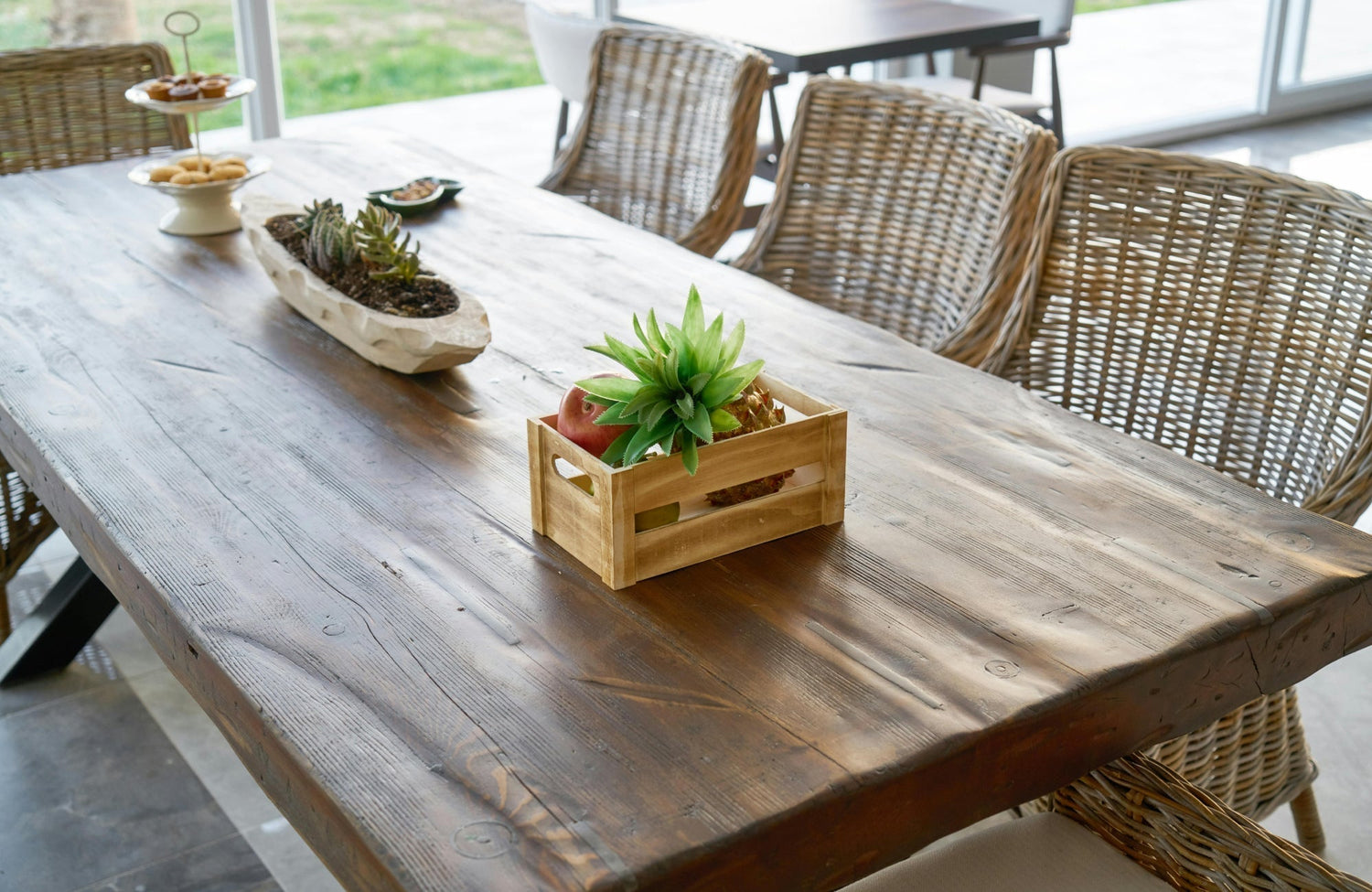
You can see this effect in the photo displayed above, where Edward Martin’s Kyla 94.5" Dining Table anchors the room and brings a clear focal point to an otherwise expansive layout. Its structured form introduces definition and helps guide the eye, demonstrating how a rectangular shape can strengthen a room’s overall composition. Thinking about how your table complements the room’s natural character is a reliable way to create a harmonious setting.

Choosing a Shape for Your Room Layout
The shape of your room plays an equally important role in how well a dining table fits and functions. When weighing your options, it also helps to consider the room’s proportions and fixed features before choosing a design. This approach ensures the table works with the space rather than competing with it.
Matching Table Shape to Room Proportions
Small or square rooms often work well with round dining tables, as their compact footprint maintains comfortable movement and helps the space feel open rather than confined. Elongated rooms, on the other hand, typically pair naturally with rectangular dining tables, since their proportions echo the room’s length and create a sense of cohesion. You can see this effect illustrated in the photo featured above with Edward Martin’s Dominic 95" Dining Table in Dark Mango, where the long, linear profile complements the room’s extended layout and reinforces its visual balance. As you compare both shapes, notice how each one relates to the room’s dimensions. You may find that one option simply feels more intuitive for your space.
Navigating Pathways, Doors, and Structural Obstacles
Dining rooms often feature doorways, partial walls, or built-in features that influence where a table can comfortably sit. Round dining tables work well in areas with frequent movement because their lack of corners allows for easy navigation. Rectangular dining tables can align neatly with a wall or visual corridor, giving the room a more organized feel. As you assess your layout, imagine how people enter, sit, and leave the space. This helps you decide which shape supports the most natural flow.
Ceiling Height and Lighting Considerations
Ceiling height plays a key role in how grounded or open a dining room feels. Lower ceilings often pair well with round dining tables, as the shape introduces a sense of lift and lightness. Higher ceilings may benefit from the visual anchor of a rectangular table, which adds structure to the space. Lighting is another important factor. Linear fixtures tend to complement rectangular dining tables, while a centered pendant aligns naturally with a round design. When the table shape and lighting work in harmony, the dining room feels more intentional and balanced.

Symbolism in Dining Table Shape
Aside from the physical layout of a room, the shape of a dining table carries symbolic meaning that can influence how people interact during meals. While interpretations vary across cultures, feng shui offers clear guidance that can help inform your choice. These principles make it easier to choose a dining table that supports the kind of connection and interaction you want within your household.
Round Tables for Equality and Conversation
Round dining tables symbolize unity, offering a setting where every seat holds equal importance and conversation flows with ease. If you want your dining experience to feel warm and collaborative, this shape supports that intention. Its design helps everyone stay engaged, which is especially meaningful in households that value open, shared dialogue. You can see this effect in the photo shown above featuring Edward Martin’s Anastasia 59" Dining Table in Taupe, whose circular form naturally draws people inward and creates an inviting environment for meaningful interaction.
Rectangular Tables and Structured Family Roles
Rectangular dining tables introduce a gentle sense of direction, as their longer form creates natural seating positions. Many families appreciate this clarity, especially when hosting larger gatherings. The defined head of the table can help maintain order during meals without making the space feel overly formal. If your household prefers a dining setting with a touch of structure, this shape may be a natural fit.
Supporting Family Intentions with Table Shape
Your dining table can reinforce the atmosphere and values you want to cultivate at home. If you aim to encourage relaxation and easy conversation, a round table provides a supportive setting. If you prefer a dining experience that feels steady and organized, a rectangular table may be a better match for your goals. Choosing a shape with these intentions in mind brings added purpose to the space.

Materials, Colors, and Elemental Balance
In feng shui, the five elements play a key role in how furniture supports harmony in a room. The materials and colors you choose influence the energy your table brings to the space, allowing you to enhance or soften the qualities of its shape. When these elements are balanced thoughtfully, the dining room feels more cohesive and grounded.
Pairing Materials with Table Shape
Materials influence the energy a table brings into a dining room, so understanding their qualities can help guide your choice. For example, wood supports growth and vitality, metal offers clarity, glass creates a sense of openness, and stone adds stability. With these qualities in mind, a round wooden table brings warmth, while a round glass top can introduce a lighter, more contemporary feel.
In contrast, rectangular wooden tables offer a grounded presence, and stone designs emphasize durability. This idea is illustrated in the photo displayed above featuring Edward Martin’s Rebecca 86" to 120" Dining Table in Greige, where the solid wood construction enhances the room’s natural harmony and contributes a steady, reassuring energy. As you consider your options, think about the current mood of your dining room. If it needs a lift, wood may add the vibrancy you want, whereas a stone table can provide a calm, steady counterbalance.
Color Choices to Support Feng Shui Intentions
Color shapes both mood and elemental balance in a dining room. Earth tones offer a sense of stability and often complement rectangular designs, while soft greens and blues pair well with round dining tables because they echo the shape’s gentle character. When choosing a color, focus on the atmosphere you want to create rather than following trends. By aligning your color choice with your intentions, you reinforce the supportive qualities of your table.
Using Decor to Reinforce Elemental Harmony
Decor plays an equally important role in completing the energetic balance of a dining space. A round table often works well with a centered arrangement, as it enhances the table’s natural symmetry. A rectangular dining table, by contrast, can support elongated decor that accentuates its form. When you choose accessories that complement the table’s geometry, the overall setting feels more harmonious and inviting.

Lifestyle Factors to Consider
Your daily routines play a major role in how your dining room feels and functions. The shape of your table influences how comfortably the space adapts to meals, gatherings, and daily activities. When you choose a table that aligns with your household’s habits, feng shui becomes practical and supportive rather than purely conceptual.
Seating Capacity and Comfort
Round dining tables can provide equal seating positions and create a comfortable atmosphere for smaller groups, making it easier for everyone to feel included in the conversation. Rectangular tables, however, can accommodate more people when needed and offer greater flexibility in arranging seats. You can see this sense of inclusivity reflected in the photo displayed above, featuring Edward Martin’s Leonardo 59" Dining Table in Brown, where the round shape brings guests closer and supports a relaxed, conversational dining experience. As you choose a shape, consider how many people typically join your meals and how often you host guests.
Maintenance and Durability in Daily Use
Daily use shapes how well your table supports the overall energy of the dining room. Rectangular tables are often easier to maintain because their corners help keep items organized, while round tables may show wear differently depending on the material. Keeping your dining table clean and orderly promotes healthier feng shui, allowing the room to feel refreshed rather than stagnant.
Adapting Table Shape to Lifestyle Patterns
Your lifestyle naturally influences how you use your dining room. Families with children may find round tables safer and more approachable, while households that often host gatherings may prefer rectangular tables for their added seating flexibility. When the dining table shape aligns with your daily habits, the space feels intuitive and comfortable.

Dining Table Shape and Bagua Placement
Understanding where your dining room sits within the bagua map can help you refine your choice of table shape. The bagua divides a home into energetic zones, each linked to particular qualities. When your table aligns with the zone it occupies, the space is better positioned to support the intentions you value most.
Identifying Your Dining Area
To begin, locate your front door and apply the bagua grid to your floor plan. This will help you determine which energetic area includes your dining room and how that zone functions within the broader layout of your home. Understanding this placement clarifies which qualities you may want to strengthen. It also gives you a clearer sense of how the table’s shape can support the energy associated with that specific area.
Dining Table Shapes for Important Zones
If your dining room falls within the wealth area, a rectangular table can help reinforce stability and steady growth. In the health zone, a round table supports harmony and nourishment, creating a setting that feels balanced and welcoming. If the room is located in the relationship zone, a round table can further encourage connection and mutual support. By aligning the table shape with the qualities of the zone, you give the space a clearer and more purposeful energetic direction.
Accessory Choices for Each Zone
After selecting your table shape, thoughtful accessories can help reinforce the energy of the zone your dining room occupies. In the health area, fresh fruit or greenery adds a sense of vitality. A wealth zone may benefit from items that symbolize prosperity, while the relationship zone often responds well to paired objects that represent unity. These subtle additions help the space feel more aligned and intentional.
How to Decide with Confidence
Selecting the right dining table shape becomes clearer when you consider your room’s layout, your household’s habits, and the atmosphere you want to cultivate. Round tables encourage connection and gentle energy, while rectangular tables provide structure and stability. As you evaluate your space, choose the shape that feels intuitive and aligned with the way you live. With these principles in mind, your dining room can become a more balanced and welcoming part of your home.
If you’d like advice tailored to your layout or help visualizing how different table shapes might suit your space, don’t hesitate to contact us. We also offer design services to help you create a dining area that reflects your goals and feels harmonious in everyday life.


