Outdoor spaces are no longer limited to occasional entertaining or seasonal use. With thoughtfully selected furniture and intentional styling, patios, terraces, balconies, and backyard lounges can become comfortable living environments that support dining, conversation, relaxation, and everyday routines just as naturally as interior spaces. From expansive outdoor lounges to compact urban patios, the right furniture choices help shape how the space functions while improving comfort, circulation, and visual cohesion.

Noa Outdoor Sofas in Grey and Vela Coffee Table create a sleek, inviting lounge centered around modern comfort and fireside warmth
Using Lounge Furniture To Create Relaxed Gathering Areas
Lounge furniture forms the foundation of an outdoor living space by shaping how people gather, relax, and move throughout the environment. More than simply filling a patio or terrace, thoughtfully arranged seating helps outdoor areas function as comfortable extensions that support both entertaining and everyday use. The scale, placement, and variety of furniture pieces all influence how welcoming and practical the space feels, particularly in outdoor settings designed for extended lounging and social interaction.
Sofas and Loveseats
Outdoor sofas and loveseats help establish structure within lounge layouts by creating natural gathering points that encourage conversation and relaxation. Larger seating pieces often act as anchors within the arrangement, defining the primary social zone while organizing surrounding furniture placement. Positioning sofas opposite one another or pairing a sofa with complementary seating creates a more conversational atmosphere that supports interaction without making the layout feel overly rigid or crowded. In compact patios, sectional-style arrangements can maximize seating capacity efficiently, while larger terraces may benefit from more open layouts that preserve spaciousness and visual balance.
Edward Martin’s Noa Outdoor Sofa in Grey, shown above, demonstrates how streamlined lounge seating can define a sophisticated outdoor gathering area without overwhelming the surrounding architecture. Its low-profile silhouette and structured aluminum frame create a clean, modern foundation that complements the large-format stone surfaces and geometric layout of the patio, while the soft grey upholstery introduces visual warmth and comfort. Positioned across from a matching seating piece and centered around a coffee table and fireplace, the arrangement encourages conversation while maintaining balanced circulation and an open, uncluttered atmosphere.
Club Chairs and Chaise Lounges
Club chairs introduce flexibility into outdoor lounge spaces because they can easily adapt to different seating arrangements while helping maintain an open and approachable layout. Their smaller scale allows them to soften larger furniture groupings and create more dynamic circulation paths without visually overwhelming the patio. In addition, club chairs can help balance expansive sofas by introducing variation in silhouette and improving the overall flow of conversation areas.
Chaise lounges, like the Alba Chaise, are designed to support more individual relaxation and extended outdoor use. Positioned near pools, gardens, or sunlit terraces, they encourage lounging, reading, and quiet retreat while contributing to a more resort-inspired atmosphere. Combining club chairs with chaise lounges like this creates a more versatile layout that accommodates both social gatherings and personal relaxation. However, maintaining sufficient open space between furniture pieces remains essential to prevent the arrangement from feeling compressed or overly crowded.
Ottomans and Coffee Tables
Ottomans and outdoor coffee tables help transform lounge arrangements into more functional and livable outdoor environments. Coffee tables provide accessible surface space for serving trays, beverages, decorative accents, and lighting, making outdoor seating areas better suited for entertaining and everyday relaxation. They also help visually anchor furniture groupings by creating a central reference point that organizes the surrounding layout more effectively.
Ottomans contribute additional flexibility because they can function as footrests, movable seating, or casual accents, just like the Miro Outdoor Ottoman in Cream. Upholstered outdoor ottomans also soften furniture arrangements while introducing comfort and adaptability that larger fixed pieces cannot always provide. To maintain comfortable circulation, it is important to balance these accent furnishings proportionally with the surrounding seating. Oversized tables or excessive layering can restrict movement, whereas thoughtfully scaled pieces help preserve openness while still creating a layered and inviting outdoor setting.

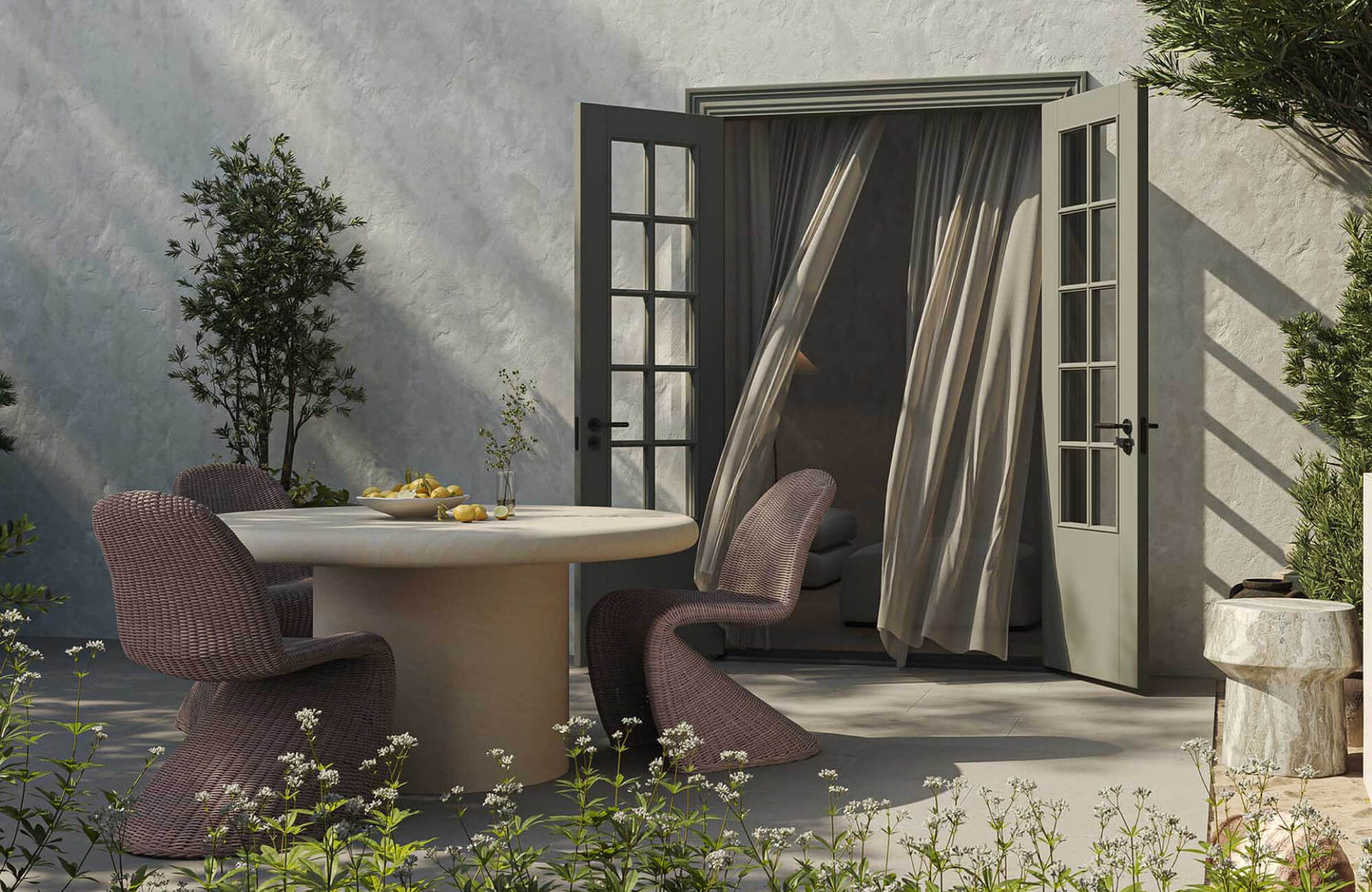
Creating an elegant open-air setting designed for relaxed gatherings and effortless outdoor entertaining, Seabrook Outdoor Dining Table, 102" pairs effortlessly with Hightide Dining Armchairs
Transforming Outdoor Dining Areas With Functional Furniture
Outdoor dining furniture helps patios, terraces, and backyard entertaining areas function more like true extensions of the space. Well-planned dining arrangements encourage longer gatherings, improve comfort during meals, and create a more inviting atmosphere for both casual and formal entertaining. The size, shape, and placement of outdoor dining furniture all influence how easily people move through the space and how comfortably the area accommodates everyday use.
Dining Tables
Selecting the appropriate dining table begins with understanding the patio’s proportions and circulation requirements. Round tables often work especially well in compact outdoor areas because they improve movement around tighter layouts and create a more intimate dining atmosphere. Rectangular dining tables are typically better suited for larger patios and elongated terraces where they can accommodate more guests while reinforcing the linear architecture of the space. Oval tables offer a balance between the two by softening sharp lines while still maximizing seating capacity efficiently.
A well-proportioned dining table can also help larger outdoor entertaining areas feel more connected and inviting, as demonstrated by the Seabrook Outdoor Dining Table, 102" featured above. Its elongated oval silhouette softens the structured geometry of the pergola and surrounding architecture while comfortably accommodating multiple seating positions without disrupting circulation flow. The substantial pedestal bases anchor the arrangement visually, while the stone-inspired surface detailing complements the natural textures and layered greenery throughout the patio, creating an outdoor dining space that feels both relaxed and intentionally designed.
Maintaining comfortable clearance around the dining area is equally important for functionality. Outdoor dining layouts should allow enough room for chairs to slide outward comfortably while preserving unobstructed walking paths throughout the patio. Oversized tables placed too close to walls, planters, or lounge furniture can make the area feel compressed and difficult to navigate. Proper table sizing also helps the dining zone feel more open and inviting while ensuring the outdoor space remains practical for entertaining and everyday use.
Dining Chairs
Outdoor dining chairs significantly influence both comfort and the overall visual character of the dining area. Upholstered seating with supportive cushions often creates a more residential feel outdoors by encouraging guests to remain seated longer during meals and gatherings. Performance fabrics designed for exterior use further improve functionality by resisting moisture, fading, and temperature fluctuations while maintaining a softer and more refined appearance.
Beyond comfort, dining chair silhouettes contribute to the broader design aesthetic of the outdoor space. Woven seating introduces texture and warmth that pair naturally with modern organic and coastal-inspired exteriors, while sculptural metal or wood frames help reinforce more contemporary environments. Mixing visually lighter chair profiles with substantial dining tables can also help maintain balance within the layout, preventing the dining area from appearing overly heavy or crowded.
Counter Stools and Barstools
Outdoor counter stools and barstools create additional seating opportunities that support more casual forms of entertaining. Positioned around outdoor kitchens, elevated counters, or bar-height dining areas, these seating arrangements encourage informal interaction while helping guests remain connected to food preparation and social activity. Counter-height layouts also work particularly well in outdoor spaces where flexibility and multifunctional use are priorities.
In smaller patios or rooftop terraces, counter stools and barstools can maximize usable seating without requiring the footprint of a full dining table arrangement. Backless stool designs often help preserve openness because they tuck neatly beneath counters when not in use, improving circulation throughout tighter layouts. Selecting stools with weather-resistant frames, supportive footrests, and durable woven or upholstered finishes further enhances comfort while maintaining a cohesive and elevated outdoor aesthetic.

Elysia Counterstools and Cassian Outdoor End Tables bring organic texture and laid-back sophistication to this breezy outdoor entertaining space
Choosing Outdoor Furniture That Enhances Comfort and Durability
Outdoor furniture should provide the same level of comfort and usability expected from interior furnishings while remaining durable enough to withstand changing environmental conditions. Exposure to sunlight, moisture, fluctuating temperatures, and everyday wear can significantly affect outdoor materials over time, making construction quality and material selection especially important. Well-designed outdoor furniture balances resilience with visual warmth, allowing patios and terraces to feel refined, inviting, and functional throughout the year.
Weather-Resistant Furniture Materials
Material selection plays a major role in determining how outdoor furniture performs over time. Teak remains one of the most widely used outdoor materials because of its natural oils and dense grain structure, which help resist moisture, insects, and weather-related deterioration. Aluminum frames are also highly practical due to their lightweight construction, corrosion resistance, and ability to support clean contemporary silhouettes without excessive maintenance. These materials allow outdoor furniture to remain structurally reliable while still contributing to a sophisticated visual aesthetic.
Other materials also help introduce additional warmth and texture into outdoor environments. All-weather wicker and rope detailing soften furniture silhouettes while maintaining durability through synthetic fibers designed for exterior exposure. Concrete surfaces add visual weight and architectural presence, particularly in modern outdoor spaces, while offering strong resistance to weather and daily use. Combining these materials thoughtfully creates a more layered outdoor setting where durability and visual comfort work together cohesively.
Cushioned Seating and Performance Fabrics
Cushioned seating significantly improves the comfort and livability of outdoor spaces by helping them feel more comparable to interior lounge environments. Deep seating cushions, supportive backrests, and ergonomic proportions encourage longer periods of relaxation and make patios more suitable for entertaining, dining, and everyday use. Softer upholstered elements also help balance harder exterior surfaces such as concrete, stone, and metal, creating a more inviting atmosphere overall.
Performance fabrics are equally important because they help maintain both comfort and appearance despite exposure to sun, moisture, and temperature changes. Fade-resistant and quick-drying textiles preserve color consistency while reducing the risk of mildew or premature deterioration. Many outdoor fabrics are also engineered with stain-resistant and UV-protective properties that improve long-term usability without sacrificing softness or texture. Selecting neutral or earth-toned upholstery further increases versatility by allowing cushions and accent pieces to coordinate more easily with surrounding finishes and seasonal decor updates.
Balancing Durability With Design Style
Modern outdoor furniture collections increasingly combine durable construction with elevated design details that make exterior spaces feel more refined and residential. Contemporary silhouettes with clean lines, sculptural frames, and layered textures help patios and terraces feel visually cohesive with interior spaces rather than purely utilitarian. Modern organic collections often pair natural-looking materials with softer upholstery tones to create a more relaxed and inviting atmosphere, while coastal-inspired furniture emphasizes lighter palettes and woven textures that reinforce openness and comfort.
Maintaining visual softness is especially important when working with highly durable materials such as metal, concrete, or engineered composites. Cushions, woven accents, rounded edges, and textured finishes help offset harder architectural surfaces while preserving the furniture’s long-term performance. By combining resilient materials with thoughtful detailing and balanced proportions, outdoor furniture can support both durability and elevated design, creating spaces that remain comfortable, functional, and visually appealing over time.

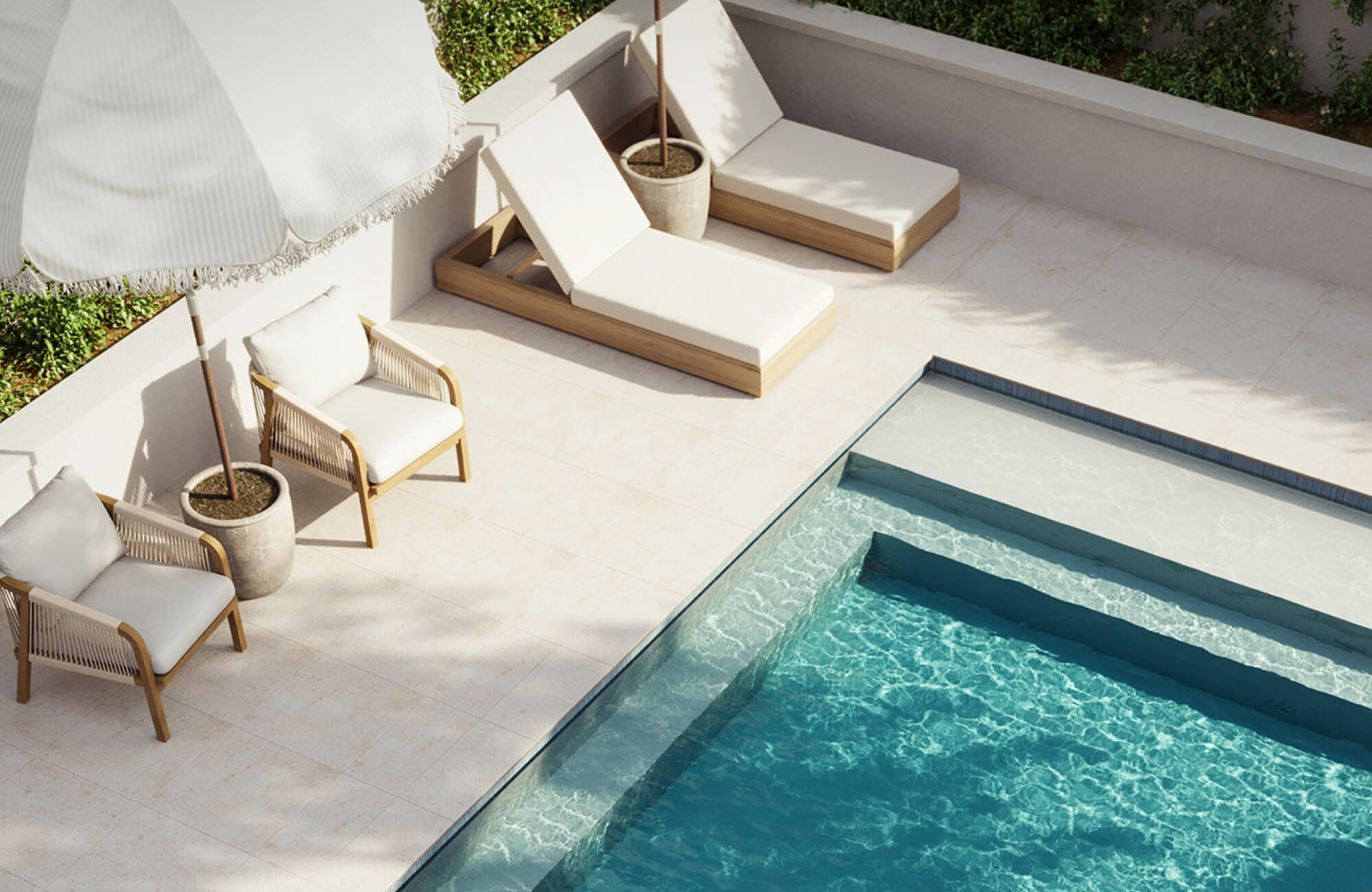
Resort-style poolside retreat designed for effortless relaxation, pairing Mysa End Table and Vetra Chaises
Using Accent Furniture To Improve Outdoor Functionality
Accent furniture plays an important role in making outdoor spaces feel more practical, organized, and visually layered. Although larger seating and dining pieces establish the primary layout, smaller furniture elements help improve convenience and support everyday functionality. Thoughtfully selected accent furniture can also reinforce the overall design aesthetic by introducing additional texture, proportion, and continuity throughout the outdoor environment.
End Tables and Side Tables
Outdoor end tables and side tables improve usability by providing convenient surfaces for drinks, serving pieces, lighting, and decorative accessories. Positioned beside sofas, lounge chairs, or chaise lounges, these tables help make seating arrangements feel more functional and comfortable without requiring guests to move constantly throughout the space. Their smaller scale also allows them to integrate easily into compact patios or layered lounge layouts without disrupting circulation flow.
In addition, material and proportion significantly influence how side tables interact with surrounding furniture. Lightweight metal or woven tables often create a more open appearance in smaller layouts, while stone or concrete surfaces introduce greater visual weight and architectural structure. Selecting table heights that align closely with adjacent seating improves accessibility and creates a more cohesive overall arrangement. By balancing practicality with proportion, accent tables contribute both convenience and visual refinement to outdoor living spaces.
Positioned between the chaise lounges in the poolside setting above, the Mysa End Table demonstrates how compact accent furniture can improve functionality without interrupting the openness of the layout. Its softly rounded silhouette and light-toned finish introduce subtle contrast against the darker pool tile and structured lounge frames, helping the arrangement feel more balanced and visually layered. The table also provides an accessible surface for beverages, towels, or personal items, reinforcing the comfort and practicality essential to relaxed outdoor lounging areas.
Modular and Movable Furniture Pieces
Movable accent furniture introduces flexibility that allows outdoor layouts to adapt more easily to changing needs and entertaining styles. Ottomans, nesting tables, and lightweight stools can shift between seating arrangements as needed, helping patios function comfortably for both larger gatherings and quieter everyday use. This adaptability is especially valuable in multipurpose outdoor spaces where layouts may need to accommodate dining, lounging, or social interaction simultaneously.
Modular furniture pieces also help maximize functionality within smaller patios and terraces. Nesting tables, for example, can expand surface space temporarily without permanently occupying additional room, while movable ottomans provide flexible seating and foot support when entertaining. Choosing accent furniture with lightweight but weather-resistant construction further improves usability by allowing pieces to move easily while still maintaining durability in outdoor conditions.
Creating Cohesion With Coordinated Furniture Collections
Coordinated outdoor furniture collections help larger patios and entertaining areas feel more visually unified and intentionally designed. Matching or complementary pieces create consistency through repeated materials, finishes, silhouettes, and upholstery tones, allowing multiple seating and dining zones to connect naturally across the outdoor layout. This continuity becomes especially important in expansive patios, poolside lounges, and open-air entertaining spaces where several furniture groupings coexist within the same environment.
However, maintaining cohesion does not necessarily require every piece to match identically. Combining complementary collections with shared finishes or similar design language often creates a more layered and sophisticated appearance than highly uniform arrangements. Repeating woven textures, wood tones, or cushion palettes throughout the space also helps establish visual rhythm while still allowing different zones to maintain their own functionality and character.

Vela Sofa, complemented by Lina Outdoor Coffee Table, Cassian End Table, and Leticia Dining Chair, creates a serene outdoor lounge layered with soft texture and modern sophistication
Defining Outdoor Atmosphere Through Furniture Styling
Furniture styling helps outdoor living areas feel more complete, inviting, and visually connected to the space’s overall design direction. Beyond functionality alone, layered styling choices contribute warmth, texture, and personality that transform patios and terraces into more comfortable residential environments. Thoughtful coordination between furniture, textiles, lighting, and decorative accents allows outdoor areas to feel cohesive while still supporting relaxation and entertaining.
Cushions and Pillows
Decorative pillows, like the Marisette 12" x 27" Pillow Cover in Black above, and layered cushions help outdoor furniture feel significantly more comfortable and approachable by introducing softness against harder exterior materials such as metal, stone, concrete, and wood. Cushions also improve the visual depth of seating arrangements by adding dimension through color variation, woven textures, and subtle pattern layering. In larger lounge areas, combining different pillow sizes and shapes can create a more relaxed and residential appearance without making the arrangement feel overcrowded.
Color selection also plays an important role in shaping the outdoor atmosphere. Neutral cushions often create a calmer and more versatile foundation, while earth tones, muted greens, terracotta accents, or soft blues can introduce warmth and visual contrast that complements surrounding landscaping and architectural finishes. Performance fabrics designed for outdoor use further help maintain comfort and longevity by resisting fading, moisture, and everyday wear while preserving a softer upholstered appearance.
Pairing Furniture With Rugs and Lighting
Outdoor rugs, such as the Marroway Indoor/Outdoor Rug in Brown / Black, 7'10" x 10'9", as seen above, help define furniture groupings while making patios and terraces feel more grounded and visually cohesive. Positioned beneath lounge or dining arrangements, rugs like this establish clearer spatial boundaries and soften hardscape surfaces such as concrete, stone, or tile. Subtle woven patterns and textured finishes can also introduce warmth and layering without competing with surrounding furniture or architectural elements.
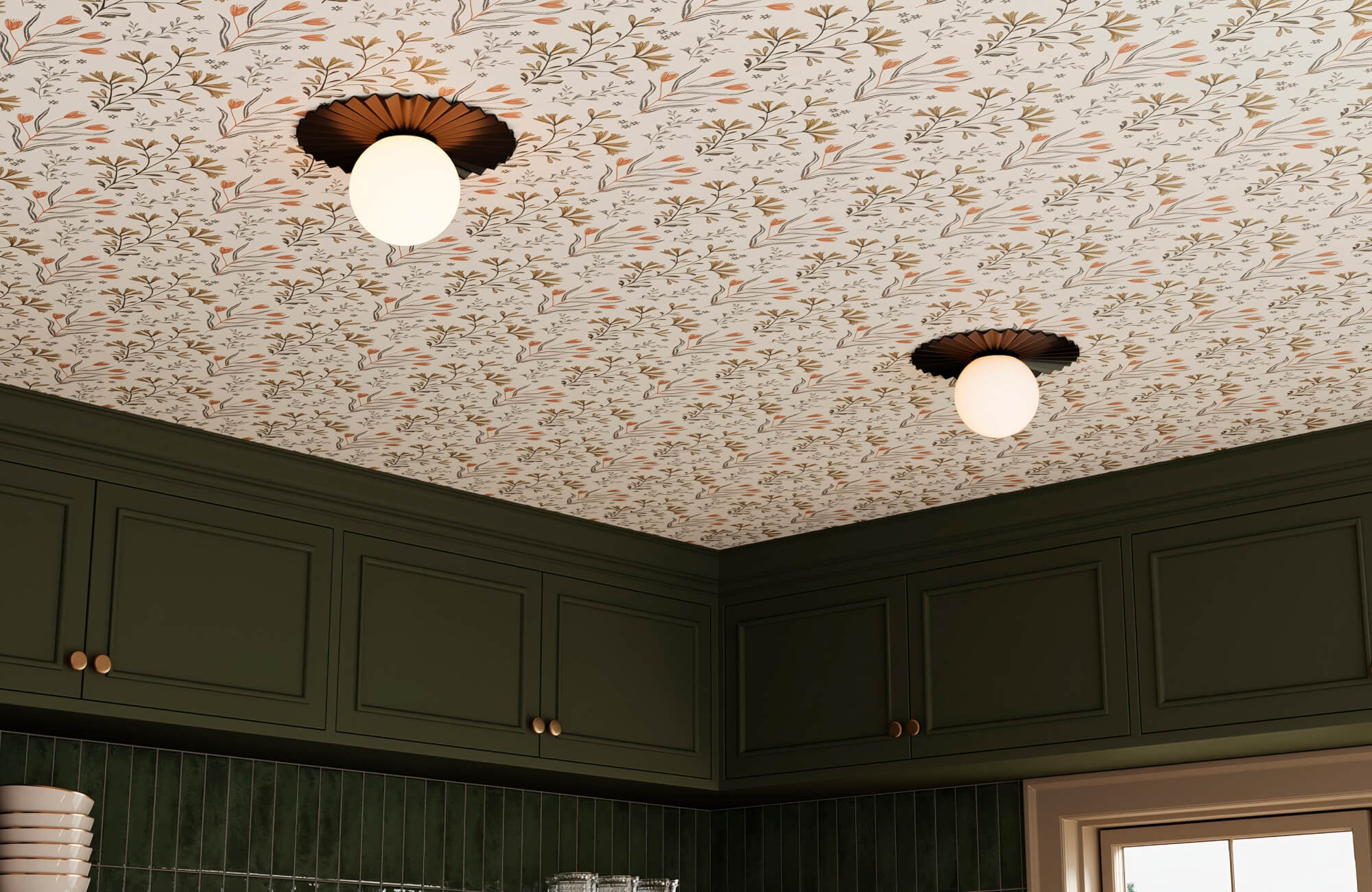
Lighting further enhances the atmosphere by adding warmth, depth, and functionality after sunset. Lanterns, sconces, pendant lighting like Finch 20" 1 Light Pendant in Matte Black/Opal Glass featured in the same image above, and string lights help outdoor furniture arrangements feel more residential while improving visibility and usability during evening gatherings. Layering ambient and accent lighting creates a softer and more inviting environment than relying solely on overhead illumination. Coordinating lighting finishes with surrounding furniture materials also strengthens the overall cohesiveness of the outdoor design.
Using Furniture To Reinforce Design Aesthetics
Furniture silhouettes and material finishes strongly influence the overall style and atmosphere of an outdoor space. Modern organic outdoor environments often feature softer upholstery tones, woven textures, and natural wood finishes that create a relaxed and grounded appearance. Contemporary spaces, by contrast, typically emphasize cleaner lines, streamlined silhouettes, and restrained material palettes that reinforce architectural simplicity and openness.
Resort-inspired and coastal outdoor styles rely more heavily on airy seating profiles, lighter finishes, and tactile woven detailing that help patios feel relaxed and approachable. Rounded edges, rope accents, and textured fabrics can soften more structured furniture frames while contributing visual warmth throughout the layout. By carefully coordinating furniture materials, proportions, and styling details, outdoor areas can feel more intentional and visually aligned with the space’s broader aesthetic identity.

Briaro Outdoor Lounge Chairs and Calis Coffee Table create this cozy, contemporary retreat with sculptural comfort and elevated outdoor style
Maintaining Outdoor Furniture for Long-Term Use
Maintaining outdoor furniture properly is essential for preserving both its functionality and visual appeal over time. Because exterior furnishings remain continuously exposed to sunlight, moisture, temperature fluctuations, and airborne debris, routine care helps prevent premature fading, corrosion, surface deterioration, and structural wear. Different materials require specific maintenance approaches, whether cleaning teak with gentle soap solutions, protecting metal frames from oxidation, or sealing concrete surfaces to minimize moisture absorption and staining. Following manufacturer-recommended care guidelines is also important, as proper cleaning methods and protective treatments can vary depending on the material and finish.
Equally important, protective measures and periodic updates help outdoor living spaces remain adaptable and visually inviting over the long term. Furniture covers, indoor cushion storage, and weather-resistant treatments provide additional protection during periods of heavy rain, snow, or intense sun exposure, reducing unnecessary environmental stress on outdoor materials. At the same time, refreshing furniture arrangements, decorative accents, and seasonal textiles allows outdoor spaces to evolve naturally without requiring a complete redesign. Through thoughtful maintenance and occasional styling adjustments, outdoor furniture can continue supporting comfortable entertaining, relaxation, and everyday use while maintaining its overall quality and aesthetic appeal.
Designing Outdoor Spaces That Feel Functional and Livable
Outdoor furniture can transform patios, terraces, balconies, and backyard lounges into fully functional living environments that support entertaining, relaxation, dining, and everyday comfort. Through thoughtful seating arrangements, durable materials, layered styling, and coordinated furniture selections, outdoor areas become more inviting, organized, and visually connected to the space itself. Balancing comfort, circulation, and long-term durability also allows exterior areas to remain both practical and refined throughout changing seasons, ultimately creating outdoor living spaces that feel effortless, cohesive, and genuinely livable year-round.
Whether you are furnishing a compact balcony or designing a fully layered outdoor retreat, selecting the right pieces can help bring greater comfort, functionality, and visual cohesion to the space. Edward Martin offers thoughtfully crafted outdoor collections that combine durable materials, elevated design, and versatile silhouettes suited for a wide range of exterior aesthetics and entertaining needs. To learn more about specific collections or receive personalized assistance for your outdoor project, visit our contact page to connect with our team directly!