
)
)
)
)
)
)
)
)
What Is The Best Color For Poolside Furniture?
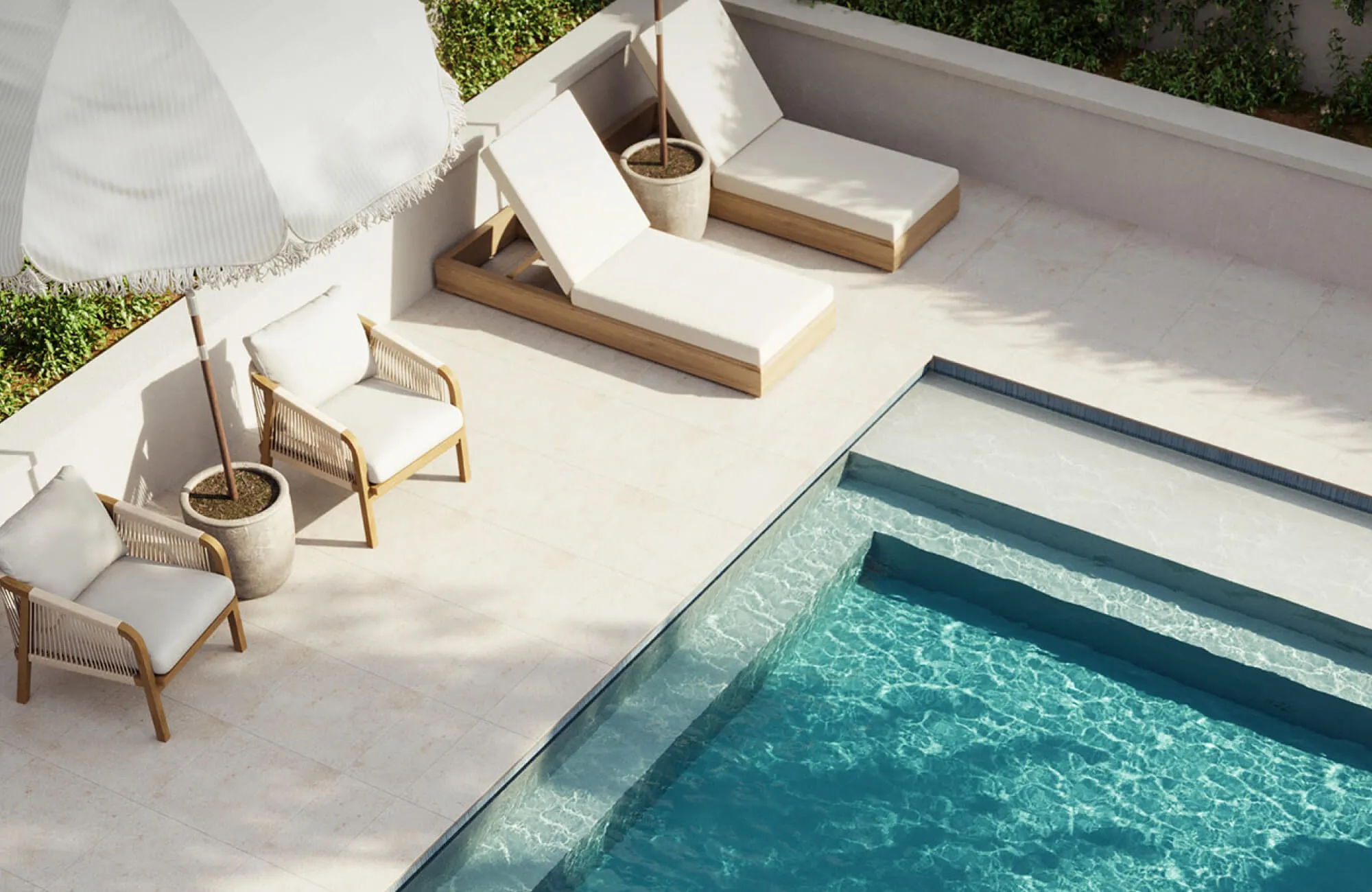
Choosing the best color for poolside furniture involves more than matching cushions to the water. The color you choose also affects how comfortable the furniture feels under the sun, how often you need to clean it, and how well the entire outdoor space comes together. Since pool areas are constantly exposed to sunlight, moisture, chlorine, and changing weather, color becomes both a design decision and a practical choice.
You may be drawn to bold shades that stand out beside the pool, or you may prefer neutral tones that create a calm and timeless setting. Either way, the right color should support the atmosphere you want while also fitting your climate, maintenance preferences, and outdoor style. Understanding how different colors perform in real outdoor conditions can help you make a choice that looks good long after the first summer.
Choosing Colors That Complement the Pool Area
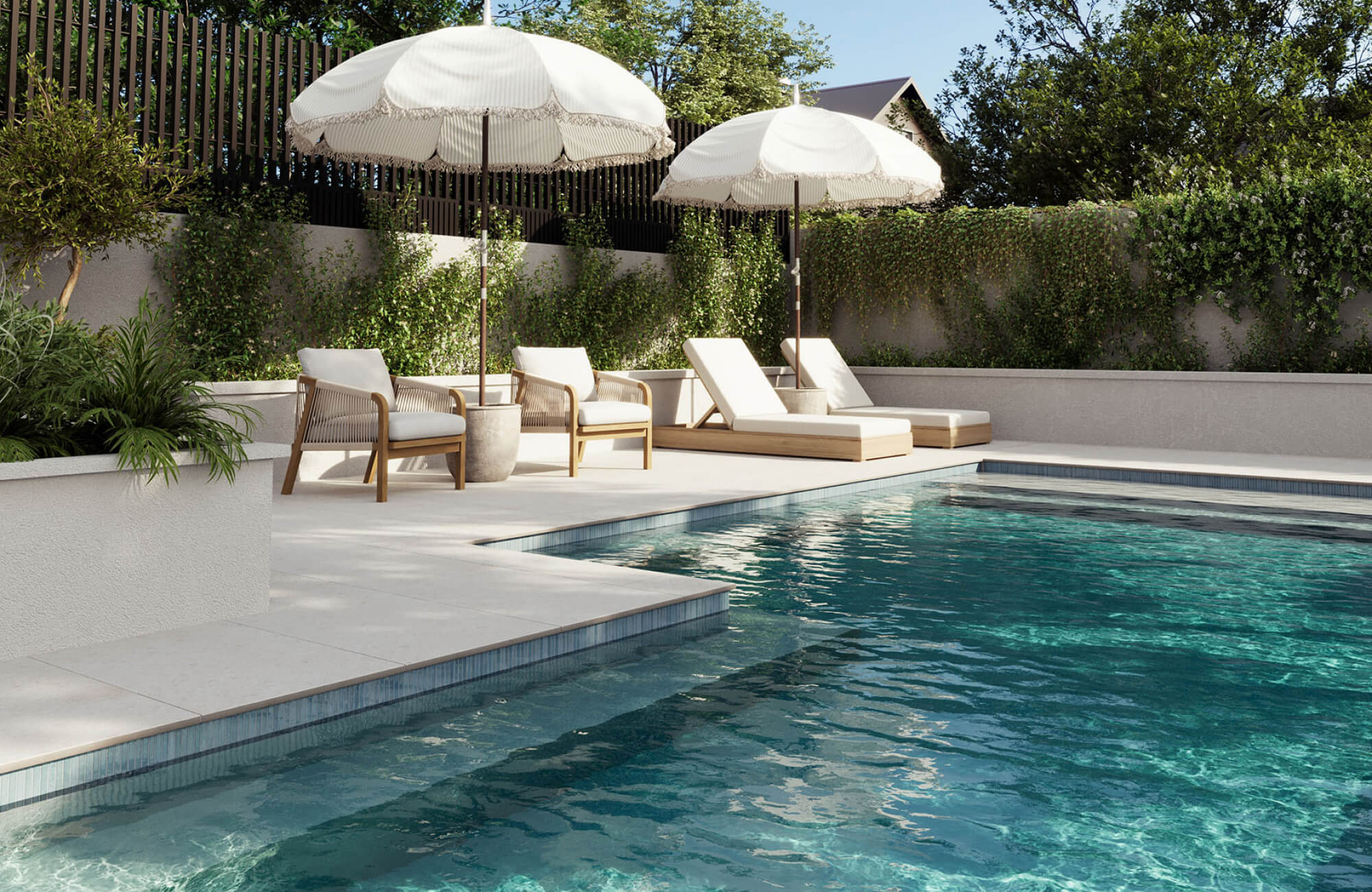
Poolside furniture should feel connected to the surrounding outdoor environment rather than separate from it. Elements such as water reflection, deck finishes, landscaping, and natural light all influence how colors appear throughout the space.
Matching Pool Water Tones
Pool water is not always the same shade of blue. Depending on the tile finish, depth, and lighting, it can appear deep navy, turquoise, teal, or soft aqua throughout the day. Because of this, furniture colors should complement the water’s undertones and not draw attention away from them.
White furniture pairs well with bright blue pools because it creates a crisp, resort-inspired contrast. For darker pools, navy and dark gray tones often add depth while maintaining a balanced look. If your pool leans toward tropical green or turquoise shades, teak and sand-colored furniture can help soften the overall appearance and create a more relaxed setting.
Natural light also changes how furniture colors look outdoors. Some shades appear cooler in the morning and warmer near sunset, especially around reflective water surfaces. Neutral furniture colors usually adapt more smoothly to these lighting shifts, which is one reason they remain a reliable choice for many poolside spaces.
Coordinating With Deck Materials
The pool deck influences how furniture colors appear and feel within the outdoor space. Light concrete decks often pair well with darker furniture because the contrast helps define the seating area and adds visual structure. In contrast, darker stone or wood decking usually works better with lighter furniture tones that keep the space from feeling too heavy.
Travertine decks tend to complement warm neutrals like beige, taupe, and teak since these shades reflect the natural variation. Gray composite decking, meanwhile, pairs naturally with black, white, or soft gray furniture for a cleaner and more contemporary look.
Rather than matching every surface exactly, focus on creating balance throughout the space. The furniture should feel visually connected to the deck while still standing out enough to give the poolside layout a clear definition.
Blending With Outdoor Landscaping
Landscaping adds another layer of color that can influence how outdoor furniture looks around the pool. Elements like palm trees, flowering plants, trimmed hedges, and natural grass all contribute to the overall atmosphere and can affect whether furniture colors feel balanced or out of place.
Pool areas with lush greenery often pair well with warm wood finishes and earthy neutral tones for a more natural and grounded look. These shades complement outdoor textures without causing the seating area to blend too heavily into the background. In more minimalist landscapes with limited planting, white or dark gray furniture can introduce contrast and give the space a clearer visual definition.
Accent cushions can also help tie the furniture into the surrounding landscape. Soft greens, muted blues, and sandy beige tones usually work well because they reflect colors already present in nature rather than introducing shades that feel disconnected from the outdoor setting.
Choosing Colors for Heat and Sun Exposure
Poolside furniture is constantly exposed to sunlight and changing outdoor temperatures. Because of this, color can influence how comfortable and durable the furniture feels over time.
Colors That Stay Cooler Outdoors
Lighter furniture colors tend to stay cooler outdoors because they reflect sunlight rather than absorb it. Shades like white, beige, light gray, and sand are often more comfortable for poolside seating, especially on exposed surfaces such as armrests and tabletops.
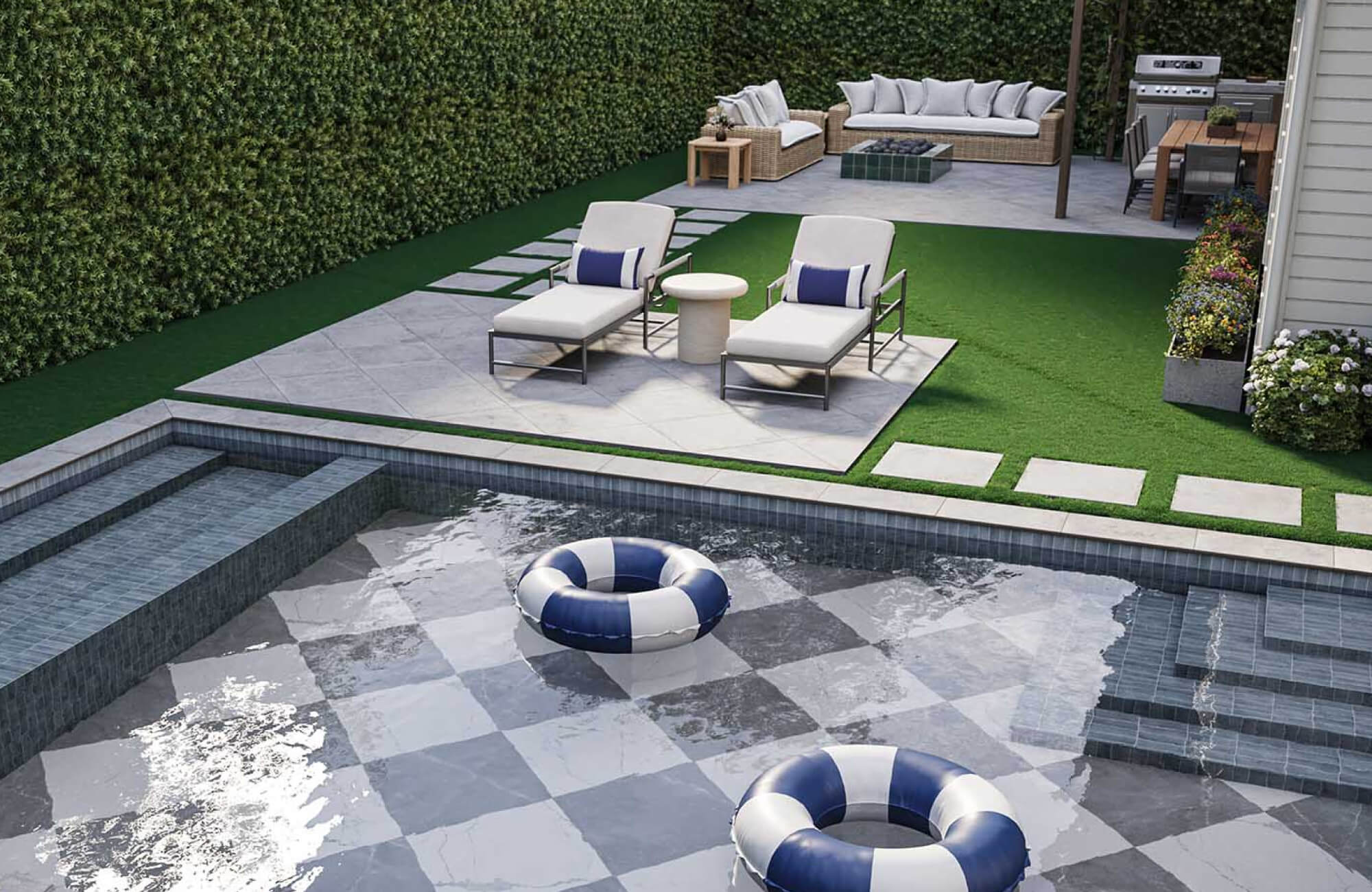
In contrast, darker tones like black and deep charcoal absorb more heat throughout the day. While they create a sleek, modern look, they can feel too hot during peak afternoon hours, especially around pools where people often sit after swimming. But that does not mean darker furniture should be avoided entirely. A balanced combination, such as dark frames paired with lighter cushions, can maintain visual contrast while making the seating area feel more comfortable in warm weather.
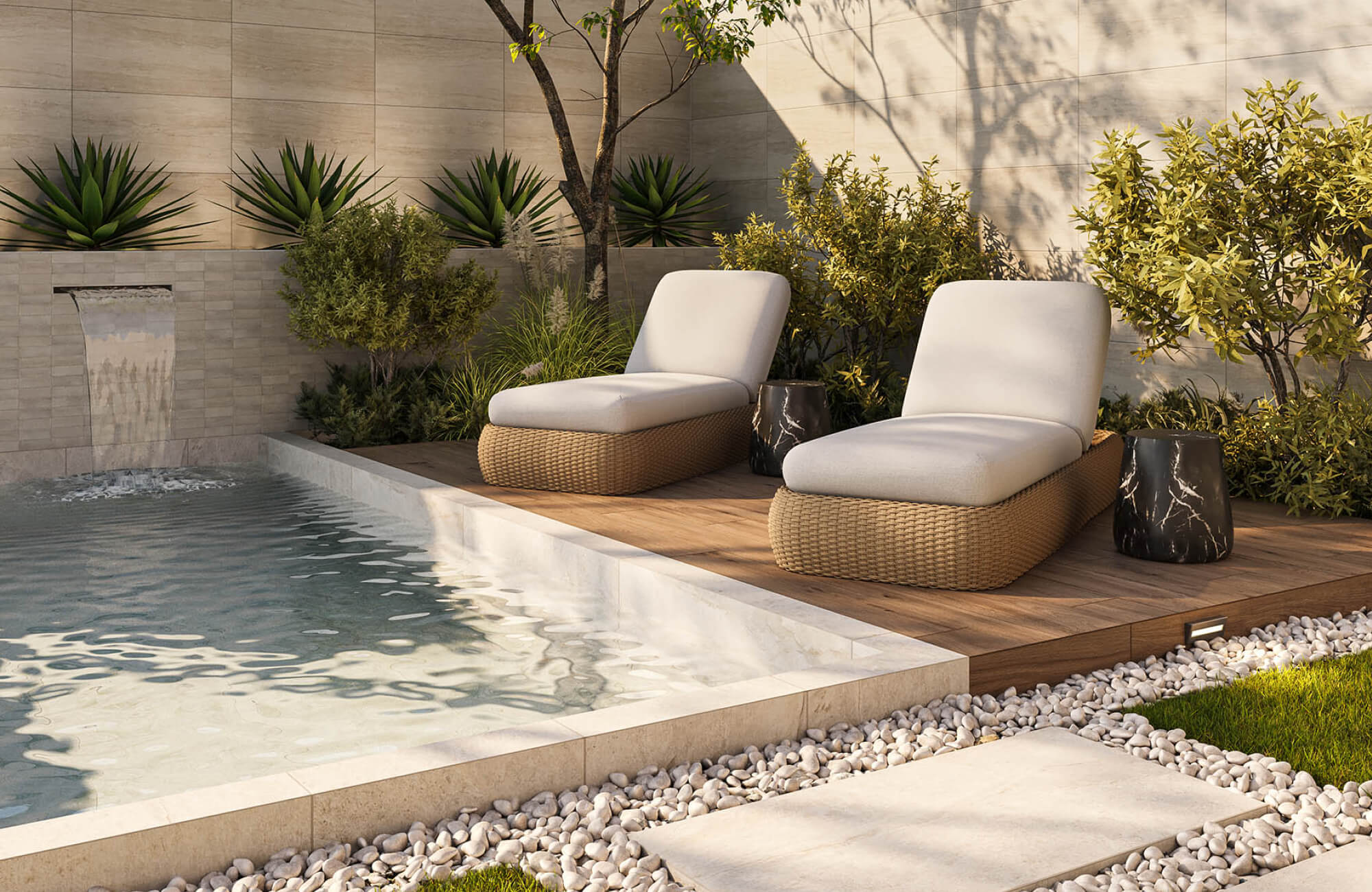
This approach is reflected in the photo above, where Edward Martin’s Vetra Chaise pairs dark framing with light cushions to create a cooler, more inviting poolside setup in direct sunlight. Paired with the Mysa End Table in a soft neutral finish, the arrangement maintains a clean and modern contrast without making the space feel visually heavy or overly warm.
Preventing Fading Over Time
Constant exposure to sunlight can gradually change the color of outdoor furniture, especially in areas with intense UV rays. Bright reds, vivid blues, and saturated greens tend to fade faster than softer neutral shades. As fading becomes more noticeable over time, furniture may start to look uneven or worn, even if the frame itself remains in good condition.
Conversely, medium neutrals like taupe, gray, and muted brown usually maintain a more consistent appearance because color changes are less visible. High-quality outdoor fabrics can also help preserve the original color longer by resisting UV damage and limiting moisture absorption. When comparing furniture options, it helps to look beyond the color alone and consider the quality of the finish and materials. In many cases, a well-made neutral tone ages more evenly than a highly saturated color exposed to constant sunlight year after year.
Choosing Low-Glare Finishes
Glare is another detail that many people overlook until the furniture is placed beside the pool. Since sunlight reflects continuously off the water, highly reflective furniture surfaces can become uncomfortable to look at throughout the day. Glossy white furniture may appear clean and polished at first, but too much reflection can feel harsh in bright outdoor conditions. In comparison, matte finishes and textured materials create a softer effect by diffusing light instead of reflecting it directly.
For this reason, woven resin, matte aluminum, and natural wood finishes remain popular choices for poolside spaces. These materials create a more relaxed visual atmosphere that feels comfortable to spend time around during long afternoons outdoors.
Choosing Color Based on Design Style
Furniture colors should complement the overall style and atmosphere of your outdoor space. When the color palette aligns with the design theme, the pool area feels more cohesive, inviting, and visually balanced.
Modern Poolside Looks
Modern pool areas often focus on clean lines, contrast, and simplicity. Furniture colors like black, dark gray, white, and cool gray are commonly used because they create a polished look without making the space feel overly busy. Dark aluminum frames paired with lighter cushions can add structure and definition, especially around geometric pools and minimalist landscaping.
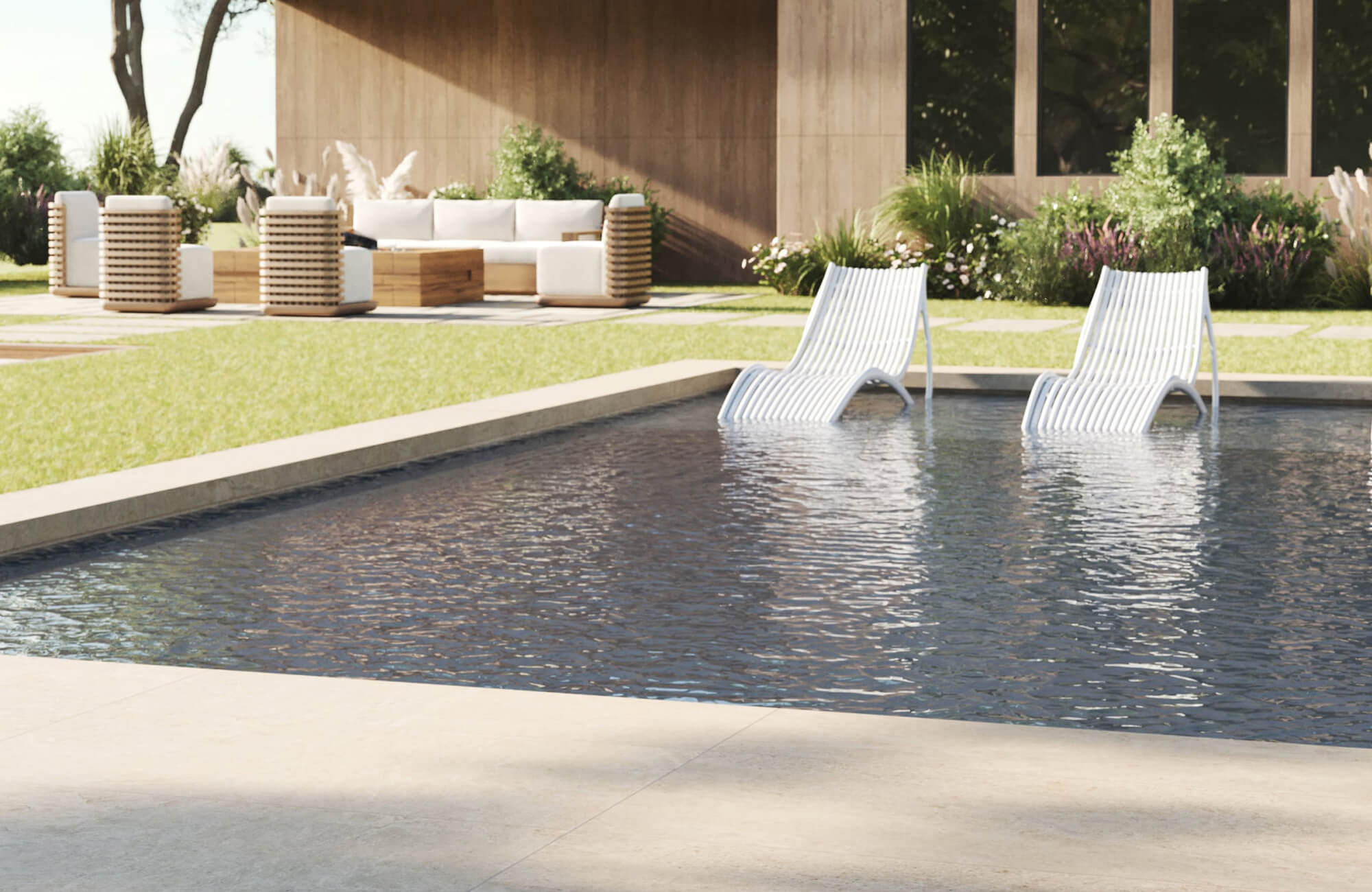
On the other hand, white furniture can make smaller pool areas feel brighter and more open by reflecting natural light. This balance is reflected in the photo featured above, where Edward Martin’s Solena Outdoor Lounger in White brightens the poolside setting while complementing the warm wood decking and soft neutral surroundings. Paired with the Dante Outdoor End Table in Black, the darker accent adds subtle contrast and visual depth without disrupting the clean, minimalist aesthetic.
To prevent modern spaces from feeling too cold or rigid, textured materials such as woven finishes and matte surfaces can also introduce warmth while still maintaining a streamlined color palette.
Coastal and Resort-Inspired Spaces
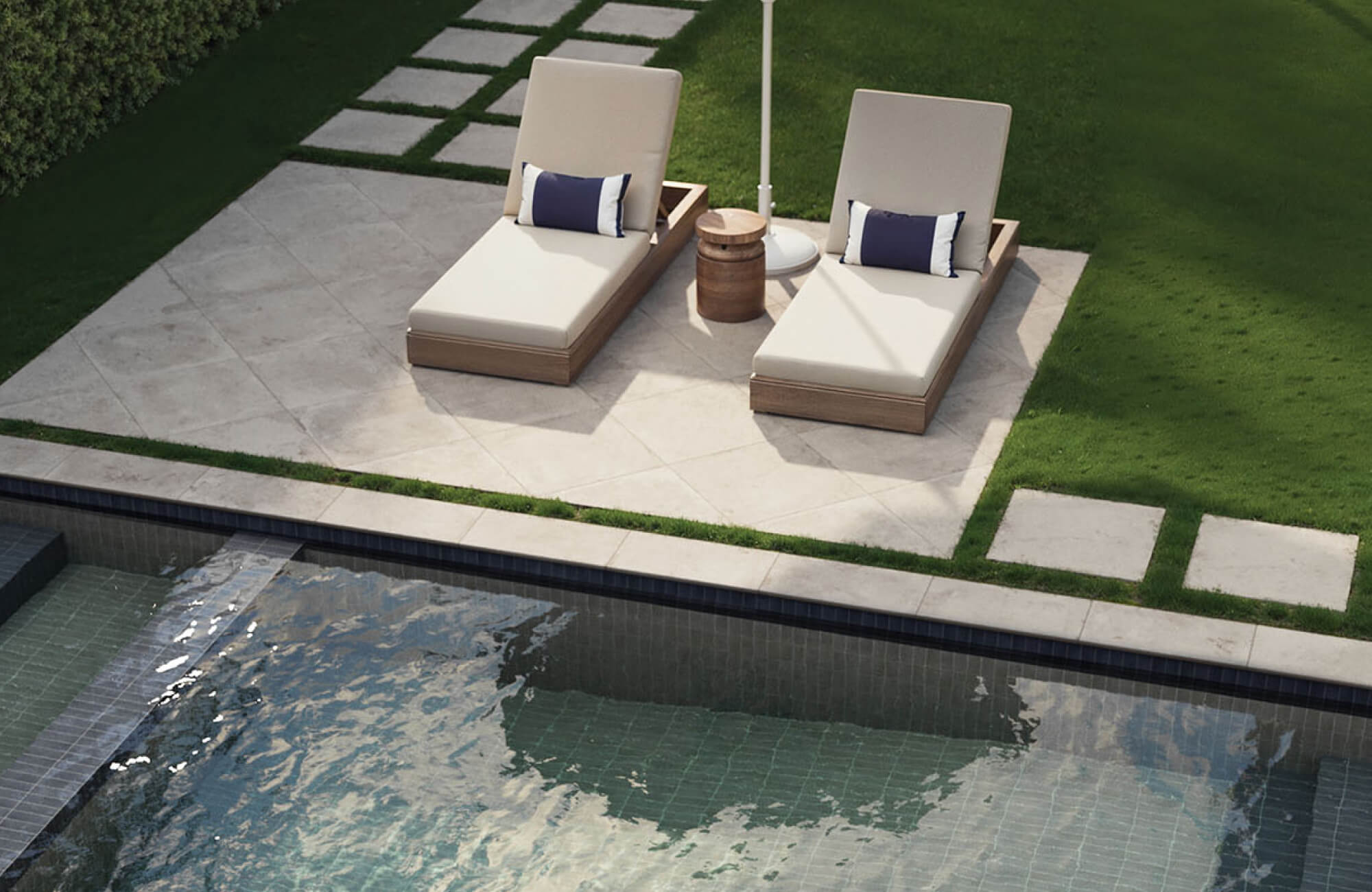
Coastal-inspired pool areas often feel light, relaxed, and inviting. Colors like white, sandy beige, soft blue, and navy are popular choices because they reflect the natural tones found in beaches and oceanfront resorts. These shades work particularly well in bright outdoor settings because they help maintain an open and airy atmosphere throughout the day. Navy cushions can introduce depth without making the space feel too heavy, while soft beige frames can add warmth and visual balance.
Details such as subtle patterns, striped fabrics, and woven textures also complement coastal-inspired spaces naturally. They can add texture and character without overwhelming the overall color palette.
Natural and Tropical Themes
Tropical-style pool areas often look best with warm and grounded furniture tones. Colors like teak, brown, olive green, and muted earthy shades work well because they blend naturally with surrounding plants, trees, and outdoor textures. Unlike high-contrast modern palettes, tropical spaces tend to feel more layered and relaxed. Warm wood tones can soften the look of stone or concrete surfaces while helping the space feel more inviting and less formal.
Earthy furniture colors also adapt well to landscaping changes over time. As plants mature and seasonal colors change, natural furniture tones typically continue to blend seamlessly with the outdoor environment.
Finding Practical Colors for Everyday Use
Poolside furniture is regularly exposed to moisture, sunscreen, chlorine, and outdoor debris. Because of this, some colors are easier to maintain and hold their appearance better over time.
Colors That Hide Dirt and Stains
Medium-tone furniture colors often perform better outdoors because they hide dirt, dust, and water marks more effectively than very light or very dark surfaces. Gray and taupe remain popular choices since they tend to maintain a cleaner appearance between washes. Although white furniture can create a bright and elegant look, it tends to show pollen, leaf residue, and sunscreen stains more easily in outdoor spaces. Brown tones and textured finishes can also help conceal minor imperfections that naturally develop over time, especially in frequently used pool areas.
Managing Water Spots and Chlorine Marks
Pool furniture is constantly exposed to water, so spotting and chemical residue naturally build up over time. Smooth dark surfaces often make dried water marks more noticeable, especially in sunny climates where moisture evaporates quickly. By comparison, textured finishes and blended color patterns tend to hide spotting more effectively. Medium neutral tones can also help reduce the visibility of chlorine residue compared to glossy black or bright white surfaces. Regular cleaning is still important, but choosing more forgiving colors can make everyday marks far less noticeable between maintenance sessions.
Choosing Family-Friendly Shades
If children or pets regularly use the pool area, furniture colors should balance style with everyday durability. Light cream cushions may look refined, but they often require more upkeep after frequent outdoor use. Textured gray, muted blue, and sand-colored fabrics are typically easier to maintain because they help conceal minor stains while still looking clean and fresh. Washable outdoor cushion covers can also make long-term care more practical and convenient. Choosing practical colors does not mean sacrificing style. Instead, these shades help the furniture maintain a polished appearance even with regular use throughout the season.
Using Accent Colors Without Overpowering the Space
Accent colors can bring personality and visual interest to a poolside space without dominating the overall design. When used carefully, they also help create a more balanced and relaxing outdoor atmosphere.
Adding Color Through Cushions
Cushions are one of the simplest ways to introduce color into a poolside setup. Shades like turquoise, coral, navy, and muted yellow can add character and energy without overwhelming the overall space. Since cushions are easy to replace, they also make it possible to refresh the look seasonally without changing the furniture itself. This added flexibility works especially well if your style preferences evolve. Patterned cushions can further enhance the design by adding visual interest while still keeping the overall color palette balanced and cohesive.
Mixing Neutral and Bold Shades
Neutral furniture frames create a balanced foundation that allows bolder accent colors to stand out more naturally. For instance, dark gray seating paired with light blue cushions often feels cohesive because the darker base helps ground the brighter accents. At the same time, using too many bold colors can make the space feel visually cluttered. Limiting stronger tones to smaller accessories usually creates a cleaner and more intentional look. Outdoor rugs, umbrellas, and decorative pillows can also help reinforce accent colors without taking attention away from the furniture itself.
Creating a Relaxing Atmosphere
Color plays an important role in how calm and comfortable a pool area feels. Blues and greens are often associated with relaxation because they reflect natural outdoor elements such as water, plants, and open skies. Warm neutral tones can also help soften harder surfaces like concrete, stone, tile, and metal, making the pool area feel more inviting and comfortable overall.
This is especially helpful in outdoor spaces that might otherwise feel visually cold or overly structured. A well-balanced color palette can make the entire area feel more relaxing and comfortable, particularly during quiet evenings or long afternoons spent outdoors.
Selecting Timeless Colors That Age Well
Poolside furniture is often a long-term investment, so color choices should remain appealing over time. Timeless shades also make it easier to refresh the surrounding space without replacing the furniture itself.
Why Neutral Colors Last Longer
Neutral furniture colors remain popular because they adapt easily to a wide range of outdoor styles. Shades like white, beige, teak, and gray work well in modern, coastal, tropical, and traditional spaces without feeling outdated over time. These colors also offer more flexibility if you decide to repaint nearby surfaces or update your outdoor décor later on. Neutral tones tend to maintain broader appeal because they work across changing design trends. In addition, neutral tones often maintain broader appeal because they suit a variety of personal preferences and outdoor settings.
Avoiding Trend Fatigue
Highly saturated colors may feel exciting at first, but they often lose their appeal more quickly as design trends change. Bright orange, lime green, or heavily patterned furniture can eventually make it harder to refresh the surrounding outdoor space. Rather than committing to trend-driven furniture colors, it is often more practical to introduce trends through cushions, decorative pillows, or other accessories that are easier and more affordable to replace. This approach helps the furniture remain visually relevant over time while preventing the pool area from feeling outdated too quickly.
Investing in Long-Term Flexibility
Pool areas often evolve as landscaping matures, decking is updated, or new décor is introduced. Choosing flexible furniture colors makes it easier to adapt to those changes without disrupting the overall look of the space. Neutral foundations also give you the flexibility to experiment with accent colors and seasonal décor without changing major furniture pieces. This helps the outdoor space feel updated and visually connected as different design elements evolve. In addition, a timeless color palette helps create consistency across different outdoor features, making the space feel more connected and thoughtfully designed rather than pieced together.
Creating a Comfortable and Stylish Poolside Space
Choosing the right poolside furniture color comes down to balancing style, comfort, and long-term practicality. Light neutral shades like white, beige, sand, and light gray often feel cooler and more timeless, while darker tones such as dark gray, black, and navy blue can add depth and contrast when used thoughtfully. Instead of focusing on appearance alone, it helps to consider how the color will perform in sunlight, handle everyday use, and complement the surrounding outdoor elements. When furniture colors such as teak, taupe, soft blue, or muted earth tones blend naturally with the pool, landscaping, and deck materials, the entire outdoor space feels more unified, welcoming, and enjoyable to spend time in.
If you are unsure which furniture colors best suit your pool layout or outdoor style, contact us for professional guidance and personalized recommendations. You can also explore our design services for tailored ideas that complement your outdoor space and functional needs.
Follow us on Instagram
@EDWARD.MARTIN
)
)
)
)
)
)
)
)
)
)
)
)
)
)
)
)