Choosing the right modern bathroom tiles is about more than finding a look you like; it’s about creating a space that feels cohesive, functional, and uniquely yours. The tiles you select influence everything from the mood of the room to how easy it is to maintain. Color, texture, size, and layout all play a role in shaping the final result, as does the way your choices interact with lighting and fixtures. In this guide, we’ll explore practical tips and style ideas to help you select tiles that match your personal taste while working beautifully in your bathroom’s daily life.

The Role of Modern Bathroom Tiles in Design
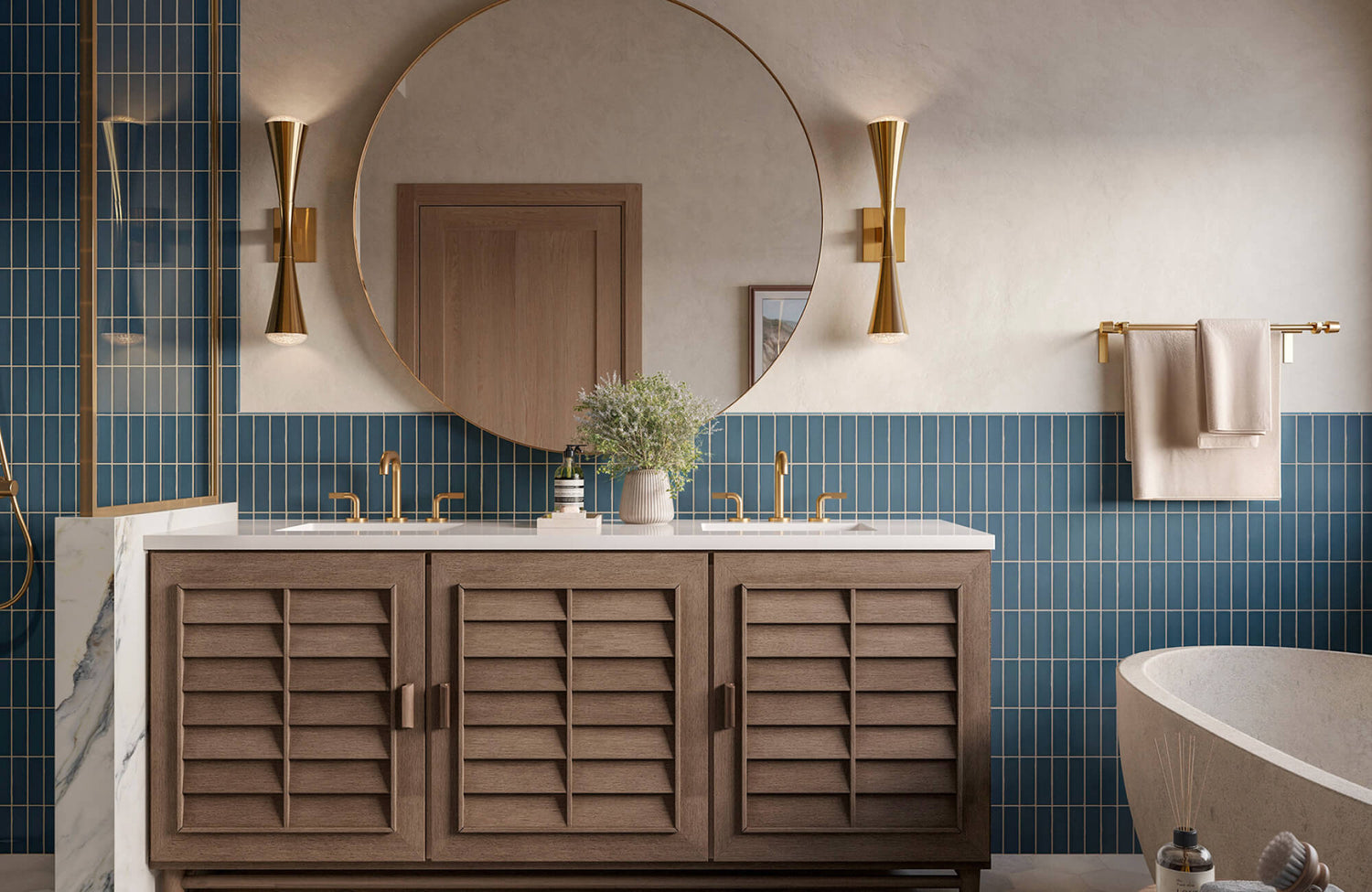
The way you choose and arrange bathroom tiles can completely transform how the space feels and functions. For instance, a carefully selected tile, like our Maisie 2.5x16 Glossy Ceramic Tile in Pistachio as seen above, can make a compact bathroom seem more open, or bring a sense of warmth and elegance to a simple layout. Color, finish, and texture all play their part, too, influencing how light moves through the room and how the overall mood comes together. Whether you’re aiming for a clean, minimalist style or something softer and spa-inspired, tiles help set the foundation for your bathroom’s personality.
Tile style and layout also affect how practical your bathroom will be in daily use. Large-format tiles can create a smooth, low-maintenance surface, while patterned layouts add visual interest and help define different zones. Small design choices like using a matte surface to diffuse light or a glossy one to reflect it can shift the room’s tone just as much as a bold color or pattern. By thinking about both how tiles look and how they work for you, you can create a space that’s not only visually appealing but comfortable to use as well.
Ultimately, modern bathroom tiles bring together all the elements of your design, lighting, fixtures, and layout into one cohesive whole. They’re not just a finishing detail but a central feature that influences both style and function. When chosen with care, they allow your bathroom to feel modern, practical, and uniquely yours.

Choosing the Right Tile Material for Your Style and Lifestyle
The material you choose for your bathroom tiles plays a big role in both style and day-to-day performance. For example, some materials offer a sleek, modern look but require more upkeep, while others are more forgiving and easy to maintain. The goal is to find an option that reflects your taste while standing up to your bathroom’s moisture, cleaning routines, and daily wear.
Porcelain and Ceramic for Versatility
Porcelain and ceramic remain two of the most popular choices for modern bathrooms, and for good reason. Both materials come in a wide variety of colors, patterns, and finishes, making them easy to adapt to different design visions. Porcelain is denser and more water-resistant, which can make it a great choice for high-moisture areas like showers, while ceramic offers excellent style flexibility at a generally lower cost. They’re also easy to maintain, so you can keep your bathroom looking fresh with minimal effort. By understanding the slight differences between the two, you can choose the one that best supports your design goals and lifestyle needs.
Porcelain’s durability and low porosity make it ideal for homeowners who want long-lasting performance with less concern about water damage. Ceramic, too, can be a smart choice, especially when you’re seeking a lighter-weight tile that still delivers on style and practicality as seen above with our Natasha 2x6 Glossy Porcelain Tile in Army. Both can be finished in matte, glossy, or textured surfaces, allowing you to tailor their look to your preferred atmosphere. For instance, a matte porcelain floor can pair beautifully with glossy ceramic wall tiles for a balanced, modern aesthetic. The versatility of these materials means they can work in almost any bathroom style, from minimalist to bold, without compromising on functionality.
Natural Stone for a Luxurious Feel
Natural stone tiles bring a level of texture and sophistication that’s hard to match, making them a favorite for modern bathrooms with a touch of organic elegance. Each piece is unique, with natural veining and subtle color variations that give your space character. Materials like marble, travertine, and slate offer timeless appeal, whether you’re aiming for a spa-like sanctuary or a minimalist retreat with earthy accents. They also pair beautifully with both matte and polished finishes, allowing for flexibility in design. For homeowners who appreciate craftsmanship and individuality, natural stone is a strong contender.
However, beauty comes with responsibility; natural stone requires sealing and regular maintenance to keep it looking its best. Without proper care, it can be prone to staining or etching, especially in wet or high-use areas. For example, marble floors in a shower can look stunning but will need more upkeep than porcelain or ceramic. Choosing a stone with the right finish and placement can help balance aesthetics with practicality. When maintained well, natural stone not only enhances your bathroom’s appearance but also adds long-term value to your home.
Glass and Metal for Accent Features
Glass and metal tiles are perfect for injecting personality into a modern bathroom without overwhelming the design. Their reflective qualities can brighten a space, making them ideal for accent walls, borders, or backsplashes. Glass tiles, in particular, can add depth and luminosity, while metal finishes such as brushed nickel or stainless steel offer a sleek, contemporary edge. These materials can highlight focal points in your bathroom, too, drawing attention to features like vanities or statement mirrors. When used sparingly, they create striking contrasts that elevate the overall design.
Because glass and metal tiles can be slippery and prone to scratching, they’re generally better suited for walls than floors. Placing them in high-visibility but low-impact areas ensures they stay beautiful over time. For instance, a glass mosaic backsplash behind the sink can catch the light and add interest without facing heavy wear. Mixing them with other materials like porcelain or stone can create balance and prevent the design from feeling too cold or flashy. With thoughtful placement, glass and metal accents can be the perfect finishing touch to a modern bathroom.

Selecting Tile Colors That Match Your Style
Color plays a major role in how your bathroom feels, shaping its mood as much as its layout or fixtures. The right palette can create balance between visual appeal and your personal taste, making the space feel inviting and well thought out. By choosing colors that reflect your style and work with your bathroom’s lighting and size, you’ll create a space that feels modern yet uniquely yours.
Neutral Shades for Timeless Elegance
Neutral tones like white, gray, and beige are classics in modern bathrooms, offering a calm, balanced backdrop that works with almost any style. They pair easily with a range of materials, from warm wood accents to sleek metal fixtures. Layering textures such as matte wall tiles with subtly patterned floors can keep the design from feeling flat, too. This makes neutrals a versatile choice, especially if you like updating accessories or décor without changing the core tile design.
While neutrals are low-risk and adaptable, they can sometimes feel too clinical if used without warmer elements. Introducing natural textures like stone or wood-look finishes helps bring depth and comfort to the space. For example, pairing light gray tiles with a soft oak vanity can create a look that’s clean but still welcoming. By balancing neutral tones with complementary accents, you maintain their timeless appeal without losing warmth or character.
Bold Colors for a Statement Look
Deep blues, greens, or even matte black can turn a bathroom into a striking statement space. These hues add personality and work well in both small and large bathrooms when used thoughtfully. For instance, a bold accent wall behind the vanity can make a strong impact without overwhelming the entire room. Balancing these shades with lighter tones or reflective finishes keeps the space from feeling too closed in.
The key is to use bold colors strategically so they enhance the design instead of dominating it. In smaller bathrooms, pairing dark tiles with white or light gray surfaces can create contrast and depth. In larger spaces, deeper tones can help anchor the design and make it feel more intimate. Whether you lean toward dramatic navy or a rich emerald green, bold colors can give your bathroom a distinctive, modern edge.
Mixed Tones for Added Depth
Mixing complementary or contrasting tones can add dimension and visual interest to your bathroom. This approach works especially well in modern designs that aim for a layered, curated feel. For example, combining soft taupe wall tiles with deep charcoal floors can create a balanced, sophisticated look. Patterned layouts that blend multiple shades can also make a space feel more dynamic without being overly busy.
The trick is to choose tones that work together harmoniously and to use them in a way that feels intentional. Accent walls, decorative borders, or a tonal gradient from floor to ceiling can add subtle depth. Too many competing colors or patterns, however, can make the space feel cluttered and less cohesive. By keeping your palette focused and well-balanced, mixed tones can bring richness and character to a modern bathroom design.

Balancing Tile Size, Pattern, and Layout
The size, shape, and arrangement of your tiles can change how your bathroom looks and feels just as much as color or material. The right combination can make a small room feel more spacious, highlight architectural features, or add visual depth. By thinking about proportions, patterns, and placement together, you can achieve a design that’s both stylish and well-balanced.
Large-Format Tiles for a Seamless Look
Large-format tiles are a go-to choice for creating a modern, streamlined appearance. With fewer grout lines, they make the space feel more open and less cluttered, which is especially helpful in smaller bathrooms. Their clean surface also gives the eye fewer breaks, allowing the room’s lines to feel longer and smoother. In addition, they can make maintenance easier, as there’s less grout to clean over time.
However, large-format tiles aren’t a one-size-fits-all solution. In bathrooms with awkward angles or tight nooks, oversized tiles may require more cutting, which can disrupt the seamless look. For example, a narrow shower stall might benefit more from mid-sized tiles that fit naturally without excessive trimming. Choosing the right dimensions for the space ensures you get the airy, open effect without running into layout challenges.
Geometric and Patterned Tiles for Character
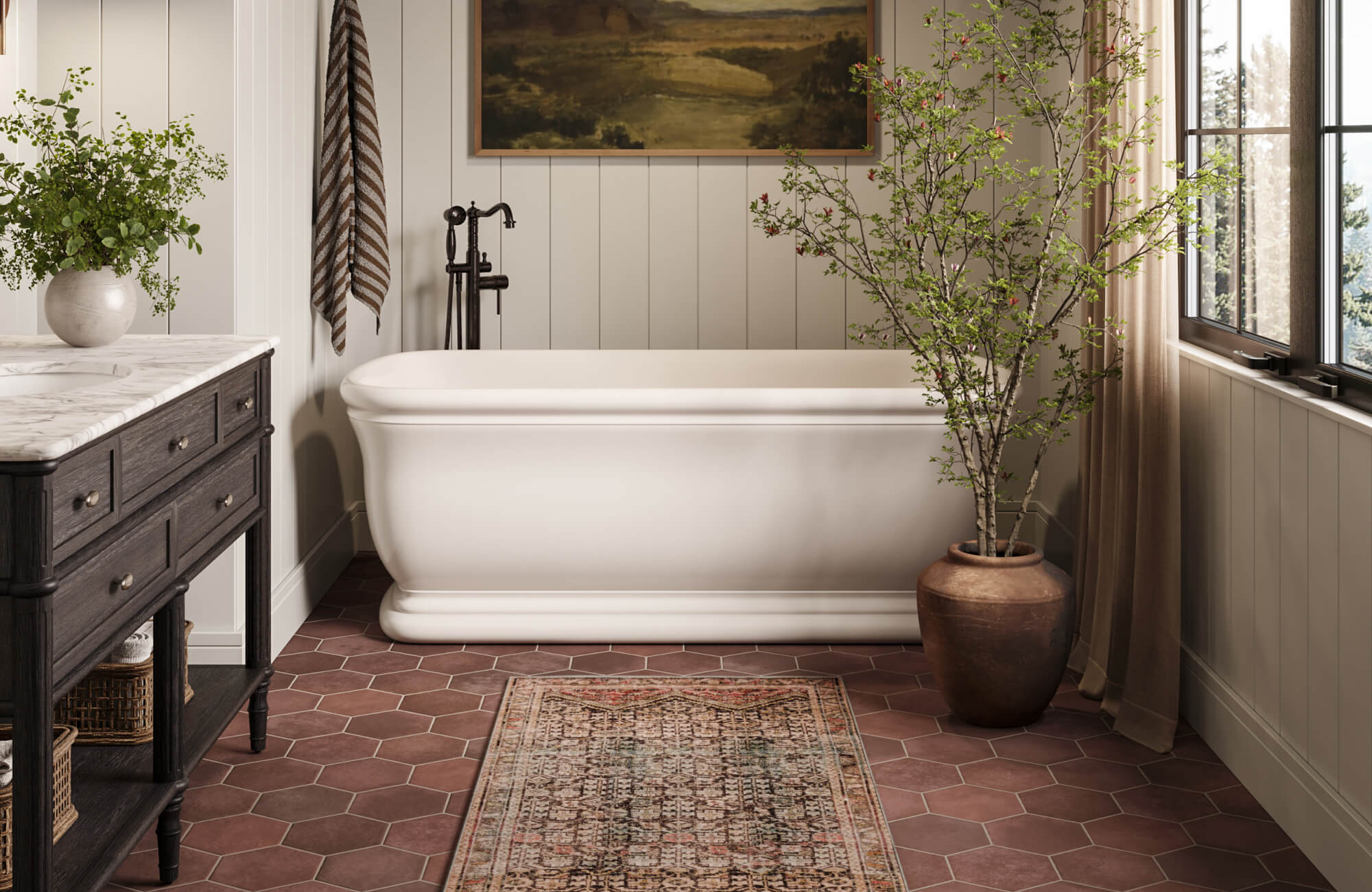
Geometric shapes and subtle patterns can bring personality and interest to a bathroom without compromising its modern feel. Whether it’s hexagons, chevrons, or soft wave designs, these patterns can highlight a feature wall or add depth to a shower enclosure. They also work well for homeowners who want a touch of artistry in their bathroom without overwhelming the space. By keeping the color palette in check, patterned tiles can remain visually engaging while still blending with the rest of the design.
It’s important, though, to choose patterns that complement rather than compete with other design elements. For example, pairing a bold patterned floor with simple, solid-colored wall tiles keeps the focus where you want it. Too many competing designs can create visual clutter and make the space feel smaller. A well-chosen geometric or patterned feature can be the perfect way to add character in a modern, refined way.
Mixing Layouts for Visual Interest
Combining different tile layouts can give your bathroom a custom, designer feel. For instance, a herringbone pattern on the floor paired with vertically stacked subway tiles on the wall creates contrast while still looking cohesive. This approach works especially well in modern spaces, where clean lines meet creative detailing. Mixing layouts also allows you to define different areas like the shower, vanity, or tub surround without relying on changes in color or material.
The key is to keep the mix intentional and balanced. Using too many layouts at once can create a disjointed effect, making the design feel busy rather than harmonious. Sticking to two or three complementary patterns ensures the space feels curated rather than chaotic. When done thoughtfully, mixing layouts can bring depth and sophistication to your bathroom while keeping the overall look fresh and modern.

How Lighting Affects Tile Appearance
Lighting has a powerful influence on how your bathroom tiles look and feel, often changing their appearance more than you might expect. Natural light can reveal subtle undertones, while artificial lighting can alter the warmth, depth, and texture of the surface. By understanding these shifts, you can choose tiles that look consistently appealing in all conditions, not just in the showroom.
Natural Light and Its Impact on Tile Color
Natural light can make tiles appear brighter, fresher, and more vibrant, but it can also expose undertones you might not notice under store lighting. The direction and intensity of sunlight matter, too—morning light tends to feel cooler and crisp, while afternoon light can cast a warmer glow. Window placement can influence whether your tiles look more subdued or more lively throughout the day. Choosing with this in mind helps you avoid surprises once the tiles are installed.
Artificial Lighting and Finish Reflection
Artificial lighting can change a tile’s color temperature and the way it interacts with the space. Warm-toned bulbs can make tiles feel cozier, while cool white LEDs can bring out sharper, more modern tones. Glossy finishes reflect light, which can make a bathroom look brighter, while matte surfaces diffuse light for a softer, more relaxed feel. The type of fixture and its placement will also affect how these qualities are perceived. Testing your chosen tile under your actual bathroom lighting ensures the finish looks and feels right.
Testing Tiles in Different Lighting Conditions
Bringing samples home is the best way to see how they’ll truly perform in your space. Comparing them under daylight, evening lighting, and any task lighting you use helps you spot color shifts and surface effects before committing. For instance, a tile that feels perfectly balanced in daylight might look too dark under warm bulbs. Laying out samples in their intended location gives you the most accurate preview of the final result. This small step can save you from making an expensive choice that doesn’t work once installed.

Practical Tips for Bringing Your Style to Life
In this final section, we’ll look at practical steps that help you choose tiles that feel true to your personal style while meeting your bathroom’s functional needs. These tips can guide you from the planning stage to installation, ensuring the final result works for both everyday use and long-term enjoyment.
Create a Mood Board Before Buying
A mood board is a simple but powerful tool for visualizing how colors, textures, and layouts will come together in your bathroom. Including tile samples, paint swatches, and fixture finishes can reveal whether your choices complement each other or clash. For instance, a tile that looks perfect on its own might feel out of place next to your vanity finish. This step also makes it easier to spot gaps in your design before making purchases. Taking the time to plan visually can save you from mismatched elements and expensive do-overs.
You can take this a step further by using our augmented reality (AR) tool to preview tiles directly in your space. This lets you see how colors, patterns, and finishes interact with your lighting and existing décor before making a final decision. It’s an easy way to refine your mood board with real-world accuracy and added confidence.
Factor in Maintenance and Longevity
Your tile selection should fit your lifestyle as much as your style preferences. Considering factors like grout color, surface finish, and slip resistance helps ensure the tiles stay beautiful and functional over time. For example, light-colored grout may require more upkeep in high-use areas, while a textured finish can offer better slip resistance in wet zones. Thinking about these details before buying means you’re less likely to be frustrated with upkeep later. A well-chosen tile should look good and perform well for years to come.
Work with a Professional Designer if Needed
If you’re feeling uncertain about combining style with practicality, a professional designer can offer valuable guidance. They can suggest creative solutions you may not have considered, while keeping your budget and space limitations in mind. For example, they might recommend a tile layout that maximizes visual impact without driving up installation costs. Working with a designer isn’t just for high-end projects—it can help avoid costly mistakes in any bathroom renovation. Their experience can turn your vision into a space that’s cohesive, functional, and uniquely yours.
That’s why Edward Martin offers personalized design consultations to give you the same level of expert insight, but with the added benefit of a team that knows our products inside and out. From initial concept to final product selection, our designers work closely with you to ensure every choice fits seamlessly into your vision. This tailored support makes the design process easier, more enjoyable, and more rewarding.
Modern Bathroom Tiles That Match Your Style
Selecting modern bathroom tiles is as much about self-expression as it is about functionality. By considering factors like material, color, size, pattern, lighting, and layout, you can create a bathroom that reflects your style while meeting the demands of everyday use. The right combination not only improves the look of your space but also makes it more comfortable and practical. With thoughtful planning and attention to detail, your tile choice can transform your bathroom into a space that feels modern, cohesive, and uniquely yours.