
)
)
)
)
)
)
)
)
Are Terracotta Tiles Good For Flooring?
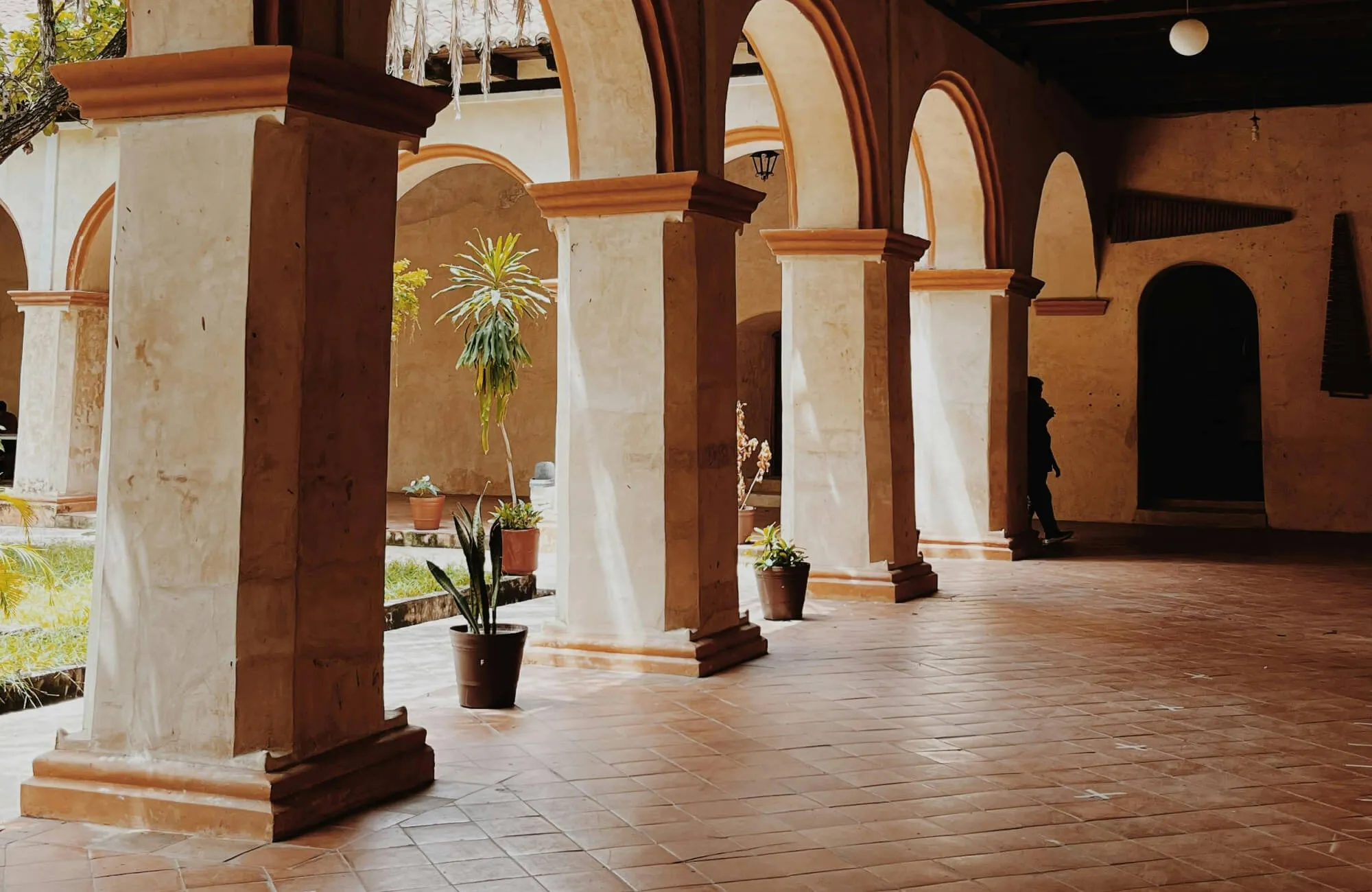
Terracotta floor tiles have been cherished for centuries, gracing historic villas, rustic farmhouses, and timeless public buildings. Today, they remain admired for their warm tones and natural character, but you may wonder if they’re the right choice for your home. In this article, we’ll explore their beauty, practicality, and the key factors to consider, along with alternative floor tiles, so you can make a confident, informed decision.
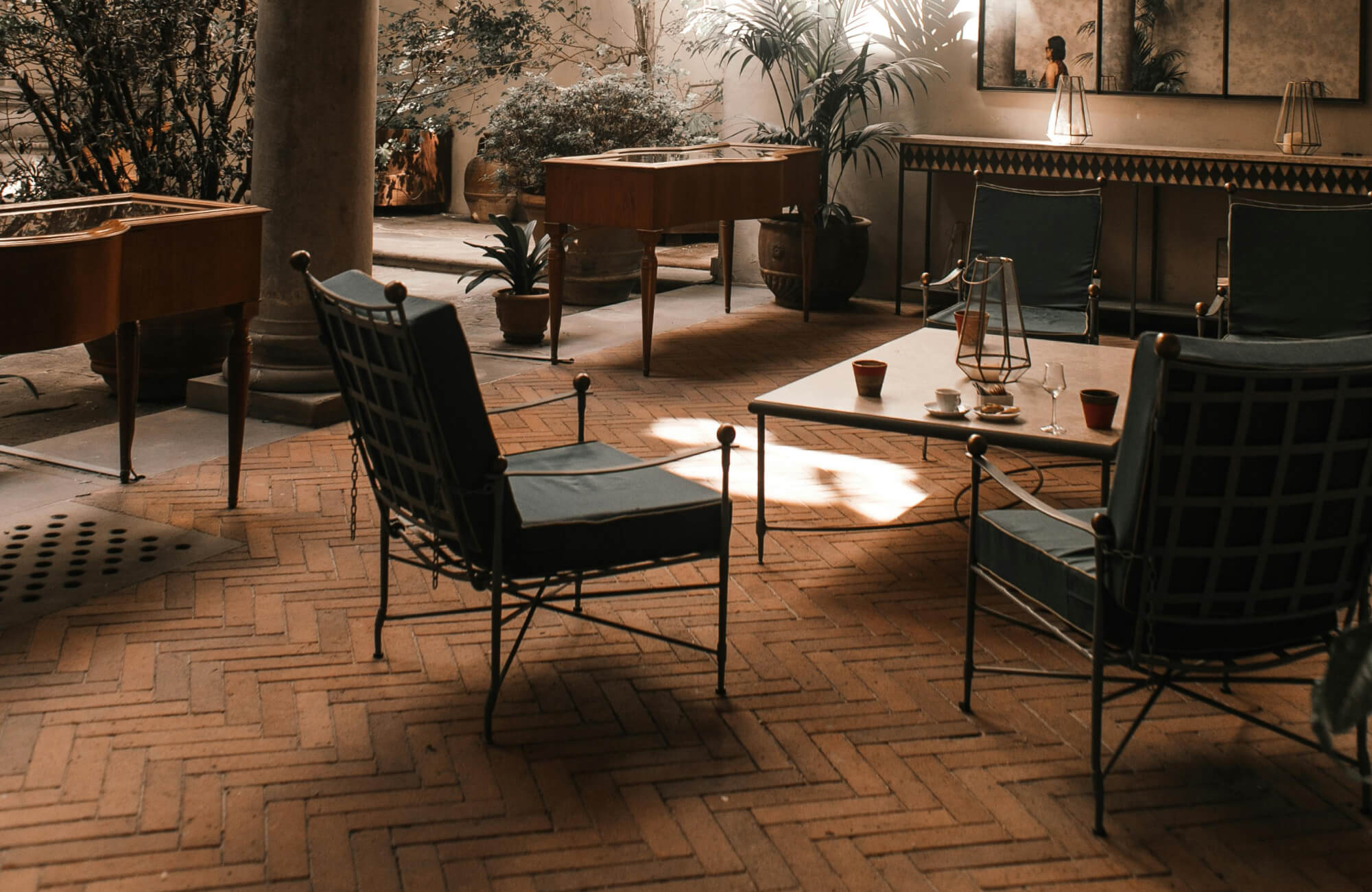
The Natural Appeal of Terracotta Flooring
There’s a reason terracotta has never gone out of style; it offers a sense of authenticity that can’t be quite replicated with synthetic materials. The way it looks and feels instantly brings character to a room, making it more inviting.
Origins and Cultural Influence
Terracotta has a story to tell. Used for thousands of years in Mediterranean courtyards, Italian kitchens, and Spanish terraces, these tiles connect us to a tradition of craftsmanship. The process of shaping clay, drying it in the sun, and firing it in kilns has remained largely unchanged. Small variations in heat and mineral content create unique shades and markings, so no two tiles are ever identical. When you walk into a space lined with terracotta, you’re experiencing the result of skills passed down through generations.
Warmth and Color Palette
One of the most appealing qualities of terracotta is its rich, earthen palette. From soft, sandy peaches to deep, sunbaked reds, each piece reflects natural clay tones that work well with a variety of design schemes. These colors also respond beautifully to light, appearing more vibrant in daylight and cozier under warm artificial lighting. If you’re aiming for harmony in your space, you can also pair terracotta with creams, beiges, or muted greens for a natural feel, or use darker accents to create striking contrast.
Texture and Surface Variations
Terracotta offers a tactile experience underfoot. Some tiles have a softly matte finish that feels grounded and natural, while others are smoothed and polished for a refined look. Rustic surfaces can highlight handcrafted imperfections, adding depth and charm to a space. Whichever finish you choose, the texture plays a significant role in how the tile feels underfoot, whether you're walking barefoot in a living room or stepping out into a sunlit patio.
Durability and Longevity in Everyday Use
A well-made terracotta tile can last decades, even generations, if it’s chosen and cared for properly. While beauty is an important factor, understanding performance will help you know what to expect in daily life.
Fired Strength and Wear Resistance
Terracotta’s durability is largely determined by how it is fired. When tiles are exposed to higher kiln temperatures, the clay particles fuse more tightly, creating a denser surface that resists wear more effectively. The composition of the clay also plays a role, as mineral variations from different regions can influence both hardness and longevity. While terracotta is generally a bit softer than porcelain or high-grade ceramic, it remains a strong, reliable option for most residential spaces when properly sealed and cared for.
Handling Heavy Footfall
In kitchens, entryways, and outdoor walkways, durability is essential. Thicker tiles or those specifically rated for high-use areas will perform best in these settings. Terracotta offers a slight softness underfoot compared to harder surfaces, providing comfort without compromising its shape or stability over time. Terracotta’s porous surface means it should be sealed to protect against stains and moisture, as unsealed tiles may show wear sooner in busy areas.
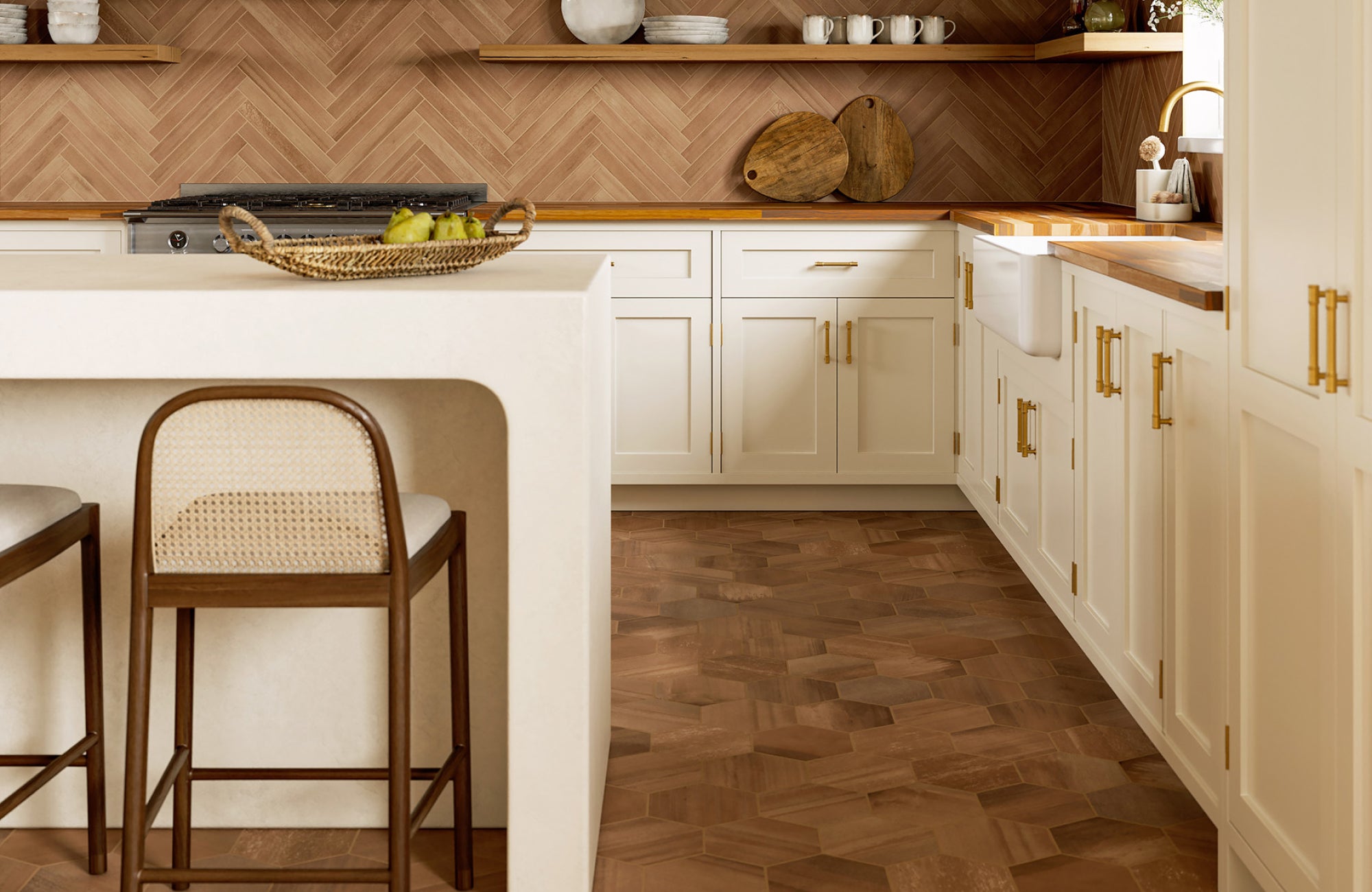
Porcelain, by contrast, is hard and non-porous, offering exceptional resistance to wear. This quality makes it a practical choice for kitchens like the one pictured above, where Edward Martin’s Catalina 7x8 Hexagon Matte Porcelain Tile in Clay combines durability with a warm, natural aesthetic that suits both traditional and contemporary designs.
Maintenance for Lifespan Extension
Caring for terracotta becomes simple once you establish the right routine. Applying a quality sealant forms a protective layer against stains and moisture, and periodic resealing helps maintain that protection. Regular cleaning with mild, non-abrasive products will preserve the tile’s natural finish without wearing it down. For best results, it’s always wise to follow the manufacturer’s specific care recommendations, as these are tailored to the tile’s composition and finish. With consistent attention and the right methods, terracotta can retain its beauty and structural integrity for decades.
Moisture Resistance and Climate Considerations
Terracotta has a naturally porous surface, which means it interacts with moisture differently than some other flooring types. Understanding how it behaves in various environments helps ensure you place it where it will thrive.
Porosity and Sealing Necessities
Unsealed terracotta will absorb water, which can lead to stains or discoloration. That’s why sealing is essential, especially in kitchens, bathrooms, or any space exposed to spills. A simple way to check your seal is to place a few drops of water on the tile; if it beads, the seal is intact; if it darkens, it’s time to reseal.
Indoor vs Outdoor Installation
Terracotta can work beautifully in both indoor and outdoor settings, but placement plays a big role in how well it performs. Indoors, it adds warmth and character to living rooms, kitchens, and dining areas. Outdoors, it can create inviting patios and verandas, provided it is properly sealed and maintained. One drawback is its susceptibility to moisture and temperature extremes; without adequate protection, terracotta may stain, fade, or crack over time, particularly in regions with harsh winters. In climates where freeze-thaw cycles are common, outdoor use should be approached with caution or avoided altogether.
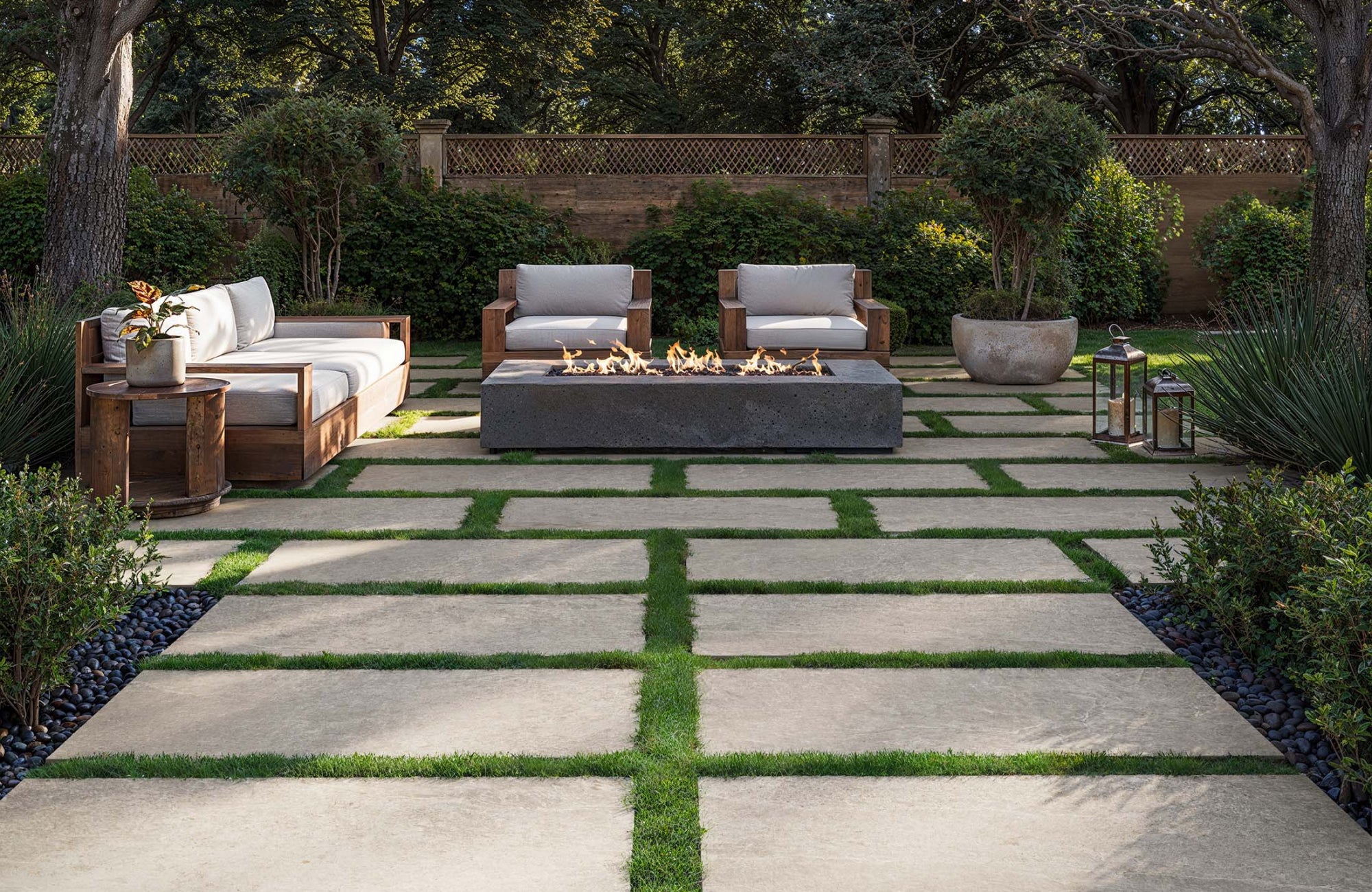
For a similar earthy appearance with better weather resistance, porcelain tiles offer a strong alternative, being non-porous, highly durable, and able to withstand a broad range of conditions. In outdoor spaces, particularly uncovered areas exposed to rain or frost, porcelain pavers offer a practical solution, combining durability, low maintenance, and a natural look that integrates seamlessly with open-air environments. In outdoor designs like the one pictured above, Edward Martin’s Dawson 24x48 Grip Porcelain 2cm Paver Tile in Pewter delivers a warm, natural tone with a textured grip surface, ensuring both style and slip resistance in all-weather conditions.
Humidity and Temperature Fluctuations
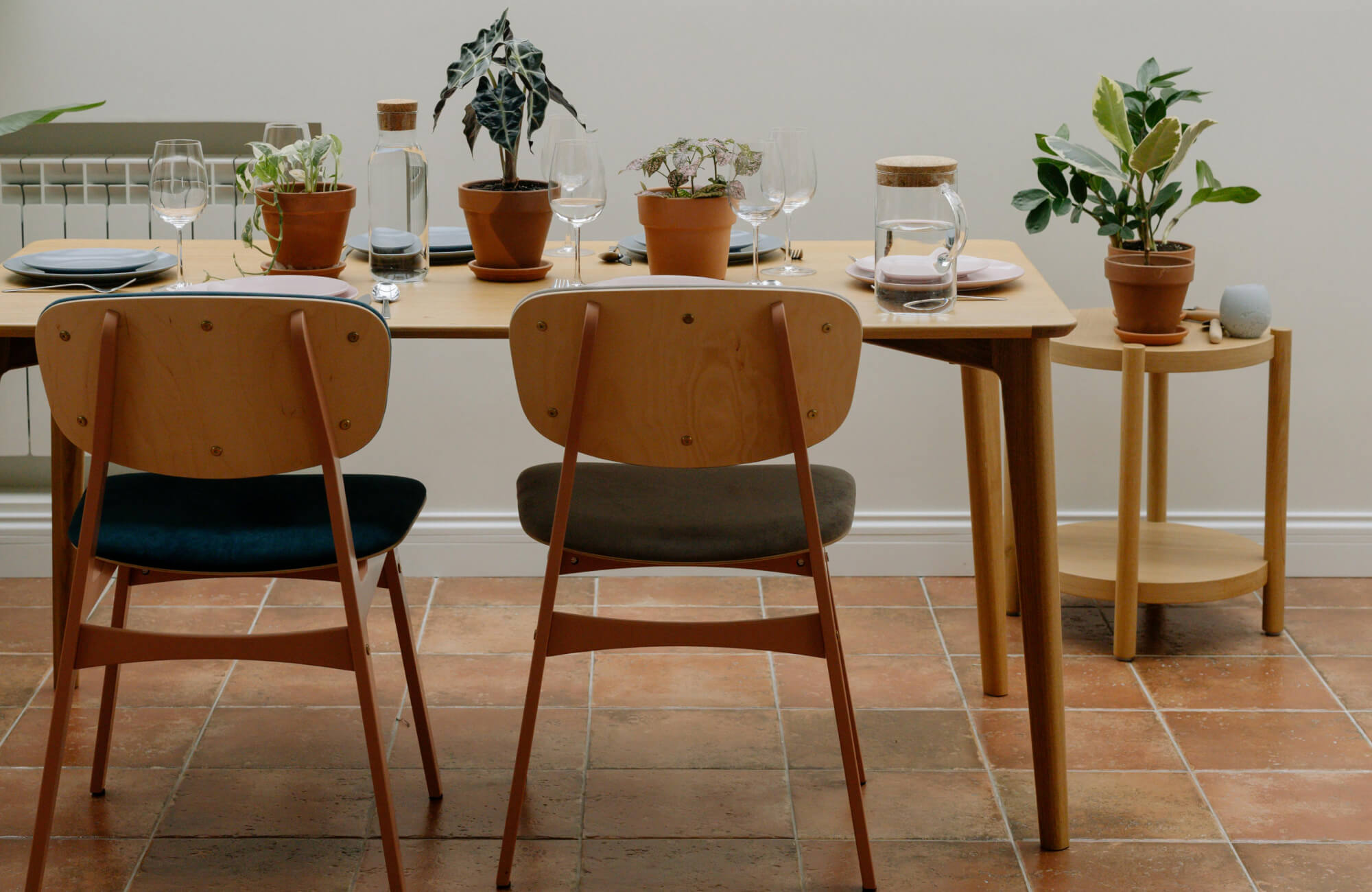
Like most natural materials, terracotta expands and contracts with changes in temperature and humidity. In regions with significant seasonal shifts, proper installation techniques, such as allowing for movement joints, can prevent stress on the tiles. Choosing the right adhesive and grout for your climate also goes a long way in maintaining their integrity.
Cost, Value, and Investment Perspective
While terracotta can be surprisingly accessible in price, its overall value depends on factors such as quality, origin, and installation. Viewing it as both a purchase and an investment helps you weigh its worth.
Price Ranges and Factors Affecting Cost
Terracotta prices can vary greatly, influenced by factors such as quality, origin, and finish. Handmade tiles from skilled artisans often cost more than machine-made options, reflecting their distinctive character and the craftsmanship involved. Imported selections may also carry a higher price due to shipping and specialized production methods. The finish, glazed for added protection or unglazed for a more rustic look, can further affect the overall cost.
On average, you can expect terracotta tiles to range from $4 to $15 per square foot, with premium, hand-finished imports reaching even higher. Understanding these factors makes it easier to choose a product that balances your design goals with your budget.
Long-Term Value Retention
Terracotta’s enduring appeal contributes significantly to its overall value. Unlike materials that quickly go out of style, it offers a classic look that complements a wide range of interiors and remains relevant year after year. In many homes, its distinctive character can even enhance the property’s charm, potentially making it more appealing to future buyers.
Budgeting for Installation and Maintenance
When budgeting, remember to include installation and upkeep costs. Skilled installation ensures the tiles are laid securely and evenly, which is key to their longevity. Sealing and occasional resealing add minor ongoing expenses, but they can also help protect your investment. By planning, you can enjoy the benefits without unwelcome surprises later.
Comfort and Living Experience
How flooring feels in daily life is just as important as how it looks. Terracotta offers a particular kind of comfort that blends practicality with a sense of warmth.
Thermal Mass and Temperature Regulation
Terracotta’s ability to store and release heat makes it ideal for certain climates. In cooler months, it retains warmth from sunlight or heating systems, while in warmer weather, it can help keep rooms cooler. This thermal quality also pairs well with underfloor heating systems, offering a gentle, even warmth underfoot.
Acoustics and Sound Absorption
Unlike some hard, glossy surfaces that create echoes, terracotta tends to soften sound. This can make rooms feel quieter and more comfortable, especially in open-plan layouts. Its slightly textured surface plays a role in reducing sound reflection, contributing to a calmer environment.
Slip Resistance and Safety
The texture of terracotta plays a key role in how safe it feels underfoot. A matte or naturally rough finish generally provides better grip, making it a practical option for areas prone to moisture, such as kitchens or entryways. However, smoother terracotta surfaces can become slippery when wet, which may be a concern in bathrooms or outdoor spaces exposed to rain. In these cases, adding rugs in busy areas or applying a non-slip treatment can help improve safety without compromising the tile’s appearance.
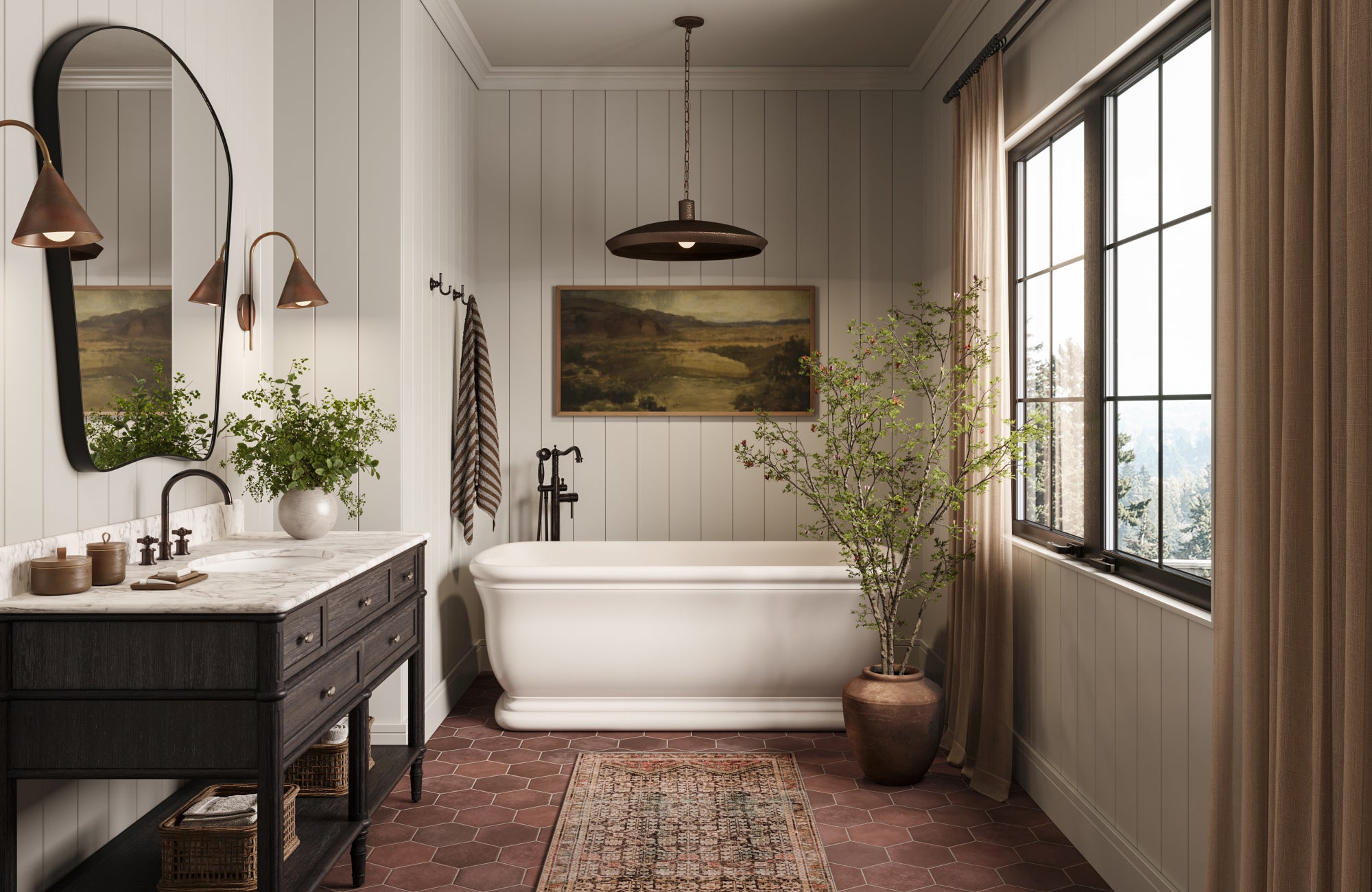
For those seeking a similar earthy style with added performance benefits, porcelain tiles offer an effective solution. In spaces like the bathroom pictured above, Edward Martin’s Juliet 7x8 Hexagon Matte Porcelain Tile in Rust delivers the warm, natural look of terracotta while offering superior resistance to moisture. Its slip-rated matte surface provides secure footing even in damp conditions, making it a reliable choice for areas where safety and durability are just as important as aesthetics.
Style Versatility and Design Possibilities
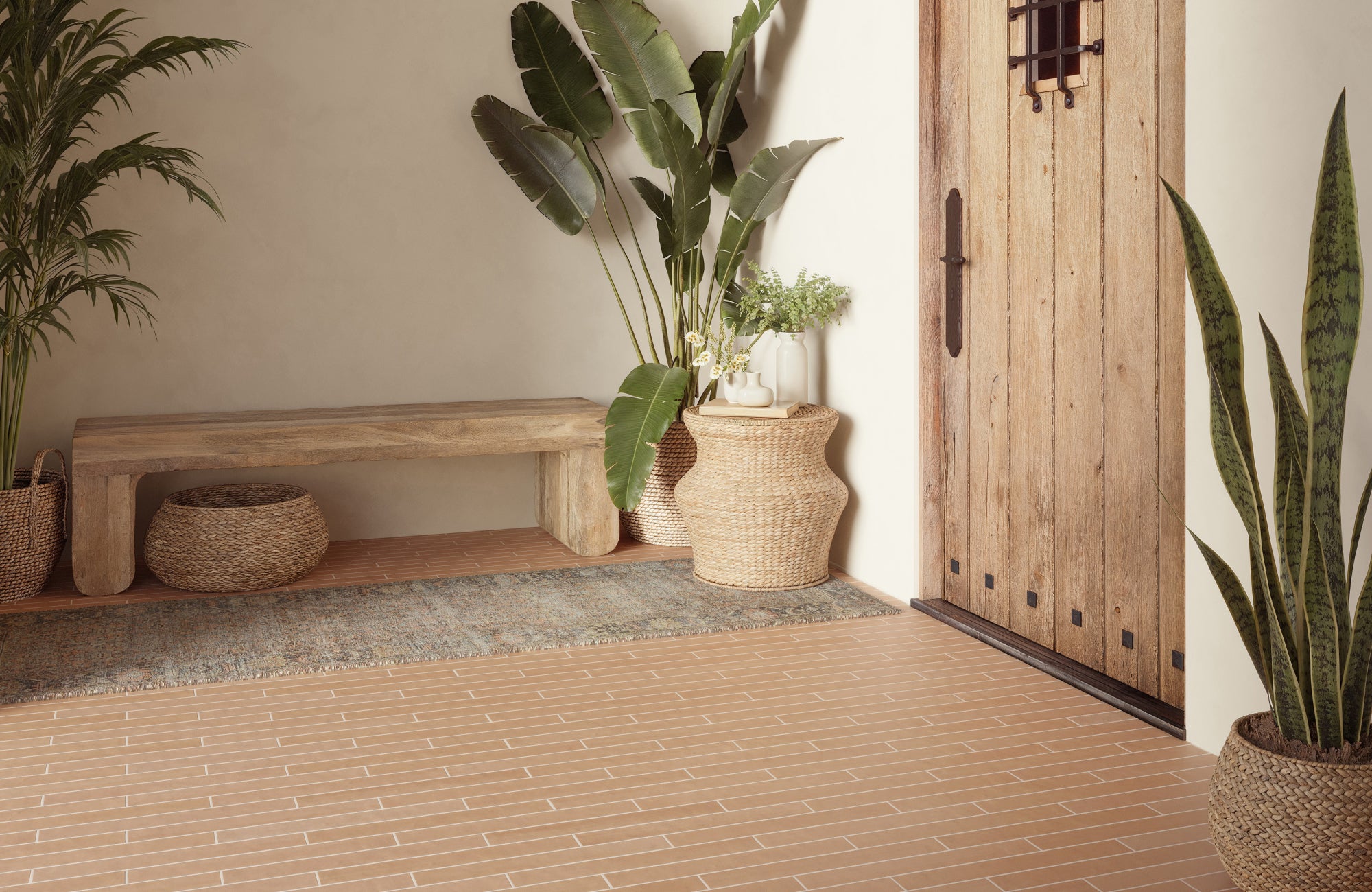
One of terracotta’s greatest strengths is its ability to adapt to different interior styles. On the floor, it can anchor a space with rustic charm or serve as a sleek foundation for modern design. Its range of shapes, sizes, and finishes also allows it to work in both traditional and contemporary settings without losing its natural character.
Traditional and Rustic Applications
For farmhouse, Mediterranean, or colonial interiors, terracotta flooring fits effortlessly. Its warm tones pair beautifully with wooden beams, wrought iron accents, and textured plaster walls, creating spaces that feel grounded and welcoming. Using patterns such as herringbone or diagonal layouts can further enhance visual interest while preserving the classic charm that makes terracotta a hallmark of traditional style.
Modern and Minimalist Adaptations
In contemporary spaces, terracotta flooring can offer a clean, refined base while still adding warmth. Larger-format tiles with smooth finishes can create an understated backdrop that aligns with modern design principles. When paired with neutral walls and streamlined furnishings, the floor’s subtle color variations can also become a soft focal point, adding depth without disrupting the minimalist aesthetic.
Combining with Other Materials
Terracotta floors pair seamlessly with a variety of materials. Timber enhances its natural warmth, stone adds a rustic yet elegant edge, and metal introduces an industrial touch. By combining materials thoughtfully, you can create a layered, cohesive look that reflects your style while making the floor a central element in the overall design.
Choosing Terracotta Flooring
Selecting terracotta is about welcoming a material with deep history, distinctive character, and lasting appeal into your home. When installed in a suitable location, matched to the climate, and maintained properly, it can provide decades of reliable use while enhancing the warmth and ambiance of your space.
For those who appreciate the look of terracotta but prefer a lower-maintenance option, porcelain tiles in terracotta-inspired tones provide a durable, non-porous alternative that performs well in a wider range of conditions. By considering its aesthetic appeal with practical factors such as durability, maintenance, and environmental suitability, you can choose flooring that is both beautiful and well-suited to your needs.
To help you visualize your choice, explore our AR tool to see how different tile options would look in your space. You can also work with our design team for tailored guidance on choosing the ideal tile style, size, and layout to bring your vision to life.
Follow us on Instagram
@EDWARD.MARTIN
)
)
)
)
)
)
)
)
)
)
)
)
)
)
)
)