

)
)
)
)
)
)
)
)
What Is The Best Indoor Lighting?
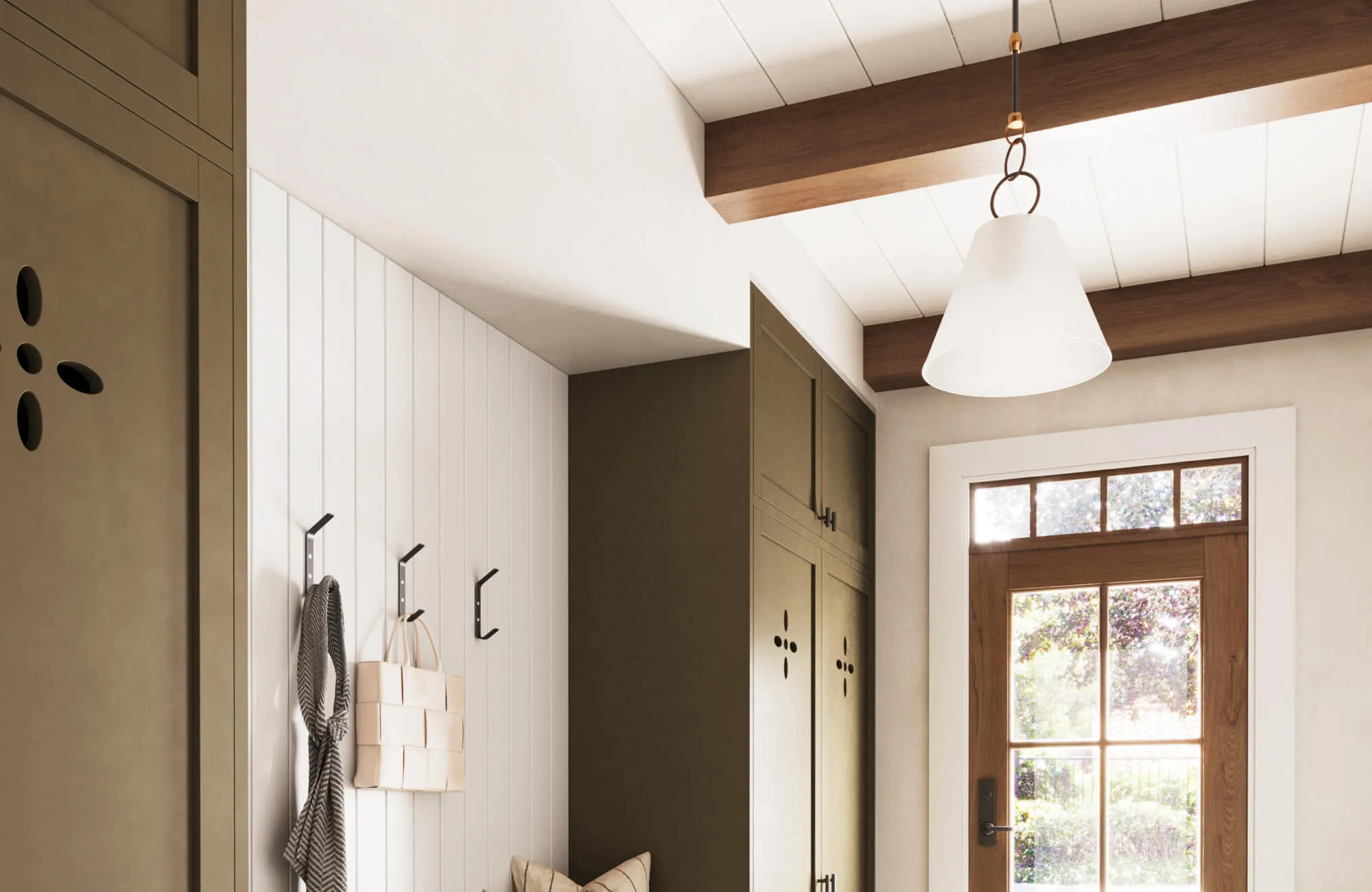
Indoor lighting is more than a functional necessity—it is a quiet architect of atmosphere, shaping how spaces are perceived, experienced, and lived in. The right illumination brings harmony to interiors, accentuates architectural form, and enhances the natural rhythm of daily life. From the soft glow of a reading nook to the crisp clarity of a workspace, every lighting decision weaves together visual comfort, performance, and design intent.
Selecting the best indoor lighting is a nuanced process, guided by technical precision, spatial awareness, and evolving human needs. As technologies advance and aesthetic standards rise, lighting has become not just a utility but a signature element of interior expression. This article examines the key aspects of high-performance indoor lighting, encompassing light quality, fixture design, energy strategy, and intelligent control, all of which are essential components in creating luminous, responsive environments.
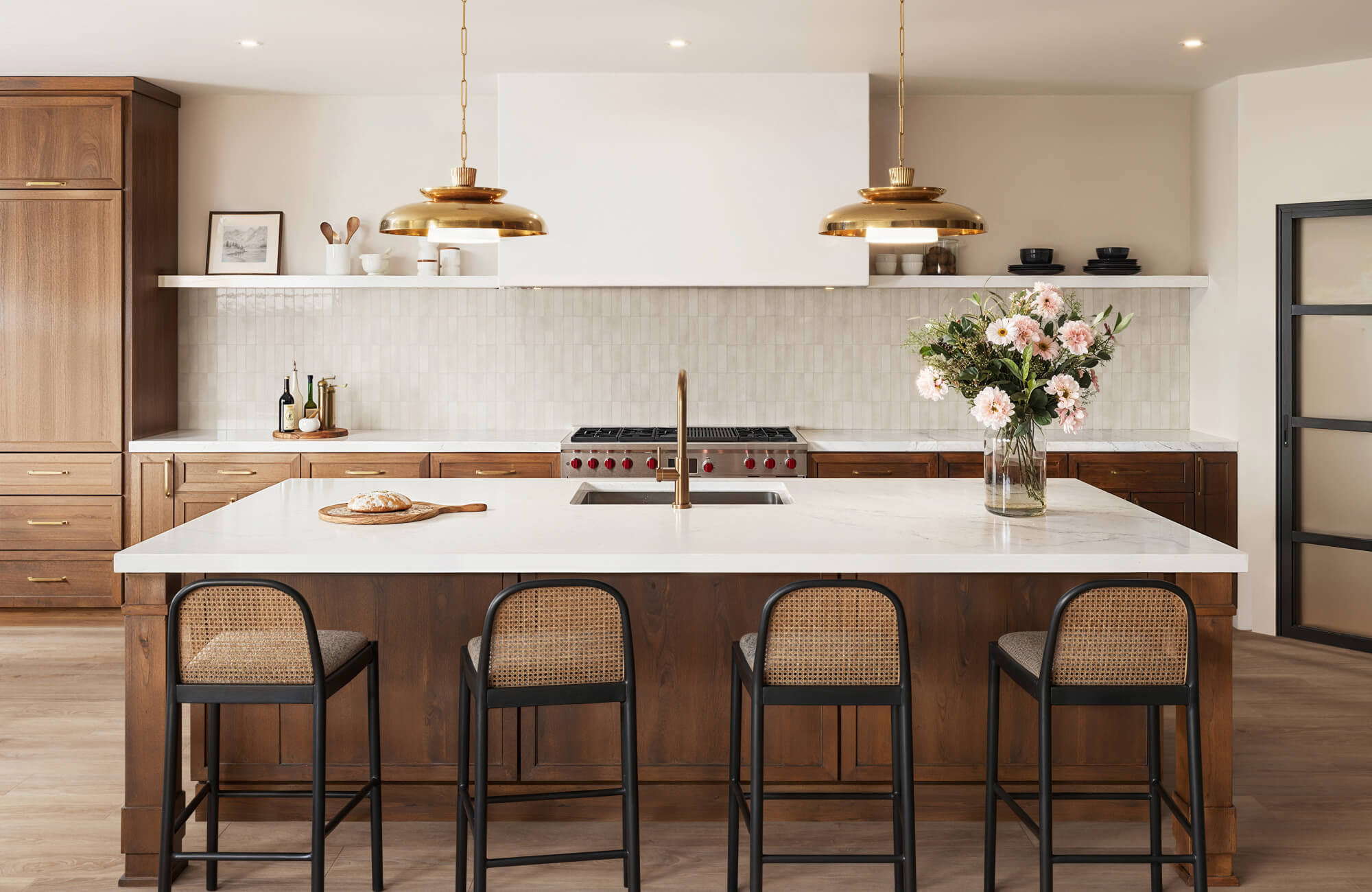
Light Quality and Color Accuracy
The foundation of every successful lighting plan begins with the quality and fidelity of the light itself. Properly calibrated light not only enhances visibility but also shapes how we perceive color, texture, and form within a space.
Color Rendering Index (CRI) and Fidelity
A light source’s ability to reproduce colors with accuracy is measured using the Color Rendering Index, or CRI, a scale from 0 to 100 that compares artificial light to the natural spectrum of daylight. High CRI ratings, particularly those above 90, are crucial in environments where accurate color perception significantly impacts performance or decision-making, such as in kitchens, art studios, medical offices, and retail displays. Lighting with poor CRI can distort hues and reduce the clarity of details, undermining both function and aesthetic intent. By selecting LED fixtures with elevated CRI values, you can ensure that objects and finishes are rendered with vividness and precision. This attention to color fidelity also enhances both the practical and visual impact of a space.
Glare Control and Diffusion Engineering
Visual comfort is just as important as light level, and managing glare is key to achieving that balance. Harsh, uncontrolled light can create distracting reflections and strain the eyes, particularly in task-heavy environments or those with reflective surfaces. To address this, high-performance fixtures incorporate engineered diffusion through microprismatic lenses, etched covers, or baffle trims that soften light while maintaining beam integrity. These components ensure that light is distributed evenly and predictably, avoiding abrupt transitions between light and shadow. The inclusion of thoughtful diffusion not only improves comfort but also contributes to a more visually harmonious atmosphere.
Flicker-Free Illumination
While often imperceptible at a glance, subtle flickering in lower-quality LED systems can cause headaches, fatigue, and reduced concentration over time. This issue typically results from unstable current regulation within the driver circuitry. Advanced lighting systems mitigate this through the use of flicker-free constant current drivers, delivering smooth, uninterrupted illumination even when dimming is employed. This is particularly important in environments where people spend extended periods under artificial lighting, such as classrooms, offices, and healthcare facilities. Investing in flicker-free technologies supports not only visual comfort but also long-term occupant wellness and productivity.
Fixture Types and Lighting Layers
Achieving balanced, versatile indoor lighting requires more than selecting a single fixture style; it involves the strategic layering of light types to serve different visual and functional purposes across a space.
Ambient Lighting for General Illumination
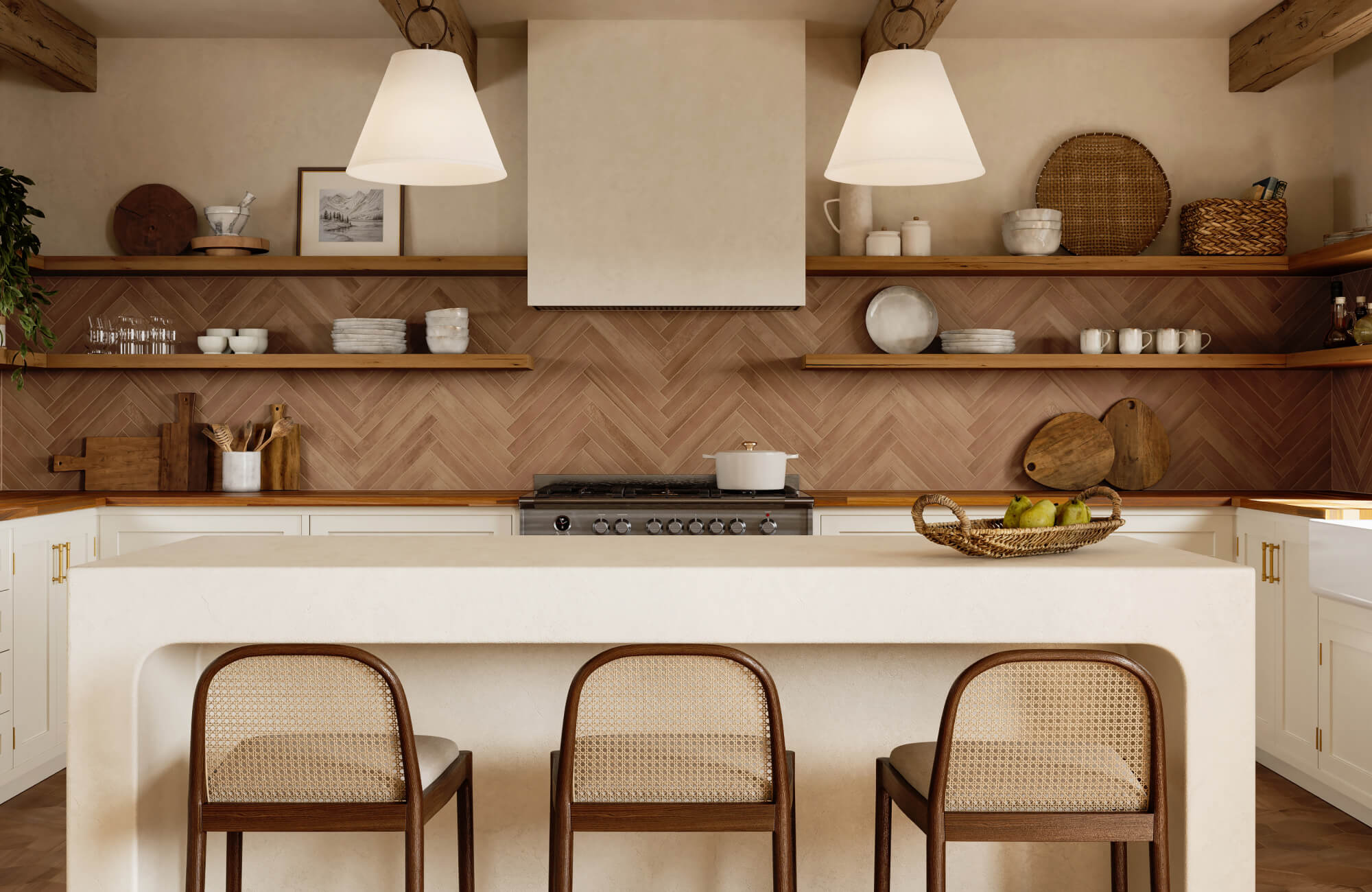
Ambient lighting acts as the backbone of a room’s lighting composition, providing the base level of brightness needed for general navigation and comfort. Fixtures like recessed downlights, flush-mounted panels, and diffuse ceiling pendants are often used to spread light evenly across a space without casting strong directional shadows.
Edward Martin’s Hilda 12" Pendant in Distressed Bronze, as displayed in the picture above, is an excellent example of this balance. Its sculptural form and gently tapered shade bring both warmth and sophistication to the environment. It also delivers broad, even illumination while acting as a visual anchor that harmonizes with the surrounding materials and tones.
The objective here is subtlety, offering a consistent, glare-free backdrop that allows other lighting layers to work effectively without overpowering the environment. Proper ambient lighting should respect the architectural layout and account for natural daylight exposure to maintain balance and energy efficiency. When well-executed, this foundational layer creates a calm and welcoming canvas for further illumination.
Task Lighting for Precision Work
Focused lighting becomes essential in areas where clarity and concentration are required, such as reading nooks, work surfaces, and kitchen countertops. Task lighting should offer targeted brightness without contributing to eye strain or visual clutter. Adjustable fixtures like gooseneck lamps, under-cabinet LED strips, or pendant lights with directional optics also allow users to manipulate light according to specific needs. Color temperatures in the neutral to cool range (around 3500K–5000K) are generally preferred for maintaining alertness and reducing shadows. By tailoring light placement and output to the demands of a task, this layer ensures efficiency, accuracy, and comfort in activity-specific zones.
Accent and Decorative Lighting
Accent lighting introduces dimension and visual hierarchy, drawing attention to architectural features, artworks, or textures through carefully directed illumination. In particular, narrow-beam fixtures, uplights, and wall washers are used to create contrast and focus within the overall lighting scheme. Decorative lighting, while often secondary in functional output, plays a vital role in expressing personality and thematic design. Sculptural pendants, backlit panels, or statement chandeliers also serve as visual anchors that complement the room’s identity.
Pieces like the Brie Chandelier in Vintage Gold Leaf serve as luminous centerpieces, offering sculptural elegance and an ambient glow that enriches the room's visual identity. Its organic silhouette and gilded finish bring softness and refinement, making it ideal for dining areas, entryways, or open-plan interiors where a statement piece can simultaneously accentuate and unify the space. When layered thoughtfully, accent and decorative lighting elevate interiors beyond functionality, adding emotional depth and artistic cohesion to the environment.
Color Temperature and Circadian Relevance
Beyond aesthetics, color temperature carries physiological implications that can affect mood, cognitive function, and even sleep quality. Choosing the right light tone for a space requires understanding how different color temperatures interact with both the user and the environment.
Kelvin Scale and Visual Perception
The Kelvin scale provides a standardized measure for color temperature, ranging from warm (around 2700K) to cool (6500K and above). Warm light, with its golden hue, evokes calm and intimacy, making it a popular choice for living rooms, bedrooms, and hospitality venues. Meanwhile, neutral whites (3500K–4100K) are better suited for high-activity areas like kitchens and bathrooms, where accurate color perception and cleanliness are valued. At the cooler end of the spectrum, daylight-mimicking tones (5000K–6500K) support concentration and alertness, often used in offices, studios, and workspaces. Matching color temperature to spatial intent enhances usability and reinforces the desired emotional tone of a room.
Circadian Lighting Systems
Lighting systems that mimic natural daylight cycles can positively influence human circadian rhythms—biological processes tied to the 24-hour day. These systems use tunable white LEDs to shift from cooler, energizing light during morning hours to warmer, relaxing tones in the evening. Controlled either manually or via automation, they help regulate melatonin production, supporting healthy sleep patterns and mental alertness. This approach is also especially beneficial in environments where exposure to natural light is limited, such as hospitals, classrooms, and urban residences. By aligning artificial lighting with our internal clocks, circadian systems contribute meaningfully to overall wellness.
Psychological and Spatial Impact
Color temperature affects biology and the perception of space. Cooler light tends to visually expand interiors, adding a sense of openness and clarity, ideal for compact areas or minimalist designs. Warmer light, by contrast, envelops a space, lending it intimacy and comfort that supports relaxation. This psychological influence allows you to fine-tune ambiance and user experience based on spatial goals. Varying color temperatures between zones can also delineate function without the need for physical partitions, reinforcing architectural flow while supporting diverse activities. This nuanced use of light tone underscores its role as both a technical and emotional design tool.
Energy Efficiency and Lighting Performance
As energy costs rise and environmental impact becomes a greater concern, lighting systems must deliver not just visual performance but long-term sustainability and cost-effectiveness.
LED Efficiency and Lifespan
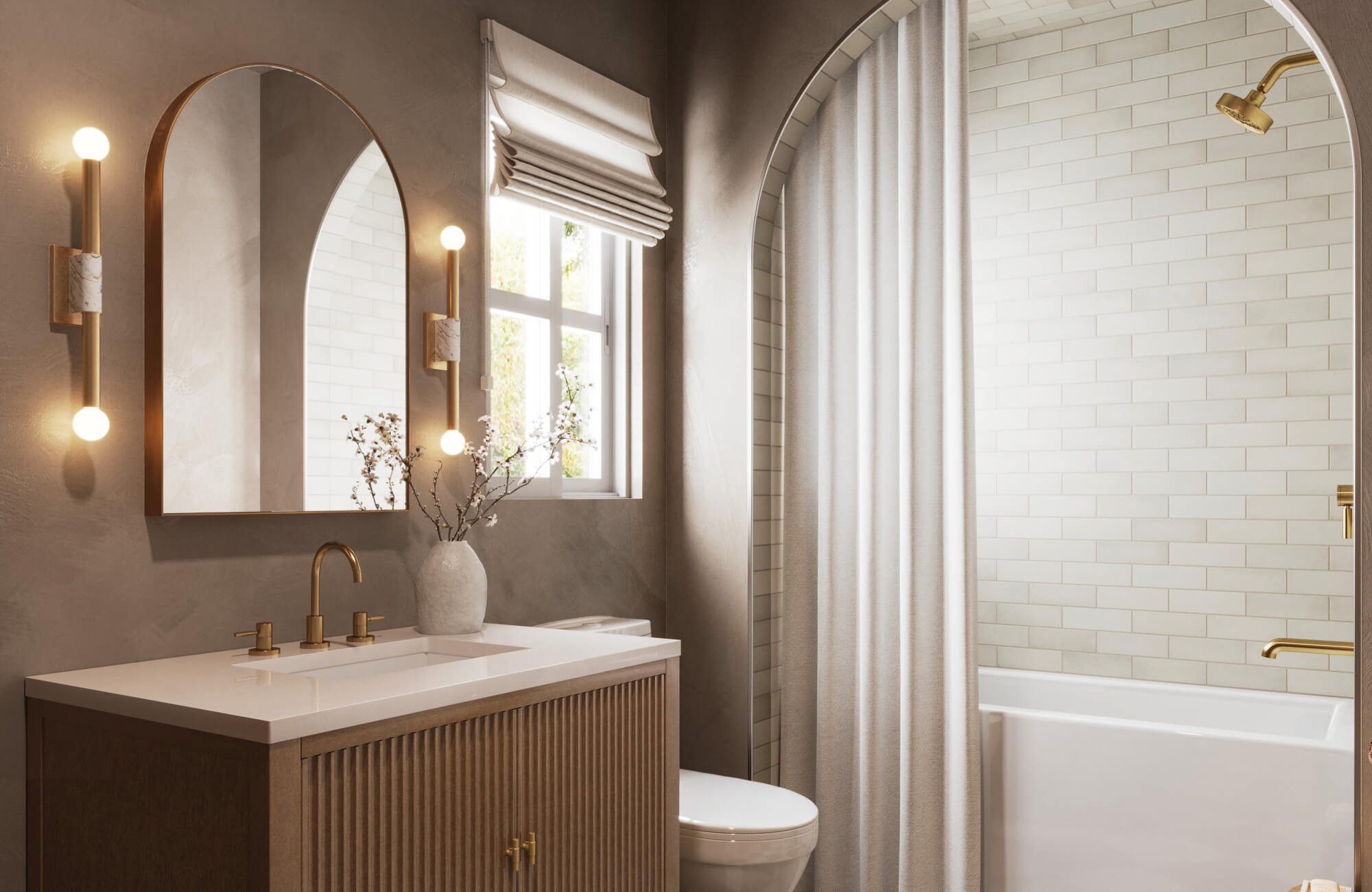
LEDs have emerged as the gold standard in energy-efficient lighting, capable of delivering high lumen output with minimal power consumption. Modern LED luminaires can achieve efficacy rates of over 130 lumens per watt, significantly reducing utility costs while maintaining superior brightness and color stability. Their extended lifespan, often reaching 50,000 hours or more, translates into fewer replacements and lower maintenance burdens over time. Unlike incandescent or fluorescent alternatives,
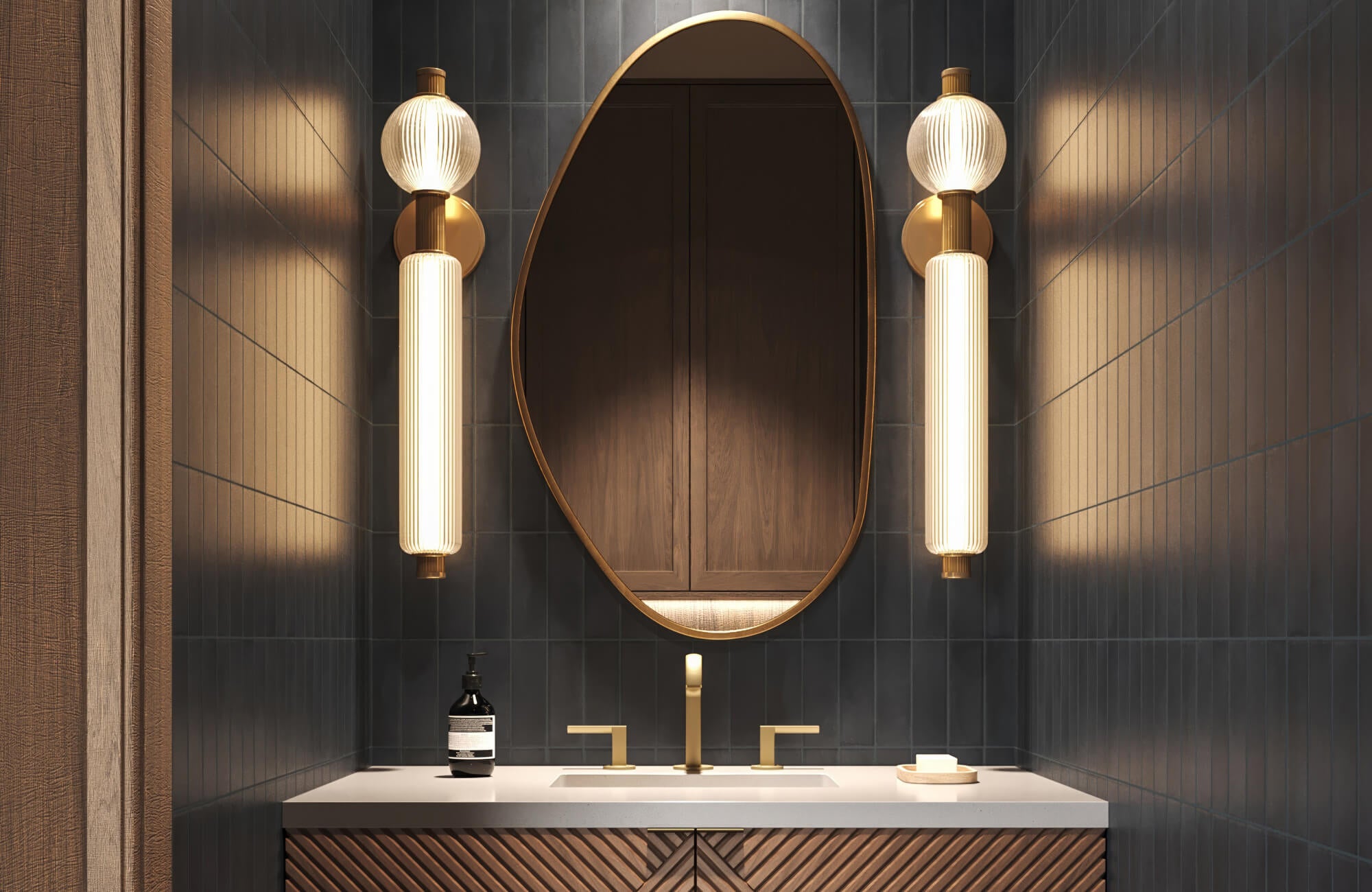
LEDs also emit minimal heat, reducing cooling loads in climate-controlled environments. Architectural LED fixtures such as our Ezekiel Wall Sconce in Vintage Brass, as shown in the picture above, embody this blend of efficiency and enduring style, offering long-lasting performance in a compact, architectural form. Whether installed in hallways, reading alcoves, or transitional spaces, it demonstrates how timeless design and advanced LED technology can coexist to support both sustainability and refined aesthetics.
Smart Dimming and Adaptive Controls
Energy savings can be amplified through the use of smart dimming and adaptive lighting controls that adjust output based on occupancy, daylight levels, and time of day. Sensors and automated systems allow for responsive lighting behavior, reducing unnecessary energy use without compromising comfort. For instance, daylight harvesting sensors can dim interior lights near windows during peak sunlight hours while maintaining consistent brightness deeper inside the space. Similarly, occupancy sensors turn lights on only when needed, minimizing idle consumption in seldom-used rooms. These strategies enhance efficiency and extend the functional life of the lighting system.
Sustainability Certifications and Compliance
Choosing lighting products with verified sustainability credentials ensures that systems meet rigorous standards for energy use, toxicity, and environmental impact. Certifications such as Energy Star, DLC (DesignLights Consortium), and LEED contribute not only to operational efficiency but also to broader green building goals. These standards evaluate performance metrics like efficacy, color consistency, and thermal regulation, offering a reliable benchmark for quality. Compliant products are often eligible for incentives or rebates, reinforcing their economic appeal. Incorporating certified lighting into building design supports both regulatory compliance and environmental stewardship.
Smart Lighting Systems and Architectural Integration
Lighting has evolved from a passive utility into a dynamic, interactive system that enhances usability, flexibility, and design cohesion. Smart technologies now allow for fine-grained control and deep integration within the built environment.
Wireless Protocols and Device Interoperability
Modern smart lighting platforms operate through wireless communication protocols such as Zigbee, Z-Wave, and Bluetooth Mesh, enabling seamless control across devices and systems. These technologies support centralized management of multiple fixtures, scenes, and zones through mobile apps, wall interfaces, or voice assistants. Interoperability ensures that users are not locked into proprietary ecosystems, allowing for future expansion and upgrades without technical obstacles. For both homeowners and facility managers, this flexibility also simplifies installation while maximizing long-term adaptability. These networks form the backbone of intelligent lighting environments.
Scene Programming and Dynamic Effects
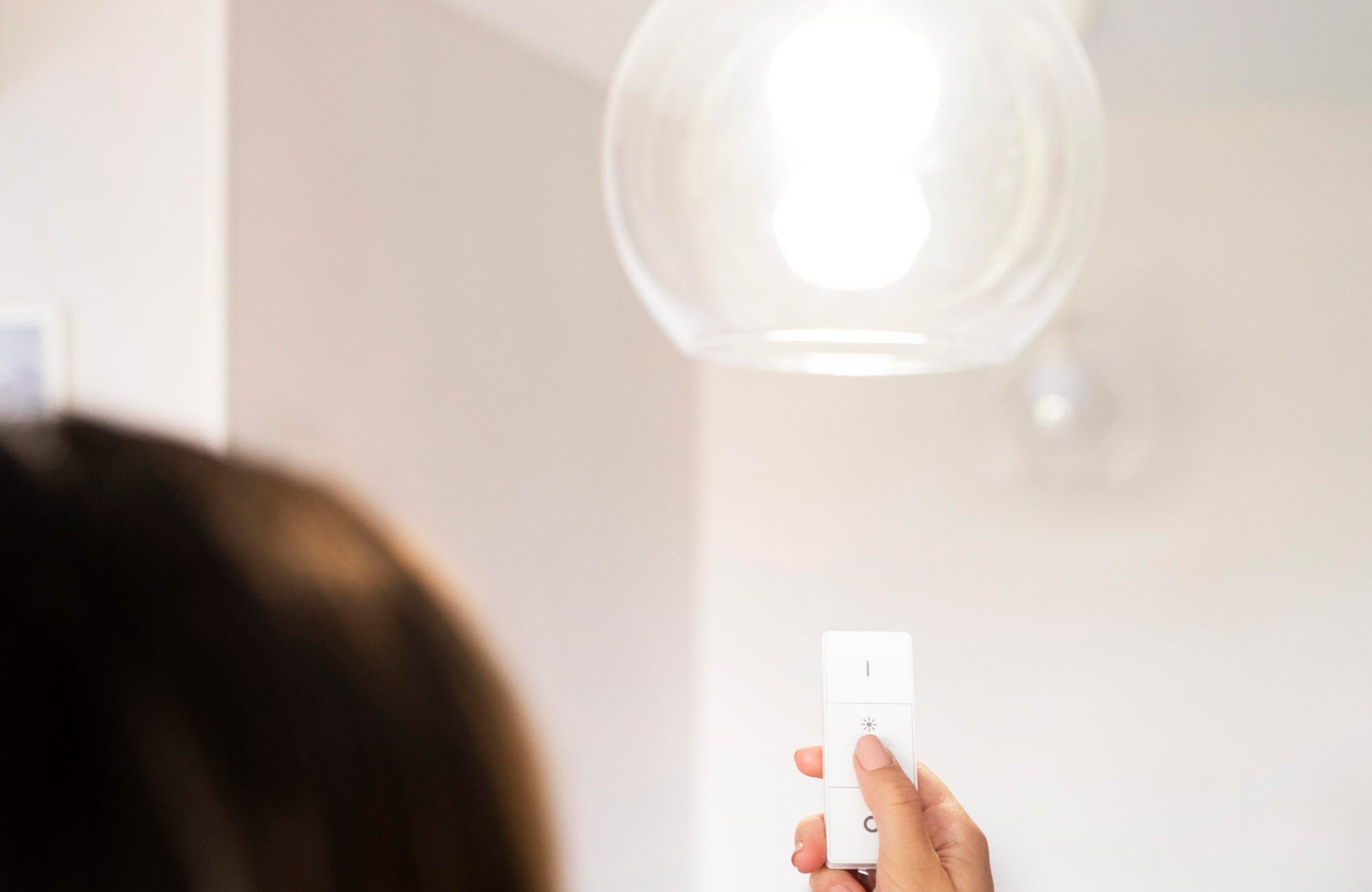
Smart lighting allows you to program scenes, such as preset configurations of brightness, color temperature, and even color changes, to suit different moods or activities. Whether it’s setting a “reading” mode in the evening or an “energize” mode in the morning, these scenes can be recalled instantly with the touch of a button or a voice command. Dynamic effects such as gradual fades or color transitions also enhance ambiance and user experience, especially in hospitality or entertainment spaces. RGBW and tunable white fixtures provide expanded creative flexibility, allowing designers to tailor lighting precisely to the occasion. This personalized control transforms lighting from a static utility into an interactive feature.
Architectural and Design Synergy
When integrated thoughtfully into architectural elements, smart lighting becomes an intrinsic part of the spatial experience. LED strips embedded in coves, walls, or furniture surfaces provide concealed yet powerful illumination that enhances form without adding visual clutter. Dynamic façade lighting systems can also adjust according to environmental conditions, time of day, or user presence, making buildings more responsive and expressive. Integration at this level requires early planning during design stages to accommodate wiring, power access, and fixture specifications. The result is a seamless blend of function and form that elevates both the aesthetic and operational quality of the space.
Illumination as an Art and Science
The best indoor lighting systems are defined not by any single feature but by the way they harmonize visual clarity, aesthetic coherence, energy responsibility, and user adaptability. By understanding the roles of light quality, fixture layering, color behavior, energy performance, and smart integration, lighting becomes a strategic design element—one that enhances daily life and elevates built environments. This synergy of engineering and design unlocks the full potential of lighting as a tool not just for illumination, but for experience.
At Edward Martin, we approach lighting as an integral part of a broader design vision, offering expert guidance and curated fixture selections tailored to each space’s unique rhythm and architecture. To explore our personalized design services or speak with a consultant, we invite you to contact us and begin shaping a lighting plan that’s both purposeful and beautiful!
Follow us on Instagram
@EDWARD.MARTIN
)
)
)
)
)
)
)
)
)
)
)
)
)
)
)
)