Zellige tile backsplashes have become a favorite among designers and homeowners, and not just for their striking good looks. Handcrafted in Morocco using centuries-old techniques, Zellige tiles offer a depth, texture, and light play that machine-made tiles simply can’t replicate. Their subtle imperfections and rich glaze variation bring movement and warmth to kitchens, bathrooms, and beyond.
In this blog, we’ll take a closer look at what sets Zellige apart, where it works best, and how to care for it. Whether you're planning a backsplash refresh or just exploring artisan tile options, Zellige offers a story worth considering.

What Makes Zellige Tile Unique?
Zellige tile offers something machine-made options can’t: handcrafted charm with organic imperfections. Its reflective glaze, earthy texture, and color variation create depth and movement that elevate even the simplest spaces. Below, we’ll look into what gives Zellige its distinct identity and why it’s far from your average subway or ceramic tile.
The Origin and Craftsmanship of Zellige
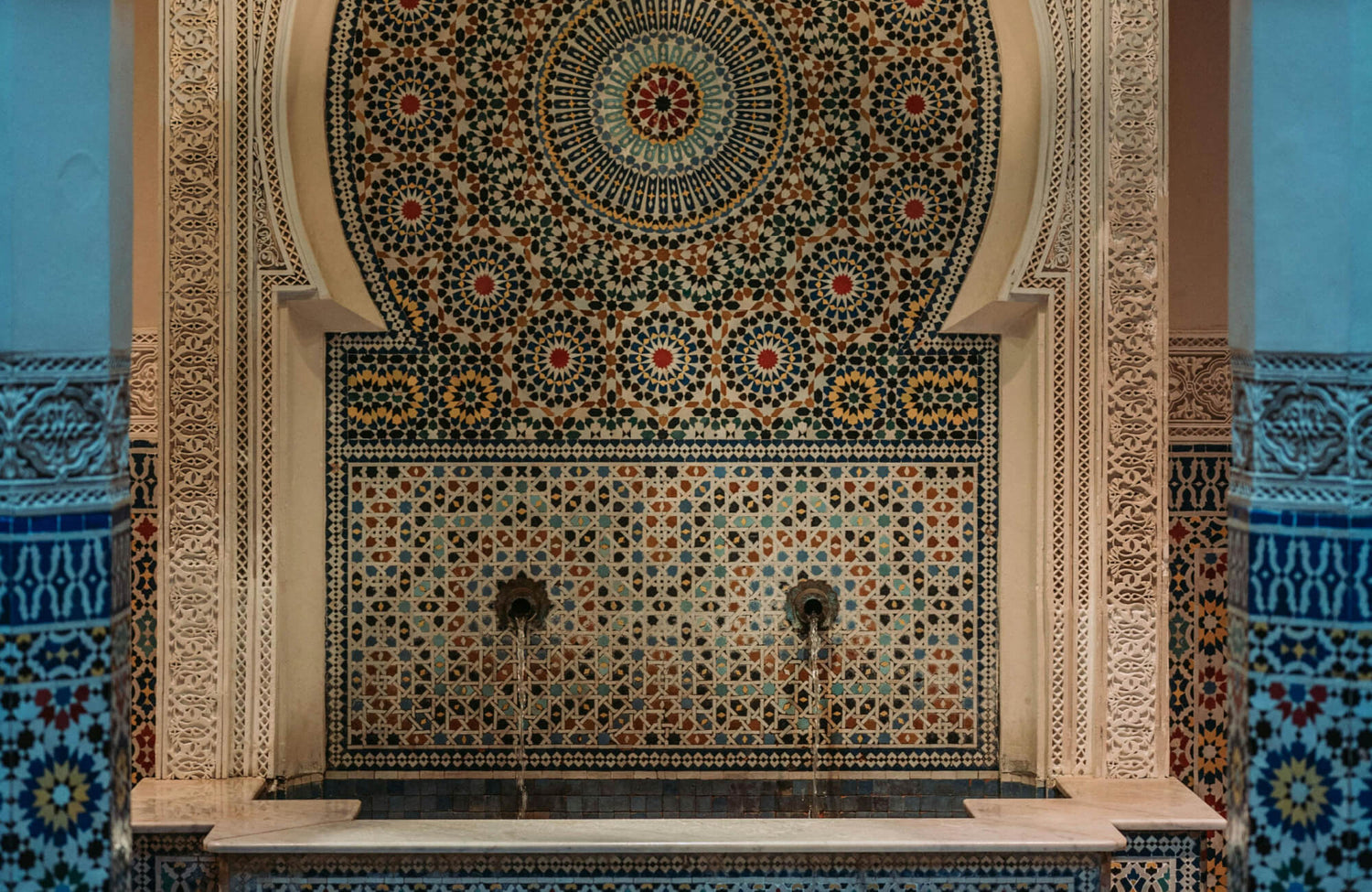
Zellige originates from Morocco and has been crafted by artisans for over 1,000 years. The process begins with clay sourced from the Fez region, known for its purity and plasticity. Tiles are shaped by hand, sun-dried, then kiln-fired using traditional methods that vary by region. Every step is done manually, giving each tile a unique fingerprint.
Once fired, the tiles are hand-glazed, often unevenly, creating rich, layered tones and soft surface textures. This results in visual depth that shifts depending on lighting and angle. Minor chips, pits, or edge irregularities are not defects but hallmarks of authenticity. That handmade process is what brings so much life and movement to every Zellige installation.
How Zellige Differs From Standard Tile
Zellige tiles aren’t uniform in size, color, or thickness like standard ceramic options. They often feature slight warps, hand-cut edges, and unpredictable surface patterns that catch light in different ways. These inconsistencies create dynamic visual interest across a backsplash or wall. Where traditional tiles aim for consistency, Zellige embraces the unexpected.
Machine-made tiles tend to look flat and sterile in comparison. Zellige’s natural imperfections give it warmth and soul, even in minimal designs. Color tones shift across a single batch, creating mosaic-like blends even with just one shade. That uniqueness is exactly why designers and homeowners are turning to Zellige to create timeless, high-impact spaces.

Why Zellige Backsplashes Are Trending Now
Zellige backsplashes have become a favorite among designers not because they’re new, but because they strike the right balance between history and innovation. Their handcrafted detail, glazed finish, and ability to transform a space make them feel both timeless and timely.
Timeless Look With a Modern Edge
Zellige tile holds deep cultural roots, yet it blends effortlessly into modern interiors. Its handmade nature brings authenticity, while the simple square or rectangular formats keep it grounded in minimalism. This balance makes it equally at home in a rustic European kitchen or a sleek, contemporary bath. Designers love how it offers charm without feeling overly vintage or decorative.
The key is in the mix of materials and finishes around it. Pairing Zellige with matte countertops or brushed brass fixtures lets the tile shine as the focal point. Even in small doses, it adds texture and visual interest that feels layered, not trendy. That’s why it’s often chosen for spaces aiming to feel curated, not mass-produced.
Light-Reflecting Surfaces That Brighten Spaces
One of Zellige's most admired qualities is its ability to reflect light in unexpected ways. The hand-applied glaze pools differently on each tile, creating areas of gloss, shadow, and shimmer. In natural daylight, this creates movement across the wall, making the space feel alive and open. At night, even soft artificial lighting highlights the surface variation beautifully.
These visual effects are especially useful in kitchens or bathrooms where light can be limited. A Zellige backsplash can make narrow galley kitchens feel wider and brighten dim corners. Designers often use it strategically to bounce light into darker zones without relying on added fixtures. It’s not just a surface, it’s a lighting partner too.

Where Zellige Works Best In the Home
With its blend of traditional artistry and modern appeal, Zellige tile works in more places than just a kitchen backsplash. Its glazed surface and irregular charm give life to even the simplest areas, while proper sealing helps extend its use in moisture-prone spots.
Kitchen Backsplashes
Zellige tile makes a stunning backsplash choice, especially in kitchens where you want both functionality and visual softness. Its textured surface contrasts beautifully with smooth counters and metal fixtures, adding depth without stealing attention. Above stovetops or sinks, it reflects light and color changes, creating subtle movement throughout the day. The handmade finish also helps conceal splashes until you’re ready to clean.
It works particularly well in open shelving layouts where the backsplash becomes a focal point. Because the tile surface isn’t perfectly flat, it catches shadows from decor and dishware, adding dimension to the wall. Just be sure to seal the tile and grout in areas near heavy cooking or water exposure. With proper care, Zellige holds up beautifully and continues to deepen in character over time.
Bathroom and Vanity Walls
Bathrooms benefit greatly from Zellige’s reflective glaze, which makes even small spaces feel more open and luxurious. On vanity walls or full-height shower surrounds, it bounces light beautifully and adds a gentle sheen to the room. The handcrafted imperfections give it a warmth that contrasts with sleek plumbing and mirrors. Even simple white or neutral tones feel elevated in a Zellige layout.
If you plan to install Zellige in damp zones like inside showers, sealing is a must. While the glaze protects the tile face, the handmade surface and grout lines can still absorb moisture over time. Many homeowners choose it for feature walls just outside wet zones or as wainscoting behind freestanding tubs. Either way, it brings spa-like elegance to any bathroom.
Accent Walls, Niches, and Fireplace Surrounds
Because of its surface variation and color depth, Zellige is a natural fit for statement-making walls. Whether you’re tiling the back of a built-in niche or creating a full accent wall in a hallway, the tile adds tactile beauty that feels intentional. Around a fireplace, it draws the eye without looking flashy, especially in earthy neutrals or soft greens. The glaze catches firelight in a way flat tiles can’t.
It’s also a great alternative to wallpaper or paint in smaller areas like mudrooms or powder rooms. These moments of detail help connect larger design themes throughout the home. For high-heat zones like fireplaces, make sure your tile is rated for that purpose and installed correctly. Zellige delivers both style and storytelling in unexpected spots.
Bar Backsplashes and Utility Zones
Zellige tile is a creative way to upgrade spaces that often get overlooked, like bar nooks or laundry rooms. These secondary zones can become highlights when treated with the same design attention as kitchens or bathrooms. A small wall of glossy Zellige tile behind floating shelves or a sink adds luxury with very little square footage. Its artisan detail creates just enough interest without overwhelming the space.
Because these areas are often close to water or cleaning products, sealing is just as important here. You’ll want a grout that complements the tile’s natural variation and doesn’t distract from its shine. The visual payoff is worth it; Zellige turns purely functional areas into something special. It’s an easy way to extend cohesive design throughout your home.

Choosing the Right Zellige Tile For Your Backsplash
While every Zellige tile has handcrafted charm, the overall impact of your backsplash still depends on key choices like color, layout, and grout. These design decisions affect how much texture shows, how the tile interacts with light, and how bold or subtle your final result feels. Below, we’ll break down some practical considerations to help guide your selection.
Color Choices: Neutrals vs. Statement Shades
Zellige tiles come in a range of tones, from warm neutrals to deep jewel tones, each affecting the mood of your backsplash. Shades like white, ivory, and bone are popular for bright, airy kitchens and pair easily with most cabinetry and counters. Earthy greens, soft blush tones, and deep blues are increasingly favored for adding richness while still feeling organic. Because the glaze has depth and variation, even a single-color layout can feel multi-tonal and layered.
Consider the way your space receives natural or artificial light; cooler tones can feel stark in shadow, while warmer hues stay soft throughout the day. If your kitchen already has bold elements like patterned floors or vivid cabinets, a neutral Zellige tile can ground the space without competing. On the other hand, a saturated tile color works well as a focal point in minimalist or white-dominant kitchens. The goal is to create a balance between standout tile and supporting materials around it.
Sizing and Layout Options That Highlight Texture
Zellige is typically available in square or rectangular sizes like 4x4 or 2x6, each bringing a different visual rhythm to the backsplash. Squares tend to emphasize the handmade texture and create a slightly more rustic, old-world look. Rectangles, especially in a stacked or vertical layout, lend a more contemporary feel while still keeping the artisan charm. Custom cuts can also be arranged in herringbone or chevron patterns for added movement.
Your layout pattern affects how the glaze catches light; horizontal brick layouts give a softer wave-like look, while stacked vertical rows can feel more architectural. Smaller tiles increase the number of visible grout lines, which can amplify the texture and surface undulation. If you want the tile’s glaze to take center stage, larger sizes in a simple layout may help avoid visual clutter. Think of the layout as a way to frame the handcrafted story behind each tile.
Tips for Matching Grout Without Losing the Handmade Feel
With Zellige, grout plays a bigger role than you might expect; it can either spotlight the tile’s irregular shape or help blend it into one cohesive surface. A grout that closely matches the tile color softens the lines between tiles and lets the glaze variation shine. For example, off-white grout with ivory tiles or soft green grout with celadon tiles can preserve the organic vibe. On the other hand, a slightly contrasting grout highlights the tile edges and brings out the hand-cut silhouette.
Keep in mind that Zellige edges are often uneven, so a thick grout line can distract from the tile’s charm. Many designers opt for a tighter grout joint, using sanded or non-sanded grout depending on the surface. Make sure to test grout samples next to your tile under your kitchen lighting before committing. The right pairing enhances the artisanal quality, while the wrong tone can compete with the very details that make Zellige special.

Zellige Tile vs. Other Backsplash Options
Zellige tile offers a handcrafted, luminous surface that sets it apart from more common backsplash choices like subway tile, ceramic, or marble. While all options serve a functional purpose, the appeal of Zellige lies in its irregular texture, subtle variation, and artisanal heritage. Below, we’ll compare it to other popular materials to help you decide if its visual charm justifies the extra care and cost.
Zellige vs. Classic Subway Tile
At first glance, Zellige and subway tiles share a similar rectangular shape, but their finishes tell very different stories. Subway tile offers a clean, uniform surface with crisp edges and smooth glaze, ideal for minimal or contemporary designs. Zellige, on the other hand, embraces imperfections; each tile reflects light differently due to its uneven surface and handcrafted glaze. The result is more texture, movement, and visual depth, especially in kitchens where lighting plays a big role.
While subway tile, like our Natasha 2x6 Glossy Porcelain Tile in Bone, for example, is easier to install and maintain, Zellige creates a richer, more layered effect that elevates even simple layouts. Its tactile finish adds softness and character that mass-produced tile can’t replicate. That said, Zellige may require more care when grouting or sealing due to its uneven edges. It’s a tradeoff between ease and artistry; subway tile offers simplicity, while Zellige brings story and warmth.
Zellige vs. Standard Ceramic and Porcelain
Standard ceramic and porcelain tiles are known for durability, consistency, and ease of care, especially in busy kitchens. These tiles come in various shapes and finishes, but most have a uniform, machine-cut look that leans toward clean and polished. Zellige stands in contrast with its handmade character, reflecting Moroccan craft through slight warping, irregular glaze, and color shifts tile to tile. This organic variation brings soul and texture where porcelain often brings sleek precision.
Zellige also has a more reflective surface, especially in glossy finishes, which creates a shimmering effect not typically found in flat ceramic tile. However, ceramic and porcelain are often more affordable, stain-resistant, and better suited to high-splash zones without sealing. If you want a backsplash that feels refined yet handcrafted, Zellige is unmatched, but it requires more planning and possibly higher investment. It’s a choice that prioritizes visual warmth and individuality over strict practicality.
If you're drawn to the handmade look of Zellige but need something easier to maintain, porcelain mosaics like our Shea 12.5x15 Matte Porcelain Leaf Mosaic Tile in Cool Blend above offer a smart alternative. This tile captures the tonal variation and organic feel Zellige is known for, but with the added benefits of low water absorption, higher durability, and no sealing required. The matte finish softens glare while still showing off subtle texture shifts, and the leaf pattern brings movement and artistry to your backsplash. It's a great choice for homeowners who want long-lasting visual impact with minimal upkeep.
Zellige vs. Marble and Natural Stone
Marble backsplashes offer timeless beauty and veining patterns that add luxury and visual interest. Like Zellige, natural stone has variation and texture, but it leans more toward organic elegance than artisanal imperfection. Zellige, with its glaze pooling, light shifts, and rustic edges, feels less formal and more handcrafted, bringing a cozy, lived-in aesthetic. Marble can dominate a space with its bold veins, while Zellige tends to complement surrounding materials with a gentler rhythm.
In terms of maintenance, marble requires sealing and can stain or etch from acidic substances, while glazed Zellige tiles are typically more stain-resistant but still need grout care. Marble often works best in upscale, polished kitchens; Zellige feels right at home in both rustic and modern styles. The two share some overlap in tone and uniqueness, but the choice between them often comes down to mood, polished luxury vs. handcrafted charm. Both are beautiful, but tell very different visual stories.
When Is Zellige the Better Choice?
Zellige is ideal when you want the backsplash to be a standout feature without being overpowering. Its light-catching surface adds subtle sparkle, especially in kitchens with limited natural light or under-cabinet lighting. The tile’s variation ensures that no two installations look exactly alike, giving your space a truly custom feel. If you value artistry and don’t mind a bit of maintenance, Zellige rewards you with long-term character.
It also works well when paired with neutral cabinetry or stone counters, adding just enough texture to break up flat surfaces. Designers often recommend it for homeowners who want personality but aren’t looking for bold patterns or colors. If durability and easy upkeep are your top priorities, another material may better suit your needs. But for those seeking beauty in the imperfect, Zellige is hard to beat.

How to Care For and Maintain Zellige Tile
Zellige tile is as durable as it is beautiful, but it requires a bit of extra attention to preserve its handmade finish. Unlike standard ceramic, its uneven surface and delicate glaze benefit from mindful cleaning and the right sealing techniques.
Daily upkeep is simple and makes a big difference. Wipe surfaces gently with a soft cloth or sponge and warm water, paired with a pH-neutral cleaner made for tile. Avoid anything acidic vinegar, lemon, or bleach-based sprays can damage the glaze and stain the grout over time. Because of Zellige’s uneven surface, moisture and debris tend to settle in its low points. A quick pass after cooking or showering keeps buildup from taking hold and protects the tile’s natural shine.
Zellige may be glazed, but it’s still a handmade product, and sealing is one of the most important steps to preserving its look. Focus especially on sealing grout lines and tile edges, which are more porous and more likely to absorb stains or moisture. Use a penetrating sealer designed for natural or artisanal tile, and allow proper curing time after application. Re-seal every 6–12 months, depending on how much exposure the area gets, especially in splash-prone zones.
Routine maintenance doesn't have to be a chore if you build it into your weekly habits. Keep a soft brush or tile-safe sponge on hand for spot cleaning, and avoid scrubbing with anything abrasive. Periodically inspect for residue along seams or behind fixtures, where water and grime can linger unnoticed. With a consistent routine and the right products, Zellige tile will stay vibrant and textured, aging beautifully with every use.
Bringing the Spirit of Zellige Into Your Home
There’s something about Zellige that pulls you in—its imperfect edges, the way it catches light differently from every angle, and the depth you get from even a single shade. It’s not just tile; it’s craftsmanship that tells a story across your walls. For homeowners who want texture with soul, it’s easy to see why this style has such lasting appeal.
Our curated mosaic tile collection brings a similar artisanal feel with tonal variation and handcrafted charm. If you're envisioning a backsplash with movement, texture, and a bit of personality, a personalized design consultation is a great place to start. We’ll help you find a look that feels just as thoughtful and layered; one that fits your space and evolves beautifully over time.