Pillow covers bring texture, comfort, and visual balance into everyday interiors, yet their lasting appeal depends just as much on performance as on appearance. In busy living spaces exposed to constant friction, sunlight, moisture, and daily compression, durable decorative pillow covers help preserve both comfort and refinement over time. Upholstery-grade fabrics engineered with dense weave constructions, resilient yarn systems, and reinforced detailing are also designed to maintain their structure, softness, and color depth through years of regular use. Understanding how these materials and construction elements work together allows you to choose long-lasting pillow covers that balance elevated design with dependable residential durability.

The airy linen canvas and reinforced green cotton flange of the Brielle 18'' x 18'' Pillow Cover in Natural / Green highlight how durable natural fibers and tailored detailing support everyday upholstery performance
Understanding Fabric Performance for Busy Living Spaces
Durable pillow covers rely on more than visual appeal, as textile composition and fabric engineering directly influence how well a material withstands abrasion, compression, and environmental exposure. Because decorative pillows are handled constantly and often positioned in heavily used seating areas, selecting upholstery-grade fabrics with proven structural stability helps maintain both comfort and long-term visual consistency.
Natural Fibers and Engineered Performance Blends
Natural fibers such as cotton and linen remain widely used in decorative pillow covers because they provide breathability, thermal regulation, and a soft tactile finish suited to everyday residential interiors. Their durability, however, depends heavily on fiber length, yarn twist, and finishing treatments, since loosely spun or short-staple yarns are more susceptible to pilling and surface breakdown under continuous friction. Linen fibers also offer superior tensile strength due to their rigid flax composition, allowing the fabric to resist stretching and distortion while gradually developing a softer hand feel over time.
In addition, performance-engineered synthetic blends introduce additional resilience by incorporating hydrophobic fibers, UV stabilizers, and stain-resistant treatments that protect against fading and moisture absorption. Polyester and acrylic upholstery blends are particularly effective in busy living rooms because they retain dimensional stability while resisting wrinkling and color loss after repeated cleaning cycles. When these engineered fibers are balanced with natural materials, the resulting textile often delivers a more refined combination of softness, durability, and low-maintenance practicality.
Fabric Density and Structural Integrity
Fabric density plays a critical role in determining how effectively a pillow cover withstands continuous compression and mechanical stress in frequently used seating environments. High-density upholstery textiles contain tightly packed yarn systems that distribute pressure more evenly across the fabric surface, reducing localized strain around seams and corners. This controlled tension distribution also helps prevent seam slippage, a structural issue where yarns shift apart near stitched areas after prolonged use.
Additionally, denser weave constructions improve resistance to wrinkling and fabric deformation, allowing decorative pillows to maintain sharper silhouettes and cleaner edges over time. In contrast, lightweight decorative textiles with lower yarn density often fatigue more quickly because thinner constructions are less capable of absorbing repetitive stress. As a result, medium- to heavy-weight upholstery fabrics generally provide greater long-term stability for sofa pillow covers used in active residential spaces.
Abrasion Resistance and Surface Durability
Surface abrasion is one of the primary causes of visible textile deterioration in decorative pillow covers exposed to everyday use. Upholstery manufacturers commonly evaluate durability through Martindale and Wyzenbeek testing methods, both of which simulate repetitive friction to measure how long a fabric maintains structural cohesion before showing wear. Higher abrasion ratings also indicate that a textile can tolerate more continuous contact without excessive pilling, yarn thinning, or texture disruption.
Fabrics engineered for heavy residential use typically maintain their surface consistency longer because tightly integrated yarn systems resist premature fiber shedding. In addition, abrasion-resistant upholstery textiles often preserve color depth more effectively since the fabric surface remains intact despite repeated friction from movement and handling. This performance becomes particularly valuable in family rooms and lounge seating areas where decorative pillows are used daily rather than displayed purely for accent styling.

The dimensional weave and durable polyester yarns of our Marisette 12" x 27" Pillow Cover in Black show how textured constructions help preserve visual depth and shape retention in busy living spaces
Selecting Weave Constructions That Preserve Visual Texture
Weave structure influences how a pillow cover responds to pressure, light exposure, and repeated movement, making it one of the most important factors in long-term upholstery performance. Since different weave constructions affect both surface texture and yarn stability, selecting the appropriate textile structure helps decorative pillows retain a refined appearance even within highly active interiors.
Tight Weaves and Dimensional Stability
Tightly woven upholstery fabrics improve long-term durability because compact yarn placement minimizes internal movement within the textile structure. Plain weaves and twill constructions are especially effective in decorative pillow covers designed for everyday sofa use because their balanced interlacing patterns distribute stress consistently across the surface. This controlled yarn alignment reduces the likelihood of snagging, distortion, and seam displacement caused by frequent handling or shifting inserts.
Dense weave structures also limit exposed fiber ends, which helps reduce lint accumulation and slow the development of surface pilling over time. In busy seating areas, this structural consistency allows the fabric to maintain cleaner edges and a smoother overall appearance despite continuous compression. Consequently, tightly woven upholstery textiles often deliver superior dimensional stability while preserving the crisp visual definition associated with tailored decorative styling.
Jacquard Weaving and Integrated Pattern Performance
Jacquard weaving introduces decorative patterns directly into the fabric structure rather than applying them superficially through printing, which may fade unevenly over time. Because the design is woven into the textile itself, the resulting fabric maintains greater visual depth and resists surface wear more effectively with repeated use. This integrated construction also allows multiple yarn textures and tonal variations to coexist within a single textile, creating a layered visual dimension that conceals minor abrasions and compression marks more naturally.
High-performance jacquard upholstery fabrics frequently combine chenille yarns, slub textures, and tonal weaving techniques to enhance both durability and aesthetic complexity. These woven variations soften the visibility of fading and surface fatigue, particularly in sunlit living rooms or frequently occupied seating arrangements. For this reason, jacquard decorative pillow covers are often favored in refined residential interiors where visual longevity is as important as structural performance.
Textural Variation and Light Diffusion
Textural variation influences how wear patterns appear across decorative pillow surfaces because raised yarn structures alter the way light interacts with the fabric. For instance, smooth flat-weave textiles reflect light evenly, which can make compression marks, fading, and lint accumulation more immediately visible under natural or directional lighting. Textured upholstery fabrics also disrupt this uniform reflection through boucle loops, slub yarns, or heathered weaving techniques that create subtle shifts in surface elevation.
These dimensional variations diffuse light more irregularly, helping conceal minor abrasions and reducing the visibility of pressure patterns caused by repeated use. Multi-tonal woven textures further soften visual inconsistencies by blending color variation directly into the fabric surface rather than relying on flat, uninterrupted coloration. As a result, textured pillow covers designed for busy living spaces often retain a fresher and more visually balanced appearance over extended periods of use.

The textured cotton weave and reinforced whipstitched flange of Merelle 22" x 22" Pillow Cover in Orange reflect how thoughtful seam detailing and durable construction support long-term upholstery performance
Evaluating Construction Details That Influence Longevity
The durability of a pillow cover depends not only on fabric selection but also on the precision of its construction and reinforcement methods. Because decorative pillows experience constant internal pressure and frequent movement, seam engineering, closure systems, and maintenance accessibility all contribute significantly to long-term structural performance.
Reinforced Seams and Upholstery Stitch Engineering
Seams represent one of the highest stress concentration points within decorative pillow construction because inserts continuously exert outward pressure against stitched edges. Double-needle stitching, for example, improves structural resilience by distributing tension across parallel stitch lines rather than focusing strain on a single seam channel. Upholstery-grade seam reinforcement is often paired with overlocked edges, which stabilize the fabric perimeter while preventing fraying during laundering and repeated handling.
Stitch density also affects seam integrity since closely spaced stitches create more balanced tension distribution throughout the construction. Polyester-core spun upholstery thread is frequently preferred because it combines tensile strength with flexibility, reducing the likelihood of thread breakage under sustained pressure. Together, these reinforced construction techniques help durable throw pillow covers maintain cleaner edges, stronger corners, and longer-lasting structural stability.
Concealed Closures and Insert Containment
Closure systems affect both the visual refinement and functional performance of decorative pillow covers used in active living spaces. Concealed zipper enclosures create a cleaner silhouette by minimizing visible hardware while securely containing inserts during continuous movement and compression. High-quality zipper assemblies typically include reinforced zipper stops and bar-tack stitching that protect against seam separation near high-tension areas.
Molded nylon zippers are particularly effective in humid interiors because they resist corrosion while maintaining smooth operational movement over repeated use cycles. Properly installed concealed closures also reduce insert migration, allowing decorative pillows to maintain fuller corners and more consistent shape retention over time. This improved insert containment contributes to a more tailored appearance while supporting the structural longevity expected from premium upholstery accessories.
Washability and Maintenance Efficiency
Routine maintenance significantly influences how long decorative pillow covers retain both their structural integrity and visual clarity within everyday interiors. Removable covers simplify cleaning by allowing stains, dust accumulation, and body oils to be addressed before they penetrate deeply into the textile structure. Performance-treated upholstery fabrics further improve maintenance efficiency because hydrophobic surface technologies prevent liquids from saturating the yarn system too quickly.
Machine-washable textiles engineered for dimensional stability are especially valuable in active households since they resist shrinking, twisting, and seam distortion after repeated laundering cycles. In addition, antimicrobial fabric treatments help reduce odor retention and bacterial accumulation in moisture-prone environments or frequently occupied seating areas. These combined maintenance features allow durable decorative pillow covers to preserve their texture, color consistency, and structural definition through long-term residential use.

The durable polyester weave and dimensionally stitched detailing of Marisette 12" x 27" Pillow Cover in Black demonstrate how performance materials maintain shape, texture, and color richness through everyday use
Adapting Pillow Cover Materials to Residential Conditions
Different household environments expose decorative pillow covers to varying levels of abrasion, moisture, sunlight, and airborne debris, making material selection highly dependent on daily living conditions. Choosing textiles engineered for specific environmental challenges improves not only durability but also the overall practicality and longevity of decorative upholstery accents.
Pet-Friendly Upholstery Fabrics and Snag Resistance
Homes with pets require upholstery fabrics capable of resisting claw snags, trapped fur accumulation, and repeated surface abrasion caused by movement across seating areas. Tightly woven textiles provide better snag resistance because compact yarn structures minimize exposed loops and reduce opportunities for claws to catch the fabric surface. Smooth woven upholstery fabrics also simplify maintenance by preventing loose pet hair from embedding deeply within the textile structure.
Performance polyester blends commonly used in pet-friendly decorative pillow covers offer additional resilience through high abrasion resistance and stain-repellent surface treatments. Hydrophobic coatings further improve cleanliness by limiting moisture penetration and reducing odor retention associated with pet accidents or damp fur. These engineered textile characteristics allow pillow covers to maintain a cleaner appearance while withstanding the continuous wear associated with active household environments.
UV Resistance and Colorfastness in Sunlit Interiors
Decorative pillow covers positioned near windows or open-concept seating areas experience prolonged ultraviolet exposure that can weaken fibers and accelerate color fading. Solution-dyed acrylic fabrics are particularly effective in these environments because pigment molecules are integrated throughout the fiber core during manufacturing rather than applied only to the surface. This deep color penetration also improves fade resistance while preserving tonal consistency despite continuous sunlight exposure.
Multi-tonal upholstery weaves further enhance visual longevity by blending subtle color variation into the textile structure, helping diffuse the appearance of gradual fading over time. UV-stabilized synthetic fibers also resist brittleness more effectively, preventing premature weakening caused by extended solar exposure. As a result, fade-resistant pillow covers designed for bright living rooms maintain richer coloration and stronger structural performance throughout years of everyday use.
Moisture Management and Microbial Resistance
Humidity and airborne moisture can gradually compromise upholstery textiles by encouraging microbial growth, odor retention, and fiber degradation in poorly ventilated interiors. Moisture-resistant performance fabrics reduce liquid absorption through hydrophobic fiber systems that prevent water from penetrating deeply into the textile structure. Olefin and solution-dyed acrylic materials are especially effective in humid environments because they dry quickly while resisting mildew formation and bacterial accumulation.
Many indoor-outdoor upholstery fabrics also incorporate antimicrobial technologies that inhibit microbial growth without affecting the softness or flexibility of the textile surface. This balance between moisture control and tactile comfort makes performance upholstery particularly suitable for kitchens, breakfast nooks, covered patios, and coastal residences. Consequently, moisture-resistant decorative pillow covers help maintain cleaner, fresher, and more structurally stable seating environments over time.

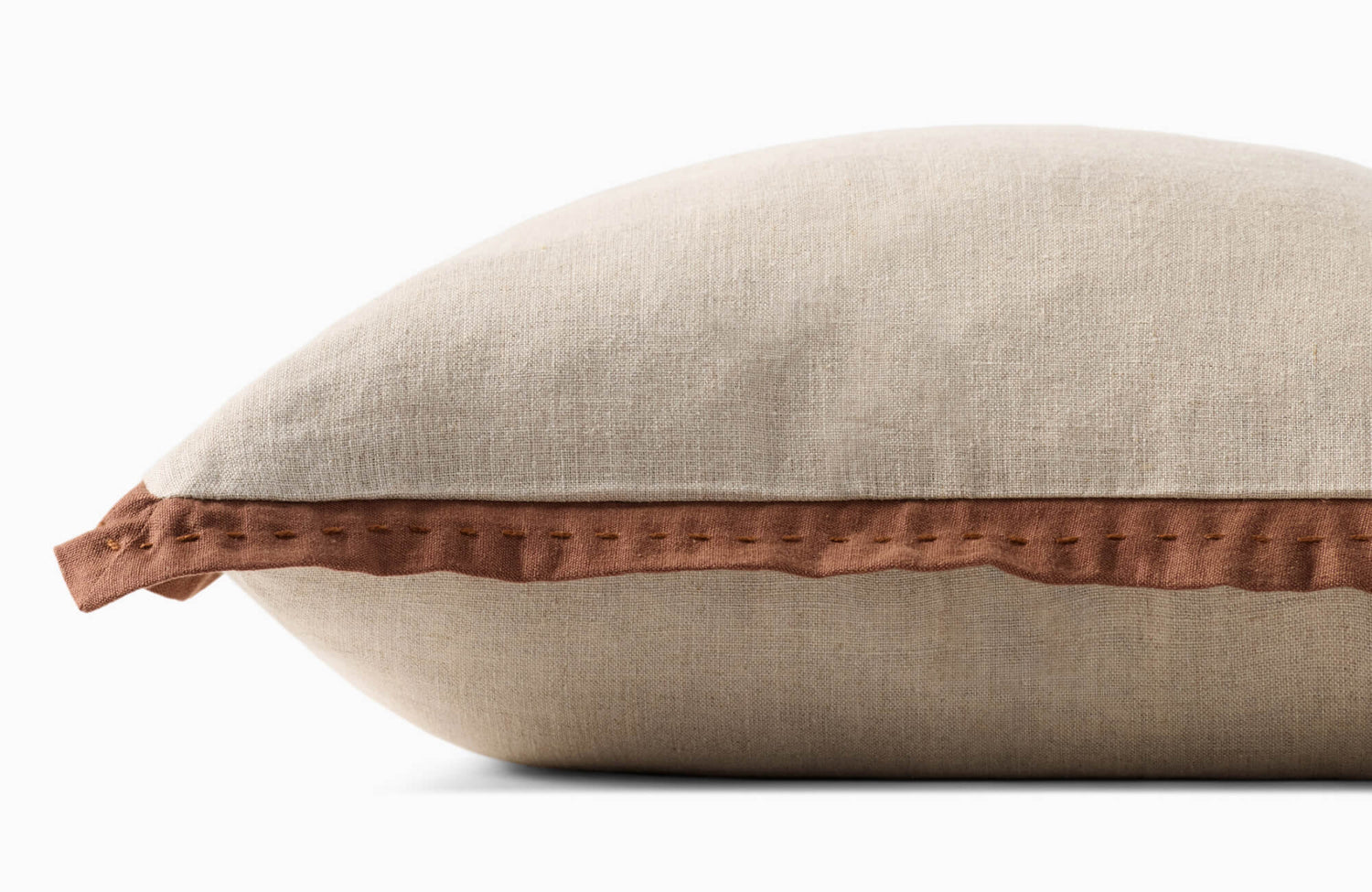
The textured cotton weave and tailored whipstitched edging of Merelle 13" x 21" Pillow Cover in Tan balance breathable comfort, durable construction, and lasting visual softness for everyday interiors
Balancing Upholstery Durability With Comfort and Aesthetic Longevity
Long-lasting pillow covers should preserve not only structural integrity but also the tactile softness and visual richness that contribute to a refined interior atmosphere. As upholstery technology continues to evolve, performance-driven fabrics are increasingly capable of combining advanced durability with the layered textures and elevated finishes associated with luxury residential design.
Soft-Touch Upholstery Technologies and Comfort Retention
Contemporary performance upholstery fabrics are engineered to provide enhanced durability without sacrificing the soft tactile qualities expected in comfortable residential interiors. Advanced finishing processes allow synthetic fibers to replicate the hand feel of brushed cotton, chenille, and linen-inspired textiles while maintaining superior resistance to staining and abrasion. Microfiber upholstery constructions also contribute additional softness through ultra-fine filament density that creates a smoother surface against the skin.
At the same time, these tightly packed fiber systems improve durability by reducing yarn friction and minimizing surface fatigue during repeated use. Multi-layer yarn engineering further enhances comfort retention by combining resilient core fibers with softer exterior textures that maintain their plush feel over time. This balance between tactile refinement and structural performance allows modern decorative pillow covers to function comfortably within both formal and casual living environments.
Color Layering and Visual Aging Patterns
The way a fabric incorporates color significantly affects how gracefully it ages within active residential interiors. Flat solid-color textiles tend to reveal lint, fading, and pressure marks more quickly because uninterrupted coloration amplifies surface inconsistencies under natural lighting conditions. Layered tonal weaving techniques create more nuanced color variation that softens the visibility of gradual wear and helps preserve a visually balanced appearance over time.
Heathered yarn systems and woven motifs further improve aesthetic longevity by blending multiple shades directly into the textile structure rather than relying on uniform surface pigmentation. These integrated color transitions reduce the contrast between worn and unworn areas, allowing decorative pillow covers to maintain greater visual cohesion despite continuous use. As a result, upholstery fabrics with dimensional coloration often provide a more sophisticated and enduring appearance within busy living spaces.
Dimensional Stability and Shape Preservation
Dimensional stability determines how effectively a decorative pillow cover retains its intended shape after repeated compression, laundering, and insert movement. Upholstery fabrics engineered with stabilized yarn systems resist stretching and warping more effectively, helping decorative pillows maintain sharper silhouettes and balanced proportions. Proper insert sizing also plays a crucial role because oversized inserts place excessive strain on seams, zipper systems, and corner stitching.
When pressure is distributed evenly throughout the pillow structure, the fabric experiences less concentrated stress and retains its form more consistently over time. High-density weave constructions contribute additional shape retention by limiting yarn displacement during daily use and repeated handling. Together, these structural elements help durable decorative pillow covers maintain a tailored appearance that continues to complement refined residential interiors through years of everyday living.
Enduring Comfort Through Thoughtful Textile Selection
Choosing durable pillow covers for everyday use involves balancing upholstery performance, tactile comfort, and long-term visual refinement within the demands of active residential living. Fabrics engineered with dense weave constructions, abrasion-resistant yarn systems, reinforced stitching, and moisture-resistant technologies are better equipped to preserve their structure and appearance through continuous use. At the same time, modern performance upholstery allows decorative pillow covers to maintain softness, layered texture, and rich color depth without compromising durability. By understanding how fabric composition, weave structure, and construction detailing interact over time, homeowners can select long-lasting pillow covers that support both practical everyday living and elevated interior design.
For more personalized guidance, Edward Martin’s design services can help refine pillow styling selections that balance durability, texture, and long-term functionality within your space. To explore thoughtfully crafted decorative pillow covers and material recommendations, contact us for expert support tailored to your interior needs!