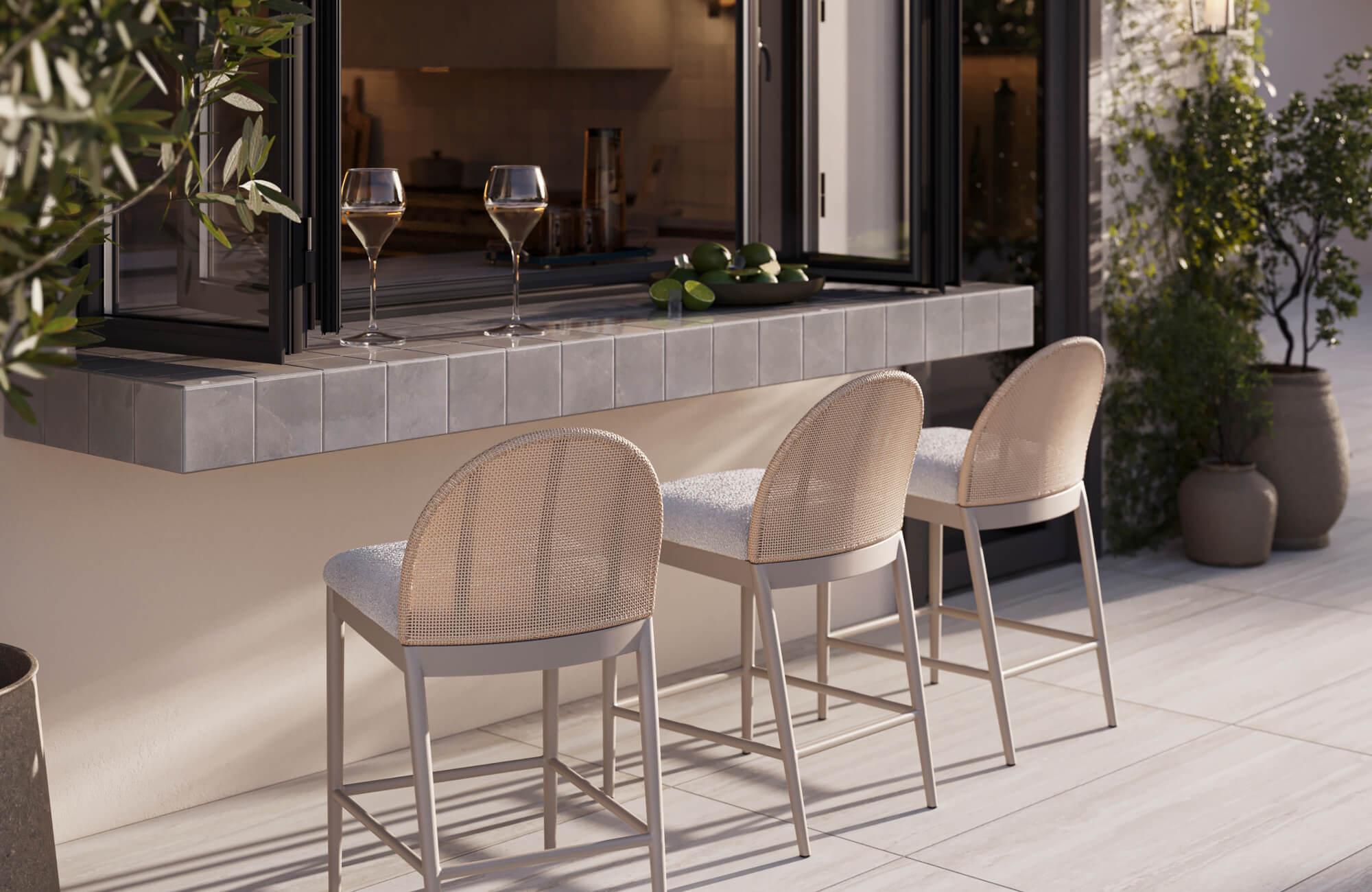
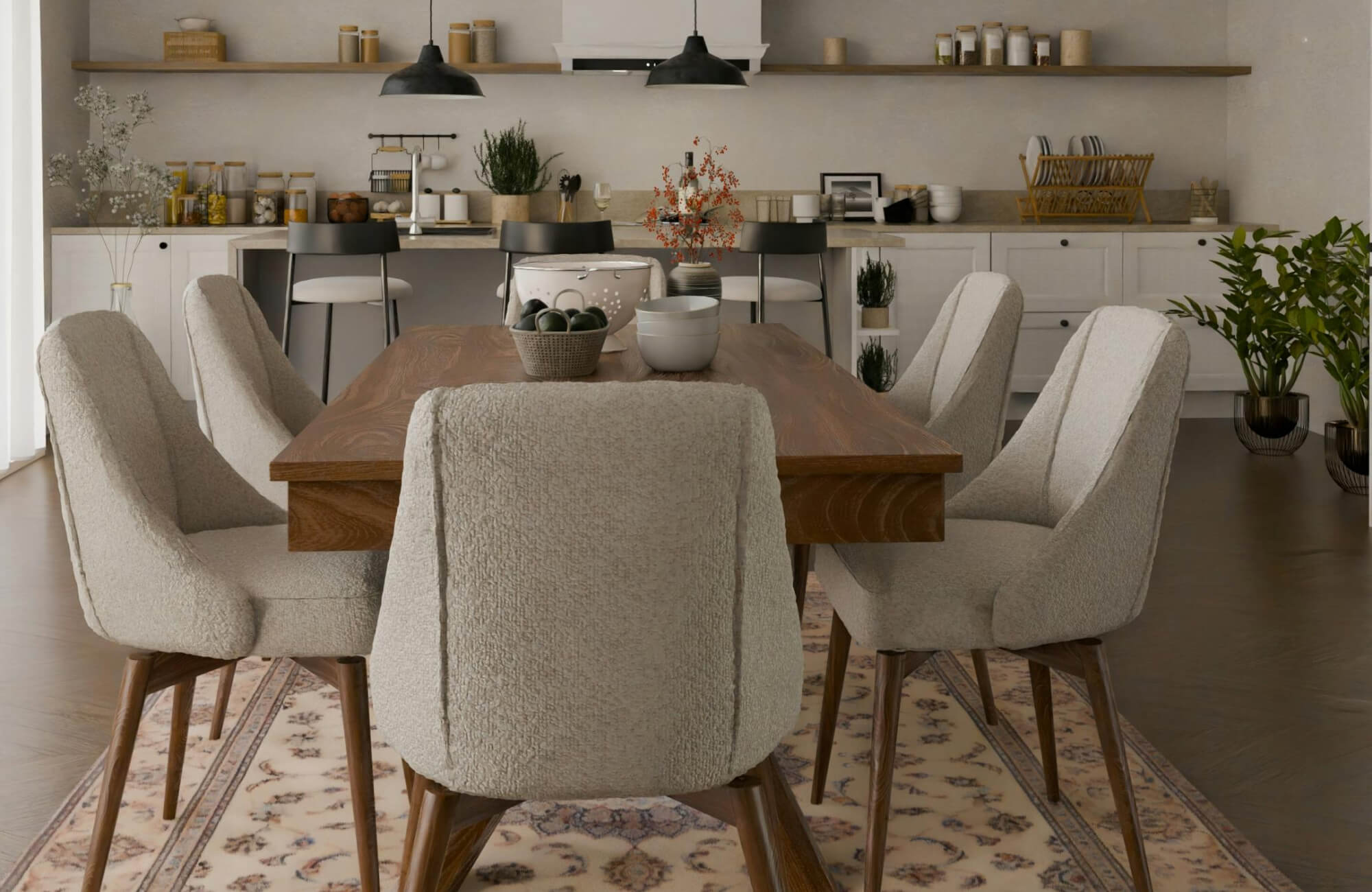
Modern counter stools have evolved into refined design elements that quietly shape how kitchens are lived in and experienced every day. Crafted to complement open layouts and counter-height surfaces, today’s stools balance sculptural presence with carefully engineered comfort. From early-morning coffee rituals to extended conversations that linger well into the evening, their role extends far beyond occasional seating. Contemporary counter stool design now integrates human-centered proportions, resilient cushioning systems, and advanced structural stability to support frequent, prolonged use. Understanding how these elements work together reveals why modern counter stools can offer lasting comfort without compromising visual elegance.

Ergonomic Proportions and Human-Centered Geometry
Accurate proportions anchor comfort by allowing the body to remain naturally supported throughout daily activities at the counter. Modern counter stools rely on anthropometric research to ensure dimensions align seamlessly with the way people sit, shift, and remain seated over extended periods.
Seat Height and Counter Compatibility
Proper seat height is fundamental to ergonomic modern counter stools designed for everyday kitchen seating and dining. Most counter stools are engineered with seat heights between 24 and 26 inches to pair comfortably with standard 34–36-inch counter surfaces. This precise proportional relationship maintains a functional clearance of approximately 9 to 12 inches, which is essential for relaxed leg positioning. Adequate clearance also helps prevent excessive thigh compression while allowing the hips to remain in a neutral, supported position. In well-designed stools, this proportional accuracy reduces cumulative joint stress over time. These ergonomic advantages make properly scaled counter stools suitable for everyday living rather than occasional use.
Seat Depth and Weight Distribution
Seat depth plays a critical role in how body weight is distributed across the sitting surface during everyday use. Modern counter stools typically feature seat depths ranging from 15 to 18 inches to provide balanced support for a wide range of users. This depth range allows the sitter’s back to remain supported without pressing into the back of the knees. Even weight distribution reduces localized pressure buildup on key contact points such as the pelvis and thighs. Reduced pressure helps maintain comfort during extended sitting sessions at kitchen counters or islands. These ergonomic refinements make modern counter stools well-suited for daily living. Proper seat depth also supports micro-adjustments in posture throughout the day. Over time, this adaptability improves overall seating endurance and comfort consistency.
Backrest Geometry and Spinal Support
Backrest geometry directly influences spinal alignment and overall seating comfort throughout the day, particularly in counter stools designed for extended everyday use. Many modern counter stools incorporate backrests angled between 95 and 105 degrees to support the spine’s natural curvature without encouraging slouching. This carefully calibrated recline also allows the upper body to rest comfortably while maintaining an upright, supported posture. Edward Martin’s Kenzie Counter Stool in Napa Cognac, as displayed in the picture above, exemplifies this approach with its gently curved, upholstered backrest that subtly wraps around the sitter, offering consistent mid-back support without visual heaviness. In addition, its softly cushioned surface and sculptural metal frame work together to reduce muscle fatigue during prolonged seating at the counter. By combining refined backrest geometry with plush upholstery, designs like this Kenzie counter stool promote healthier posture and enhanced comfort throughout daily use.

Cushioning Systems and Structural Seat Support
Beyond visible form, internal construction determines how a counter stool performs under the demands of everyday use. Modern seating relies on engineered cushioning systems and structural subcomponents to preserve comfort, shape, and support over time.
Foam Density and Resilience
Cushioned counter stools intended for everyday seating depend heavily on carefully specified foam density to balance comfort and long-term support. High-quality modern designs often utilize polyurethane foam rated between 1.8 and 2.5 lbs/ft³, a range that provides both softness and structural resilience. This density prevents the seat from compressing excessively under repeated daily use, allowing it to retain its supportive shape over time. As shown in the photo above, the Georgia Counter Stool in White reflects this performance-driven approach with its generously cushioned seat and backrest, which appear structured yet inviting rather than overly plush. Its tailored upholstery and substantial padding also help distribute body weight evenly, reducing pressure points during extended sitting at the counter. By combining refined foam density with a well-supported seat profile, designs like this Georgia counter stool deliver consistent comfort and resilience suited for everyday living.
Suspension and Substructure Engineering
Support systems beneath the seat play a significant role in both comfort and durability. Many modern counter stools incorporate sinuous springs or elastic webbing to distribute body weight evenly across the frame, while molded plywood shells provide firm yet ergonomically contoured support beneath the cushioning layer. Together, these substructures reduce concentrated pressure points that can lead to discomfort and enhance the perceived softness and stability of the seat. Improved load distribution also minimizes material fatigue in the cushioning over time, contributing to long-term durability. As a result, well-engineered support systems ensure consistent comfort and reliable performance throughout the stool’s lifespan.
Solid Shell vs. Upholstered Seats
Not all modern counter stools rely on thick cushioning to provide comfort. Sculpted shells made from molded plastic, composite materials, or bentwood use anatomical shaping to support the body, offering reliable comfort for moderate-duration sitting throughout the day. Upholstered counter stools, by contrast, enhance comfort for longer seating periods. Each construction type serves a distinct everyday function depending on lifestyle needs: shell-based designs prioritize ease of maintenance and visual lightness, while upholstered options emphasize softness and pressure relief for extended seating. Selecting the appropriate seat construction ensures comfort aligns with daily use patterns and intended function.

Materials, Surface Performance, and Thermal Comfort
Material selection shapes both the tactile experience and long-term performance of modern counter stools. Thoughtful material engineering ensures comfort, durability, and visual refinement coexist seamlessly.
Upholstery Performance and Breathability
Performance fabrics are a key feature in modern upholstered counter stools designed for everyday use. Many of these textiles exceed 50,000 double rubs in abrasion testing, offering exceptional durability, while high breathability allows heat to dissipate naturally during extended sitting. This combination reduces discomfort from heat buildup and enhances seating comfort throughout daily activities. Stain-resistant finishes help maintain a clean appearance over time, and performance upholstery also resists pilling and surface breakdown, ensuring that the stool retains both comfort and aesthetic quality for years of daily use.
Leather and Faux Leather Comfort Characteristics
Leather and faux leather upholstery offer a distinctive balance of tactile comfort, durability, and visual refinement in modern counter stool design. High-quality faux leather, in particular, is engineered to replicate the character of natural hide while offering enhanced resistance to wear, moisture, and daily use. Its leather-like surface also warms gradually with body contact, reducing the initial coolness often associated with smooth materials and contributing to a more inviting seating experience over time.
Our Savannah Counter Stool in Black, as featured in the photo above, exemplifies this performance through its richly textured faux leather upholstery, detailed with subtle grooves, fine creases, and tonal variation that mirror the depth of genuine leather. Paired with structured foam-and-fiber cushions and a supportive low backrest, the upholstery also allows gentle movement without friction, helping to minimize pressure during extended sitting. By combining durable faux leather with ergonomic cushioning and a smooth 360-degree swivel, designs like this Savannah counter stool deliver enduring comfort with a polished, contemporary sensibility suited for everyday living.
Hard Materials and Hybrid Solutions
Metal and wood counter stools emphasize durability and architectural clarity, but unpadded surfaces can feel firm without thoughtful design intervention. Hybrid solutions address this by introducing seat pads, textured finishes, or integrated cushions that soften contact points while preserving visual appeal. These enhancements improve tactile comfort without diluting the stool’s structural character. When materials are balanced intentionally, the result is a more inviting seating experience that supports everyday use. Hybrid designs also allow designers to fine-tune firmness levels, ensuring comfort across a range of user preferences.

Footrest Engineering and Lower-Body Support
Lower-body support plays a vital role in sustaining comfort during prolonged sitting. Well-engineered footrests improve posture, circulation, and overall seating endurance.
Footrest Height and Ergonomic Alignment
Footrest placement must correspond precisely with natural leg positioning in order to support everyday comfort and proper sitting posture. In well-designed modern counter stools, the optimal footrest height typically falls between 7 and 9 inches below the seat, a range that aligns with natural knee flexion for most users. This positioning allows the knees to bend comfortably without creating excessive tension in the hips or thighs. Proper foot support also prevents the legs from dangling during extended sitting, which can otherwise lead to circulation issues and lower-back fatigue. By maintaining consistent lower-body alignment, footrests help reduce pressure on the lumbar region and distribute body weight more evenly across the seat. These ergonomic benefits become especially important during longer periods of daily use, such as dining, working, or socializing at the counter.
Structural Integrity and Load Resistance
Footrests are subject to frequent and repetitive load cycles during everyday use, making their construction a critical factor in overall stool comfort and longevity. Modern counter stools commonly incorporate reinforced metal or solid hardwood foot rails engineered to withstand continuous pressure without deforming. These materials resist bending, denting, and surface wear, even in busy kitchen environments. Strong structural integrity at the footrest also ensures consistent support throughout the stool’s lifespan, preventing instability from developing over time. Stable foot placement further allows users to remain comfortably grounded, enhancing confidence while seated. By minimizing vibration, flex, or loosening at key contact points, high-quality footrest construction reduces subtle movements that can lead to muscle fatigue.
Adjustable Footrest Mechanisms
Adjustable counter stools often feature synchronized footrest mechanisms that move in unison with seat height changes, ensuring that lower-body support remains consistent as the stool is adjusted. This integrated movement preserves proper ergonomic alignment between the seat, knees, and feet regardless of the user’s height. By maintaining this alignment, adjustable footrests also help prevent uneven weight distribution that can lead to discomfort or fatigue during extended sitting. Users of varying statures benefit from preserved posture support, particularly in kitchens where stools are shared among family members or guests. Proper foot positioning further reduces strain on the thighs and lower back, allowing the body to remain relaxed over longer periods of everyday use. This adaptability makes adjustable counter stools especially well-suited for multi-user households and open-plan kitchens.

Stability, Load Capacity, and Long-Term Performance
Comfort is inseparable from stability, as even minor movement can subtly increase muscle tension over time. Modern counter stools are engineered to deliver structural confidence that supports relaxed, everyday seating.
Base Design and Weight Distribution
Base design plays a foundational role in how stable and comfortable a counter stool feels during everyday use, particularly in a busy kitchen environment. For example, well-engineered counter stools rely on wider stance legs, reinforced joints, and thoughtful geometry to distribute body weight evenly and minimize unwanted movement. This even distribution reduces lateral sway and front-to-back rocking, allowing the sitter to remain relaxed rather than subconsciously engaging muscles for balance.
As featured in the photo above, our Shaffer Counter Stool in Charcoal Black Leather exemplifies this stability through its grounded, architectural frame and continuous circular footrest, which adds both visual weight and structural reinforcement. Its solid construction also supports consistent load-bearing while enhancing balance during entry, exit, and prolonged sitting at the counter. By pairing a stable base with refined leather upholstery and a confident silhouette, designs like the Shaffer counter stool deliver long-term comfort and performance suited for everyday living.
Swivel Mechanisms and Controlled Motion
Swivel counter stools introduce flexibility and ease of movement that support everyday functionality. High-quality designs rely on sealed ball-bearing swivel mechanisms to deliver smooth, controlled rotation, preventing abrupt shifts that could disrupt balance while seated. This stability allows users to turn naturally without needing to reposition the stool, reducing strain on the spine and hips over time. Smooth rotation also improves accessibility at kitchen counters and islands, particularly in high-use areas. When properly engineered, swivel systems maintain consistent stability even with frequent daily use, striking an effective balance between motion and control that enhances overall seating comfort.
Floor Contact and Leveling Features
Floor contact is a critical yet often overlooked factor in everyday seating comfort. Adjustable levelers help counter stools remain stable on uneven flooring, while non-slip glides prevent unintended movement during use or repositioning. Secure contact with the floor also enhances balance and seating confidence, reducing instability that can contribute to fatigue during prolonged sitting. Moreover, proper leveling ensures weight is evenly distributed across all legs, protecting flooring materials from scratches or dents. Over time, consistent floor contact significantly improves both long-term comfort and overall usability.
Comfort Engineered for Everyday Living and Long-Term Enjoyment
When thoughtfully engineered, modern counter stools offer a refined balance of ergonomic comfort, structural integrity, and lasting performance that supports the rhythms of everyday living. Carefully proportioned dimensions, resilient cushioning systems, and high-quality materials work together to deliver seating that remains comfortable through daily routines and extended use. Integrated footrests and stable construction further enhance seating endurance, allowing counter stools to function as reliable, everyday essentials rather than occasional accents.
As kitchens continue to serve as social, functional, and work-centered spaces, selecting seating that aligns with both lifestyle needs and interior design goals becomes increasingly important. Edward Martin’s design services provide expert guidance in selecting counter stools and complementary furnishings that balance comfort, performance, and aesthetic cohesion. To explore tailored solutions for your space, contact us and let our design team help bring enduring comfort and refined style into your home!