Counter stools are one of those details you interact with every day, yet they’re often chosen last. The material you sit on affects comfort, upkeep, and how your kitchen feels as a whole, especially in spaces where stools are always in use. In this blog, we’ll compare leather and fabric counter stools through the lens of real use, from comfort and durability to maintenance and design impact, so you can choose the option that fits your space, habits, and lifestyle with confidence.

Comfort And Feel In Everyday Use
Comfort plays a big role in how counter stools feel day to day, especially when they’re used for quick meals, casual conversations, or short work sessions. Leather and fabric offer very different tactile experiences, and those differences tend to stand out most during regular, everyday use.
How Leather And Fabric Feel During Short Sitting
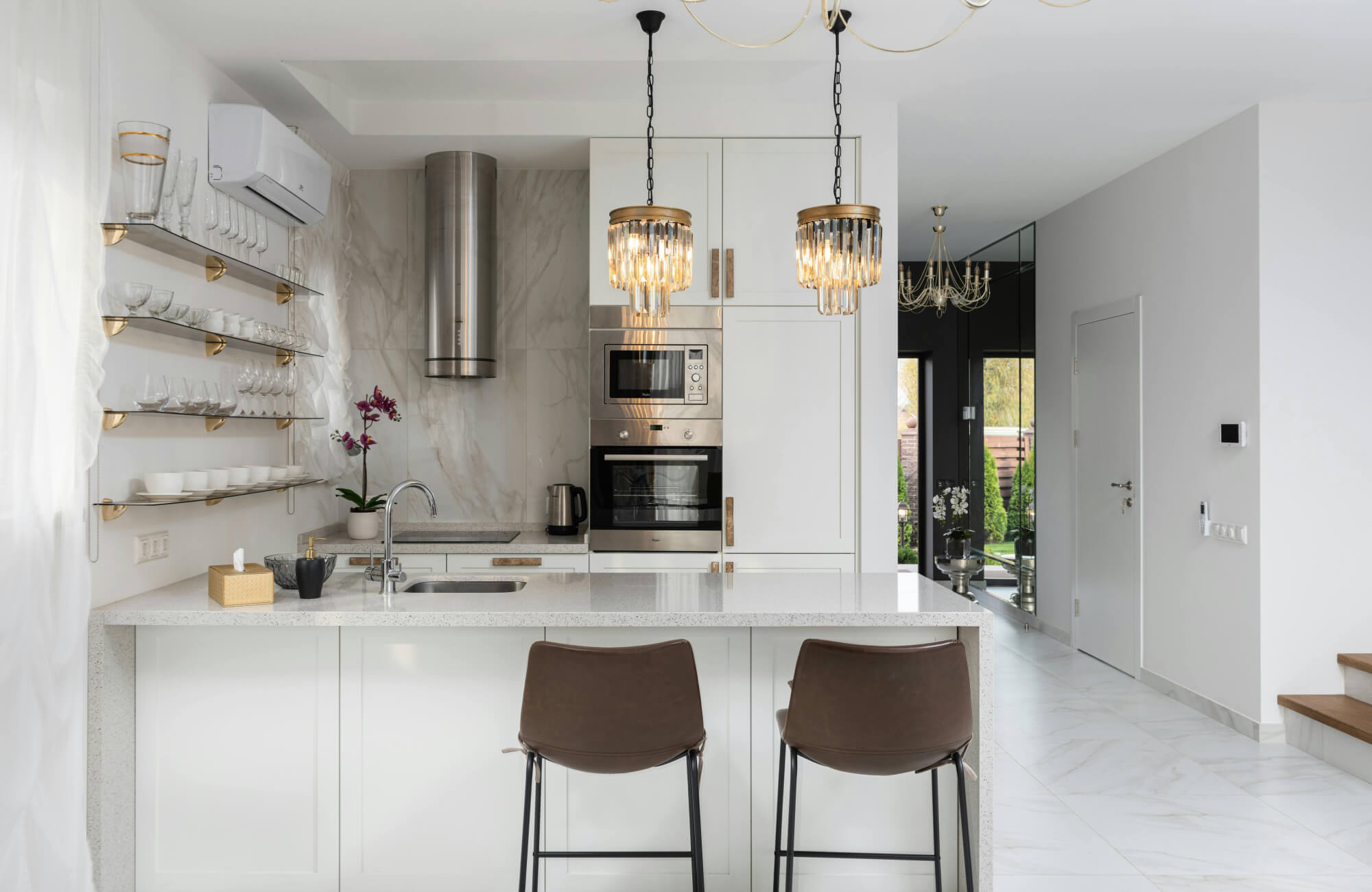
During short sitting periods, leather, such as our Grant Counter Stool in Black above, tends to feel smooth and supportive right away, which many people associate with a more structured seating experience. Fabric, on the other hand, often feels softer at first touch, creating a more relaxed and inviting impression. This difference is noticeable during quick breakfasts or brief moments at the counter. Leather usually holds its shape well, which can feel reassuring even in short bursts. Fabric stools may feel cozier, especially when cushioning is slightly plusher. The choice often comes down to whether you prefer a firmer, polished feel or something a bit more casual.
Long-Term Comfort For Meals And Work Sessions
When sitting for longer periods, such as extended meals or light work, comfort differences become more noticeable. Fabric stools often provide a softer surface that feels forgiving over time, which can reduce pressure during longer use. Leather offers consistent support, though some people may find it feels firmer after extended sitting. Because leather doesn’t compress as easily, posture tends to stay more upright. Fabric, meanwhile, can feel more relaxed, especially when paired with deeper cushioning. Comfort here depends on how structured or laid-back you want the seating experience to feel.
Temperature Sensitivity And Seasonal Comfort
Temperature plays a subtle but important role in how seating feels throughout the year. Leather can feel cool to the touch at first, especially in cooler rooms, which some people enjoy and others find noticeable. In warmer conditions, it may feel less breathable, depending on the environment. Fabric tends to adjust more gradually to room temperature, which often makes it feel more consistent across seasons. This can be especially noticeable in kitchens that receive a lot of natural light. Seasonal comfort is less about preference and more about how the space is used year-round.
Cushioning And Support Differences Between Materials
Cushioning behaves differently depending on whether a stool is upholstered in leather or fabric. Leather upholstery often pairs with firmer padding, creating a more supportive seat that holds its form. Fabric upholstery is commonly paired with slightly softer cushioning, which can feel more relaxed under weight. Over time, these differences affect how supported you feel when sitting. Neither option is inherently more comfortable, but they offer distinct experiences. Choosing between them depends on whether you value structure or softness in everyday seating.

Durability And Wear Over Time
Durability becomes more noticeable the longer counter stools are used as part of daily routines. Leather and fabric respond differently to repeated sitting, shifting, and movement, and those changes tend to show up gradually rather than all at once. Looking at how each material ages helps set realistic expectations for long-term use.
How Leather Ages With Daily Use
Leather typically develops visible changes as it’s used over time, often becoming softer and more flexible with regular seating. With daily use, natural markings such as light creasing or subtle variations in tone can appear. These changes usually happen slowly and reflect where the stool is most frequently used. Because leather holds its structure well, it tends to maintain its overall shape even as the surface evolves. For many people, this aging process feels intentional rather than problematic. The key difference is that leather shows its history rather than hiding it.
Fabric Wear From Friction And Movement
Fabric upholstery tends to show wear through surface changes rather than structural ones. Repeated movement and friction can cause fibers to flatten or shift, especially in high-contact areas. Over time, this may result in slight texture changes that are more visible on lighter fabrics. Unlike leather, fabric doesn’t develop patina, so wear often appears more uniform. The extent of this depends heavily on weave density and fiber type. Every day use gradually reveals how the fabric responds to constant contact.
Resistance To Stretching, Sagging, And Creasing
Stretching and sagging are common concerns with upholstered seating, but materials behave differently in this area. Leather generally resists stretching because of its natural tensile strength and firm backing. Fabric may relax over time, especially if the cushioning beneath compresses with repeated use. Creasing appears more distinctly in leather, while fabric tends to soften and flatten instead. These changes don’t usually affect function but do influence appearance. Understanding how each material responds helps avoid surprises down the line.
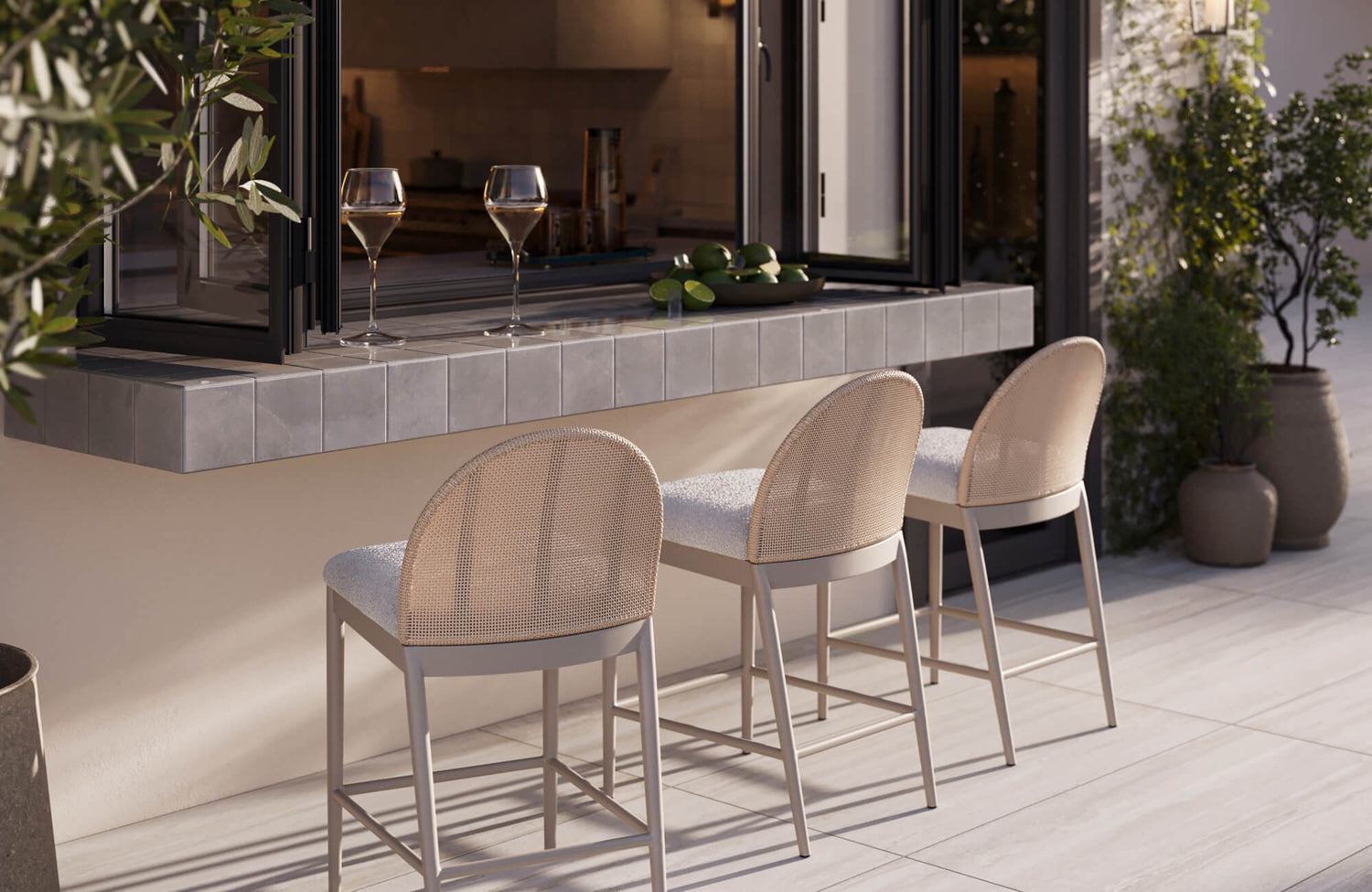
Our Kenzie Counter Stool in Napa Cognac is a strong option for those who want the benefits of both materials working together. As you can see above, the leather-inspired seat resists stretching and sagging, helping it keep its shape over time, while the fabric back introduces a softer surface that can relax slightly without compromising support. This combination highlights how leather tends to show creasing in a more structured way, while fabric subtly softens with use. Together, they demonstrate how mixed materials balance long-term appearance and everyday comfort.
How Stitching And Seams Affect Longevity
Stitching and seam placement play a major role in how well a stool holds up over time. On leather stools, seams often reinforce areas that experience the most stress, helping maintain structure. Fabric stools rely on stitching to keep upholstery tight and evenly distributed. Over time, seams may show wear before the main surface does, especially with frequent movement. Quality stitching helps prevent early loosening or distortion. Paying attention to construction details often matters as much as the material itself.
When Visible Wear Adds Character Vs Looks Worn
Visible wear can be interpreted very differently depending on the material. Leather often gains character as it ages, with patina and creasing adding depth and variation. Fabric, however, tends to look best when it maintains a consistent surface. Once wear becomes noticeable, it may feel less intentional on fabric than on leather. This doesn’t make one better than the other, but it does affect how aging is perceived. Choosing a material that aligns with how you feel about visible wear helps ensure long-term satisfaction.

Maintenance, Cleaning, And Upkeep
Maintenance plays a quiet but important role in how enjoyable counter stools are to live with over time. Leather and fabric differ not just in how they look, but in how much attention they need to stay looking their best. Understanding routine care expectations helps prevent frustration down the line.
Routine Cleaning Expectations For Each Material
Leather typically requires simple, regular care to keep its surface clean and conditioned. Light dusting and occasional wiping with a damp cloth are usually enough for everyday upkeep. Fabric stools, on the other hand, tend to collect dust and debris more easily within their fibers. Routine cleaning often involves vacuuming or gentle brushing to prevent buildup. While neither option is difficult to maintain, fabric usually demands more frequent attention. Over time, this difference becomes noticeable in busy households.
How Spills And Moisture Are Handled Over Time
Spills behave very differently on leather versus fabric surfaces. Leather generally repels moisture at first, giving you time to wipe spills before they soak in. Fabric absorbs liquid more quickly, which can lead to deeper staining if not addressed immediately. Over time, repeated moisture exposure may affect fabric fibers more visibly. Leather’s sealed surface offers a bit more forgiveness in everyday accidents. This difference often matters most in kitchens where spills are part of daily life.
Dealing With Stains, Oils, And Everyday Messes
Oils from hands, food, or cooking can gradually affect both materials, but in different ways. Leather may darken slightly in frequently touched areas, creating a lived-in look rather than obvious stains. Fabric tends to show discoloration more clearly, especially on lighter colors. Some fabrics are treated to resist stains, but they still require prompt cleaning. Everyday messes are easier to manage when the surface doesn’t trap residue. This often makes leather feel simpler to live with long-term.
Maintenance Differences In Busy Kitchens
In busy kitchens, maintenance routines tend to happen quickly rather than carefully. Leather stools often fit this place better because they can be wiped down in seconds. Fabric stools may need more deliberate cleaning to keep crumbs and spills from settling in. Over time, the extra effort adds up, especially in households with frequent use. This doesn’t make fabric impractical, but it does require more consistency. Matching the material to your lifestyle helps maintenance feel manageable rather than burdensome.
Long-Term Care And Conditioning Considerations
Leather benefits from occasional conditioning to maintain flexibility and prevent drying or cracking. This type of care isn’t frequent, but it does require intentional upkeep. Fabric doesn’t need conditioning, but it may require deeper cleaning over time to refresh the surface. Both materials benefit from proper care, just in different ways. Long-term upkeep often reflects how proactive you want to be. Knowing these expectations upfront helps avoid neglect or over-maintenance.
When Maintenance Becomes A Factor In Material Choice
For some people, maintenance is a deciding factor rather than a minor consideration. If low-effort cleaning is a priority, leather often feels more forgiving day to day. If texture and softness matter more than ease of care, fabric may still be the preferred choice. Over time, maintenance habits shape how satisfied you feel with the material. Choosing what aligns with your routine helps prevent regret later. The right choice is often the one that fits how you actually live.

Visual Impact And Design Versatility
Beyond comfort and care, material choice plays a major role in how counter stools shape the overall look of a kitchen. Leather and fabric interact differently with light, finishes, and surrounding materials, which can subtly influence how polished, relaxed, or layered the space feels.
Leather As A Structured, Polished Design Element
Leather often brings a sense of structure and refinement to a kitchen setting. Its smooth surface and subtle sheen naturally read as more tailored, which works well in spaces that lean modern or streamlined. Because leather holds its shape well, stools tend to look crisp and composed even after regular use. This makes leather a strong visual anchor, especially around islands with clean lines. In kitchens with sleek cabinetry or minimal detailing, leather reinforces that polished feel. Over time, it maintains a consistent presence without looking busy.
Fabric’s Role In Softening Hard Kitchen Finishes
Fabric counter stools introduce softness into kitchens that are dominated by hard surfaces like stone, tile, and metal. The texture of fabric helps balance sharper edges, making the space feel more inviting and relaxed. This is especially noticeable in kitchens with large islands or open layouts, where stools are always in view. Fabric can also make seating feel more approachable, rather than strictly functional. In homes that prioritize comfort and warmth, this softness adds visual ease.
Texture And Color Depth In Different Lighting
Lighting affects leather and fabric in noticeably different ways. Leather reflects light more evenly, which can highlight its tone and create subtle variations across the surface. Fabric absorbs light instead, often showing deeper color variation and more visible texture. This can add richness, especially in kitchens with natural light or softer evening lighting. Depending on the time of day, fabric stools may appear warmer or more dimensional. Understanding how light interacts with each material helps avoid surprises once the space is fully styled.
How Each Material Works With Wood, Stone, And Metal
Leather pairs naturally with wood, stone, and metal finishes, often tying these elements together visually. Its refined surface complements stone countertops and metal accents without competing for attention. Fabric, meanwhile, works well when the goal is contrast, adding softness against rigid materials. With wood finishes, fabric can emphasize warmth, while leather tends to highlight structure. Both materials can work beautifully, but they create different relationships with surrounding finishes. Choosing the right one depends on whether cohesion or contrast feels more fitting for the space.
Matching Stools To Modern, Transitional, Or Casual Spaces
Material choice also helps define the overall style direction of a kitchen. Leather stools often feel at home in modern or transitional spaces where clean lines and consistency matter. Fabric stools lean more casual, supporting relaxed, lived-in interiors without feeling overly styled. In transitional kitchens, either option can work depending on color and form. The key is aligning the stool material with the tone of the space as a whole. When materials match the design intent, the kitchen feels cohesive rather than mixed.

Performance In Busy And Shared Spaces
In homes where counter stools are used throughout the day, performance goes beyond surface comfort or appearance. Leather and fabric behave differently once they become part of daily routines, shared meals, and casual gatherings. Looking at how each material handles frequent, varied use helps clarify which option fits better in active households.
Homes With Kids And Frequent Seating Use
In homes with kids, counter stools tend to see constant movement, shifting, and quick sit-downs throughout the day. Leather often handles this kind of use with less visible disruption, since its surface resists snagging and doesn’t trap crumbs as easily. Fabric stools can still work well, but they tend to show signs of use sooner in these settings. Repeated climbing, sliding, and contact can compress cushions and affect texture over time. That doesn’t make fabric impractical, but it does mean wear becomes more noticeable. For households with frequent seating turnover, material response matters as much as comfort.
Entertaining And Everyday Seating Demands
When stools are used for both daily meals and entertaining, they need to perform consistently without constant adjustment. Leather tends to keep a uniform look even after multiple people cycle through the seats, which helps the space feel pulled together during gatherings. Fabric offers a softer, more relaxed feel that suits casual entertaining, but it can show impressions or creases after long sitting sessions. In social settings where people linger, this difference becomes more apparent. Neither material is inherently better, but they deliver different visual outcomes by the end of the night. Thinking about how often stools host guests helps guide the choice.
Shared Seating In Open-Plan Kitchens
Open-plan kitchens often turn counter stools into shared seating that blends cooking, dining, and casual work. In these spaces, stools are rarely “at rest,” which puts materials under more constant use. Leather’s smoother surface tends to recover quickly between uses, helping stools look consistent throughout the day. Fabric can feel cozier in open layouts, but it may require more frequent straightening or care to maintain its appearance. Because stools are always visible in open plans, how they hold up between uses matters. Material choice directly affects how tidy or relaxed the space feels over time.
How Usage Patterns Influence Material Choice
Ultimately, how counter stools are used matters more than how they look in a showroom. Households with steady, predictable routines may find fabric stools perfectly suitable and comfortable. More dynamic environments, where seating use varies constantly, often benefit from materials that visually reset more easily. Leather supports this by maintaining shape and appearance between uses. Fabric shines when the priority is comfort and softness over constant visual uniformity. Matching material choice to real usage patterns helps ensure stools feel like a practical fit, not a compromise.
Finding The Material That Matches Your Routine And Style
Choosing between leather and fabric counter stools isn’t about declaring one material better than the other, but about understanding how each one fits into your daily rhythm. Leather often appeals to those who value structure, ease of upkeep, and a more polished look over time. Fabric, on the other hand, suits homeowners who prioritize softness, warmth, and a relaxed seating experience. The right choice comes down to how you use your kitchen and what kind of comfort feels most natural to you.
If you’re still weighing which material makes the most sense, a second perspective can help clarify the decision. Schedule a design consultation to talk through your kitchen layout, seating habits, and style goals in context. A designer can help you balance comfort, durability, and visual impact without overthinking the details. That guidance often turns a good choice into one that truly works long term.