A dining table can technically fit in a room and still feel wrong once people start using it. Chairs scrape, walkways tighten, and suddenly the space feels smaller than expected. Choosing the right dining set goes beyond square footage and style. In this blog, we’ll walk through how to size a dining set based on real use, from measuring usable space to planning chair clearance and layout, so your dining area feels comfortable and easy to live with.

Measure Your Room Based On Real Use, Not Just Square Footage
Before you start comparing table sizes, it helps to step back and look at how the room actually works day to day. Square footage is a starting point, but door swings, walkways, and nearby furniture often decide what truly fits. Below, we’ll focus on measuring the space you really use so your dining area feels comfortable, not forced.
Measuring Clearances Around The Dining Area
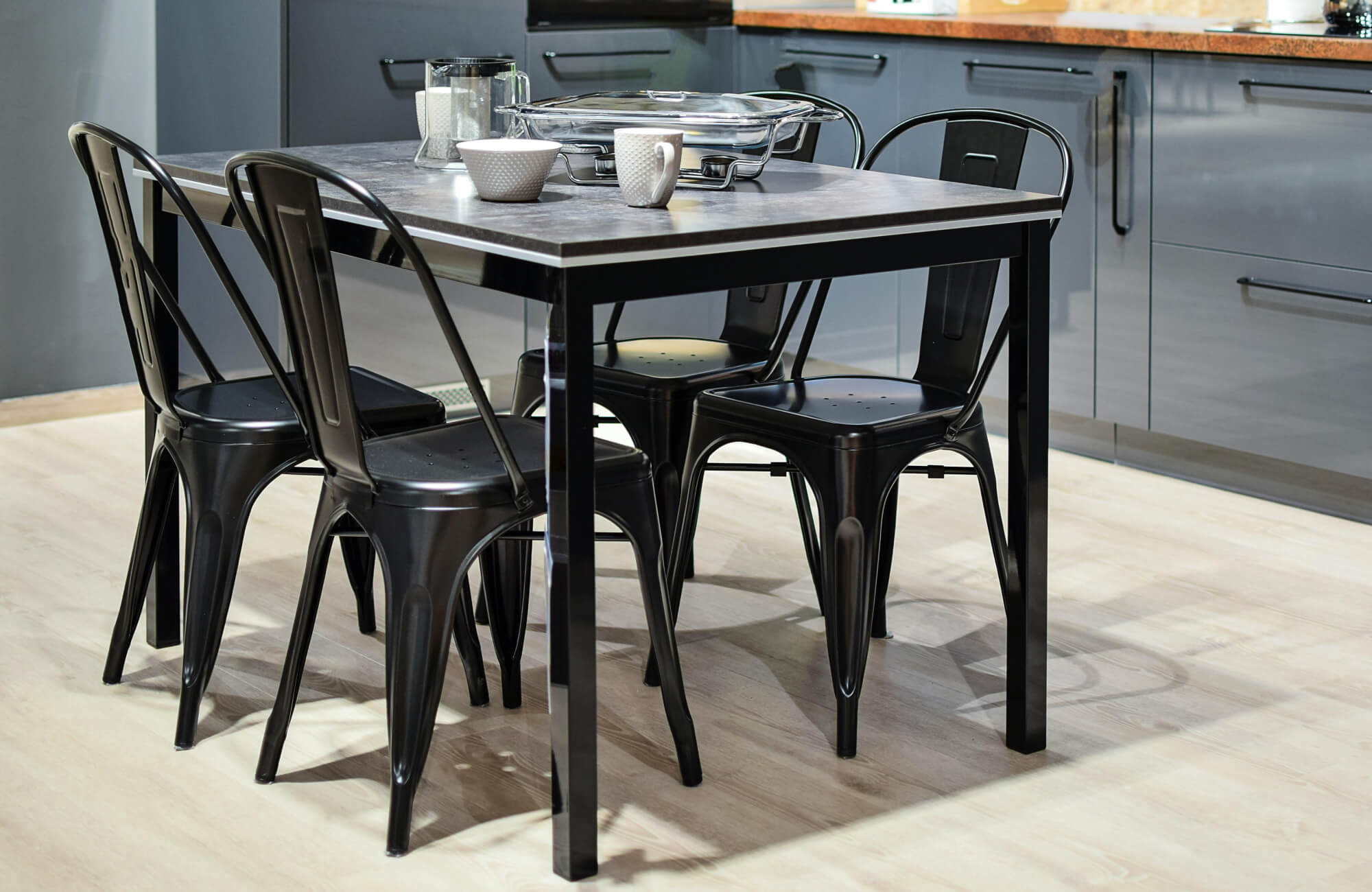
Clearance around the dining table is what determines whether the space feels relaxed or cramped during everyday use. Chairs need enough room to pull out comfortably, especially when people are seated for longer meals. As a general rule, allowing consistent space around the table helps movement feel natural rather than forced. This becomes even more important in rooms where the dining area shares space with other functions.
It also helps to think about how many people typically use the table at once. For instance, a table that technically fits may still feel tight when all chairs are occupied. Walking paths should remain clear without requiring people to squeeze past chairs. Measuring these clearances upfront prevents choosing a dining set that looks right but feels awkward in practice.
Accounting For Doors, Walkways, And Nearby Furniture
Doors and walkways often take up more usable space than expected, especially in open or shared layouts. A door that swings into the dining area can limit where a table or chair can realistically sit. Walkways connecting kitchens, living areas, or patios should remain unobstructed because these paths are used frequently throughout the day. Ignoring them can make the dining area feel like it’s in the way.
Nearby furniture also plays a role in how the space functions. Buffets, sideboards, or even nearby sofas can affect how far chairs can pull back. For example, a dining set that fits the room dimensions may still crowd adjacent pieces. Measuring with these elements in mind helps the dining area feel intentional rather than squeezed into the room.
Understanding Usable Space Vs Total Room Size
Total room size includes areas that may never actually support dining furniture. Corners blocked by windows, radiators, or built-ins often look usable on paper but don’t function well in real life. Usable space focuses on where furniture can sit comfortably without interfering with movement. This distinction is especially important in multipurpose rooms.
Thinking in terms of usable space helps avoid oversizing the dining set. A slightly smaller table placed well often feels better than a larger one that dominates the room. It also allows the dining area to adapt more easily as needs change. Measuring with real use in mind leads to a setup that feels balanced, practical, and comfortable every day.

Decide Seating Needs Without Overcrowding The Room
When choosing a dining set, it’s easy to plan around special occasions, but everyday use should guide most decisions. The goal is to seat people comfortably without making the room feel tight or difficult to move through. Below, we’ll look at how to balance daily seating needs with occasional hosting so the dining area stays practical most of the time.
Everyday Seating Vs Hosting Requirements
Everyday seating should reflect how many people regularly use the dining table, not the maximum number you might host a few times a year. A table sized for daily meals feels easier to live with because chairs can move freely, and the room stays open. When a table is chosen mainly for hosting, it often feels oversized during normal use. This can make the dining area feel crowded even when only a few seats are occupied.
It helps to think about how often you truly host larger groups. For instance, if big gatherings happen only occasionally, designing the room around them may create unnecessary compromise the rest of the year. A well-sized everyday table supports comfort, better circulation, and a calmer layout. Hosting solutions can then be added thoughtfully without overwhelming the space.
Flexible Seating Options For Smaller Spaces
In smaller dining areas, flexibility becomes an important part of the seating strategy. Options like movable chairs, stools, or lightweight benches allow the setup to expand only when needed. This approach keeps the room open during daily use while still accommodating guests when the occasion calls for it. It also prevents the dining area from feeling permanently crowded.
Flexible seating works especially well in multipurpose spaces. For example, extra chairs can be stored nearby and brought out only when hosting. This keeps the core dining layout efficient and easy to navigate. Choosing adaptability over maximum capacity helps the space feel intentional and comfortable.
When Fewer Seats Actually Work Better
In some rooms, fewer seats create a better overall dining experience. A slightly smaller table with fewer chairs can improve movement, reduce visual clutter, and make the room feel more balanced. This is especially true in apartments or open layouts where the dining area shares space with other functions. Less furniture often means more breathing room.
Fewer seats also encourage better spacing around each chair. People can sit, stand, and move without bumping into walls or nearby furniture. Over time, this ease of use becomes more noticeable than extra seating capacity. Choosing fewer seats can lead to a dining area that feels more comfortable and inviting every day.

Choose A Table Shape That Supports Flow And Comfort
Table shape plays a bigger role in dining comfort than most people expect, because it directly affects how you move around the room and how chairs are used day to day. Even in similarly sized spaces, different shapes can change how open or constrained the dining area feels.
Rectangular Tables In Long Or Narrow Rooms
Rectangular tables, such as our Rebecca 86" to 120" Dining Table in Greige, tend to work well in long or narrow rooms because they follow the natural lines of the space. Their shape allows chairs to line up neatly without blocking walkways or door paths. When sized correctly, they leave clear circulation on both sides, which helps the room feel organized rather than tight. Rectangular tables also make it easier to scale seating up or down, depending on the width of the room. However, when they’re too wide for the space, movement around the corners can feel awkward. Keeping proportions in check is key to maintaining comfort.
Round And Oval Tables For Better Circulation
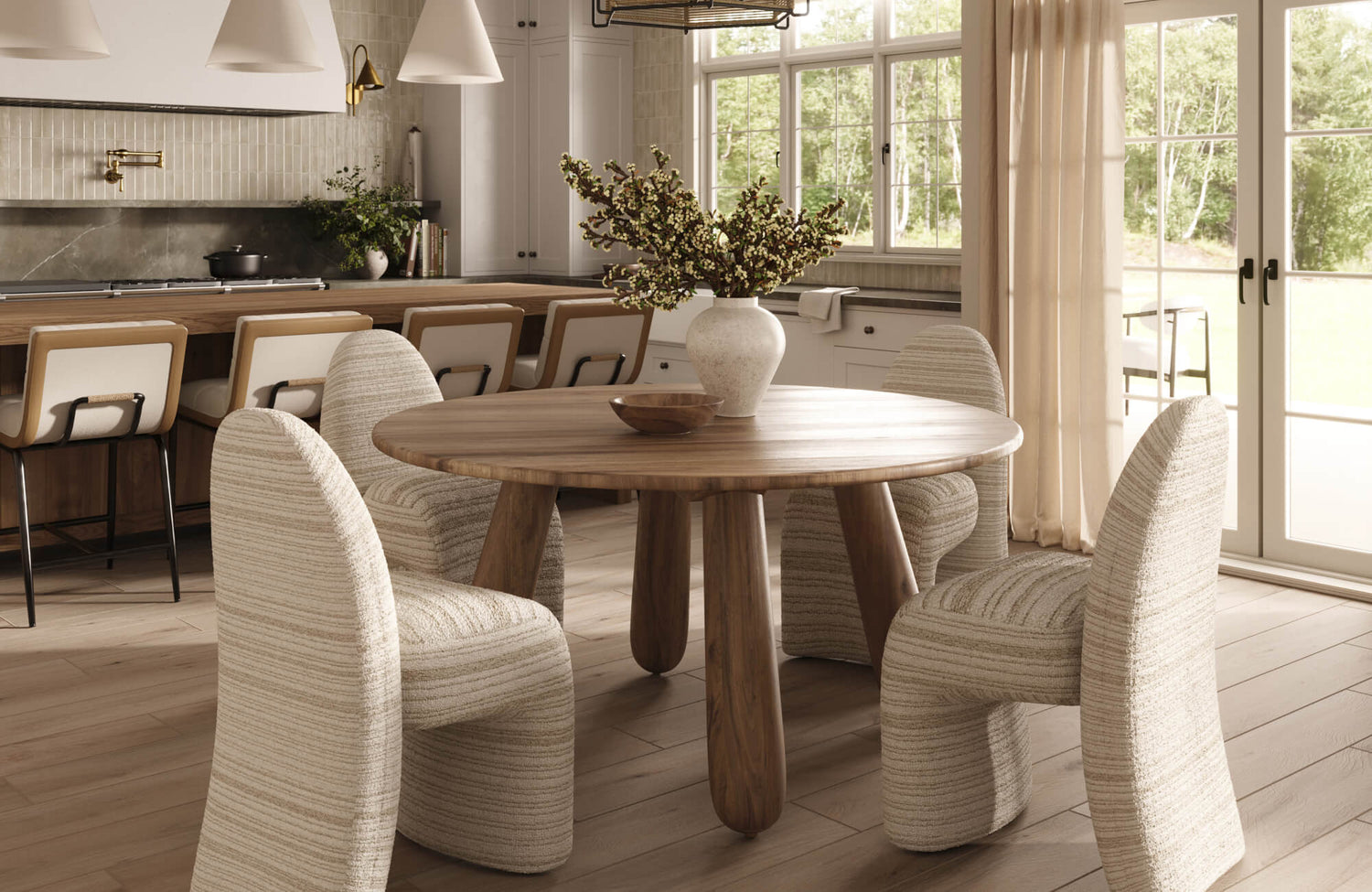
Round and oval tables are often easier to move around because they eliminate sharp corners. This can make a dining area feel more open, especially in compact or square rooms. Chairs slide in and out more smoothly, and the pathway tends to flow more naturally around the table. Oval tables, in particular, offer a balance between softness and surface space. That said, these shapes may seat fewer people at the same footprint compared to rectangular tables. They work best when circulation and comfort are higher priorities than maximum seating.
Our Alice 54" Round Dining Table in Light Oak is a natural fit for spaces where circulation and ease of movement matter most. As shown above, its round surface removes sharp corners, allowing chairs to slide in and out smoothly while keeping pathways open and fluid. The compact footprint and conical base reinforce how round tables support better flow, especially in rooms where comfort and everyday movement take priority over maximum seating.
Extendable Tables And When They Make Sense
Extendable tables are a practical option for homes that need flexibility without committing to a large footprint full-time. When closed, they function like a standard table that supports daily meals comfortably. When extended, they create extra seating for gatherings without permanently crowding the room. This makes them especially useful in spaces that host occasionally but prioritize everyday openness. However, extension leaves and mechanisms need clearance to operate smoothly. Planning for that movement helps avoid frustration later.
Square Tables In Balanced, Compact Layouts
Square tables can work well in balanced or nearly square dining areas where circulation is even on all sides. They create a sense of symmetry that feels calm and intentional in smaller rooms. Because seating is distributed evenly, conversations often feel more relaxed and inclusive. However, square tables can feel limiting in very tight layouts, especially when more than four chairs are involved. In those cases, movement around the corners may become restricted. They’re best suited to rooms where proportions allow equal breathing room on all sides.
Table Corners And How They Affect Movement
The presence or absence of corners subtly affects how people move through a dining space. Sharp corners require more clearance to navigate comfortably, especially in tighter rooms. Rounded edges or softened profiles reduce the chance of bumping into furniture during daily use. This is particularly helpful in households with kids or in open layouts where people pass through the dining area often. While corners aren’t a deal breaker, they should be considered alongside room size and pathflow patterns. Small details like edge shape can make everyday movement feel easier.

Plan Chair Clearance For Daily Movement
Chair clearance plays a big role in how comfortable a dining area feels once it’s used every day, not just styled for photos. Even a well-sized table can feel frustrating if chairs don’t have enough room to move or if walkways feel tight. Here, we’ll look at how spacing affects real-life movement around the table.
Chair Pull-Back Space And Comfort
Chair pull-back space determines how easily people can sit down and stand up without feeling cramped. When clearance is too tight, chairs often bump into walls, cabinets, or nearby furniture, which quickly becomes annoying. This also affects posture, because people may sit too close to the table or avoid adjusting their chair once seated. Over time, that lack of space makes dining feel rushed rather than relaxed. Adequate pull-back room allows chairs to slide smoothly and encourages more comfortable seating. This is especially noticeable during longer meals or when guests move in and out of their seats.
Walkway Clearance Around The Dining Set
Walkway clearance affects how naturally people can move around the dining area, even when chairs are occupied. If the space feels tight, walking behind seated guests can become awkward or disruptive. This is common in dining areas that connect to kitchens or living spaces, where walking happens throughout the day. With enough clearance, movement feels smooth and uninterrupted. It also prevents the dining area from becoming a bottleneck in the home. Planning walkways based on how people actually move helps the space feel functional, not forced.
How Clearance Affects Daily Use
Clearance, as mentioned earlier, directly influences how often the dining area is used and how comfortable it feels over time. When spacing feels restrictive, people may linger less at the table or avoid using certain seats altogether. This can make the dining area feel underutilized, even if it looks well-designed. On the other hand, generous clearance encourages relaxed seating and natural movement. Daily routines tend to highlight these issues quickly, especially in busy households. Planning clearance with real use in mind helps create a dining space that feels welcoming and easy to live with.

Match Dining Set Size To Your Layout And Movement Flow
Dining set size should respond to how people naturally move through the room, not just where a table technically fits. Layouts that connect kitchens, living areas, or hallways need extra attention because dining furniture sits directly within everyday circulation. When movement feels interrupted, the dining area can quickly become frustrating to use.
Dining Sets In Open-Plan Layouts
In open-plan homes, the dining set often sits between multiple zones, which makes proportion and placement especially important. A table that’s too large can interrupt visual continuity and make movement between spaces feel less fluid. Even when square footage allows it, an oversized dining set can create a sense of visual congestion. Choosing a table size that relates well to nearby seating and kitchen zones helps the room feel cohesive. It also allows people to move through the space without having to navigate around furniture constantly. When scale is handled thoughtfully, the entire layout feels calmer and more connected.
Dining Nooks Vs Open Dining Areas
Dining nooks and open dining areas behave very differently when it comes to sizing and comfort. In a nook, a more compact table often feels intentional because the space is already visually contained. That same table, however, may feel undersized or disconnected in an open dining area without surrounding walls. The sense of enclosure plays a big role in how large or small a dining set should feel. Nooks benefit from efficiency, while open spaces usually need a bit more presence to feel anchored. Understanding how enclosed the dining area is helps guide better sizing decisions.
Avoiding Pinch Points Around The Table
Pinch points occur when a dining set interrupts natural movement, especially near kitchen openings or adjacent rooms. Even a modest increase in table width or chair depth can turn an otherwise comfortable layout into something that feels awkward to navigate. This becomes especially noticeable during daily routines, like cooking or clearing dishes. A properly sized dining set allows people to pass through without needing to pause or adjust their path. Over time, avoiding these tight moments makes the space feel easier to live with. Smooth circulation helps the dining area feel supportive rather than intrusive.
Aligning Table Placement With Room Entry Points
Where people enter the dining area should directly influence table size and positioning. When a table sits too close to an entry point, it can immediately disrupt movement and make the space feel congested. This is common in layouts where dining areas sit between kitchens and living spaces. Leaving adequate breathing room near entrances allows movement to feel natural rather than forced. It also prevents chairs from blocking access when they’re pulled out.
How Multi-Use Spaces Change Sizing Needs
In homes where the dining area also serves as a workspace, gathering spot, or casual extension of the kitchen, flexibility becomes more important than formality. A dining set that’s too large can limit how the room adapts throughout the day. On the other hand, a slightly scaled-down table often allows the space to shift functions more comfortably. This is especially relevant in open layouts where boundaries are already blurred. Sizing with multiple uses in mind helps the dining area stay responsive rather than rigid. The result is a space that supports daily life without feeling crowded or overplanned.

Keep Visual Balance With The Rest Of The Room
A dining set doesn’t exist in isolation, especially in open or shared spaces. Its size needs to feel visually aligned with surrounding elements like rugs, lighting, and nearby furniture. When proportion is handled well, the dining area feels intentional rather than added on as an afterthought.
Balancing Table Size With Rugs And Lighting
The table should feel anchored by the rug beneath it and supported by the lighting above, not overpowering either one. A rug that’s too small can make even a well-sized table feel cramped, while an oversized rug may exaggerate the scale of the dining set. Lighting plays a similar role because a fixture that’s too small can make the table feel visually heavy. On the other hand, an oversized pendant or chandelier can overwhelm a modest table. The goal is to create a clear visual hierarchy where each element feels proportionate. When table, rug, and lighting work together, the dining area feels grounded and balanced.
Chair Scale And Visual Weight
Chairs contribute just as much to visual balance as the table itself. Bulky chairs can make a dining set feel heavier than it actually is, especially in smaller or more open rooms. Lighter silhouettes, open backs, or slimmer frames often help maintain visual ease without sacrificing comfort. Conversely, very minimal chairs paired with a substantial table can make the setup feel uneven. It’s also worth considering how many chairs are typically in place, since extra seating increases visual density. Matching the chair scale to both the table and the room keeps the dining area from feeling visually crowded.
Creating A Cohesive Dining Zone
In shared spaces, the dining area needs to read as its own zone without feeling disconnected from the rest of the room. Proportion plays a big role in defining this boundary naturally, without the need for excess decor. When the dining set is sized appropriately, it creates a visual pause that separates it from nearby seating or kitchen areas. This helps the space feel organized while still remaining open. Too large, and the dining zone can dominate the room; too small, and it may feel lost. Finding the right balance allows the dining area to feel intentional and integrated at the same time.
Right-Sizing Your Dining Area For Real Life
Choosing the right size dining set comes down to how your space actually works, not just what fits on paper. When you factor in usable space, seating needs, table shape, and daily movement, the dining area starts to feel easier to live with. A well-sized dining set supports comfort, flow, and visual balance without making the room feel tight or overplanned. In the end, the best choice is the one that works quietly in the background of everyday life.
If you’re still unsure which size or layout makes the most sense, getting a second set of eyes can help clarify things. Schedule a design consultation to walk through your room dimensions, layout connections, and how you truly use the space day to day. A designer can help you spot potential issues early and fine-tune proportions before committing. That guidance often turns a good dining setup into one that feels right for the long term.