A black dining table instantly captures attention, bringing depth, contrast, and a sense of confidence into a room. It often feels intentional and refined, signaling a space where design choices matter. However, while its visual impact is undeniable, living with a black dining table goes far beyond first impressions. Daily meals, shifting light, fingerprints, and evolving routines all shape how the table performs over time.

Durability and Daily Wear Visibility
When you live with a black dining table every day, its durability is judged less by structure and more by how it visually handles constant use. Because black surfaces amplify contrast, everyday wear becomes more noticeable, shaping how practical the table feels over time. Understanding how finishes and surface behavior work together helps you make choices that age well rather than frustrate you.
Surface Resilience Across Finish Types
The finish you choose directly affects how wear shows up during daily use. Glossy black surfaces reflect light intensely, which means even light contact from plates, cutlery, or serving dishes can leave visible micro-scratches. Over time, these marks accumulate and create a hazy appearance that requires frequent polishing to maintain its original impact.
Matte finishes, on the other hand, offer a softer visual experience by scattering light rather than reflecting it, which makes minor scratches less obvious at first glance. However, as you continue using the table, repeated contact in the same areas can lead to burnishing, where certain spots become shinier than the rest. This uneven sheen can be just as distracting as scratches if left unmanaged.
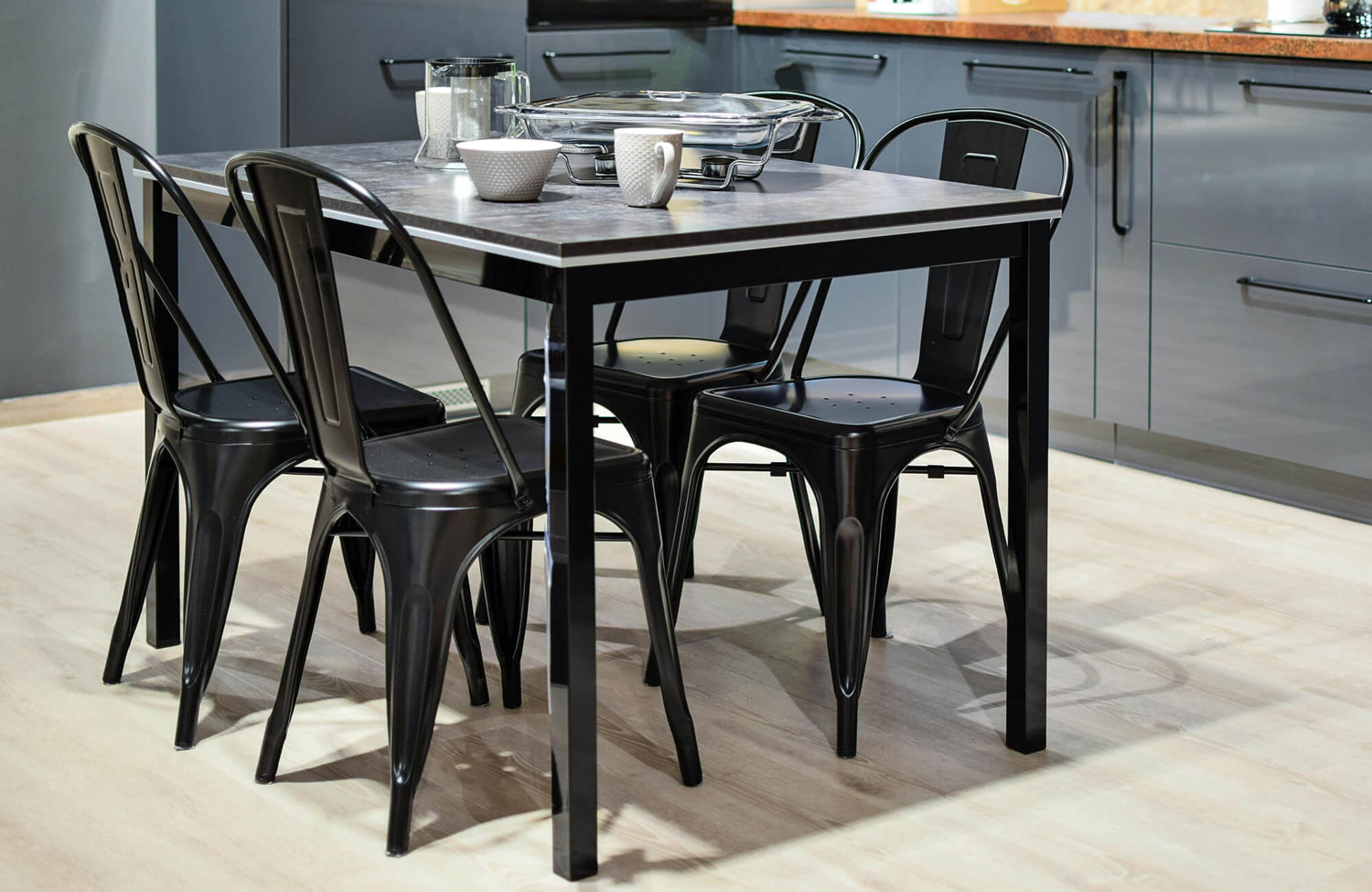
To strike a balance, textured or matte black finishes tend to perform best in everyday settings. Tables designed with subtle surface variation help disguise small dents and abrasions while maintaining a refined look. For example, our Selena 55" Outdoor Dining Table in Black, seen in the image above, features a matte black finish in a classic black tone that offers visual depth without the high reflectivity of glossy surfaces. This type of finish preserves character while resisting the cumulative effects of daily meals and frequent use.
Dust and Oil Transfer Visibility
Black dining tables are especially sensitive to surface buildup because light-colored particles stand out immediately. Dust, crumbs, pet hair, and natural skin oils create sharp visual contrast, making the table appear dirty even shortly after cleaning. This effect becomes more noticeable in rooms with direct sunlight or overhead lighting that grazes the surface.
You can further reduce visible buildup by choosing finishes with subtle texture or understated visual variation. These surfaces interrupt the solid black field just enough to soften contrast without sacrificing the table’s bold presence. In addition, anti-static treatments can limit how much airborne dust settles, making the table feel more manageable within your daily routine.

Maintenance Effort in Real Households
A black dining table demands a more intentional approach to upkeep because it quickly reflects how actively it is used. Since the table often functions as a hub for meals, work, and everyday activities, maintenance becomes part of your regular rhythm rather than an occasional chore. Dark surfaces highlight streaks, dust, and fingerprints far more readily than lighter finishes, which means even light daily use can affect how polished the table appears. As a result, frequent light cleaning proves more effective than infrequent deep cleaning, helping the surface stay visually crisp without feeling overwhelming.
Over time, long-term care becomes just as important as daily routines. Black finishes are less forgiving when exposed to sunlight, friction, and harsh cleaning products, making proactive protection essential for preserving their depth and uniformity. UV exposure can gradually dull the color, while abrasive habits may lead to uneven sheen or surface wear that is difficult to reverse. That said, the right maintenance approach makes a noticeable difference. Using microfiber cloths helps lift particles without smearing oils, while pH-neutral cleaners help preserve the integrity of the finish instead of leaving residue behind. However, cleaning methods and products can vary by material and finish, so it is always best to follow the manufacturer’s care recommendations.

Compatibility With Lighting And Room Conditions
Lighting plays a defining role in how comfortable and practical a black dining table feels in daily life. Because black absorbs rather than reflects light, it can either appear striking and intentional or heavy and demanding, depending on the surrounding conditions. When lighting is handled thoughtfully, the table becomes an asset rather than a visual challenge.
Natural Light Considerations
In spaces filled with natural light, a black dining table naturally draws the eye and amplifies contrast. Direct sunlight, especially during early morning or late afternoon, can skim across the surface and expose fingerprints, dust, and fine streaks that might otherwise go unnoticed. This can make the table feel high-maintenance if its placement is not carefully considered.
Positioning the table perpendicular to windows also helps distribute light more evenly, preventing harsh glare from settling in one concentrated area. Soft window treatments such as sheer curtains or solar shades further diffuse incoming light, reducing visual sharpness without darkening the room. These adjustments allow the table to retain its bold presence while appearing calmer and easier to maintain.
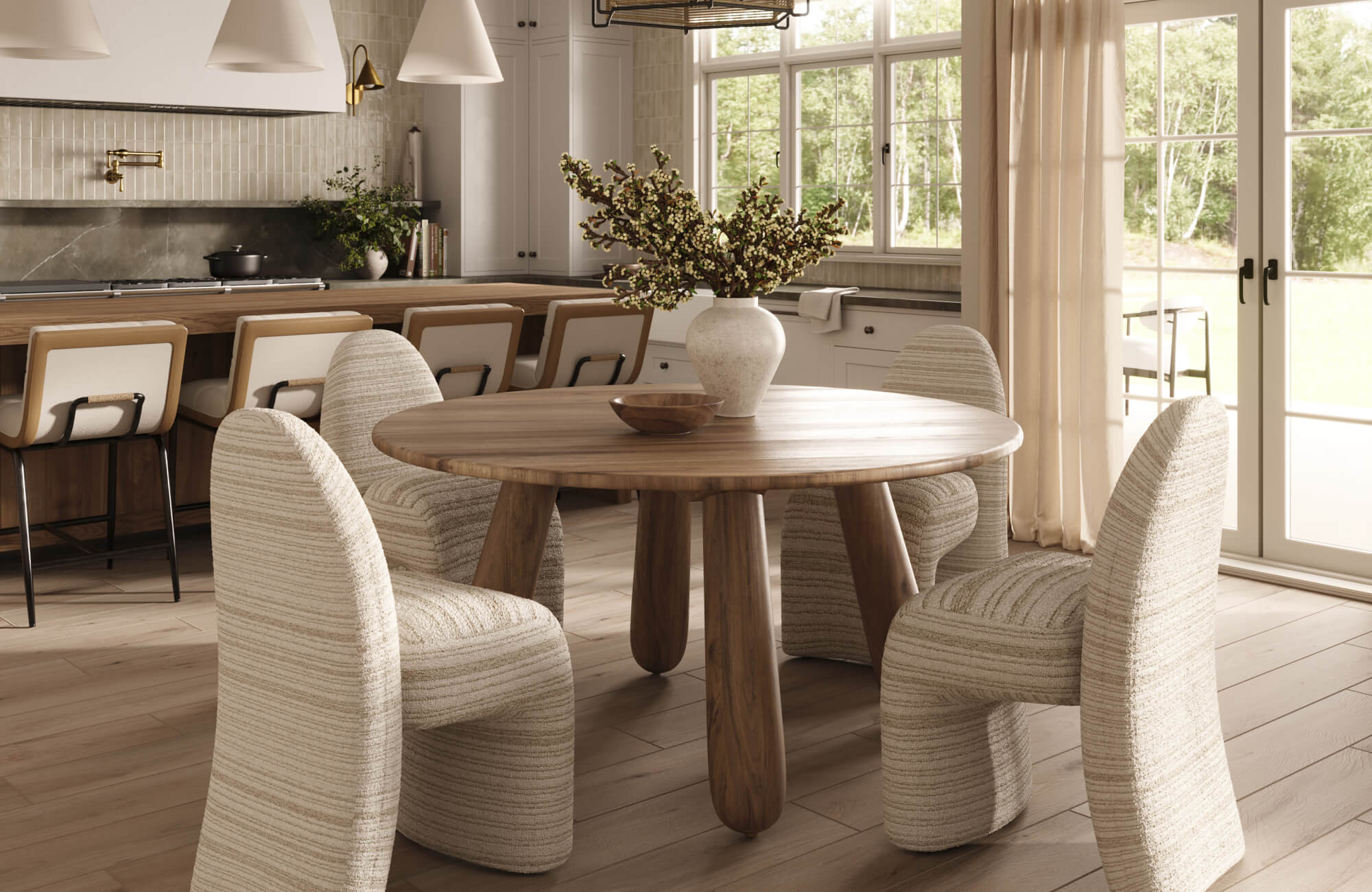
For those who love the visual weight of a dark dining table but want a slightly warmer, more forgiving finish, rich wood tones can be an excellent alternative. A piece like our Dominic 95" Dining Table in Dark Mango offers depth and contrast similar to black, yet its natural grain and warmer undertones tend to conceal everyday wear more easily in sunlit rooms. This makes it a practical and visually balanced option for dining spaces flooded with natural light.
Artificial Lighting for Visual Comfort
Artificial lighting has an equally strong influence on how a black dining table performs visually. Overhead fixtures can create bright reflections or uneven highlights on glossy finishes, while cooler bulbs may flatten matte surfaces and make them appear lifeless. Without balance, the table can feel visually tiring rather than inviting.
Warm lighting in the 2700K to 3000K range enhances depth and richness, giving the black surface a softer, more welcoming glow. Fixtures with diffusers or frosted glass also help spread light evenly, minimizing glare and reducing the emphasis on surface imperfections. When paired with dimmable options, you gain greater control over mood and visibility, allowing the table to transition seamlessly from everyday use to relaxed evening dining.

Lifestyle Suitability and Household Types
A black dining table proves its worth not in how it looks, but in how seamlessly it fits into your everyday routines. When your dining area serves multiple purposes—meals, work, creative projects, or downtime—the table needs to support that flexibility without adding friction. In more active households, dark surfaces tend to reveal the marks of daily life more quickly, from spills and scuffs to fingerprints and dust. As a result, the table can feel either empowering and durable or visually demanding, depending on how well its materials and finish align with how you actually use the space.
At the same time, lifestyle context plays a decisive role. In spaces with children or pets, durability-focused materials and softly textured finishes help the table stay functional rather than fragile. Meanwhile, in compact homes or open-concept, multi-use rooms, a black dining table can elevate the space with a clean, professional presence, provided its form and finish are chosen carefully. Lighter silhouettes, glare-reducing surfaces, and thoughtful organization also allow the table to shift smoothly between roles. When these elements come together, a black dining table adapts to your household instead of competing with it, making it a practical choice rather than a constant consideration.
Rather than moving away from dark tones entirely, some households benefit from choosing a finish that softens the visual intensity while preserving depth. A brown wood option like our Leonardo 59" Dining Table in Brown offers that balance, maintaining the richness associated with black dining tables while introducing warmth and subtle variation that conceals everyday wear. This makes it especially well-suited to busy spaces where practicality and atmosphere need to coexist.
Making a Black Dining Table Work for Everyday Living
A black dining table can be a practical and rewarding choice when it aligns with how you live, care for your space, and respond to visual detail. When approached with intention, it offers more than style; it provides atmosphere, structure, and a strong sense of identity that enhances daily routines. At the same time, its success depends on thoughtful lighting, consistent maintenance, and materials that match your level of activity. Ultimately, a black dining table works best not as a passive backdrop, but as an active design decision that complements your habits, your space, and the way you experience everyday living.
If you are considering a black dining table and want guidance tailored to your space, reaching out for expert insight can make the decision more confident and informed. Whether you need help evaluating materials, understanding finish options, or ensuring the table works within your lighting and layout, personalized support allows you to align design intent with everyday practicality. Connecting directly with our team offers an opportunity to discuss your needs, ask specific questions, and explore solutions that help a black dining table feel purposeful, balanced, and truly livable in your space.