
)
)
)
)
)
)
)
)
Rustic Bathroom Interior Design Ideas And Tips
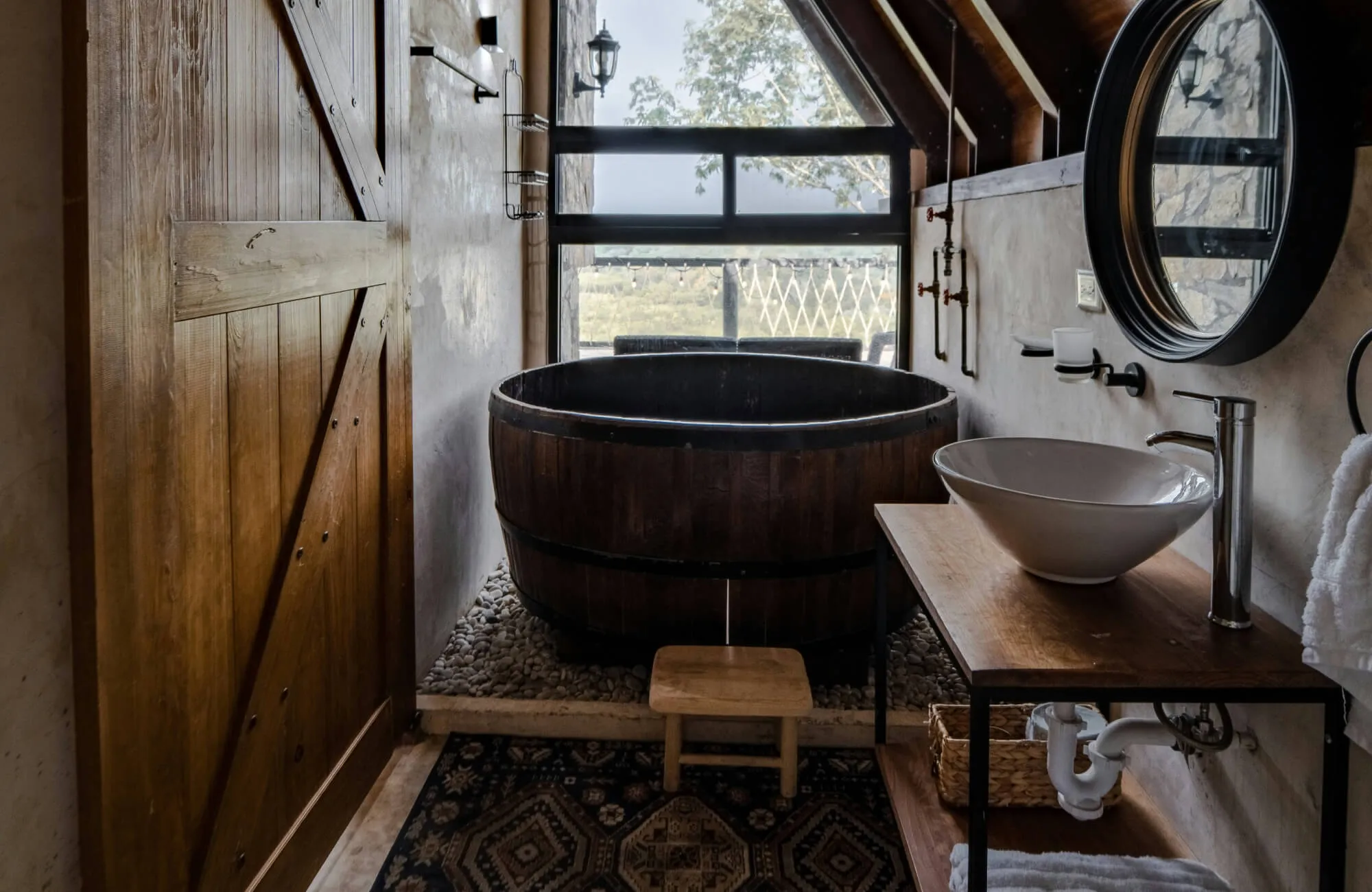
A rustic bathroom blends natural materials, time-worn textures, and organic warmth to create a space that feels grounded, inviting, and full of character. Whether you’re drawn to farmhouse charm, a rugged cabin aesthetic, or a modern rustic look with industrial influences, this style offers a versatile foundation for a bathroom with lasting appeal.
Today’s rustic bathrooms pair authentic, weathered character with modern comfort through layered textures, warm wood tones, and materials that showcase natural imperfections. If you value handcrafted details, appreciate natural elements, and want a space that feels both relaxed and refined, rustic design is a compelling direction to explore. From surfaces and fixtures to textiles and furniture, every choice contributes to a cohesive rustic environment. In this article, you’ll find essential ideas and tips to help you plan a bathroom that captures the warmth, depth, and enduring beauty of rustic style.
Rustic Bathroom Colors
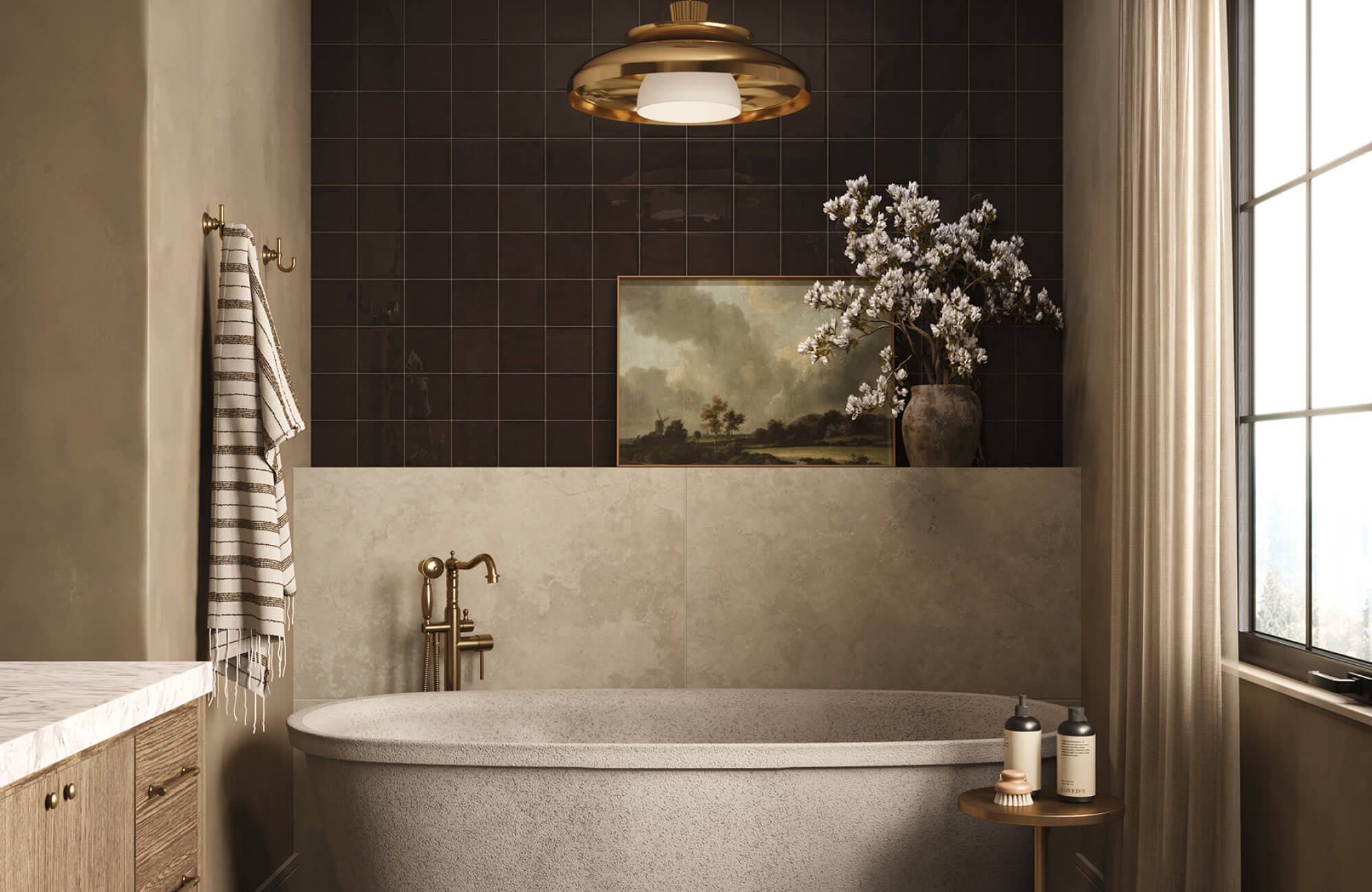
Rustic bathrooms draw directly from nature, making earthy, organic hues an ideal foundation. Shades such as tan, brown, gold, red, and soft peach bring warmth and depth while remaining adaptable to a variety of design elements. For contrast, consider accents like deep red, green, or dark blue to add richness without overwhelming the palette. Soft, washed tones used across walls, ceilings, and trim can also help create a cohesive and inviting rustic atmosphere.
Incorporating deeper, moodier tones can further enrich the palette, much like the rich dark brown backdrop created by Edward Martin’s Mikayla 5x5 Glossy Ceramic Tile in Espresso, as shown in the photo above. Paired with the warm glow of the Carly 22" Pendant in Vintage Brass, these elements demonstrate how darker hues and warm metallic finishes can add depth and balance while still supporting the natural, earthy character central to rustic design.
Rustic Bathroom Surfaces & Materials
Surfaces play a major role in defining the character of a rustic bathroom, setting the tone through texture and natural elements. The materials you choose should reflect the tactile, organic qualities central to rustic design.
Countertops
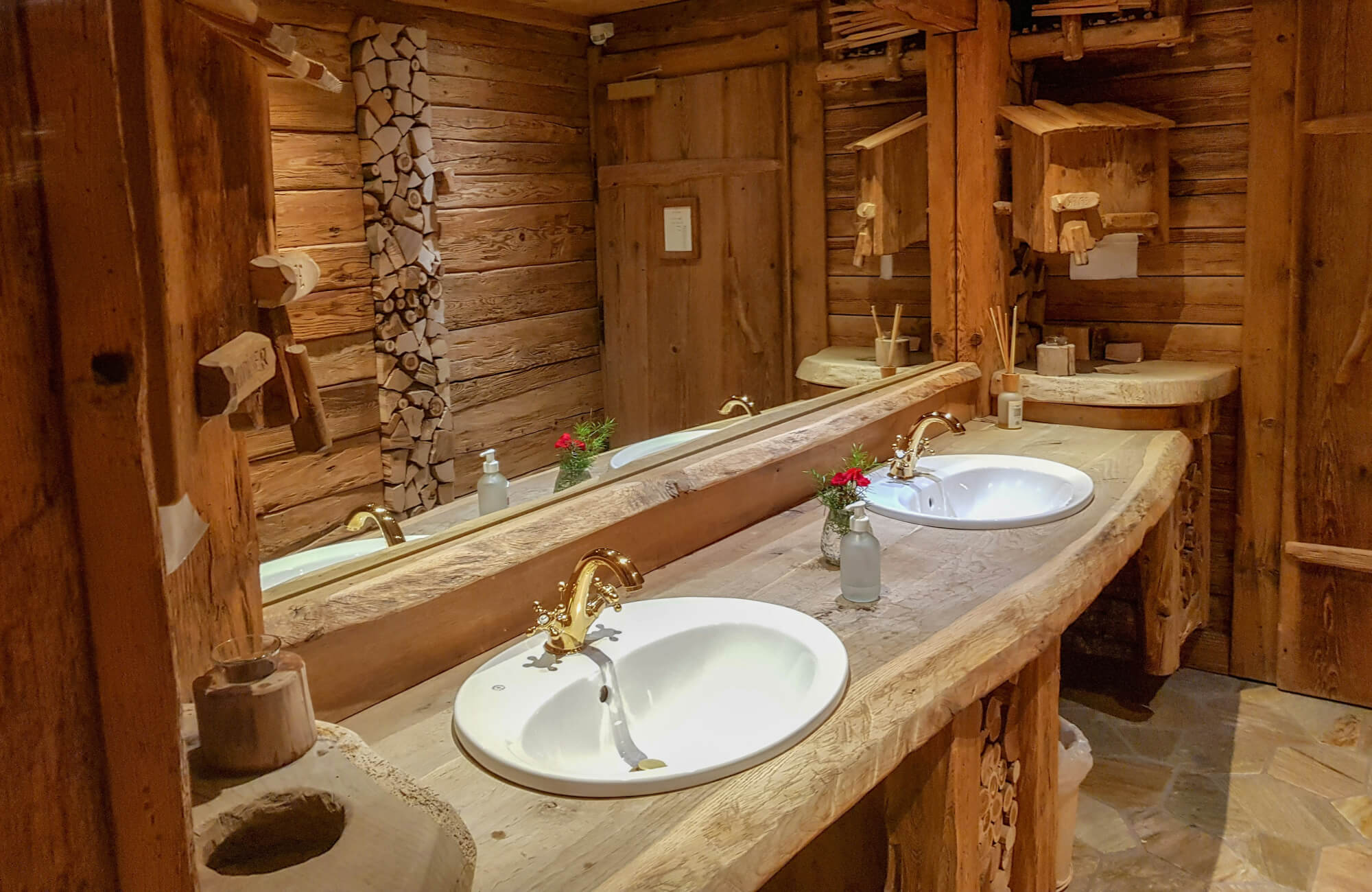
Soapstone and reclaimed oak are standout choices for rustic countertops because they showcase natural character and subtle imperfections. Soapstone offers a smooth, matte surface with rich veining, while reclaimed oak introduces warmth through its aged patina and visible grain. Both materials reinforce the organic, grounded feel that defines rustic design. Choosing these natural surfaces also ensures your countertop ages gracefully, gaining character over time.
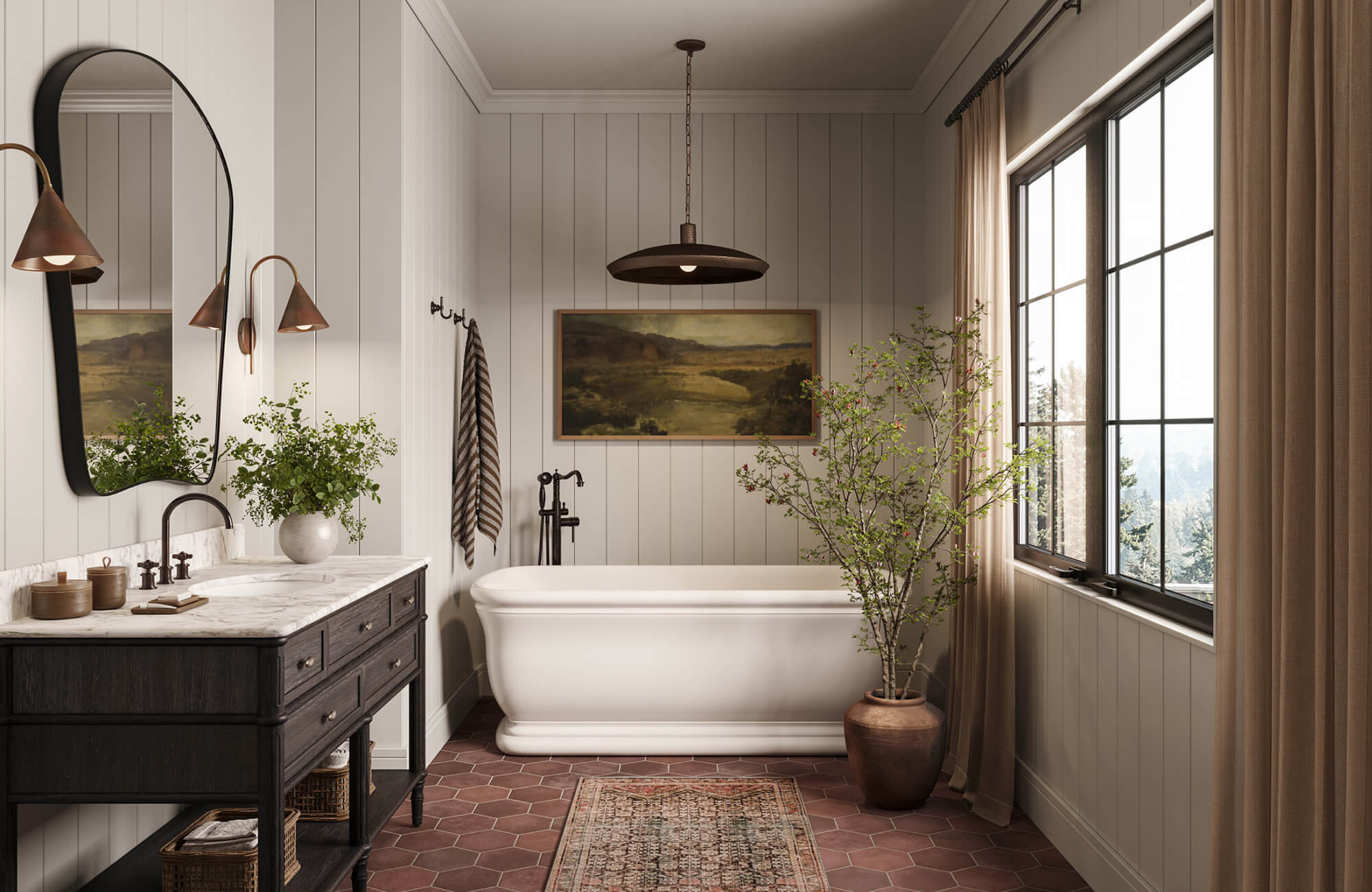
In some rustic-inspired bathrooms, a marble countertop, like the surface featured on Edward Martin’s Gemma 55" Single Vanity in Satin Black Veneer with Carrara Marble Top, in the photo displayed above, can also complement the look when paired with warm textures and handcrafted details. The soft veining of the Carrara countertop adds a refined contrast, demonstrating how a touch of elegance can blend seamlessly into a rustic palette while preserving the room’s natural charm.
Flooring
Cork, slate, and stone-look tile each bring durability and texture to a rustic bathroom. To start, cork provides a softer, more comfortable surface underfoot and lends a warm, natural tone. Meanwhile, slate delivers rugged authenticity with its varied color patterns and uneven texture. On the other hand, stone-look tile offers the appearance of natural stone with easier maintenance, making it a practical choice for high-moisture areas. Together, these flooring materials can create a strong visual foundation that supports the overall rustic atmosphere.
Additionally, warm-toned hexagon tiles, such as Edward Martin’s Juliet 7x8 Hexagon Matte Porcelain Tile in Rust, as featured in the photo above, illustrate how earthy, matte finishes can deepen the rustic character of the space. Its organic coloring and handcrafted look introduce both texture and warmth, reinforcing the natural, grounded feel that rustic design is known for.
Walls
Rough-hewn wood planks, shiplap, and beadboard help create a warm, inviting atmosphere while adding architectural interest to the space. Wood planks emphasize texture and rustic charm, while shiplap introduces clean lines with a subtle farmhouse touch. Beadboard, on the other hand, offers classic detailing that suits both traditional and modern rustic styles. For a more durable option, wood-look tiles can replicate the warmth and grain of natural wood while offering superior moisture resistance, such as our Preston 8x48 Matte Porcelain Tile in Chestnut, which delivers the appearance of aged wood with the practicality of porcelain. Together, these wall treatments add depth and personality without overwhelming the design.
For added dimension, consider incorporating a chair rail or extending wood cladding higher along the wall. While rustic style celebrates raw, natural finishes, integrating one smooth, modern element—such as a glass vessel sink or frameless shower enclosure—can also create a balanced, refined contrast.
Rustic Bathroom Fixtures & Details
Fixtures help define a rustic bathroom’s character, creating a balanced connection between style and function. Fixtures are an opportunity to reinforce the rustic aesthetic through thoughtful material choices.
Faucets & Sinks
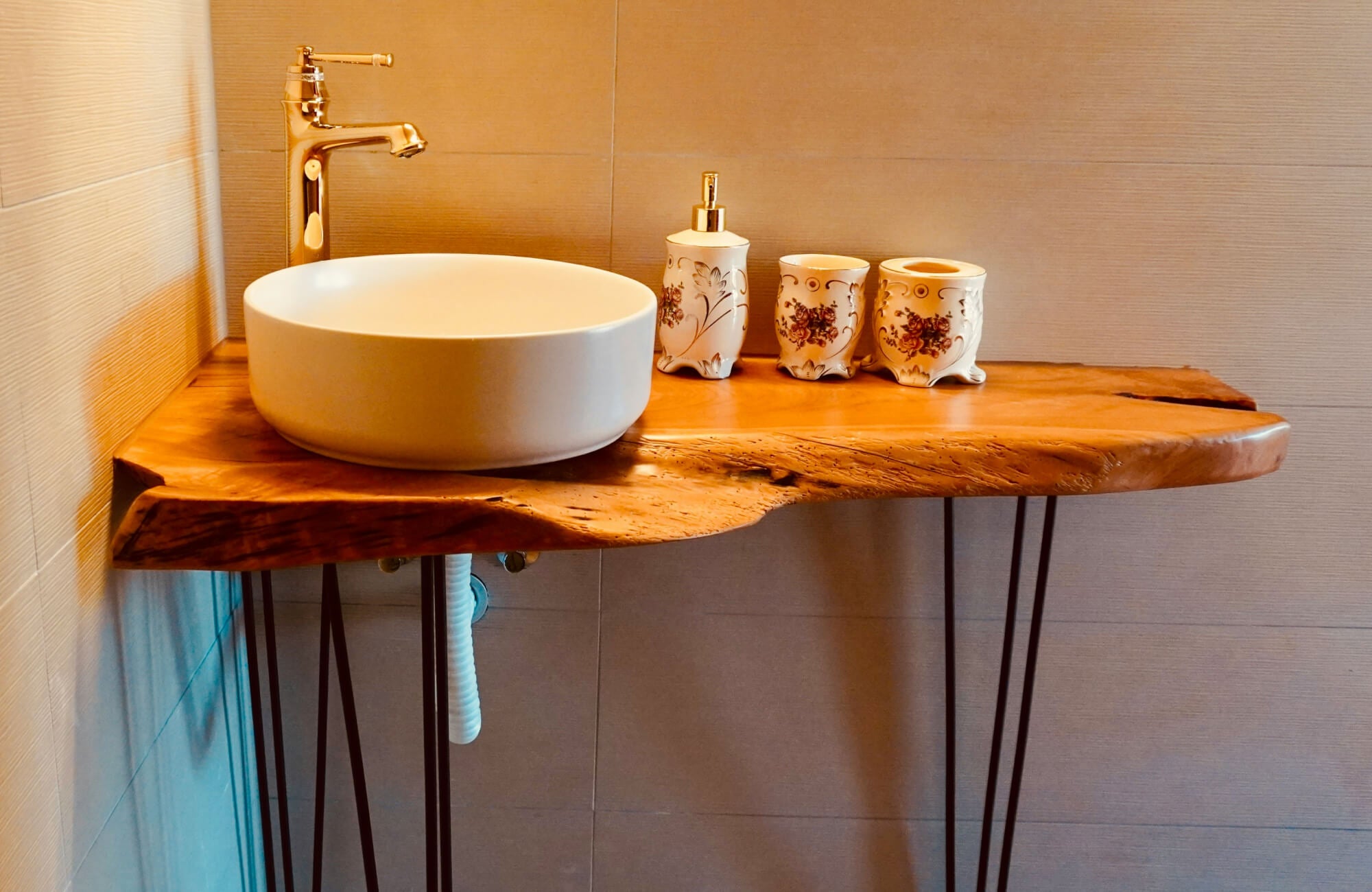
Aged bronze paired with a vessel sink introduces a subtle industrial edge that complements rustic design beautifully. The warm, weathered finish of bronze brings character, while the vessel sink adds an artisan touch, especially when crafted from natural materials. Stone basins, such as sandstone or onyx, further enhance the farmhouse aesthetic with their natural textures and gentle, earthy tones. Together, these combinations can also help ground the space and highlight the natural, handcrafted qualities that define rustic style.
Metal Accents
Copper, matte brass, and antique gold complement rustic palettes by adding warmth and depth to the space. These finishes also work well together, making intentional metal mixing an effective way to introduce visual interest without disrupting the overall aesthetic. Incorporating decorative pieces, such as our Clementine Mirror in Antiqued Gold Leaf, can further highlight the richness of these tones, offering a refined yet rustic touch that balances both texture and elegance. Whether featured in hardware, lighting, or subtle accent pieces, these metals help create a cohesive and thoughtfully layered design.
Bath & Shower
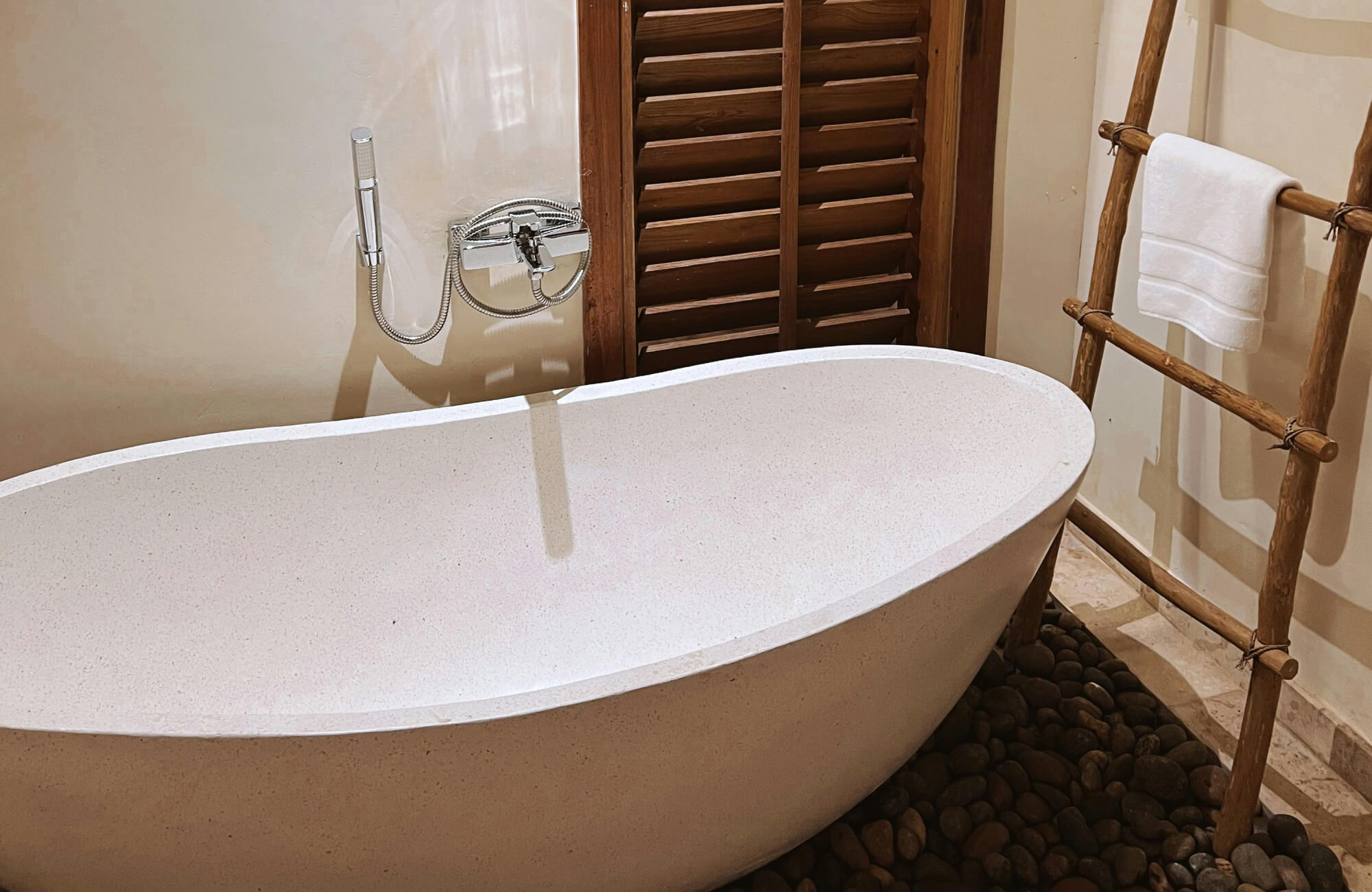
A freestanding copper tub can act as a striking focal point, bringing both sculptural beauty and timeless appeal to the room. Its natural patina develops gracefully over time, enhancing the space with added character and authenticity. If a shower better suits your layout, consider a walk-in design with stone flooring, a rainfall showerhead, and natural stone walls. Stone-like porcelain tiles are also a practical option for achieving this look; for example, Adeline 12x24 Matte Porcelain Tile in Taupe offers an authentic stone appearance with the added benefit of durability and low maintenance, ideal for high-moisture spaces. Together, these elements can create a spa-like experience while preserving the rugged, nature-inspired qualities that define rustic design.
Accessories
Wrought iron details or repurposed metal containers can introduce a subtle industrial touch that complements rustic materials beautifully. These accents, whether used as towel hooks, shelving brackets, or decorative pieces, can add structure and contrast without overwhelming the space. Incorporating weathered or repurposed items further enhances the lived-in, collected feel that makes rustic bathrooms so inviting.
Rustic Bathroom Furniture Ideas
Furniture plays an equally important role in reinforcing the rustic aesthetic by bringing warmth, texture, and functional charm into the space. Rustic furniture tends to be substantial and grounded, emphasizing craftsmanship and natural materials. For example, a live-edge wood vanity creates a standout focal point and enhances organic form. Additionally, repurposed pieces, such as a vintage ladder used as a towel rack or an old cabinet reimagined as storage, can add character and individuality. Ultimately, these choices help anchor the room and reinforce a sense of timelessness.
Rustic Bathroom Textiles & Finishes
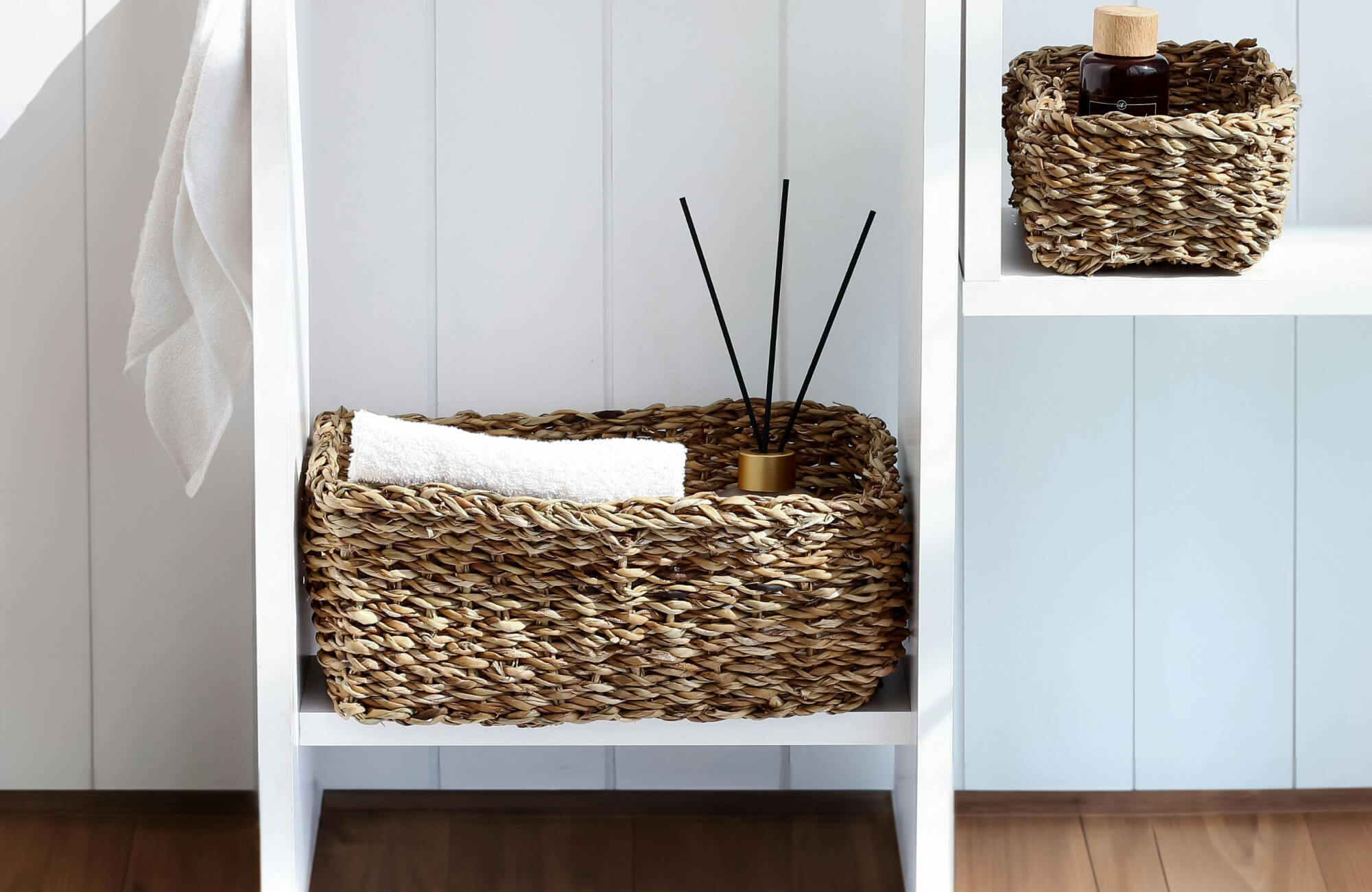
Textiles and finishes play an equally important role in reinforcing the warmth and authenticity of a rustic bathroom. Materials that feel natural and slightly unrefined, such as jute, cotton, or linen, help create a sense of durability and understated charm. A jute rug can introduce texture underfoot, while a classic ticking-stripe shower curtain adds a touch of timeless pattern. Wicker baskets pair well with wood accents and offer practical storage for everyday essentials. Although softness and comfort are priorities, choosing linens in earthy tones like tan, gray, or cream will also keep the overall look cohesive and true to rustic style.
Bringing Your Rustic Bathroom Vision to Life
Designing a rustic bathroom is ultimately about creating a space that feels warm, grounded, and deeply connected to natural materials. By applying these ideas and tips—thoughtfully selecting colors, surfaces, fixtures, furniture, and textiles—you can shape a cohesive interior that reflects both comfort and character. Whether your style leans toward farmhouse, cabin-inspired, or modern rustic, each choice contributes to an environment that feels timeless and inviting. With these insights in mind, you’re well prepared to move forward with a bathroom design that captures the enduring beauty and authenticity of rustic interiors.
If you’re ready to take the next step, contact us to explore your options or speak with a design expert. Our team is here to help you refine your vision and bring it to life through our personalized design services and consultation support.
FAQs
As you plan your rustic bathroom, it’s natural to have questions about materials, maintenance, and design choices. These FAQs address common considerations to help you make confident, informed decisions throughout your project.
1. Can a rustic bathroom work in a small space?
Yes. Rustic design relies heavily on natural textures, warm tones, and thoughtful details—elements that scale well in compact rooms. Using vertical shiplap, warm lighting, and a simple wood vanity can create an inviting rustic feel without overwhelming the space.
2. Is rustic style compatible with modern plumbing and fixtures?
Absolutely. Many homeowners choose modern plumbing for performance while using finishes like aged bronze or matte black to maintain a rustic look. This blend of old and new creates a balanced, functional design.
3. How do I prevent a rustic bathroom from feeling too dark?
Incorporate lighter materials—such as soft neutral paint, light wood tones, or warm white tile—to balance darker woods and metal accents. Adding layered lighting and reflective surfaces, like mirrors with brass frames, also helps brighten the space.
4. What type of lighting works best in a rustic bathroom?
Look for fixtures made of aged metal, iron, brass, or natural materials. Sconces, lantern-style lights, and warm, diffused pendants all complement rustic textures. Avoid overly cool or stark lighting, which can clash with the cozy atmosphere.
5. Can I mix different wood tones in a rustic bathroom?
Yes. Mixed wood tones are common in rustic design because they contribute to an authentic, collected look. Aim for tones that share warm undertones to maintain harmony, even if the shades vary.
6. How do I add rustic charm without doing a full remodel?
Start with smaller updates: swap out hardware for aged metal finishes, bring in woven baskets, layer textiles like jute or linen, add a reclaimed wood mirror, or introduce a vintage-style stool. Even a few key pieces can shift the entire feel of the space.
7. What décor should I avoid in a rustic bathroom?
Highly polished, ultra-modern finishes—such as high-gloss cabinetry, chrome-heavy fixtures, or bright neon colors—can feel out of place. Rustic design thrives on warmth, texture, and natural materials, so lean away from overly sleek or synthetic elements.
8. Is rustic bathroom design high maintenance?
Not necessarily. Many rustic-friendly materials, such as porcelain tile, engineered wood-look products, and sealed stone, are durable and easy to clean. Choosing finishes with natural variation also helps conceal wear over time.
9. Can rustic style incorporate color beyond neutrals?
Yes. Earthy greens, muted blues, terracotta, and broad burgundy accents can all complement a rustic palette. These colors echo nature and add dimension while preserving the style’s grounded feel.
10. How do I make a rustic bathroom feel luxurious?
Introduce refined touches—such as marble details, vintage brass fixtures, plush textiles, or artisan lighting—to elevate the design. Luxury in rustic interiors often comes from craftsmanship and material quality rather than ornamentation.
Follow us on Instagram
@EDWARD.MARTIN
)
)
)
)
)
)
)
)
)
)
)
)
)
)
)
)