Grey ceramic tiles are redefining what it means to be a “neutral” in modern interior design. No longer just a backdrop, today’s grey ceramics, enhanced by digital glazing and advanced inkjet printing, bring refined texture, depth, and character to both residential and commercial spaces.
Equally compelling are their technicalities: stain resistance, thermal compatibility, and exceptional durability in busy or moisture-prone zones. As design preferences evolve and sustainability remains a priority, grey ceramic tiles stand out as a smart, future-proof choice. In this article, we’ll explore how and why they continue to earn their place as the ideal neutral in modern interiors.

The Enduring Appeal of Grey as a Design Neutral
Grey’s enduring popularity in interior design isn’t just about trends; it's rooted in the color’s remarkable ability to adapt, influence mood, and support a wide range of design visions. From how it plays with light and undertone to the atmosphere it creates and the structure it anchors, grey continues to prove its value across countless interior applications.
Understanding Grey’s Chromatic Versatility
By nature, grey holds a unique place on the color spectrum. As an achromatic shade, it lacks strong saturation, yet it’s far from static. Subtle undertones such as blue, green, or taupe lend it either warmth or coolness, allowing it to harmonize with everything from bold jewel tones to soft earth hues. As a result, designers can shift the tone of a space with precision: a warm greige softens minimal interiors, while cooler graphite tones lend structure and crispness.
Furthermore, grey scales beautifully, from pale silver to near-black charcoal, offering contrast without the harshness of pure black or the sterility of white. This adaptability explains its widespread use in both residential and commercial interiors, from open-plan kitchens to spa-inspired bathrooms.
The Psychological Impact of Grey in Design
Beyond color theory, grey carries emotional significance. It evokes a sense of calm, composure, and neutrality, making it ideal for environments designed to soothe or refocus. Especially in recent years, this emotional neutrality has become increasingly valued as people seek refuge from digital overload and fast-paced routines.
Moreover, in commercial settings, grey signals professionalism and balance. When combined with tactile materials like wood or stone, it softens the edges of modern design and introduces a welcoming warmth. Its tonal range also supports biophilic design principles, reflecting nature’s muted palette and promoting psychological well-being. In this way, grey becomes not just a design tool, but a mood-setting force.
Grey as a Foundation for Modern Aesthetics
Taking these qualities further, grey has become a cornerstone of contemporary design. It aligns naturally with clean lines, open plans, and material authenticity. Its subtle presence supports architectural clarity while acting as a quiet canvas that lets furnishings and standout features shine.
In mixed-material settings, featuring concrete, metal, or glass, grey ceramic tiles serve as visual anchors. Notably, large-format, rectified tiles minimize grout lines and enhance continuity, which is especially beneficial in smaller spaces seeking a more expansive feel. Additionally, the tone supports layered textures, like brushed concrete or linear stone, adding depth without overwhelming the design.
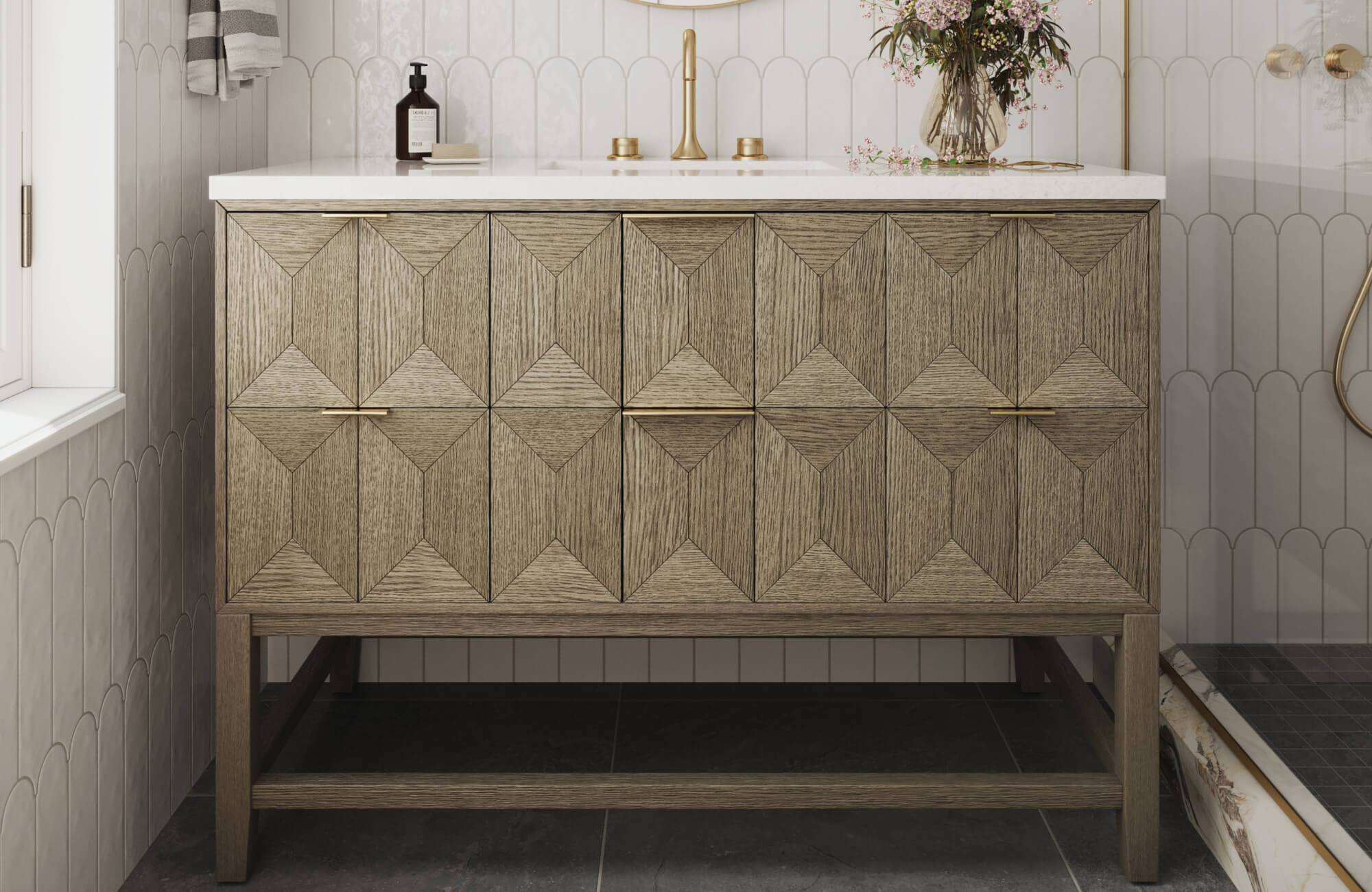
This balance of neutrality and character is exemplified by Edward Martin’s Josie 3x6 Glossy Ceramic Tile in Fog. Featured in the photo above, its soft tone and reflective finish elevate backsplashes and accent walls with just the right amount of dimension. Meanwhile, the classic subway format ensures layout flexibility, making it a timeless choice for both traditional and contemporary interiors.

The Unmatched Versatility of Grey Ceramic Tiles
What truly sets grey ceramic tiles apart is their ability to transform a space through more than just color. Depending on the finish, size, and how they’re laid, these tiles can subtly enhance a room’s flow, or become a defining design feature in their own right.
Exploring Finishes and Textures
Among the key variables, finish significantly influences a tile’s visual and tactile impact. Thanks to advanced glazing and digital printing, grey ceramics now offer a wide range of looks, often mimicking materials like concrete, slate, or stone, without the upkeep.
For example, matte finishes provide a soft, glare-free surface ideal for bathrooms and busy areas, while polished or semi-polished styles lend sleekness to open-plan living spaces or upscale commercial interiors. Additionally, textured finishes add both visual depth and traction, making them well-suited to minimalist, industrial, or indoor-outdoor settings, particularly where safety is a concern.
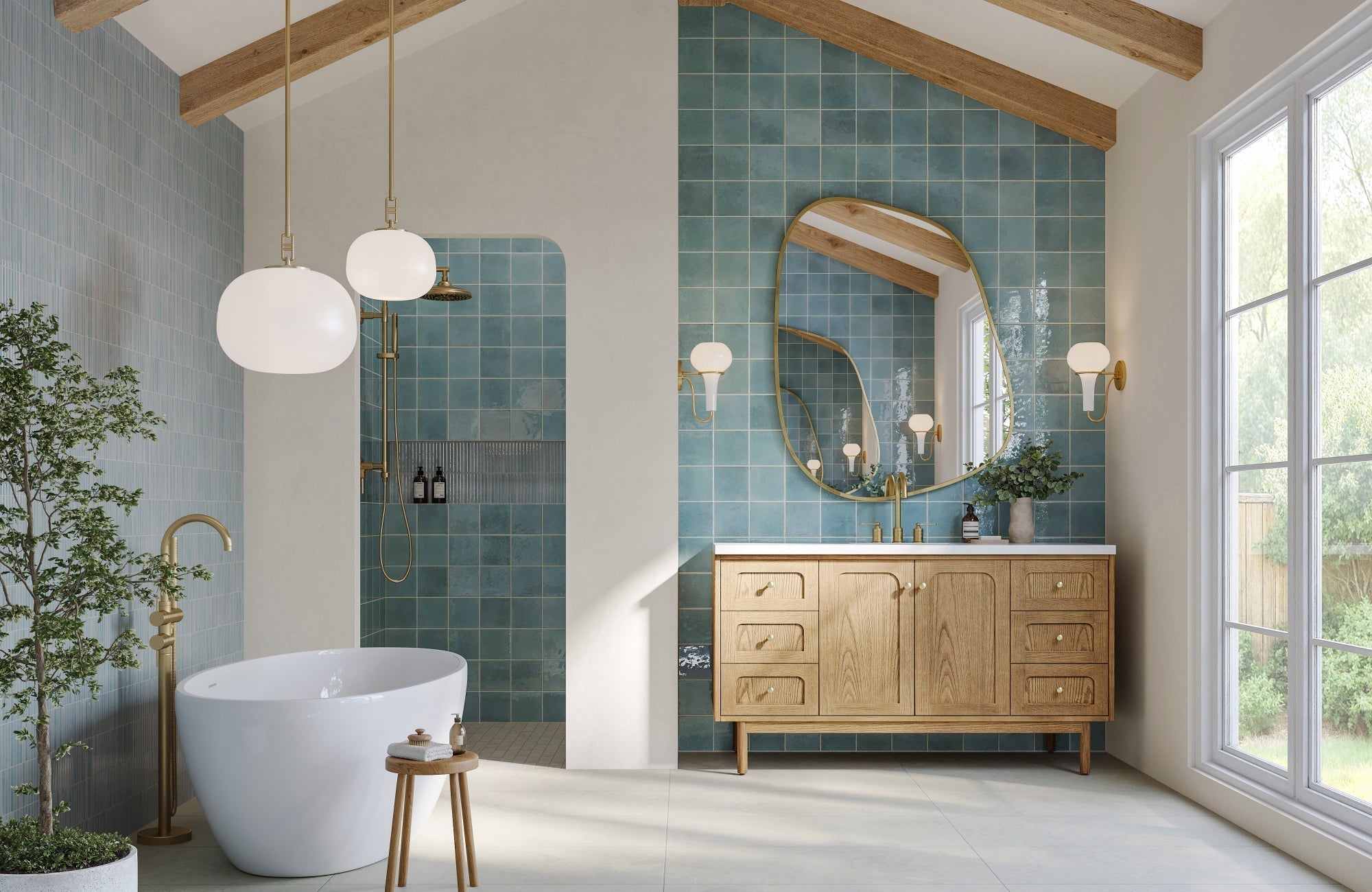
A perfect example is Edward Martin’s Olivia 4x16 Glossy Ceramic Tile in Dove, which illustrates this range beautifully. Featured in the picture above, its elongated shape and reflective glaze introduce gentle movement and tonal variation, creating depth while maintaining a cohesive, calming effect, ideal for spaces where both style and function matter.
The Impact of Tile Size and Shape
Beyond surface finish, the size and shape of grey ceramic tiles dramatically influence the perception of space. Available in formats ranging from compact mosaics to expansive slabs, these tiles adapt to projects of all scales. Notably, larger tiles minimize grout lines and enhance continuity, making rooms appear more open and fluid, particularly beneficial in modern, open-concept layouts.
Moreover, shape directly affects layout potential and spatial rhythm. Rectangular planks can visually elongate a space, while geometric forms like hexagons or arabesques add decorative interest. For greater customization, designers often mix tile sizes within a consistent color palette, enabling modular layouts that work in both residential and commercial contexts.
Pattern and Laying Techniques
Equally important is how the tiles are installed. Layout patterns can dramatically shift a space’s visual language, even when using a single color. For instance, straight-set patterns emphasize clean symmetry, perfect for minimalist interiors, whereas herringbone or chevron arrangements introduce dynamic movement across floors or walls.
Furthermore, advanced techniques like basketweave, stack bond, or modular layouts offer visual complexity without clutter, especially when anchored by grey’s neutral tone. Grout selection adds another layer of design control, whether blending for a seamless look or contrasting for graphic definition.

Pairing Grey Ceramic Tiles with Diverse Design Styles
Thanks to their tonal balance and understated elegance, grey ceramic tiles have a way of complementing just about any design language. Whether you're aiming for something clean and airy or bold and textured, they adapt effortlessly to the mood and materials of the space.
Minimalist and Scandinavian Harmony
At its core, grey ceramic tiles are a natural match for minimalist and Scandinavian interiors, where simplicity and functionality take precedence. In minimalist spaces, large-format matte grey tiles in soft tones like dove or ash provide a clean, continuous surface that enhances light and expands the room visually without distraction.
Similarly, in Scandinavian interiors, grey tones help balance pale wood, white walls, and layered textiles, reinforcing the cozy, uncluttered warmth that defines the hygge aesthetic. Moreover, tiles with subtle textures, such as linen or stone, evoke the appeal of natural materials while delivering practical advantages like durability and ease of maintenance. Their compatibility with underfloor heating further underscores their functional value, particularly in colder climates.
Industrial Chic and Urban Edge
Transitioning to more rugged aesthetics, grey tiles are foundational in industrial interiors, where exposed materials and architectural elements take center stage. Charcoal, slate, or concrete-look ceramics, especially those with rectified edges and distressed textures, mimic raw structural finishes while offering the benefit of easier upkeep.
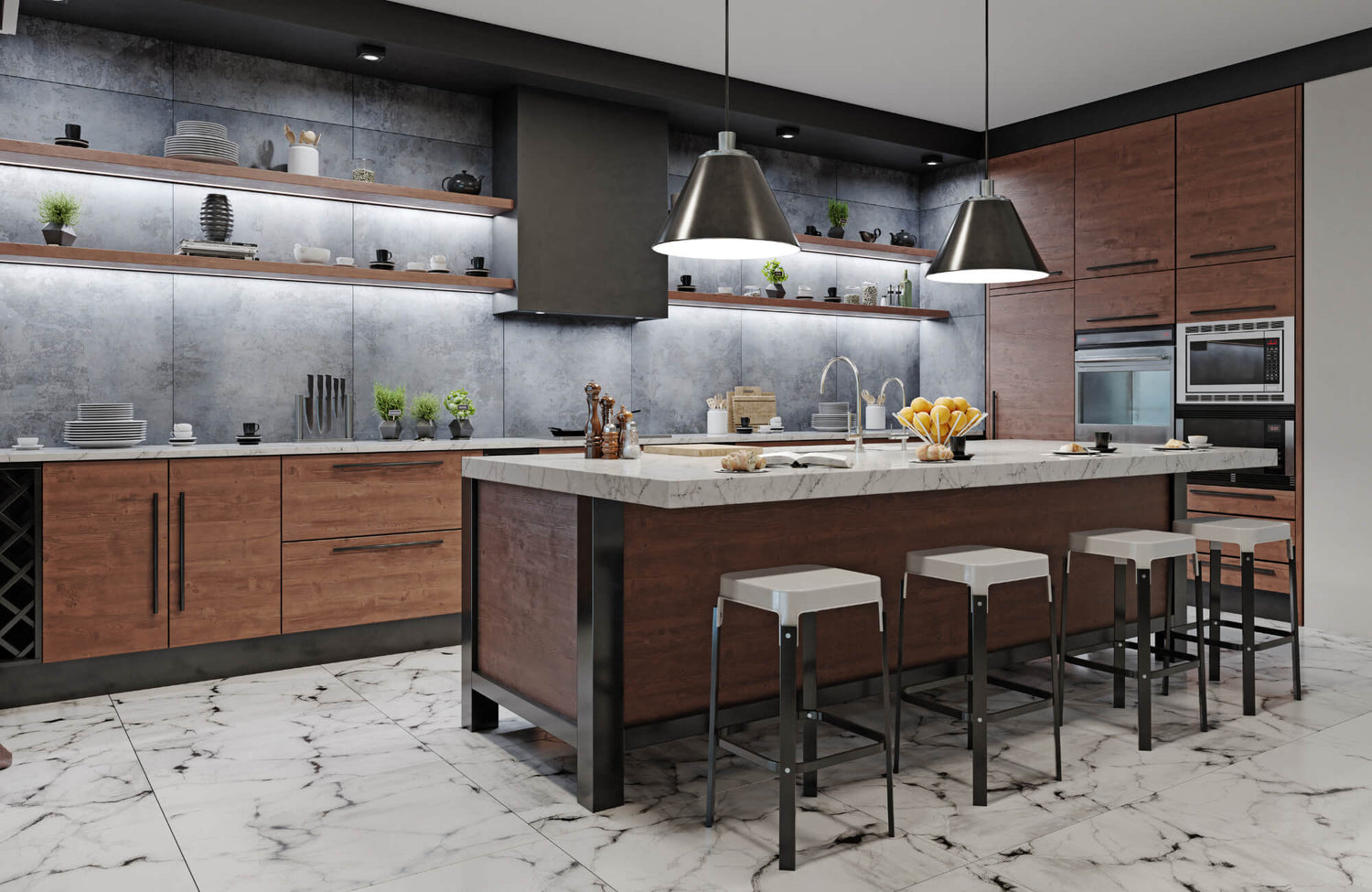
In addition, oversized grey tiles contribute to a seamless, warehouse-inspired look, particularly when paired with exposed brick, blackened metal, or reclaimed wood. For added sophistication, semi-polished finishes can bring subtle shine and contrast to otherwise rugged surroundings. Whether in urban lofts or commercial venues, grey ceramics deliver both authenticity and high performance.
Contemporary and Transitional Elegance
Shifting toward more refined design palettes, contemporary and transitional interiors benefit greatly from the visual coherence that grey ceramic tiles provide. In contemporary spaces, polished or satin-finish grey tiles enhance light and scale, complementing sculptural furniture and clean architectural lines.
Meanwhile, in transitional interiors that blend classic and modern features, grey tiles with marbled or veined details offer a look that’s both timeless and current. Their ability to harmonize with diverse finishes, ranging from brushed nickel to natural wood, enhances design cohesion across open-plan layouts. Thanks to their durability and low maintenance, they’re especially practical in high-use zones like kitchens, entryways, and powder rooms.
This blend of practicality and polish is exemplified by Edward Martin’s Jaden 2.5x16 Glossy Ceramic Tile in Dove. As displayed in the photo above, its elongated form and nuanced surface introduce a handcrafted quality that softens the geometry of transitional cabinetry. Meanwhile, the glossy finish reflects light with subtle elegance, enriching the space without overwhelming it.

Practical Benefits and Long-Term Value of Grey Ceramic Tiles
Beyond their design flexibility, grey ceramic tiles deliver real-world performance where it counts, holding up to daily wear, fluctuating conditions, and the demands of modern living. From durability to easy upkeep, their practical benefits make them as reliable as they are refined.
Unparalleled Durability and Longevity
Fundamentally, grey ceramic tiles are crafted from dense clay and kiln-fired at high temperatures to form a hard, non-porous surface. This construction resists scratches, abrasion, and surface impact, making them particularly well-suited for active zones like kitchens, entryways, and commercial environments.
Additionally, proper installation over a sound substrate ensures long-term structural stability, minimizing the risk of warping or buckling over time. Many grey ceramic collections are rated PEI III or higher, confirming their suitability for heavy residential and light commercial use. As a result, their impressive longevity reduces the need for frequent replacement, supporting both design continuity and long-term cost-efficiency.
Effortless Maintenance and Hygiene
Just as importantly, grey ceramic tiles are prized for their low-maintenance nature. Their glazed surface naturally repels moisture and resists staining, making spills easy to clean with everyday household products. Furthermore, mid-tone greys are especially forgiving when it comes to dust and smudges, allowing for a consistently tidy look with minimal effort.
In terms of hygiene, these tiles offer significant advantages as well. Their non-porous composition makes them inhospitable to mold, mildew, and bacteria, an essential quality in kitchens, bathrooms, and other moisture-prone spaces. Moreover, many contemporary tile collections now include antimicrobial glazing, further enhancing health and cleanliness in residential, hospitality, or medical environments. To ensure long-term durability, it's always best to follow the manufacturer's care and maintenance guidelines.
Resistance to Moisture and Temperature Fluctuations
In addition to their durability and cleanliness, grey ceramic tiles excel in areas subject to humidity, spills, or wide temperature swings. Unlike wood or laminate, they remain dimensionally stable when exposed to water, making them a smart choice for bathrooms, laundry rooms, and covered patios, provided they’re rated for exterior use.
Moreover, they pair beautifully with radiant floor heating systems. Ceramic conducts heat evenly, providing comfort without the risk of expansion, contraction, or cracking. This thermal efficiency, combined with their resilience to environmental stress, makes them an ideal surface solution in regions with distinct seasonal shifts.
A fitting illustration of these qualities is Edward Martin’s Dani 1.6x5 Matte Ceramic Tile in Dove, as shown in the picture above. Its compact format promotes enhanced grip and grout adhesion, while the matte surface offers both texture and safety underfoot. Purpose-built for moisture-rich spaces, this tile also blends aesthetic tranquility with dependable performance, making it a lasting choice for bathrooms and beyond.

Elevating Interiors Beyond the Floor with Grey Ceramic Tiles
While grey ceramic tiles are often associated with flooring, their potential goes far beyond what's underfoot. When extended to vertical and custom surfaces, they bring unexpected texture, depth, and design cohesion to every corner of a space.
Statement Walls and Architectural Features
For starters, vertical tile applications offer a striking way to define space while adding tactile dimension. Large-format grey tiles featuring stone, linen, or concrete textures work especially well as feature walls, creating visual interest without the need for bold color. Whether installed in living rooms, bedrooms, or entryways, these tiles act as visual anchors that enhance a minimalist aesthetic.
Furthermore, architectural elements such as fireplace surrounds, media walls, and built-in niches benefit greatly from grey ceramic’s durability and tonal versatility. Three-dimensional and textured tile formats can enhance sculptural quality, particularly when paired with ambient or directional lighting. The use of rectified edges, in turn, supports tight grout joints and seamless transitions, reinforcing a streamlined, contemporary finish.
This effect is exemplified by Edward Martin’s Jojo 2x6.3 Glossy Ceramic Tile in Fog, which brings a handcrafted sensibility to vertical applications. As displayed in the picture above, its subtle tonal variation and reflective glaze introduce light and movement, while the slim format allows for clean, rhythmic layouts. The result is a refined, architectural surface that elevates both showers and niche recesses without overpowering the design.
Sophisticated Kitchen and Bathroom Backsplashes
Moving into kitchens and bathrooms, grey ceramic tiles also serve as high-performing, stylish backsplash materials. Their neutral tone pairs effortlessly with a variety of cabinetry styles, countertop surfaces, and metal finishes. Meanwhile, surface finishes, from satin to glossy, can be strategically selected to either amplify brightness or soften the ambiance, depending on the lighting conditions.
Subway tiles in soft grey hues offer a timeless yet modern look, especially when arranged in vertical stacks or laid in herringbone patterns for added visual interest. In bathrooms, geometric mosaics or small-format tiles placed behind vanities or within showers contribute subtle detail without cluttering the design. For a luxe, low-maintenance finish, light veining or tonal variation can evoke the richness of natural stone.
Creative Applications and Custom Elements
Beyond traditional uses, grey ceramic tiles also open the door to more creative, bespoke design applications. Cladding vertical surfaces such as kitchen islands, vanity bases, stair risers, or alcoves in matching grey tile reinforces visual continuity while adding depth and cohesion throughout the space.
In addition, more specialized applications, including tiled tabletops, integrated shelving, and upholstered headboards, bring a furniture-grade quality to interiors. These elements are especially effective in boutique residential and hospitality settings, where durability, water resistance, and design consistency are all essential.
To help visualize these possibilities before committing, Edward Martin’s Augmented Reality (AR) Visualization Tool offers a dynamic and intuitive solution. With a single tap on the “View in Your Space” button, you can overlay tile options directly into your environment via mobile device, previewing how size, finish, and tone will appear in real-time. Once a favorite tile is selected, requesting a physical sample is just as seamless. This tool empowers you to make confident, informed decisions, turning inspiration into execution with ease.
A Future-Proof Foundation for Modern Living
Grey ceramic tiles strike a rare balance between aesthetic adaptability and real-world performance. Their ability to offer tonal subtlety, structural integrity, and design flexibility makes them far more than just a background element; they’re a foundational material for interiors built to endure.
Whether you're designing a serene minimalist retreat or layering a variety of materials in a more eclectic composition, grey ceramic tiles adapt with grace. For personalized guidance in selecting finishes, formats, or layouts, the design specialists at Edward Martin are ready to help bring your vision to life, from concept through completion.