Farmhouse tables have long been associated with warmth, gathering, and everyday practicality, yet design preferences continue to evolve. You may be wondering whether this familiar table style still feels current or if it is beginning to feel less relevant as new design aesthetics emerge. The answer is not a simple yes or no, as farmhouse tables occupy a unique space between tradition and modern living. Their continued presence reflects how homes are used today rather than a reliance on passing design movements. In this article, we’ll explore how farmhouse tables have evolved, where they work best, and whether they function as a lasting staple or a passing trend in today’s interiors.

The Current Design Landscape
In today’s interior design landscape, farmhouse tables continue to appear as a reflection of broader changes in how living spaces are used. Instead of prioritizing formal dining rooms meant primarily for display, many homes are now organized around daily routines, shared meals, and adaptable use.
Shift Toward Comfort-Driven Interiors
Interior design is increasingly centered on supporting everyday life rather than striving for visual perfection. Dining areas now accommodate a range of activities, from homework and casual meals to weekend gatherings and quiet mornings. Farmhouse tables align naturally with this shift, as their approachable and durable nature encourages regular use instead of careful handling. Their familiar presence helps the table become an integral part of daily routines rather than something reserved for special occasions.
Decline of Ultra Minimalist Dining Spaces
Ultra-minimalist dining rooms are becoming less common as more homeowners look for spaces that feel layered and lived-in. While clean, streamlined interiors still have a role, there is growing interest in designs that emphasize warmth and material presence. Farmhouse tables support this shift by introducing natural texture and visual weight that help ground a dining area without overwhelming it. As a result, the table itself adds character and warmth without relying on heavy decorative styling.

How Farmhouse Tables Have Evolved
Farmhouse tables today are no longer exact replicas of their earlier versions, reflecting a shift toward more considered design. As homes and expectations have evolved, these tables have been refined in form and finish, allowing them to remain relevant without relying solely on nostalgia.
From Rustic Utility to Refined Craft
From rustic utility to refined craft, modern farmhouse tables demonstrate how traditional forms have been thoughtfully updated. This evolution is reflected in the photo above, where a piece like Edward Martin’s Rebecca 86" to 120" Dining Table in Greige illustrates how classic farmhouse construction can be paired with more considered proportions and a controlled finish. Its substantial wood top and pedestal base reference traditional craftsmanship, while its clean lines and balanced scale allow it to sit comfortably within a contemporary setting. The result is a table that honors farmhouse origins while aligning with modern expectations for refinement and versatility.
Updated Materials and Construction
Construction methods have also evolved, with many farmhouse tables now pairing traditional wood tops with subtle structural updates such as improved joinery or thoughtfully integrated materials. These refinements enhance stability while preserving a grounded, authentic presence. Smoother finishes mark another important shift, as visible grain is retained but heavy distressing is used more selectively. This balance allows farmhouse tables to feel cleaner and more adaptable, making them easier to pair with both casual and polished interiors without visual tension.

Why Farmhouse Tables Still Appeal
Even as trends cycle, farmhouse tables continue to attract attention for reasons that go beyond appearance. Their appeal is rooted in how they support daily life and shared experiences.
Practicality for Daily Life
When choosing a dining table, function often takes priority over appearance, particularly for everyday use. While solid wood farmhouse tables are known for withstanding regular wear, wood veneer options can also offer a practical solution, providing visual warmth with added resistance to warping and easier maintenance. This balance is reflected in Edward Martin’s Dominic 95" Dining Table in Dark Mango, as shown in the photo above, which illustrates how farmhouse-inspired design can pair generous proportions with a surface suited for frequent use. Its scale supports comfortable seating for family meals, gatherings, and flexible arrangements, reinforcing its role as a dependable, everyday centerpiece. As a result, farmhouse-style tables, whether solid wood or veneer, often feel like long-term choices that support daily living rather than temporary style decisions.
Emotional and Social Value
Beyond their functional role, farmhouse tables also carry emotional significance. They encourage gathering in a way that feels natural rather than staged, shifting the focus from presentation to participation. Over time, these tables often become places where conversations linger, and daily routines intersect. This kind of connection is usually harder to create with formal dining furniture, which helps explain why farmhouse tables continue to resonate even as design preferences change.

Where Farmhouse Tables Work Best Today
While farmhouse tables remain popular, they are not the right fit for every setting. Understanding where they work best helps you make design choices that feel intentional and well considered rather than forced.
Open Concept Kitchens and Dining Areas
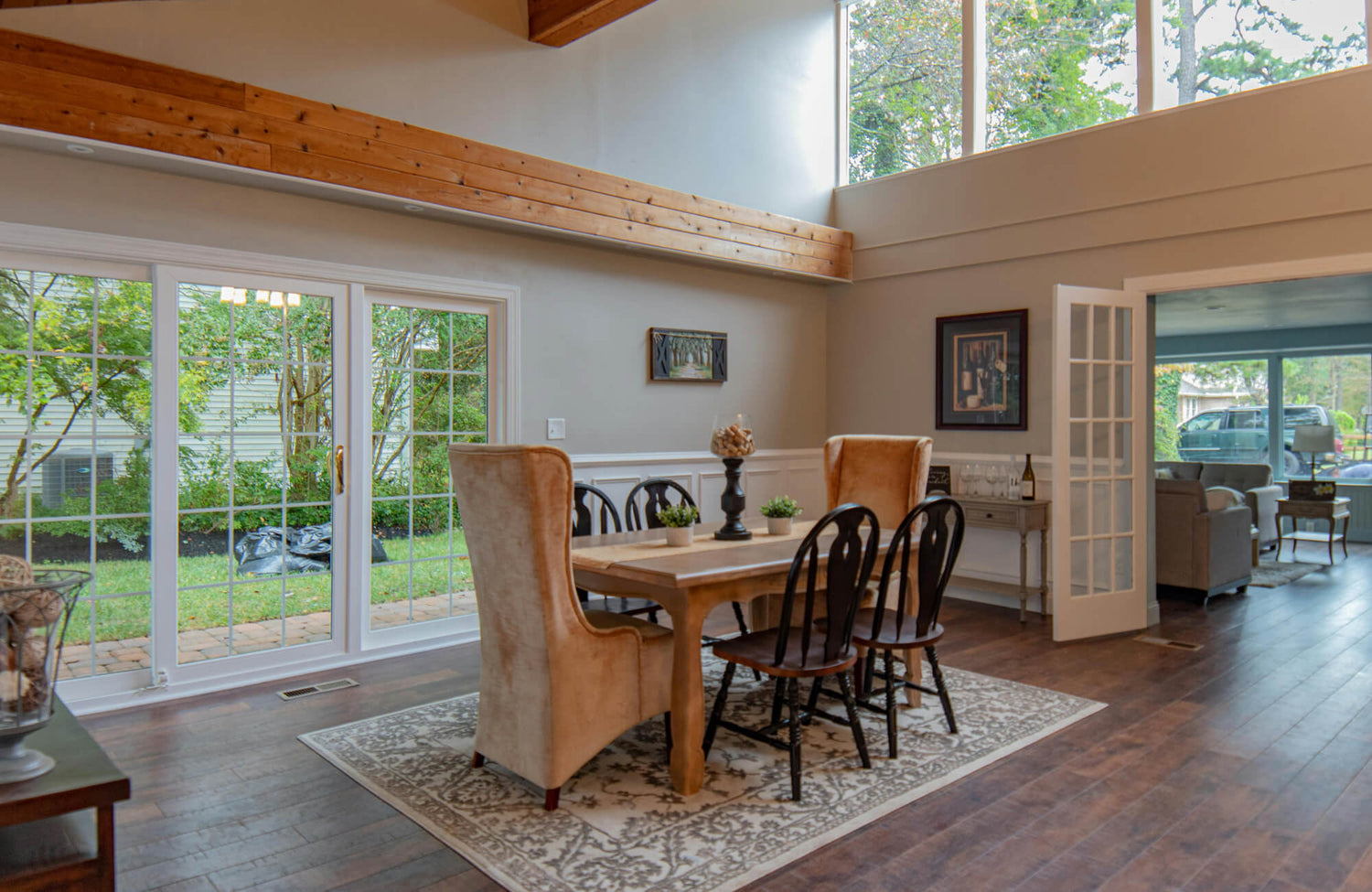
In open layouts, farmhouse tables serve as visual anchors, helping define the dining area while maintaining a natural flow between spaces. Because many open kitchens rely on cabinetry and hard surfaces, the warmth of a farmhouse table introduces balance and softness. This placement also reinforces the idea of shared space, allowing the kitchen and dining area to feel connected rather than segmented. As a result, the table becomes a unifying element that supports both function and visual continuity.
Casual Dining and Multipurpose Rooms
Beyond their practical role, farmhouse tables carry emotional significance because they encourage gathering in a way that feels natural rather than staged. They shift the focus from presentation to participation, making shared moments feel more relaxed and genuine. Over time, these tables often become places where conversations linger, and daily routines overlap. This sense of connection is harder to achieve with formal dining furniture, which helps explain why farmhouse tables are still trendy as design preferences evolve.

When Farmhouse Tables Can Feel Out of Place
Despite their versatility, farmhouse tables are not always the best choice. Recognizing potential mismatches helps you avoid design frustration.
Formal or Compact Dining Rooms
In highly formal dining rooms, farmhouse tables can feel too relaxed in relation to the surrounding elements. Their scale and casual presence may conflict with spaces that rely on symmetry, fine detailing, or more reserved proportions. In smaller rooms, their size can also make the space feel crowded and limit ease of movement. In these settings, a lighter or more refined table style often maintains better visual balance, such as Edward Martin’s Kyla 94.5" Dining Table, as displayed in the photo above, which features a solid cream marble top with unique natural veining. Its cleaner profile and refined material create a more structured presence that aligns better with formal layouts and visually controlled spaces.
Conflicts with Certain Design Styles
Farmhouse tables may also clash with interiors that emphasize high-gloss finishes, sleek materials, or ornate detailing. Without thoughtful styling, the contrast can feel unintentional rather than carefully composed, causing the table to stand apart rather than support the room as a whole. In these situations, a more style-aligned option, such as our Anastasia 59" Dining Table in Taupe, with its fluted cylindrical base in a taupe leather-like finish, highlights how material choice and form can better complement refined or contemporary interiors.

Are Farmhouse Tables a Trend or a Long-Term Staple
This question comes up, and the answer largely depends on how trends are defined. While farmhouse tables may fluctuate in visibility over time, their underlying value has remained consistent.
Trend Cycles vs. Functional Design
Trends tend to focus on appearance, while staples are driven by function. Farmhouse tables fall into the latter category. Their ability to adapt to different settings and uses keeps them relevant even when design preferences shift. Rather than disappearing, farmhouse tables often change subtly, adjusting finishes and details to reflect current tastes.
Styling Determines Longevity
How you style a farmhouse table has a significant impact on whether it feels current. Pairing it with streamlined seating, balanced lighting, and restrained decor helps maintain relevance. Overly themed styling, on the other hand, can make the table feel dated more quickly. When styled with care, farmhouse tables still feel trendy across changing interior styles.
The Relevance of Farmhouse Tables Today
Farmhouse tables remain relevant today, not because they dominate design trends, but because they continue to align with how many homes are actually used. Their appeal comes from practicality, adaptability, and the sense of comfort they bring to everyday living. While their popularity may shift alongside broader design preferences, farmhouse tables remain a viable and current choice when they suit your space, routines, and long-term needs.
If you are considering whether a farmhouse table is right for your home, our team can help you evaluate scale, placement, and style in the context of your space. You can reach out to us to explore your options or connect with our design services for guidance tailored to how your space is used.