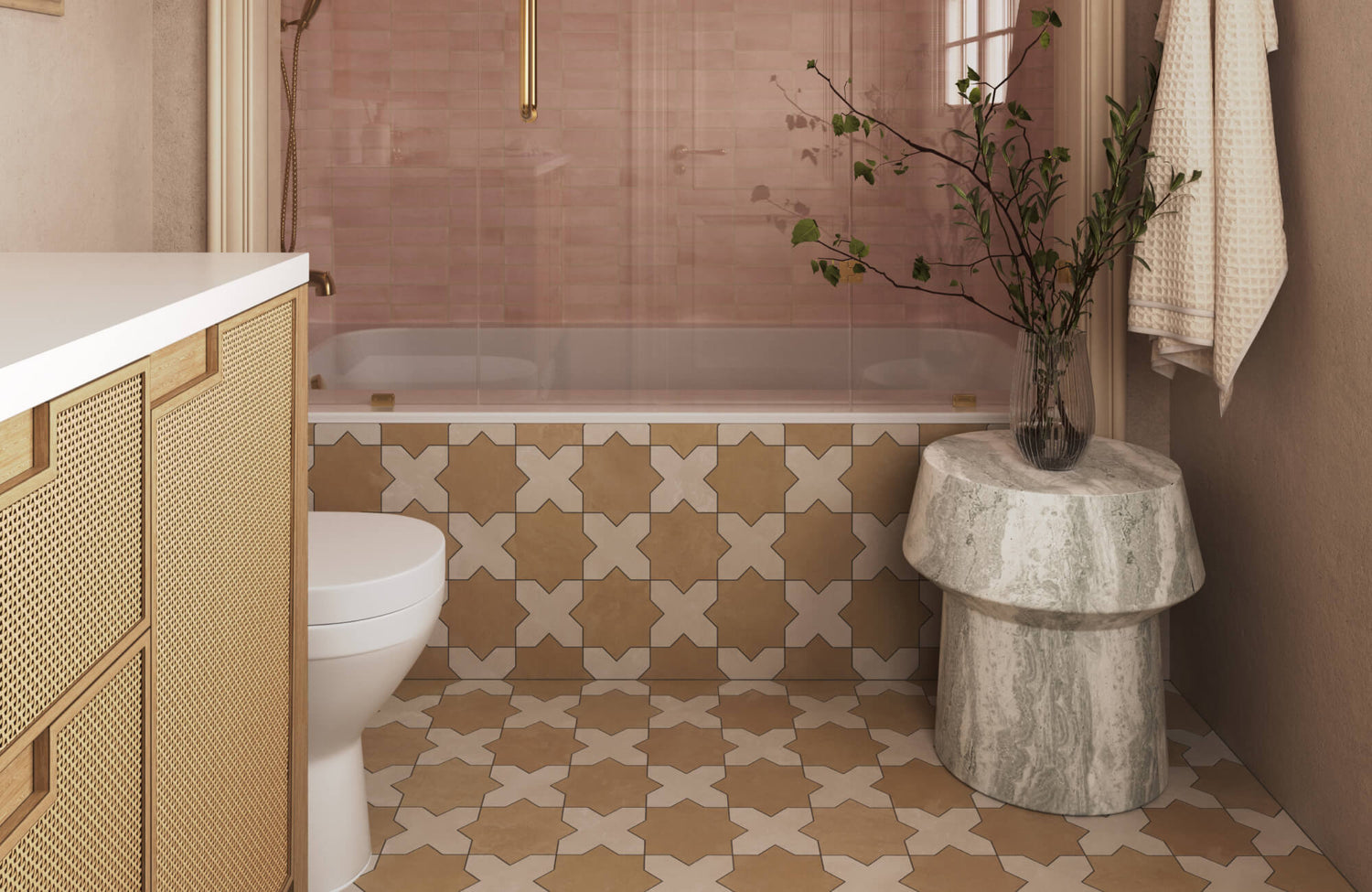
Small bathrooms possess an understated elegance when thoughtful design transforms spatial limitations into refined, functional beauty. Through intentional layout planning, carefully selected materials, and precise architectural detailing, compact bathrooms can achieve an open, airy atmosphere that feels both balanced and luxurious. Light, proportion, and continuity work together to soften visual boundaries and enhance spatial depth without increasing square footage. Every surface, fixture, and finish contributes to how the space is perceived and experienced on a daily basis. By applying smart renovation ideas for small bathrooms, design evolves into a curated expression of efficiency, comfort, and timeless appeal.

Strategic Layout Planning to Improve Spatial Flow
Strategic layout planning defines how comfortably a small bathroom functions while shaping how spacious it feels from the moment one enters the room. When circulation paths, fixture placement, and architectural alignment are carefully coordinated, the space naturally reads as open, organized, and visually expansive.
Fixture Alignment and Linear Planning
Aligning major fixtures such as the vanity, toilet, and shower along a single wall creates a clean, linear bathroom layout that gently reduces visual disruption and supports a more open spatial reading. By preserving uninterrupted floor space, this configuration allows the eye to move fluidly across the room, which naturally enhances perceived width and balance. Consolidating plumbing along a shared wall also minimizes wall thickness, enabling tighter construction tolerances and more refined detailing.
Moreover, as circulation becomes more intuitive, maintaining NKBA-recommended clearances ensures comfort without introducing spatial congestion. Clear sightlines from entry through wet zones further reinforce a sense of openness. Together, these considerations make linear planning one of the most effective strategies for optimizing small bathroom layouts.
Door Configuration and Entry Optimization
Door swing clearance often consumes valuable square footage, which can significantly impact comfort in small bathrooms. By replacing traditional hinged doors with pocket doors or sliding systems, this inefficiency is eliminated, allowing the space to function more fluidly. Without a swing arc interrupting the room, fixtures can also be positioned with greater precision near the entry. Moreover, continuous wall planes remain visually intact, enhancing order and reducing spatial fragmentation. Circulation feels more natural and less constrained as a result. Thoughtful entry optimization, therefore, delivers a noticeable improvement in space-saving bathroom design.
Shower Placement and Wet-Zone Efficiency
Positioning the shower at the far end of the bathroom subtly extends the visual length of the space, guiding the eye through the room rather than stopping it abruptly. Frameless glass enclosures maintain transparency, ensuring the wet zone feels integrated rather than enclosed. Curbless shower designs further strengthen continuity by eliminating floor-level transitions that can visually break the space. In addition, water containment is achieved through precise slope engineering, allowing the function to be maintained without physical barriers. This seamless approach enhances accessibility while supporting a more open aesthetic. Wet-zone efficiency remains a critical element in thoughtful small bathroom renovation planning.

Tile Scale, Orientation, and Surface Performance
Tile selection establishes the visual framework of a small bathroom by influencing scale, proportion, and surface continuity. When size, orientation, and finish are thoughtfully coordinated, tiles become a powerful tool for spatial expansion.
Large Format Tile and Reduced Grout Lines
Large format porcelain tiles create expansive surface planes that visually unify floors and walls, allowing the bathroom to read as a more continuous and open environment. By significantly reducing the number of grout lines, visual clutter is minimized, and surfaces appear broader, calmer, and more cohesive. Rectified edges further support this effect by allowing for narrow, precise grout joints that enhance overall refinement. With fewer grout lines to maintain, long-term cleaning and upkeep are also simplified. This uninterrupted surface treatment contributes to a cleaner and more spacious visual field. As a result, large format tiles are widely recognized as a best practice in small bathroom remodeling.
Edward Martin’s Leona 24x24 Matte Porcelain Tile in Marfil exemplifies this effect by delivering a broad, uninterrupted surface that visually expands the floor plane while minimizing grout disruption. Its warm stone-inspired tone and matte finish, as seen in spa-like bathroom settings above, reinforce continuity and understated elegance—making it especially effective for small bathrooms seeking a calm, open, and refined aesthetic.
Directional Tile Orientation Techniques
Tile orientation subtly reshapes spatial perception without altering the physical footprint of the bathroom, allowing designers to visually adjust proportions through layout alone. For example, horizontal tile arrangements extend wall planes, helping narrow bathrooms feel wider and more evenly balanced. Vertical stacking, on the other hand, draws the eye upward, which increases perceived ceiling height and introduces a lighter, more open atmosphere.
At the same time, diagonal layouts add a sense of movement that softens rigid edges and corners, preventing the space from feeling static or confined. Each orientation should be selected in response to the bathroom’s dominant spatial limitation. When applied thoughtfully, directional tile installation remains a highly versatile solution for compact bathroom design.
Surface Finish and Light Reflectance
Surface finish plays a significant role in how light behaves within a confined bathroom environment, directly influencing brightness and spatial comfort. Matte and satin finishes gently diffuse light across surfaces, which helps reduce glare and minimizes visual harshness in compact spaces. Tiles with balanced Light Reflectance Values also enhance overall brightness while maintaining a comfortable, natural appearance. As light is distributed more evenly, depth perception across floors and walls improves, allowing surfaces to feel more expansive. In contrast, highly polished finishes can create uneven reflections that visually fragment small rooms. By prioritizing controlled reflectance, the space achieves a calmer, more open, and visually balanced atmosphere.

Layered Lighting Design for Depth and Dimension
Lighting determines how architectural elements are revealed, softened, or emphasized in small bathrooms. A layered lighting strategy enhances visual depth while maintaining functional clarity throughout the space.
Ambient Lighting and Ceiling Integration
Recessed LED fixtures provide consistent ambient illumination while preserving the visual height of the ceiling plane, an essential consideration in small bathrooms. With wide beam spreads, these fixtures reduce shadow pockets that can otherwise compress perceived space and create uneven lighting. Flush-mounted designs also maintain a clean, unobtrusive ceiling profile that supports architectural simplicity. As light is distributed evenly, walls and surfaces read as continuous planes rather than fragmented elements. Integrated dimming controls add flexibility for different lighting needs without introducing visual clutter. Together, these strategies form the foundation of effective small bathroom lighting design.
Our Aida Pendant in Aged Brass, as featured in the picture above, complements ambient lighting strategies by introducing a suspended glow that softens the room while emphasizing vertical volume. Its sculptural profile and warm metallic finish enhance ceiling presence and layered illumination, adding visual warmth without disrupting spatial balance.
Task Lighting and Mirror Illumination
Task lighting enhances daily usability while simultaneously reinforcing a sense of spatial openness around the vanity area. Backlit mirrors distribute light evenly across the face and adjacent wall surfaces, creating a soft, balanced glow that avoids harsh shadows. This vertical illumination minimizes contrast and subtly increases perceived depth, helping the area feel more expansive. Integrated LED mirrors also reduce the need for bulky wall-mounted fixtures that can visually crowd compact spaces. As a result, functionality and elegance are balanced seamlessly within a refined lighting scheme. Thoughtfully designed task lighting remains essential in professional small bathroom renovations.
As shown in the photo above, the Posey Wall Sconce in Aged Brass exemplifies this approach through its vertical form, delivering balanced facial illumination while visually framing the mirror with architectural clarity. Its warm brass finish introduces subtle contrast against cool tile surfaces, reinforcing depth and refinement without overpowering the vanity zone.
Color Temperature and CRI Performance
Lighting color temperature plays a significant role in shaping spatial comfort and accurately revealing material finishes within a small bathroom. For instance, neutral white illumination in the 3000K to 3500K range preserves warmth while preventing the room from feeling visually compressed. High Color Rendering Index lighting, on the other hand, ensures that tile, cabinetry, and hardware appear true to color and finely detailed. Under high-CRI illumination, materials look cleaner, richer, and more visually refined. This enhanced clarity contributes to a brighter, more open atmosphere. For this reason, lighting performance metrics remain critical considerations in modern bathroom design.

Visual Continuity Through Material and Color Coordination
A cohesive material and color strategy prevents compact bathrooms from feeling visually fragmented. Continuity allows the eye to move fluidly across surfaces, reinforcing spatial openness.
Unified Color Palettes for Spatial Expansion
Light neutral palettes reflect available light more effectively, allowing small bathrooms to feel brighter, more open, and visually inviting. Tones like soft whites, warm greiges, and pale stone introduce warmth while avoiding the visual weight that darker hues can impose in compact spaces. Strong contrasts are also intentionally minimized to prevent abrupt visual interruptions that can fragment the room. Instead, subtle tonal layering is used to add depth and dimension while preserving overall cohesion. This continuity of color helps establish a calm, balanced atmosphere that supports spatial clarity. Thoughtful palette selection, therefore, becomes a fundamental component of successful small bathroom remodeling.
As displayed in the photo above, our Catalina 2x16 Matte Porcelain Tile in Cream reinforces this unified palette when applied to walls, where its soft neutral tone reflects light gently and enhances vertical continuity. Paired with the Catalina 7x8 Hexagon Matte Porcelain Tile in Cream on the floor, the consistent color story maintains visual cohesion while introducing subtle textural variation that adds depth without disrupting the sense of openness.
Continuous Surface Applications
Extending the same tile or finish across floors, walls, and wet zones reduces perceived boundaries by allowing surfaces to read as a single, uninterrupted plane. Floor-to-wall tile applications visually elongate vertical and horizontal surfaces, creating a more expansive spatial rhythm throughout the bathroom.
Shower walls that match surrounding wall finishes also prevent visual compartmentalization, ensuring the wet zone integrates seamlessly with the rest of the room. Niches and backsplashes finished in the same material further support continuity without introducing contrast breaks. This cohesive treatment strengthens architectural unity and simplifies visual navigation. As a result, continuous surface applications play a critical role in enhancing perceived square footage in small bathroom design.
Finish Coordination and Reflective Balance
Finish selection plays an important role in how light is reflected and perceived across bathroom surfaces, particularly in compact spaces. Finishes like satin and soft-sheen offer gentle reflectivity that enhances brightness without introducing glare or visual strain. In contrast, excessively glossy finishes can create uneven reflections that add visual noise in confined areas. By maintaining balanced reflectivity, surfaces gain depth while preserving a refined, cohesive appearance. Material harmony also allows the space to read more clearly and feel visually ordered. For this reason, finish coordination remains a critical detail in thoughtful small bathroom design.
To further refine material and color coordination, Edward Martin’s augmented reality (AR) tool allows homeowners and designers to visualize tile finishes, color palettes, and surface continuity within their actual bathroom space. This immersive technology supports confident design decisions by ensuring visual harmony before installation begins.

Integrated Storage Solutions That Preserve Openness
Well-integrated storage solutions reduce clutter, which directly affects how spacious a bathroom feels. When storage is incorporated into the architecture, functionality increases without sacrificing openness.
Recessed Storage and Wall Integration
Recessed medicine cabinets maintain clean, flush wall planes while still providing essential storage for daily bathroom use. By integrating shelving directly into the wall cavity, protrusions that disrupt circulation or interrupt sightlines are avoided. This approach also preserves visual continuity across vertical surfaces, allowing the space to feel more open and cohesive. In addition, storage capacity is increased without consuming valuable floor area, which is especially critical in compact layouts. Accessibility remains efficient and intuitive, as storage is positioned within easy reach. Recessed storage solutions are therefore ideal for optimizing small bathroom layouts.
Floating Vanities and Concealed Capacity
Floating vanities expose additional floor area, immediately allowing the bathroom to feel lighter, more open, and visually balanced. Wall-mounted designs such as Edward Martin’s Royce 36" Single Vanity in Chestnut with a 3 cm White Zeus Quartz Top, as displayed in the photo above, demonstrate how concealed capacity can be achieved without visual weight. Its integrated drawers provide ample storage for daily essentials while maintaining clean, uninterrupted lines that avoid the bulk of traditional cabinetry. Concealed compartments keep items neatly out of sight, reinforcing a streamlined, clutter-free environment. With the countertop remaining visually clear, the overall composition feels more intentional and refined. Floating configurations also simplify cleaning and long-term maintenance, further enhancing their practicality. As a result, well-designed floating vanities remain central to space-efficient, modern bathroom layouts.
Hardware Systems and Functional Access
High-quality hardware plays a critical role in maximizing the efficiency of compact storage systems. For instance, full-extension drawer slides allow complete access to the depth of each drawer, ensuring no storage space is wasted. Soft-close mechanisms also enhance durability while improving user comfort during daily use. As access becomes smoother and more controlled, unnecessary movement within confined spaces is reduced. Poor hardware selection can compromise both functionality and longevity over time. For this reason, thoughtful storage engineering remains essential in professional small bathroom renovations.
A Refined Approach to Expanding Small Bathroom Design
Smart renovation ideas allow small bathrooms to feel noticeably larger through deliberate, well-coordinated design strategies that prioritize both function and visual clarity. When layout planning, surface selection, lighting design, material coordination, and storage integration work in harmony, compact spaces gain a sense of balance and openness. Technical precision also ensures that each element contributes meaningfully to usability while enhancing overall visual comfort. Thoughtful detailing elevates everyday routines into seamless, refined experiences. With the right approach, small bathroom design achieves an elegant balance of efficiency, beauty, and lasting value.
For those seeking a more guided approach, Edward Martin’s design services offer expert support in translating these space-enhancing strategies into cohesive, build-ready bathroom designs. With professional insight into layout optimization, material selection, and finish coordination, each small bathroom renovation is tailored for both beauty and long-term performance!