A medium-sized bathroom doesn’t leave much room for guesswork, especially when it comes to choosing the right vanity. Go too small, and the space can feel unfinished; go too large, and everyday movement starts to feel tight. This is where a 48-inch vanity tends to make sense, because it offers a noticeable step up in comfort without pushing the layout too far. In this blog, we’ll break down why a 48-inch vanity works so well in medium-sized bathrooms and how to tell if it’s the right choice for your space.

The Sweet Spot Between Space And Function
Medium-sized bathrooms often require more thoughtful planning because they need to feel comfortable without wasting valuable space. A 48-inch vanity works well in these layouts because it supports daily routines while still leaving enough room to move around naturally.
Why 48 Inches Feels “Just Right” In Mid-Size Layouts
A 48-inch vanity tends to feel right at home in medium-sized bathrooms because it fits naturally along the wall without forcing the rest of the layout to shift around it. You have enough width to use the sink comfortably, which makes daily routines feel less rushed and easier to manage. At the same time, the vanity does not stretch so far that it tightens walkways or pulls attention away from other fixtures. Because the space around it remains open, the bathroom feels easier to move through throughout the day. This balance becomes more noticeable during busy mornings or shared use. Over time, the size simply feels practical rather than oversized or limiting.
How It Compares To Smaller And Larger Vanity Widths
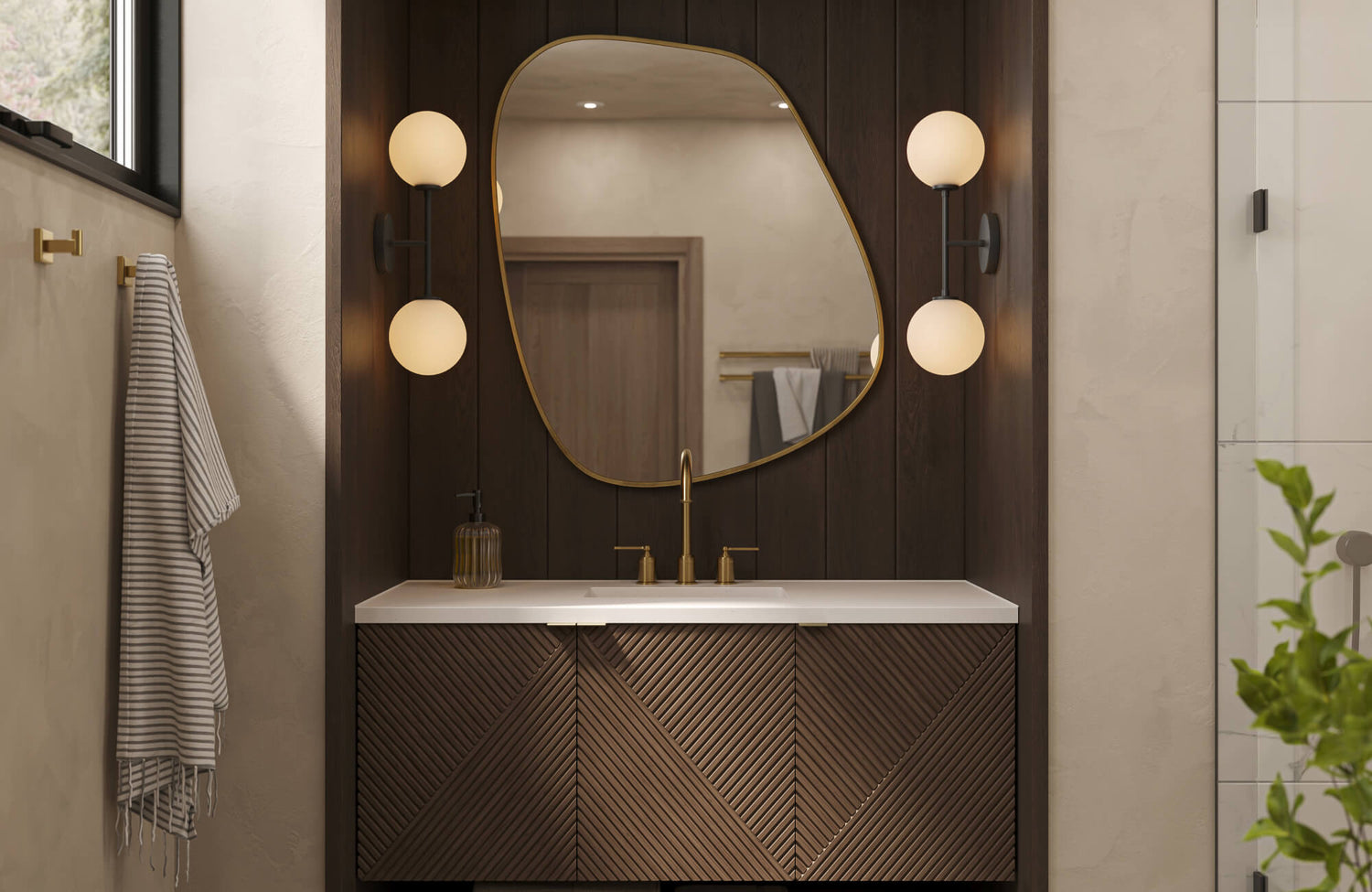
When looking at the bathroom as a whole, a 48-inch vanity like our Paxton 48" Single Vanity in Pebble Oak with 3 cm White Zeus Quartz Top above, often feels more balanced than narrower or wider options. Smaller vanities can work in certain situations, but they sometimes leave the wall feeling underused, which can make the room feel visually incomplete. Larger vanities may offer more surface area, yet they can also start to crowd the space and make fixtures feel closer together than intended. A 48-inch vanity avoids both extremes by filling the wall in a way that feels natural. The room still has space to breathe, which helps the layout feel settled. Everything feels proportioned without the vanity becoming the dominant feature.
Balancing Counter Space Without Overcrowding The Room
Counter space is one of the most noticeable benefits of a 48-inch vanity during everyday use. There’s enough surface area to place toiletries, grooming items, and small accessories without everything feeling stacked or cluttered. At the same time, the vanity does not push outward into the room, so open floor space remains comfortable to walk through. This matters in medium-sized bathrooms where every inch plays a role in how the space feels. Because the counter stays useful without being excessive, the room continues to feel open. That balance supports both function and day-to-day comfort.
Visual Proportion And How It Impacts Bathroom Flow
Visual proportion has a strong influence on how a bathroom feels when you move through it. A 48-inch vanity usually anchors the wall in a way that feels steady, while still allowing the room to feel open and well-spaced. Walkways tend to stay clear, and fixtures feel properly positioned rather than crowded together. For example, movement around the sink feels natural instead of tight or restricted. This sense of visual order helps the bathroom feel calmer and easier to use. Over time, that clarity supports smoother movement and a more comfortable experience overall.

Popular Vanity Sizes Compared To A 48-Inch Model
Choosing a vanity size often feels simple until you start comparing how different widths actually affect the room. A 48-inch vanity sits between smaller and larger options, which makes it a helpful reference point when weighing comfort, storage, and usable space. Below, we’ll look at how this size compares to other common vanity widths and where the trade-offs tend to show up.
36-Inch Vanities And When They Still Make Sense
A 36-inch vanity can still be a practical choice in certain medium-sized bathrooms, especially when space is tight or the layout is narrow. It works well in situations where the sink is not the main focus or where other features need more room. That said, the smaller width often limits counter space and storage, which can become noticeable over time. Daily items may need to be tucked away more carefully, and the surface can feel crowded more easily. For some homeowners, that trade-off is worth it, but it requires more intentional organization. Compared to a 48-inch vanity, the difference in everyday comfort can be easy to feel.
Why 48-Inch Vanities Outperform 42-Inch Options
A 42-inch vanity often sits in an awkward middle space that does not fully solve common bathroom needs. While it offers more room than smaller sizes, the increase in counter space and storage can feel modest in everyday use. A 48-inch vanity, by comparison, provides a more noticeable jump in usability without dramatically changing the layout. The extra width allows items to spread out more naturally, which can make the space feel calmer and easier to use. Because the visual presence is also stronger, the vanity tends to feel more intentional. Over time, that added comfort can make a meaningful difference.
The Trade-Offs Between 48-Inch And 60-Inch Vanities
A 60-inch vanity, such as our Sasha 60" Double Vanity in Carbon Oak with 3 cm White Zeus Quartz Top above, brings more counter space and storage, but it also asks more of the room. In medium-sized bathrooms, that extra width can start to press into walking areas or crowd nearby fixtures. A 48-inch vanity avoids that pressure while still offering enough surface area for daily routines. The trade-off usually comes down to how much storage is truly needed versus how open the room should feel. For many spaces, 48 inches strikes a balance that feels easier to live with and remains functional without feeling overly full.
How Room Width And Wall Clearance Affect Size Choice
Room width plays a large role in how a vanity size feels once it’s installed. Even a few extra inches can change how comfortably you move around the sink and nearby fixtures. A 48-inch vanity tends to work well because it leaves enough wall clearance on either side, which helps the space feel open. Door swings, walkways, and fixture spacing all benefit from that breathing room. When those clearances feel comfortable, the bathroom becomes easier to use throughout the day. Size choice often feels more obvious once movement is taken into account.
Choosing Size Based On Storage Needs, Not Just Width
Vanity size is often discussed in terms of width, but storage needs play just as important a role. A wider vanity can offer more room, but only if that space is used effectively. A 48-inch vanity often provides a practical balance of drawers and cabinet space without pushing the limits of the room. For example, it can handle daily essentials without forcing everything into tight compartments. This approach helps the bathroom feel organized without relying on extra storage elsewhere. Over time, choosing size with storage in mind tends to lead to a more comfortable setup.

Types Of Bathroom Vanities That Work Best At 48 Inches
Once the size is decided, the next step is choosing a vanity style that feels visually balanced in the space. A 48-inch width works especially well with several common vanity constructions because it offers enough presence without feeling heavy. In this section, we’ll look at the types of vanities that naturally complement this size and how each one influences openness and visual weight.
Freestanding Vanities For A Classic, Versatile Look
Freestanding vanities pair well with a 48-inch width because they feel grounded without overwhelming the room. This style sits comfortably against the wall, which helps the vanity feel like a natural part of the layout rather than a focal point that demands attention. Because the size is moderate, the vanity can carry visual weight without making the bathroom feel crowded. It also works well across different design styles, from traditional to more transitional spaces. Over time, this flexibility makes freestanding vanities easy to live with. The balance between structure and simplicity tends to suit medium-sized bathrooms especially well.
A great example of this balance is our Elodie 48" Single Vanity in Light Natural Oak with a 3 cm White Zeus Quartz Top shown above, which pairs classic construction with subtle, contemporary detailing. Its reeded column accents and raised picture frame molding add depth and character, while the warm, golden brown finish keeps the look approachable and timeless. Storage is thoughtfully handled with six outer drawers and a concealed interior shelf behind the center door, complete with a built-in power and USB outlet for everyday convenience. Together, these details show how a freestanding 48-inch vanity can feel refined, functional, and easy to live with in a medium-sized bathroom.
Wall-Mounted Vanities And Why 48 Inches Is A Safe Width
Wall-mounted vanities can feel intimidating in larger sizes, which is why 48 inches often feels like a comfortable limit. At this width, the vanity still feels substantial enough to anchor the wall without appearing heavy or awkward. Because it lifts off the floor, the space underneath stays open, which helps the bathroom feel lighter overall. This effect is especially noticeable in medium-sized rooms where visual openness matters. The 48-inch size keeps the vanity from stretching too far across the wall and helps maintain balance while still offering presence.
Furniture-Style Vanities For Added Visual Interest
Furniture-style vanities bring a sense of character into a bathroom, and a 48-inch width supports that look without pushing the design too far. At this size, details like legs, paneling, or decorative fronts have room to stand out while still fitting comfortably within the space. Because the vanity stays well proportioned, those elements feel considered rather than attention-grabbing. This works especially well when the goal is to introduce personality without letting the vanity take over the room. Over time, the relationship between detail and scale helps the space feel more pulled together. The bathroom gains visual interest while still remaining easy and comfortable to use.
Open-Shelf Designs vs Fully Enclosed Cabinets
Open-shelf and fully enclosed designs interact with a 48-inch vanity in noticeably different ways, especially when it comes to how open the space feels. Open shelves tend to make the vanity feel lighter and more relaxed, which works well in bathrooms that benefit from a sense of openness. Fully enclosed cabinets, on the other hand, bring a cleaner and more contained look that can help the room feel more orderly. Because the vanity sits at a moderate width, neither option comes across as too heavy or overly minimal. The size allows each style to feel intentional rather than forced. This flexibility makes a 48-inch vanity easy to adapt to different visual preferences and design goals.

Sink Configurations That Pair Well With A 48-Inch Vanity
Once the vanity size is set, sink configuration becomes the next practical decision that shapes how the space is used every day. A 48-inch vanity offers enough flexibility to support several sink setups without forcing uncomfortable spacing. Here, we’ll walk through which configurations tend to work best at this width and how they influence everyday comfort.
Single Sink Layouts And Why They’re The Most Common Choice
Single sink layouts remain the most common pairing with a 48-inch vanity, largely because they strike a comfortable balance between space and usability. With one sink centered or slightly offset, there’s room to move naturally while still keeping essentials within reach. This setup also leaves more uninterrupted counter space, which many people appreciate during daily routines. Because the sink does not dominate the surface, the vanity feels calmer and easier to use. Over time, that simplicity becomes a quiet advantage. It supports everyday use without asking the layout to work harder than necessary.
A clear example of how a single-sink layout works at this width is our Abigail 48" Single Vanity in Light Natural Oak with a 3 cm White Zeus Quartz Top above. With one integrated sink centered on the surface, the vanity preserves generous counter space on both sides, helping daily routines feel uncluttered and easy to move through. Storage is arranged around the single basin with seven drawers and a concealed interior shelf, keeping essentials close without crowding the countertop. Together, these details show how a 48-inch single-sink vanity can feel calm, practical, and well-balanced in a medium-sized bathroom.
Is A Double Sink Practical At 48 Inches?
A double sink can work at 48 inches, although it often depends on how the bathroom is used day to day. While having two basins can be convenient in shared spaces, the spacing between them tends to feel tighter at this width. Because of that, the countertop can start to feel more segmented and slightly busier overall. For some households, this trade-off still makes sense, especially when two people regularly use the bathroom at the same time. For others, the reduced surface area may feel limiting as routines settle in. In many cases, the decision comes down to daily habits rather than appearance alone.
Integrated Sink Tops vs Separate Basin Designs
Integrated sink tops and separate basin designs interact differently with a 48-inch vanity surface. Integrated options create a smoother, more unified look, which can help the vanity feel less visually busy. Separate basins, on the other hand, introduce more definition and can add character to the space. At this width, both options can work well, depending on how much visual contrast you prefer. Because the surface area is moderate, the sink choice has a noticeable impact on how open the vanity feels. Choosing between the two often comes down to whether simplicity or visual detail feels more comfortable.
Undermount, Vessel, And Integrated Sink Considerations
Different sink mounting styles can subtly change how a 48-inch vanity feels in everyday use. Undermount sinks, for instance, help keep the surface looking clean and uninterrupted, which supports a calmer, more relaxed appearance. Vessel sinks introduce more height and presence, drawing the eye upward and making the vanity feel more visually prominent. Integrated sinks tend to land somewhere in between, blending into the countertop while still offering a bit of definition. At this width, these differences stand out more because there is less extra space to soften visual weight. Paying attention to how each style interacts with the surface helps the vanity feel balanced rather than overdone.
Faucet Spacing And How It Influences Sink Choice
Faucet spacing plays a larger role in sink selection than many people expect, especially on a 48-inch vanity where every inch counts. The distance between fixtures directly affects how comfortable the sink feels during everyday use. When spacing feels tight, the area can start to look busy, even if the sink itself is appropriately sized. With a bit more breathing room, the setup feels calmer and easier to move around. Because the vanity width sits in the middle range, faucet placement and sink style need to complement each other. When those elements work together, the entire setup feels more natural and comfortable to use.

Storage Capacity And Everyday Usability
Storage is often where a vanity either proves its value or quietly becomes a daily frustration. With a 48-inch vanity, the way storage is designed matters just as much as how much space is available. Below, we’ll look at how drawer placement, interior layout, and thoughtful organization shape real-life usability over time.
Drawer-Heavy Layouts vs Cabinet-Focused Designs
Drawer-heavy layouts tend to feel easier to use in a 48-inch vanity because everything stays visible and within reach. Instead of bending down or digging through deep cabinets, drawers allow daily items to be accessed quickly and comfortably. Cabinet-focused designs can still work well, especially for storing taller items, although they often require more deliberate organization. At this width, the balance between drawers and cabinets becomes noticeable in everyday routines. Because space is limited but not tight, the right mix helps the vanity feel intuitive rather than restrictive. Over time, that ease makes daily use feel smoother.
Storage Needs For Shared Or Guest Bathrooms
Storage needs can change depending on how the bathroom is used, and a 48-inch vanity adapts well to both shared and guest spaces. In shared bathrooms, having clearly defined storage areas helps reduce clutter and confusion. Guest bathrooms, on the other hand, often benefit from simpler layouts that keep essentials accessible without feeling overfilled. Because the vanity offers moderate storage, it encourages thoughtful use rather than excess. This balance helps the space feel organized without appearing sparse. The result is a setup that works quietly in the background.
How Interior Organization Impacts Long-Term Use
Interior organization plays a bigger role in long-term comfort than many people initially expect. Even when a vanity offers enough storage, poor organization can make daily use feel unnecessarily frustrating. In a 48-inch vanity, features like dividers, trays, and adjustable sections help make better use of every compartment. Over time, those small details support smoother routines and more consistent habits. Because items have clear places to go, the vanity stays functional rather than slowly filling with clutter. That sense of order helps daily use feel calmer and more manageable.
Planning Storage Around Plumbing Placement
Plumbing placement often plays a quiet but important role in how well storage works inside a vanity, especially at a moderate width like 48 inches. Because pipes can limit usable space, thoughtful planning becomes more important early on. When plumbing is accounted for from the start, storage can be arranged in a way that avoids awkward gaps or sections that go unused. This helps drawers and cabinets feel purposeful rather than restricted by what sits behind them. When plumbing and storage are planned together, the interior feels cleaner and easier to navigate. Over time, that coordination supports better function and less frustration in daily use.

When A 48-Inch Vanity Is—And Isn’t—The Right Choice
Choosing the right vanity size often comes down to how the bathroom is actually used day to day. A 48-inch vanity works well in many situations, although it is not always the best fit for every layout or household. In this section, we’ll help you assess when this size makes sense and when another option may be more practical.
Ideal Bathroom Dimensions For A 48-Inch Vanity
A 48-inch vanity tends to work best in bathrooms that offer enough wall space without making the layout feel crowded. The room should allow comfortable clearance on both sides so movement around the sink feels natural rather than tight. When there’s space to step back easily and open drawers without obstruction, the vanity feels properly placed. This size also works well in bathrooms where fixtures are spaced evenly instead of grouped too closely together. Because the proportions feel balanced, the vanity blends into the layout rather than standing out for the wrong reasons.
In practical terms, a 48-inch vanity usually fits well in bathrooms that are roughly 7 to 9 feet wide, depending on the rest of the layout. Allowing at least 30 to 36 inches of clear walkway in front of the vanity helps maintain comfortable movement. Side clearances of 3 to 6 inches on each end also make a difference, especially when drawers and doors are in use. These rough dimensions help the vanity feel supported by the room instead of squeezed into it. When the space meets these general guidelines, the vanity tends to feel like a natural fit rather than a compromise.
Situations Where Going Smaller Makes More Sense
There are situations where choosing a smaller vanity can be the better move, even in a medium-sized bathroom. Narrow layouts or bathrooms with multiple doors often limit usable wall space more than expected. In those cases, a 48-inch vanity can start to feel visually heavy or make movement feel slightly restricted. A smaller vanity helps preserve openness and keeps walkways clear and comfortable. This approach usually prioritizes ease of movement over added surface area. When flow matters more than storage, downsizing often feels like the right decision.
When Upsizing To 60 Inches Is Worth Considering
In some bathrooms, moving up to a 60-inch vanity can noticeably improve everyday comfort. When the room offers generous wall space and the sink area is shared regularly, a wider vanity may feel more accommodating. The additional surface area can help reduce clutter and make morning routines smoother. That said, the space still needs to support clear walkways and comfortable spacing around nearby fixtures. When the layout allows for it, upsizing feels natural rather than excessive. The key is making sure the room stays open and balanced.
Matching Vanity Size To Lifestyle And Household Needs
Lifestyle plays a large role in whether a 48-inch vanity continues to feel right over time. In a single-user bathroom, this size often feels more than adequate for daily routines. Shared bathrooms, however, usually benefit from a bit more planning to prevent the space from feeling crowded. Storage habits, grooming routines, and how frequently the bathroom is used all shape the experience. Because of this, choosing the right size is often less about exact measurements and more about how the space functions day to day. When the vanity aligns with daily habits, it helps avoid long-term frustration.
Maintenance Considerations And Ease Of Cleaning
Maintenance is another factor that often gets overlooked when choosing a vanity size, even though it plays a big role in how comfortable the bathroom feels over time. A 48-inch vanity typically allows easier access for cleaning around and underneath the unit, which helps routine upkeep feel less disruptive to daily schedules. Because surfaces remain reachable without excessive bending or awkward stretching, cleaning tasks tend to feel more manageable and less physically demanding. The size also makes it easier to reach corners and edges that often collect dust or moisture. This can be especially helpful in shared or frequently used bathrooms where upkeep needs to stay consistent. Over time, that ease of maintenance supports a space that feels cleaner, more comfortable, and easier to live with.
Thinking About Long-Term Use And Wear
Long-term use should always be part of the decision-making process, particularly for a fixture that sees daily use. A 48-inch vanity strikes a balance that tends to hold up well as routines and household needs change. It offers enough space to remain functional while avoiding the tendency to accumulate unnecessary items simply because extra room is available. As habits shift and storage needs evolve, the vanity continues to feel practical rather than restrictive. This makes it a dependable option for homeowners who are thinking beyond short-term convenience. Choosing a size that adapts over time helps the bathroom stay comfortable, organized, and usable for years to come.
Planning Your Bathroom With Expert Design Support
A 48-inch vanity continues to be a popular choice for medium-sized bathrooms because it sits comfortably between practicality and visual balance. Throughout this guide, we’ve seen how this size supports everyday routines, offers usable counter space and storage, and fits naturally within a wide range of layouts without making the room feel crowded. It adapts well to different vanity styles, sink configurations, and household needs, which makes it easier to live with over time. Rather than forcing compromises, it often allows the bathroom to function smoothly while still feeling thoughtfully designed.
If you’re still weighing whether a 48-inch vanity is the right fit for your space, our personalized design consultation can help bring clarity to the decision. Working with a design expert allows you to consider your layout, lifestyle, and storage needs together, rather than looking at measurements in isolation. Our tailored consultation can also help identify layout opportunities you may not have considered, ensuring the vanity supports both comfort and long-term use. With the right guidance, choosing the right vanity size becomes a confident decision rather than a guessing game.