



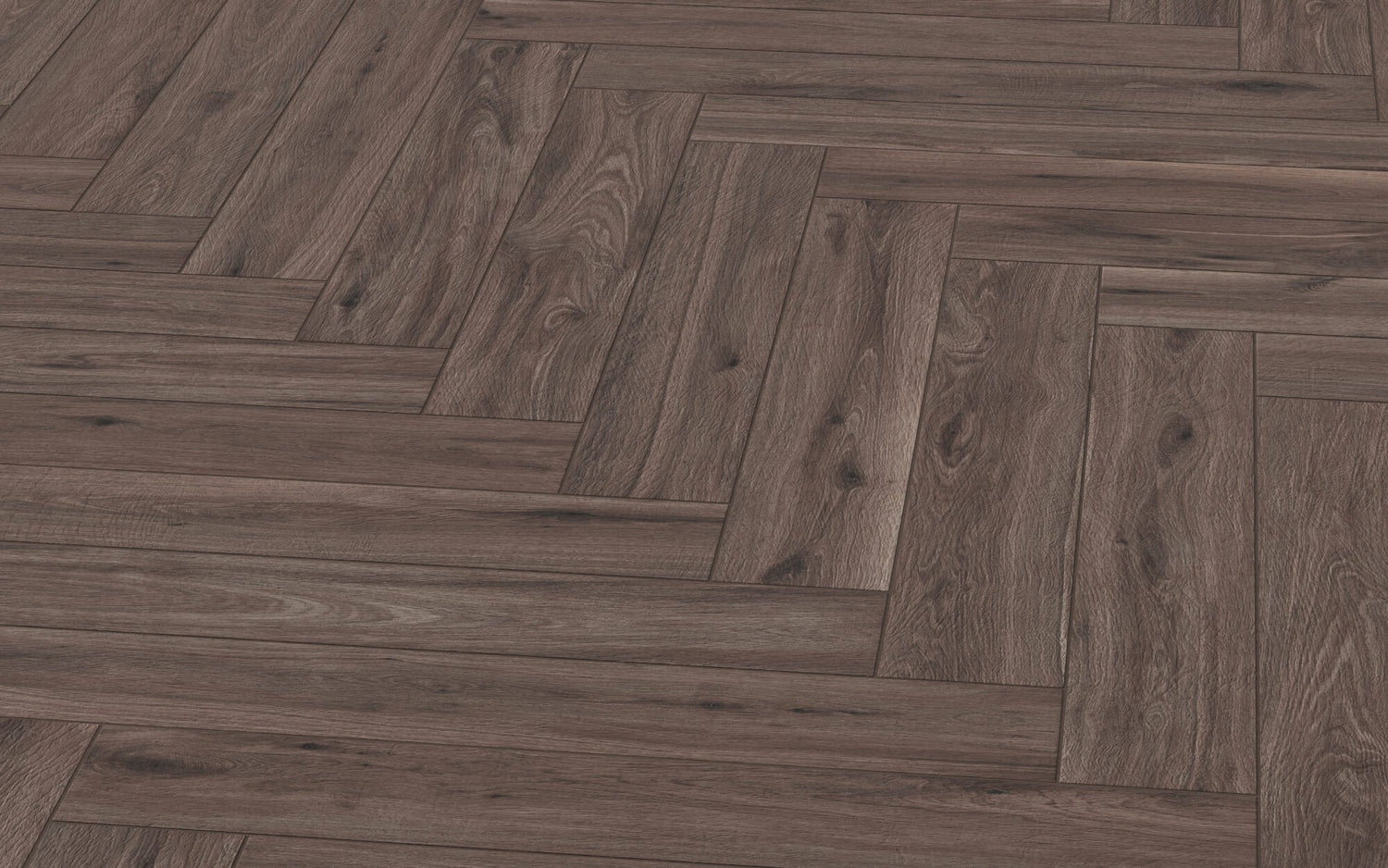
Selecting wood flooring for your home involves more than choosing a species or stain color. The grade of the wood plays a defining role in how your floors will look, how much natural variation they display, and how well they align with your overall design vision. From clean, uniform planks to richly textured boards with knots and tonal shifts, each grade creates a distinctly different atmosphere.
In this guide, we’ll break down what wood flooring grades really mean and how they influence appearance, performance, and cost. We’ll also explore when wood-look tiles may offer a more practical solution, particularly in spaces where moisture, wear, or maintenance demands make traditional hardwood less ideal.

Solid vs. Engineered Hardwood
Solid hardwood is exactly what it sounds like—planks of solid wood throughout. It is known for its durability and its ability to be refinished multiple times, making it a popular choice for long-term installations. In contrast, engineered hardwood is made up of a thin layer of hardwood atop a high-quality plywood base. This structure not only improves stability by reducing the likelihood of warping in moist or fluctuating conditions, but it also expands the range of design options due to its layered construction. As a result, while solid wood is ideal for long-lasting installations, engineered wood performs well in high-humidity environments.
You may be curious about how these two types of hardwood fit into the overall wood flooring grading system. Solid hardwood is categorized into various grades that evaluate aspects such as knots, color consistency, and plank uniformity; factors that significantly affect both aesthetics and functionality. Engineered hardwood grades, meanwhile, focus primarily on the quality and thickness of the top veneer layer, helping you determine the best type and grade for your specific environmental conditions and design preferences.

Understanding Wood Flooring Grades
Wood flooring grades play an important role in determining the appearance, quality, and cost of wood flooring. These industry-standard grades help consumers and professionals understand what to expect in terms of aesthetics and performance from various types of wood. Whether you want a sleek, modern look or a more rustic charm, understanding these grades will help you choose the best wood flooring for your project.
Prime (AB)
Prime grade wood, also known as AB, can be identified by its minimal knots and uniform color, making it ideal for areas that require a sleek, contemporary aesthetic. This consistency enhances modern design and creates a seamless appearance, ideal for large open-plan spaces. As a result, prime grade flooring works particularly well in formal dining areas, where its clean, uncluttered appearance complements sophisticated interiors.
Select (ABC)
Select grade wood, also known as ABC, has knots and color variations that strike the perfect balance between pristine and rustic, making it suitable for creating a natural and inviting look in both residential and commercial settings. This grade is particularly popular among those who value the inherent beauty of wood and prefer a moderate presence of natural features, allowing for a welcoming environment without sacrificing style.
Natural (ABCD)
Natural grade wood flooring, also known as ABCD, has more noticeable defects and color variation than Select grade. This grade excels at creating distinctive or eclectic themes by highlighting the wood's inherent flaws and natural diversity, making it great for spaces that value raw and authentic design elements. Its distinct appeal is particularly suited to settings that strive for an organic aesthetic, enhancing spaces with a visibly textured and varied look.
Rustic (CD)
Rustic grade wood flooring also called (CD) has the most knots and the most variation in color and texture. This grade is ideal for designs that reflect a rugged, natural aesthetic, such as farmhouse or rustic styles. The unique characteristics of rustic-grade flooring enhance its charm and warmth, making it ideal for living rooms, cabins, or country kitchens where each plank adds to the inviting atmosphere.

Choosing the Right Grade for Your Home
Choosing the right wood flooring grade is crucial for ensuring that it complements both the style and functionality of your home. You should take into account a variety of factors tailored to your specific needs and preferences.
Factors to Consider
When choosing a wood flooring grade, consider your budget first, as it will influence the grades available to you. Then, consider the style you want to achieve, as well as durability, particularly in busy areas where your flooring must withstand significant wear and tear. Furthermore, maintenance requirements differ by grade; higher grades with fewer flaws are generally easier to clean and maintain but may be more costly.
Also, consider the lighting in your room. Different wood grades can have a significant impact on the room's overall ambiance and aesthetic appeal, with lighter and darker woods enhancing the space in unique ways. In addition, you should consider the installation's complexity. Some wood grades may necessitate more complex and costly installation techniques, affecting your overall budget and project timeline. These factors will help you select a wood flooring grade that meets both your functional and stylistic requirements.
Installation and Preservation
Proper installation and ongoing preservation are critical to the longevity and appearance of your flooring. It is crucial to consider professional installation to guarantee optimal performance and aesthetics, especially for complex layouts or materials that require specialized handling.
Also, preserving wood flooring requires a proactive approach to care and occasional maintenance. Applying a fresh coat of finish or sealant every few years can prevent wear and enhance resistance to footsteps and spills. Regardless of the material, using rugs and mats in areas with frequent use can reduce wear. Additionally, regular inspections for signs of damage can help identify problems before they worsen, ensuring your floors remain beautiful and functional for many years to come.

Alternatives to Wood Flooring
As homeowners and designers look for durable and stylish alternatives to traditional hardwood, wood-look tiles emerge as an appealing option.
What Are Wood-Look Tiles?
Wood-look tiles are porcelain or ceramic surfaces crafted with advanced printing and texturing techniques to authentically replicate the grain, tone variation, and natural movement of hardwood. Unlike solid wood, however, they are engineered for resilience—offering superior resistance to moisture, scratches, stains, and temperature fluctuations. This makes them especially well suited for kitchens, bathrooms, and even open-plan living areas where durability is just as important as visual warmth.
The light, airy flooring shown in the featured image above reflects this balance beautifully, where Edward Martin’s Preston 8x48 Matte Porcelain Tile in White Oak delivers the soft graining and subtle tonal shifts of real oak while maintaining the stability of porcelain. Its elongated plank format reinforces the authentic hardwood look, creating a seamless foundation that complements both contemporary and transitional interiors.
For spaces that call for added texture or architectural interest, wood-inspired designs can extend beyond traditional plank visuals. Edward Martin’s Jameson 12x36 Matte Ceramic Tile in Camel Deco introduces refined vertical ribbing that evokes fluted wood paneling, ideal for statement walls or spa-like bathrooms. Meanwhile, Edward Martin’s Zayne 12x36 Matte Ceramic Tile in Slat offers a linear slatted effect that brings depth and dimension to feature walls or covered outdoor areas. Together, these options demonstrate how wood-look tiles move beyond imitation, providing versatile, performance-driven surfaces that reinterpret natural wood for modern living.
Eco-Friendly Appeal
Beyond durability and moisture resistance, wood-look tiles offer thoughtful environmental advantages. Unlike traditional hardwood, they do not rely on harvesting slow-growing timber, helping reduce pressure on forest resources. Porcelain and ceramic tiles are also often manufactured using recycled materials and are designed for long lifespans, minimizing the need for replacement and reducing overall material consumption over time.
To confidently evaluate sustainable options within your own space, Edward Martin’s Augmented Reality (AR) Visualization Tool allows you to preview wood-look tile styles directly in your interior before installation. Once you’ve narrowed down your preferences, ordering tile samples lets you assess texture, tone, and finish under your actual lighting conditions. Together, these tools support a more informed and intentional flooring decision, balancing design vision with environmental awareness.
Making the Right Flooring Decision
Understanding wood flooring grades clarifies how appearance, variation, and cost are influenced by material selection. From the clean uniformity of prime grades to the expressive character of rustic planks, each option shapes the visual tone of a space. At the same time, performance considerations, such as moisture resistance, maintenance demands, and long-term durability, may lead some homeowners to explore wood-look tiles as a practical alternative.
Ultimately, the best choice depends on how your home functions day to day. By weighing aesthetics, environmental conditions, and upkeep expectations together, you can select a flooring solution that enhances both the style and longevity of your living space.


