



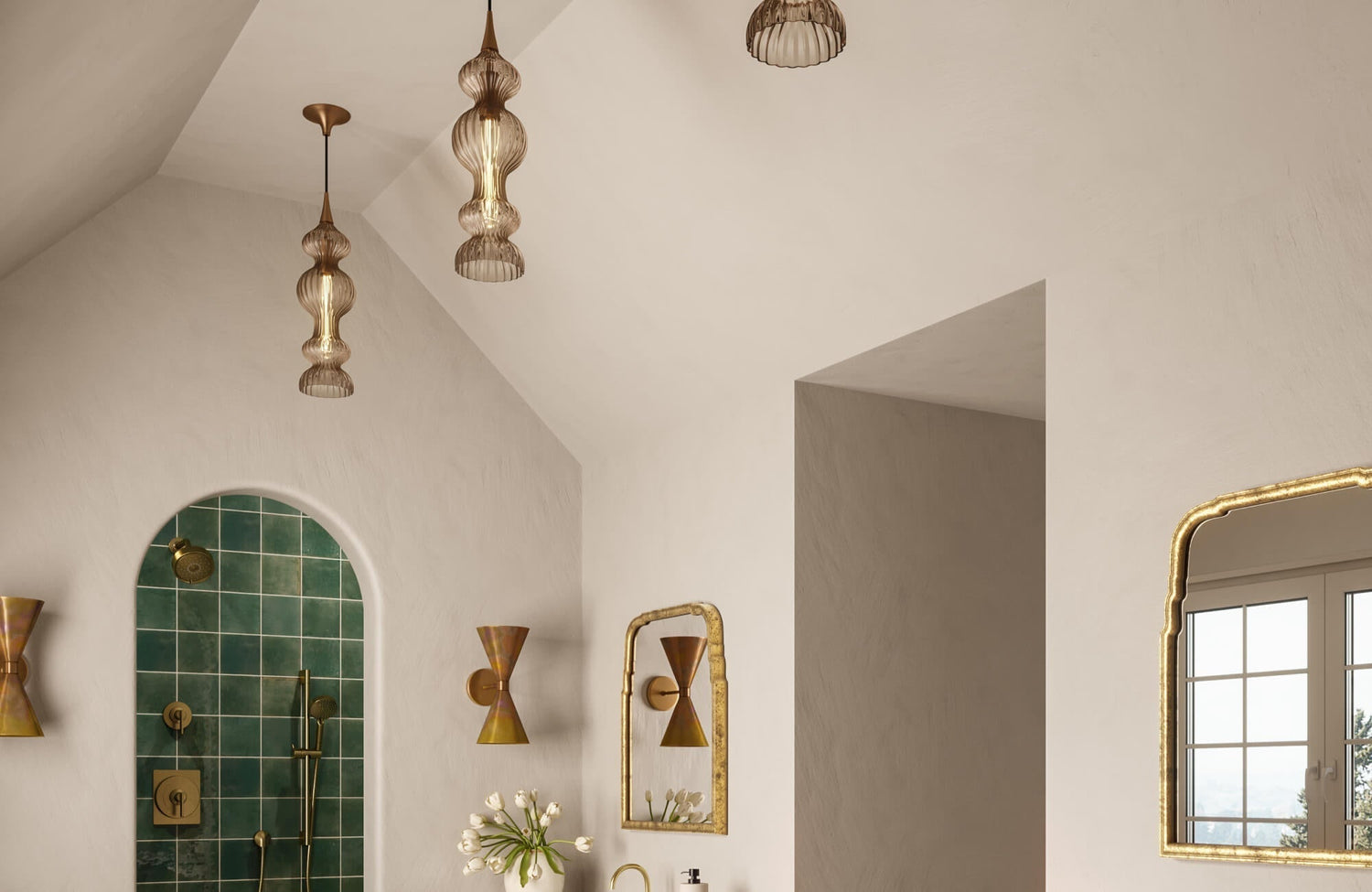
A well-designed bathroom lighting layout combines function, safety, and visual comfort, making light placement just as critical as the fixtures themselves. Determining the best location for bathroom lights requires understanding photometrics, glare control, IP ratings, and how different mounting positions affect facial illumination and task visibility. Because bathrooms are classified as “wet” or “damp” environments, fixture placement must also comply with electrical safety standards such as NEC (National Electrical Code) rules for damp and wet location luminaires.
This article explores how strategic placement enhances grooming accuracy, eliminates shadows, and creates a balanced, layered lighting environment. We will break down the technical logic behind each lighting zone—vanity, overhead, shower, tub, and ambient—to help you create a bathroom that is both visually appealing and code-compliant. By the end, you’ll know exactly where bathroom lights belong and why each placement matters.

Vanity Lighting Placement for Optimal Facial Illumination
Vanity lighting establishes the core of facial clarity, shaping how evenly features are illuminated and how accurately colors are perceived during daily grooming. When placement, photometrics, and color quality work in unison, the result is a lighting environment, anchored by well-designed bathroom light fixtures, that feels balanced, precise, and naturally comfortable.
Ideal Mounting Height and Lateral Positioning
Positioning vanity sconces between 60–66 inches above the finished floor aligns the light source with average eye level, creating a naturally even distribution of illumination across the face. Because this placement minimizes downward shadows, it supports grooming tasks that depend on accurate visual detail. Spacing fixtures 28–36 inches apart also extends this balance horizontally, allowing light to reach both sides of the mirror without producing glare or contrast jumps. As the light spreads evenly across the facial plane, the user benefits from cleaner shadow definition and improved depth perception. This proportional spacing adapts well to vanities of varying widths, maintaining consistency in both single- and double-sink layouts. Together, these mounting dimensions create a cohesive lighting foundation that feels intuitive, comfortable, and functionally precise.
Vertical Fixtures and Backlit Mirror Solutions
When vertical LED bars flank the mirror, the illumination naturally extends from forehead to chin, ensuring consistent brightness that eliminates the shadow pockets overhead lights often create. This vertical orientation creates a smooth, uninterrupted light field that enhances accuracy during makeup application or shaving. Backlit mirrors further refine this effect with diffused, forward-facing glow that softens contours while preserving visual sharpness. As the light wraps gently around the face, even subtle features remain evenly illuminated without harsh contrasts.
A fixture like Edward Martin’s Emmery 29" LED Vanity Light in Brushed Gold/Opal Glass, as displayed in the photo above, embodies this approach. Its warm, evenly diffused output and sculptural vertical form pair modern aesthetics with task-ready clarity. Blending such refined lighting with balanced mirror illumination creates a grooming environment that feels both visually elevated and functionally precise.
Color Temperature and CRI Requirements
Choosing a color temperature between 3000–3500K provides a warm yet true-to-life tone that mirrors natural indoor daylight, helping skin tones and makeup colors appear accurate. This controlled warmth avoids the washed-out effect of cooler temperatures while still delivering crisp visual clarity. A CRI of 90+ also strengthens this realism by rendering subtle shifts in color, texture, and contrast vital for grooming precision. As light quality stabilizes, the reflection in the mirror becomes more predictable, allowing subtler details to remain visible. In addition, LEDs with consistent chromaticity maintain this accuracy over time, preventing color drift that could compromise visual quality. Ultimately, these specifications create a color environment that supports both aesthetic and functional performance.

Overhead Lighting Placement for Uniform Ambient Coverage
Overhead lighting introduces the broad, foundational illumination that supports the bathroom’s functional zones while maintaining overall visual harmony. When fixture placement and beam spread work cohesively, the space achieves a smooth, uninterrupted brightness that enhances comfort and spatial clarity while ensuring bathroom light fixtures perform reliably across all viewing angles.
Strategic Fixture Positioning and Beam Spread
Placing the overhead luminaire centrally or slightly forward toward the vanity ensures that light reaches the areas where balanced illumination matters most, creating a soft ambient layer that supports all surrounding light sources. This forward shift reduces vertical facial shadows, allowing vanity lighting to blend more seamlessly with the room’s overall luminance. Wide beam spreads between 80–120 degrees also promote expansive coverage, preventing isolated bright spots or dim zones and helping surfaces appear richer and more dimensional.
As the light diffuses evenly across the floor and wall planes, the entire room gains a cohesive brightness that feels intentional rather than scattered. A great example of this is the Caruso 16" Pendant in Vintage Gold Leaf / White Plaster, as shown in the photo above. Its sculptural form and graceful downward glow anchor the space while enhancing both style and photometric balance. Through this combination of precise placement and considered design, overhead lighting becomes a unifying force that elevates the bathroom’s architectural rhythm.
Recessed Downlight Spacing Formulas
Applying the formula spacing = ceiling height × 2 ensures that recessed downlights maintain consistent spacing that aligns with the room’s vertical proportions. This calculation reduces the risk of scalloping or uneven illumination that often distracts from architectural finishes. As fixtures fall into regular rhythm, the ambient layer feels smoother and more deliberately composed. Consistent spacing also allows designers to reduce fixture count without sacrificing brightness, supporting energy efficiency and visual balance. By calibrating fixture intervals to match ceiling height, the entire lighting plan gains predictability and professional-level refinement. This structured approach produces a clean, evenly distributed ambient field that serves as the room’s lighting backbone.
IC-Rated and Damp-Location Requirements
Bathroom ceiling fixtures must be IC-rated so they can safely contact insulation without overheating or degrading performance over time. This rating ensures stability in environments where moisture and temperature fluctuations occur frequently. Damp-location listings also add another layer of protection by safeguarding luminaires against humidity, condensation, and airborne moisture. Additionally, airtight housings minimize air transfer to and from attic spaces, supporting both energy efficiency and HVAC stability. With these protections working together, fixtures operate reliably even in high-moisture zones. Ultimately, these ratings create a safe, durable, and code-compliant overhead lighting system that withstands the demands of daily use.

Shower Lighting Placement for High-Visibility, Water-Safe Illumination
Shower lighting requires precise coordination of safety ratings, beam control, and placement to create an environment that is both visually clear and structurally secure. When these elements align, the shower gains brightness, texture definition, and dependable performance even in high-moisture conditions, especially when supported by wet-rated bathroom light fixtures.
Correct Placement Over the Shower Footprint
Locating the recessed luminaire directly over the shower footprint ensures that the enclosure receives evenly distributed vertical illumination. This top-down placement keeps corners well-lit, preventing shadows that can make the shower feel smaller or less safe. A subtle 2–3-inch offset from the wall also enhances depth by grazing tile surfaces, highlighting texture and craftsmanship. As the light plays across the vertical surfaces, the space takes on a more dimensional and visually open feel. This positioning reduces glare by directing beams downward rather than toward reflective glass. Collectively, these adjustments create a shower environment that feels brighter, more welcoming, and spatially expressive.
IP65 and Wet-Location Fixture Requirements
Wet-location ratings ensure that shower fixtures can withstand direct exposure to moisture without compromising electrical integrity. For instance, IP65 protection provides an additional safeguard, shielding internal components from water jets and concentrated humidity. Vapor-sealed housings further prevent condensation from entering the fixture, preserving clarity and longevity. As seals protect lenses and trims, lumen output remains stable even in demanding steam environments. This resilience also helps prevent corrosion on metallic elements, extending the fixture’s working life. Together, these protective measures create a robust lighting solution that thrives in the shower’s intense moisture conditions.
Beam Angle and Glare Reduction
Selecting a moderate beam angle allows light to wash the shower walls evenly, creating a balanced glow that avoids overly concentrated hotspots. This even coverage brings out material details while maintaining visual comfort. Frosted or diffused lenses, for instance, soften the beam, reducing harsh reflections on glass partitions. Stable LED drivers, on the other hand, sustain this smooth output during dimming, supporting both functional and atmospheric settings. These combined qualities produce a shower lighting experience that is refined, glare-free, and visually coherent.

Bathtub and Feature Lighting Placement for Spa-Level Ambience
Lighting around the bathtub enhances relaxation by casting soft, controlled illumination that shapes the architecture and establishes visual calm. When placement respects both safety standards and aesthetic intention, the result is a bathing environment enhanced by ambient bathroom light fixtures that feel serene, inviting, and spatially enriched.
Safe Positioning for Fixtures Near Bathtubs
Centering or slightly offsetting recessed fixtures above the bathtub creates a gentle glow that avoids intense overhead brightness. This moderated lighting encourages relaxation while preserving visibility. NEC clearance requirements also maintain essential safety distances by limiting how close a luminaire may be placed above wet areas. Respecting these measurements ensures compliance and eliminates electrical risk. As the fixture sits safely outside the critical zone, the lighting effect becomes ambient rather than intrusive. Ultimately, this thoughtful positioning produces a soothing, code-compliant bathing experience.
Accent Lighting to Enrich Architectural Features
LED strip lighting installed beneath tub aprons creates a soft aura that outlines the tub’s form with subtle elegance. This indirect glow prevents glare while contributing to a relaxing, spa-like environment. Placing LEDs within architectural recesses also deepens visual layers by highlighting concealed volumes. As these recesses illuminate, the room gains a richer sense of contrast and dimension. Pairing dimmable drivers with these strips enables smooth transitions from practical lighting to atmospheric settings. Through these layered effects, the tub becomes a sculptural focal point that enhances the room’s overall visual narrative.
Enhancing Surface Texture and Materiality
Narrow-beam wall washers introduce a controlled grazing effect that reveals depth within textured tile or stone finishes. This illumination technique enhances handcrafted surfaces by emphasizing their natural irregularities. Careful beam alignment also prevents flattening of detail, ensuring textures remain expressive and authentic. When combined with ambient lighting, the overall effect feels intentional and immersive. This thoughtful interplay of light and material transforms the bathing area into a richly tactile environment.

Layered Ambient and Accent Lighting for Complete Bathroom Balance
Layered lighting unifies task, ambient, and accent sources into a cohesive composition that supports both function and atmosphere. When these layers integrate harmoniously, the bathroom gains depth, clarity, and architectural sophistication, especially when thoughtfully curated bathroom light fixtures anchor the design.
Perimeter and Cove Lighting for Soft Ambient Glow
LED strips installed within ceiling coves create a gentle, upward-facing illumination that softens the transition between wall and ceiling planes, forming a visually relaxing backdrop for the entire space. This indirect lighting expands the sense of height while distributing luminance evenly across textured or architectural surfaces. As the glow diffuses outward, harsh shadows diminish, resulting in a more comfortable and immersive lighting environment. Dimmability provides flexibility, allowing the light to shift effortlessly from functional brightness to a serene evening ambiance.
A pendant such as our Zackary 14" LED Pendant in Vintage Brass, Universal Voltage, as featured in the photo above, enhances this effect beautifully, offering a warm downward wash that complements cove lighting and enriches the room’s layered balance. Through this interplay of diffuse uplight and sculptural overhead illumination, the bathroom gains a quiet elegance that elevates both mood and architectural expression.
Under-Vanity and Toe-Kick Lighting for Nighttime Navigation
Installing LED tape beneath a floating vanity creates a subtle guiding light that enhances nighttime movement without overwhelming the eyes. The soft glow preserves dark adaptation, reducing strain when entering the bathroom at night. This under-cabinet illumination also introduces a floating effect that lightens the vanity’s visual mass. Moreover, motion sensors can automate activation, adding convenience while conserving energy. The low wattage and long lifespan of LEDs make this approach both efficient and low-maintenance. Overall, the effect merges practical navigation lighting with clean, modern design expression.
Grazing and Wall-Washing Techniques
Placing fixtures 12–18 inches from the wall produces grazing light that accentuates textured surfaces with dramatic shadow interplay. As the light flows across vertical material variations, the wall gains dimension and richness. Wall washing, by contrast, spreads illumination gently over smooth surfaces to create a calm, even field. These two techniques work together to balance visual intensity and softness within the bathroom. Proper beam selection also ensures that highlights and shadows remain controlled rather than overpowering. Through this interplay, the room acquires depth, sophistication, and a refined architectural presence.
Elevating Bathroom Lighting Design with Strategic Placement
Thoughtfully arranged bathroom light fixtures elevate both the visual quality and functional performance of the space, ensuring each lighting layer works cohesively. When task, ambient, and accent lighting align with photometric principles and moisture-rated specifications, the design supports clarity, comfort, and long-term durability. This integrated approach also strengthens grooming accuracy while enhancing the room’s sense of openness and architectural character. Through this holistic method, homeowners achieve a lighting experience that feels intentionally calibrated, visually balanced, and enduring in everyday use.
For homeowners seeking expert guidance, Edward Martin’s design services offer personalized lighting solutions tailored to every detail—contact us to bring this elevated level of design into your own bathroom!


