Pendant lights have evolved far beyond their role as mere light sources. They are expressive, architectural tools that help define your space, highlight important zones, and influence the mood of each room. Whether suspended above a dining table or flanking a bathroom mirror, a well-chosen pendant creates focus, balance, and atmosphere, all while enhancing the design story of your space.
This article takes you room by room, exploring how pendant lights can be used with intention and artistry. You’ll discover not just where these fixtures look best, but how thoughtful placement, proportion, and material choices can elevate your entire space. From cozy bedrooms to bustling kitchens, every pendant has the potential to transform its surroundings with style and function.

Kitchen Island
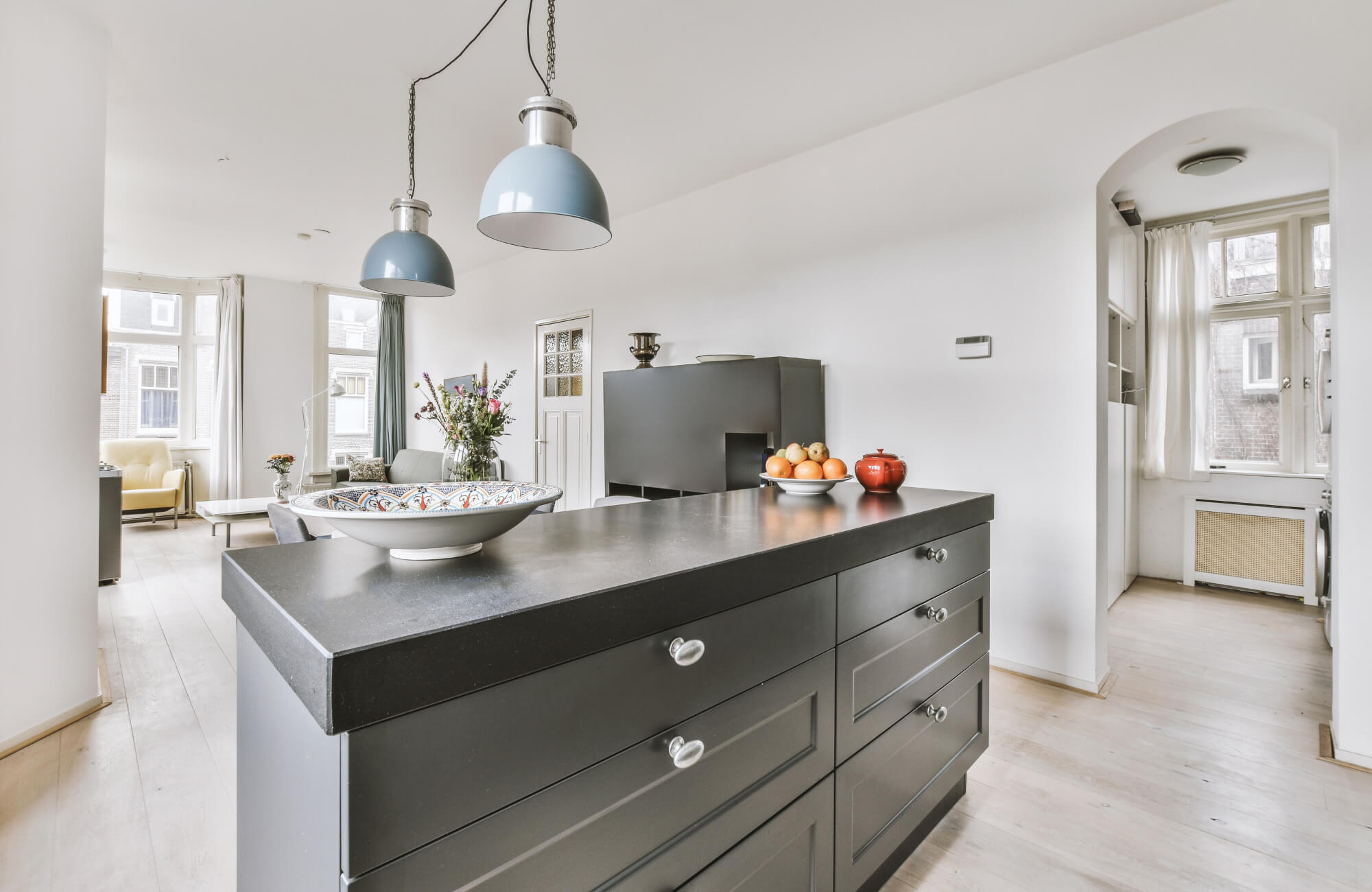
Pendant lights above kitchen islands play a vital dual role: they provide essential task lighting and bring structure and style to the heart of your kitchen. When thoughtfully positioned, they enhance both visual harmony and functional efficiency, turning the island into a true centerpiece of the space.
Achieving the right height is critical for both performance and comfort. Hanging your pendants about 30 to 36 inches above the countertop ensures they offer focused illumination without obstructing sightlines or interfering with conversation. Even spacing across the island also promotes uniform lighting, eliminating shadows and hotspots that can disrupt both prep work and the overall ambiance. Choosing downward-facing fixtures is especially useful when your island serves as a busy work zone, as it guarantees clarity and shadow-free visibility where you need it most.
Design coordination is equally important. Your pendant lights should connect with the materials and tones already present in your kitchen. Whether it's mirroring cabinet hardware, complementing faucet finishes, or playing off countertop textures, the goal is to create visual cohesion. The kitchen photo shown above features the Barnes 14" Pendant in Aged Antique Distressed Bronze, whose globe-style design adds elegant symmetry while balancing the warmth of the wood cabinetry and flooring. Its rich bronze finish, resembling a deep, weathered black, also offers timeless contrast and a grounded, refined presence above a kitchen island. In every case, pendants should further reflect the room’s aesthetic identity, helping it feel intentional and well-composed.

Dining Areas
Pendant lighting in dining areas does more than simply provide illumination. It also helps define the atmosphere and the space itself. A well-placed pendant can establish the dining table as the central gathering point, offering a welcoming ambiance that evolves seamlessly from casual meals to celebratory dinners. When chosen and installed with care, these lights serve both as functional tools and as visual centerpieces that reflect the room’s character.
The success of pendant lighting in the dining area also starts with its scale and shape in relation to the table. A round dining table, for example, pairs naturally with a single pendant or a circular cluster of smaller fixtures, which mirrors its form and creates visual harmony. For rectangular tables, a linear pendant or a series of evenly spaced lights complements the shape and ensures consistent lighting across the entire surface. This intentional coordination reinforces the geometry of the room and creates a balanced, cohesive feel.
Equally important is the ability to adjust the mood with dimming options. Bright lighting suits the daytime or multipurpose use of the dining table, such as homework sessions, crafts, or remote work, while dimming the lights in the evening can shift the energy, making the space feel more intimate and calm. Warm color temperatures in the 2700K to 3000K range further enhance this cozy, inviting effect, making both the food and your guests appear more appealing under the soft glow.
Proper height also plays a critical role in creating comfort. Hanging the pendant 28 to 34 inches above the tabletop provides even lighting while keeping the fixture connected to the space visually. It’s high enough to stay out of the way yet low enough to define the dining area with intention. Moreover, make sure the fixture doesn’t interrupt conversation or block views—open, airy designs help maintain a light and unobtrusive presence.
Finally, the pendant should complement the decor of the room. Whether your space is modern, rustic, or traditional, the light fixture should echo the materials, finishes, and tones already in place. A refined option that captures this balance beautifully is the Kaley 11" Pendant in Polished Nickel. With its sleek, silvery finish and soft globe design, this pendant pairs especially well with minimalist or transitional dining rooms, adding just the right amount of shine without overpowering the space. When the pendant’s style, scale, and materials align with the furniture and overall palette, it enhances the entire space, pulling the look together with elegance and purpose.

Entryways
Your entryway is the first impression your space offers, and pendant lighting plays a key role in shaping that experience. It welcomes you with warmth, subtly communicates your interior style, and guides guests in with a sense of intention. The right pendant can also elevate this transitional space from simply functional to beautifully expressive.
When the ceiling height allows for it, entryways become the perfect canvas for dramatic, vertical lighting. Oversized pendants or multi-tiered chandeliers can fill the vertical space without overwhelming it, drawing the eye upward and emphasizing the architecture of the room. Sculptural or airy designs, especially those with glass elements, further create impact without adding visual weight. These fixtures don’t just light the room; they become focal points that hint at the personality of the space beyond the threshold.
In addition, many entryways benefit from ample natural light, and your pendant should work in harmony with it. Clear glass, wireframe, or translucent materials allow daylight to move freely during the day, keeping the space bright and open. As evening falls, the same fixture can cast a warm glow as well, transitioning the area from naturally lit to inviting and cozy. This blend of daylight enhancement and nighttime ambiance ensures the space always feels airy and well-balanced.
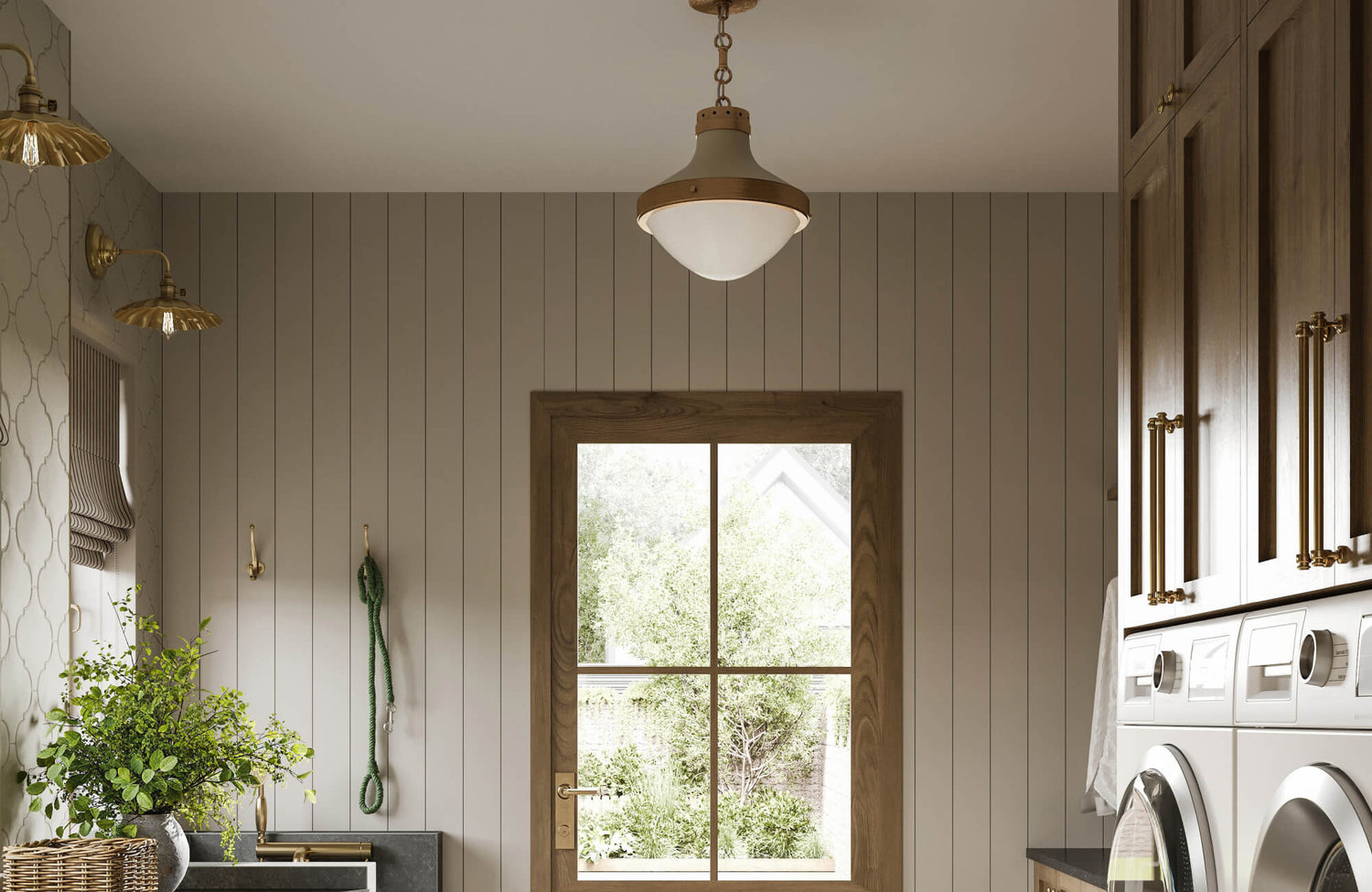
How your pendant relates to the other design elements in the entryway also matters. Matching the finish and style of your light with furniture, flooring, or decorative accents like mirrors creates a cohesive, intentional look. For example, the Hilda 12" Pendant in Distressed Bronze, as shown in the image above, complements the rustic cabinetry and checkered flooring with its warm patina and timeless form, making it both a functional light source and a statement piece. Its compact yet sculptural shape also hangs comfortably at the recommended height (at least seven feet from the floor), offering clarity without visual obstruction. With a pendant like this, you’re not just illuminating the space; you’re defining it with elegance and purpose.

Bedrooms
Pendant lights in the bedroom help craft an environment that feels restful, intimate, and tailored to your lifestyle. When used thoughtfully, they enhance functionality while freeing up space and supporting a layered lighting design that evolves with your daily routine.
One of the most practical and visually impactful changes you can make is replacing traditional bedside lamps with hanging pendants. This shift not only declutters your nightstands but also adds a vertical design element that makes the room feel taller and more refined. When positioned correctly, bedside pendants provide focused light for reading while maintaining a clear, open surface below. Just make sure their controls are easily accessible, so adjusting your lighting doesn’t require getting out of bed, whether you’re settling in with a book or winding down after a long day.
Layering your lighting is equally important. A central pendant can serve as a stylish focal point, but it works best when paired with other sources like recessed lights, sconces, or soft-glow lamps. This allows you to shift the mood based on the time of day and your activities, from bright and alert in the morning to soft and cozy at night. Opting for diffused pendant shades also helps spread the light evenly without harsh glare, contributing to a calming atmosphere that supports rest and relaxation.
Furthermore, the materials you choose play a key role in the bedroom’s mood. Warm metals such as brass or bronze add richness and warmth, while natural textures like linen, rattan, or woven fabric introduce softness and visual comfort. A great example is the Aida Pendant in Aged Brass, which combines a soft silhouette with a golden, satin finish that brings subtle elegance and warmth to the room. Its gentle glow and vintage-inspired charm work beautifully with neutral palettes and plush textiles, supporting a restful, balanced atmosphere. With a pendant like this in place, your bedroom lighting completes the space with style and serenity.

Bathrooms
Pendant lighting in bathrooms brings a sophisticated touch to a space that often leans strictly functional. When thoughtfully selected and installed with attention to safety, these fixtures can seamlessly blend elegance and practicality, supporting daily routines while enhancing the room’s overall ambiance.
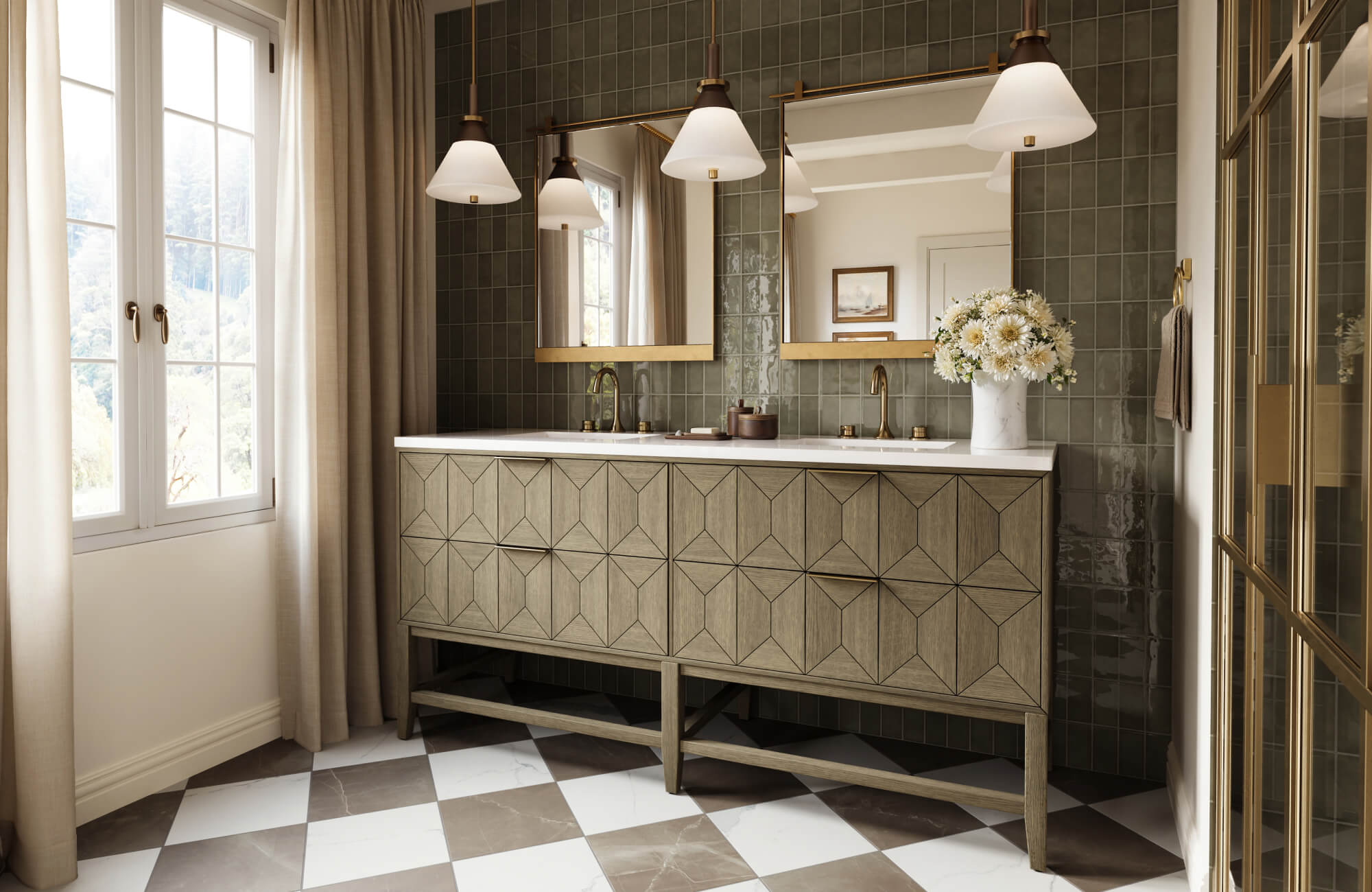
At the vanity, lighting must go beyond aesthetics. It needs to support tasks like grooming, makeup application, and skincare with clarity and precision. Placing pendants at face level on either side of the mirror offers balanced, shadow-free illumination that flatters and functions. This setup also minimizes harsh lines and ensures true-to-life color reflection. However, because of the moisture-prone environment, it's crucial to use IP-rated fixtures, ideally IP44 or higher, and to observe proper clearances from water sources. This ensures that your lighting is safe and compliant with building codes.
Incorporating a pendant over a freestanding tub also introduces a layer of visual luxury, transforming the bathroom into a spa-like retreat. It draws the eye upward and serves as a stunning focal point, especially in bathrooms where design statements are often limited. But safety remains essential too. Most codes require that pendants over tubs hang at least eight feet above the rim or be specifically rated for wet or damp areas if placed lower. Choosing sealed, moisture-resistant fixtures ensures that your space stays as safe as it is stylish.
Finally, the materials and finishes of your pendant should harmonize with the existing elements in the room. Whether it's brushed nickel hardware, marble counters, or contemporary tile, the lighting fixture should echo those materials for a unified look. Edward Martin’s Lennie 12" Pendant in Patina Brass/Bronze, for example, blends rich metallic warmth with a softly tapered glass shade, making it a refined choice for vanity lighting. As displayed in the photo above, its elegant mix of tones complements everything from wood cabinetry to tiled walls, adding depth and polish to your bathroom design. With a pendant like this, your bathroom gains timeless character and quiet sophistication to your bathroom.

Living Rooms
Pendant lighting in living rooms serves a thoughtful dual purpose: it illuminates the space while also helping to define its structure and aesthetic. Unlike fixed walls or partitions, a pendant can visually anchor a zone such as a seating area, without disrupting the openness of the room. When positioned well, it also draws attention to key furniture arrangements and adds vertical interest that enhances the overall character of the space.
Strategically placing a pendant over a central coffee table or main seating area creates a natural focal point, encouraging conversation and giving the arrangement a sense of purpose. This visual cue is especially useful in open-concept layouts where you want to subtly distinguish different zones. Just be sure to maintain a minimum of seven feet of clearance from the floor to ensure comfort and unobstructed movement. When hung at the right height, the pendant adds intimacy without intrusion.
Getting the scale right is also essential. In rooms with lower ceilings, shallow or flush-mounted pendants are ideal. They provide ambient light while maintaining an open, uncluttered feel. For taller or vaulted ceilings, a more dramatic fixture, such as the Carly 22" Pendant in Vintage Brass, can bring striking visual balance to the space. With its warm, golden hue and sculptural silhouette, this pendant adds elegance and height without overwhelming the room, making it perfect for anchoring large or open living areas.
Stylistically, the pendant should align with the room’s existing decor. Whether your space is sleek and modern or warm and rustic, choose finishes and materials that echo other elements in the room, such as metal tones, wood textures, or upholstery fabrics. A pendant that complements the surrounding furniture and decor also feels integrated, helping to tie the room together visually. For guidance in achieving that kind of design cohesion, you can turn to our expert design services, which assist with finish selection, fixture style, and spatial planning tailored to any space. With the right pendant and a thoughtful approach, your lighting becomes not just functional but a defining feature of your living space.
Lighting with Intention Elevates Every Room
Pendant lights are most impactful when they’re placed with purpose. Across kitchens, living rooms, bathrooms, and beyond, these fixtures define zones, balance proportions, and enhance the mood of a space. By considering your ceiling height, room layout, and surrounding materials, you can use pendant lighting to unify your design and express your personal style. Ultimately, when chosen and installed with care, pendant lights do more than brighten—they bring every room to life.
If you're ready to bring purposeful lighting into your space, our team is here to help. Whether you're seeking guidance on fixture selection, finishes, or placement strategies, our expert support ensures your design vision is executed with clarity and precision. Let your lighting choices reflect not just function, but thoughtful design with every detail!