A dining room rug is the foundation of your space. The right rug can instantly elevate your dining area, softening acoustics, framing your furniture, and tying every design element together. But it also carries the weight of daily life: sliding chairs, spilled drinks, and constant use. Finding one that looks stunning and lasts takes more than picking a color you love; it requires an understanding of materials, construction, and proportion.
Whether you’re setting the stage for family dinners, casual brunches, or elegant entertaining, your dining rug should strike the perfect balance between form and function. This article walks you through the essentials, from choosing the right fibers to mastering placement and care, so you can select a rug that not only complements your style but also stands up to real-life dining.

Material Durability and Maintenance Needs
Dining areas endure more wear than almost any other space. Between constant chair movement, usage, and the occasional spill, your rug needs to be more than just beautiful. It must also be resilient and easy to care for. Choosing the right material ensures that your rug remains both practical and inviting for years to come.
Wool Rugs
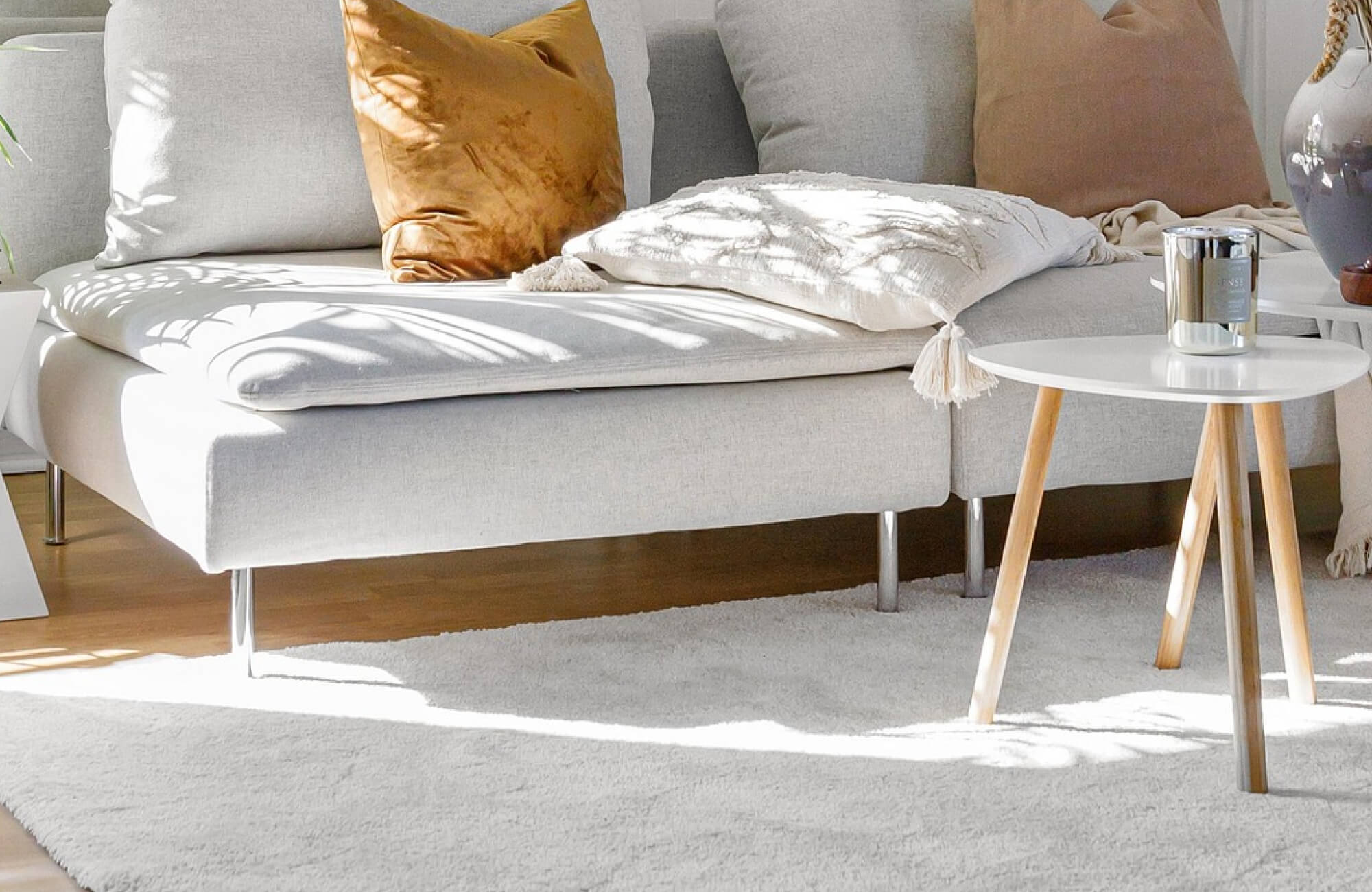
Wool remains one of the most trusted choices for dining room rugs because it strikes a balance between softness, strength, and longevity. Each fiber has a natural elasticity that allows it to spring back into shape even after being compressed by chair legs or heavy furniture. This means your rug will maintain its plush appearance longer without flattening or showing worn spots. A great example of this quality can be seen in the image above featuring our Sweeney Wool Pile Rug in Mushroom, whose soft beige tone adds a refined, versatile warmth to dining spaces. Its dense wool construction also showcases the durability and luxurious texture that make wool a favorite for both casual and formal settings.
What makes wool even more remarkable is its built-in resistance to stains and moisture. Because of its lanolin, a waxy substance that coats each strand, liquids bead up on the surface instead of soaking in right away. This gives you extra time to clean up spills before they become stains. Additionally, wool’s dense pile helps disguise dirt and crumbs, keeping your dining area looking cleaner between vacuum sessions. Although wool rugs may come with a higher price tag, their timeless beauty and endurance make them a worthwhile investment for daily dining or elegant gatherings alike.
Synthetic Fibers
If you prefer a fuss-free option that can handle everyday life, synthetic fibers such as polypropylene, polyester, and nylon offer excellent durability without the premium cost. These materials are designed to resist water, stains, and fading, qualities that make them especially suited for busy dining areas. Polypropylene, for example, naturally repels moisture and resists mildew, allowing you to wipe up spills quickly without worry.
Moreover, many synthetic rugs are solution-dyed, meaning their color runs through the entire fiber rather than just coating the surface. This process prevents fading even after repeated cleaning or exposure to sunlight. You can also use manufacturer-approved, stronger cleaning products when needed without the risk of discoloration. With their combination of style, affordability, and low upkeep, synthetic rugs make it easier to maintain a polished dining space that doesn’t demand constant care.
Natural Fibers
For those who love the raw, organic charm of natural materials, rugs made from jute, sisal, or seagrass bring warmth and texture that synthetic or wool rugs can’t quite replicate. Their tactile surfaces add visual interest and complement a wide range of dining styles, from rustic to coastal-inspired settings. These fibers are also strong and resilient underfoot, making them suitable for areas with moderate use.
However, natural fiber rugs come with a few trade-offs you’ll want to consider. Their absorbent nature makes them less forgiving when it comes to spills or moisture. A splash of wine or sauce can quickly seep in and leave a lasting mark, even with prompt cleaning. Because of this, natural fiber rugs work best in dining spaces where meals are served more formally and messes are minimal. If you’re drawn to their earthy look but want more protection, you might opt for a blend or a rug with a protective sealant to enjoy both the texture you love and a bit of added practicality.

Rug Sizing and Placement
The right rug size and placement can completely transform how your dining room looks and functions. A well-proportioned rug should anchor your table and chairs, creating a cohesive and comfortable foundation that feels both intentional and balanced. Following the “24-inch rule” ensures that your rug extends at least two feet beyond the edges of your dining table, allowing chairs to slide in and out smoothly without catching on the rug’s edge. This extra space not only maintains visual symmetry but also protects your floors from scuffs while giving the entire setup a polished, grounded appearance. When chosen thoughtfully, the right dimensions make your dining area feel inviting and proportionate, enhancing both practicality and aesthetic flow.
Equally important is how your rug’s shape and placement interact with the rest of the room. Aligning the rug’s geometry with your table, such as pairing rectangular rugs with rectangular tables or round rugs with circular ones, creates a sense of harmony that ties the space together. For square tables, either a square or round rug works, depending on whether you want structured balance or soft contrast. Finally, leaving about 12 to 18 inches of exposed flooring around the rug prevents it from feeling wall-to-wall and helps define the dining zone within an open layout. These thoughtful details make the rug feel like an intentional design choice rather than an afterthought, ensuring your dining room remains elegant, spacious, and visually seamless.
For a beautiful example of balance between proportion, color, and texture, our McGowan Polyester Polypropylene Pile Rug in Moss / Sand showcases how the right rug can complete a dining space. Its moss-green and sandy beige tones bring warmth and natural harmony to neutral interiors, complementing wood accents and soft upholstery like the ones shown in the photo above. The durable fiber blend also ensures easy maintenance while keeping the look sophisticated, proving that the perfect rug size and style can truly anchor a dining area with both beauty and practicality.

Harmonizing Color, Pattern, and Style
A dining room rug does more than simply sit beneath your table. It also defines the tone of the entire space. The right combination of color, pattern, and style ties your furnishings together and enhances the room’s personality.
Coordinating With Furniture Finishes
Your rug and furniture should work in tandem, not compete for attention. Contrast plays a vital role in achieving that visual balance. If your dining table and chairs feature dark wood tones or substantial silhouettes, a lighter or neutral-toned rug can lift the look and create a sense of openness. This balance also prevents the room from feeling visually heavy and helps accentuate the furniture’s craftsmanship.
Conversely, if your dining setup is light and minimalist, perhaps with blonde wood or white finishes, a richly colored or patterned rug can provide grounding and depth. This contrast adds warmth and anchors the space without overwhelming it. A great example is our Haverford Polyester Pile Rug in Bronze / Oat, which combines a soft bronze-beige tone with a subtle sheen that complements both modern and traditional furniture finishes. Its warm neutral shade also adds understated richness while maintaining balance, making it an excellent choice for open, airy dining rooms that need a touch of cozy sophistication.
Adapting to Lighting and Mood
Lighting dramatically affects how a rug’s color appears throughout the day. In dining rooms that are dim or used primarily in the evenings, warm shades such as ochre, rust, or terracotta can make the space feel intimate and welcoming. These tones reflect soft light beautifully, enhancing the cozy ambiance during dinners or gatherings.
In contrast, dining rooms with ample natural light benefit from cooler hues like slate, gray-blue, or sage green. These colors temper brightness, offering a soothing balance that feels fresh and relaxed. Our Broderick Polypropylene Pile Rug in Lake / Bone is a standout example, which features a tranquil blend of soft blue-gray and neutral bone tones. Its palette also adapts effortlessly to shifting daylight, maintaining a calm, elegant look whether illuminated by morning sun or evening glow.
Using Pattern for Practicality
A dining room rug must be as functional as it is beautiful, and pattern plays a key role in achieving that balance. Rugs with subtle multi-tonal or intricate woven patterns are excellent at disguising crumbs, stains, or minor spills, perfect for a space where food and drink are constantly in motion. These designs don’t just hide imperfections; they also create visual texture that enhances the room’s character. One design that captures this blend of beauty and practicality is our Marcela Cotton Blend Rug in Crimson / Navy. Its rich mix of deep red and dark blue tones adds depth and energy to a dining space while effectively concealing daily wear. The intricate weave introduces warmth and movement, making it an excellent choice for spaces that need both vibrancy and durability.
Moreover, patterned rugs wear more evenly over time compared to solid-colored options. The interplay of tones and shapes helps disguise fading or minor wear in busy areas, maintaining the rug’s polished look longer. Whether you prefer geometric motifs, abstract designs, or traditional medallions, choosing a pattern with practical depth ensures your dining rug stays stylish and forgiving, even through countless shared meals and lively conversations.

Exploring Rug Construction and Pile Height
A rug’s structure goes far beyond its surface appeal. The way it’s woven and the height of its pile determine how well it holds up to daily dining activity. From easy-glide flatweaves to cushioned plush styles, understanding construction and pile height helps you choose a rug that feels right underfoot and performs beautifully over time.
Flatweave Rugs
Flatweave rugs, such as kilims, dhurries, or soumaks, are woven without a raised pile, giving them a sleek, low-profile finish. This structure makes them an exceptional choice for dining rooms because chairs can slide across their surface effortlessly, eliminating the tug and drag that thicker rugs often cause. The firm weave also makes flatweaves less likely to trap crumbs or debris, keeping your dining area cleaner with minimal effort.
Another practical advantage of flatweave rugs is their reversibility. Since they don’t have a pile, both sides can be used, effectively doubling their lifespan. Flipping the rug seasonally not only refreshes its appearance but also evens out wear patterns from constant use and furniture placement. With their lightweight nature and timeless woven texture, flatweaves bring both style and convenience to everyday dining spaces.
Low-Pile Rugs
Low-pile rugs, typically under a quarter of an inch thick, offer an ideal middle ground between softness and function. They’re dense enough to endure the constant movement of chairs and the occasional spill, yet flat enough to make cleaning quick and efficient. This type of rug also maintains a smooth surface that resists crushing or matting, helping it look neat even with daily use. Featuring this perfect balance, our Hutchinson Polyester Face Rug in Terracotta / Denim, displayed in the picture above, demonstrates how low-pile construction can merge practicality with charm. Its rich red and muted blue tones bring warmth and character to a dining space while remaining easy to maintain, even with regular use.
Because of their subtle texture, low-pile rugs pair well with patterned designs and diverse color palettes, adding visual depth without overwhelming the room. Whether you host frequent dinners or casual family meals, this construction delivers comfort without compromising practicality. It’s the dependable option when you want a rug that performs as beautifully as it looks.
Plush or Medium Piles
Plush and medium-pile rugs introduce a touch of luxury to a dining space, offering softness underfoot and a sense of warmth that enhances the atmosphere. Their thicker fibers also help absorb sound, reducing echoes in larger or open-concept rooms. Our Mallory Wool Pile Rug in Forest beautifully illustrates this type of rug’s inviting character. With its dense wool texture and rich green hue, it adds both comfort and elegance to the room. Perfect for formal dining areas or open spaces that need a grounding element, this rug provides a sense of calm and sophistication while maintaining the plush feel that makes medium-pile rugs so appealing.
If your dining room is used primarily for special occasions or formal gatherings, a medium- or high-pile rug can elevate the ambiance without taking too much daily wear. These rugs shine in settings where visual appeal takes precedence over heavy-duty practicality. When cared for properly, they can also transform your dining area into an elegant, welcoming space that encourages lingering after every meal.

Long-Term Care Strategies for Dining Room Rugs
Keeping your dining room rug beautiful and functional over the years depends on how well you care for it after installation. Since daily use inevitably exposes it to crumbs, spills, and the constant movement of chairs, consistency is key to preserving its texture, color, and structure. To start, it’s important to act quickly when accidents happen. Addressing spills immediately helps prevent stains from setting in and protects the fibers from long-term damage. Blot gently with a clean, dry cloth, and when needed, use mild soap for deeper cleaning without compromising the material.
In addition to spot cleaning, routine maintenance plays a major role in keeping your rug in top condition. Regular vacuuming, adjusted to suit your rug’s pile height, helps remove abrasive dirt before it breaks down the fibers. For even greater convenience, consider keeping a small handheld vacuum nearby for quick touch-ups after meals. This simple habit also prevents debris buildup and keeps your rug feeling fresh between deep cleans. Finally, always follow the manufacturer’s care recommendations, especially regarding cleaning products, vacuum settings, and professional servicing intervals. Adhering to these guidelines ensures that your rug’s materials and construction remain protected, allowing it to stay as inviting and vibrant as the day you first rolled it out.
The Best Dining Room Rug Lives Well With You
The best dining room rug is one that supports your lifestyle as beautifully as it enhances your space. When material, size, design, and care come together seamlessly, the result is a rug that feels effortless yet deeply intentional. It grounds your table, softens the sounds of daily life, and transforms every meal into an experience that feels warm, comfortable, and complete. Ultimately, the best rug isn’t just one that looks good. It’s also the one that lives gracefully with you, meal after meal, year after year.
If you’re ready to find a dining room rug that perfectly fits your space and lifestyle, our team is here to help. Whether you need personalized design advice, guidance on materials and maintenance, or assistance with your order, you can easily reach us through our Contact Us page. Our specialists are happy to answer your questions and help you discover a rug that not only complements your space but also stands the test of time.