Graceful, enduring, and effortlessly sophisticated, wool rugs embody the perfect harmony between nature’s craftsmanship and timeless design. Each piece tells a story of artistry woven through generations, where organic texture meets refined comfort to elevate the character of any interior space. Beyond their visual elegance, wool rugs offer exceptional durability, sustainable sourcing, and inherent performance qualities that enhance everyday living. Their natural fibers breathe warmth and softness into modern and traditional homes alike, creating a foundation of comfort that feels both grounded and luxurious. In every sense, a wool rug is more than a floor covering—it is a statement of enduring beauty, sustainable craftsmanship, and lasting value for the contemporary home.

Natural Fiber Structure and Performance Durability
The exceptional durability of wool rugs originates from their complex fiber structure, engineered by nature for strength and flexibility. This unique composition ensures lasting performance while maintaining the luxurious softness that defines high-quality natural floor coverings.
Microscopic Fiber Composition
Each strand of wool is composed of overlapping scales that create a protective outer layer, guarding the fiber from friction and wear. Beneath this surface, the cortex provides flexibility and memory, allowing the pile to rebound gracefully after compression. The subtle crimp within the strand also traps air, giving the rug its cushioning loft while improving insulation. This interplay between structure and elasticity ensures that wool retains both resilience and plush comfort over years of use. The result is a textile that feels indulgent underfoot yet withstands daily movement without flattening or fraying. Through this microscopic architecture, wool effortlessly marries tactile softness with long-term stability.
Built-in Stain and Soil Resistance
A natural coating of lanolin envelops each fiber, forming a nearly invisible barrier that resists spills and repels dirt. When liquid contacts the surface, it beads rather than soaks in, giving you time to blot before staining occurs. The same hydrophobic layer also prevents dust from binding deeply, keeping the rug fresh with minimal effort. Because the fiber is antistatic, particles are released easily during vacuuming, preserving the rug’s vibrant appearance. Unlike synthetic finishes that degrade over time, this protection is an intrinsic part of wool’s composition. Together, these self-sustaining defenses ensure that beauty and practicality coexist in every wool rug.

Superior Thermal and Acoustic Insulation
Beyond visual appeal, wool contributes to the sensory comfort of a space by stabilizing temperature and softening ambient sound. Its natural density and air-retaining structure allow it to moderate environmental conditions in ways that synthetic materials cannot replicate.
Thermal Regulation and Energy Efficiency
Within the body of each fiber lie tiny air pockets that function as natural insulation chambers, preserving warmth in winter while remaining breathable in summer. As temperatures shift, the fiber’s hygroscopic nature enables it to absorb moisture from the air and release it gradually, creating a balanced indoor climate. This adaptive response reduces dependence on artificial heating or cooling, promoting lower energy consumption throughout the year. The insulating layer also protects subflooring from temperature fluctuations, extending the life of materials beneath. As a result, wool rugs serve as both decorative and functional energy assets within sustainable home environments. By performing this quiet, continuous regulation, wool enhances comfort while reducing environmental strain.
Acoustic Control and Ambient Tranquility
The dense pile of a wool rug acts like a natural sound absorber, transforming echo-prone rooms into spaces of calm resonance. Each interlocking fiber dissipates sound waves, reducing reverberation and creating a more grounded acoustic tone. This effect is particularly valuable in open-plan homes, where hard surfaces often amplify noise. The pliant structure also softens impact sounds such as footsteps, lending a feeling of quiet stability underfoot. In multi-story residences, wool’s sound-dampening capacity extends serenity from one level to the next.
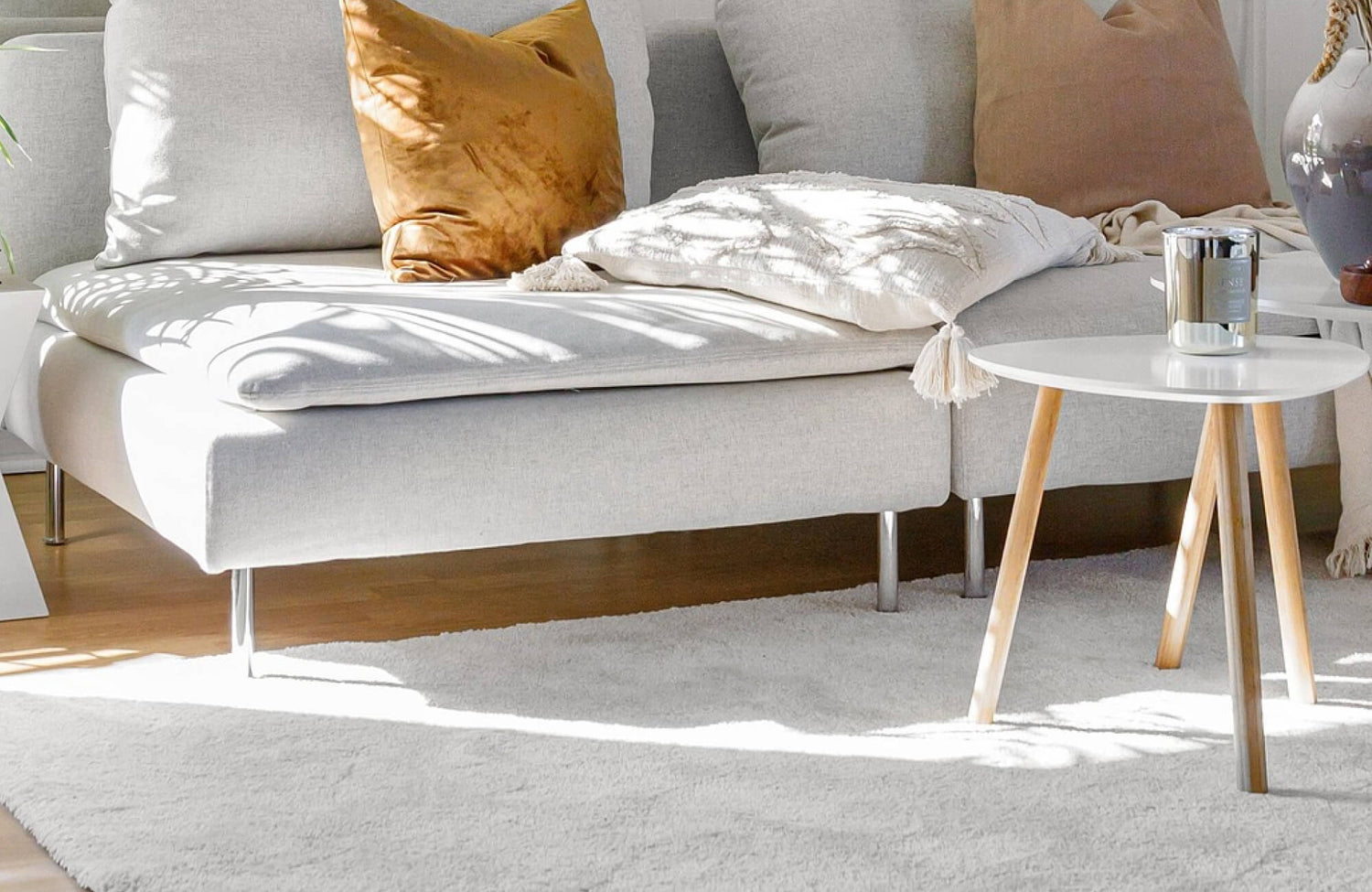
Edward Martin’s Mallory Wool Pile Rug in Khaki, as displayed in the picture above, beautifully embodies this harmony. Its dense, plush texture not only enhances warmth and softness but also absorbs ambient sound, fostering a peaceful, spa-like calm in any room. Through its intrinsic acoustic harmony, wool turns interior spaces into environments that invite rest, focus, and connection.

Sustainable and Eco-Friendly Composition
In an age of environmental awareness, wool’s renewable origin and minimal ecological footprint distinguish it as one of the most responsible flooring materials available. Its production cycle naturally aligns with principles of regenerative design and ethical consumption.
Renewable Resource and Ethical Sourcing
Wool is replenished annually through gentle shearing, a process that ensures animal welfare while providing an endless, renewable resource. Responsible farms maintain sustainable grazing systems that restore soil vitality and enhance biodiversity across landscapes. By absorbing carbon dioxide through natural pastures, these systems also help offset emissions generated elsewhere in the production chain. Because wool requires minimal chemical intervention, its cultivation remains among the cleanest in the textile industry. Every stage, from shearing to spinning, reflects a respect for ecological balance and community livelihoods. In this way, each wool rug carries within it a story of ethical craftsmanship and environmental stewardship.
Biodegradability and Low Carbon Footprint
At the end of its long lifespan, wool reenters the natural cycle through effortless biodegradation, releasing nutrients that enrich the soil rather than polluting it. Unlike synthetic carpets that linger for centuries, wool decomposes within months under the right conditions. Its production also demands significantly less fossil fuel energy, leading to a smaller carbon footprint from source to final weave. During use, wool even acts as a carbon reservoir, storing atmospheric CO₂ within its cellular structure. Many manufacturers now enhance this sustainability by using vegetable dyes and natural backings, eliminating harmful residues. Collectively, these factors make wool an exemplary model for circular and climate-positive design.

Luxurious Texture and Design Versatility
Wool’s tactile richness and adaptability to color and form make it one of the most expressive materials in interior design. Its visual warmth and dimensional depth allow it to harmonize effortlessly with a variety of architectural and decorative styles.
Texture, Color, and Light Reflection
Wool’s porous cuticle structure absorbs dyes deeply and evenly, yielding tones that remain luminous for decades without fading. The fiber’s gentle sheen scatters light softly, enhancing color vibrancy and creating a dynamic play of shadow and highlight. This quality gives rooms a sense of warmth and depth that evolves with changing daylight. Variations in pile height and weaving density also introduce tactile layers that enrich visual texture. Whether rendered in muted neutrals or bold jewel tones, each wool rug becomes a canvas of subtle movement and natural glow. Through this interplay of color and light, wool achieves a timeless harmony between material beauty and sensory comfort.
Artisanal Craftsmanship and Style Variety
Because of its flexibility and strength, wool responds beautifully to the artisan’s hand, accommodating countless weaving methods and aesthetic expressions. In hand-knotted pieces, the fiber’s elasticity allows precise tensioning, producing patterns of extraordinary clarity and durability. Hand-tufted and flatwoven styles, by contrast, highlight wool’s adaptability and its capacity for refined simplicity.
This versatility is gracefully exemplified by the Sweeney Wool Pile Rug in Mushroom. As shown in the photo above, its rich, earthy tones and handcrafted texture merge to reflect timeless artistry with a modern sensibility. This range also enables designers to create everything from heritage Persian motifs to minimalist geometric compositions. Each technique tells a story of region and tradition, linking the artistry of the maker to the sensibility of the modern home. Ultimately, wool’s versatility transforms every rug into both a functional surface and a cultural narrative.

Hypoallergenic and Indoor Air Quality Benefits
Beyond aesthetics and comfort, wool contributes actively to healthier living spaces through its natural capacity to filter and neutralize airborne pollutants. Its organic chemistry fosters cleaner, fresher interiors without synthetic treatments.
Allergen Absorption and Air Filtration
The surface scales of wool fibers act as micro-traps, capturing dust, pollen, and fine particles that would otherwise circulate through the air. Once embedded, these particulates remain contained until removed by vacuuming, reducing airborne irritants within the environment. Because wool carries very little static charge, it also attracts fewer pollutants than synthetic flooring, helping maintain steady indoor freshness. This passive filtration improves respiratory comfort and contributes to a balanced microclimate in living areas.
As featured in the picture above, our Mallory Wool Pile Rug in Aloe beautifully illustrates this benefit. Its soft, muted green hue brings a calming natural energy to kitchens and living spaces while quietly supporting cleaner, fresher indoor air. Over time, the continuous absorption cycle subtly purifies the surrounding air, complementing other indoor wellness practices. As a result, wool rugs serve not just as décor but as quiet guardians of cleaner home air quality.
Resistance to Mold, Bacteria, and Odors
The keratin protein that forms wool’s foundation naturally resists bacterial colonization and prevents mold from taking root. Its capacity to absorb ambient moisture without retaining dampness creates an environment inhospitable to microbial growth. As humidity fluctuates, the fiber breathes—drawing in moisture when the air is heavy and releasing it when conditions dry—maintaining equilibrium. This dynamic moisture exchange also limits the formation of unpleasant odors, keeping interiors fresh even in humid climates. Wool’s amino acids neutralize many common household smells by chemically binding with odor molecules. Through this constant self-balancing process, wool sustains both cleanliness and comfort within the home.

Longevity and Value Retention
Wool rugs embody the rare combination of enduring strength and evolving beauty, ensuring that their aesthetic and material worth deepen over time. Their ability to age gracefully transforms them from simple furnishings into lasting investments.
Long-Term Structural Integrity
Wool fibers possess a natural spring-like elasticity that allows them to recover from pressure, preventing permanent flattening and pile loss. This resilience enables the rug to maintain fullness and comfort even after years of daily use. When cared for through periodic rotation and professional cleaning, the fibers rejuvenate easily, restoring the rug’s original texture and sheen. In addition, the material’s thermal stability guards against brittleness and fiber fatigue, further extending its lifespan. Because wool resists stretching and tearing, it also remains structurally consistent even under heavy furniture. Over decades, this innate durability secures wool’s reputation as one of the most reliable and enduring floor coverings available.
Investment and Heritage Value
Beyond functionality, wool rugs accumulate aesthetic and sentimental value that often transcends generations. The gentle patina that develops with time enhances their character, revealing the story of craftsmanship and use. This natural aging process also deepens color tones and softens texture without diminishing integrity, giving each piece a distinct signature. As families pass them down, these rugs become heirlooms that preserve both artistry and memory. Their continued desirability in global markets underscores their capacity to retain, and often increase, in worth. Investing in a wool rug, therefore, is not merely a design decision—it is an enduring commitment to quality, heritage, and timeless beauty.
Enduring Elegance in Every Thread
Wool rugs continue to define luxury and longevity through their seamless blend of natural performance, sustainable sourcing, and timeless design. Their enduring strength, soft texture, and organic resilience make them an investment that matures beautifully with age. Each fiber tells a story of craftsmanship and care, preserving the artistry of handwoven traditions while meeting the needs of modern living. Beyond aesthetics, wool’s eco-friendly composition and hypoallergenic properties also contribute to healthier, more energy-efficient homes. Its ability to harmonize with both minimalist and opulent interiors ensures lasting relevance across evolving design trends.
For those seeking to translate this timeless elegance into their own interiors, Edward Martin’s design services offer personalized guidance in selecting the perfect wool rug for any aesthetic or lifestyle. From bespoke consultations to curated material pairings, our experts help you craft a space that reflects both beauty and purpose. To begin your design journey, we invite you to contact us and discover how thoughtful craftsmanship and inspired design can transform your home!