Vinyl plank flooring has become one of the most practical and versatile choices for modern commercial interiors. Known for its durability, realistic textures, and cost efficiency, it offers a balance of style and performance that suits everything from offices to hospitality spaces. In this guide, we’ll take a closer look at why vinyl plank works so well in commercial settings, where it performs best, and when other materials like porcelain or ceramic tiles may be the better long-term investment.

Exploring Vinyl Plank Flooring in Commercial Design
Vinyl plank flooring has quickly become a favorite among business owners and designers who want flooring that’s both stylish and dependable. It’s known for offering the look of natural materials while holding up to the everyday demands of busy commercial spaces. Whether used in offices, retail stores, or hospitality settings, it strikes the right balance between function and design.
What Vinyl Plank Flooring Is Made Of
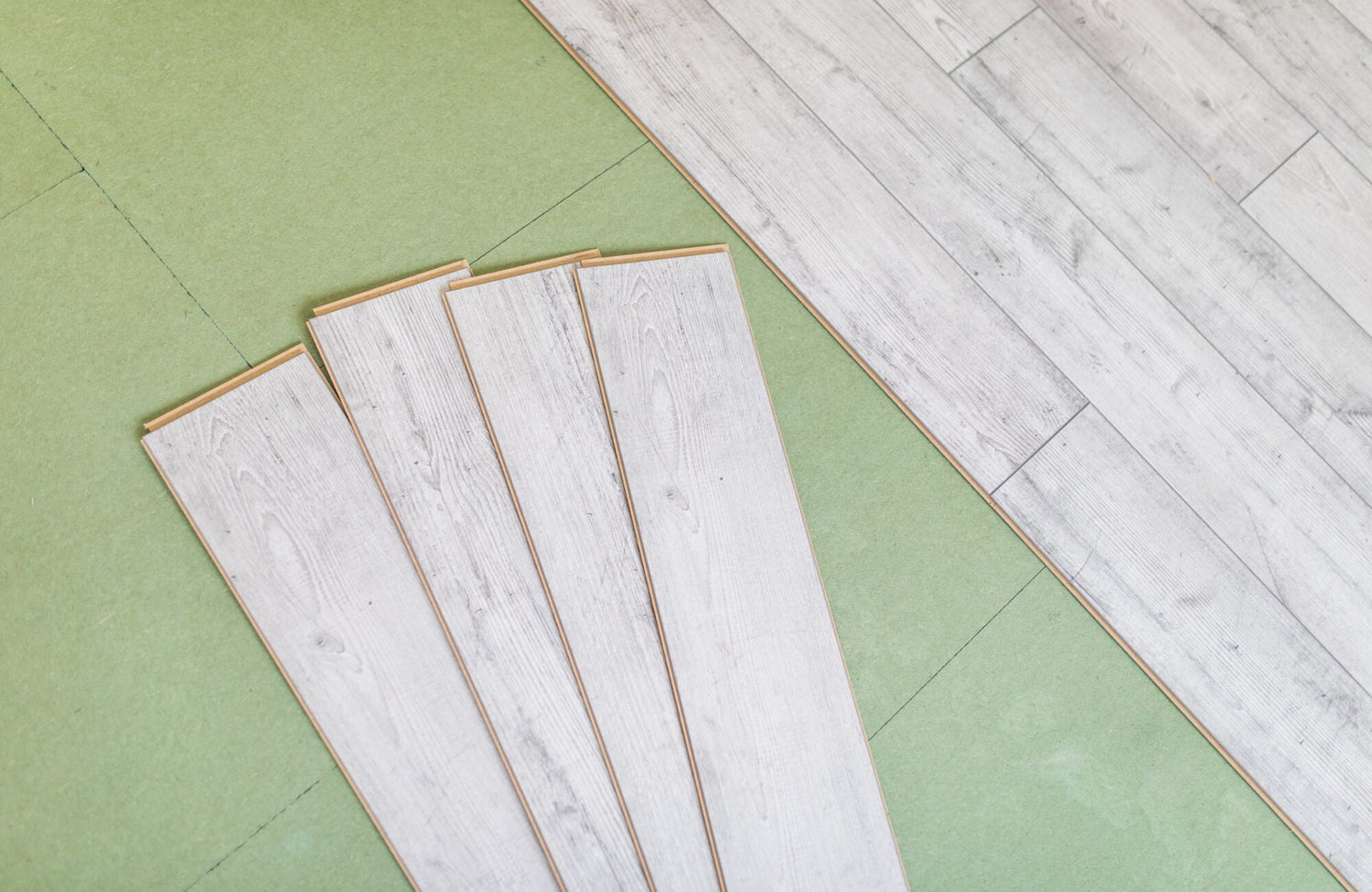
Vinyl plank flooring is built in layers, each serving a specific purpose for stability, comfort, and longevity. It typically includes a wear layer on top for scratch and stain resistance, a printed design layer that mimics natural wood or stone, and a waterproof core made from PVC or composite material. Some planks also include an underlayment for added sound absorption and comfort underfoot. This multi-layer structure makes it ideal for busy commercial spaces that demand both durability and easy maintenance.
Why It’s Gaining Popularity in Commercial Interiors
The rise of vinyl plank flooring in commercial design is largely due to its ability to deliver a premium look without the high cost or upkeep of natural materials. Businesses appreciate how it combines practicality with aesthetic value, offering wood-like or stone-like finishes that fit seamlessly into both modern and traditional interiors. It’s also highly adaptable, capable of handling the demands of busy areas like lobbies, corridors, and workspaces while maintaining a consistent appearance. Many architects and designers favor vinyl plank for its balance of comfort, resilience, and visual warmth.
Types of Vinyl Plank: SPC, WPC, and LVT
Vinyl planks come in three main types: SPC (Stone Plastic Composite), WPC (Wood Plastic Composite), and LVT (Luxury Vinyl Tile), each offering unique benefits. SPC flooring has a rigid core made from limestone and stabilizers, giving it excellent dent resistance and dimensional stability under heavy loads. WPC features a foamed core, making it slightly softer and more comfortable for long-standing periods. LVT, while thinner and more flexible, offers exceptional design variety and realistic surface textures. Choosing between these types depends on the level of usage, desired comfort, and design priorities within the commercial environment.

Key Advantages of Using Vinyl Plank in Commercial Spaces
Vinyl plank flooring stands out as a smart choice for businesses that need flooring built to last without compromising on appearance. It delivers dependable performance while keeping a clean, modern look that fits effortlessly into many commercial settings. Its ability to handle everyday activity while maintaining style is what makes vinyl plank such a reliable option for today’s commercial environments.
High Durability and Wear Resistance
As mentioned earlier, one of vinyl plank’s biggest strengths is its resilience against wear and tear. Its thick wear layer protects against scratches, scuffs, and impact from constant use, making it suitable for areas where durability matters most. The layered construction also prevents warping or cracking, even under temperature fluctuations or heavy equipment. Many products feature commercial-grade coatings that keep surfaces looking new for years. This level of endurance ensures that floors stay functional and visually appealing even in fast-paced environments.
Realistic Textures and Design Versatility
Vinyl plank is designed to replicate the look and feel of natural materials, giving businesses the flexibility to match their brand aesthetic. The printed layer beneath the protective surface captures realistic wood grains, stone veining, or custom patterns with impressive precision. Advanced embossing techniques add depth and texture, making each plank visually dynamic and authentic. This variety allows designers to choose from rustic, modern, or minimalist styles without compromising practicality. With so many options available, vinyl plank can adapt to any commercial design vision.
Easy Maintenance and Cost Efficiency
Maintenance is another area where vinyl plank stands out. It requires only regular sweeping and occasional mopping to maintain its clean, polished look, reducing long-term maintenance costs. The waterproof surface prevents stains and moisture damage, which is especially useful in kitchens, restrooms, or lobbies. Because installation is generally straightforward, businesses can save on labor expenses as well. Altogether, vinyl plank offers both short- and long-term savings without sacrificing quality or appearance.
Comfort and Acoustic Benefits for Busy Spaces
In addition to durability, vinyl plank provides comfort underfoot, which makes a noticeable difference in work environments. Its slightly cushioned feel reduces fatigue for employees who spend hours standing, such as in retail or healthcare spaces. Some versions also include built-in underlayment that helps absorb sound and minimize noise levels across open areas. This feature improves the overall atmosphere, creating quieter and more comfortable workplaces. By supporting both comfort and productivity, vinyl plank contributes to a more enjoyable and efficient commercial setting.

Limitations and Considerations Before Installation
While vinyl plank flooring offers many strengths, it’s still important to understand a few practical considerations before installing it in a commercial setting. Every material has limits, and knowing these in advance helps ensure the flooring performs well for years.
Subfloor Preparation and Installation Challenges
For vinyl plank to look and perform its best, the subfloor must be smooth, clean, and level. Any bumps, cracks, or debris beneath the planks can affect the final appearance and stability once installed. This preparation step can take extra time and sometimes adds to project costs, but it’s essential for achieving a secure, seamless finish. Uneven foundations may cause lifting or gaps that shorten the lifespan of the flooring. Ensuring the surface is well-prepared helps prevent these problems and keeps the installation stable and long-lasting.
Fading and Surface Wear Over Time
Like most flooring materials, vinyl plank can show signs of fading or wear with long-term exposure to direct sunlight and constant movement throughout the space. Although modern coatings help minimize discoloration, areas near large windows or entryways may still experience gradual color shifts. High-activity zones, such as hallways and reception areas, can also lose some sheen over time. Regular maintenance, including rotating rugs or using blinds, can help slow these effects.
Environmental Concerns and VOC Emissions
Some types of vinyl plank can release volatile organic compounds (VOCs), especially during the first few days after installation. These emissions can contribute to mild odors or air quality concerns if the space isn’t well-ventilated. Fortunately, many manufacturers now produce low-VOC or certified eco-friendly options that are safer for enclosed environments like offices or retail stores. Checking product certifications before purchase ensures healthier indoor air quality and supports sustainability goals. Businesses that value eco-conscious design often prefer these improved formulations for both comfort and responsibility.
Lifespan Compared to Natural Materials
While vinyl plank is durable and easy to maintain, it generally doesn’t last as long as natural materials such as stone or solid hardwood. Over time, the surface layer may gradually lose its texture or gloss with repeated use. However, given its lower upfront cost and simple replacement process, many businesses find the trade-off worthwhile. Choosing a thicker wear layer and higher-quality construction can also extend the floor’s usable life significantly. When maintained properly, vinyl plank remains an affordable and dependable choice that balances performance with practicality.

Comparing Vinyl Plank to Other Materials
Choosing the right flooring for a commercial space often comes down to balancing appearance, performance, and maintenance. While vinyl plank is a popular and reliable option, it’s helpful to understand how it measures up against other common materials used in professional environments.
Vinyl Plank vs. Laminate
Both vinyl plank and laminate flooring offer attractive designs at a budget-friendly price, but they differ significantly in performance. Vinyl plank is fully waterproof, making it better suited for spaces like lobbies, kitchens, or restrooms where spills or cleaning are frequent. Laminate, while durable on the surface, can swell or warp if exposed to standing water. When it comes to upkeep, vinyl plank requires minimal effort; for example, regular sweeping and mopping are usually enough. Laminate may need more careful maintenance to preserve its finish, which makes vinyl the more practical option for busy commercial spaces that value convenience.
Vinyl Plank vs. Hardwood
Hardwood flooring is timeless and luxurious, but it comes with higher costs and greater maintenance needs than vinyl plank. Modern vinyl options closely mimic the texture and grain of real wood, offering similar visual warmth at a fraction of the price. While hardwood can last for decades when properly maintained, it’s also more vulnerable to moisture, dents, and scratches in active commercial environments. Vinyl, on the other hand, provides consistent durability and resistance to wear while keeping a refined, natural look. For businesses seeking style without the upkeep of solid wood, vinyl plank delivers a cost-effective and dependable alternative.
Vinyl Plank vs. Carpet Tile
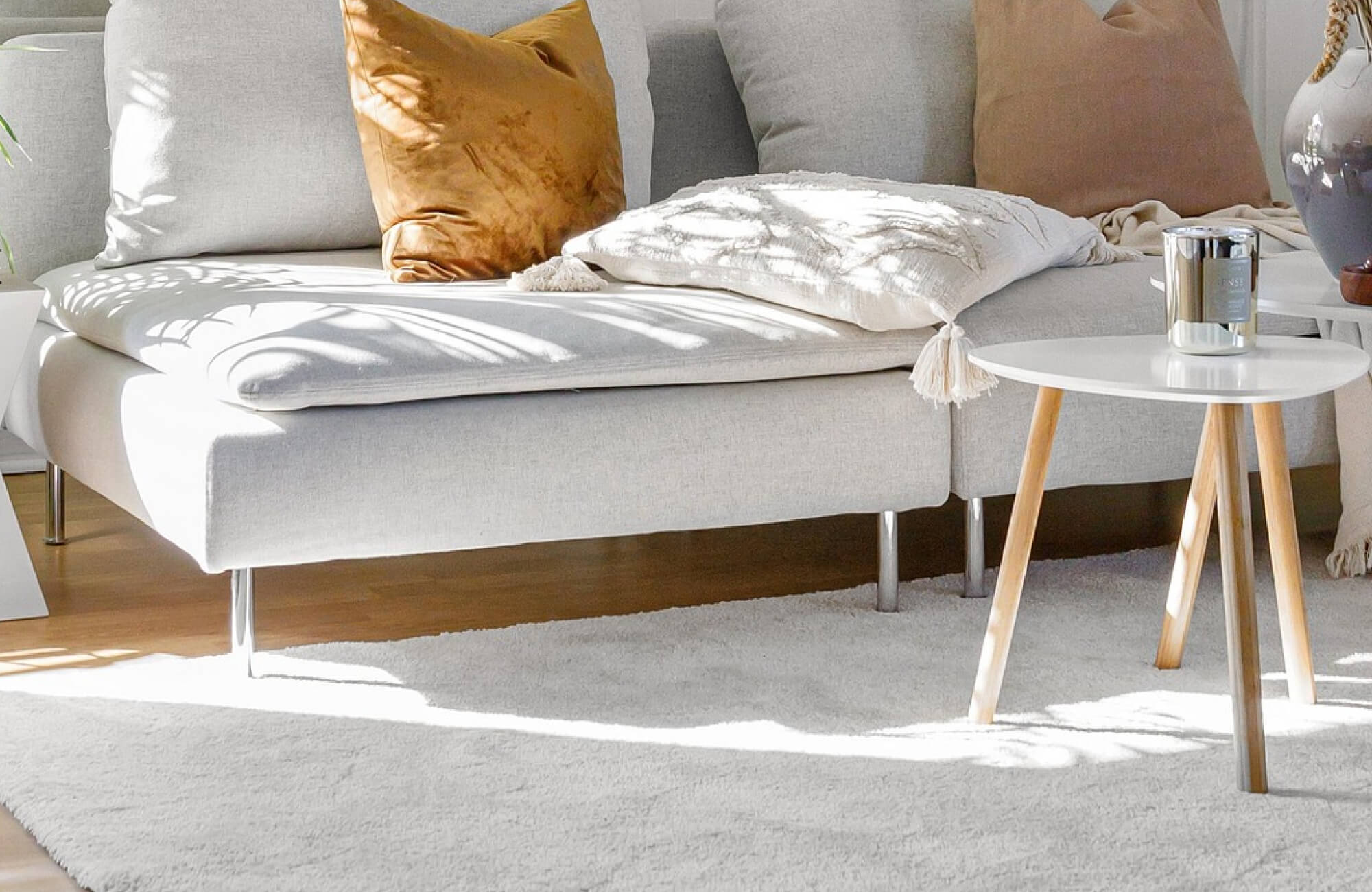
Carpet tiles bring softness and warmth to offices and hospitality settings, but they require more maintenance and can trap dirt over time. Vinyl plank provides a cleaner, low-maintenance solution that still supports comfort and sound control, especially when installed with an acoustic underlayment. While carpet tiles excel at noise reduction, they may need frequent deep cleaning in areas with steady movement throughout the day. Vinyl’s smooth surface is easier to sanitize and keeps its appearance longer in active spaces. Ultimately, the choice depends on the desired balance between comfort, cleanliness, and durability, and vinyl plank suits areas that need both practicality and modern design.

Porcelain and Ceramic Tiles as Strong Alternatives
Porcelain and ceramic tiles are known for their strength, longevity, and classic appeal in commercial design. They hold up beautifully under daily use while keeping a refined, professional look. For businesses that value both durability and timeless style, these tiles offer a dependable solution that lasts for years.
Why Porcelain and Ceramic Excel in Commercial Settings
Porcelain and ceramic tiles are built to endure, making them a reliable choice for busy public and professional environments. Their dense, nonporous surfaces resist stains, moisture, and wear even in areas exposed to constant cleaning or heavy use. They also perform exceptionally well under fluctuating temperatures and humidity, which is ideal for entryways or kitchens. Many commercial facilities prefer tiles because of their strength, stability, and ease of sanitation. With proper installation, they can last for decades while preserving their original finish and texture.
Comparing Tile Durability to Vinyl’s Resilience
Tiles surpass vinyl plank in long-term durability, especially in spaces that experience consistent use or moisture exposure. While vinyl plank can handle everyday wear, porcelain and ceramic tiles are nearly impervious to scratches and water damage. Their hard, fired surfaces maintain their structural integrity under demanding conditions where vinyl might eventually show signs of wear. Additionally, tiles resist discoloration from UV light, making them suitable for well-lit or open commercial interiors. This superior resistance allows tile floors to maintain both function and beauty even in high-demand settings.
Style Variety and Maintenance Benefits
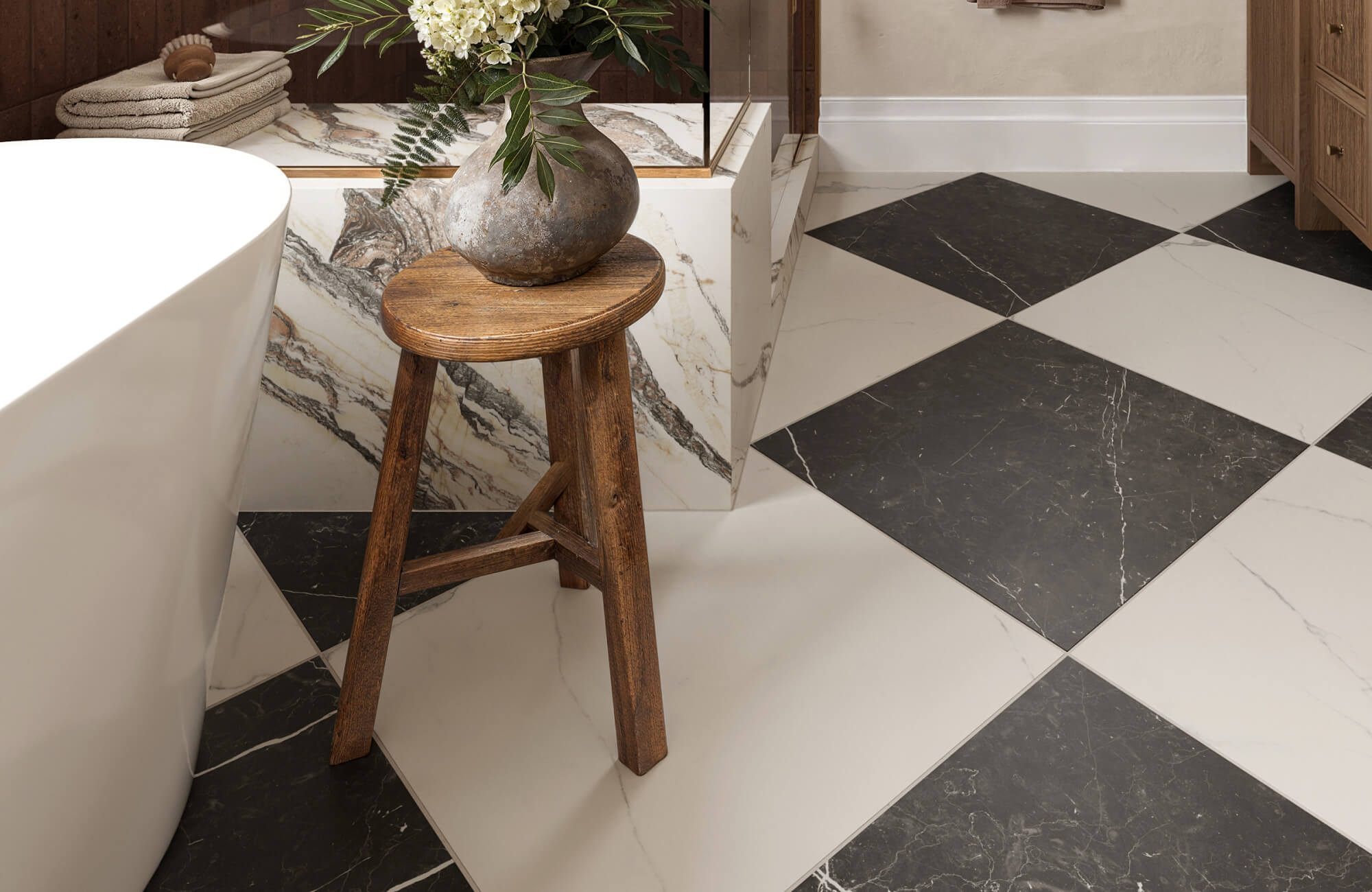
Modern porcelain and ceramic tiles come in a wide range of styles, from sleek minimalist looks to natural stone and wood-inspired patterns, as seen above with our Chantel 24x48 Polished Porcelain Tile in Imperial. Their versatility makes it easy to complement any design concept, whether it’s contemporary, rustic, or industrial. Another great thing is that cleaning is straightforward; most spills and debris can be wiped away without leaving stains or residue. Tiles are also hypoallergenic and resistant to bacteria, making them an ideal fit for businesses that prioritize hygiene. With minimal maintenance, they continue to look polished and professional for many years.
When to Choose Tile Over Vinyl
Porcelain and ceramic tiles are best suited for commercial spaces that demand exceptional endurance and a more permanent finish. They’re ideal for lobbies, restrooms, and kitchens where frequent cleaning and moisture exposure are part of daily operations. Businesses seeking a high-end aesthetic or long-term investment often find tile to be the better match for their goals. However, for areas requiring softer flooring or faster installation, vinyl plank remains a practical alternative. Choosing between the two ultimately depends on the desired balance between lasting durability and overall comfort.
Creating a Durable and Stylish Commercial Space
Vinyl plank flooring has become a dependable choice for commercial interiors, combining practicality with a clean, modern aesthetic. Its layered design offers the durability needed for daily use while maintaining a warm, professional appearance that complements a variety of business settings. From offices to retail spaces, it delivers comfort, resilience, and design flexibility that align well with modern commercial needs. However, for businesses looking for an alternative with exceptional longevity and a more permanent finish, porcelain or ceramic tiles remain the top contenders for strength and timeless appeal.
If you’re planning to upgrade or redesign your commercial space, consider booking a design consultation to explore flooring options tailored to your business. Our team can guide you in choosing materials that suit your brand, daily operations, and long-term goals. Whether you prefer the practicality of vinyl or the lasting refinement of tile, expert planning ensures your commercial space achieves the perfect balance of durability, function, and visual impact.