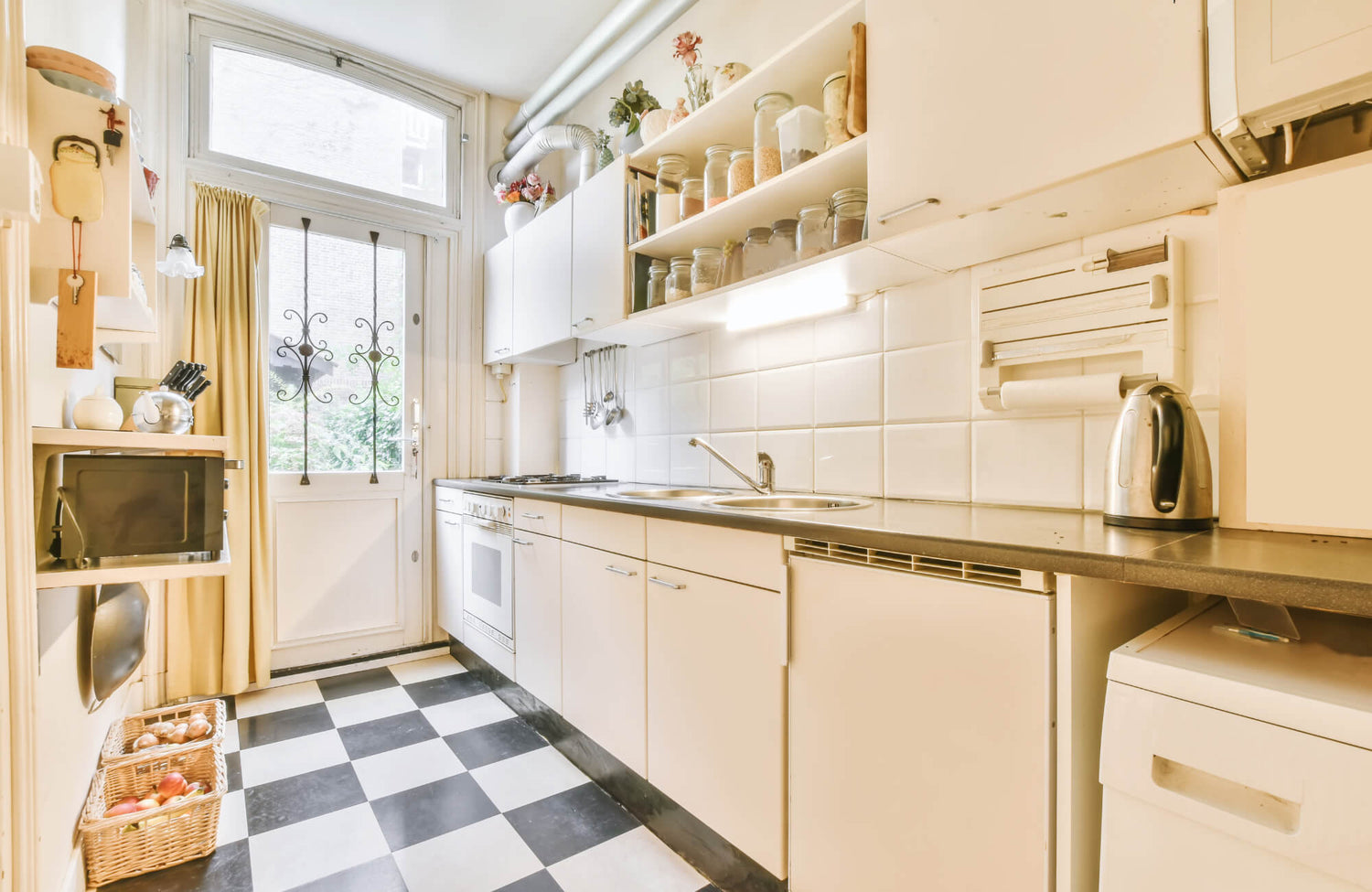
A black and white tile floor makes a bold, timeless statement, it’s crisp, modern, and effortlessly chic. Yet this striking contrast can also leave a space feeling a bit cold or stark, especially in homes where comfort and coziness are essential. Fortunately, it’s entirely possible to preserve that sophisticated aesthetic while infusing the room with warmth, texture, and personality.
Whether your space is a kitchen with vintage checkerboard tiles, a contemporary bathroom, or a classic entryway, the key lies in layering softer hues, natural materials, and thoughtful lighting. In this guide, we’ll explore practical and design-savvy ways to warm up a room with a black and white tile floor, creating a look that feels balanced, inviting, and unmistakably you.

Introduce a Softer, More Inviting Color Palette
Before diving into materials and textures, start by setting the tone with color. The right palette can instantly transform a stark black and white space into something warm, balanced, and inviting. By introducing softer, more organic hues, you’ll lay the foundation for every cozy layer that follows.
Embrace Warm Off-Whites and Creamy Neutrals
Start by softening your wall color. While bright white can accentuate the contrast of black and white tiles, it can also make the room feel sterile. Instead, choose warmer off-whites, creams, or soft beige tones.
Consider shades like antique white, linen, or ivory, they maintain the light, airy quality of white while adding subtle warmth. These hues reflect light beautifully and create a seamless transition between the floor and surrounding décor.
If you prefer a bit more depth, pale greige or taupe walls pair wonderfully with black and white floors, offering just enough warmth without overwhelming the palette.
Layer in Rich Earthy and Nature-Inspired Tones
To counterbalance the monochrome foundation, layer in earthy colors drawn from nature. Think terracotta, olive green, warm caramel, or muted mustard. These tones ground the room and add visual interest without clashing with the flooring.
As seen above with Edward Martin’s Leona 24x24 Checkerboard Matte Porcelain Tile in Calacatta and Nero Marquina, introducing natural warmth through color and material enhances the timeless beauty of a black-and-white floor. The marble-inspired veining in these tiles pairs effortlessly with earthy accents, like wood, clay, and greenery, creating a harmonious balance between classic contrast and organic calm.
For example, in a black-and-white kitchen, wooden open shelving with clay pottery and plants instantly brings the space to life. In a bathroom, soft sage towels and a bamboo bath mat introduce warmth and a spa-like serenity. The trick is to mix these tones subtly throughout, through artwork, upholstery, or decorative accents, so they appear cohesive rather than abrupt.
Use Deep Jewel Tones for a Touch of Luxury
If you love bold color, jewel tones like emerald green, deep teal, ruby red, or navy blue add dramatic warmth and elegance. These hues pair beautifully with black and white, creating a luxurious balance that feels curated and intentional.
Consider an emerald velvet armchair against a black and white tiled entryway, or navy cabinetry with brass hardware in a kitchen. Jewel tones also photograph beautifully under warm lighting, making them ideal for statement-making yet cozy interiors.

Incorporate the Natural Warmth of Wood and Woven Materials
Once your color palette feels calm and cohesive, the next step is to add warmth through natural elements. Wood and woven textures bring depth and an organic touch that beautifully offset the crisp contrast of black and white tiles. These materials instantly make any space feel more grounded and welcoming.
Choose Furniture with Warm Wood Tones
Opt for furniture in walnut, oak, or cherry wood finishes to introduce natural warmth. Even a small piece, like a console table or dining chair, can shift the room’s temperature visually.
If your flooring dominates the visual field, try a wood-framed mirror, floating shelves, or a butcher-block countertop to break up the black-and-white palette.
In minimalist or mid-century interiors, wood’s organic grain contrasts beautifully with geometric tiles, creating a sense of balance between natural and manmade materials.
Layer in Woven Textures Like Rattan and Jute
Woven textures like rattan, bamboo, jute, and seagrass infuse a relaxed, organic quality that softens the tile’s rigidity. When paired with the refined contrast of Edward Martin’s Leona 12x12 Checkerboard Matte Porcelain Tile in Calacatta and Nero Marquina, as shown in the space above, the blend of natural fibers and marble-inspired porcelain creates a perfect balance of warmth and structure.
Consider a jute area rug, woven baskets for storage, or rattan bar stools around a kitchen island. These materials add not only warmth but also texture, key to making a monochrome space feel dynamic and lived-in. Even smaller accents, such as woven trays or pendant lamp shades, can subtly shift the ambiance toward cozy and natural without detracting from the timeless beauty of the tile.
Don’t Forget About Leather’s Timeless Appeal
Leather introduces both warmth and sophistication. Whether it’s a caramel-toned sofa, cognac dining chairs, or a leather-wrapped accent stool, the material brings tactile richness and deep, earthy color to a room.
For an extra layer of comfort, pair leather with soft throws or patterned cushions to create a visually balanced, inviting atmosphere. Its ability to age gracefully adds character over time, an especially charming contrast to the clean lines of a tiled floor.

Soften the Space with a Foundation of Textiles
After incorporating natural materials, it’s time to focus on comfort. Textiles, like rugs, curtains, and throws, add softness, movement, and warmth that visually balance the coolness of tile. Layering these pieces not only enhances coziness but also adds personality and dimension to your design.
Select the Right Area Rug to Anchor the Room
A rug is often the single most transformative element you can add to a tiled floor. It softens sound, adds comfort underfoot, and visually anchors the furniture.
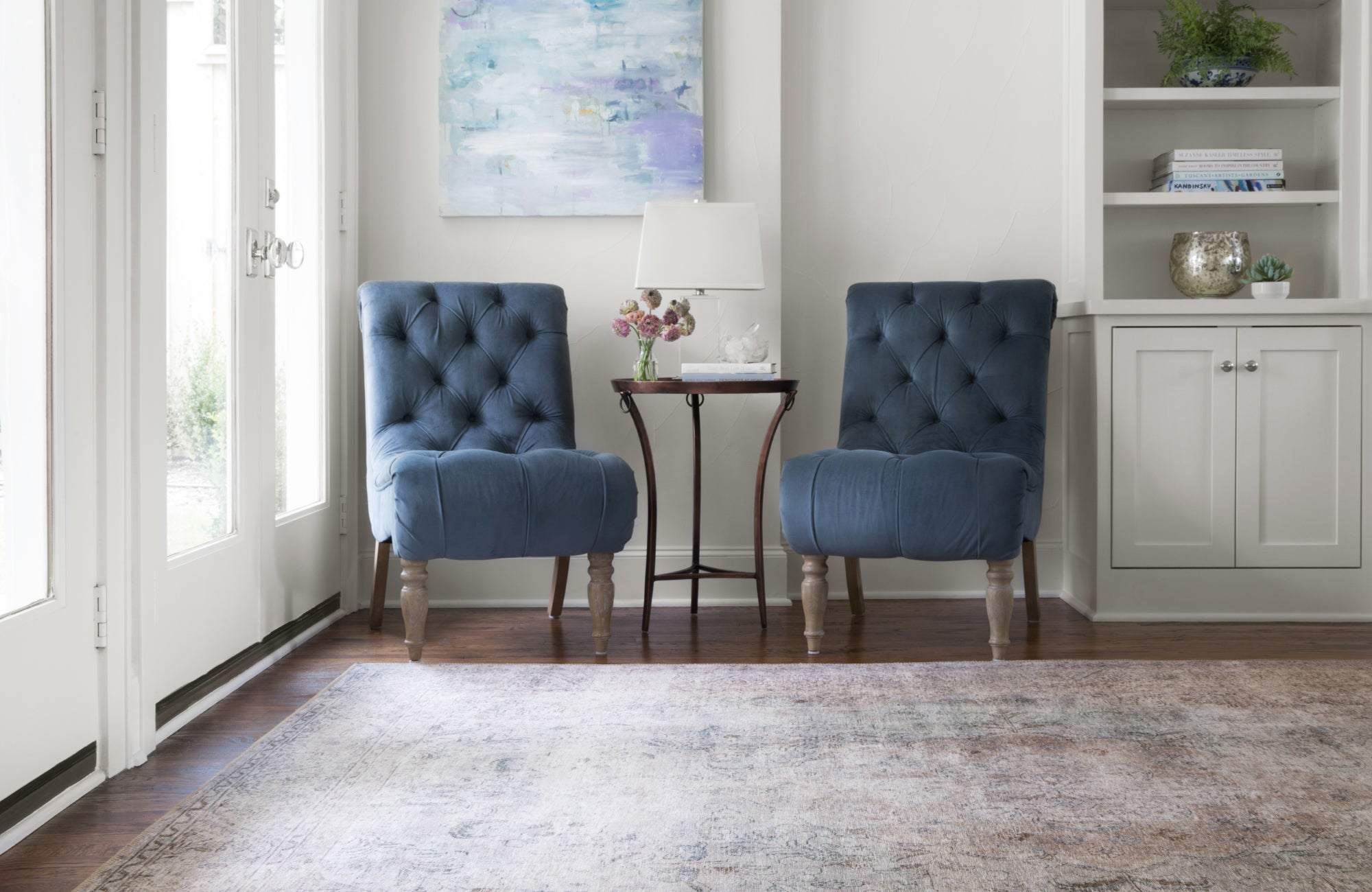
For a black and white floor, choose a rug that introduces warmth without clashing with the existing pattern. Look for rugs in neutral earth tones, muted reds, terracotta, or dusty blues. Persian-style or Moroccan rugs with intricate, warm-toned patterns can add instant depth and charm.
If you prefer minimalism, opt for a solid rug in a textured weave, like wool or sisal, to create warmth through material rather than color.
Frame Your Windows with Warm and Weighty Curtains
Bare windows can make a room feel unfinished and echo-prone. Heavy curtains or soft drapes not only provide privacy but also introduce vertical warmth.
Choose fabrics like linen, velvet, or cotton blends in warm hues such as oatmeal, sand, or rust. Even if you prefer light filtering, opt for double-layered treatments, a sheer inner curtain paired with a heavier outer drape, to achieve both function and style.
Curtains that puddle slightly at the floor lend a cozy, inviting softness, while brass or wooden curtain rods add a subtle touch of warmth.
Pile on the Pillows and Chunky Knit Throws
Never underestimate the power of throw pillows and blankets. They’re an easy, low-commitment way to add color, texture, and warmth, especially when paired with the natural sophistication of Edward Martin’s Wren 12x12 Checkerboard Grip 2cm Porcelain Paver Tile in Charcoal & Oat, as seen above. The subtle matte finish and soft contrast of these porcelain pavers create a grounded, inviting base that perfectly complements tactile layers and cozy fabrics.
Mix and match materials like velvet, bouclé, wool, and linen to create tactile contrast. Stick to a palette that complements the floor’s neutrality but leans warm: think rust, olive, ochre, or plum. In living areas, drape a chunky knit throw over a sofa arm or chair to soften sharp lines. In bedrooms or outdoor lounges, layering quilts and textured cushions transforms a sleek, checkerboard scheme into a cocoon of comfort.

Harness the Power of Strategic and Warm Lighting
With your colors, textures, and textiles in place, lighting becomes the final ingredient that ties everything together. The right lighting enhances warmth, highlights your design choices, and transforms how the entire space feels after sunset. Thoughtful illumination ensures your black and white room glows with comfort and character.
Use Warm White Light Bulbs Everywhere
Start with your bulbs. The color temperature of light dramatically affects a room’s warmth. Choose bulbs in the 2700K to 3000K range, often labeled as “warm white.”
These bulbs emit a soft, golden glow that enhances warm tones and flatters skin and surfaces. Avoid “daylight” or “cool white” bulbs, they tend to emphasize the contrast of black and white, making the space feel colder.
Consistency is key: using the same temperature across all fixtures prevents uneven color casts that can disrupt the room’s visual harmony.
Create a Layered Lighting Scheme
Relying on a single overhead fixture can leave a room feeling flat. Instead, aim for layered lighting, a thoughtful mix of ambient, task, and accent lighting that adds depth and dimension to your space. When paired with the subtle elegance of Edward Martin’s Leona 12x12 Checkerboard Matte Porcelain Tile in Calacatta and Amani Grey, as shown above, the interplay of light across the matte surface enhances both texture and warmth, giving the room a polished yet inviting atmosphere.
Ambient lighting sets the base, think ceiling lights, chandeliers, or flush mounts that evenly illuminate the space. Task lighting provides focused brightness for activities, such as table lamps, under-cabinet strips, or reading lights. Accent lighting, like wall sconces or picture lights, draws attention to architectural details, artwork, or textured finishes.
By layering these sources, you can easily shift the mood, bright and functional during the day, soft and intimate after dark, creating a balanced, harmonious environment that complements the timeless sophistication of the checkerboard tile.
Choose Light Fixtures with Warm Materials
Fixtures themselves can reinforce warmth. Look for designs incorporating brass, bronze, wood, or woven shades rather than chrome or stainless steel.
A brass pendant light over a dining table or wall sconces with linen shades can instantly elevate the room’s tone. Even minimalist fixtures with soft matte finishes in gold or bronze help counterbalance the black and white foundation.
Lighting isn’t just functional, it’s one of the most powerful design statements you can make in a monochrome space.
A Perfect Balance of Cool Chic and Warm Comfort
A black and white tile floor doesn’t have to feel stark or uninviting. With the right mix of soft neutrals, warm materials, and layered lighting, you can transform its bold contrast into a timeless foundation that feels both sophisticated and cozy. Thoughtful design choices, like wood tones, textiles, and ambient lighting, add texture and balance, creating a space that feels effortlessly stylish and lived in.
To make the design process seamless, Edward Martin’s Augmented Reality (AR) Visualization Tool lets you preview tiles in your own space before committing, helping you see how color and pattern interact with your lighting and décor. Once you’ve found the perfect fit, ordering an Edward Martin tile sample lets you experience the texture and finish firsthand, ensuring your final choice looks as warm and inviting in reality as it does on screen.