Choosing the right rug size can completely transform how a space looks and feels. The right dimensions create visual balance, define distinct areas, and bring furniture pieces together in a natural, cohesive way. A 10x10 rug, with its generous square shape, can either feel perfectly proportioned or slightly overpowering, depending on the room and layout. Knowing where and how it works best allows you to make thoughtful, confident decisions before you bring one into your home.
In this article, we’ll take a closer look at how a 10x10 rug performs across different rooms, from living spaces and bedrooms to dining areas and entryways. You’ll discover practical placement strategies, design insights, and styling ideas to help you make this size feel seamlessly integrated into your home’s overall look.

The Rug Proportion and Room Scale
Before deciding whether a 10x10 rug is right for your space, it’s equally important to understand how rug scale influences overall proportion. The correct size can bring a room together, creating harmony between furniture and flooring, while the wrong one can disrupt that balance and make the space feel awkward or unfinished.
Reading the Room’s Dimensions
Begin by measuring both the overall size of your room and the main furniture arrangement. Leaving about 12 to 18 inches of visible floor space around the edges generally creates a well-balanced look. This open border allows the rug to breathe and lets your flooring frame it naturally. In smaller rooms, narrowing that gap to around 8 inches helps maintain proportion without making the space feel confined. Taking accurate measurements beforehand also helps avoid the common mistake of selecting a rug that looks perfect in the store but feels out of place once it’s in your home.
Matching Rug Shape to Room Layout
A square 10x10 rug naturally complements square or nearly square rooms, as its shape echoes the room’s proportions and reinforces a sense of harmony. In longer or rectangular spaces, however, it can appear slightly disconnected from the layout. To maintain balance, try centering the rug beneath a key furniture grouping, such as a seating area or dining set, to anchor the design visually. Aligning the rug’s shape with the room’s natural flow further creates a look that feels deliberate, cohesive, and thoughtfully composed.
The Role of Furniture Weight
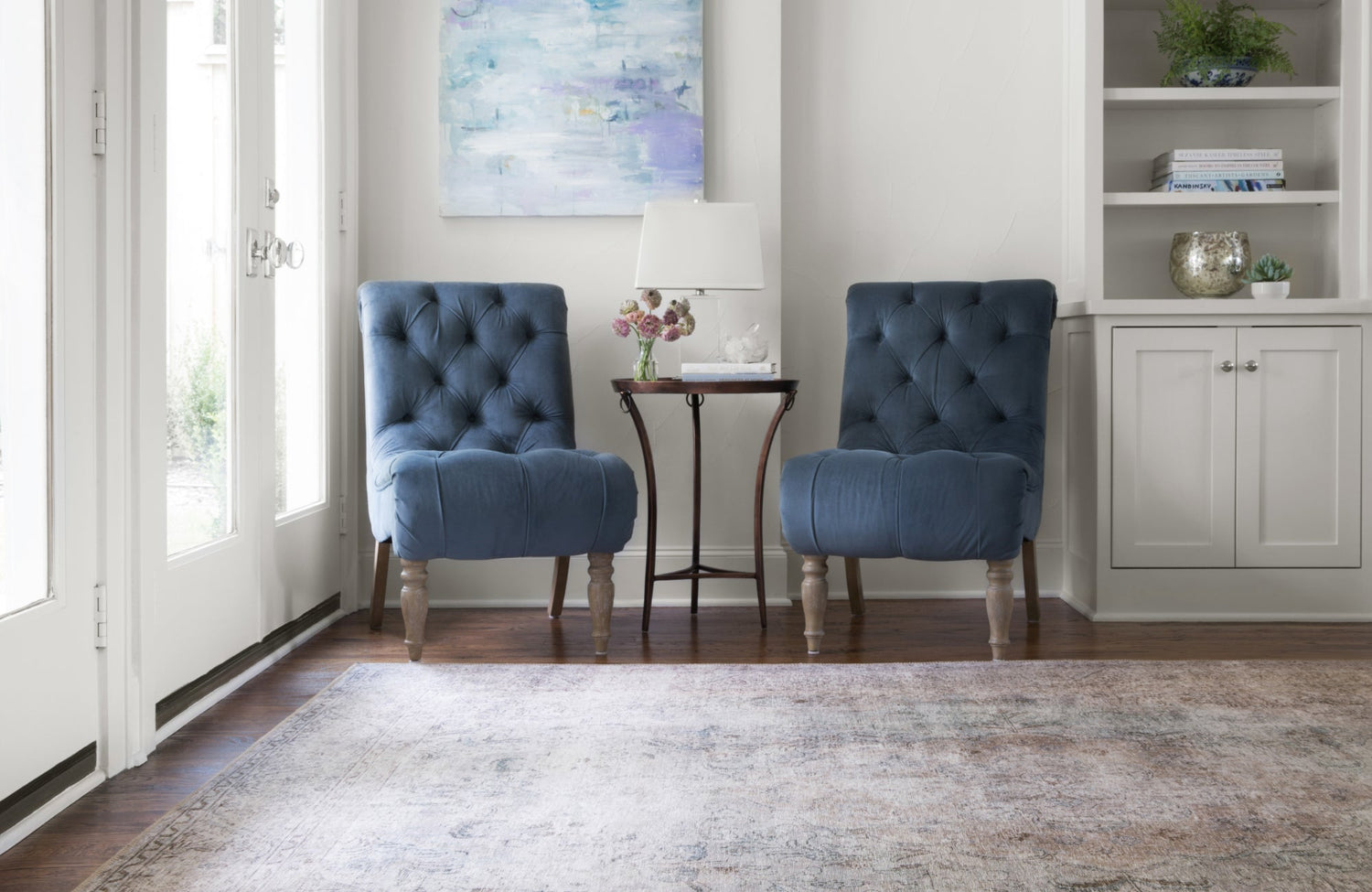
When arranging furniture on a rug, think about how much of each piece should rest on it to achieve visual balance. A well-proportioned layout usually has the front legs of sofas or chairs placed on the rug, anchoring the seating area while leaving a visible border of flooring to frame the design. In smaller rooms, positioning all the furniture on the rug creates a cohesive, inviting look, while in larger spaces, partial placement helps the layout feel open and balanced.
This idea is beautifully illustrated by Edward Martin’s Haverford Polyester Pile Rug in Platinum / Bronze, as seen in the photo above. Its soft neutral palette grounds the seating arrangement, while the front legs of the sofas rest neatly on its surface to define the conversation area. This setup maintains a sense of openness, with just enough exposed flooring to frame the space naturally and keep the room feeling balanced and well composed.

Living Room Layouts That Work with a 10x10 Rug
The living room often defines the atmosphere of your home, setting the stage for both style and comfort. When placed with care, a 10x10 rug can tie the entire area together, creating a sense of harmony between the furniture, flooring, and open space.
Centered Seating Group
In square or moderately sized living rooms, a 10x10 rug serves beautifully as the centerpiece of the layout. It provides enough room to place sofas, armchairs, and a coffee table fully on the rug, creating a unified and welcoming arrangement. This setup encourages easy conversation, balances visual weight, and clearly defines the seating area. As long as some floor space remains visible around the edges, the room feels open and comfortable rather than crowded.
This approach is perfectly illustrated by Edward Martin’s Georgette Polyester Pile Rug in Navy / Rose, as seen in the photo above. Its intricate pattern and balanced color palette ground the seating arrangement while complementing the surrounding neutral tones. By positioning all furniture fully on the rug, the space feels harmonious and cohesive, with the rug serving as the visual anchor that ties every element together.
Partial Placement for Flow
In larger or slightly rectangular living rooms, positioning only the front legs of your main furniture pieces on the rug creates a layout that feels both defined and open. This arrangement visually links elements like the sofa and armchairs while preserving clear pathways through the space. It’s an excellent choice when you want to showcase the rug’s pattern or texture without hiding it completely beneath the furniture. This approach also adds warmth and cohesion to expansive layouts while maintaining an easy, natural flow.
Balancing Large Open Living Spaces
In open-concept homes where the living area flows into the dining or kitchen zones, a 10x10 rug can help establish clear boundaries. Placing it beneath a specific section, like a seating area or reading nook, creates a defined focal point within the larger space. This subtle separation also adds structure and prevents the room from feeling undefined, allowing you to highlight the areas that matter most while maintaining a cohesive, connected layout.

How a 10x10 Rug Works in Bedrooms
Bedrooms thrive on a sense of comfort and visual balance, and the right rug can enhance both. When positioned thoughtfully, a 10x10 rug introduces warmth, softness, and symmetry, transforming the room into a more inviting and cohesive retreat.
Centered Under King or Queen Beds
Positioning a 10x10 rug beneath the bed helps anchor the entire room and create a sense of balance. It should ideally extend beyond the sides and foot of the bed, offering a soft, comfortable surface when you step out. Under a king bed, it provides ample coverage, while beneath a queen, it leaves extra space to frame nightstands or a bench at the foot. This arrangement feels polished and inviting without overpowering the surrounding floor area.
The look is beautifully captured by Edward Martin’s Hutchinson Polyester Face Rug in Sage / Graphite, as shown in the photo above. Its intricate detailing and muted tones complement the serene palette of the bedroom while grounding the furniture layout. The rug’s placement enhances symmetry and warmth, creating a restful atmosphere that feels complete and thoughtfully balanced.
Layering with Smaller Rugs
If your bedroom isn’t large enough for a full 10x10 rug, layering can achieve a similar sense of depth and visual interest. You can pair the 10x10 with a smaller rug placed beside or at the foot of the bed to create defined areas for movement or relaxation. This approach also allows you to mix textures, such as a flatweave base with a soft, plush accent rug, adding both comfort and dimension to the room’s design.
Open Corners and Balance
When working with a large rug, maintaining a sense of openness is key. Leave some visible floor space around wardrobes, doors, and seating areas to keep the room light and well-balanced. The rug should anchor the bed while allowing natural movement throughout the space. This thoughtful placement helps the bedroom feel cohesive and finished without appearing crowded.

Dining and Kitchen Applications for a 10x10 Rug
Dining rooms and kitchen nooks can greatly benefit from a 10x10 rug when the proportions and materials are thoughtfully considered. This size adds texture, warmth, and definition to spaces that often feel structured or static, helping them feel more inviting and visually cohesive.
Under a Square or Round Dining Table
A 10x10 rug works beautifully beneath a square or round dining table that seats four to six people. It provides enough space for all chair legs to stay on the rug, even when pulled out, protecting the floor and maintaining a polished, intentional look. The square shape also mirrors the symmetry of the table, creating a balanced and cohesive appearance. Choosing a low-pile or flatweave rug ensures that chairs glide smoothly without snagging on the fibers.
This concept is illustrated by Edward Martin’s Davies Wool & Nylon Rug in Dove / Stone, as featured in the photo above. Its soft, neutral tones ground the dining area while highlighting the warmth of the surrounding materials. The rug’s texture complements the rich finishes of the furniture, adding a subtle layer of refinement that ties the space together seamlessly.
Defining a Breakfast Nook
In a kitchen dining area, a 10x10 rug can transform a simple setup into a welcoming, defined space. Placing it beneath a small table helps visually separate the dining zone from nearby cabinetry or appliances, giving the nook its own identity. This approach works especially well in open kitchen layouts, where the rug adds warmth and comfort while softening the sound in rooms filled with hard surfaces.
Practical Considerations and Materials
Because dining and kitchen areas are more prone to spills, it’s best to choose rugs made from durable, easy-to-clean materials such as polypropylene, wool blends, or treated natural fibers. These options resist stains and can be cleaned without harming the weave, maintaining their appearance over time. Selecting practical materials lets you enjoy the rug’s beauty and comfort without constant concern about upkeep.

Entryways, Home Offices, and Other Spaces
Beyond main living areas, a 10x10 rug can add both structure and comfort to transitional or multifunctional spaces. Its versatility makes it a useful design tool for defining zones, enhancing warmth, and shaping the overall atmosphere of different areas throughout your home.
Open Entryways and Foyers
In spacious entryways, a 10x10 rug serves as a warm, welcoming focal point that instantly defines the area. It creates a smooth transition from outdoors to indoors while establishing a clear visual center for surrounding furniture or décor. A thoughtfully placed rug in this space also makes the entry feel purposeful and inviting rather than merely a passageway.
This concept is beautifully represented by Edward Martin’s Hutchinson Polyester Face Rug in Brick / Navy, as displayed in the photo above. Its rich tones and intricate pattern ground the space while complementing the light, airy backdrop. The rug’s placement enhances the sense of arrival, turning the entryway into a refined, cohesive setting that feels both welcoming and well-composed.
Home Office Comfort and Zoning
Placing a 10x10 rug beneath your desk setup can instantly soften the look of your workspace and create a quieter, more comfortable environment. It also helps visually separate the office area from the rest of the room, which is especially useful in shared or open spaces. Opting for subtle patterns or muted tones keeps the atmosphere calm and focused while adding just the right amount of texture and warmth.
Creative Uses in Studios or Playrooms
In open-plan studios or family playrooms, a 10x10 rug can help define distinct functional areas without interrupting the room’s flow. Whether it’s used to anchor a reading nook, craft station, or exercise corner, the rug establishes clear boundaries while keeping the layout open and flexible. Choosing colors or patterns that complement the space can also spark creativity and naturally guide how the area is used.

Styling Tips to Make a 10x10 Rug Work Anywhere
Even if a 10x10 rug initially feels a bit too large or small for your space, smart styling can make it look perfectly at home. The key lies in balancing color, texture, and placement so the rug feels seamlessly integrated into the overall design.
Layering for Scale and Texture
Layering is an easy and effective way to adjust scale and add visual depth. Placing a smaller rug on top of your 10x10 creates variation and helps define a more intimate zone within the space. This combination also introduces contrasting textures, giving the floor arrangement a richer, more inviting look and feel.
Balancing Color and Pattern
When styling a large rug, color and pattern play a major role in shaping the room’s overall feel. Lighter tones can make smaller spaces appear more open, while richer shades help ground larger areas. Choose patterns that enhance your existing décor rather than distract from it; the goal is harmony, not competition. A well-balanced rug further ties the elements of a room together, creating a cohesive and polished look.
Framing with Furniture and Decor
Arranging smaller pieces like side tables, planters, or accent chairs along the rug’s edges helps create a smooth transition between the rug and the surrounding floor. This framing technique keeps the layout cohesive and visually balanced, preventing harsh breaks in the design. It also allows the rug to blend more naturally into the overall aesthetic of the room.
Choosing a 10x10 Rug
A 10x10 rug can be an ideal choice when its size and placement align with your room’s proportions. It’s spacious enough to define a zone yet versatile enough to suit different purposes throughout the home. Whether it anchors a living room, complements a bedroom setup, or softens a workspace, its balanced shape adds structure and harmony to a variety of interior styles. By understanding your room’s dimensions and arranging your furniture with intention, you can make a 10x10 rug feel seamlessly integrated and perfectly suited to your space.
If you’re unsure where to start, our design team is here to help. From selecting the perfect rug size to coordinating colors and materials, we’ll guide you toward a layout that fits your space beautifully. Contact us today or explore our complimentary design service to bring your vision to life with confidence and ease.