White tile has an enduring charm that transcends design eras. It evokes a sense of purity and openness, brightening spaces while providing a foundation that complements nearly every style. Whether you picture a sleek, modern kitchen with glossy white floors or a serene bathroom with matte white walls, this classic material is a design tool that can transform both small and large spaces into something timeless.
However, the true value of white tile lies not only in how it looks but also in how it performs. From choosing the right finish, lighting, and form to understanding technical specifications and care, every decision influences both aesthetics and functionality. This article explores how white tile can be a practical, elegant, and lasting choice for both walls and floors, helping you create spaces that balance beauty with everyday performance.

Aesthetic Value and Timeless Appeal
White tile remains one of the most enduring design choices because of its remarkable ability to enhance light, space, and atmosphere. Its reflective quality creates visual openness, allowing rooms to appear larger and more inviting. When natural or artificial light interacts with white tile, it amplifies brightness and minimizes shadow, producing an airy, balanced effect that few other materials can achieve. This ability to manipulate perception makes white tile especially valuable in compact or dimly lit spaces, where it introduces a sense of calm spaciousness. Yet beyond optical benefits, it also brings an innate purity and freshness that anchors a design, giving it a timeless character that feels both current and classic.
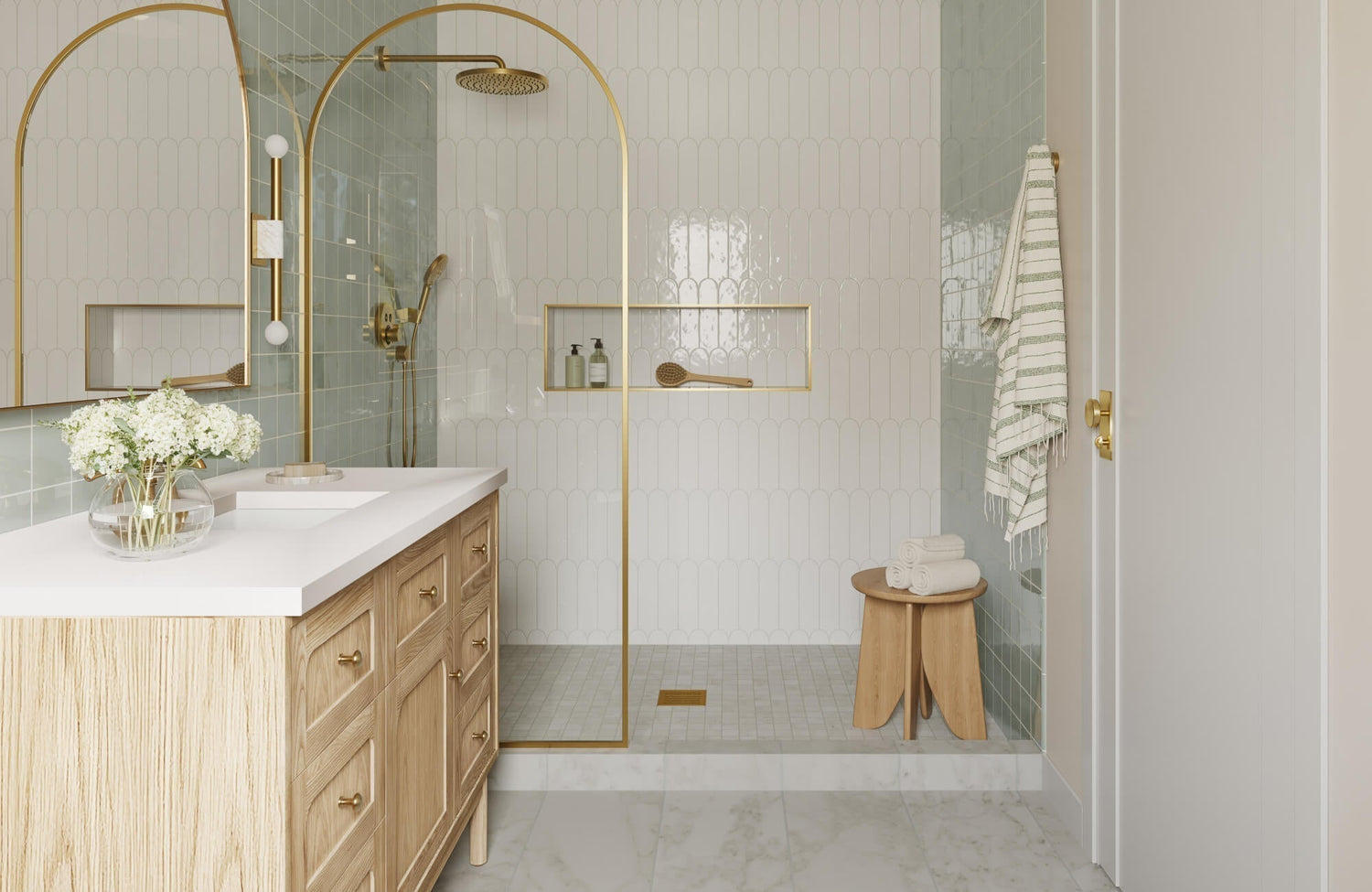
In the bathroom image featured above, the soft white walls showcase this effect beautifully, bouncing natural light throughout the room to create a serene, spa-like environment. A perfect example of this versatile elegance is our Madilyn 3x12 Matte Ceramic Tile in Pearl, a subtle off-white shade that evokes the gentle luster of natural pearl. Its matte finish diffuses light gracefully, adding warmth and texture while maintaining a clean, refined look. When paired with soft blush tones, as shown in the image, it demonstrates how white tile can harmonize effortlessly with color and material variations, balancing brightness with a touch of softness for a timeless, elevated design.
Equally important, white tile provides an ideal canvas for personal expression. Through subtle shifts in texture, finish, and tone, you can completely redefine the mood of a room from sleek modern minimalism with glossy tiles to a more organic and comforting atmosphere with matte or handcrafted look surfaces. These variations create visual rhythm and depth without overwhelming the space. Moreover, white tile’s neutrality makes it endlessly versatile across design styles, adapting effortlessly to modern, rustic, or traditional aesthetics. It also harmonizes with virtually any material, such as wood, stone, or metal, and complements changing décor over time. Because it serves as both backdrop and highlight, white tile allows your design choices to evolve while preserving a sense of refinement and cohesion. Ultimately, its aesthetic value lies in this duality: simplicity that never feels plain and versatility that never feels dated.

Finish and Form
The surface finish and geometric form of white tile play a central role in how a space looks, feels, and functions. Beyond aesthetics, these choices influence comfort, safety, maintenance, and the overall sensory character of your environment.
Sheen Reflectivity
The finish of white tile determines not only how light behaves within a room but also how the surface performs over time. Polished or glossy tiles amplify light, giving dim or compact spaces a radiant, sophisticated glow. They also create a mirror-like quality that enhances depth and clarity, making them particularly striking in bathrooms or accent walls. A beautiful example is our Teagan 3x12 Glossy Ceramic Tile in Pearl, shown in the photo above. Its soft white tone and reflective glaze capture natural light effortlessly, brightening the space while adding an elegant, spa-like ambiance.
Matte finishes, on the other hand, provide a softer, more natural aesthetic that feels grounded and organic. These tiles diffuse light instead of reflecting it, reducing glare and making spaces appear calmer and more balanced. More importantly, they typically have a higher Coefficient of Friction (COF), which translates to better slip resistance, especially vital for flooring in kitchens, entryways, and wet areas. When deciding where to install a specific finish, think about how the space is used daily. Glossy tiles bring drama and elegance to walls and non-busy areas, while matte surfaces ensure durability and safety underfoot.
Grout and Dimensionality
Grout is often treated as a background detail, but in reality, it plays a defining role in how white tiles come together visually. When grout color closely matches the tile, the surface appears continuous and seamless, an effect ideal for minimalist or contemporary interiors where visual calm is key. In contrast, a darker or contrasting grout draws attention to the individual tiles, emphasizing geometric rhythm and creating striking visual patterns. This approach is particularly effective with layouts such as herringbone, basketweave, or stacked configurations, where grout lines become part of the design story rather than a hidden detail.
Dimensional or textured tiles elevate this concept further. Subtle reliefs, beveled edges, and sculptural forms introduce shadow and depth, giving white surfaces a tactile richness. When combined with directional lighting such as wall washers or recessed LEDs, these surfaces come alive, creating an ever-changing play of highlights and texture throughout the day. In this way, the humble tile grid transforms into a dynamic and expressive design canvas.
Thermal Mass and Acoustic Contribution
Beyond appearance, white ceramic and porcelain tiles influence the sensory comfort of a room in ways that often go unnoticed. Their high thermal mass allows them to absorb and distribute heat evenly, making them an ideal partner for radiant floor heating systems. This property not only increases energy efficiency but also ensures a consistently warm and comfortable floor surface underfoot, even during colder months.
Acoustically, tiles reflect sound rather than absorb it, a quality that can make tiled rooms feel lively but sometimes too echo-prone. To counterbalance this effect, consider layering the space with sound-softening materials such as area rugs, heavy curtains, or upholstered seating. These additions absorb excess reverberation without compromising the crisp, clean aesthetic that white tile provides. The result is an environment that feels both acoustically balanced and visually harmonious, proving that the science of surface design can deeply enhance everyday living.

Material Specifications and Performance Metrics
Selecting the right white tile for your space goes far beyond appearance. It involves understanding the technical qualities that define performance, durability, and safety. Each material type behaves differently under stress, moisture, and daily wear, so knowing these metrics ensures your choice remains both beautiful and functional for years to come.
Porosity and Water Absorption
One of the most important factors when selecting tile is how much water it absorbs. Porosity directly affects not only durability but also stain resistance and longevity.
Porcelain Tiles
Porcelain tiles are celebrated for their non-porous, highly durable composition, making them impervious to water and exceptionally resilient under pressure. Their dense structure allows them to perform beautifully in moisture-prone environments such as bathrooms, kitchens, and even outdoor patios. Because of their strength and low absorption rate, porcelain tiles are ideal for flooring applications where durability and longevity are essential. Yet, they’re equally stunning on walls, creating a seamless, unified look throughout a space. One standout example is our Mabel 12x12 Glossy Porcelain Brick Mosaic Tile in White, which combines the strength of porcelain with a glossy, brick-inspired design that adds both texture and elegance, perfect for creating a polished, contemporary finish on floors, walls, or accent areas.
Ceramic Tiles
Ceramic tiles, though slightly less dense, are non-porous when glazed and offer excellent protection against moisture. This makes them a versatile option for walls in kitchens, bathrooms, and other interior spaces. Their lighter composition also simplifies installation and allows for intricate designs without compromising on durability. In the picture seen above, the backsplash showcases our Polly 3x10 Glossy Ceramic Tile in White, which brings a crisp, clean backdrop that enhances the soft cabinetry tones and brass fixtures. Its glossy surface reflects light beautifully, creating a bright and welcoming atmosphere that feels both classic and contemporary.
Natural Stone
Natural stone tiles, such as marble, limestone, or travertine, bring a sense of luxury and organic beauty that is difficult to replicate. Each piece carries natural veining, color variation, and texture, making every installation unique. However, because natural stone is inherently porous, it requires sealing to protect against water absorption, stains, and etching from acidic substances.
Glass Tiles
Glass tiles offer a sleek, luminous aesthetic that enhances light reflection and depth within a space. They are completely non-porous, making them resistant to moisture, mildew, and staining, ideal for showers, backsplashes, and accent walls. Although they’re less common as flooring due to their slippery surface and susceptibility to scratching, textured or treated glass tiles can still be used on non-busy floors for a striking, modern effect.
Abrasion Resistance and Hardness
Tiles differ widely in their ability to handle abrasion and impact, and these qualities are measured through industry-standard rating systems. The PEI (Porcelain Enamel Institute) scale categorizes tile durability from I to V, with PEI IV and V recommended for floors and busy areas. These ratings ensure that your white tile can endure constant movement, dropped objects, and surface friction without showing premature signs of wear.
In addition to the PEI rating, the Mohs scale measures scratch resistance, ranking minerals and materials by hardness. A higher Mohs rating means the tile is less likely to scratch, chip, or dull with time. Porcelain typically performs at the top of both scales due to its dense structure, while softer ceramics and stones fall slightly lower. Understanding these metrics helps you match tile performance with lifestyle demands, whether you’re designing a serene bathroom retreat or a bustling kitchen hub.
Slip Resistance and DCOF
Safety is just as critical as style, especially in areas where moisture is common. The Dynamic Coefficient of Friction (DCOF) measures how slip-resistant a tile surface is when wet, providing a standardized way to assess safety underfoot. A DCOF value of 0.42 or higher is generally recommended for flooring in both residential and commercial spaces, particularly in bathrooms, kitchens, and entryways.
Matte, textured, or structured finishes inherently offer greater traction than glossy ones, reducing the risk of slips without sacrificing visual appeal. For outdoor areas or pool surrounds, selecting tiles with enhanced grip or anti-slip coatings adds an extra layer of security. Paying attention to DCOF values and finish characteristics allows you to create spaces that are as safe as they are stunning. In essence, the right combination of performance metrics ensures your white tile installation will stand the test of time: resilient, reliable, and refined.

Care Strategies
Keeping white tile pristine over time isn’t about constant cleaning but about adopting thoughtful, preventive maintenance that respects how tile and grout naturally age. Because white tile reflects light so effectively, even small imperfections or discolorations can become noticeable. To prevent this, protection begins with sealing. But it’s important to note that porcelain and glazed ceramic tiles do not require sealing, as their non-porous surfaces already resist stains and moisture. Instead, focus on sealing the grout lines, which remain porous and can absorb water and dirt over time. Applying a high-quality fluoropolymer or penetrating sealer creates a transparent barrier that helps keep grout cleaner for longer, preserving brightness and reducing the need for frequent deep cleaning. Reapplying sealant periodically, especially in busy or wet areas, also maintains this defense and keeps your white tile installation looking crisp and seamless.
Equally vital is using gentle, surface-safe cleaning methods. Harsh acids or strong alkaline products can dull the glaze, etch the surface, or weaken grout over time, so choosing pH-neutral or enzymatic cleaners ensures long-term protection. Regular cleaning with soft cloths or microfiber mops also removes buildup while maintaining the tile’s natural sheen. For occasional discoloration or residue, mild bleach or hydrogen peroxide can help, provided they’re used sparingly and rinsed thoroughly. Even with the best care, minor issues such as efflorescence or grout haze may occur, but these can be remedied with acid-free specialty cleaners designed to restore clarity. To ensure your tiles maintain their intended finish and longevity, always follow the manufacturer’s care and maintenance guidelines.

Texture and Color Dynamics
An all-white interior can feel pure and expansive, but it also risks appearing flat if not thoughtfully balanced. By introducing contrast through texture, tone, and complementary materials, you can maintain the luminous quality of white tile while creating visual depth and emotional warmth. The goal is not to overpower the simplicity of white but to enrich it through subtle layering and intentional design choices.
Material Contrast and Warmth
Contrast is one of the most powerful tools for elevating a white-tiled space. Pairing glossy white wall tiles with matte or natural surfaces such as terracotta, oak, or limestone introduces tactile variation and a sense of grounded warmth. The juxtaposition between smooth and textured finishes helps your eye move comfortably through the room, giving it both rhythm and balance. This interplay between reflective and absorbent materials also moderates brightness, ensuring the space feels inviting rather than clinical.
The kitchen above beautifully demonstrates this pairing with our Zayne 12x36 Matte Ceramic Tile in Blocks set against warm oak flooring. The white matte tile, with its soft geometric texture, complements the natural grain of the oak, creating a harmonious blend of cool refinement and organic warmth. The contrast between the structured wall tile and the natural wood tone also brings depth and balance to the room, allowing the space to feel both modern and inviting.
If you prefer to stay within a monochromatic palette, layering different tones of white can produce subtle sophistication. Choosing tiles with faint grey or cream veining, for example, introduces gentle movement and depth without breaking the color harmony. These nuanced variations allow you to celebrate the timeless appeal of white while still achieving a rich, multi-dimensional look. The result is a space that feels serene yet visually compelling, proof that restraint and contrast can coexist beautifully.
Metallic Accents and Fixtures
Metallic finishes bring polish and personality to a white-tiled environment, acting like jewelry for your space. Brushed brass fixtures introduce a soft glow that warms up crisp white surfaces, while matte black elements create bold, graphic definition that anchors the design. Polished nickel, on the other hand, reflects light subtly and complements both cool and warm whites, offering a sense of understated elegance. Our Dax 6x24 Matte Porcelain Tile in White is a perfect example, offering a soft matte finish that enhances the shimmer of metallic accents while maintaining a modern, refined look.
By strategically incorporating these metals through faucets, cabinet handles, lighting fixtures, or trim details, you give the room a refined edge without diminishing its simplicity. The reflective properties of metal harmonize with the tile’s luminosity, amplifying light and texture simultaneously. With just a few well-chosen accents, your white-tiled space evolves from minimal to memorable, striking the perfect balance between purity, contrast, and modern sophistication.
Design Versatility Meets Practical Performance
White tile has proven itself to be more than a design staple—it’s a fusion of form, function, and enduring sophistication. When thoughtfully selected and correctly installed, it adapts beautifully to any setting, offering resilience, cleanliness, and visual harmony in equal measure. Its ability to reflect light also enhances spatial flow, while modern finishes and textures ensure safety, warmth, and comfort. With proper care and smart design planning, white tile doesn’t just meet the demands of both walls and floors; it elevates them. Ultimately, it remains a timeless investment that unites practicality with elegance, ensuring that your space feels bright, cohesive, and effortlessly refined for years to come.
Building on the timeless versatility and practical beauty of white tile, Edward Martin offers ways to help you bring that same harmony into your own space with confidence. You can view tile in augmented reality (AR) to see how different finishes and patterns interact with your lighting and space, helping you make design choices that feel both intentional and inspired. For a more hands-on experience, you can also request samples to explore the texture, tone, and quality in person before committing to a final selection. These tools make it easy to visualize, compare, and curate a design that perfectly reflects your style while maintaining the enduring sophistication that white tile brings to any space.