Checkerboard floors have long been admired for their timeless charm and bold visual rhythm, making them a recurring favorite in both classic and contemporary interiors. Defined by alternating squares that create a striking geometric pattern, this design instantly introduces contrast, structure, and a sense of movement to a space. While traditionally associated with black and white palettes, the checkerboard motif continues to evolve in modern interiors, adapting to a variety of materials and color combinations. Whether inspired by its historical elegance or its graphic, modern appeal, a checkerboard floor remains a versatile foundation that can anchor a wide range of design styles.

Understanding Checkerboard Floors
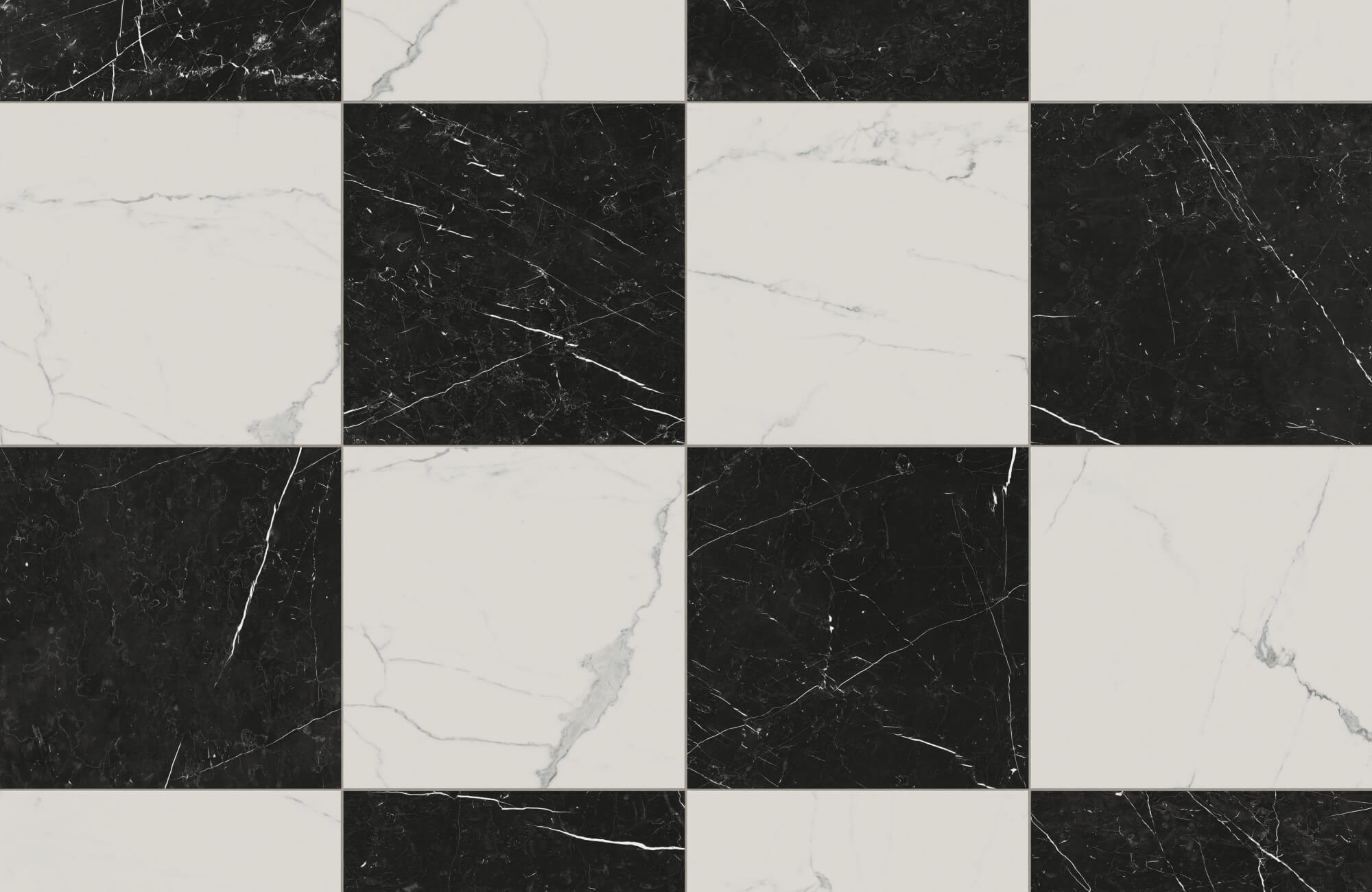
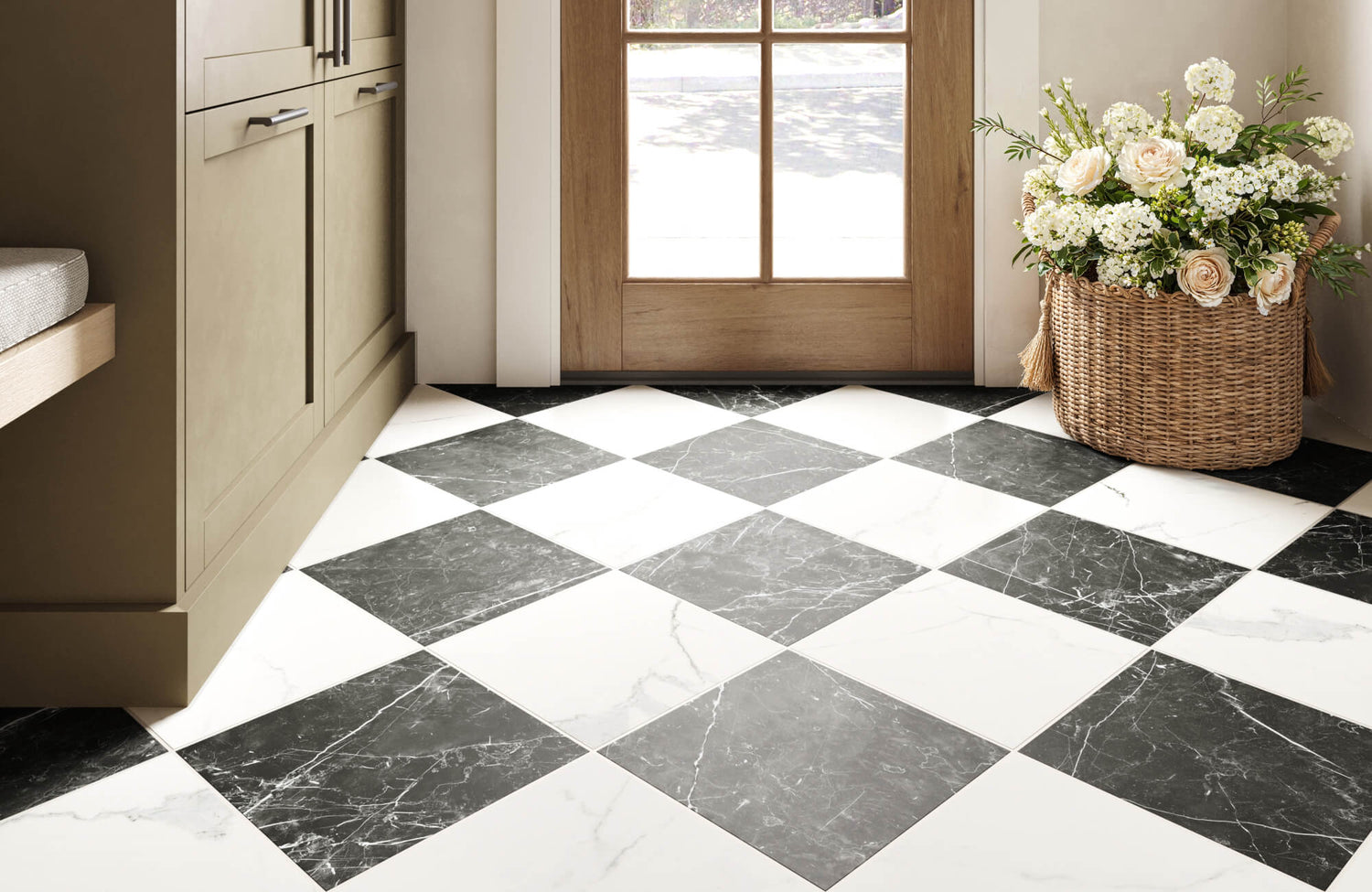
Checkerboard floors are defined by their distinctive grid of alternating squares, a pattern that immediately establishes visual structure and rhythm within a space. Although most commonly recognized in black and white, the checkerboard concept extends far beyond this classic pairing. Designers today reinterpret the pattern using a variety of materials and color combinations, from marble and porcelain to softer tonal contrasts like gray and white or beige and brown. This adaptability allows the checkerboard layout to function as both a historical reference and a modern design statement.
Part of the pattern’s enduring appeal also lies in its ability to influence how a room feels and flows. The strong geometric repetition naturally guides the eye across the surface, creating a sense of order and balance that anchors the surrounding design elements. Depending on the scale of the tiles and the contrast between colors, a checkerboard floor can appear bold and dramatic or subtle and refined. Larger squares tend to create a more contemporary and spacious impression, while smaller patterns often evoke traditional European interiors and vintage charm.
Material selection also plays an important role in shaping the overall character of a checkerboard floor. Polished stone surfaces can introduce a sense of luxury and reflectivity, while matte porcelain or ceramic finishes offer a softer, more understated look that suits everyday living spaces. In addition to aesthetics, durability and maintenance are key considerations, especially in high-traffic areas like kitchens, entryways, and bathrooms where checkerboard patterns are often used.
Ultimately, a checkerboard floor acts as a strong visual foundation for the rest of the room. Because the pattern naturally draws attention, the surrounding elements from color palettes to furniture choices should work in harmony with its structured design. Understanding these characteristics helps create interiors where the checkerboard pattern feels intentional, balanced, and seamlessly integrated into the overall space.

Color Palette Considerations
The color palette you choose to pair with a checkerboard floor can significantly impact the overall mood and aesthetic of your space. By carefully selecting colors, you can enhance the visual impact of the pattern and create a harmonious and stylish environment.
Monochromatic Magic
A monochromatic color scheme, characterized by the use of various shades of a single color, is a timeless and elegant choice for pairing with a checkerboard floor. By limiting the color palette to shades of gray, black, or white, you can create a sophisticated and minimalist look. To elevate the monochromatic scheme, consider incorporating subtle variations in texture and material. For instance, you can pair a sleek, black checkerboard floor with matte black walls and glossy black furniture. This interplay of textures will add depth and visual interest to your space.
Bold and Bright
If you're looking to create a more dynamic and energetic space, consider pairing your checkerboard floor with bold and vibrant colors. A splash of color can invigorate a room and draw attention to the geometric pattern. For a playful but contemporary look, you can pair a black and white checkerboard floor with bright, primary colors like red, yellow, and blue. For a more sophisticated and luxurious feel, opt for jewel tones such as emerald green, sapphire blue, and ruby red.
Earthy Tones
For a serene and calming atmosphere, consider pairing your checkerboard floor with natural, earthy tones, such as beige, brown, and green. To further enhance the natural feel of your space, you can also incorporate elements from nature, such as plants, wood, and stone. For instance, a large, leafy plant can add a touch of greenery, while a wooden coffee table or a stone fireplace can bring warmth and texture to your room.
Soft Neutrals and Warm Whites
Soft neutrals and warm whites offer a gentle way to balance the strong contrast of a checkerboard floor while maintaining a refined and cohesive interior palette. Shades such as ivory, cream, taupe, and greige soften the graphic intensity of black and white squares, allowing the floor to remain visually striking without overwhelming the room. These tones also reflect natural light beautifully, helping spaces feel brighter and more inviting. When layered through walls, upholstery, and textiles, warm neutrals create a calm backdrop that complements the structured pattern of the flooring while introducing a sense of understated elegance.
Pastel Accents for Subtle Contrast
Pastel accents provide a softer alternative to bold color schemes, introducing gentle contrast while preserving the airy character of a space with checkerboard flooring. Hues like blush pink, powder blue, soft lavender, and muted sage bring a delicate layer of color that tempers the floor’s graphic pattern without competing for attention. These tones also work particularly well in spaces that aim for a light, relaxed atmosphere, as they add visual interest while maintaining balance. When incorporated through wall colors, decorative accessories, or upholstered pieces, pastels can subtly enrich the palette while keeping the checkerboard design as the central visual anchor.
Natural Wood Tones for Warm Balance
Natural wood tones bring warmth and organic texture that beautifully offset the structured geometry of a checkerboard floor. Finishes such as oak, walnut, maple, or teak introduce rich, earthy hues that soften the contrast of the patterned surface while adding depth and visual comfort to the room. This approach works particularly well when the checkerboard palette leans toward warm neutrals, allowing the flooring to blend seamlessly with surrounding materials rather than appearing overly stark.
A beautiful example of this balance can be seen with Edward Martin’s Brody 24x24 Checkerboard Matte Porcelain Tile in Sand and Sienna, where warm sand tones and deep sienna hues echo the richness of natural wood furnishings. As shown in the photo above, the tile’s larger format and earthy palette complement wood cabinetry, upholstered seating, and textured décor, creating a cohesive interior that feels both grounded and refined.
To ensure your chosen color palette complements your checkerboard floor, you can use Edward Martin's Augmented Reality (AR) tool to visualize how these elements and colors will look in your space, helping you make confident design decisions.

Furniture and Decor
The furniture and decor you choose to complement a checkerboard floor also play a crucial role in enhancing the overall style and ambiance of your space. Thoughtfully selecting pieces that resonate with the geometric pattern will help create a balanced and visually appealing environment.
Modern Minimalism
A minimalist approach to furniture and decor can elevate the clean lines and geometric precision of a checkerboard floor, creating a contemporary and sophisticated look. You can opt for sleek, streamlined pieces with simple forms to maintain a sense of balance and cohesion in the space. Stick to a neutral color palette as well, like black, white, gray, and beige, to ensure the floor remains the focal point without overwhelming your overall design. To further enhance the minimalist aesthetic, consider incorporating understated lighting fixtures, such as pendant lights or floor lamps, adding a touch of elegance while maintaining the room's simplicity.
Vintage Vibes
Vintage furniture and decor can add character and warmth to a space with a checkerboard floor, offering a unique opportunity to mix old and new for an eclectic look. When selecting vintage pieces, look for items with distinctive features, such as intricate carvings, unique patterns, or interesting shapes. Pieces crafted from reclaimed wood or featuring distressed finishes can also soften the bold geometry of a checkerboard floor while introducing a natural, organic feel. Pairing this with vintage rugs enhances texture and warmth, while antique mirrors can reflect the checkerboard design, adding depth and interest to the room.
Mid-Century Modern
Mid-century modern furniture, with its iconic designs and functional aesthetic, is a perfect match for a checkerboard floor. The sleek lines and organic shapes characteristic of mid-century modern pieces create a striking contrast against the sharp geometry of the floor. Key elements of this style also include organic curves, bold colors like mustard yellow or teal, and geometric patterns that resonate with the checkerboard motif. Together, these features will enhance the nostalgic yet sophisticated vibe of your space.
Curved Furniture for Visual Softness
Checkerboard floors are defined by sharp geometry, so curved furniture helps soften the overall composition. Rounded sofas, barrel chairs, oval coffee tables, and arched shelving break up the strict grid of the flooring, creating a more comfortable visual rhythm. These organic shapes introduce movement and contrast without competing with the bold pattern beneath them. By mixing straight lines with gentle curves, the space feels more balanced and layered rather than overly rigid.
Glass and Transparent Elements
Glass furniture and transparent decor allow the checkerboard pattern to remain visible while adding a light and contemporary feel to the room. Pieces such as glass coffee tables, acrylic chairs, or lucite consoles visually recede into the background, ensuring the floor remains a focal point. This approach is especially effective in smaller spaces where maintaining visual openness is important. Because these materials interact subtly with light, they also enhance the reflective qualities of the flooring without introducing visual clutter.
Textural Layering for Visual Depth
Introducing a variety of textures can soften the graphic structure of a checkerboard floor while adding richness and dimension to the surrounding interior. Materials such as wood cabinetry, woven seating, linen upholstery, and ceramic accents help create a layered environment where the flooring pattern feels integrated rather than overpowering. This approach allows the geometric design of the floor to remain visually present while the surrounding furnishings contribute warmth and tactile interest.
A beautiful example of this is the Leona 24x24 Checkerboard Matte Porcelain Tile in Calacatta and Marfil, shown in the photo above. Its soft marble-inspired veining and warm neutral tones complement the natural wood island, woven bar stools, and understated decor, allowing the checkerboard layout to anchor the kitchen while the layered textures bring depth and sophistication to the overall space.
Sculptural Statement Pieces
Sculptural furniture and decorative accents can elevate a checkerboard floor by adding artistic presence and visual interest. Statement armchairs, pedestal tables, or bold decorative objects introduce unique silhouettes that stand out against the floor’s repetitive geometry. These pieces function almost like artwork within the room, creating focal points that guide the eye upward and around the space. When chosen thoughtfully, sculptural elements enhance the dynamic interplay between form, pattern, and proportion.
Balanced Furniture Placement
The layout of furniture plays a significant role in how a checkerboard floor is perceived. Thoughtful placement ensures the pattern remains visible while preventing the room from feeling visually crowded. Arranging furniture with intentional spacing allows sections of the checkerboard design to frame seating areas, tables, or walkways. This sense of spatial balance helps maintain the floor’s visual rhythm while supporting a functional and comfortable room layout.

Lighting and Accessories
The right lighting and accessories can elevate a checkerboard floor from a mere design element to a stunning focal point. By carefully selecting lighting fixtures and decorative accents, you can create a space that is both stylish and functional.
Dramatic Lighting
Strategic lighting can dramatically enhance the visual impact of a checkerboard floor by emphasizing its geometric patterns and creating layers of light to establish a sophisticated and inviting ambiance. For instance, pendant lights, when suspended over a dining table or kitchen island, draw attention to the floor below, making it a focal point of the space. Recessed lighting, on one hand, provides general illumination while highlighting specific areas, such as hallways or entryways, adding depth and dimension to your design. Additionally, wall sconces can bring a touch of elegance by accentuating the vertical lines of your walls, complementing the checkerboard pattern and enhancing your overall aesthetic.
Statement Accessories
Accessories are an excellent way to infuse personality and style into a space with a checkerboard floor. A well-chosen rug, for example, can introduce warmth, texture, and color to your room. You can opt for a solid-colored rug to balance the bold floor pattern, or choose a patterned rug with complementary colors and motifs for added visual interest. Decorative pillows can also enhance your space by bringing in pops of color and texture. Those with geometric patterns, stripes, or solid hues can effectively tie together the checkerboard floor with the surrounding decor.
Artwork is another powerful accessory to elevate your room’s aesthetic. Abstract pieces with bold colors and geometric shapes can echo the floor's design, creating a visually unified and striking atmosphere. With thoughtful selection, these accessories can seamlessly enhance the elegance and charm of your checkerboard floor.
Mirrors
Mirrors can be a powerful tool for enhancing the visual impact of a checkerboard floor and creating the illusion of space. Strategically placed mirrors can reflect the floor's pattern, adding depth and dimension to your overall aesthetic.
A full-length mirror can make a small room appear larger and more open, effectively expanding the visual boundaries of your space. Over-the-mantle mirrors are another excellent choice, reflecting the checkerboard design and creating a captivating focal point that draws the eye. For a unique and dynamic effect, you can also consider tilted mirrors, which introduce an unexpected element of visual interest and break up conventional lines.

Room-Specific Ideas
Whether you're aiming for a bold statement or a subtle vintage touch, the way you style the rest of your space can enhance its impact. Here are some tailored ideas to make checkerboard floors shine in specific rooms of your home.
Kitchen
A checkerboard floor can bring both visual rhythm and timeless character to a kitchen, grounding the space with a pattern that feels both classic and refreshingly graphic. The alternating tiles naturally define the room’s layout, creating a sense of movement that guides the eye across cabinetry, countertops, and surrounding finishes. A white-and-gray checkerboard surface, for instance, introduces gentle contrast that complements soft gray cabinetry while maintaining a bright and balanced atmosphere.
When paired with classic white subway tile backsplashes and sleek stone countertops, the pattern also enhances the kitchen’s architectural structure without overpowering the design. The result is a space where traditional charm and modern simplicity coexist, allowing the checkerboard floor to act as both a functional surface and a striking visual foundation.
Bathroom
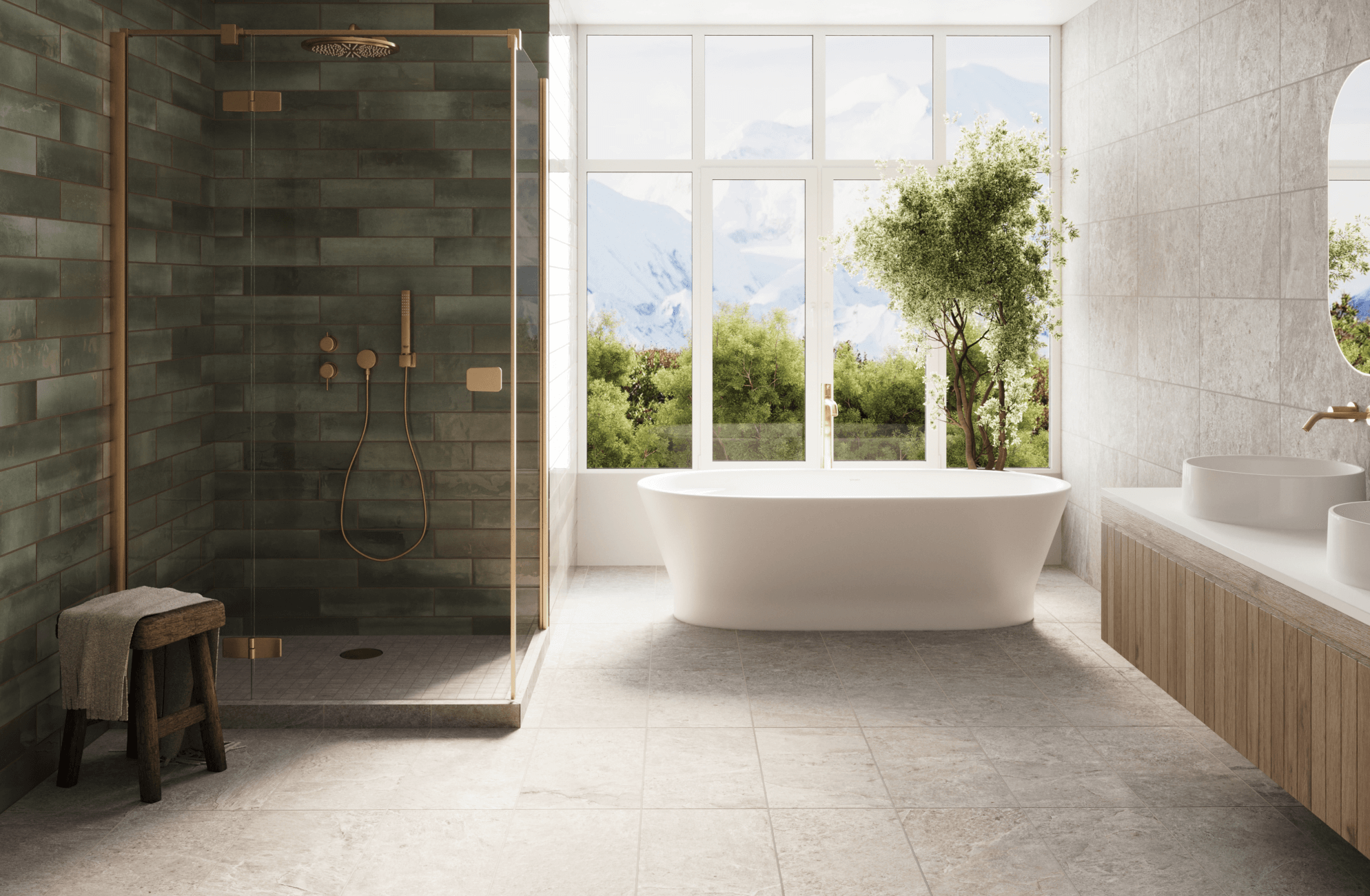
In a bathroom, a checkerboard floor can establish a sense of elegance while reinforcing a clean and structured aesthetic. The repeating pattern adds visual interest without overwhelming the compact scale of the room, making it especially effective for creating a timeless foundation. A monochromatic palette of light and dark tones also creates refined contrast, while warmer combinations such as beige and brown introduce a softer interpretation of the classic motif.
Complementing this flooring with minimalist fixtures, such as a freestanding tub or streamlined vanity, allows the pattern to remain visually prominent without competing with other elements. Layered lighting, including recessed fixtures and elegant wall sconces, further enhances the bathroom’s ambiance, creating a serene environment that feels both sophisticated and inviting.
Living Room
In living rooms, you can pair the checkerboard floor with a comfortable sofa and armchair in neutral fabrics to establish a relaxing seating area while allowing the bold floor pattern to stand out. A glass-top coffee table can also elegantly showcase the checkerboard design, adding a sophisticated touch. To introduce warmth and texture, consider a large area rug with either a geometric pattern or a solid color that complements the floor's design.
To further enhance the room’s visual appeal, you can add a bold piece of abstract artwork featuring vibrant colors and geometric shapes as a stunning focal point. Finally, layer the lighting with a mix of floor lamps, table lamps, and overhead fixtures to create a warm, inviting ambiance that ties the space together.
Patio Dining Area
A checkerboard floor can bring structure and visual elegance to an outdoor patio, especially when used to define a dedicated dining area within a garden setting. In this space, the pattern introduces a refined contrast that anchors the surrounding natural elements, from leafy greenery to textured stone walls.
The look is beautifully illustrated by Edward Martin’s Palmer 12x12 Checkerboard Raw Porcelain Tile in White and Grey, which combines soft neutral tones with a durable porcelain surface suited for outdoor living. Its balanced color contrast enhances the geometry of the checkerboard pattern while remaining subtle enough to complement wood furniture, woven seating, and natural landscaping. When paired with warm materials like teak tables, linen cushions, and shaded umbrellas, the checkerboard patio floor creates an inviting environment that feels both polished and relaxed for alfresco dining.
Balancing Style and Functionality for Checkerboard Floors
A checkerboard floor is a bold and versatile design choice that can add a touch of elegance and personality to any space. By experimenting with color palettes, furniture styles, and accessories, you can tailor your interiors to reflect your unique taste, whether you prefer a minimalist aesthetic or a more dramatic approach. The key to success lies in achieving balance and proportion, ensuring the checkerboard pattern harmonizes with the overall design scheme to create a space that is both stylish and functional.
If you’re unsure about which checkerboard tiles to choose or how to pair them with other elements, consulting with interior designers can provide clarity and direction. Edward Martin offers expert design services and support to help you select the perfect tiles and create a cohesive interior. For personalized guidance and inspiration, reach out to Edward Martin and explore options that align with your vision!