Designing an outdoor space that remains beautiful and functional throughout the year requires more than aesthetic consideration, it demands a careful selection of materials engineered to withstand the elements. From intense sun and heavy rainfall to freezing temperatures and seasonal debris, outdoor furniture is constantly exposed to conditions that can compromise its structure and appearance. For those seeking long-term value, the question is not simply what looks good, but what endures.
As outdoor living continues to evolve into an extension of interior design, the expectation for durability has risen alongside standards for style. Premium outdoor furniture today is crafted with advanced materials that balance resilience with refined design, allowing patios, terraces, and gardens to maintain their appeal in every season. Understanding which materials can truly remain outdoors year-round is essential for creating spaces that feel effortless, enduring, and thoughtfully curated.

The Unyielding Durability Of Premium Teak Wood
Among all natural materials used in outdoor furniture, teak wood stands in a category of its own. Known for its exceptional density and inherent resistance to environmental stressors, teak has been used for centuries in shipbuilding and high-end outdoor furnishings. Its performance in exposed conditions is not incidental but rooted in its natural composition, which makes it uniquely suited for year-round outdoor use.
How Natural Oils Prevent Rot And Decay
Teak contains a high concentration of natural oils and rubber compounds that act as built-in protectants against moisture, insects, and microbial growth. These oils create a barrier within the wood fibers, preventing water from penetrating deeply and reducing the likelihood of warping, cracking, or rotting. Unlike other hardwoods that require chemical treatments or sealants, teak maintains its structural integrity without additional intervention.
This natural resistance is particularly valuable in climates with heavy rainfall or humidity, where lesser materials may deteriorate quickly. Even in regions with fluctuating temperatures, teak’s stability ensures that it does not expand and contract excessively, preserving both its form and strength over time. As a result, teak furniture can remain outdoors continuously, developing character rather than damage.
The Patina Process And Winterizing Teak
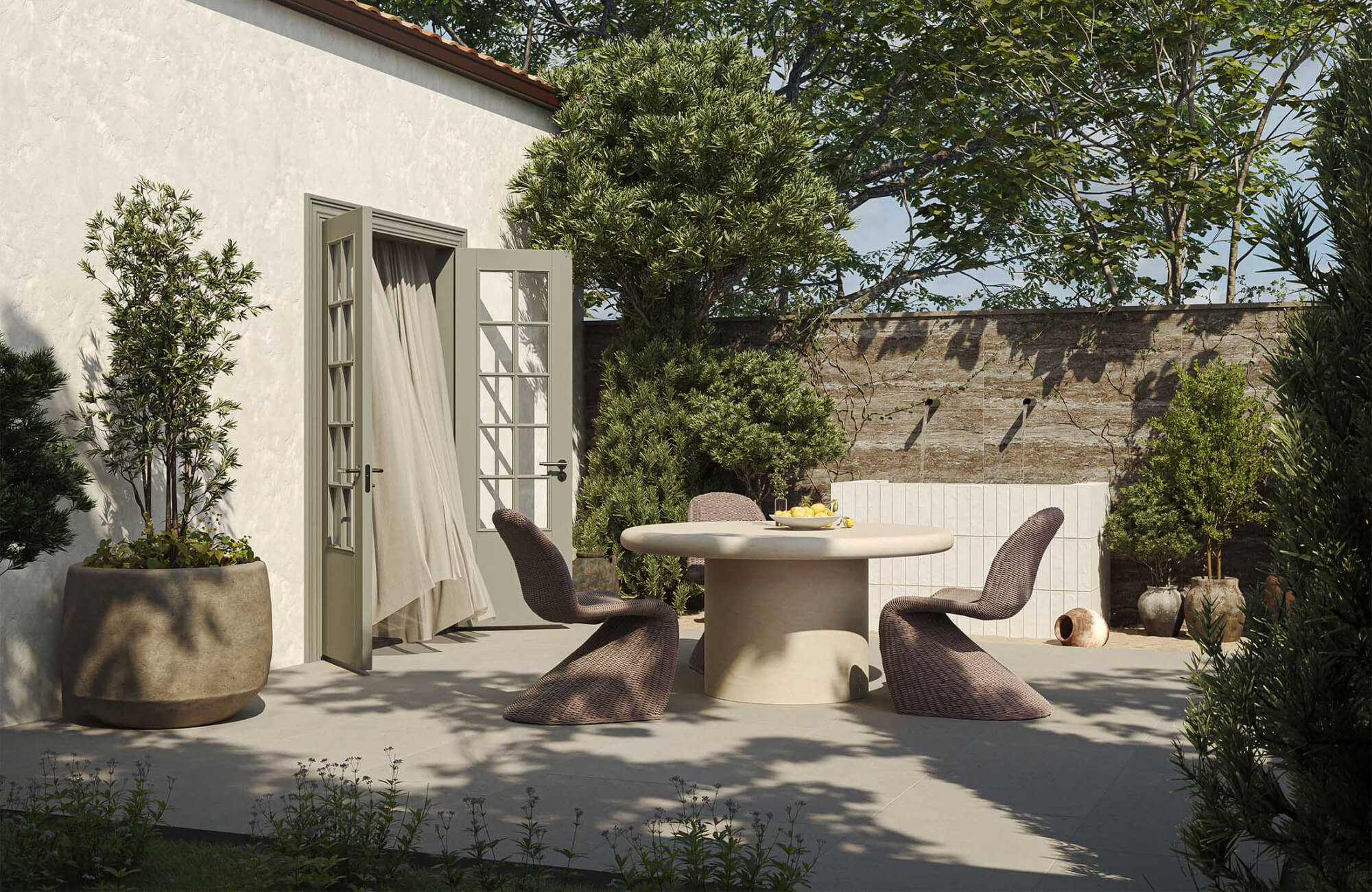
One of teak’s most distinctive qualities is its ability to age gracefully. When left untreated, the wood gradually transitions from a warm golden tone to a soft silver-gray patina. This transformation is purely cosmetic and does not affect the wood’s durability. For many, this weathered appearance enhances the aesthetic of outdoor spaces, lending a sense of timelessness and authenticity, as seen in Edward Martin’s Cielo Outdoor Console Table in the image above, where the organic wood grain subtly evolves with exposure.
During colder months, teak requires minimal care. Snow and frost do not compromise its structure, although periodic cleaning can help maintain its appearance. Some homeowners choose to cover or store teak furniture during extreme winter conditions, but this is more about preserving its original color than protecting its performance. Whether left exposed or lightly maintained, teak remains one of the most reliable materials for four-season outdoor living.
While teak is exceptionally resilient, performance can vary depending on climate conditions and craftsmanship, and occasional care may still be beneficial in more extreme environments.

Powder Coated Aluminum For Rust Free Resilience
For those seeking a lighter, more contemporary alternative to wood, powder coated aluminum offers exceptional durability combined with sleek design versatility. Aluminum’s natural resistance to rust, paired with modern finishing techniques, makes it an ideal choice for outdoor furniture that must endure varying weather conditions without compromising its appearance.
Why Powder Coating Outperforms Standard Paint
The powder coating process involves applying a dry powder to the aluminum surface, which is then cured under heat to form a hard, protective layer. This finish is significantly more durable than traditional liquid paint, as it resists chipping, scratching, and fading. The result is a smooth, even surface that maintains its color and integrity despite prolonged exposure to sunlight and moisture, a quality reflected in refined pieces like Edward Martin’s Mateo Outdoor Lounge Chair in Cream, shown in the image above, where the frame remains crisp and resilient over time.
Unlike painted surfaces that may peel over time, powder coating bonds more effectively with the metal, creating a barrier that shields it from environmental damage. This is particularly important in outdoor settings where UV rays and precipitation can quickly degrade lesser finishes. With powder coated aluminum, the structure remains intact and visually consistent, even after years of use.
Managing Freezing Temperatures With Aluminum
Aluminum performs exceptionally well in cold climates due to its non-porous nature and resistance to moisture absorption. Freezing temperatures do not cause the material to crack or weaken, making it suitable for regions that experience snow and ice. Its lightweight composition also allows for easy repositioning when needed, without sacrificing strength.
However, the quality of construction is essential to long-term performance. Well-engineered joints and reinforced frames ensure that the furniture remains stable under the added weight of snow or ice accumulation. When designed properly, powder coated aluminum furniture can remain outdoors year-round, offering both durability and modern appeal.

High Density Polyethylene Resin Wicker For Extreme Weather
Resin wicker has evolved significantly from its early iterations, with high density polyethylene, or HDPE, emerging as the preferred material for premium outdoor furniture. Designed to replicate the look of natural wicker while surpassing it in durability, HDPE resin is engineered to withstand the harshest environmental conditions.
The Difference Between PVC And Quality HDPE
Not all resin wicker is created equal. Lower-quality options often use PVC, which can become brittle over time and is more susceptible to cracking under UV exposure. HDPE, on the other hand, is a high-performance polymer that retains its flexibility and strength even after prolonged exposure to sunlight and temperature fluctuations.
HDPE resin is typically infused with color and UV inhibitors during the manufacturing process, ensuring that it does not fade or degrade easily. This intrinsic coloration means that even if the surface experiences minor wear, the underlying material remains consistent in appearance. For homeowners seeking longevity without compromising style, HDPE wicker offers a refined solution that endures.
Protecting Woven Frames From Ice Expansion
While the resin fibers themselves are highly resilient, the underlying frame structure is equally important. Most high-quality resin wicker furniture is built on powder coated aluminum frames, combining the benefits of both materials. This construction prevents issues related to moisture infiltration and freezing expansion, which can damage inferior products, an advantage clearly demonstrated by Edward Martin’s Solena Outdoor Lounger in White in the image above, where the woven base and supportive frame work seamlessly together.
In colder climates, ice formation within tightly woven materials can pose a risk if water is allowed to accumulate. Premium designs address this by ensuring proper drainage and spacing within the weave, allowing moisture to escape before freezing occurs. With thoughtful engineering, HDPE resin wicker furniture can remain outdoors throughout the year, maintaining both its structural integrity and visual appeal.

Heavy Duty Wrought Iron And Steel In Harsh Climates
For those who prioritize strength and permanence, wrought iron and steel offer unmatched durability in outdoor furniture. These materials are particularly well-suited for environments prone to strong winds, heavy snowfall, or frequent storms, where lighter materials may struggle to remain stable.
Defending Against High Winds And Blizzards
The substantial weight of wrought iron and steel furniture provides a natural advantage in challenging weather conditions. Unlike lighter alternatives, these materials are less likely to shift or tip over during high winds, making them a reliable choice for exposed outdoor areas. Their rigidity also ensures that they can support significant loads, including accumulated snow, without bending or deforming.
This inherent strength allows for intricate designs that remain structurally sound over time. From ornate dining sets to minimalist seating, wrought iron and steel furniture can be crafted to suit a wide range of aesthetic preferences while delivering exceptional performance in demanding climates.
Preventing Oxidation And Managing Rust Spots
Despite their strength, iron and steel are susceptible to oxidation if left untreated. Modern outdoor furniture addresses this through protective coatings such as galvanization, powder coating, or specialized paints that create a barrier against moisture. These finishes are essential for preventing rust and maintaining the material’s longevity, particularly in fixtures like Edward Martin’s Wilder Exterior Wall Sconce in Textured Black, featured in the image above, where durability and finish integrity are critical for long-term outdoor exposure.
Regular maintenance, such as inspecting for small chips or scratches and addressing them promptly, helps preserve the protective layer. When properly cared for, wrought iron and steel furniture can remain outdoors year-round, offering a balance of durability and timeless design.

High Performance Outdoor Fabrics That Survive The Seasons
While the frame of outdoor furniture provides its structure, the fabrics used for cushions and upholstery are essential to comfort and usability. Advances in textile technology have made it possible for outdoor fabrics to withstand continuous exposure to the elements without compromising on softness or visual appeal.
Understanding Solution Dyed Acrylics
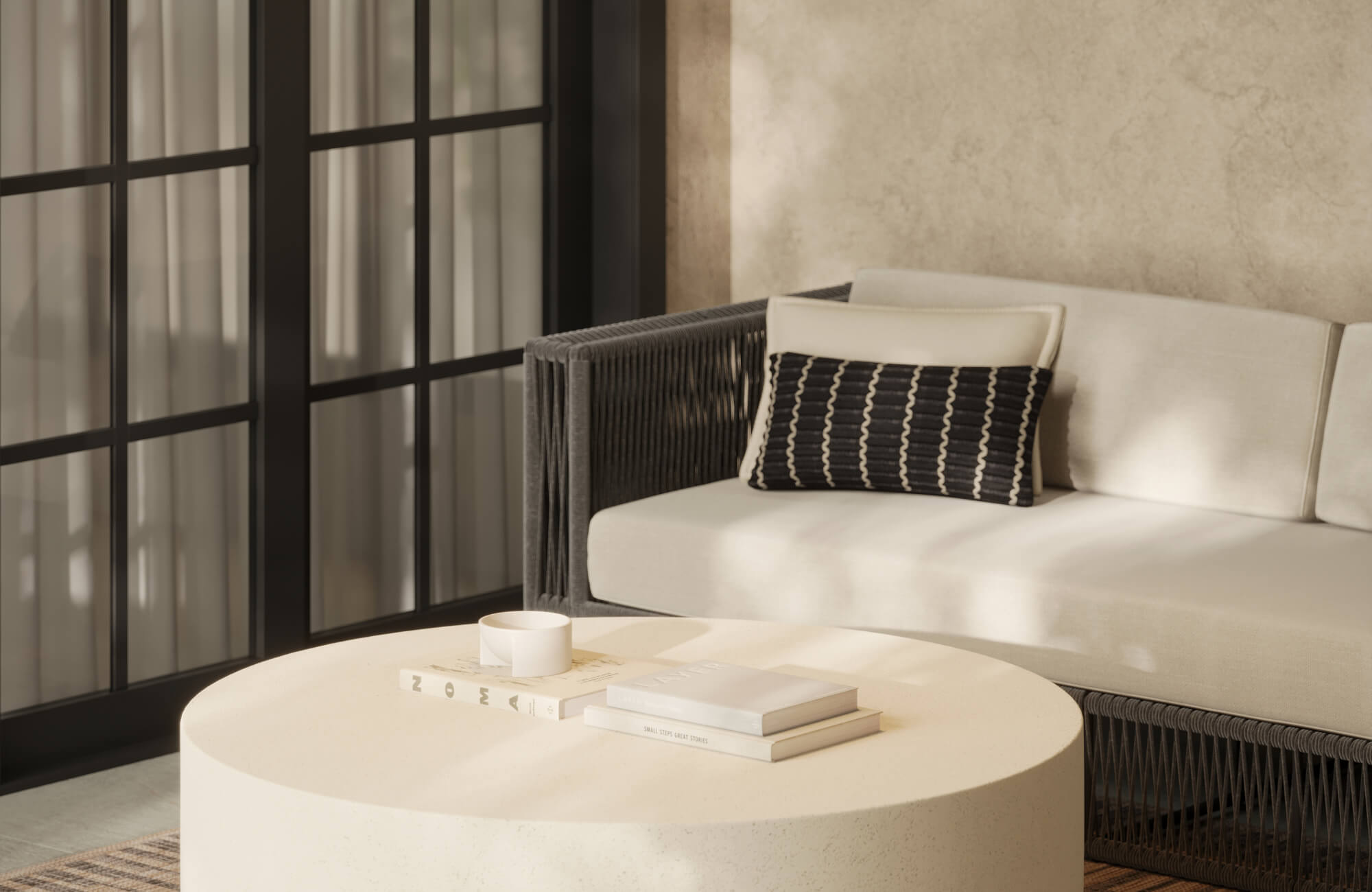
Solution dyed acrylic fabrics represent the gold standard for outdoor textiles. Unlike traditional dyeing methods, where color is applied to the surface, solution dyeing integrates pigment into the fibers during production. This results in fabrics that are highly resistant to fading, even under intense sunlight, which is especially important for upholstered pieces like Edward Martin’s Corvin Outdoor Sofa in Cream, as seen in the image above, where color consistency and softness are equally essential.
In addition to UV resistance, these fabrics are designed to repel water and resist mold and mildew. Their durability does not come at the expense of comfort, as they maintain a soft, fabric-like feel that enhances the overall outdoor experience. For year-round use, solution dyed acrylics ensure that cushions retain their color and integrity across seasons.
The Necessity Of Quick Drying Reticulated Foam
Beneath the fabric, the choice of cushioning material is equally important. Reticulated foam is specifically engineered for outdoor use, featuring an open-cell structure that allows water to pass through quickly. This prevents moisture from being trapped in the cushion, reducing the risk of mold and ensuring faster drying times after rain.
This type of foam also maintains its shape and support over time, even with repeated exposure to moisture and temperature changes. When paired with high-performance fabrics, reticulated foam creates a seating experience that remains comfortable and functional throughout the year, eliminating the need for constant storage or replacement.
Investing In Four Season Outdoor Living
Creating an outdoor space that endures through every season is ultimately an investment in both quality and lifestyle. By selecting materials such as teak, powder coated aluminum, HDPE resin wicker, and treated metals, you can achieve a balance of durability and design that transcends temporary trends. For those looking to refine their approach, Edward Martin’s design consultation offers tailored guidance to help align material selection with both climate and aesthetic vision.
As outdoor living continues to gain prominence, the ability to rely on furniture that remains in place year-round becomes increasingly valuable, allowing for a seamless transition between seasons. For personalized support or product inquiries, reaching out through the Edward Martin contact page provides a direct path to creating an outdoor environment that feels cohesive, enduring, and thoughtfully designed.