Outdoor seating can look similar at a glance, but the way it actually functions in your space can feel completely different. A setup that works well in one layout might feel restrictive or underused in another, even if the pieces are high quality. Choosing between an outdoor sofa and a sectional isn’t just about size or style, but about how the space is meant to be lived in. In this blog, we’ll break down how each option works in real setups so you can confidently choose a layout that fits your space, supports your routine, and continues to work as your needs evolve.

Outdoor Sofas vs Sectionals: What Sets Them Apart
Choosing between an outdoor sofa and a sectional comes down to how each one fits into your space, both visually and functionally. While they may seem similar at first, the way they shape layout, seating flow, and overall feel can be quite different. Looking at how each option works in real setups makes it easier to decide what actually suits your space.
How Outdoor Sofas Are Typically Used
Outdoor sofas are usually placed as standalone pieces that anchor a seating area without taking over the entire layout. They work well when paired with separate chairs, ottomans, or side tables, giving you more control over how the space is arranged. This setup tends to feel more open, which makes it easier to adjust or update individual pieces without reworking everything. It also allows for better circulation, especially in spaces where people need to move around comfortably. Because sofas don’t lock you into a fixed shape, they’re often a good choice for layouts that change depending on the occasion. In many cases, they create a balanced setup that feels structured but not overly defined.
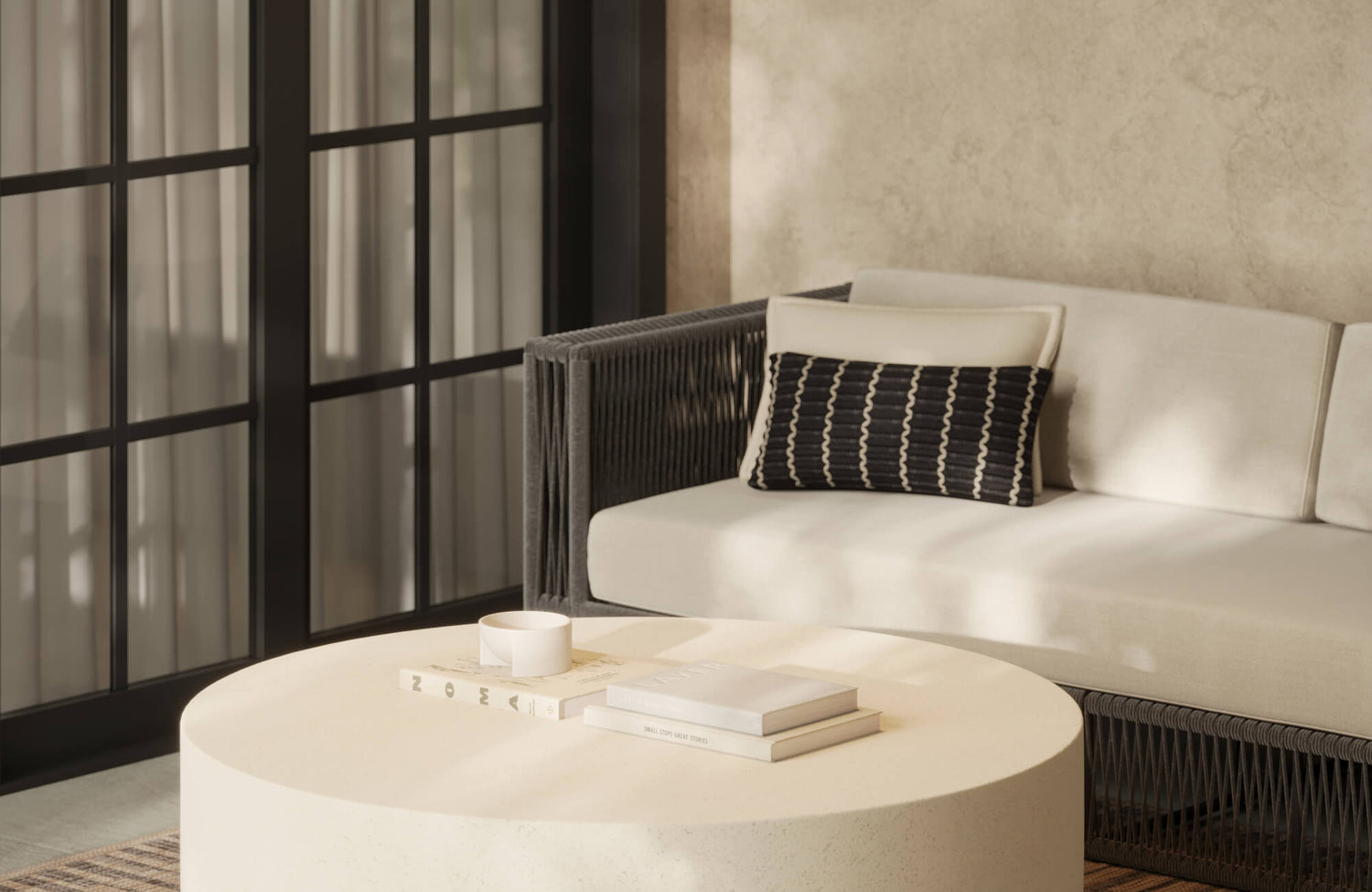
If your goal is to keep your outdoor space feeling open while still having a clear place to relax, a standalone sofa setup often fits more naturally. As seen above, our Corvin Outdoor Sofa in Cream works as a grounding piece without closing off the layout, allowing the surrounding elements to stay light and breathable. Its taupe polyrod weave over a black aluminum frame gives it structure, while the generous white cushions and teak base soften the overall feel. This kind of setup makes it easy to pair with side tables or additional seating without forcing everything into a fixed arrangement. It keeps the space adaptable, whether you’re hosting or simply unwinding. That balance between presence and flexibility is what makes outdoor sofas such a reliable choice in everyday setups.
What Makes Sectionals Feel More Integrated
Sectionals tend to create a more connected seating arrangement by forming a continuous layout that wraps around the space. Instead of separate pieces, everything feels unified, which naturally encourages people to gather and stay within that area. This makes them especially effective in spaces where the goal is to create a central zone for lounging or conversation. The way they fill corners or define boundaries also helps organize larger outdoor areas without needing extra furniture. At the same time, that built-in structure makes the space feel more intentional from the start. Because of this, sectionals often give outdoor areas a more complete and cohesive feel.
The Overall Look Each One Creates
The visual difference between sofas and sectionals often comes down to how open or defined you want the space to feel. Sofas usually create a lighter, more flexible look since they don’t dominate the layout, which helps maintain a sense of openness. On the other hand, sectionals tend to feel more grounded because they establish a clear seating zone within the space. This can make the area feel more finished, especially in larger setups that need more structure. The choice also affects how other elements, like tables or decor, fit into the layout. In the end, sofas lean toward a more adaptable and airy feel, while sectionals create a stronger sense of place and definition.

How Your Outdoor Layout Shapes the Right Choice
The way your outdoor space is laid out often matters more than the size alone when deciding between a sofa or a sectional. It’s not just about what fits, but how the seating works with movement, sightlines, and the overall flow of the area. When the layout feels natural, the furniture tends to settle in without forcing the space to adjust around it.
Working With Smaller Patios and Balconies
In smaller patios or balconies, every piece needs to earn its place without making the area feel crowded. A standard outdoor sofa often works better here because it keeps the layout open and easier to navigate. Instead of filling corners completely, it allows for a bit of breathing room, which helps the space feel less confined. You can also pair it with lighter, movable pieces like a single chair or a small table without overwhelming the setup. This makes it easier to adjust depending on how you use the space day to day. In tighter layouts, keeping things flexible usually leads to a more comfortable and usable setup.
Filling Larger or More Open Outdoor Areas
Larger outdoor spaces can sometimes feel undefined if the furniture doesn’t create a clear structure. This is where sectionals tend to work well, since they naturally form a seating zone that anchors the area. Instead of scattering multiple pieces around, a sectional brings everything together into one cohesive layout. This helps prevent the space from feeling empty or disconnected, especially in wide or open-plan setups. It also gives you a clear center for gathering, which makes the area feel more intentional. In these cases, filling the space isn’t about adding more pieces, but about choosing one that can hold the layout together.
If your outdoor space feels too open or lacks a clear focal point, a sectional can help define it without needing additional pieces. As shown above, our Riverton Outdoor 3Pc Sectional in Alessi Fawn naturally anchors the layout through its L-shaped form, creating a dedicated seating zone within a larger area. Its clean-lined wooden frame, paired with soft brown upholstery, balances structure and comfort, making the space feel intentional rather than empty. The continuous seating also encourages gathering, giving the area a clear purpose without overcrowding it. This kind of setup works especially well when you want the furniture to hold the layout together instead of relying on multiple separate pieces.
Designing Around Fire Pits, Pools, or Dining Zones
When your outdoor space includes features like a fire pit, pool, or dining area, seating needs to work around those elements rather than compete with them. A sectional can frame a fire pit nicely by creating a defined conversation area, while a sofa setup may work better if you want more flexibility between zones. The key is to think about how people move between these areas and where they naturally gather. If seating blocks are inaccessible or feel disconnected from the main feature, it can make the space harder to use. Instead, the layout should support those focal points and make them easier to enjoy. When everything is aligned, the space feels more cohesive without needing extra adjustments.
Keeping Pathways Clear and Easy to Move Through
Flow is one of the easiest things to overlook, but it has a big impact on how comfortable the space feels. Even a well-styled setup can feel awkward if people have to move around furniture just to get through. Sofas tend to leave more open pathways since they don’t extend into corners, while sectionals can sometimes close off areas if not placed carefully. That doesn’t mean sectionals don’t work, but they need to be positioned in a way that still allows easy movement. Thinking about how you enter, exit, and move within the space helps prevent those issues early on. When pathways feel natural, the entire setup becomes easier to use and more enjoyable to spend time in.

Choosing Based on How You Actually Use the Space
How you use your outdoor space day to day should guide your seating choice more than anything else. It’s less about what looks best in photos and more about what feels natural when you’re actually spending time there. When the furniture matches your habits, the space becomes easier to use without needing constant adjustments.
Spaces Built for Hosting and Entertaining
If your outdoor area is mainly used for hosting, seating needs to support conversation without feeling crowded or difficult to manage. A sectional often works well in this setup because it keeps everyone within the same zone, making it easier for people to interact without shifting chairs around. It naturally creates a shared space where guests can gather without breaking the flow. At the same time, it helps reduce the need for extra seating pieces, which can sometimes clutter the layout. The key is making sure there’s enough room for people to sit comfortably without feeling packed in. When done right, the setup feels welcoming and easy to use, even with a full group.
Setups Focused on Relaxation and Downtime
For spaces that are more about unwinding, comfort tends to matter more than structure. A sofa paired with a few flexible pieces can feel less rigid, giving you more freedom to stretch out or shift positions. This kind of setup makes it easier to use the space casually, whether you’re reading, taking a break, or just spending quiet time outside. It also avoids the feeling of being “locked into” a specific seating arrangement. Because everything isn’t fixed in one shape, the space feels more relaxed and less formal. Over time, this approach makes the area easier to settle into without needing to adjust anything.
If your outdoor space is mainly for slowing down and unwinding, a sofa setup often feels more natural and less restrictive. In the setup shown above, our Sabine Outdoor Sofa in Cream creates a relaxed, enveloping feel through its curved barrel back and intricately woven rattan detail. The thick off-white cushions and extended silhouette make it easy to settle in without needing to adjust anything around you. This kind of setup keeps the space calm, comfortable, and ready to use at any moment without feeling overly structured.
Outdoor Areas That Serve Multiple Purposes
Some outdoor spaces need to handle more than one function, which means the seating has to adapt without becoming a limitation. In these cases, an outdoor sofa setup often gives you more flexibility to rearrange or shift pieces depending on what you’re doing. One day it might be used for lounging, and the next for hosting or even working outdoors. Keeping the arrangement lighter makes it easier to switch between those uses without feeling like the layout is fixed. It also reduces the effort needed to reset the space after each use. When seating can adjust to different needs, the space feels more practical without losing its overall sense of design.

Flexibility vs a More Fixed Seating Setup
Some outdoor setups benefit from being easy to adjust, while others work better when everything stays in place. The choice between flexibility and consistency often depends on how often you like to change things or adapt the space for different uses. When the seating matches that preference, the space tends to feel more natural and easier to maintain over time.
Rearranging Your Setup Over Time
If you tend to refresh your space or change how you use it throughout the year, flexibility becomes a big advantage. Modular sectionals make this easier since individual pieces can be shifted, separated, or reconfigured depending on the situation. This allows you to adjust the layout for gatherings, quiet evenings, or even seasonal changes without starting from scratch. It also helps when you want to experiment with different setups without committing to one arrangement. Over time, this adaptability keeps the space feeling fresh without requiring new furniture. For people who like to tweak their layout, this kind of setup makes those changes feel effortless rather than disruptive.
Keeping a Consistent Layout Without Much Effort
On the other hand, some spaces work better when the layout stays consistent and doesn’t need constant adjusting. A sofa-based setup usually supports this because the arrangement feels stable and easy to maintain day to day. You don’t have to think about repositioning pieces or reworking the layout to keep things looking right. This can be especially helpful if you prefer a space that’s always ready to use without extra effort. It also creates a more predictable flow, which can make the area feel more relaxed and settled. In the long run, a fixed setup often works best for those who value simplicity and consistency over frequent changes.

Making the Final Choice Based on Long-Term Use
Choosing between an outdoor sofa and a sectional becomes clearer when you think beyond the current setup and consider how the space will be used over time. It’s less about finding the “right” option and more about picking what continues to work as your needs shift. When the decision is grounded in long-term use, the space tends to stay functional without needing frequent changes.
Thinking About How Your Needs Might Change
Outdoor spaces rarely stay the same, especially as routines, seasons, or household needs evolve. What starts as a quiet lounging area might later become a place for hosting, or the other way around. Because of this, it helps to choose seating that won’t feel limiting as those changes happen. If you expect your setup to shift often, flexibility becomes more valuable, while a more stable layout works better if your routine stays consistent. It’s not about predicting every future use, but about avoiding choices that feel restrictive too quickly. Thinking ahead in this way makes it easier to keep the same setup without needing to replace it.
Avoiding Common Layout Mistakes
One of the most common issues is choosing seating that looks right on its own but doesn’t work well once placed in the space. This often shows up when the layout feels too tight, blocks movement, or doesn’t align with how the area is actually used. Another mistake is overfilling the space, which can make it harder to move around or enjoy the setup comfortably. It’s also easy to focus too much on appearance and overlook how the seating will function day to day. Taking a step back and considering both movement and usability helps prevent these issues. In most cases, a simpler, more intentional setup holds up better than one that tries to do too much.
Choosing What Feels Natural for Everyday Use
The best choice is usually the one that feels easiest to use without needing to think about it. When seating fits your habits, whether that’s hosting, relaxing, or switching between both, the space becomes more intuitive. You don’t have to adjust things every time you sit down or prepare the area before using it. Instead, everything already works the way you need it to. This kind of setup tends to last longer because it doesn’t rely on constant effort to stay functional. In the end, choosing what feels natural day to day is what makes the space truly work over time.
A Setup That Actually Works for You
At the end of the day, choosing between an outdoor sofa and a sectional comes down to how naturally the setup fits into your routine and space. When the layout, seating, and flow all align with how you actually use the area, everything starts to feel easier without needing constant adjustments. It’s not about filling the space or following a certain look, but about creating something that holds up as your needs change. The right choice is usually the one that feels intuitive the moment you start using it.
If you’re still weighing your options, getting a second perspective can help you see what works beyond just appearance. Our personalized design consultation can guide you through layout decisions, seating combinations, and how to make the most of your outdoor space based on your lifestyle. It takes the guesswork out of choosing pieces that not only look right but also function well over time. More importantly, it helps you build a setup that feels consistent, comfortable, and easy to maintain from the start.