There is something captivating about an antique bathroom vanity—the kind of allure that modern designs, no matter how refined, can only emulate. These pieces carry within them stories of artistry, tradition, and time, each crafted by hand long before the age of machines. Their carved details, solid wood frames, and naturally aged finishes also bring an unmistakable sense of character to a space. Although modern vanities focus on precision, convenience, and sleek functionality, antiques evoke warmth and individuality, transforming the bathroom from a purely utilitarian space into one that reflects history and soul.
Beyond their visual charm, antique vanities represent a philosophy of creation that values patience and craftsmanship over speed and replication. They remind you that furniture can be both beautiful and enduring, crafted to be repaired, loved, and passed on rather than replaced. Whether restored to their former glory or reimagined within a modern setting, antique vanities offer more than design inspiration. They also invite you to slow down, to connect with the artistry of the past, and to build a space filled with authenticity and meaning.

The Story Behind the Craftsmanship
Antique bathroom vanities are not merely functional pieces. They are living testaments to artistry, devotion, and human skill. Each one was crafted in an era when furniture making was a deeply personal pursuit, long before machines and automation transformed the industry. Every curve, carving, and joint reflected an artisan’s care and precision, born from years of learned technique and an intuitive understanding of materials. These vanities were more than furniture; they were expressions of passion and pride, shaped by hand and heart. The intricate flourishes, from ornate scrolls to delicately beveled edges, reveal not only aesthetic excellence but also a respect for craftsmanship that ensured both beauty and longevity. Each handmade detail, from the dovetail joints to the layered polish that brings the wood to life, stands as a mark of integrity and enduring artistry.
The craftsmanship behind these pieces also speaks to a time when design and durability were inseparable. Every antique vanity was built with purpose, using traditional joinery methods such as mortise-and-tenon and dowel connections that required skill and precision rather than adhesives or shortcuts. Even the tools like simple chisels, hand planes, and carving knives were wielded with mastery to achieve strength and grace in every line. What truly distinguishes these creations, however, is the unmistakable human touch. The faint tool marks, subtle irregularities, and warm finish give each vanity a distinct personality, making no two pieces alike. When you bring one into your space, you become part of a story that honors patience, craftsmanship, and timeless design.

Material Integrity and Longevity
The enduring quality of antique vanities lies not only in their artistry but also in the integrity of their materials. Built from nature’s finest resources, these pieces were designed to last for generations, maturing gracefully rather than deteriorating over time. Unlike many modern furnishings made for convenience, antique vanities possess a natural resilience and depth that come from authentic materials, each one aging beautifully, telling its own story with every passing year.
Solid Woods
The foundation of most antique vanities is solid hardwood such as oak, mahogany, or walnut, each selected for its strength, texture, and enduring beauty. These woods were chosen not only because they could withstand decades of use but because they revealed character through time. As the years pass, exposure to air, light, and touch enhances their patina, giving the surface a soft sheen and depth that can’t be replicated by modern laminates or veneers. Every scratch, every slight discoloration becomes part of the vanity’s story, adding authenticity rather than diminishing its appeal.
When you stand before an antique vanity, you can often see the tight grain of oak, the deep luster of mahogany, or the warm, chocolate tones of walnut, all rich with natural variation. This is what makes antique wood so captivating: no two pieces are ever alike. Where modern alternatives rely on uniformity and synthetic finishes, antique vanities celebrate the uniqueness of the material itself, transforming function into artistry.
Natural Stone and Handcrafted Hardware
Beyond wood, antique vanities often feature natural stone surfaces that embody both elegance and practicality. Marble and travertine were prized for their durability and timeless appeal, chosen not only for their refined appearance but for their ability to withstand daily use. Over time, these stones develop subtle veining and soft variations that reveal their history, marks of authenticity that only natural materials can achieve. The combination of cool stone and warm wood also creates a harmonious balance of textures that feels both luxurious and grounded.
Complementing these natural surfaces, the hardware on antique vanities often made of brass, bronze, or wrought iron was typically hand-forged and detailed with artistry. Handles and hinges were not simply functional but decorative, designed to enhance the overall composition of the piece. When you open a drawer or touch a handle, you can sense the craftsmanship that shaped it. These small but meaningful details remind you that antique design was as much about tactile experience as it was about appearance.
The Modern Contrast
Modern vanities bring a different kind of beauty to today’s interiors; one defined by innovation, versatility, and ease of use. Many are built with engineered woods, high-quality veneers, or durable composites that ensure consistency, stability, and long-term reliability. Floating vanities, for instance, offer a sleek, space-saving design that gives bathrooms an open and airy feel, while double sink vanities provide convenience for shared spaces without compromising style. Their sleek lines and refined finishes also make them ideal for contemporary spaces, offering a sense of order and simplicity that complements modern lifestyles. With low-maintenance surfaces and customizable designs, they provide practicality without sacrificing style, making them a smart choice for those who value function as much as form.
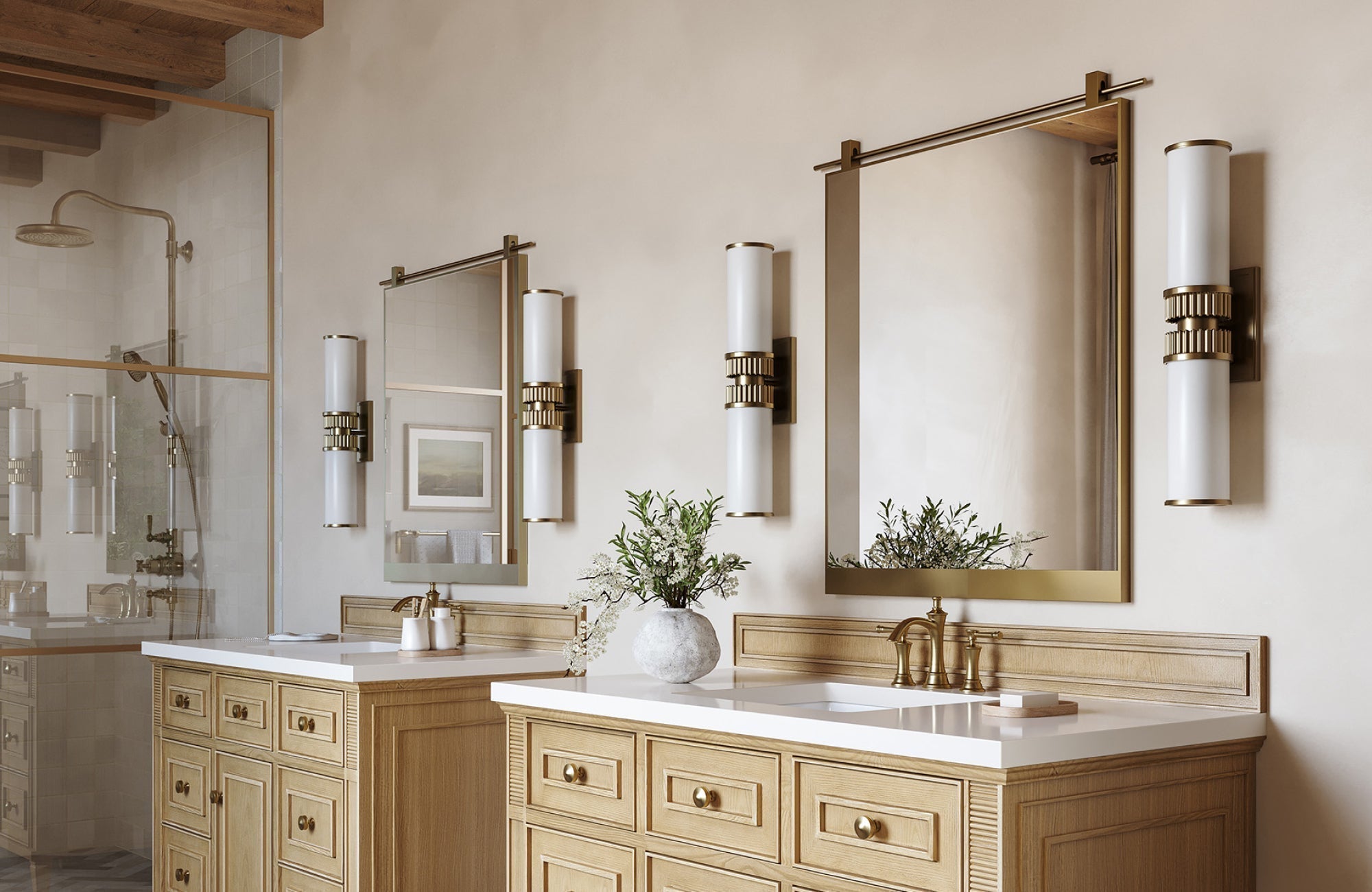
A perfect example of this refined modern aesthetic is our Royce 72" Double Vanity in Chestnut with 3 cm White Zeus Quartz Top, displayed in the image above. Its rich, medium brown with natural wood grain texture adds an inviting warmth to the clean geometry of a contemporary bath. The crisp white quartz top also creates striking contrast while ensuring a durable, low-maintenance surface, reflecting how modern design can seamlessly merge functionality and elegance.
Antique vanities, by contrast, carry a tactile richness and organic warmth that modern pieces intentionally echo. Where contemporary designs shine in precision and efficiency, antiques excel in individuality and depth. Choosing between the two isn’t about right or wrong. It’s about what story you want your space to tell. In combining modern materials with antique character, you create a balance between innovation and tradition, proving that both can coexist beautifully in a thoughtfully designed space.

Design Language and Aesthetic Appeal
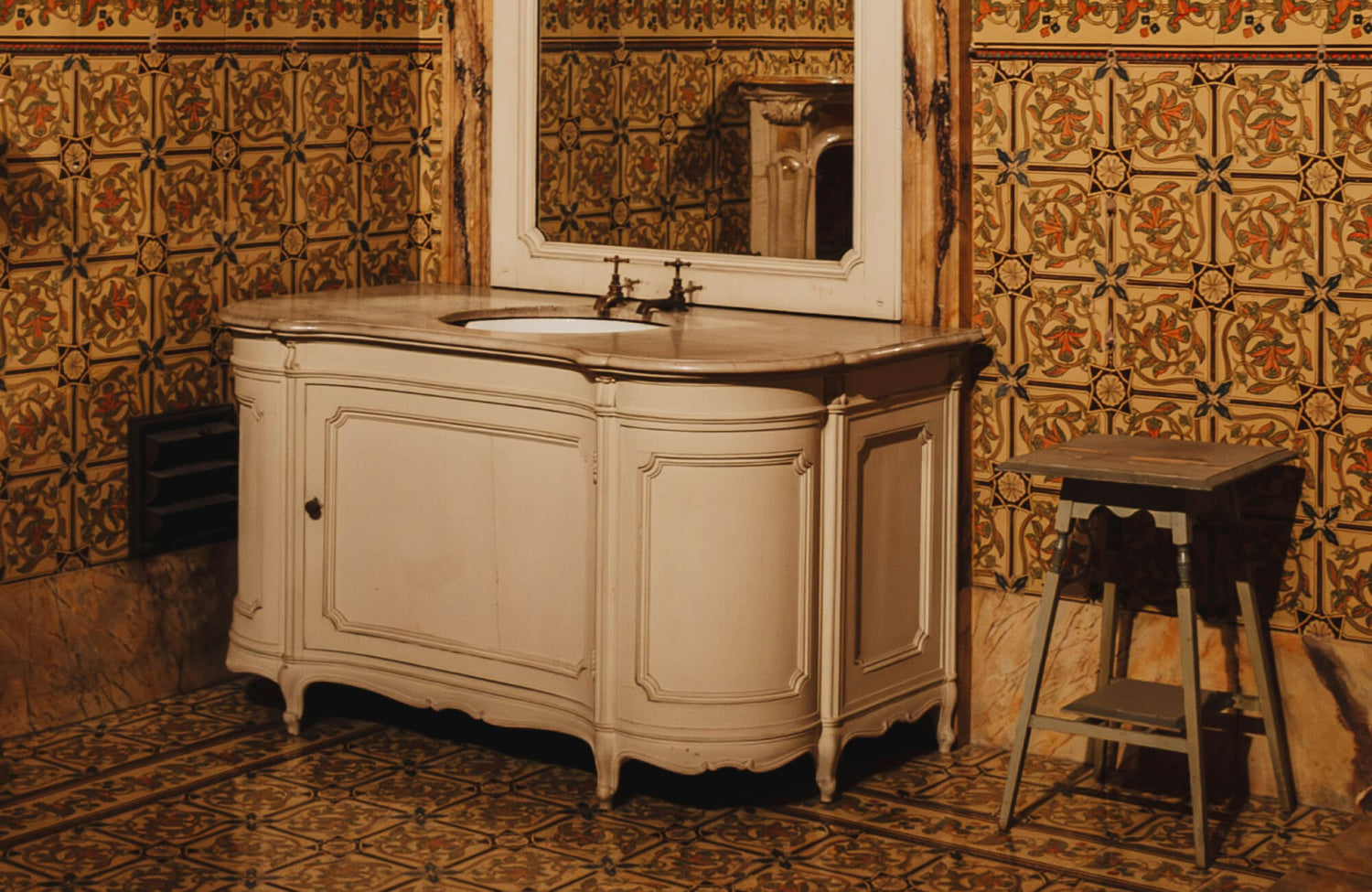
Antique bathroom vanities speak a visual language rooted in artistry and emotion. Unlike modern designs that favor simplicity and restraint, these pieces were created to command attention, blending functionality with sculptural beauty. Every curve, carving, and embellishment was deliberately crafted to express both luxury and individuality. The intricate details, whether in hand-carved floral motifs, gilded accents, or graceful cabriole legs, reflect the artistic movements of their time, from the ornate fluidity of Rococo to the refined symmetry of Queen Anne. Their proportions, guided by natural rhythm rather than mathematical precision, achieve a balance that feels instinctive and alive. The gentle curves, flowing lines, and thoughtful use of negative space also create visual harmony that softens the edges of any room.
Modern interpretations of antique design continue to draw inspiration from these timeless forms, blending old-world charm with contemporary function. A striking example is our Demi 30" Single Vanity in Mid-Century Walnut with 3 cm White Zeus Quartz Top, seen in the photo above. The deep brown finish with fine woodgrain texture captures the inviting warmth of heritage furniture, while its crisp white quartz top introduces a sleek modern balance. Clean lines and tapered legs also give it a sculptural quality that nods to vintage craftsmanship yet feels entirely at home in contemporary spaces. This merging of eras proves that antique beauty never loses its relevance. It simply evolves, offering you the best of both worlds: the warmth and romance of history alongside the sleek practicality of modern living.

Functionality in the Modern Era
Bringing an antique vanity into a modern bathroom is about achieving balance, preserving the artistry of the past while embracing the convenience of the present. With thoughtful updates, these heritage pieces can be transformed into fully functional fixtures that fit seamlessly into contemporary spaces. Small but strategic modifications such as plumbing integration, protective finishes, and clever storage enhancements ensure that an antique vanity serves your everyday needs without losing its soul. When done with care, the result is not a compromise but a collaboration between eras, a design that honors tradition while adapting gracefully to modern life.
Adapting an antique vanity for modern use also requires precision and respect for its original form. Since most were not built with plumbing in mind, adjustments must be subtle and deliberate. Drilling for faucets or installing sinks can be done without disrupting the piece’s structure, especially when you work within its proportions and existing craftsmanship. The same principle applies when balancing old-world charm with new materials: a carved wooden base paired with minimalist fixtures, a marble countertop, or contemporary lighting creates a timeless yet functional design. To ensure longevity, applying waterproof finishes and reinforcing joints protects the wood, while discreet storage solutions keep your space organized without altering its character. In blending old and new, you create a vanity that doesn’t just meet practical needs; it tells a story of evolution, proving that functionality and heritage can coexist in perfect harmony.
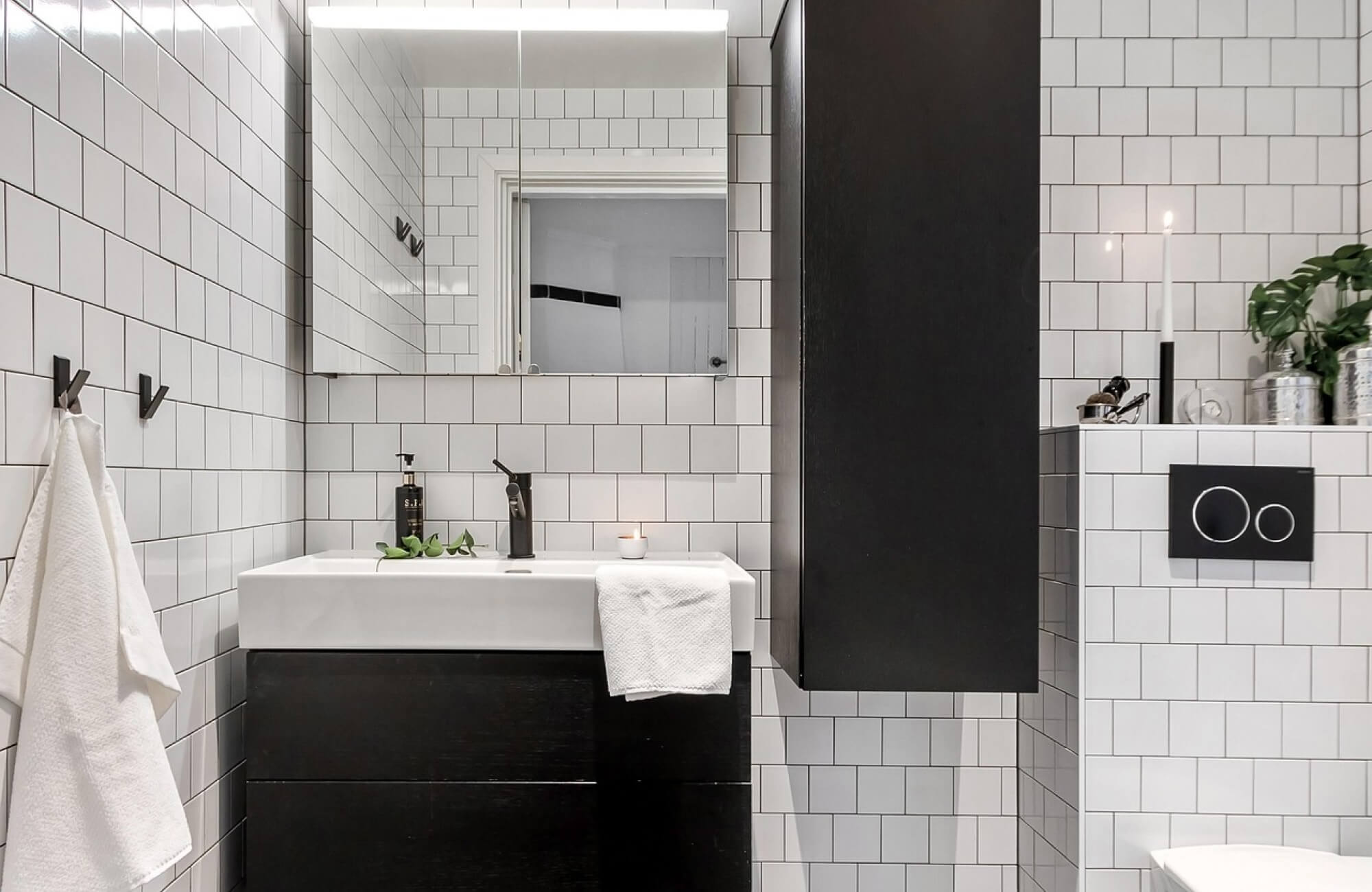
Modern vanities carry this dialogue forward with clean lines, advanced materials, and a refined simplicity that suits today’s lifestyles. A piece like our Colton 36" Single Vanity in Sable with 3 cm White Zeus Quartz Top embodies this evolution. As shown in the picture above, its deep, neutral brown finish echoes the warmth of aged wood and the sleek quartz top reinterpret the grace of antique furniture in a minimalist, functional form. Combining subtle mid-century inspiration with contemporary craftsmanship, it showcases how modern design can preserve the spirit of tradition while offering the effortless practicality that defines modern living.
Why Antique Vanities Still Matter Today
Antique bathroom vanities endure because they embody something timeless: the union of craftsmanship, character, and emotional depth. They serve as living reflections of an era that valued artistry and authenticity, offering warmth and individuality that stand apart from the uniformity of mass production. Yet, modern vanities also hold their own appeal, celebrating innovation, efficiency, and adaptability. With features like floating silhouettes, double sinks, and durable, low-maintenance materials, they bring comfort and practicality to contemporary living. Together, antique and modern vanities reveal the full spectrum of design where one honors history and soul, the other champions progress and simplicity. Ultimately, whatever you choose depends on your personal preference, whether you’re drawn to the charm of the past or the convenience of modern design.
If you’re ready to bring modern vanities into your space, our team is here to help you make the right choice. Our experts can guide you in selecting from a range of contemporary designs that combine innovation, durability, and effortless style, perfect for today’s living spaces. Visit our Contact Us page to connect with our team, ask questions, or receive personalized advice on choosing a modern vanity that enhances both the beauty and functionality of your bathroom.