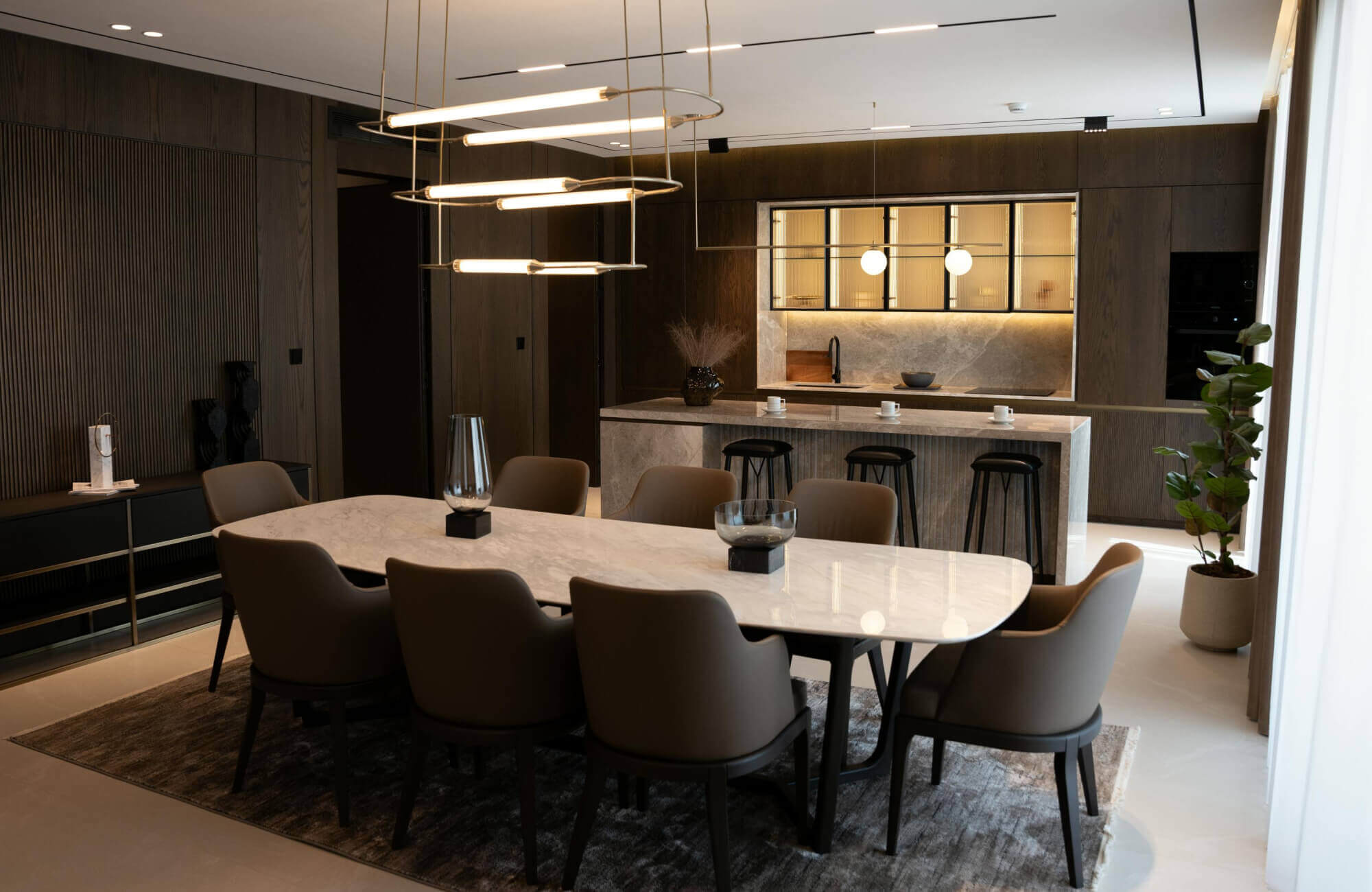
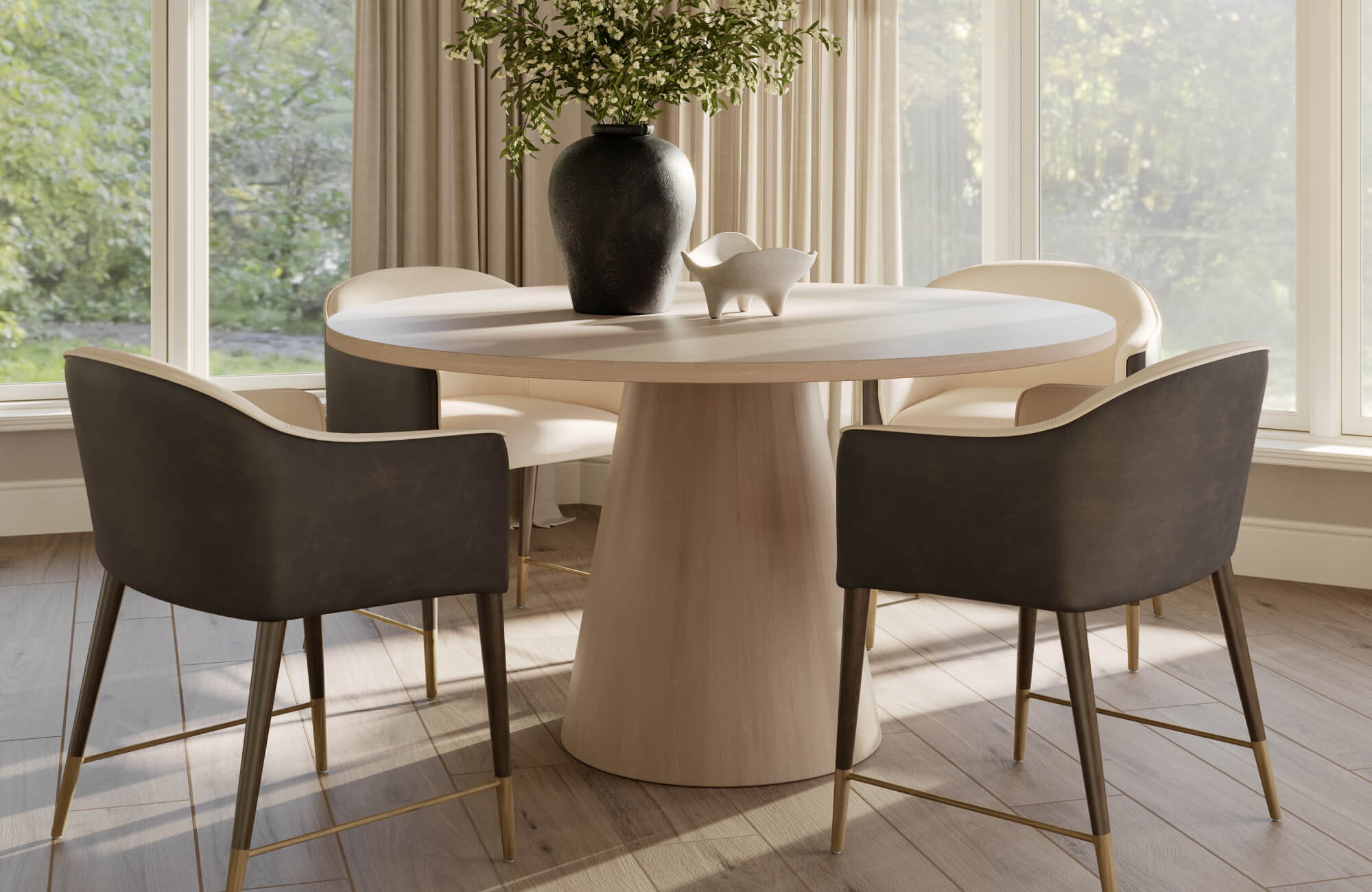
Choosing between counter stools and bar stools may seem simple, but the right choice can make all the difference in how your kitchen, dining, or entertainment space feels. These two seating types may look similar, yet their height, function, and placement set them apart in both comfort and style. In this blog, we’ll break down the key differences between counter and bar stools, help you find the right fit for your space, and share expert tips to make your selection easier.

The Basics of Counter and Bar Stools
When choosing between counter and bar stools, the difference often comes down to height and purpose. Each type serves a specific setting and function, helping create a seating arrangement that feels both comfortable and visually balanced. Understanding their basic dimensions and where they work best makes it easier to choose stools that complement your home’s layout and lifestyle.
What Are Counter Stools?
Counter stools are designed for kitchen islands or counters that stand about 34 to 36 inches high. Standard counter stools typically range from 24 to 27 inches in seat height, but they can extend into transitional or extra-long versions that reach the 30-inch range for a taller, more elevated sit, such as our Shaffer Counter Stool in Charcoal Black Leather above. Their added height gives them a strong visual presence, making them common in home bars, casual kitchen seating, and modern open-plan layouts. These stools work well for quick meals, morning coffee, and everyday kitchen gatherings, helping bridge the space between prep and dining spaces.
What Are Bar Stools?
Bar stools are slightly taller, usually between 28 and 32 inches in seat height, to pair with bar-height tables or counters around 40 to 42 inches high. Some designs extend into extra-tall or transitional bar stool heights, reaching the upper 30s to low 40s for higher bar setups. Their added height brings a stronger visual presence, making them popular in home bars, entertainment areas, and commercial bar environments where a taller seating experience is needed. These stools naturally create a more social, elevated atmosphere and help define entertaining zones within larger rooms.
Key Measurement Differences
The main difference between counter and bar stools lies in those few crucial inches of height, which directly affect comfort and alignment. A counter stool that’s too tall can make sitting awkward, while a bar stool that’s too short can feel impractical at a taller surface. For example, the ideal gap between the seat and countertop is typically 9 to 13 inches, allowing comfortable movement without crowding. Paying attention to these proportions ensures both functionality and a polished look that feels cohesive within your kitchen or dining setup.

Height and Proportion – The Key Difference
When comparing counter stools and bar stools, the main distinction lies in height and how that height affects both comfort and proportion within a space. A few inches might not seem significant, but they can completely change how practical and balanced your seating feels.
Legroom and Spacing
Legroom is an important part of proportion. Ideally, there should be about 9 to 13 inches between the top of the stool seat and the underside of the counter or bar, as mentioned before. This gap provides enough space for comfortable sitting and easy movement. For instance, a counter stool offers slightly less legroom due to its lower height, which fits naturally under standard kitchen counters. Bar stools, being taller, need a bit more clearance to maintain that same relaxed posture. Ensuring proper spacing between each stool, usually around 6 inches, also keeps the setup from feeling crowded, especially in open kitchens or entertainment areas.
Impact on Visual Balance
The right stool height also contributes to how visually balanced your room feels. Counter stools create a seamless flow with surrounding cabinetry and kitchen surfaces, blending naturally into everyday spaces. Bar stools, however, tend to introduce more vertical emphasis, making them stand out as design features in home bars or dining nooks. The difference in proportion helps define the function of each area, guiding the eye through levels of height across the room. When chosen thoughtfully, the variation in height adds depth, dimension, and rhythm to the overall design.
Adjustable Options
A great option if you want flexibility is adjustable stools that bridge the gap between counter and bar heights. These designs use hydraulic lifts or screw-style mechanisms to adapt to various surfaces and user preferences. They’re especially convenient for multi-purpose kitchens or open layouts where counters and tables vary in height. Adjustable stools also make it easier to maintain proportion when your space serves both casual and formal uses. This versatility ensures every seating area feels comfortable, cohesive, and perfectly balanced.

Comfort and Functionality in Everyday Use
Comfort plays a major role in choosing between counter stools and bar stools, especially when they’re part of your daily routine. Whether you’re enjoying morning coffee, entertaining guests, or working at the counter, the right combination of support, mobility, and material can make all the difference.
Seat Shape and Depth
The shape and depth of a stool directly affect how comfortable it feels for longer sitting periods. Wider seats provide more room to relax, while gently curved or contoured surfaces help maintain natural posture. Counter stools often favor slightly deeper seats since they’re used for longer, casual meals or family gatherings. Bar stools, by comparison, may feature narrower designs to fit more seating along a higher counter or bar. Choosing a seat that balances space, comfort, and practicality ensures that everyone can sit comfortably without feeling restricted.
Backrests and Armrests
Support is another key factor that distinguishes stools for daily use. Counter stools tend to include backrests or armrests since they’re used more frequently for casual dining and family activities. These added supports help improve posture and reduce strain, especially during longer meals or work sessions at the counter. Bar stools, however, often feature open-back or armless designs to preserve a sleek silhouette and allow easier movement in social settings. Selecting the right back style depends on how you use the space, comfort for daily use, or flexibility for entertaining.
Footrests and Stability
A sturdy footrest is essential for comfort, especially when sitting on taller stools. Both counter and bar stools typically include built-in footrests that help stabilize the body and prevent dangling legs, which can lead to discomfort over time. Counter stools may have slightly lower footrests, aligning with their shorter height, while bar stools require higher ones to support proper alignment. Solid construction also matters here, as stability enhances both comfort and confidence while sitting. This simple feature contributes more to everyday comfort than many realize.
Swivel and Adjustable Features
Swivel and adjustable mechanisms bring versatility and ease to both counter and bar stool designs. Swivel bases allow users to turn without dragging the stool, making them perfect for busy kitchen islands or social spaces where interaction is frequent. Adjustable stools, equipped with hydraulic or screw-lift systems, can adapt to varying counter heights or user preferences. They work especially well in open-concept areas that serve multiple purposes throughout the day. These features not only improve mobility but also extend the life and practicality of your seating setup.
Upholstery and Cushioning
The type of seat material and cushioning plays a key role in both comfort and practicality. Upholstered stools with padded seats provide soft, supportive comfort that’s perfect for longer sitting, while solid wood or metal designs create a sleek, easy-to-clean surface for everyday use. Counter stools often feature deeper, cushioned seats that invite relaxation, whereas bar stools in lively settings may use firmer materials that emphasize style and structure. Choosing between the two depends on how often the stools are used and the level of care you prefer for your seating.
A perfect example of this balance between comfort and craftsmanship is our Shaw Counter Stool in Bergen Olive, shown above. Its curved back and plush foam-and-fibre cushioning offer lasting comfort for daily dining or casual gatherings, while the rich olive upholstery brings warmth and a refined touch of texture. Supported by slender antique brass legs, it achieves a timeless mix of softness and structure, making it a versatile choice for both contemporary and classic interiors.

Finishes and Materials That Define the Look
The finish and material of your counter or bar stools have a major influence on how your space feels. They help set the tone, whether warm and inviting, sleek and modern, or bold and dramatic, while also determining how well your stools hold up to daily use.
Antique Brass
Antique brass brings warmth and sophistication to any space. Its soft golden undertone adds depth without overpowering nearby elements, making it a great companion for natural wood, marble, or stone countertops. This finish also works beautifully in transitional and vintage-inspired interiors, adding a timeless glow that feels both inviting and refined. Because of its versatility, antique brass stools can tie together mixed metal finishes across fixtures and lighting for a coordinated, polished look.
Black
Black finishes are a favorite for their bold yet adaptable quality. They create a striking contrast in bright or neutral kitchens while still blending effortlessly into darker palettes. Whether in matte or glossy form, black stools lend structure and definition, grounding the room visually. This finish works particularly well in modern or industrial settings, where clean lines and strong silhouettes are key. It’s a practical choice too, offering durability and easy maintenance for high-use areas.
Brown
Brown tones introduce a sense of natural warmth and comfort, especially in rustic, traditional, or farmhouse-inspired spaces. Wooden stools in rich brown finishes like walnut or chestnut bring texture and depth, complementing cabinetry or flooring with organic character. This finish adds an earthy grounding effect, balancing lighter tones and softening metallic accents nearby. When paired with neutral upholstery or soft lighting, brown stools create a welcoming, homey atmosphere perfect for casual dining and conversation.
A great example of this timeless appeal is our Bower Counter Stool in Brown, shown above. Its rich, leather-like upholstery and softly curved silhouette bring warmth and texture to the room, while gold stainless steel accents add a touch of sophistication. The contrast between the black metal frame and brown seating creates a grounded yet refined look that feels both contemporary and inviting, perfect for kitchens or bars that balance comfort with style.
Gold
Gold finishes bring brightness and a hint of glamour to both transitional and modern interiors. They reflect light beautifully, enhancing the overall warmth and radiance of the room. Subtle brushed gold tones feel sophisticated and contemporary, while polished gold creates a bolder, more luxurious statement. These finishes pair well with soft neutrals, velvety textures, or glass-topped surfaces, adding an elegant touch that elevates everyday spaces into something truly special.
Greige
Greige, a mix of gray and beige, has become a modern neutral that blends seamlessly with a variety of palettes. It offers the softness of beige with the cool balance of gray, creating a calm and contemporary feel. Greige stools fit perfectly in minimalist or Scandinavian-inspired spaces, where subtlety and texture matter. They complement natural wood, white stone, or muted metallics beautifully, making them a versatile choice for understated sophistication.
Light Wash
Light wash finishes evoke an airy, coastal charm that instantly brightens interiors. The soft, sun-bleached look of oak or ash adds freshness and a sense of space, making it ideal for Scandinavian, coastal, or bohemian-style homes. These finishes pair especially well with white cabinetry, linen accents, and natural light, bringing a relaxed yet polished tone. Light-wash stools help create a soothing atmosphere that feels organic, breezy, and effortlessly elegant.
Matte Black
Matte black strikes the perfect balance between refined and understated. Its non-reflective finish creates depth and dimension without drawing too much attention, making it a favorite for modern and industrial spaces alike. This finish pairs beautifully with wood, stone, or metal surfaces, adding contrast that feels both sleek and grounded. Because it’s resistant to fingerprints and wear, matte black is also a practical option for busy kitchens or bar areas. It’s a finish that quietly enhances the room’s design while maintaining timeless appeal.

Where Each Works Best
Choosing between counter and bar stools often depends on where they’ll be used most. The right placement enhances comfort, defines function, and adds style to everyday spaces. Whether you’re designing a cozy breakfast nook or a lively entertainment area, knowing where each stool type fits best helps create a layout that feels both practical and polished.
Kitchen Islands and Breakfast Counters
Counter stools, such as our Georgia Counter Stool in White above, are a natural fit for kitchen islands and breakfast bars, offering comfort and accessibility for daily meals or quick conversations. Their height aligns perfectly with standard counter surfaces, making them ideal for prepping food, working on a laptop, or enjoying coffee in the morning. Because they’re used so often, counter stools benefit from features like cushioned seats, supportive backs, and easy-to-clean finishes. They help bring the family together around a central space, blending functionality with everyday warmth.
Home Bars and Entertainment Areas
Bar stools, with their added height and presence, shine in spaces designed for entertaining. They pair beautifully with bar-height tables or built-in counters, creating a more elevated and social atmosphere. These stools also make a statement visually, adding vertical interest and giving guests a clear view across the room. In home bars, game rooms, or lounge areas, bar stools encourage interaction while maintaining a sense of sophistication. Choosing styles with durable materials or footrests enhances both comfort and long-lasting appeal.
Open-Concept Living Spaces
In open-concept homes, mixing counter and bar stools can help define different zones without using walls or partitions. For instance, counter stools at a kitchen island can transition seamlessly into bar stools at a nearby high-top table, maintaining visual flow while marking functional areas. Coordinating finishes and silhouettes between the two types keeps the look cohesive while offering flexibility for dining, entertaining, or casual lounging. This layered approach adds depth to large spaces, helping them feel connected yet distinct.
Outdoor or Patio Bars
For outdoor kitchens or patio bars, bar stools built with weather-resistant finishes and materials are key. Powder-coated metal, treated wood, and all-weather wicker are durable choices that resist fading, rust, and moisture. These designs bring comfort and style to outdoor gatherings, allowing you to enjoy the same inviting setup you’d expect indoors. Counter stools can also work well in covered outdoor dining areas, offering a relaxed yet coordinated look.
Finding the Right Stool Height for Your Space
Choosing between counter and bar stools comes down to how you want your space to function and feel. Counter stools naturally suit daily routines, creating a comfortable hub for meals, work, and conversation, while bar stools bring a sense of sophistication and height to social or entertainment areas. Both options can transform the look and flow of a room, so it’s worth considering how proportions, finishes, and placement affect your overall design. When thoughtfully selected, the right stools can make your kitchen or bar area feel cohesive, welcoming, and visually balanced.
If you’re unsure which stool style fits best with your home’s layout, our design professionals can help you decide. From measuring counter heights to selecting finishes that complement your lighting and hardware, we’ll guide you through every detail to achieve a seamless, functional design. Book a personalized design consultation today and discover how the perfect set of stools can bring both comfort and character to your space.