
)
)
)
)
)
)
)
)
How Do I Choose A Dining Table Style?
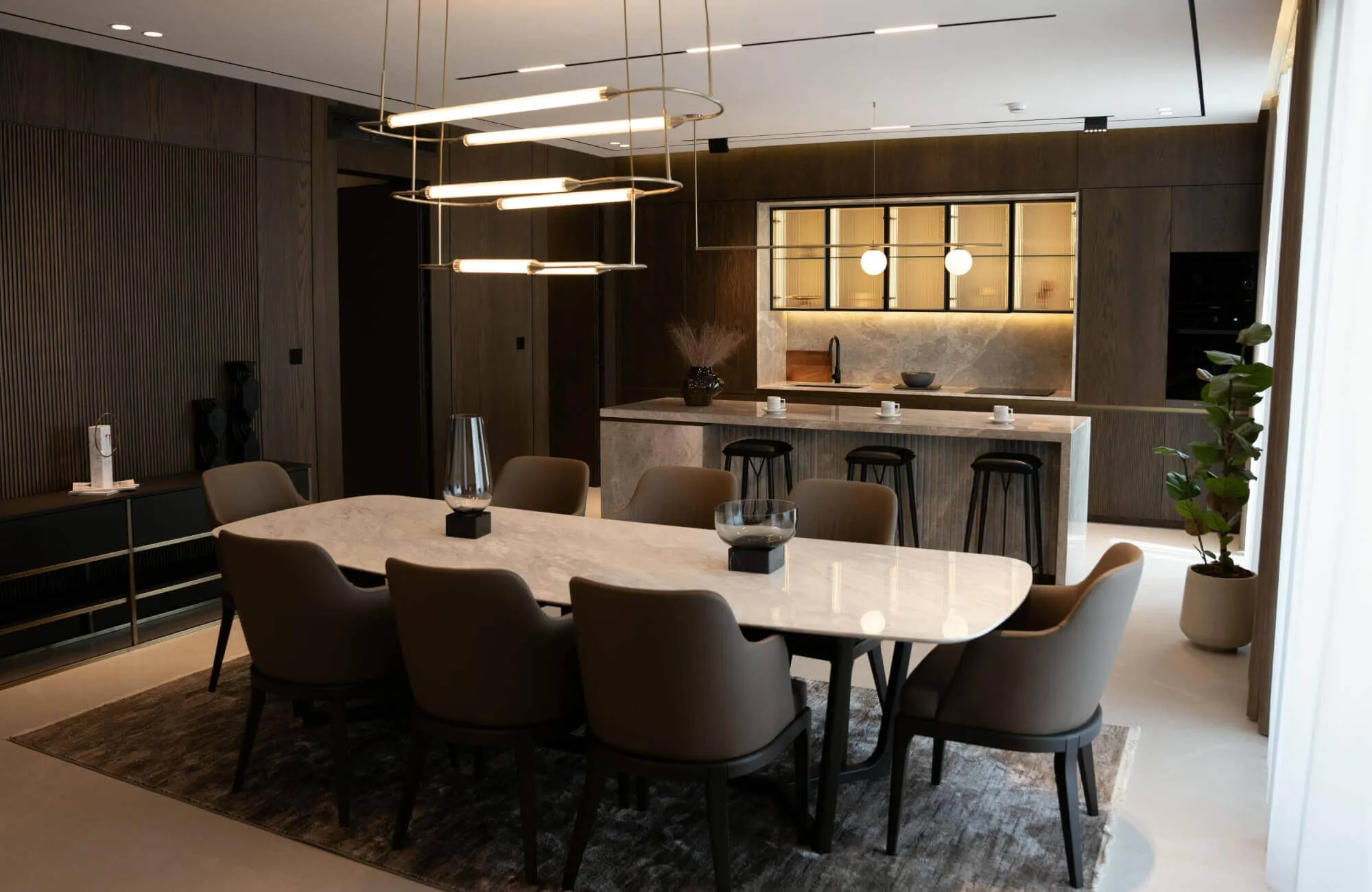
Choosing the right dining table can be a significant decision. It’s not just another piece of furniture; it’s also where you gather with family, share meals, and host friends. The right dining table fits your lifestyle, complements your décor, and feels naturally at home in your space. It should reflect how you live, from everyday breakfasts to special celebrations, while enhancing the flow and character of your dining area. Let’s walk through what to consider so you can make an informed choice that blends comfort, function, and style in one cohesive piece.
Designing Your Dining Space Around Your Lifestyle
Before exploring colors, shapes, or materials, it's helpful to step back and consider how your dining space functions on a day-to-day basis. The way you use this area and the atmosphere you want to create form the foundation for choosing a table that feels both practical and personal.
Assessing Space and Layout
Begin by evaluating the size and proportions of your dining area. Aim to leave at least three feet of space around the table so chairs can slide out easily and people can move freely. In open-concept layouts, a lighter or more streamlined table keeps the room feeling spacious and connected. In enclosed dining rooms, a more substantial design can help define the space and create a clear visual focal point. By considering how people move through the space, you can further achieve a dining setup that feels balanced, comfortable, and naturally integrated into your home.
Considering Daily Use vs. Occasional Hosting
Next, consider how your dining area fits into your everyday routine. If it’s where you gather for daily meals, prioritize durability and surfaces that are easy to maintain; hardwood or laminated finishes handle spills and scratches with ease. If you use the space primarily for entertaining, an extendable or statement-style table might serve you better, offering flexibility for guests and special occasions. The key is to align your choice with how you live, ensuring your table feels both practical for daily life and welcoming when you’re hosting.
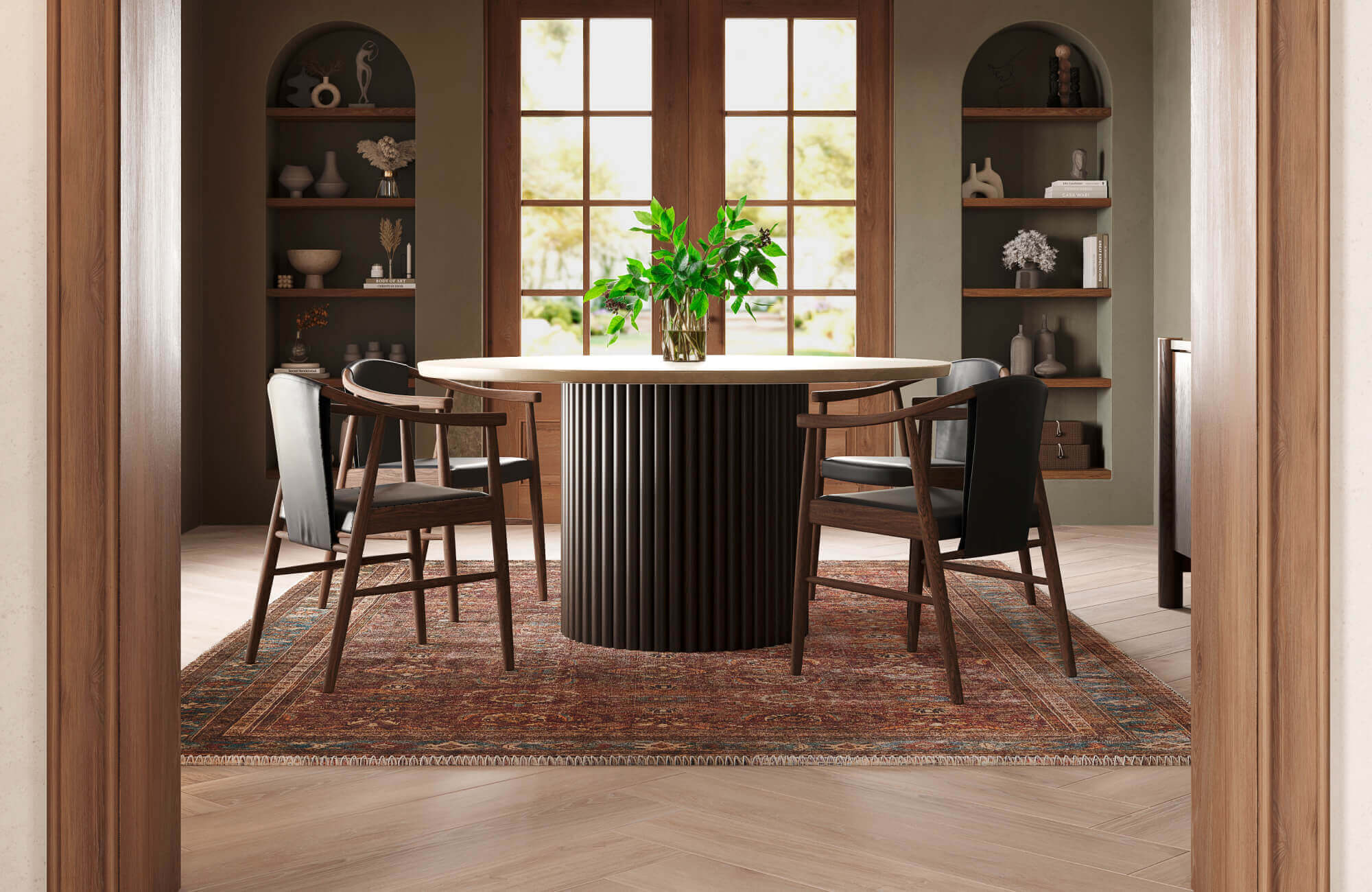
A great example is Edward Martin’s Leonardo 59" Dining Table in Brown, as displayed in the photo above, which blends modern craftsmanship with timeless versatility. Its round design encourages conversation and easy flow, while the rich finish and sculptural base bring visual warmth to both everyday settings and more formal gatherings, much like the inviting setup in the photo above.
Aligning Style With Lifestyle Needs
The right table should complement both your home and your everyday life. Families with young children often prefer rounded edges and easy-to-clean finishes that can handle everyday use. A piece like Alice 54" Round Dining Table in Light Oak is a great example, its smooth circular shape and warm natural tone make it both family-friendly and visually refined. Those who appreciate design might be drawn to sculptural bases, distinctive wood grains, or statement finishes that turn the table into a focal point. When your dining habits and aesthetic preferences work together, the result is a space that feels both effortless and thoughtfully designed.
Exploring Dining Table Shapes and Their Impact
The shape of your dining table quietly shapes the way a room looks, feels, and functions. It affects not only how people interact but also how spacious and balanced the area appears. Each shape creates a distinct sense of flow and connection, influencing the overall mood of your dining space.
Rectanglular Dining Table
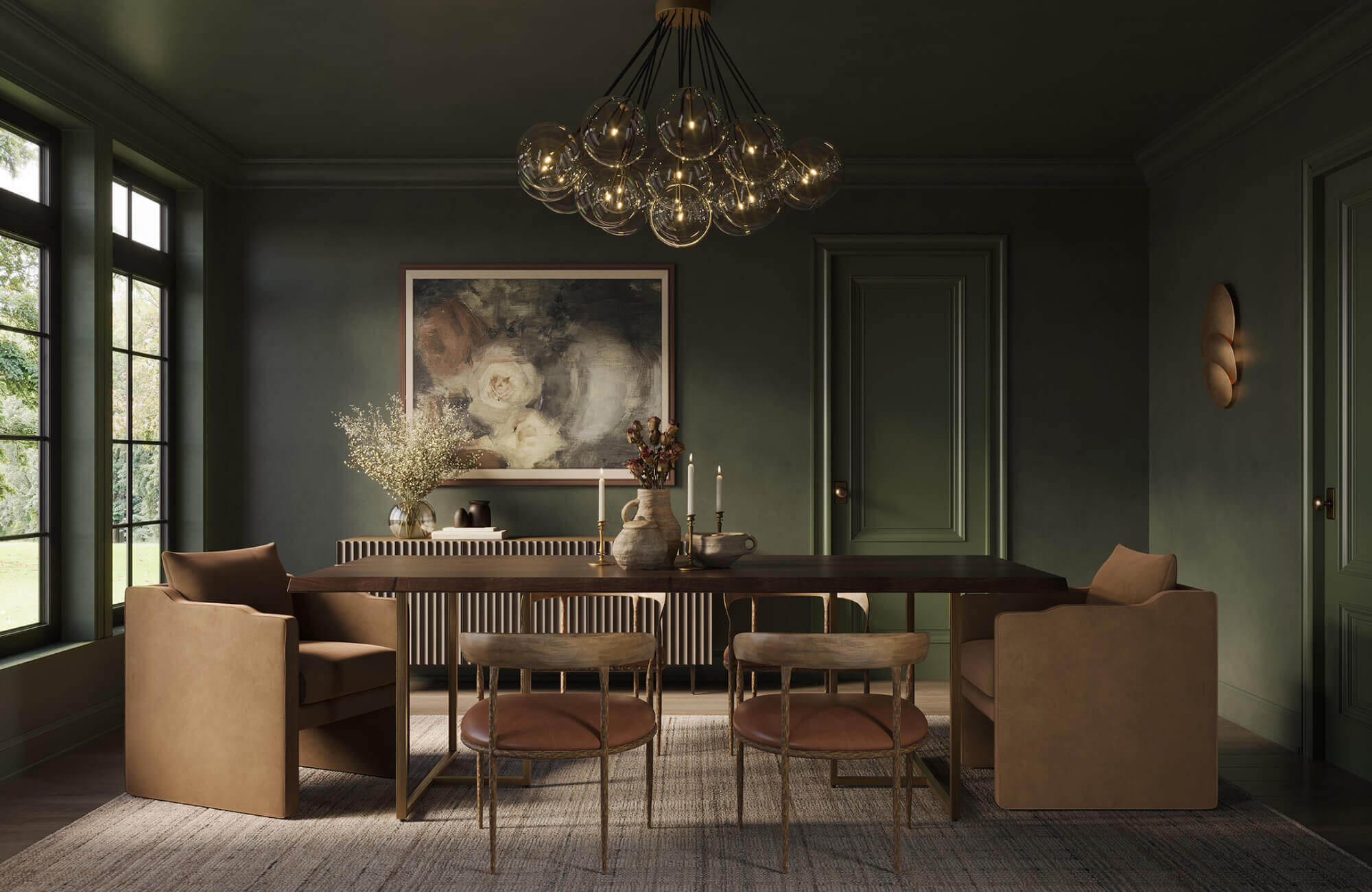
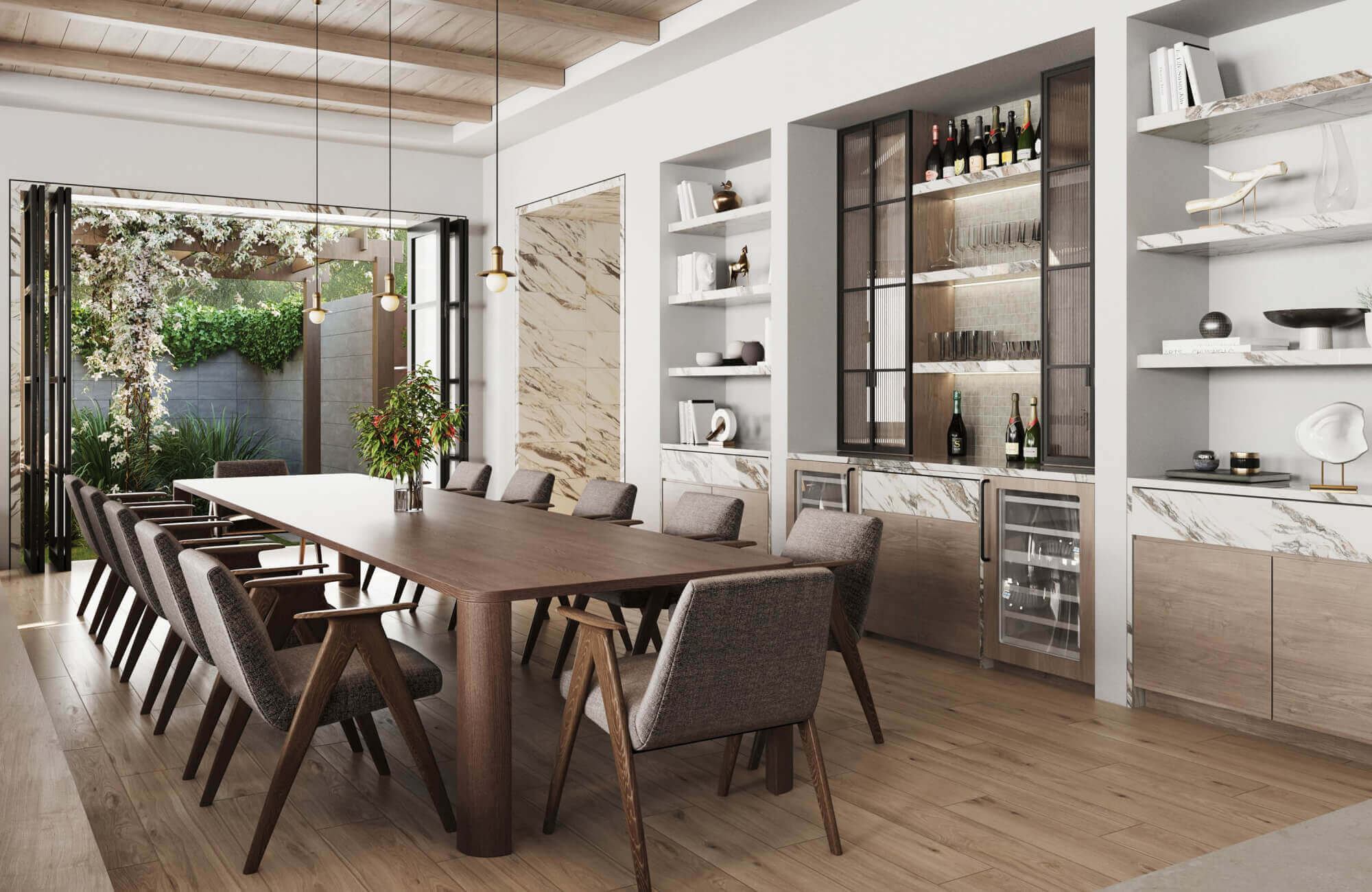
Rectangular tables remain a classic choice because they suit almost any room layout. Their clean, linear form naturally organizes long or narrow spaces and pairs well with a variety of seating options, from benches to mixed chair styles. You can highlight symmetry by centering a pendant or chandelier above, or introduce softness with upholstered chairs at the ends. This balanced shape also brings a sense of structure and harmony while providing ample space for both daily dining and larger gatherings.
In this elegant dining setup above, Edward Martin’s Dominic 95" Dining Table in Dark Mango exemplifies the versatility and balance of a rectangular design. Its dark, refined finish and streamlined profile ground the room beautifully, complementing the soft lighting and warm tones around it. The table’s elongated silhouette creates a strong visual anchor, illustrating how proportion and material can bring cohesion and sophistication to a well-designed dining space.
Round Dining Table
A round table naturally creates a welcoming, social atmosphere. With no corners to separate guests, it encourages eye contact and easy conversation. It’s a great choice for smaller or square rooms, where soft edges help the space feel more open and relaxed. Opting for a pedestal base instead of four legs adds flexibility to seating and enhances the table’s clean, seamless look. A piece like Selena 55" Outdoor Dining Table in Black exemplifies this concept beautifully; its smooth circular top and sculptural pedestal base promote an open, inclusive feel while adding a touch of modern sophistication. The sense of connection a round table fosters makes it perfect for both intimate meals and open, airy layouts.
Oval and Square Dining Table
Oval tables blend the intimacy of round designs with the seating capacity of rectangular ones, making them ideal for medium-sized spaces. Their curved edges soften angular architecture while preserving a sense of balance. Square tables, meanwhile, feel intimate and well-proportioned in both compact rooms and open layouts. They foster a sense of connection among diners and can define a cozy dining zone within a larger area. Each shape introduces its own rhythm and energy, allowing you to tailor the dining experience to your space and style.
Choosing Materials That Match Your Aesthetic and Practical Needs
The material of your dining table influences not only its appearance but also your everyday experience using it. Each option brings its own character, level of care, and visual presence. By choosing thoughtfully, you can find a table that reflects your personal style while meeting the practical needs of your lifestyle.
Solid Wood for Warmth and Longevity
Wood remains a classic choice for its strength, versatility, and natural charm. Species such as oak, walnut, and acacia each showcase unique grains and tones that develop richer character over time. A solid wood table adds warmth and a sense of permanence to your dining space, making it feel grounded and inviting. With simple maintenance, like gentle cleaning and occasional polishing, it can also retain its beauty and durability for many years.
Stone and Marble for Sophisticated Impact
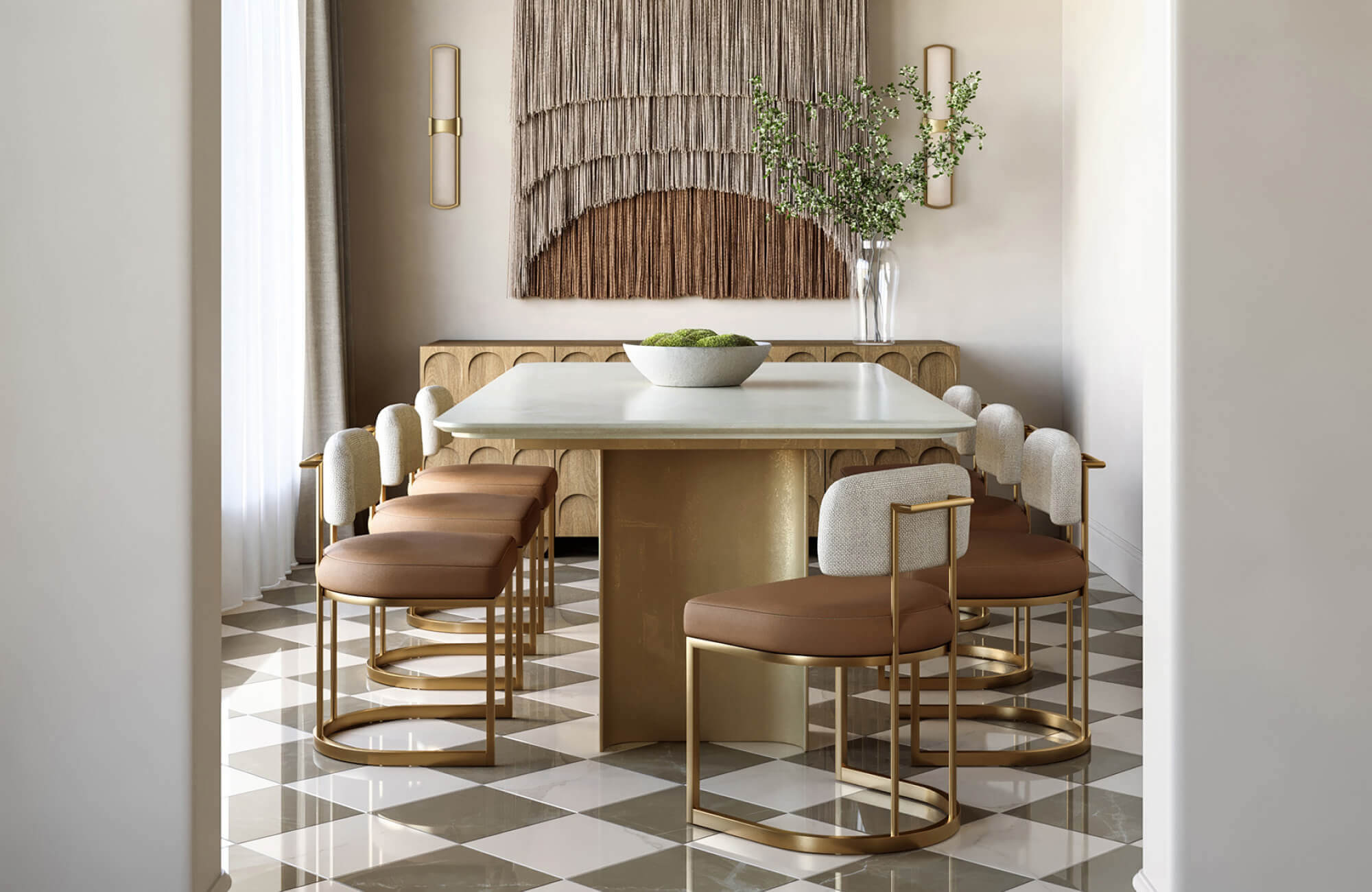
Stone and marble tables can instantly add a refined, elegant presence to any dining space. Their natural veining and patterns make each piece distinct, adding depth and visual intrigue. Because these materials are porous, they require proper sealing and care to preserve their surface over time. Ideal for those who value elegant statement pieces, stone and marble tables combine lasting beauty with a polished, timeless appeal.
In the photo displayed above, Edward Martin’s Kyla 94.5" Dining Table, with its solid cream marble top and distinctive natural veinings, beautifully captures this sense of sophistication. Its smooth, luminous surface enhances light within the room, while the unique veining creates a one-of-a-kind focal point that elevates the surrounding décor. This table demonstrates how marble can bring both luxury and warmth to a thoughtfully designed space.
Glass and Metal for Modern Minimalism
For a clean, open look, glass and metal make an ideal pairing. The transparency of glass opens up the room, while metal frames, especially in matte or brushed finishes, can bring structure and a sense of balance. Together, they can also create a balanced contrast that suits contemporary interiors or any space where you want to combine lightness with stability.
Mixed Materials for Contemporary Personality
For a versatile and distinctive look, consider a dining table that combines materials, such as wood and steel or marble and metal. These pairings introduce depth and texture, creating a design that feels both balanced and adaptable. Blending materials allows you to explore contrasts, warm with cool, matte with polished, while still achieving a cohesive, contemporary look.
Coordinating Dining Table Styles With Interior Themes
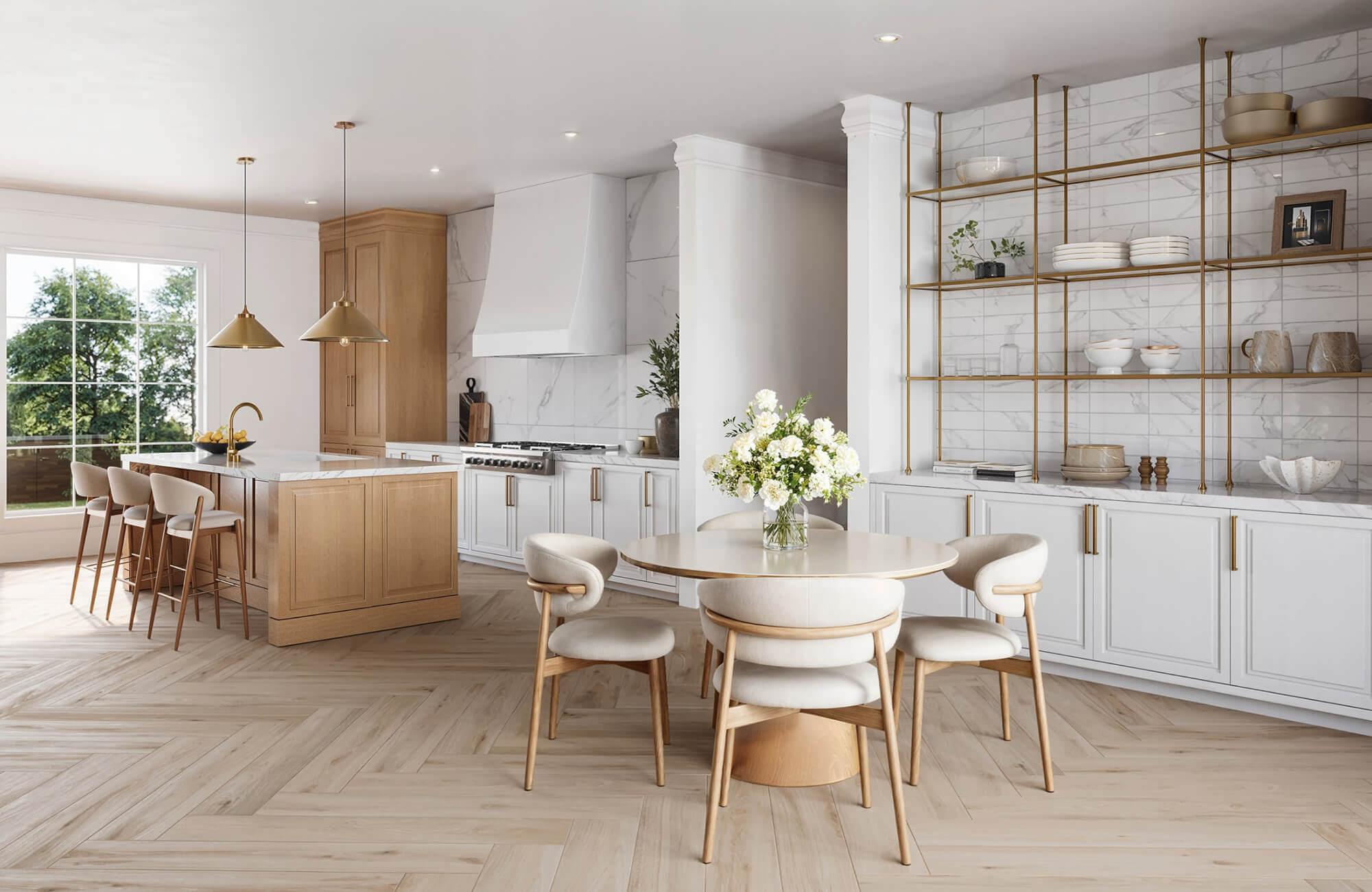
Once you’ve decided on the right size, shape, and material, the next step is to ensure your dining table complements your home’s overall aesthetic. The goal is harmony: ensuring your dining table feels like an extension of your living space rather than a separate design statement.
Modern and Minimalist
A modern table highlights clean lines, balanced proportions, and understated elegance. Look for slim legs, refined details, and smooth finishes that subtly reflect light. These designs suit open layouts where simplicity enhances flow and clarity, allowing the table’s form to stand out without distraction. Pairing the table with neutral tones or sculptural lighting can further emphasize its sleek aesthetic, creating a dining space that feels open, calm, and effortlessly sophisticated.
Rustic and Farmhouse
Rustic tables bring a natural warmth and genuine character to any dining space. Crafted from solid wood with natural textures and visible grain, they celebrate the beauty of organic materials. These tables also pair beautifully with mixed seating, such as wooden chairs and upholstered accents, to create an inviting, lived-in atmosphere. Their charm comes from a relaxed simplicity that feels timeless, comfortable, and full of character.
Mid-Century and Transitional
If you appreciate balanced design with a hint of vintage charm, mid-century styles offer the perfect mix of character and practicality. Distinctive details, like tapered legs, rounded corners, and smooth silhouettes, create a sense of flow while keeping the design clean and uncluttered. Transitional tables, meanwhile, combine timeless materials with clean, modern lines, making them versatile enough to evolve with your décor. Both styles strike a harmony between past and present, lending warmth and sophistication to any dining setting.
Contemporary Eclectic
For those who enjoy experimenting, eclectic design encourages creativity and self-expression. A sculptural base paired with classic chairs can create a striking visual contrast, while bold colors or mixed finishes bring personality and depth. The key is balance; choose one standout feature and let the surrounding elements support it. Thoughtful layering of textures, tones, and forms also ensures the look feels curated rather than chaotic, resulting in a dining space that’s vibrant, distinctive, and uniquely your own.
Balancing Proportions With Chairs, Lighting, and Décor
A dining table is most effective when it works in harmony with the pieces around it. The chairs, lighting, and surrounding décor all play a key role in shaping the room’s balance and mood. When these elements are proportionate and thoughtfully coordinated, the dining area feels cohesive, comfortable, and naturally inviting.
Pairing Chairs for Comfort and Visual Flow
Chairs should feel comfortable and well-scaled to the table’s height and style. Mixing designs can add personality, but maintaining a shared element, such as color, texture, or material, can help keep the look cohesive. For example, upholstered chairs can soften the appearance of a wooden table, while subtle metal accents introduce a modern edge. True visual flow comes from thoughtful balance rather than perfect uniformity.
Coordinating With Lighting Fixtures
The right lighting can elevate the entire dining experience. Position the fixture so it’s centered above the table and hangs low enough to create a warm, even glow without glare. Choose a shape that complements your table; round lights pair beautifully with circular designs, while linear fixtures enhance rectangular ones. Well-planned lighting not only highlights the table but also the atmosphere, making meals feel more intimate and engaging.
Styling With Accessories and Textures
Table décor should complement the furniture rather than overpower it. A simple runner, sculptural vase, or bowl of seasonal fruit can add interest without clutter. Incorporate textures such as linen, ceramic, or glass to echo materials used elsewhere in the room and create a sense of continuity. By keeping accessories refined and purposeful, the table remains the focal point while the overall space feels balanced and cohesive.
Making a Sustainable and Long-Term Investment
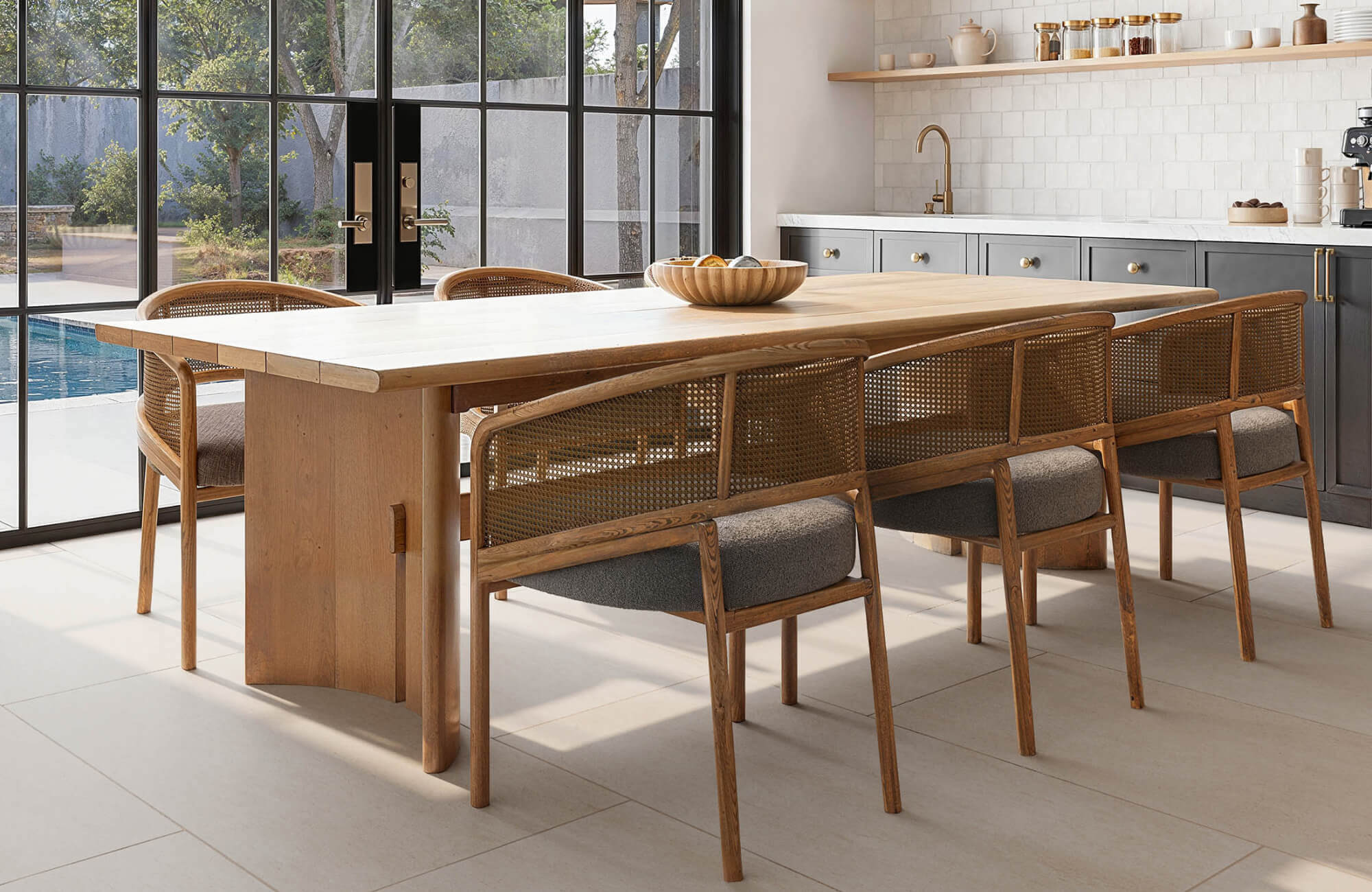
A dining table is one of the rare pieces of furniture that truly grows with you. Choosing carefully ensures it stays both beautiful and functional through countless meals, gatherings, and celebrations. When thoughtfully selected, it becomes more than a fixture; it also evolves into a lasting centerpiece of your home’s story.
Quality Construction and Craftsmanship
A well-built table feels solid the moment you touch it, with a stability that reflects true craftsmanship. Look for precise joinery, sturdy legs, and balanced proportions, signs that the piece is designed to endure daily use. High-quality materials and expert construction prevent warping or wobbling, ensuring the table remains as dependable as it is beautiful. With proper care, a well-crafted table can last for decades, bringing lasting comfort and quiet elegance to your home.
Ethical and Sustainable Choices
Sustainability doesn’t have to mean sacrifice; it can further add richness and meaning to your home. Many makers now use responsibly sourced wood, recycled components, or eco-friendly finishes that reduce environmental impact without compromising style or quality. Reclaimed wood tables, in particular, carry a sense of history and character through their unique textures and imperfections. By choosing sustainably made furniture, you’re not only enhancing your home’s aesthetic but also supporting craftsmanship that respects the planet and future generations.
Future-Proofing Through Timeless Design
When investing in a dining table, think about how your style and space may evolve over the years. Neutral finishes and classic silhouettes can transition seamlessly through different décor updates, making them a smart long-term choice. Tables with removable extensions or adaptable materials also offer flexibility as your needs change, whether you move homes or simply refresh your interiors. A timeless design not only endures beyond passing trends but also remains relevant, grounded, and effortlessly at home in any setting.
Finding Your Perfect Dining Table Style
Choosing a dining table style means finding harmony between beauty and practicality, comfort and structure, form and function. Every decision, from shape and material to finish and proportion, influences how your dining area feels and how people connect within it. When chosen with care, the table becomes more than furniture; it becomes a gathering place that reflects your lifestyle and taste. Take time to explore options, picture how each one fits your home, and trust your instincts to guide you toward a style that feels naturally yours.
If you’re unsure where to start, our design service can help you visualize the perfect dining setup tailored to your space and preferences. For personalized guidance or product inquiries, contact us—we’re here to help you create a dining space that feels both beautiful and uniquely yours.
Follow us on Instagram
@EDWARD.MARTIN
)
)
)
)
)
)
)
)
)
)
)
)
)
)
)
)